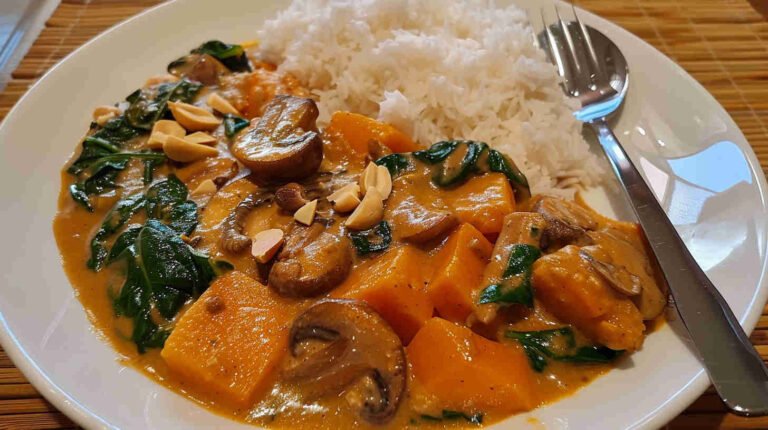
Asian Mushroom Miso Noodle Soup Recipe
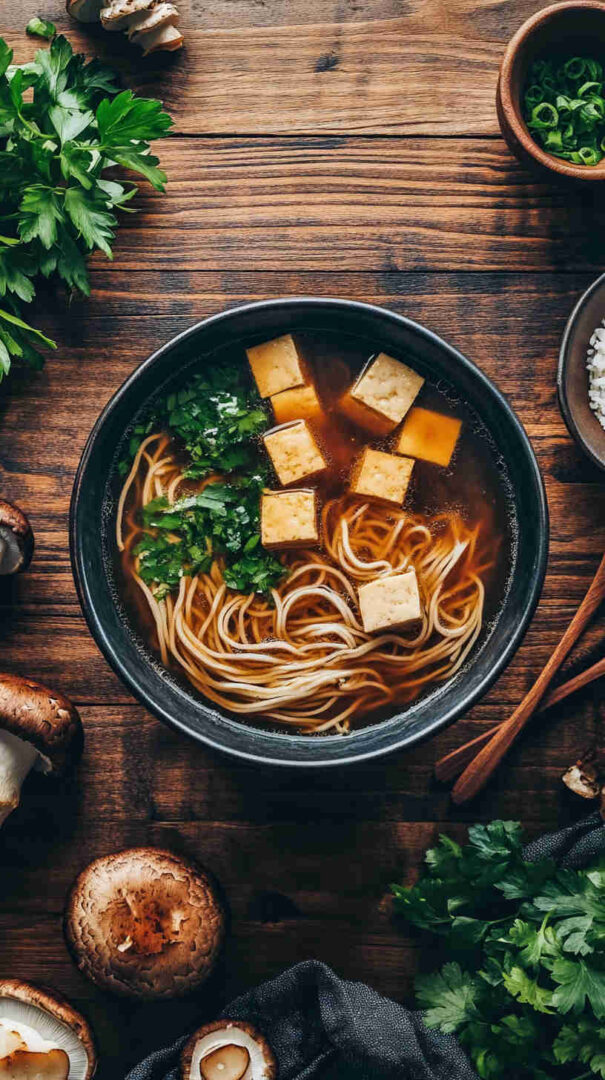
This soul-warming Asian Mushroom Miso Noodle Soup features an aromatic miso broth simmered with garlic, ginger, and a variety of earthy mushrooms like shiitake and cremini. Tender noodles, crisp greens, and optional tofu create a nourishing, flavorful meal that’s quick to prepare yet deeply satisfying on chilly days.
Why You’ll Love This Recipe:
You’ll fall head over heels for this recipe because it delivers restaurant-quality umami depth in under 30 minutes using simple pantry staples. The combination of fermented miso, fragrant ginger-garlic aromatics, and meaty mushrooms creates an incredibly rich, savory broth without any meat or long simmering.
It’s naturally vegetarian (and vegan-friendly), light yet filling thanks to protein-rich tofu and nutrient-dense veggies, and endlessly customizable. Whether you’re craving cozy comfort food, fighting a cold, or just want something healthy and flavorful on a busy weeknight, this soup hits every note—savory, slightly tangy, warming, and slurpable. Cleanup is a breeze with mostly one-pot cooking, and it feels nourishing and indulgent at the same time.
Asian Mushroom Miso Noodle Soup Recipe

Cozy, umami-rich miso broth with earthy mushrooms, tender noodles, and fresh greens—quick, healthy, and deeply satisfying.
Ingredients
- 8 oz (225g) mixed mushrooms (shiitake, cremini, oyster), sliced or torn
- 4 cups (1 liter) vegetable or mushroom broth
- 3 tablespoons white miso paste
- 3 cloves garlic, minced
- 1-inch piece fresh ginger, grated or minced
- 1 tablespoon sesame oil (plus extra for drizzling)
- 1 tablespoon soy sauce or tamari
- 8 oz (225g) ramen, udon, or soba noodles
- 7-8 oz (200g) firm or silken tofu, cubed
- 2-3 baby bok choy or pak choi, chopped
- 2 green onions, thinly sliced
- Optional garnishes: sesame seeds, chili oil, nori strips, lime wedges
Instructions
- Get everything ready! Chop your mushrooms into thin slices or tear them for rustic texture, mince the garlic, grate the ginger, and cube the tofu. Slice bok choy and green onions. This mise en place makes cooking feel effortless and fun.
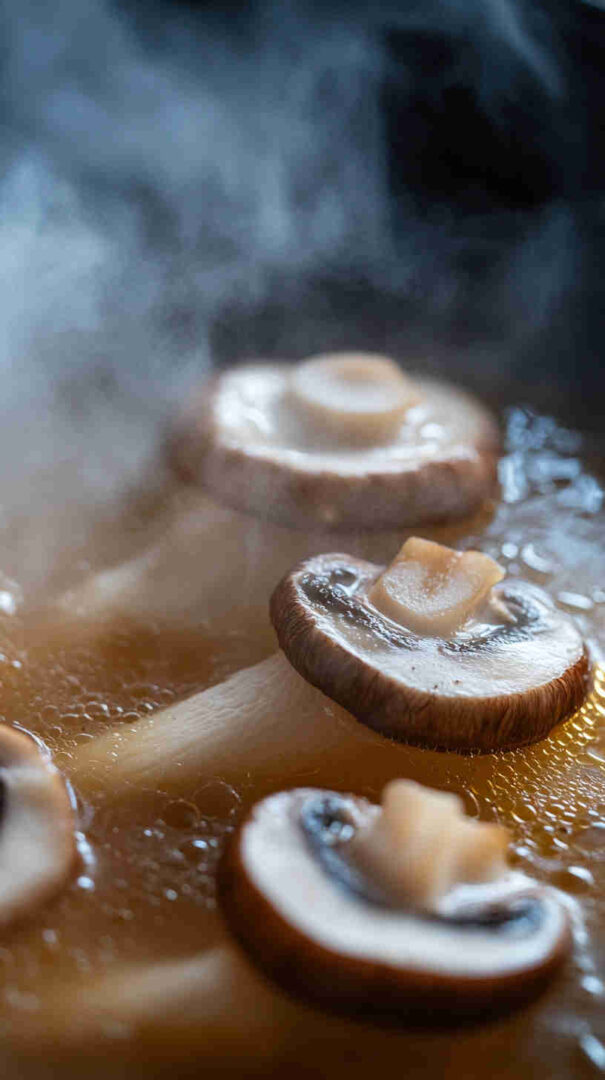
- Sauté those gorgeous mushrooms. Heat sesame oil in a large pot over medium heat. Add mushrooms and cook 5-6 minutes, stirring occasionally, until they release moisture and turn golden brown—this step builds incredible flavor!
- Wake up the aromatics. Toss in minced garlic and grated ginger. Stir for 1 minute until fragrant and your kitchen smells amazing.
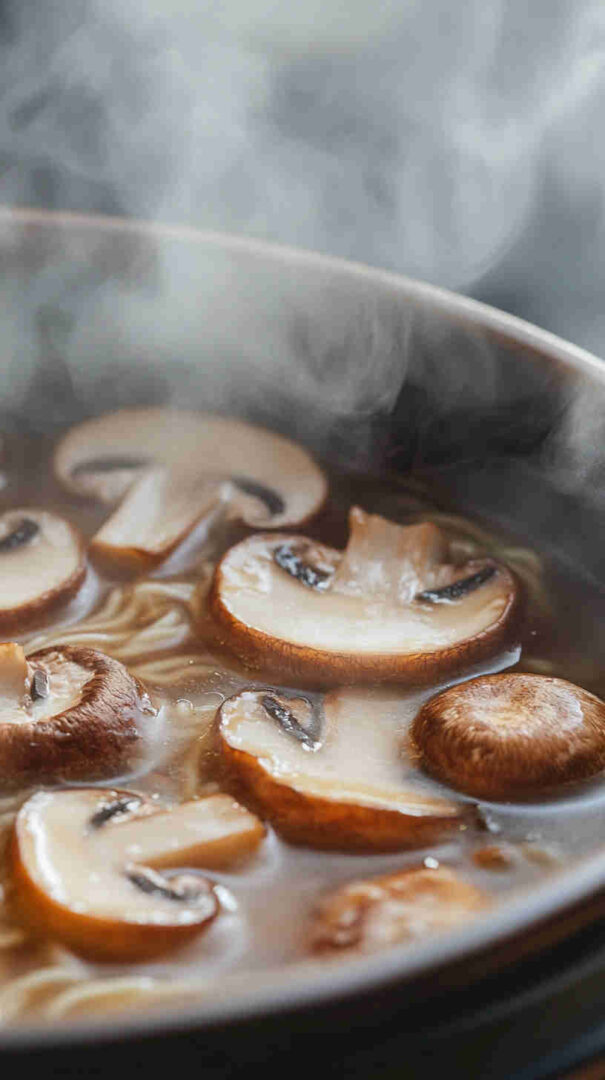
- Pour in the broth. Add vegetable broth and soy sauce. Bring to a gentle simmer and let it bubble softly for 5 minutes so the flavors meld beautifully.
- Cook your noodles separately. While the broth simmers, boil noodles according to package instructions in a separate pot. Drain and set aside—this keeps them perfectly al dente.
- Add the greens and tofu. Stir in chopped bok choy and tofu cubes. Let them warm through for 2-3 minutes until greens wilt slightly but stay vibrant.
- The magic miso moment! Remove pot from heat. In a small bowl, whisk miso paste with a ladle of hot broth until smooth. Stir this slurry back into the pot—never boil miso to keep its goodness intact. Taste and adjust with extra soy if needed.
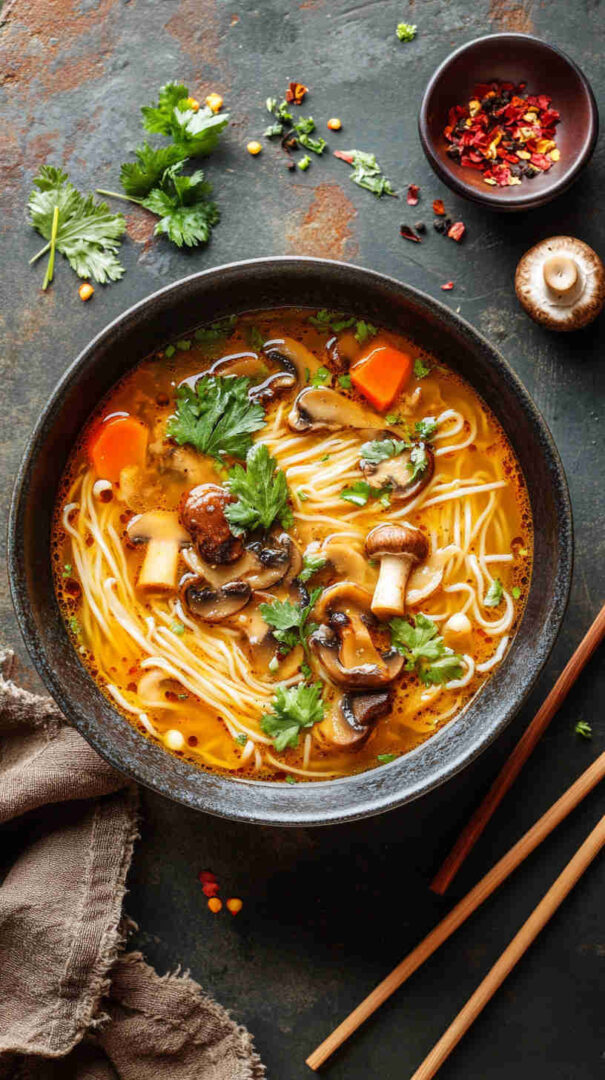
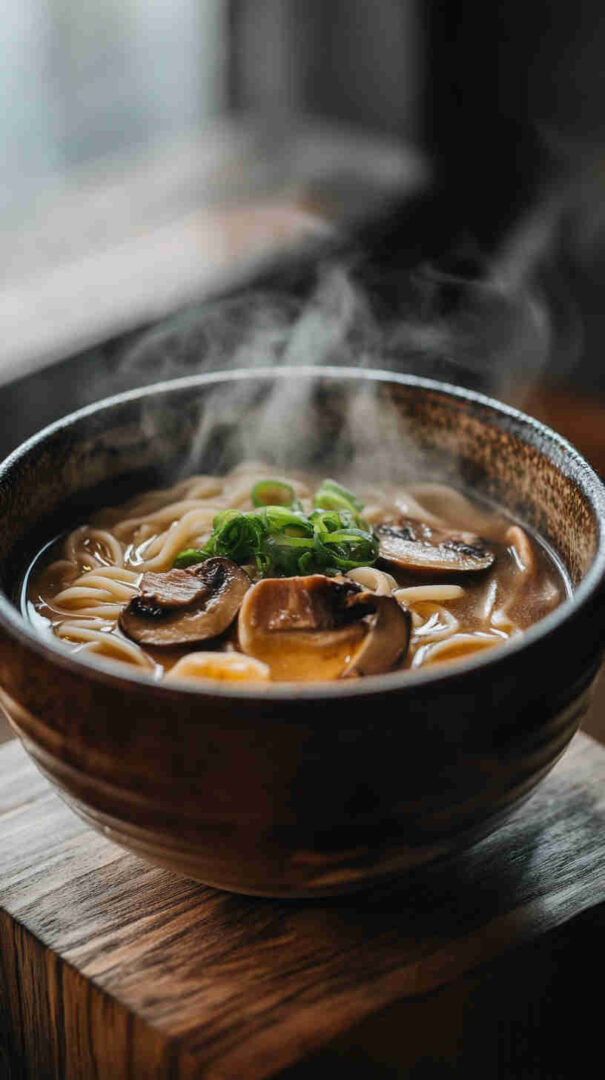
- Assemble your masterpiece. Divide cooked noodles into deep bowls. Ladle steaming hot broth, mushrooms, tofu, and greens generously over top.
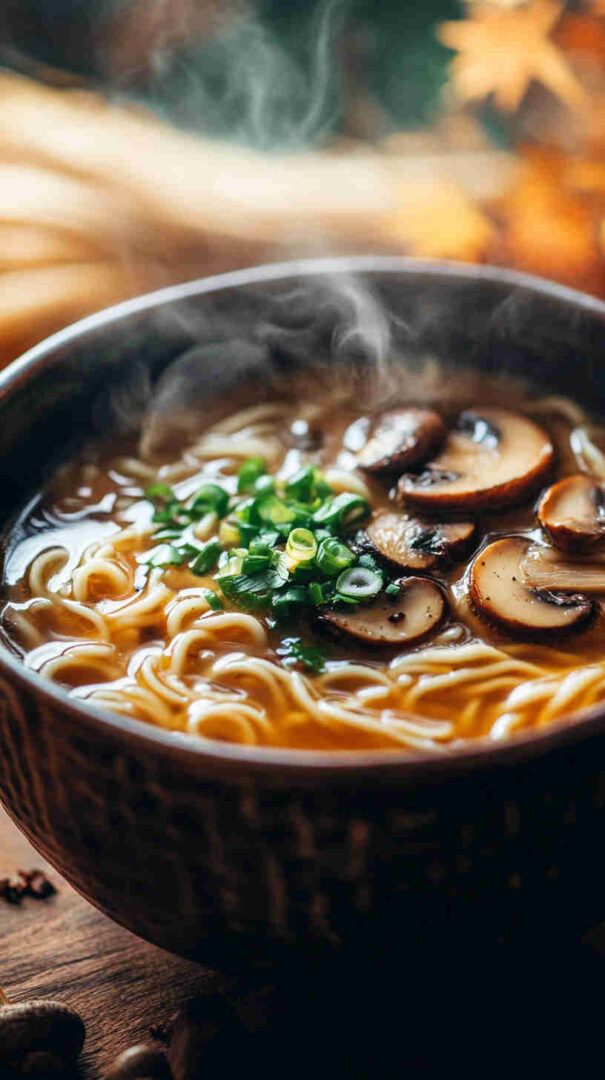
- Make it pretty. Sprinkle sliced green onions, sesame seeds, and a drizzle of sesame oil or chili oil for extra flair and flavor.
- Grab your chopsticks and enjoy! Slurp loudly, savor the rich umami, and feel the warmth spreading through you—this soup is pure comfort in every bite.
Notes
Miso is naturally salty, so taste before adding extra salt. For gluten-free, use tamari and gluten-free noodles. This recipe is vegan as written (ensure miso is vegan—no fish-based dashi).
Nutrition Information
Yield
4Serving Size
1Amount Per Serving Calories 145Total Fat 5gSaturated Fat 1gUnsaturated Fat 4gSodium 1378mgCarbohydrates 21gFiber 2gSugar 4gProtein 7g
The recipes and nutritional information on Yum Tonight are for informational purposes only. Always consult a healthcare provider for personalized dietary advice.
Recipe Tips and Tricks:
- Don’t boil the miso! Stir it in at the end off heat to preserve its probiotics and delicate flavor.
- Slice mushrooms thinly or tear them for better texture and quicker cooking.
- Taste the broth before adding miso—adjust soy sauce or salt gradually as miso is salty.
- For extra umami, add a dash of mushroom powder or a splash of soy sauce early on.
- Cook noodles separately if you plan leftovers to prevent them from getting mushy.
- Garnish generously right before serving for the best presentation and fresh crunch.
Ingredients Notes:
- Mushrooms — Shiitake brings classic Asian earthiness and chewiness; cremini or oyster add meaty texture. Fresh is best, but dried shiitake can be rehydrated for an even deeper broth flavor.
- Miso paste — White or yellow miso is milder and slightly sweet; red miso is bolder and saltier. Use white for a gentler flavor in this soup. It’s the heart of the umami.
- Ginger and garlic — Fresh is essential for bright, zingy aroma that balances the richness.
- Noodles — Ramen, udon, or soba all work beautifully; soba adds nutty flavor while ramen gives that classic slurp.
- Tofu — Silken for creamy melt-in-mouth texture or firm for hearty bites.
- Greens — Baby bok choy or pak choi wilt perfectly; spinach or napa cabbage are great substitutes.
- Broth — Vegetable or mushroom stock forms the base; low-sodium lets you control saltiness from miso and soy.
Variations and Substitutions:
Make it spicier by adding chili oil, red pepper flakes, or sriracha at the end. For a creamier version, stir in a splash of coconut milk or unsweetened soy milk. Swap tofu for shelled edamame or cooked chickpeas for extra protein.
Use rice noodles or shirataki for a gluten-free or lower-carb option. Add sliced carrots, corn, or bean sprouts for more veggies. For non-vegetarian, include shredded chicken, shrimp, or a soft-boiled egg on top.
Switch to red miso for deeper flavor or mix white and red. If you love seaweed, add wakame or nori strips for authentic Japanese flair. Experiment with toppings like sesame seeds, fried shallots, scallions, or lime wedges for brightness.
Storage Options:
Store cooled soup (without noodles) in an airtight container in the refrigerator for up to 3-4 days. Noodles should be cooked fresh or stored separately to avoid sogginess. Reheat gently on the stovetop over low heat (do not boil after adding miso). Freezes well for up to 2 months (broth + veggies only; add fresh noodles when reheating).
Dish Gallery

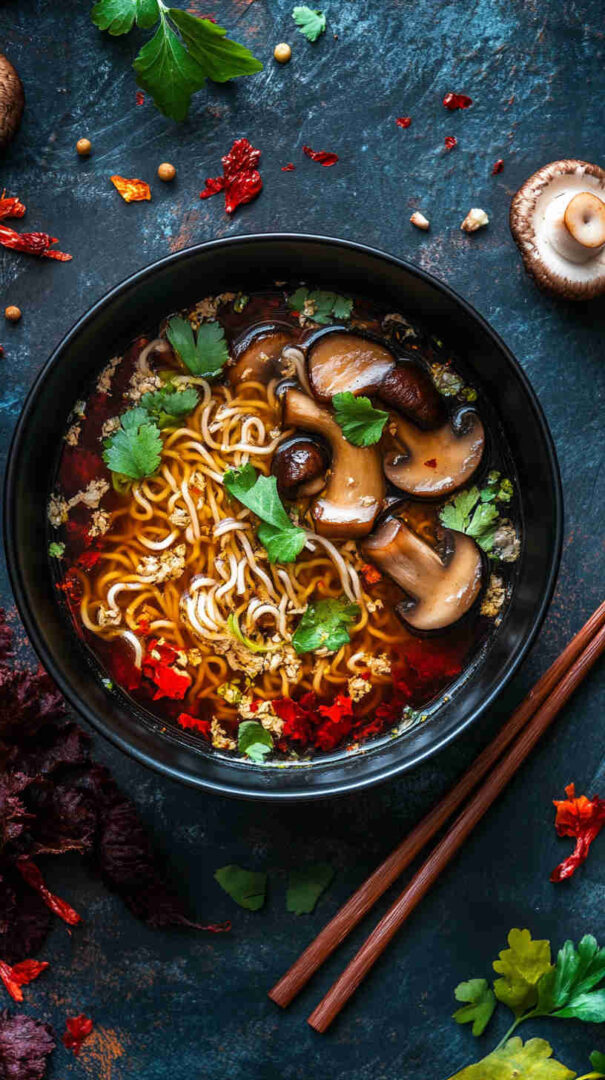
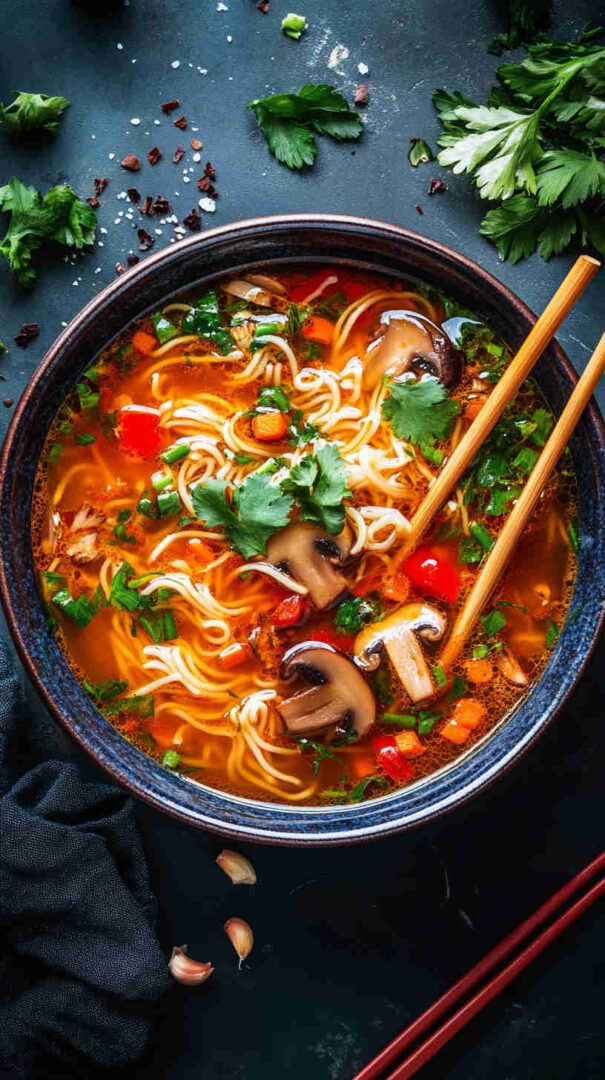
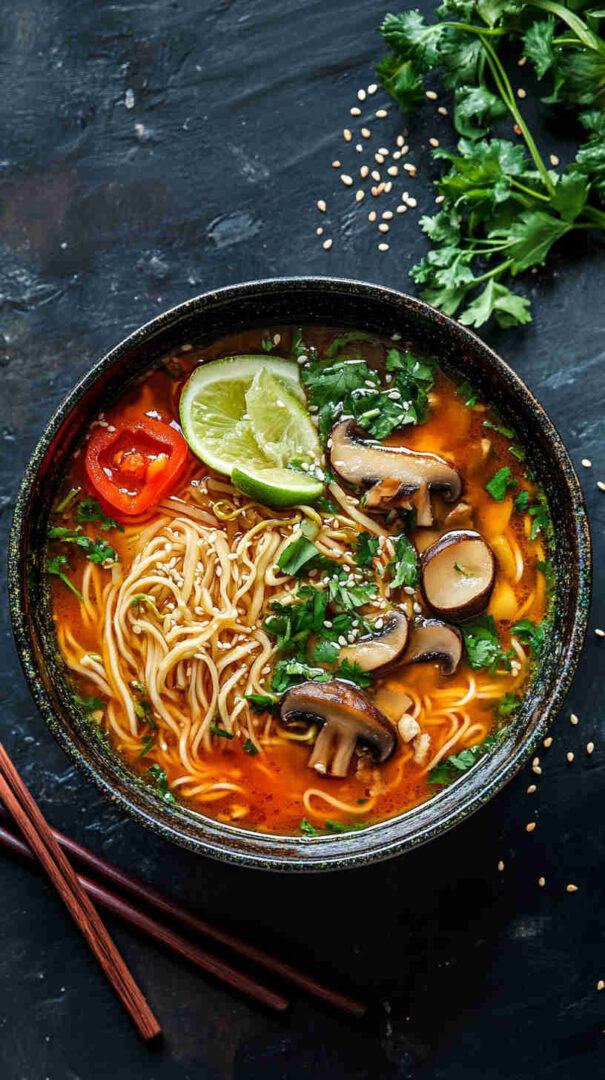

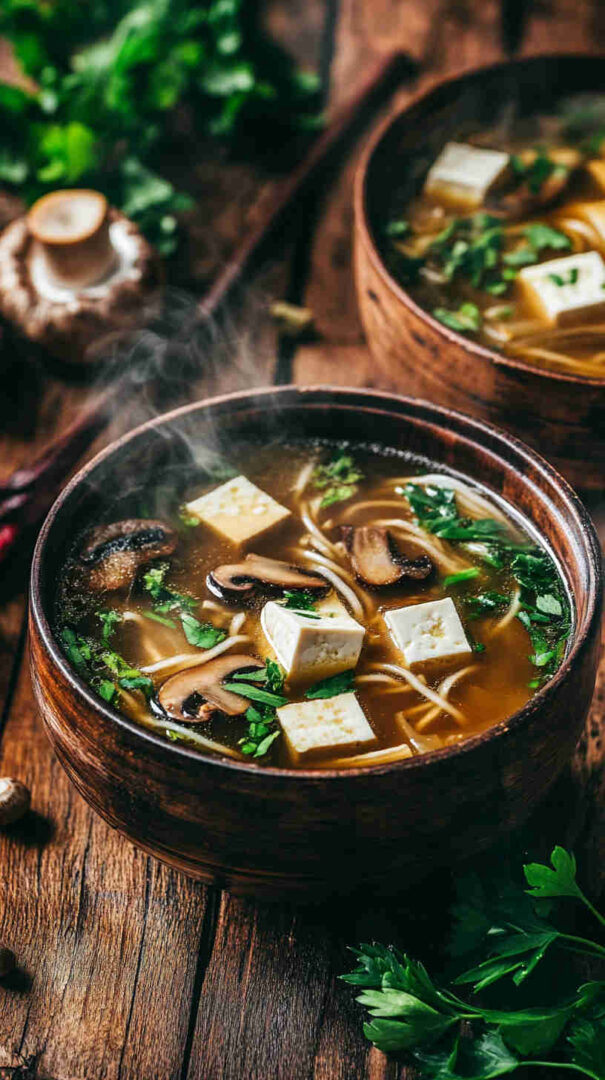

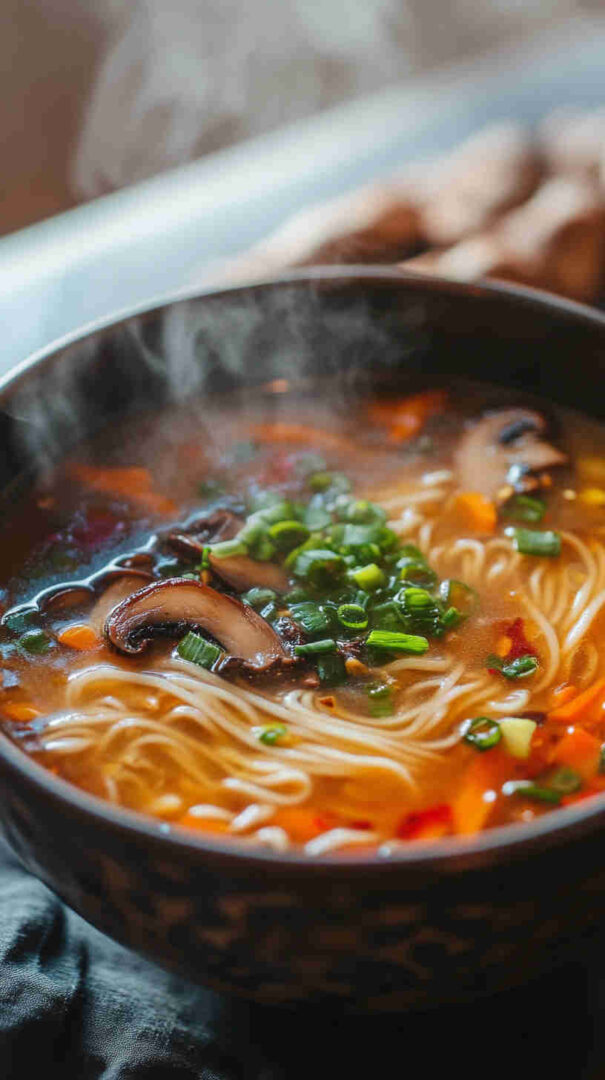
Please share this Asian Mushroom Miso Noodle Soup Recipe with your friends and do a comment below about your feedback.
We will meet you on next article.
Until you can read, Asian Mushroom Lo Mein Recipe