Authentic Pane Toscano – Traditional Saltless Bread
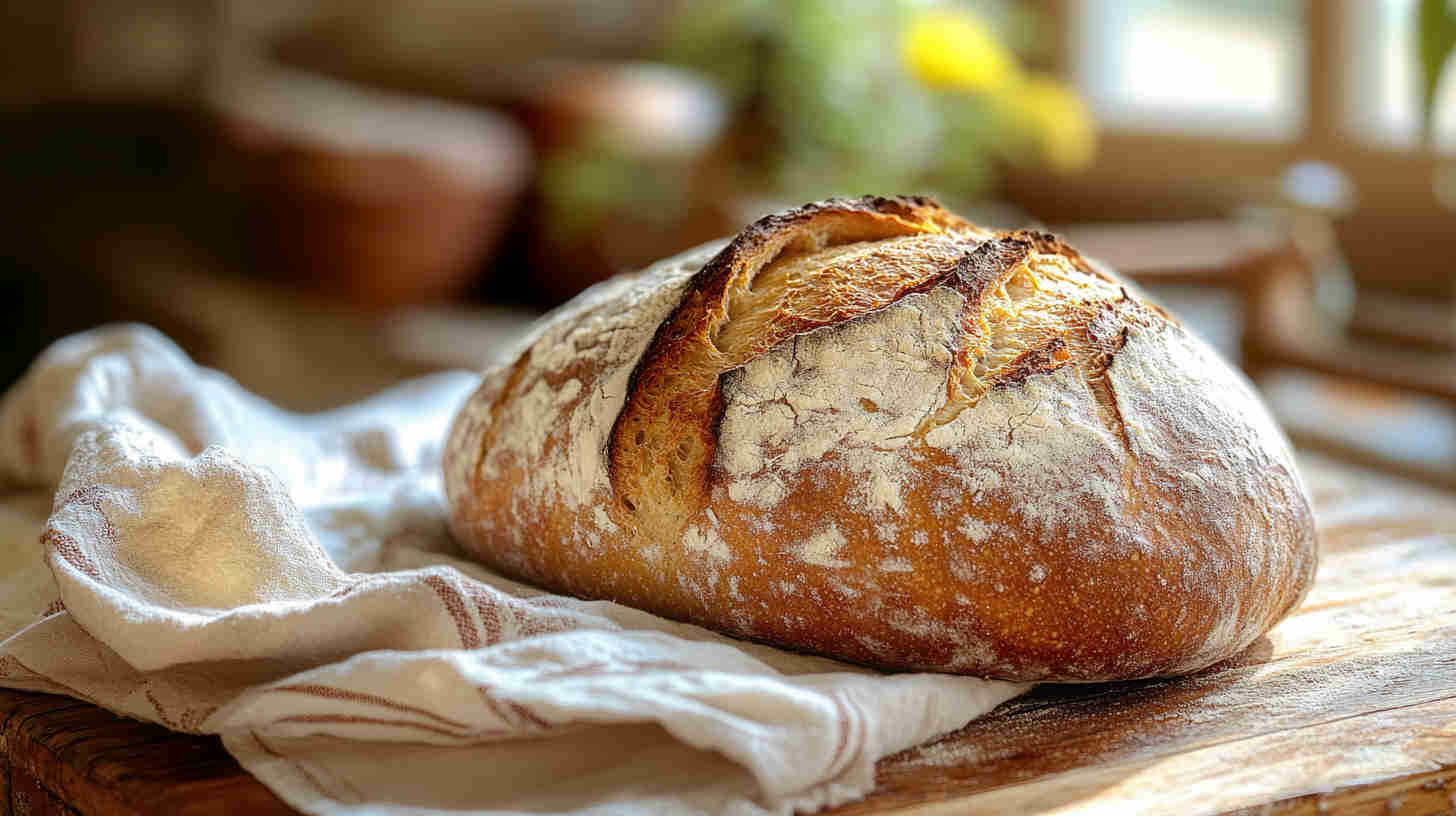
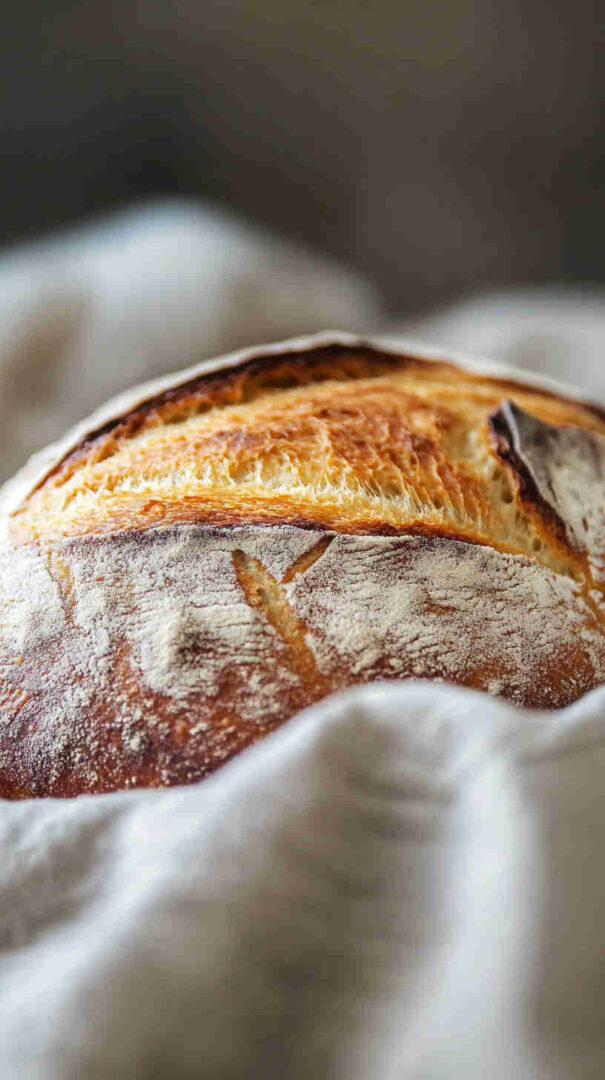
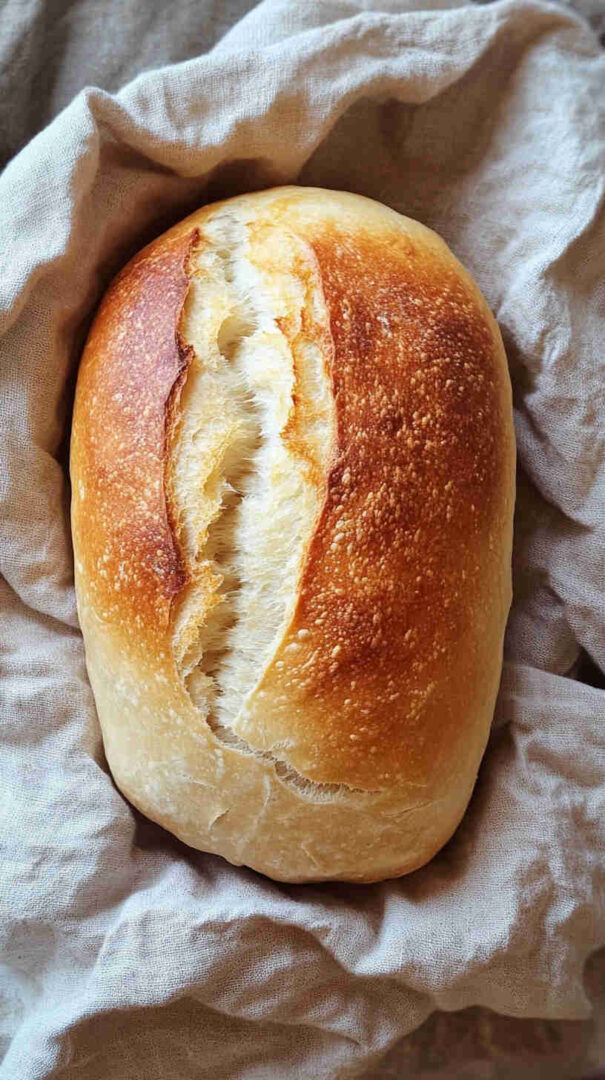
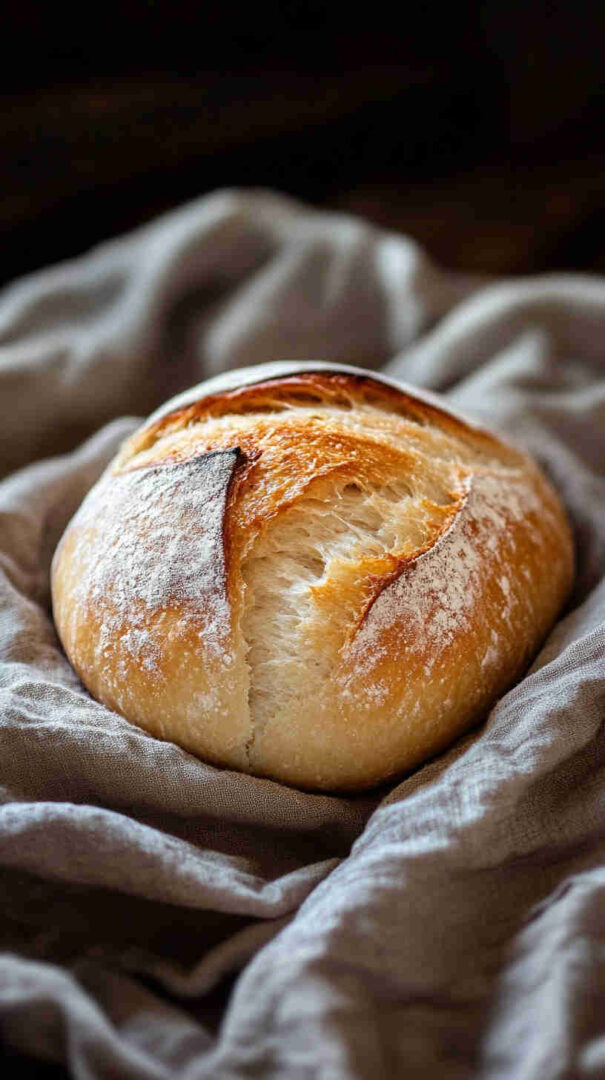
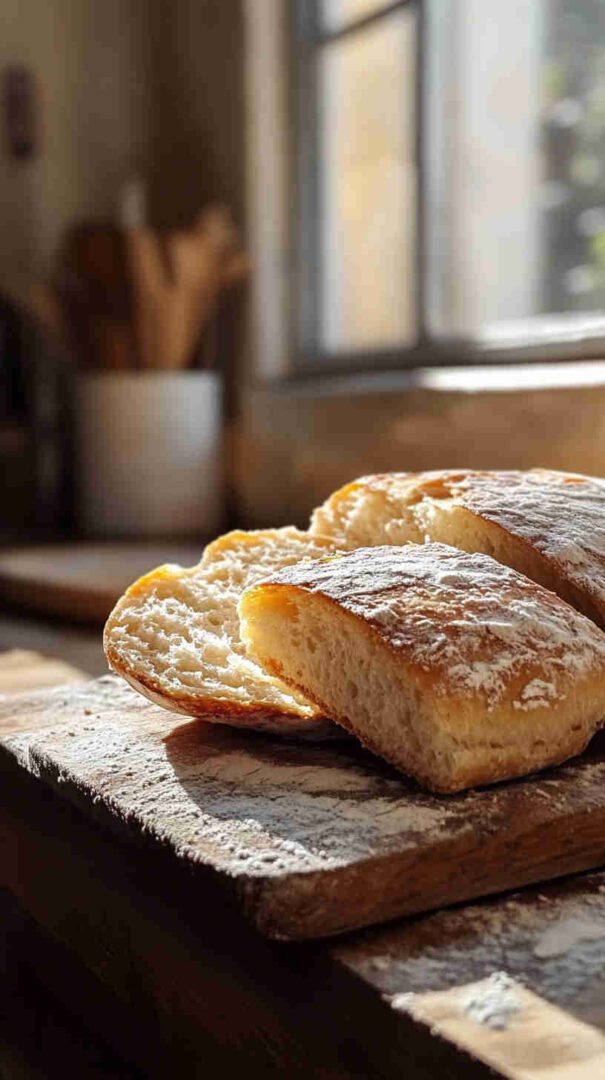
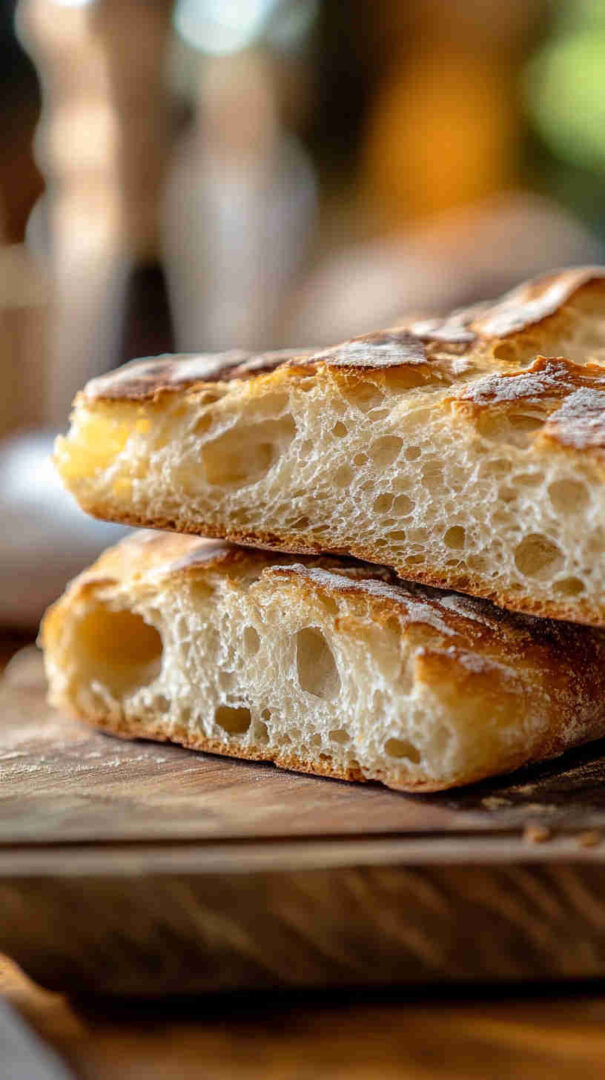
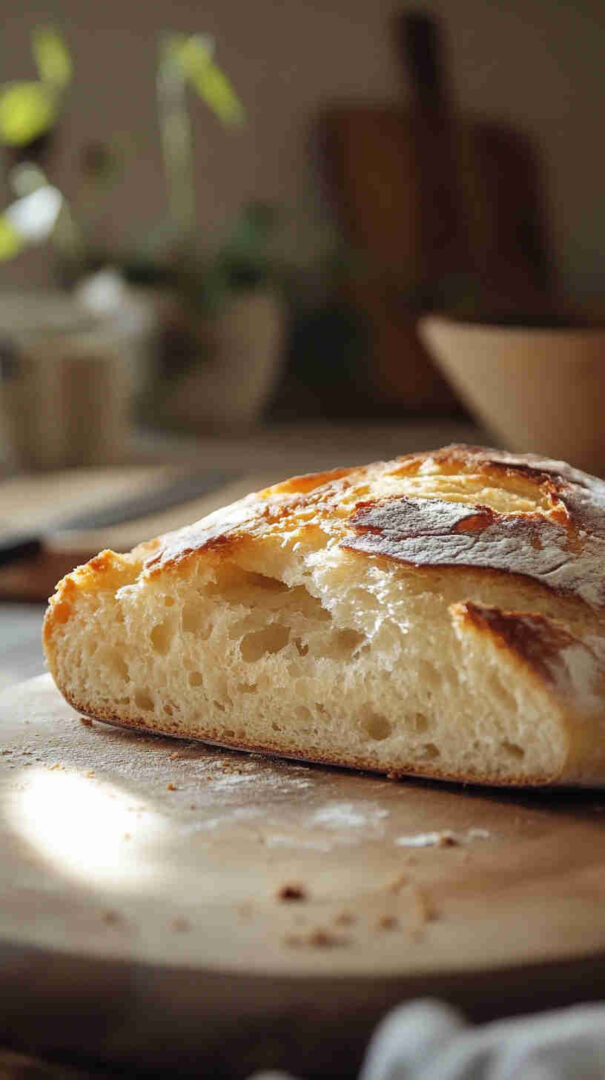
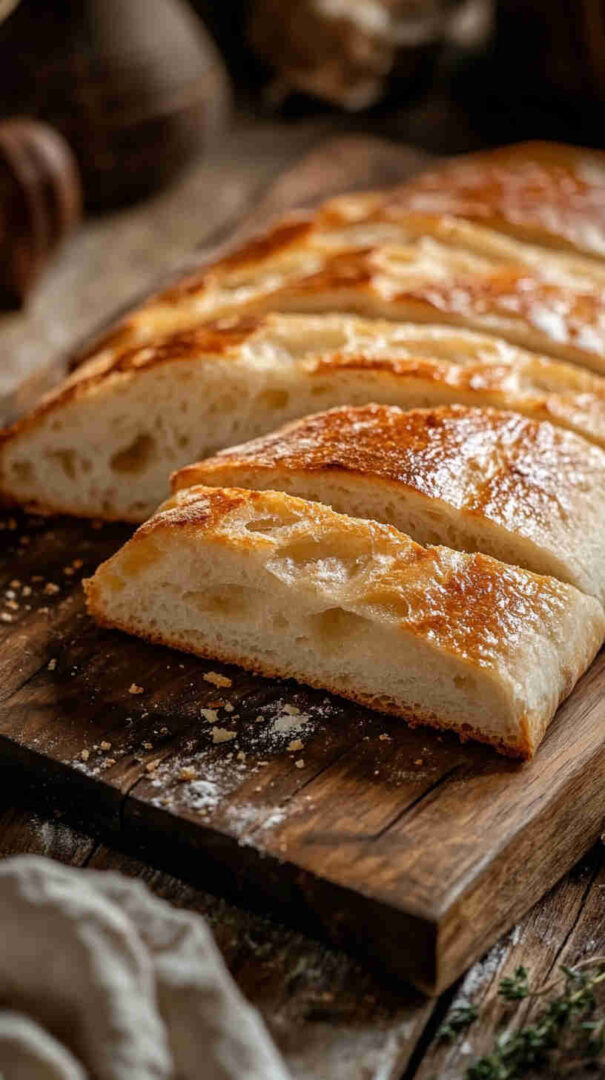
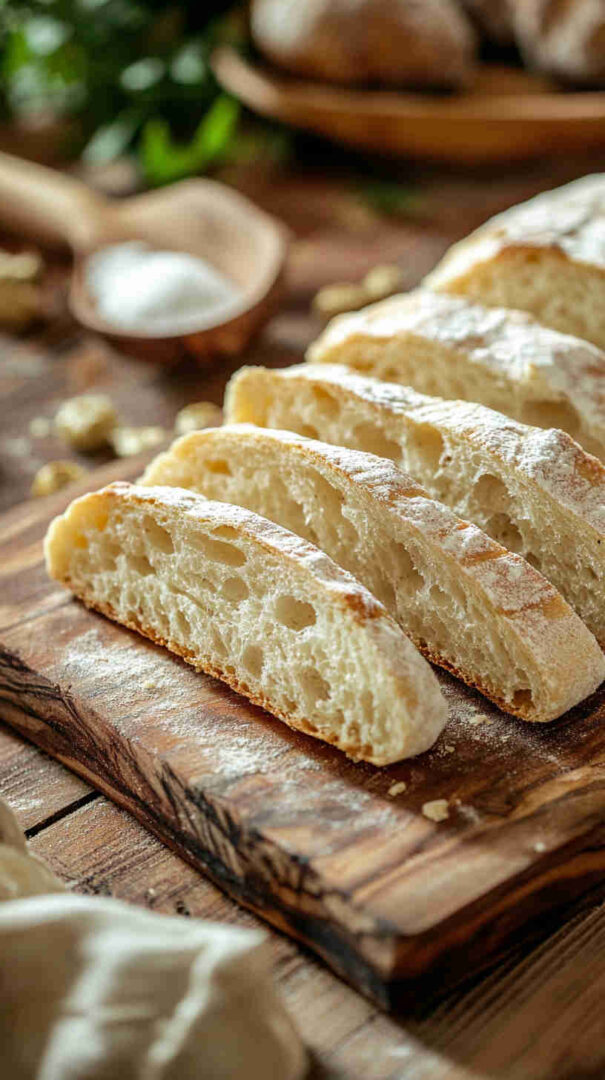
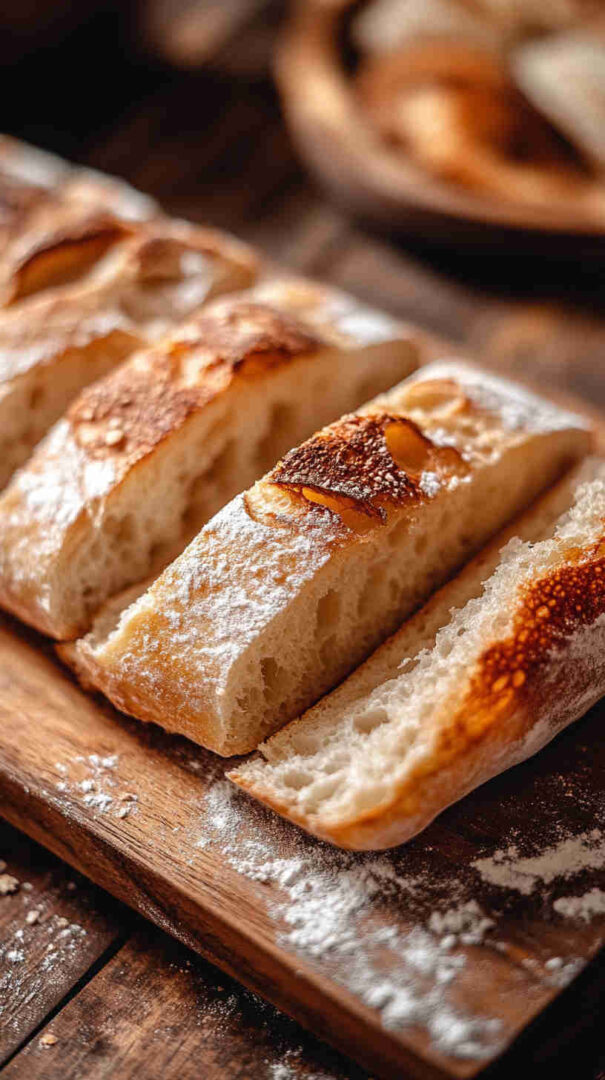
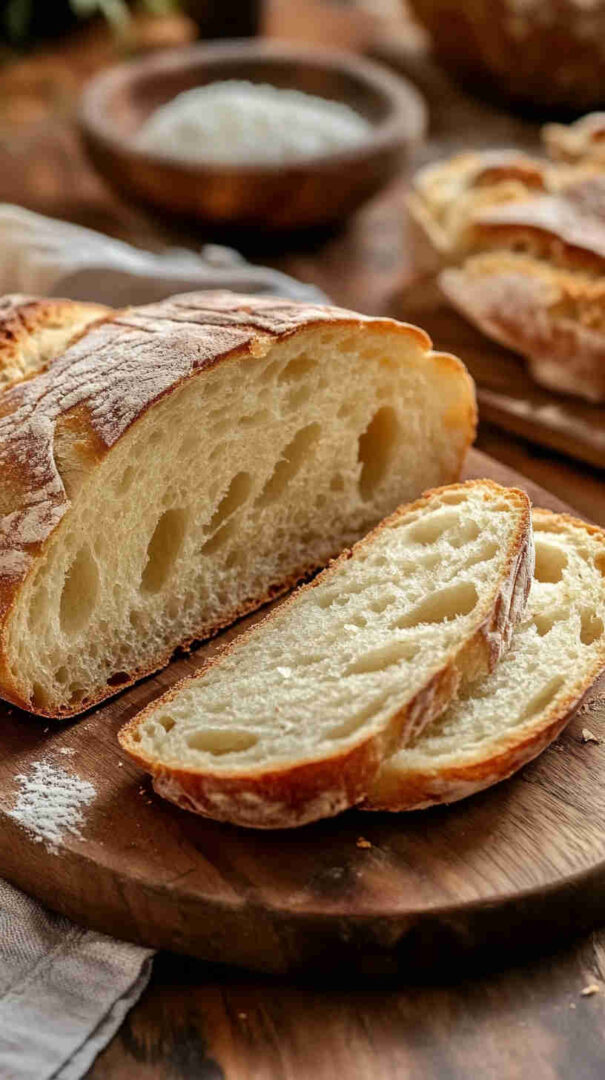
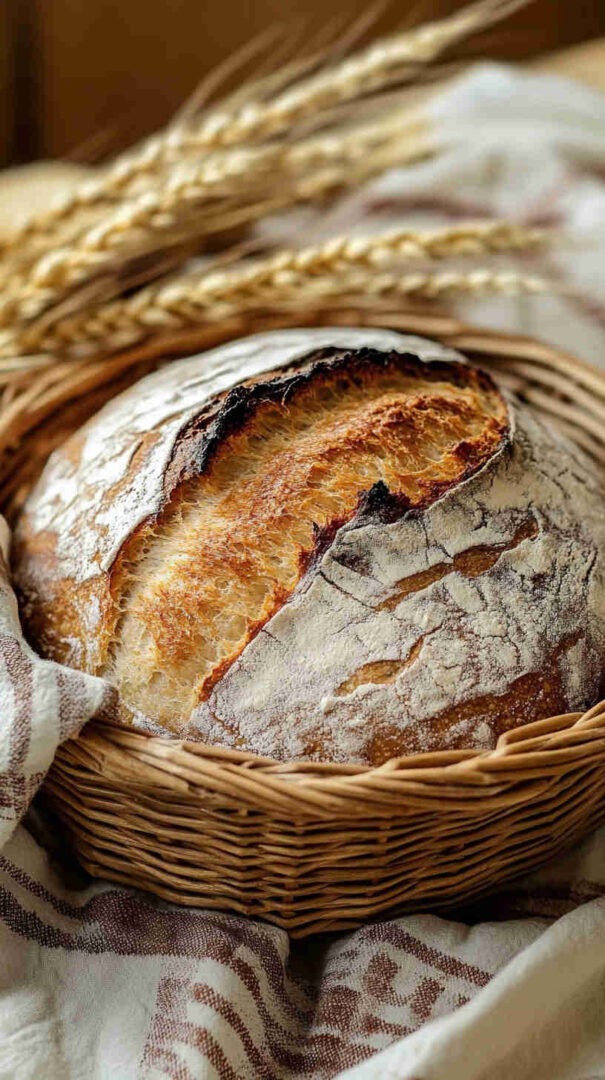
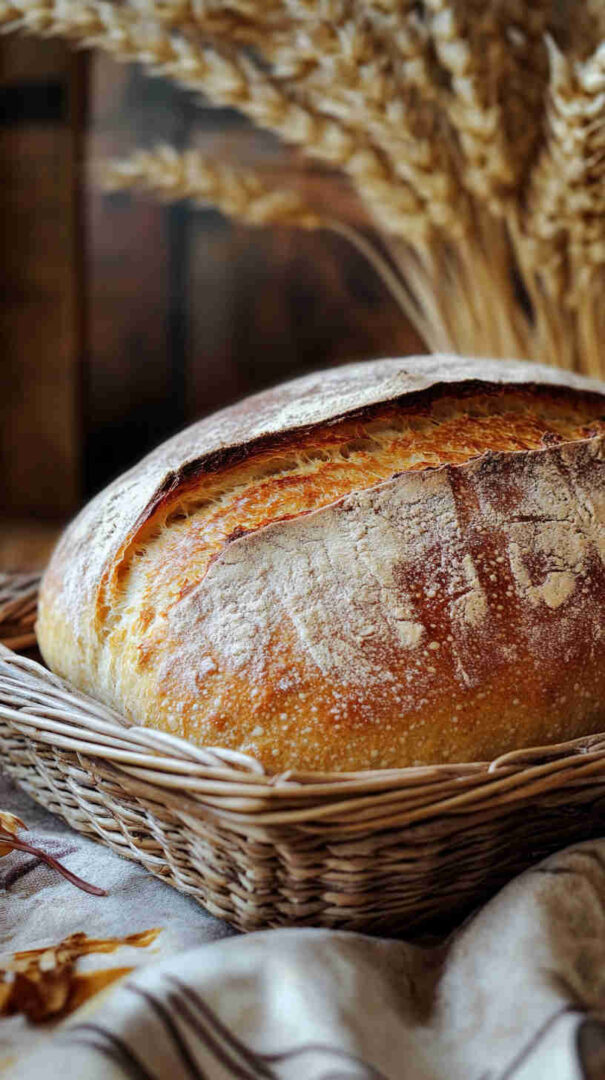
Pane Toscano, also known as traditional saltless Tuscan bread, is a rustic Italian loaf with a crisp golden crust and soft, airy crumb. Made simply with flour, water, and yeast—no salt—it’s a historic staple from Tuscany, perfect for pairing with bold, salty flavors like prosciutto, cheeses, soups, or olive oil.
Why You’ll Love This Recipe
This authentic Pane Toscano brings the true essence of Tuscan countryside baking right into your kitchen. Its saltless nature might surprise you at first, but that’s exactly what makes it special—it acts as a neutral, versatile canvas that soaks up the intense flavors of whatever you pair it with, from garlicky bruschetta toppings to hearty ribollita soup or salty cured meats.
The long, slow fermentation develops a subtle natural tang and depth, while the thick, crackly crust gives way to a tender, open crumb that’s incredibly satisfying to tear into. It’s forgiving for home bakers, requires minimal ingredients, and connects you to centuries-old tradition born from historical ingenuity (like the old tax disputes that led to salt-free bread).
Once you experience fresh-baked slices with extra-virgin olive oil and a sprinkle of sea salt on top, you’ll understand why Tuscans cherish this humble yet iconic bread—it’s pure, uncomplicated joy in every bite.
Authentic Pane Toscano – Traditional Saltless Bread
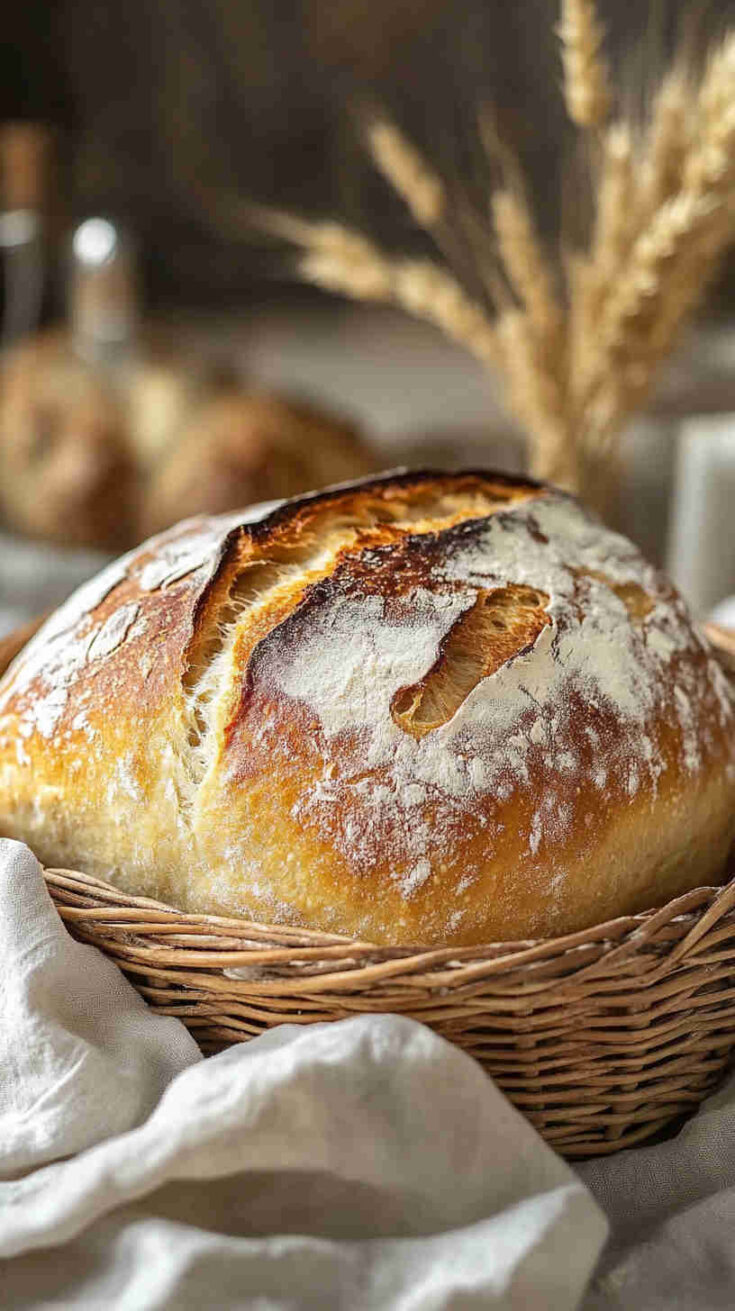
Rustic, saltless Tuscan bread with crisp crust and soft crumb—ideal for saucy Italian dishes.
Ingredients
- 500g (about 4 cups) strong bread flour (or Italian tipo 0), plus extra for dusting
- 350-380ml (1.5-1.6 cups) lukewarm water (adjust for dough feel)
- 7g (2 tsp) active dry yeast
- Optional: 1 tbsp extra-virgin olive oil for slightly richer crumb
Instructions
- Activate the yeast – In a large mixing bowl, dissolve the yeast in about 300ml of the lukewarm water. Stir gently and let it sit for 5-10 minutes until it becomes foamy and bubbly—like it's waking up excited to make magic! This ensures your yeast is alive and ready.
- Build the dough – Add the flour (and olive oil if using) to the yeast mixture. Stir with a wooden spoon or your hands until a shaggy, sticky dough forms. It’ll look messy—that’s perfect! Gradually add remaining water as needed until the dough is soft and hydrated but not soupy.
- Knead with love – Turn the dough onto a lightly floured surface. Knead for 8-10 minutes, using the heel of your hand to stretch and fold. It starts sticky but becomes smooth and elastic. If too dry, wet your hands; resist adding tons of flour for an airy crumb.
- First rise (bulk fermentation) – Shape into a ball, place back in the oiled bowl, cover with a damp cloth or plastic. Let rise in a warm spot for 2-3 hours (or overnight in fridge for better flavor) until doubled and puffy.
- Shape the loaf – Gently deflate the dough on a floured counter. Form into a round or oval boule—fold edges to center, flip, and cup your hands to create tension on the surface for that gorgeous oven spring.
- Second rise – Place seam-side down on a floured cloth or parchment-lined tray. Cover and let proof 1-1.5 hours until noticeably puffed (poke test: dough springs back slowly).
- Preheat like a pro – About 45 minutes before baking, heat your oven to 450°F (230°C) with a baking stone or sheet inside and a shallow pan on the bottom rack for steam.
- Score and load – Transfer dough to hot stone/parchment. Slash the top deeply (1/2 inch) with a sharp knife or razor in a cross or diagonal pattern—this helps it expand beautifully.
- Bake with steam – Slide into oven, pour 1 cup hot water into bottom pan for instant steam (close door fast!). Bake 40-45 minutes until deep golden-brown and hollow-sounding when tapped. Internal temp should hit 200°F+.
- Cool and enjoy – Remove, cool on a wire rack at least 1-2 hours. Resist slicing early! Tear into chunks, drizzle with olive oil, add flaky salt, and savor the Tuscan way.
Notes
This bread is intentionally bland without salt—pair it boldly with prosciutto, pecorino, tomatoes, or soups. For extra authenticity, use a preferment: mix 100g flour + 100ml water + pinch yeast the night before, then incorporate into main dough.
Nutrition Information
Yield
1Serving Size
1Amount Per Serving Calories 1829Total Fat 9gSaturated Fat 1gUnsaturated Fat 8gSodium 13mgCarbohydrates 372gFiber 14gSugar 2gProtein 63g
The recipes and nutritional information on Yum Tonight are for informational purposes only. Always consult a healthcare provider for personalized dietary advice.
Recipe Tips and Tricks
- Use high-quality, unbleached bread flour or a mix with some whole wheat/rye for authentic rustic flavor and better structure—the dough can be sticky, so resist adding too much extra flour during kneading to keep the crumb open and airy.
- Hydration is key: aim for a shaggy, wet dough; it develops gluten better with time and steam during baking.
- For the best crust, bake with steam—place a pan of hot water in the oven or spritz water inside when you load the dough.
- Let it cool completely on a rack before slicing; cutting too soon makes it gummy.
- If your first bite feels bland, remember: it’s designed that way! Always serve with flavorful accompaniments or add salt externally.
- For extra authenticity, use a preferment (biga or sponge) overnight for deeper taste without commercial additives.
Ingredients Notes
The beauty of authentic Pane Toscano lies in its extreme simplicity—just three core ingredients, echoing peasant traditions where nothing was wasted. Use bread flour (or tipo 0 Italian flour) for strong gluten development to support the high hydration and create that signature chewy texture.
Water should be lukewarm (around 100-110°F) to gently activate the yeast without killing it. Active dry yeast works well for home bakers, but fresh yeast or a sourdough starter (lievito madre) is even more traditional for natural leavening and subtle acidity.
No salt is added to the dough—that’s the defining feature, rooted in history—so the bread stays mild and absorbent. A touch of olive oil (optional in some versions) can enrich the crumb slightly, but purists skip it.
Variations and Substitutions
- For a more rustic version, replace 20-30% of the flour with whole wheat, rye, or stone-ground Italian farina for nuttier flavor and denser texture (common in darker Pane Toscano scuro variations).
- If you miss salt entirely, some modern bakers add 1-2 tsp to the dough, but this deviates from tradition—better to keep it authentic and salt your toppings instead.
- Yeast swap: Use instant yeast (same amount) for faster rise, or replace with 100-150g active sourdough starter for tangy, more digestible bread (reduce water slightly).
- Make it smaller: Divide dough into two loaves or rolls for easier handling or individual servings.
- Gluten-free adaptation: Not traditional, but possible with a sturdy GF blend + xanthan gum—results won’t match the classic chew.
- Enriched twist (non-authentic): Add herbs like rosemary or a drizzle of olive oil on top before baking for flavored flatbread-style versions.
Storage Options
Pane Toscano stales quickly due to no salt or preservatives, but that’s part of its charm—it transforms into perfect day-old bread for panzanella salad, pappa al pomodoro, or bruschetta.
Store at room temperature in a paper bag or cloth for 2-3 days to maintain crust crispness (avoid plastic, which softens it). For longer, slice and freeze in airtight bags up to 1 month—thaw and refresh in a hot oven. Revive stale bread by sprinkling with water and toasting or grilling.
Dish Gallery
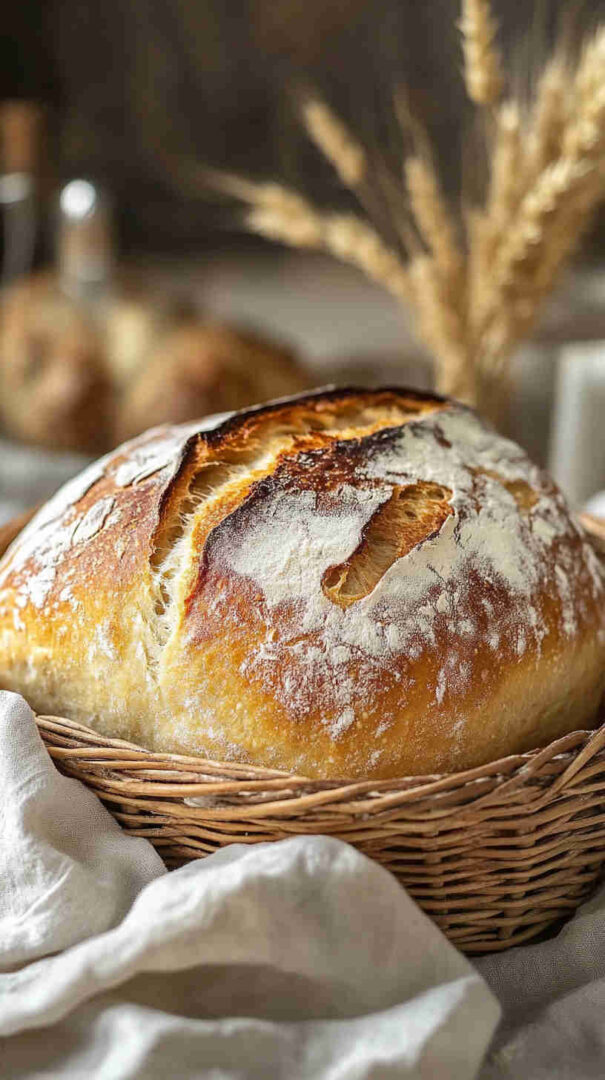
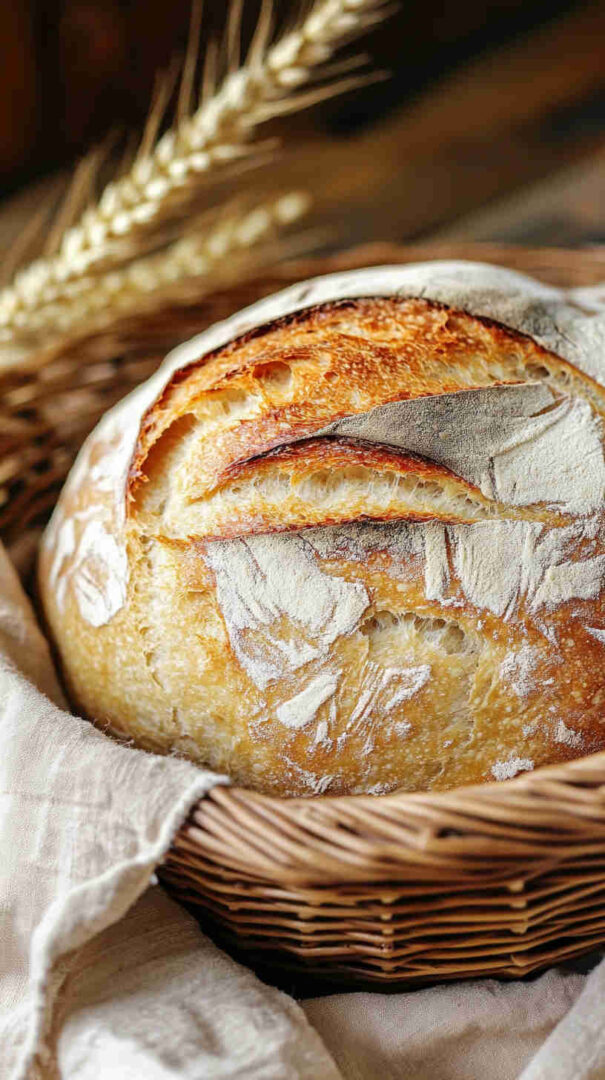
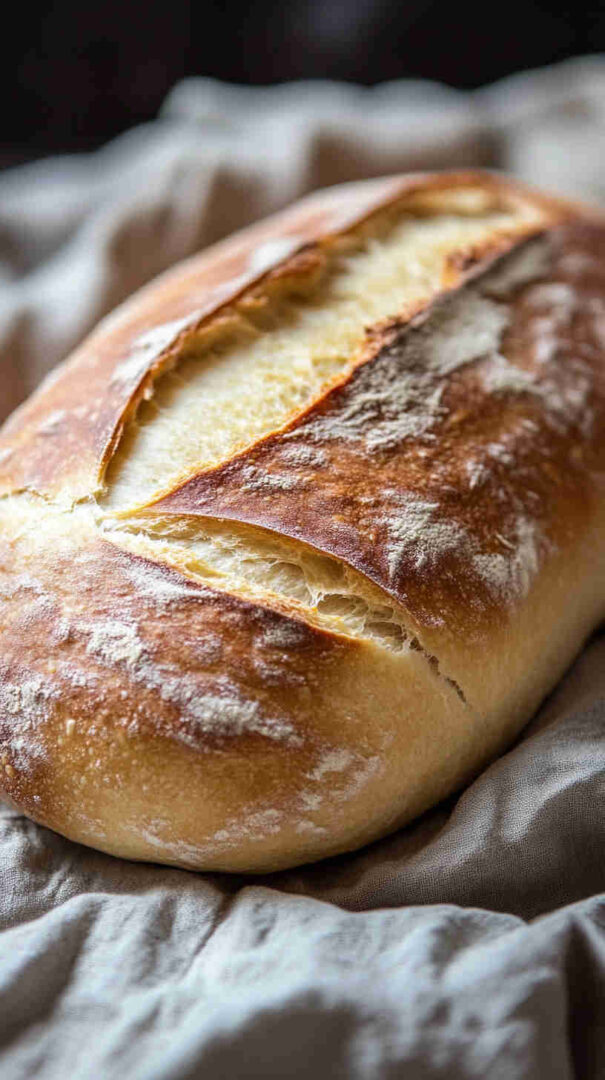
Please share this Authentic Pane Toscano – Traditional Saltless Bread with your friends and do a comment below about your feedback.
We will meet you on next article.
Until you can read, Authentic Focaccia Barese with Cherry Tomatoes