Bolognese Tagliatelle Pasta Recipe
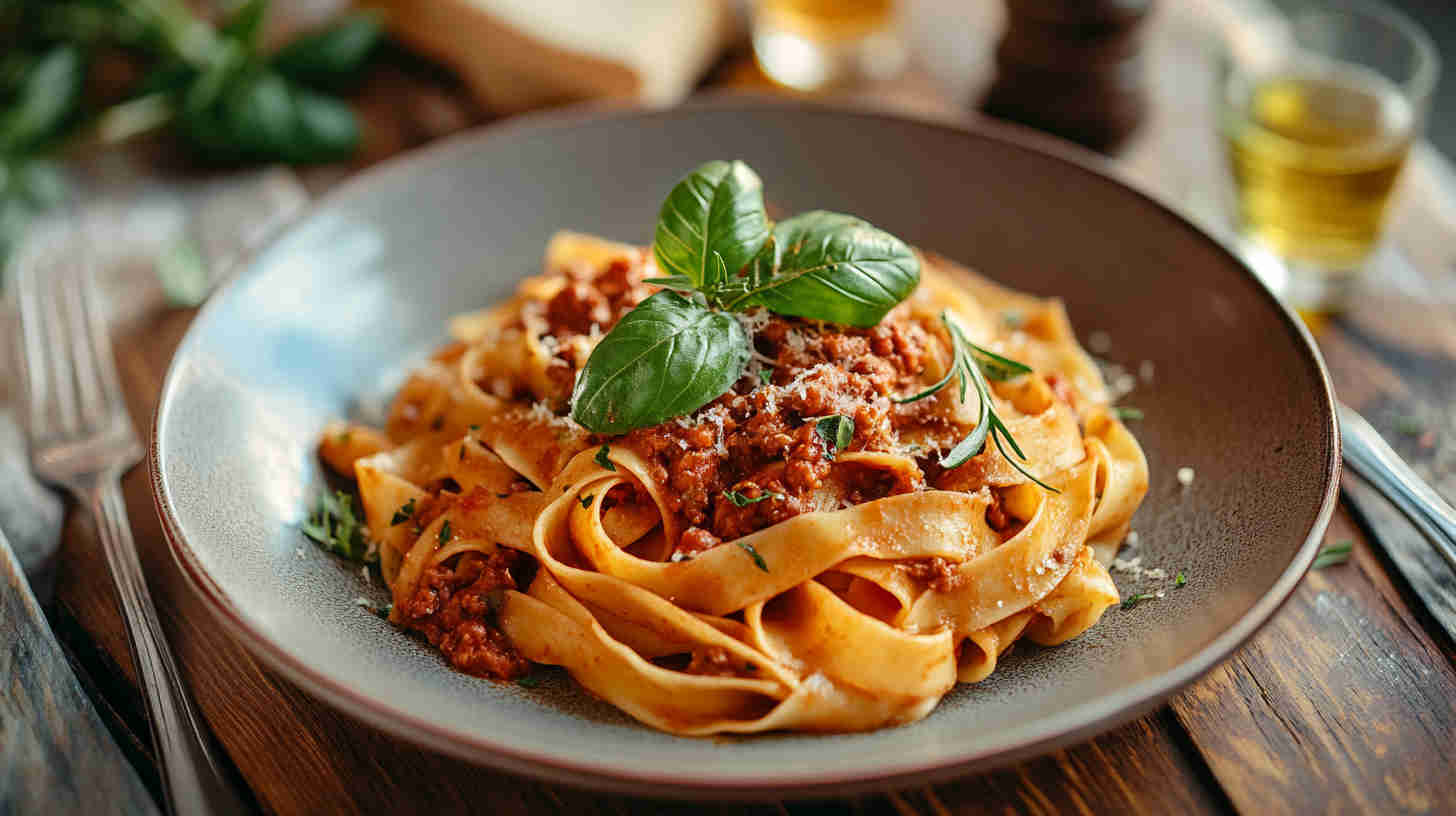
This classic Bolognese Tagliatelle Pasta features a rich, slow-simmered ragù alla bolognese made with ground meats, soffritto vegetables, wine, milk, and tomato, lovingly tossed with fresh egg tagliatelle and finished with grated Parmigiano-Reggiano. It’s the ultimate comforting Italian dish that fills your home with irresistible aromas.
Why You’ll Love This Recipe
There’s something truly magical about a proper Bolognese—it’s not a quick weeknight sauce but a labor of love that rewards patience with deep, layered flavors. The combination of beef and pork creates richness, while the soffritto (onion, carrot, celery) adds subtle sweetness and aroma.
A splash of wine and milk tenderizes the meat and balances acidity, resulting in a velvety, glossy ragù that clings perfectly to wide ribbons of fresh tagliatelle. Unlike the heavy, tomato-dominant versions often seen abroad, this authentic style is meat-forward, nuanced, and comforting—perfect for family gatherings, special Sundays, or impressing guests.
One bite, and you’ll understand why it’s guarded as a treasure in Bologna. It’s hearty yet elegant, making you feel like a true Italian chef in your own kitchen.
Bolognese Tagliatelle Pasta Recipe
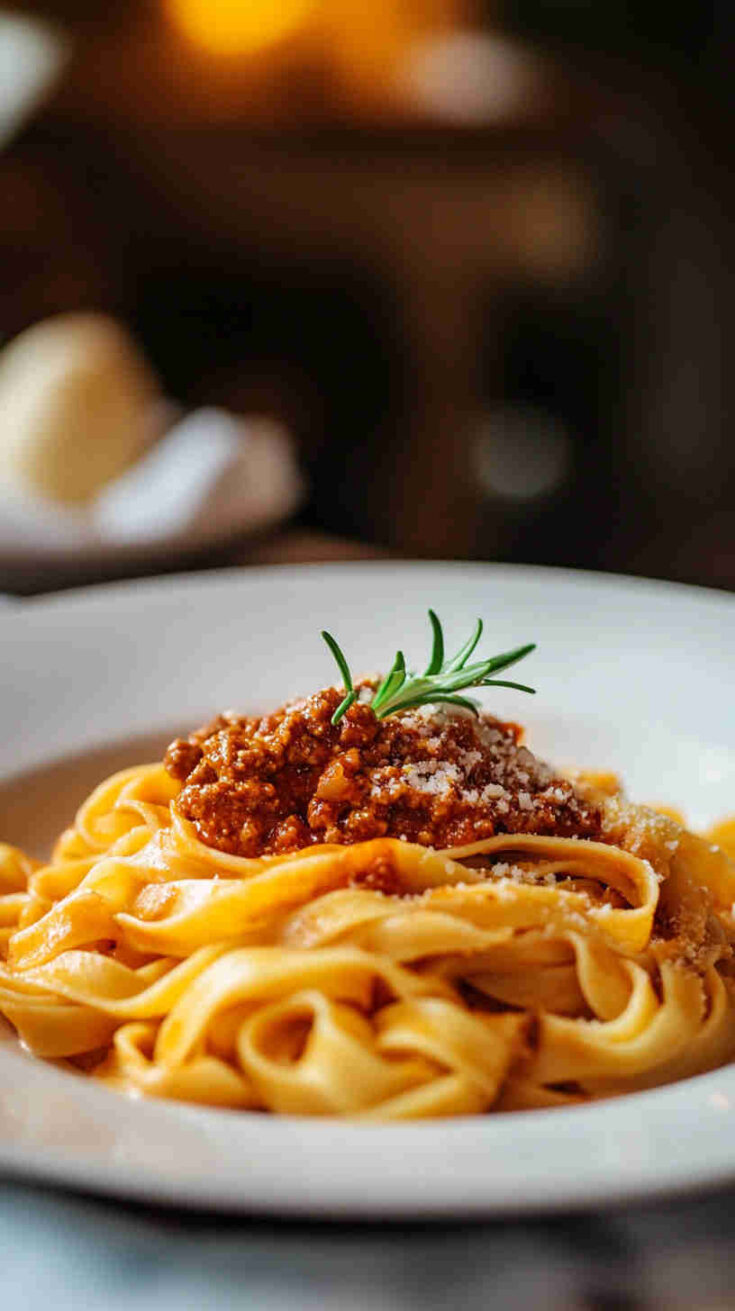
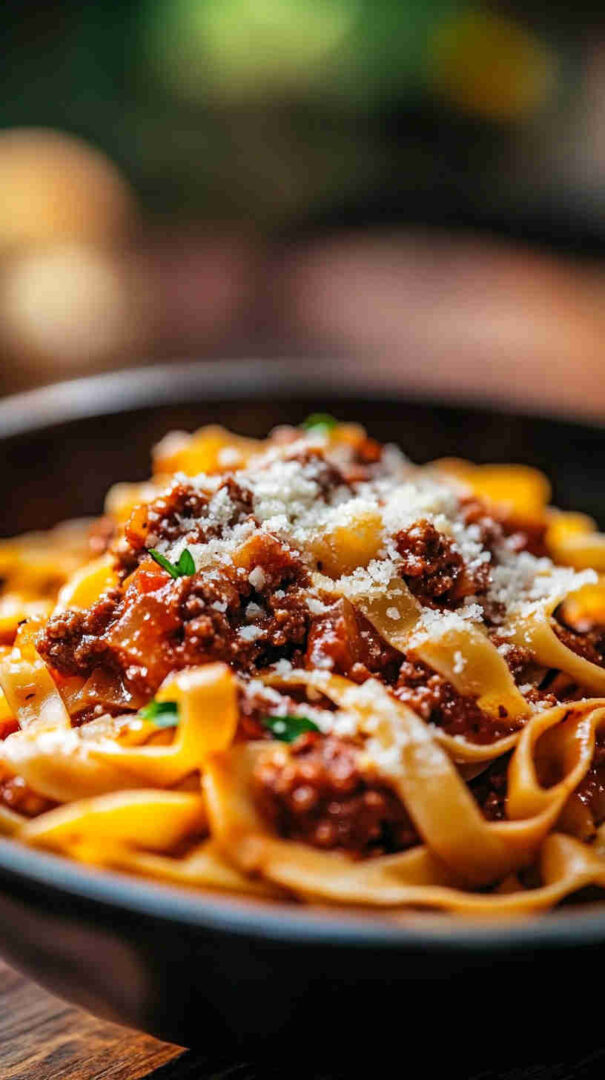
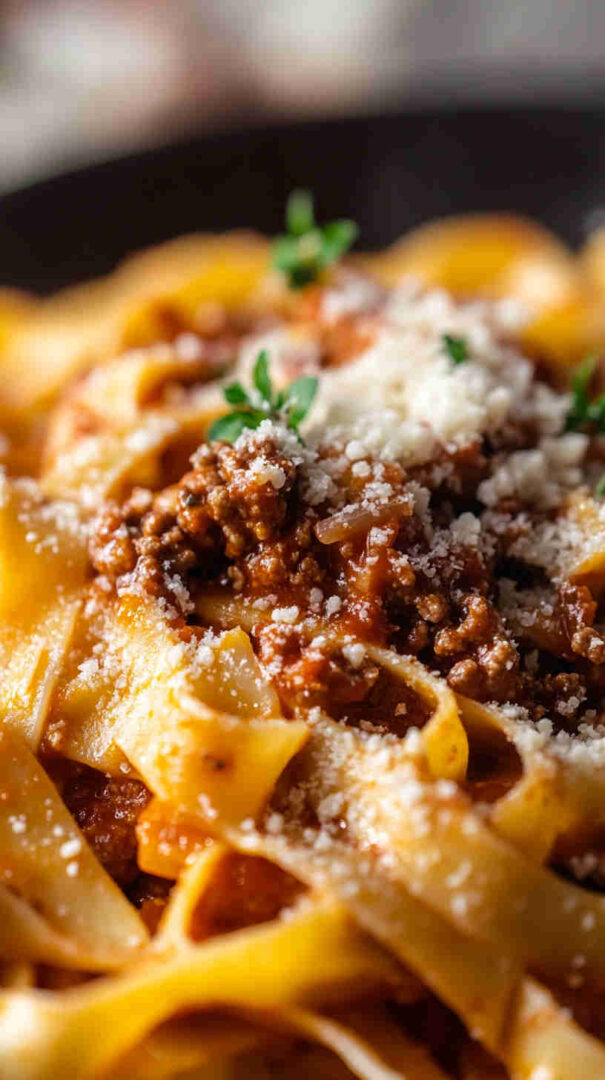
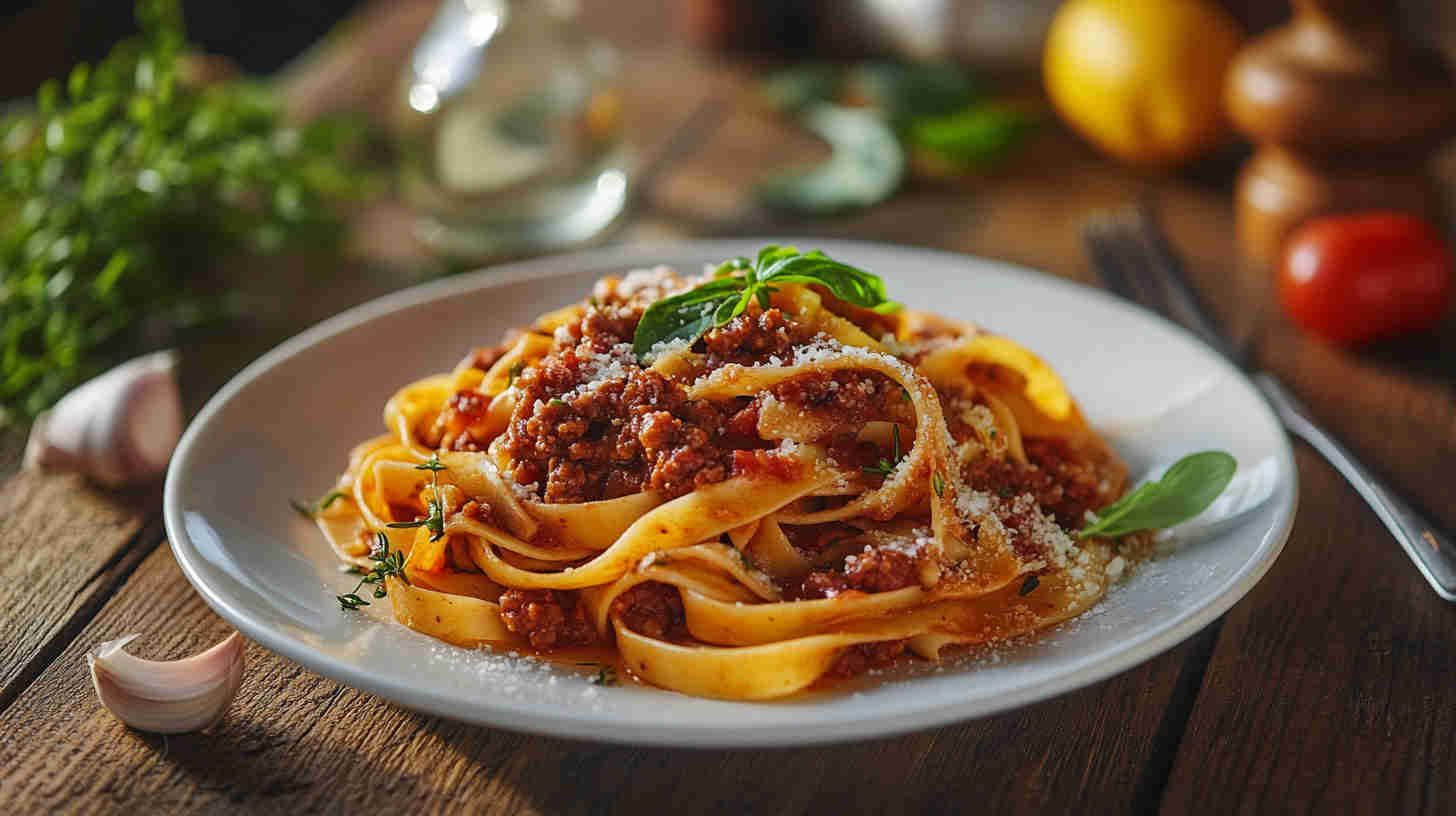
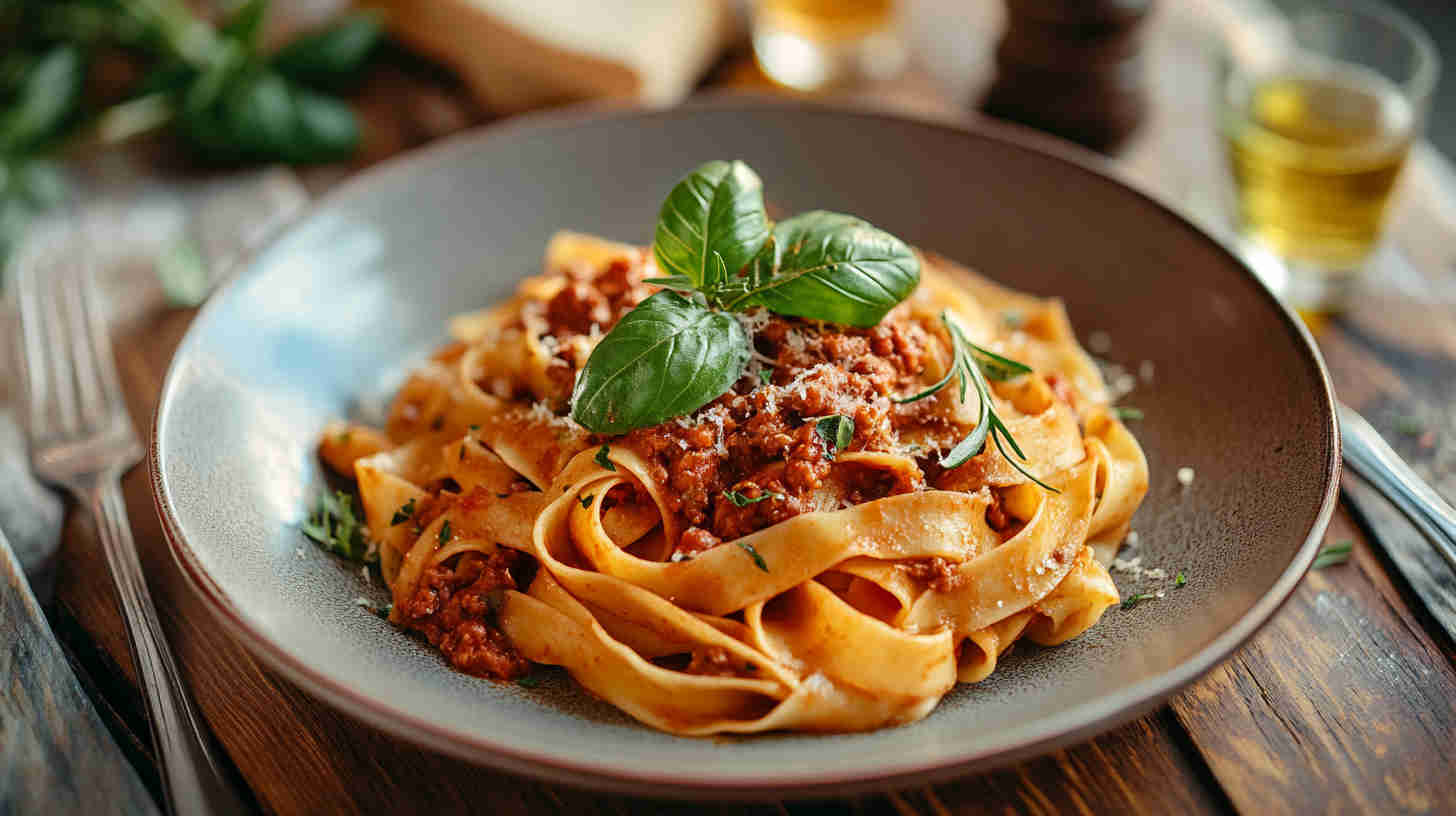
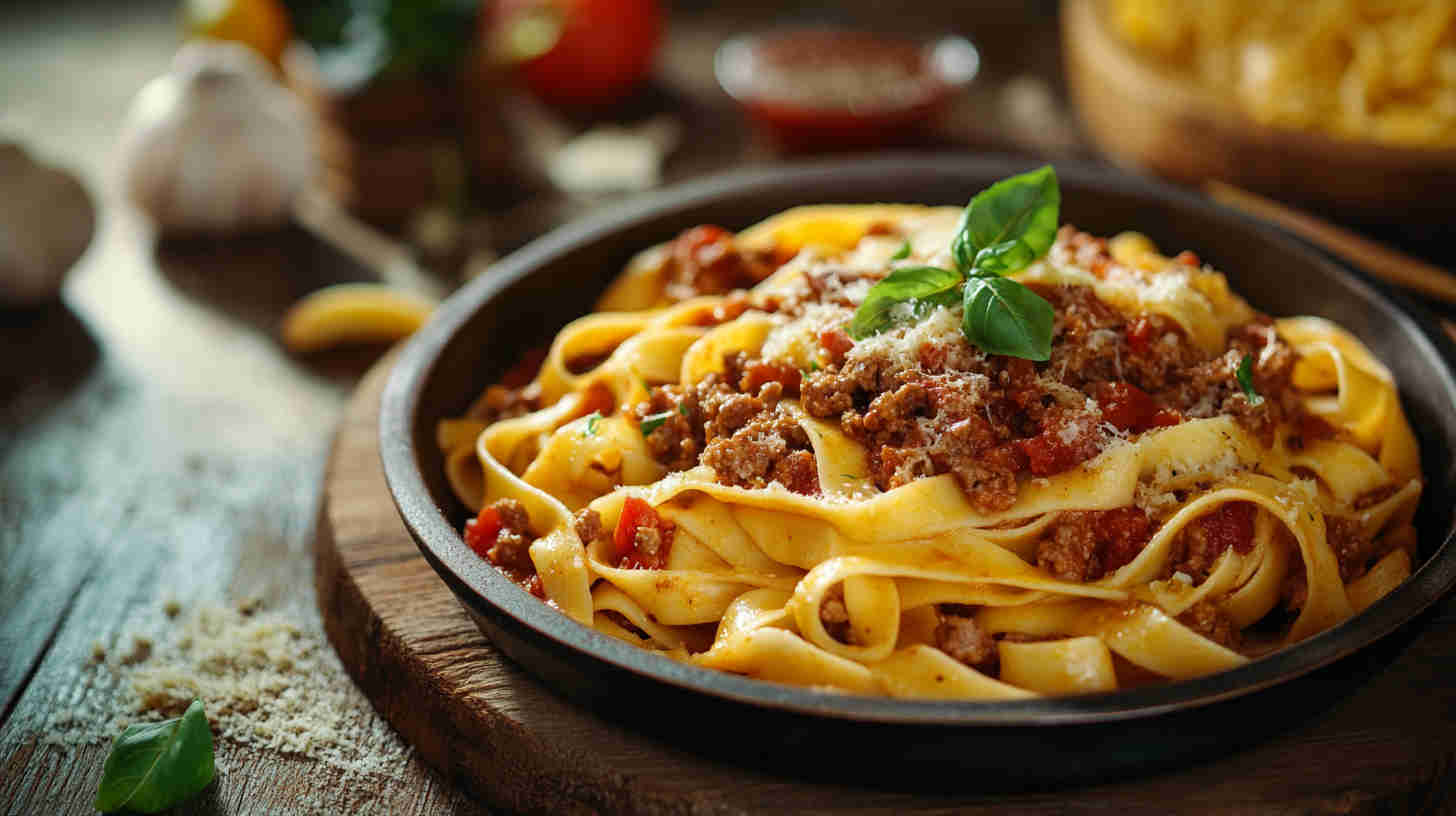
Hearty, slow-simmered meat ragù tossed with silky tagliatelle—pure Italian comfort
Ingredients
For the ragù (serves 6):
- 2 tbsp extra virgin olive oil
- 2 tbsp unsalted butter
- 150g (5-6 oz) pancetta or unsmoked bacon, finely diced
- 1 medium onion, finely minced
- 1 large carrot, finely minced
- 1 celery stalk, finely minced
- 400g (14 oz) ground beef (80% lean)
- 300g (10 oz) ground pork
- 150ml (⅔ cup) dry white wine
- 2-3 tbsp tomato paste
- 400ml (1¾ cups) tomato passata (strained tomatoes)
- 200-300ml (about 1 cup) whole milk, warmed
- 200-300ml beef or chicken stock (as needed)
- 1-2 bay leaves
- Pinch of ground nutmeg
- Salt and freshly ground black pepper, to taste
To serve:
- 600g (1.3 lb) fresh egg tagliatelle (or dried if needed)
- Freshly grated Parmigiano-Reggiano cheese
- Extra virgin olive oil (optional drizzle)
Instructions
- Start with love in your pot — Place a large, heavy-bottomed Dutch oven or deep pan over medium heat. Add the olive oil and butter, letting the butter melt and foam gently. This duo creates that rich base every great ragù needs!
- Crisp up the pancetta — Toss in the diced pancetta and cook for 5-7 minutes, stirring often, until it renders its fat and turns golden and crispy. The kitchen will start smelling amazing already.
- Build the soffritto magic — Add the finely minced onion, carrot, and celery (your soffritto!). Stir well to coat in the fat, then cook on medium-low for 8-10 minutes until soft, translucent, and sweetly fragrant—don't let them brown too much.
- Brown the meats beautifully — Crumble in the ground beef and pork. Increase heat slightly and break up the meat with your wooden spoon. Cook for 10-15 minutes, stirring occasionally, until the meat browns nicely and any liquid evaporates. This step builds deep flavor!
- Deglaze with wine — Pour in the white wine, scraping up any tasty browned bits from the bottom. Let it bubble and reduce almost completely (about 5 minutes)—the alcohol cooks off, leaving pure aroma.
- Add tomatoes and seasonings — Stir in the tomato paste until it coats everything, then add the passata, bay leaves, nutmeg, a good pinch of salt, and pepper. Mix well and bring to a gentle simmer.
- The long, slow simmer begins — Lower heat to the lowest setting, partially cover, and let it bubble very gently for 2-3 hours. Stir every 20-30 minutes; add warm stock (or water) a ladle at a time if it thickens too much. The sauce should reduce to a thick, glossy consistency.
- Introduce the milk — After about 1.5-2 hours, pour in the warmed milk gradually. Stir and continue simmering until it's mostly absorbed and the sauce turns velvety (another 30-60 minutes). Taste and adjust salt/pepper.
- Cook the pasta perfectly — Bring a large pot of salted water to a rolling boil. Add the tagliatelle and cook until al dente (follow package times—fresh takes 2-4 minutes). Reserve 1 cup pasta water before draining.
- Toss and serve with joy — Drain pasta and add to the sauce pot (or mix in a large bowl). Toss over low heat, adding splashes of pasta water until silky and coated. Plate generously, top with heaps of grated Parmigiano, and enjoy immediately—maybe with a glass of Italian red!
Notes
This is inspired by the official Accademia Italiana della Cucina version—meat-focused with minimal tomato. No garlic or herbs like oregano (keep it pure Bologna-style). Patience pays off—the longer simmer (even overnight in fridge) deepens flavor. Serve as primo piatto traditionally, followed by a simple salad.
Nutrition Information
Yield
6Serving Size
1Amount Per Serving Calories 702Total Fat 45gSaturated Fat 16gUnsaturated Fat 29gCholesterol 168mgSodium 125mgCarbohydrates 29gFiber 1gSugar 2gProtein 39g
The recipes and nutritional information on Yum Tonight are for informational purposes only. Always consult a healthcare provider for personalized dietary advice.
Recipe Tips and Tricks
- Low and slow is key: Simmer the sauce gently for at least 2-3 hours (or up to 4) to develop complex flavors—never rush with high heat, as it can make the meat tough.
- Finely chop the soffritto by hand (or pulse lightly in a processor) for even cooking and texture; avoid over-processing into mush.
- Brown the meat gradually in batches if needed to avoid steaming—let it sizzle for real caramelization and depth.
- Use whole milk (not skim) and add it midway; it tenderizes the meat and creates silkiness without curdling if stirred in slowly.
- Taste and season toward the end—salt draws out moisture early, so adjust after reduction.
- For the best results, use fresh egg tagliatelle (store-bought or homemade); it absorbs the sauce beautifully compared to dried pasta.
- Reserve a cup of pasta water to loosen the sauce when tossing—starchy water helps it emulsify and coat every strand.
- Finish with freshly grated Parmigiano-Reggiano off heat for creamy richness without graininess.
Ingredients Notes
Authentic ragù alla bolognese relies on quality ingredients for its signature taste. Use coarsely ground beef (around 80-85% lean, like chuck for flavor and collagen) and pork (often shoulder or a mix with pancetta for fat). Pancetta adds smoky depth—choose unsmoked if possible.
The soffritto trio (onion, carrot, celery) should be equal parts and finely minced for sweetness without chunks dominating. Dry white wine (like Pinot Grigio) deglazes and brightens; red works too but white keeps it traditional in many recipes. Whole milk softens the meat—avoid substitutes like cream.
Tomato paste and passata (strained tomatoes) provide subtle tomato presence without overwhelming the meat. Freshly grated Parmigiano-Reggiano is non-negotiable for nutty umami. Extra virgin olive oil and butter create the base fat for sautéing.
Variations and Substitutions
- Meat: Traditional is 60/40 beef/pork; try all beef for simplicity, or add veal for tenderness. For a lighter version, use ground turkey or chicken (though less rich). Vegetarian? Swap meat for lentils, mushrooms, or plant-based grounds with extra umami from miso or soy.
- Wine: White is classic, but red adds boldness; substitute broth if avoiding alcohol.
- Dairy-free: Skip milk or use oat/almond milk (it won’t be as creamy).
- Tomato: Use less passata for a paler, meatier sauce (some traditional versions are minimal tomato); or add San Marzano whole tomatoes crushed by hand.
- Pasta: No tagliatelle? Pappardelle (wider ribbons) or fettuccine work well; avoid spaghetti—it’s not traditional as the sauce doesn’t cling properly.
- Herbs: A pinch of nutmeg is classic; add bay leaves or fresh thyme/rosemary for extra aroma.
- Richer version: Include a touch of chicken liver or prosciutto for depth, as in some old-school recipes.
Storage Options
The ragù tastes even better the next day as flavors meld. Store cooled sauce in an airtight container in the fridge for up to 4-5 days. Reheat gently on the stove with a splash of broth or water to loosen.
Freeze portions in freezer-safe containers or bags for up to 3 months—thaw overnight in the fridge before reheating. Cooked pasta with sauce stores 2-3 days refrigerated (add water when reheating to revive); freeze separately for best texture. Avoid freezing fresh pasta if possible, as it can become mushy—cook fresh when ready to eat.
Dish Gallery
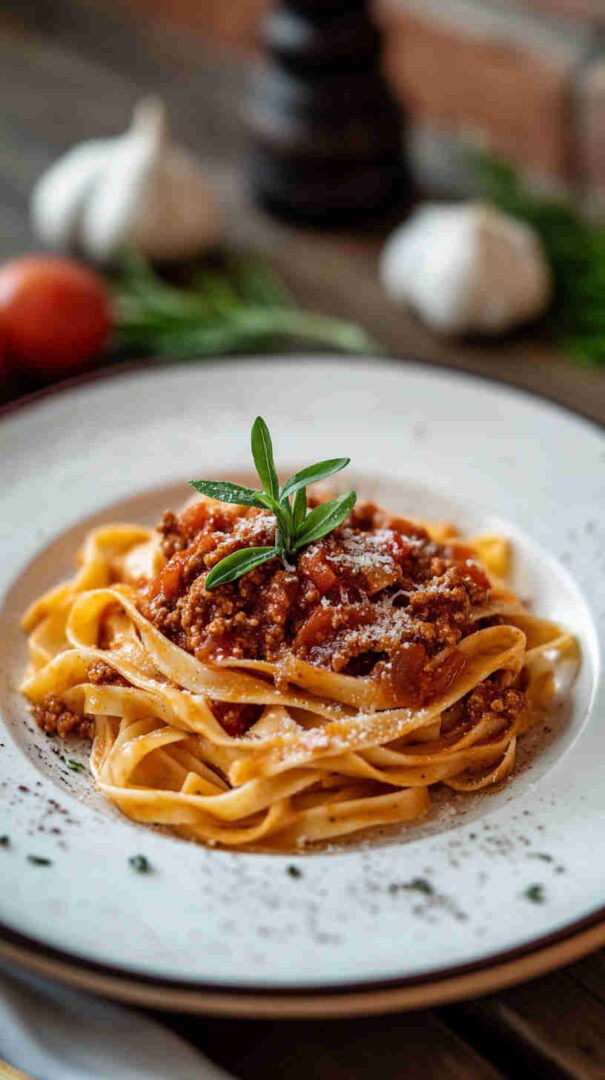
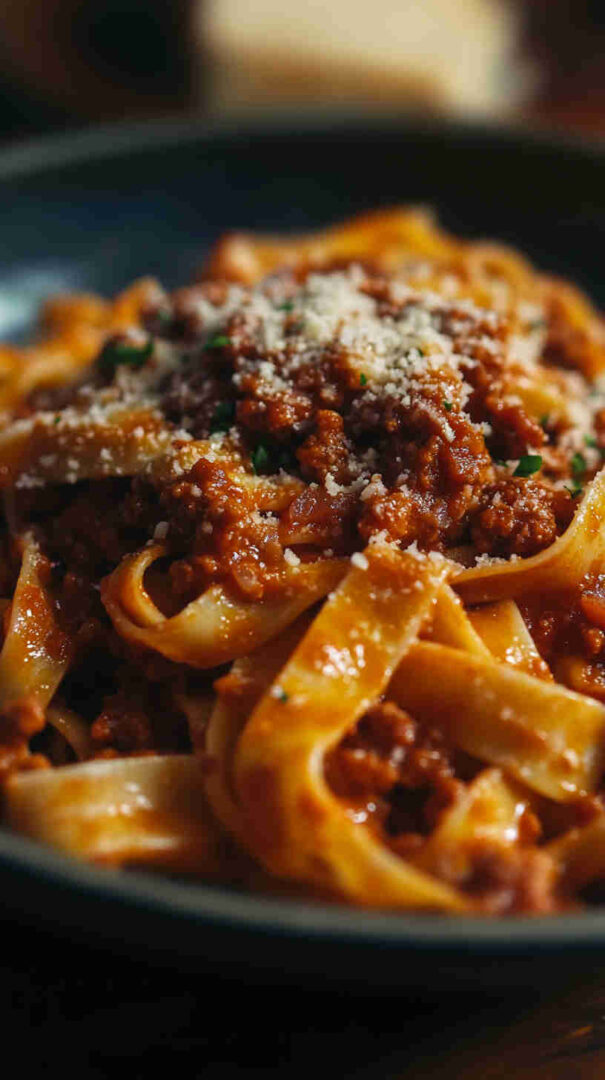
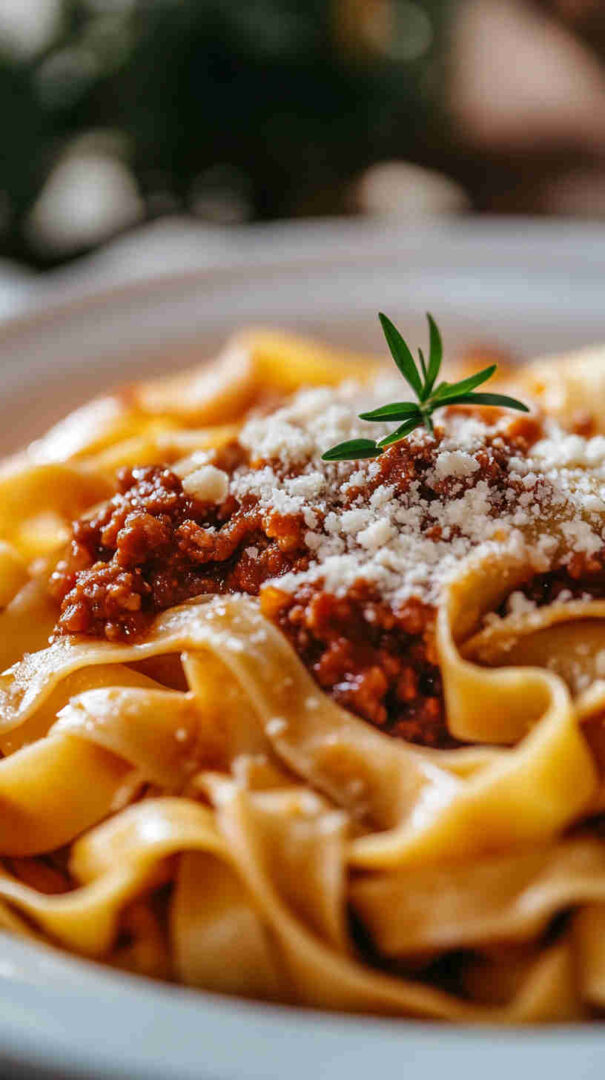
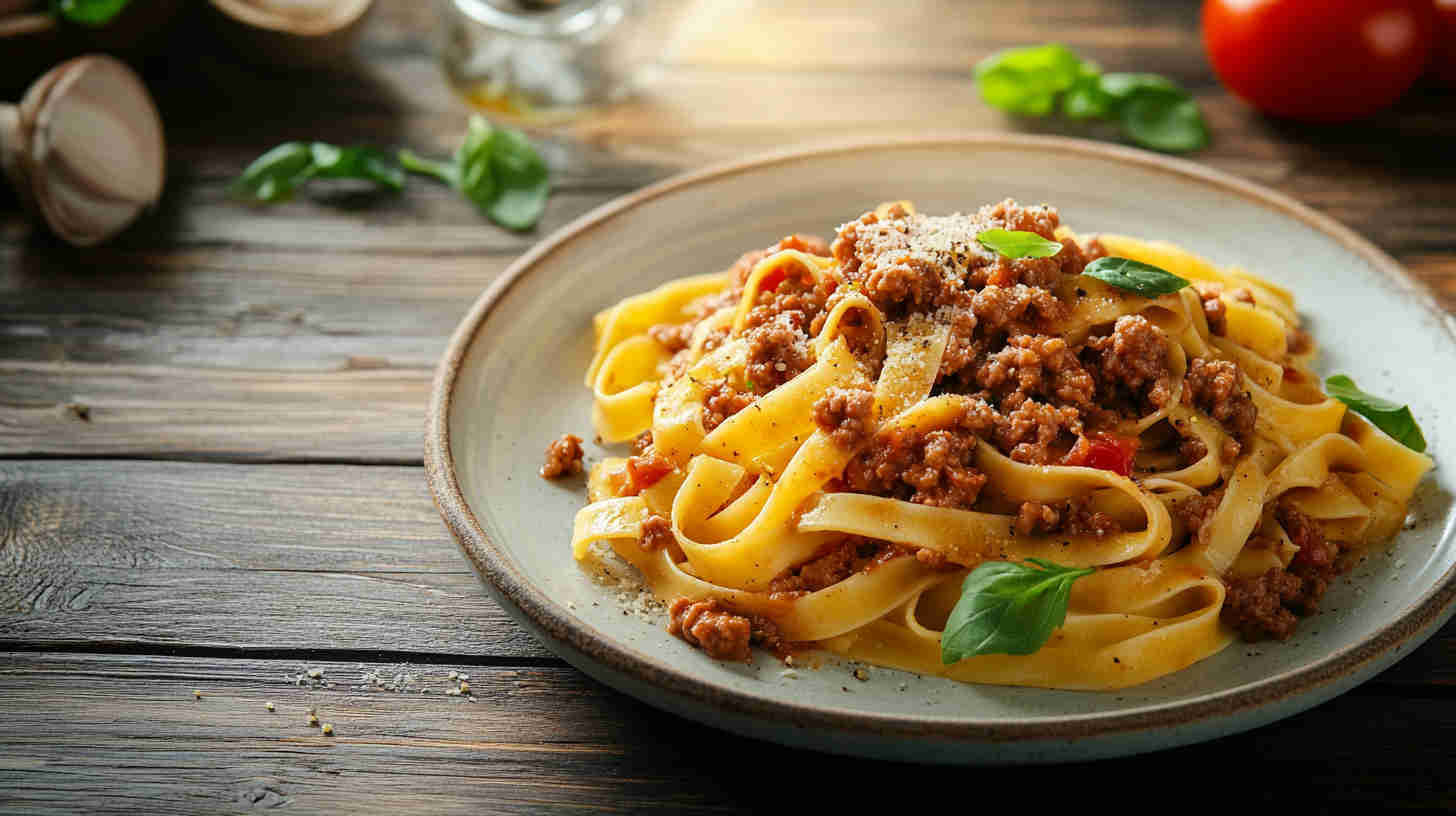
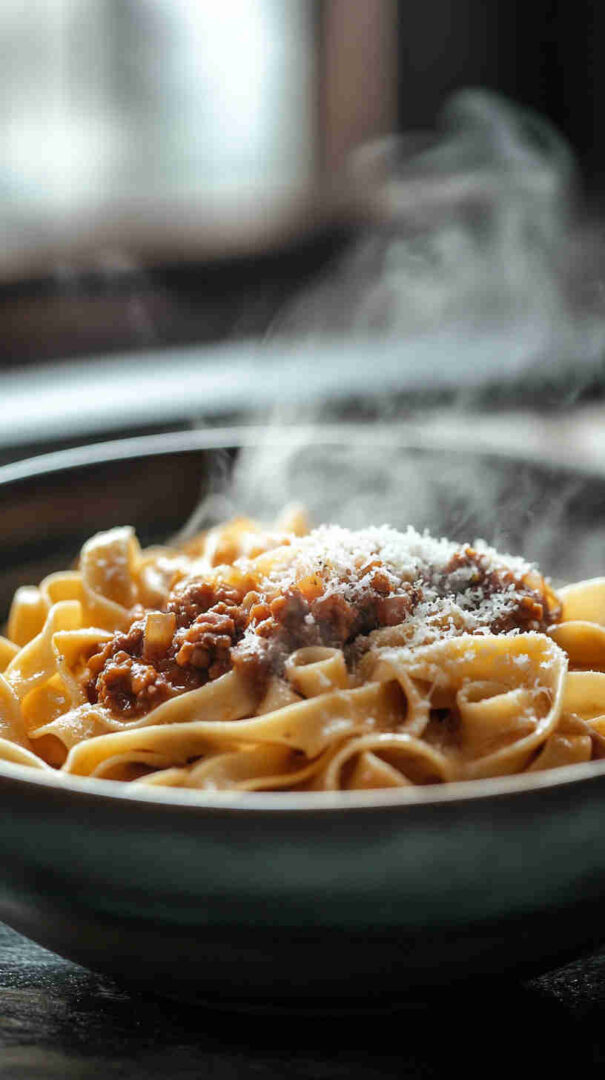
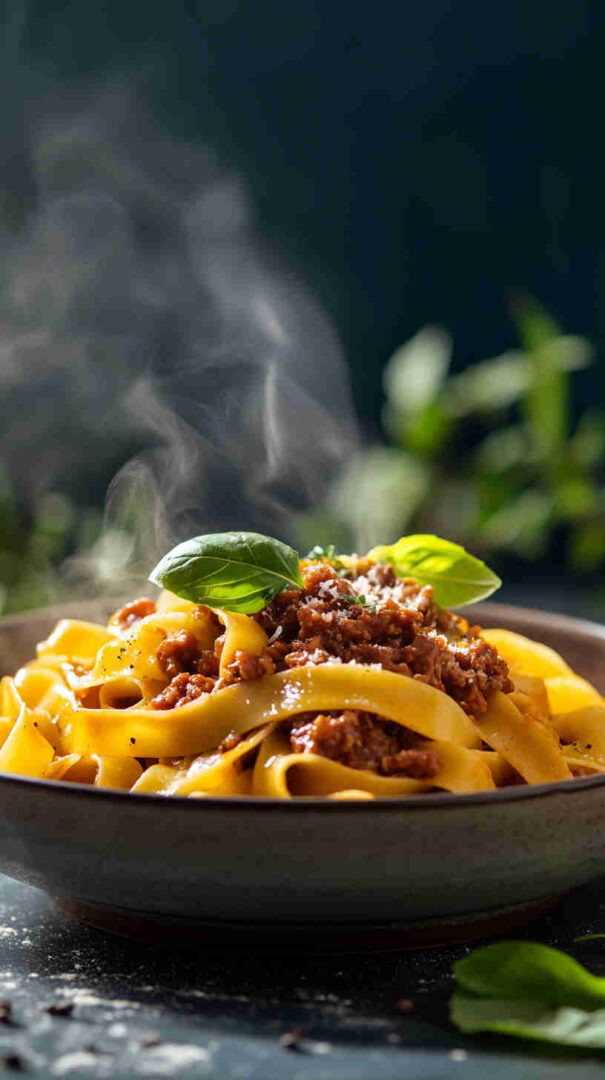
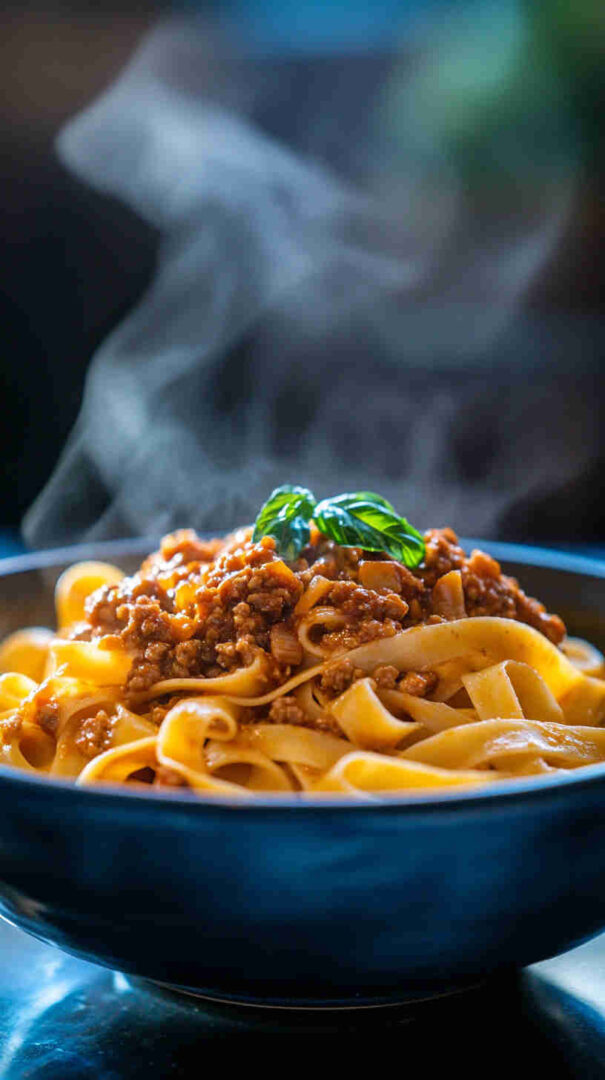
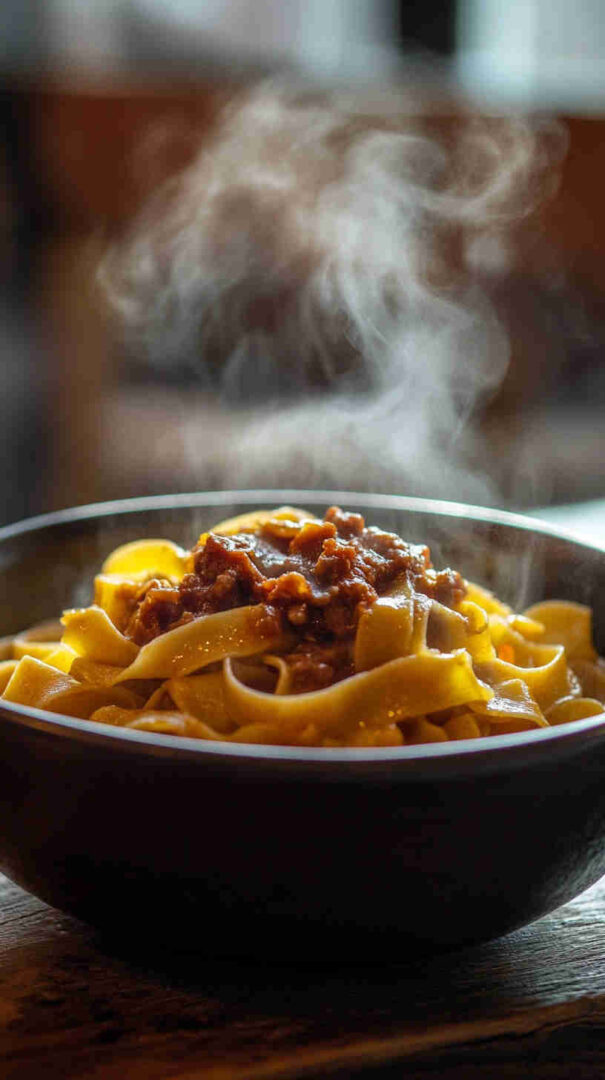
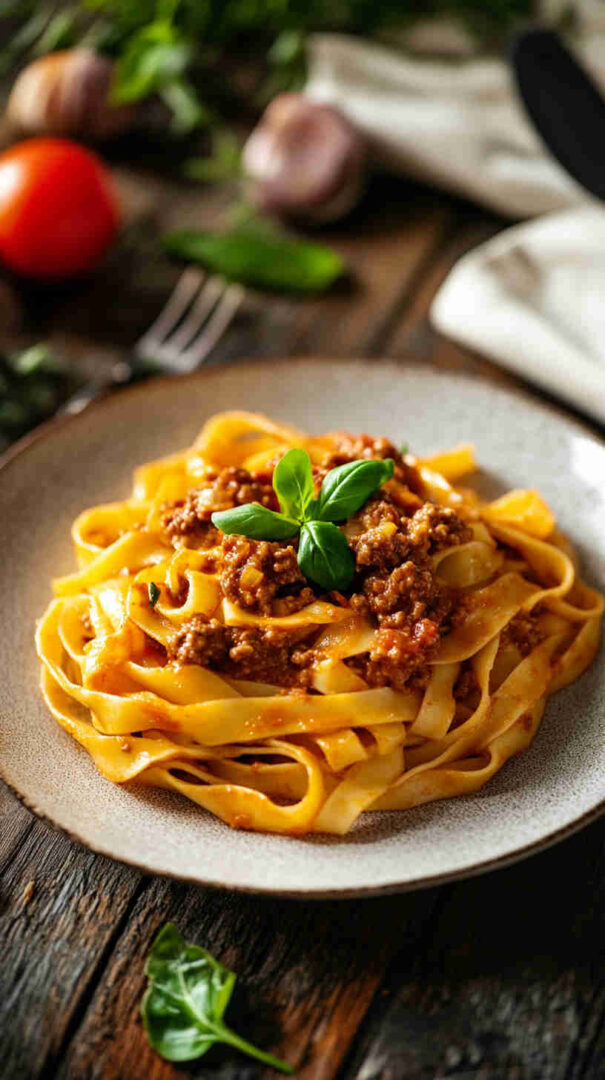
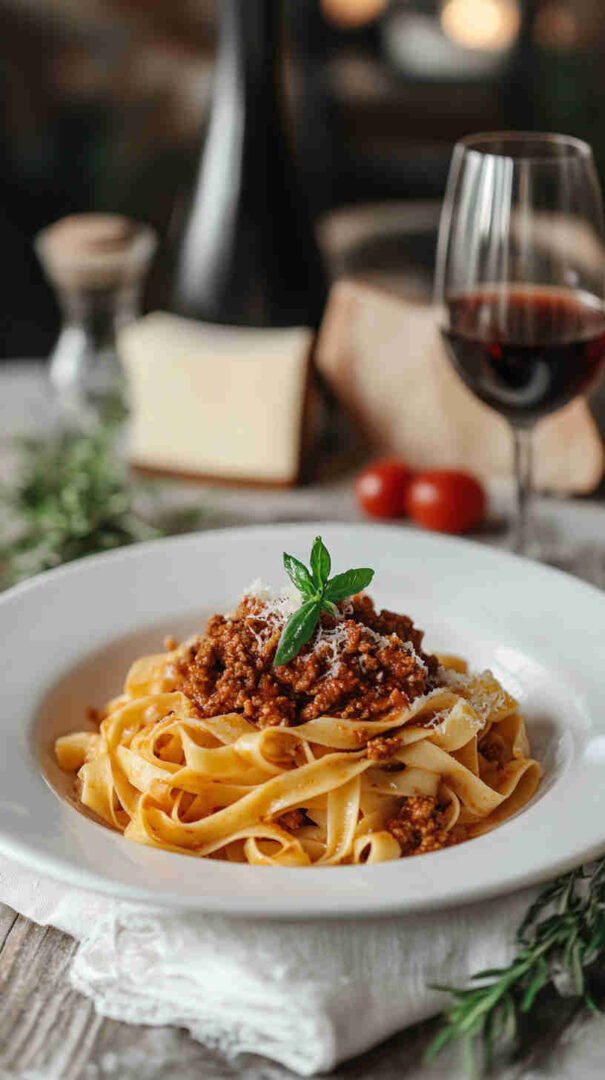
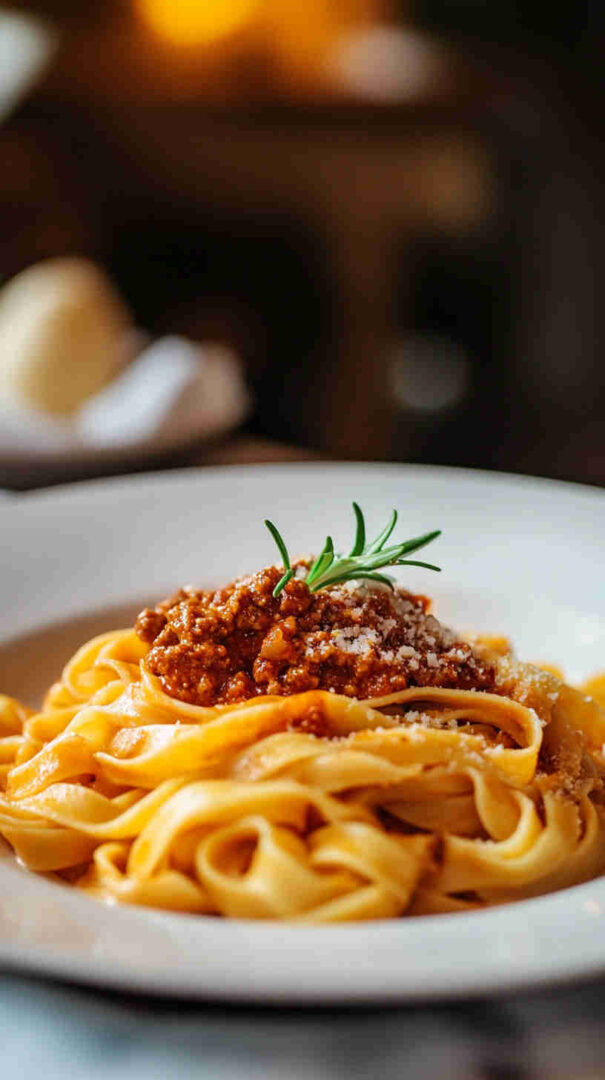
Please share this Bolognese Tagliatelle Pasta Recipe with your friends and do a comment below about your feedback.
We will meet you on next article.
Until you can read, Authentic Neapolitan Pizza Margherita Recipe