Classic Italian Panettone Recipe
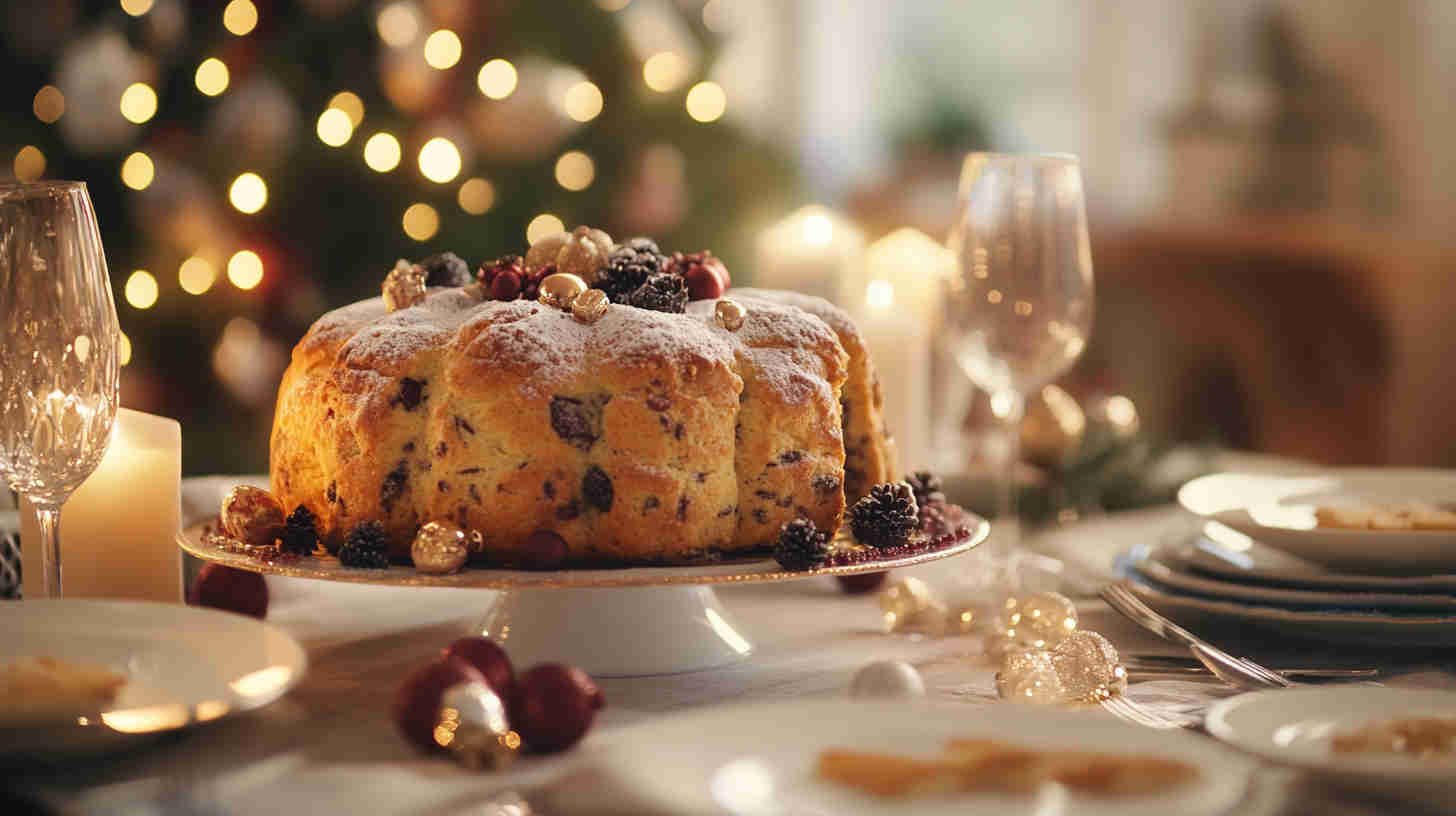
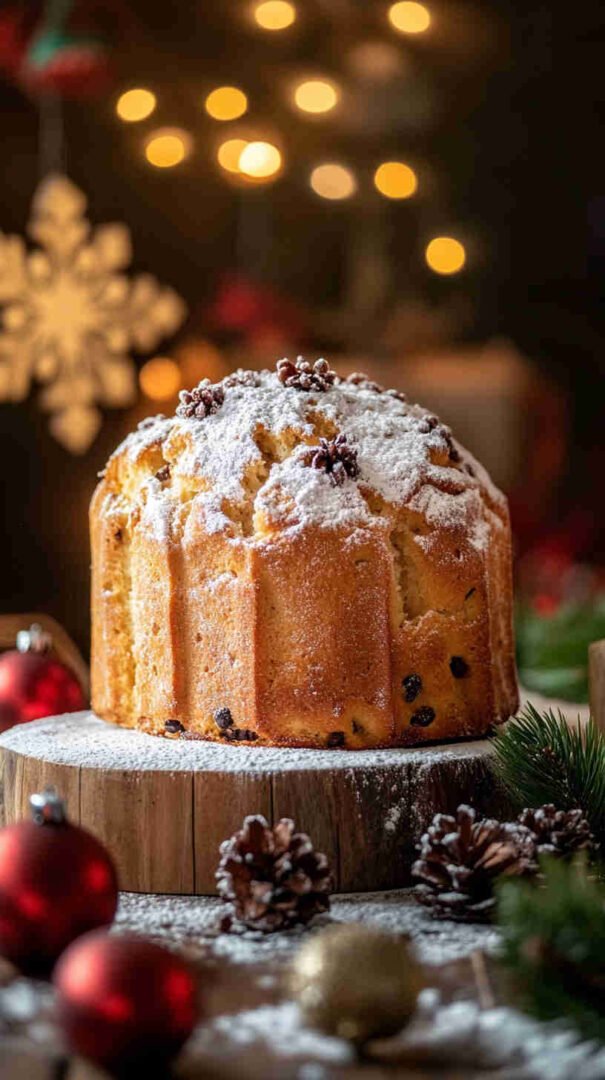
Classic Italian Panettone is a luxurious, tall, dome-shaped Milanese sweet bread traditionally enjoyed during Christmas and New Year celebrations. Enriched with plenty of butter, eggs, aromatic citrus zest, vanilla, and studded with rum-soaked raisins and candied orange peel, it offers an irresistibly fluffy, moist crumb and heavenly fragrance.
Why You’ll Love This recipe
You’ll fall in love with this Classic Italian Panettone because it brings the authentic taste of Milan right into your kitchen without needing professional sourdough starter or extremely long fermentation times.
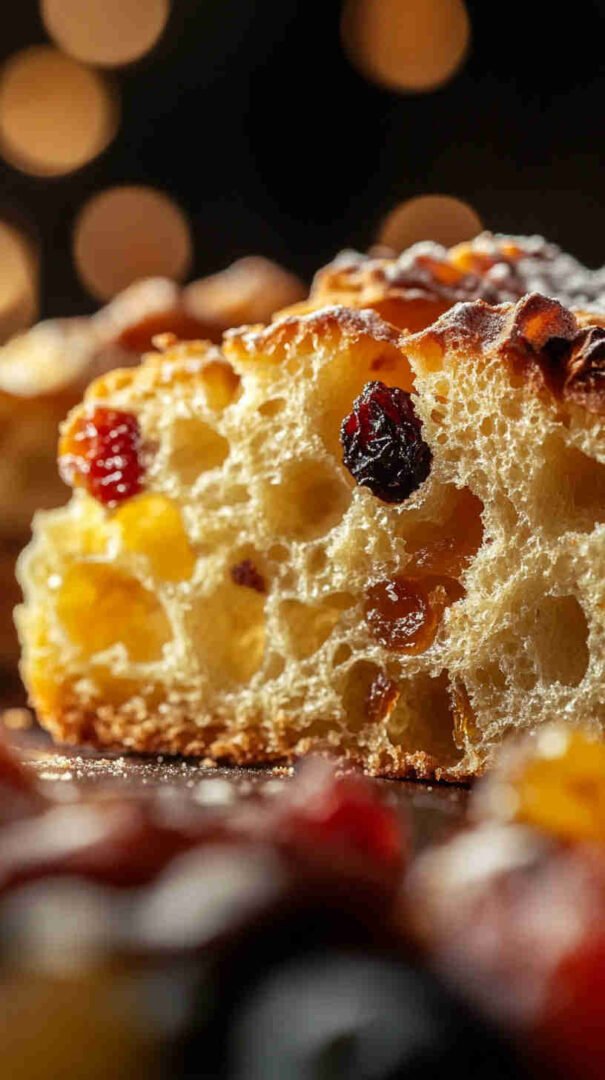
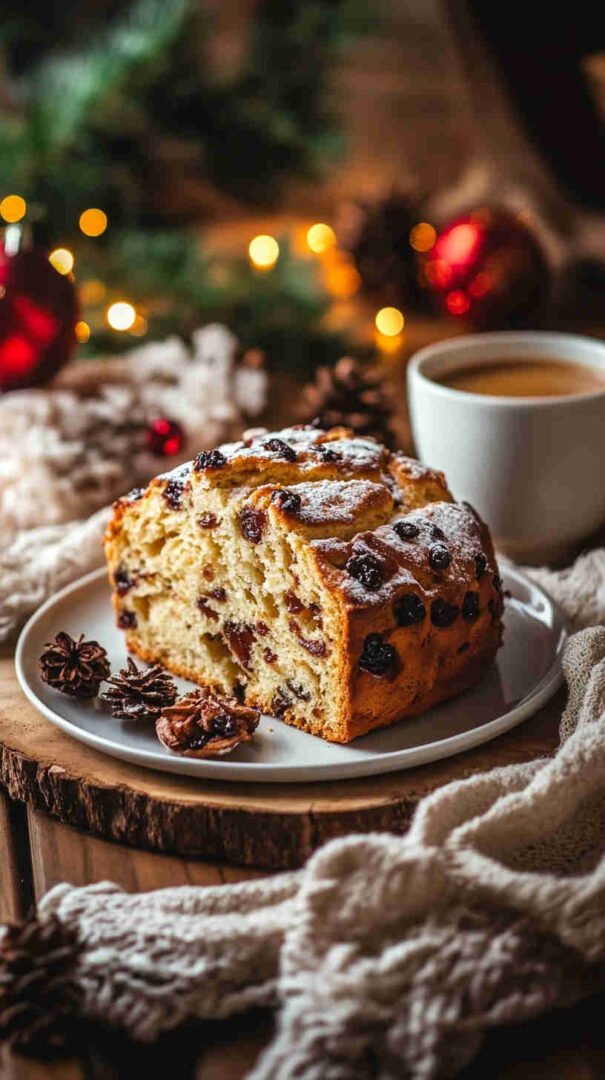
The result is an incredibly soft, feathery-light texture that tears apart like the finest brioche, yet it carries that signature rich, buttery depth and intoxicating aroma of fresh citrus zest, vanilla, and subtly boozy fruit. Every bite feels festive and special — the golden crust gives way to a tender, moist interior filled with plump, flavorful raisins and sweet candied peel.
Baking it fills your home with the most welcoming holiday scent imaginable, and slicing into that perfect dome shape feels like a true accomplishment. It’s far superior to most store-bought versions, with no artificial aftertaste, and it makes a stunning centerpiece for holiday gatherings or a thoughtful homemade gift that shows how much you care.
Classic Italian Panettone Recipe
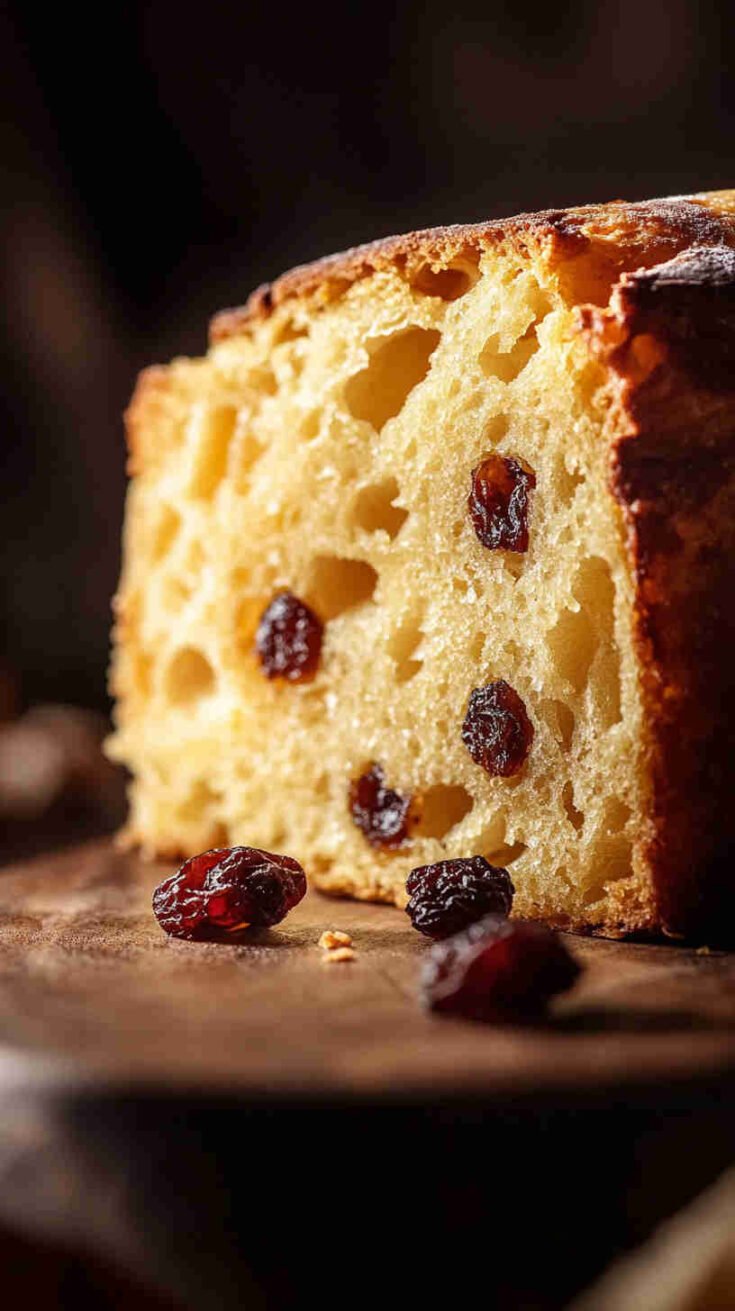
Soft, buttery Italian Christmas bread with citrus zest, rum-soaked raisins, and candied peel — fluffy, aromatic, and festive.
Ingredients
For the fruit soak:
- ¾ cup (120 g) raisins (golden or dark)
- ¼ cup (60 ml) dark rum or warm water
Aromatic mix:
- Zest of 2 large oranges
- Zest of 1 lemon
- 1 tablespoon honey
- 2 teaspoons pure vanilla extract (or seeds from 1 vanilla bean)
Dough:
- 3½ cups + 2 tablespoons (450 g) strong bread flour (high protein)
- ⅓ cup (70 g) granulated sugar
- 1 tablespoon (10 g) instant yeast
- 1 teaspoon fine salt
- 4 large eggs, room temperature
- 2 large egg yolks, room temperature
- ¾ cup (170 g) unsalted butter, softened
- ⅓ cup (80 ml) warm milk (about 100°F/38°C)
- ½ cup (100 g) high-quality candied orange peel, diced
For baking:
- 1 panettone paper mold (6–7 inch / 15–18 cm diameter)
- Optional: beaten egg for brushing
Instructions
- Start with love and prep the fruit — The night before, place raisins in a small bowl and pour rum (or warm water) over them. Stir, cover, and let them soak overnight to become plump and irresistibly fragrant.
- Make the aromatic magic — In a small bowl, mix orange zest, lemon zest, honey, and vanilla. Cover and let the flavors mingle overnight — this is the soul of your panettone!
- Begin the dough adventure — The next day, in a large stand mixer bowl (or big mixing bowl), combine warm milk, yeast, and 1 tablespoon sugar. Let it sit 5–10 minutes until bubbly and happy.
- Build the base — Add eggs, egg yolks, remaining sugar, salt, and half the flour. Mix gently until smooth, then add the aromatic mixture and soaked raisins (with liquid).
- Knead with care — Gradually add remaining flour and softened butter in pieces. Knead on medium speed (or by hand) for 10–15 minutes until the dough is silky, elastic, and passes the windowpane test — it should stretch thin without tearing.
- First cozy rise — Place dough in a lightly oiled bowl, cover with plastic wrap, and let rise in a warm spot for 1–2 hours until doubled. It will feel alive and puffy!
- Add the sparkle — Gently fold in candied orange peel. Shape dough into a smooth ball and place into your paper panettone mold.
- Final luxurious rise — Cover loosely and let rise 4–8 hours (or until dough reaches the top of the mold and springs back slowly). Be patient — this creates that gorgeous dome!
- Bake to golden perfection — Preheat oven to 350°F (175°C). Optional: brush top with egg wash and score a shallow cross. Bake 50–60 minutes until deep golden and internal temperature reaches 190–200°F (88–93°C). If browning too fast, tent with foil.
- The classic Italian finish — Immediately after baking, insert two long skewers through the base and hang upside down between two chairs or over a pot for 4–6 hours. This prevents sinking and keeps it tall and fluffy. Cool completely before slicing — enjoy the heavenly aroma!
Notes
- Total time includes long rises — perfect for a weekend project.
- Traditional panettone uses pasta madre (sourdough), but this yeast version delivers excellent authentic results with less time.
- Do not open the oven door during the first 30 minutes of baking to avoid collapse.
- Serve sliced with mascarpone, whipped cream, zabaglione, or simply on its own — magical with coffee or sweet wine.
Nutrition Information
Yield
10Serving Size
1Amount Per Serving Calories 681Total Fat 21gSaturated Fat 11gUnsaturated Fat 9gCholesterol 158mgSodium 308mgCarbohydrates 109gFiber 3gSugar 34gProtein 16g
The recipes and nutritional information on Yum Tonight are for informational purposes only. Always consult a healthcare provider for personalized dietary advice.
Recipe Tips and Tricks
- Use high-protein bread flour (13-14% protein) or Italian “00” panettone flour for the best structure and rise.
- Room-temperature eggs and softened (not melted) butter are essential for proper emulsion and a silky dough.
- Soak raisins in rum or warm water overnight for maximum plumpness and flavor (don’t skip this step!).
- Perform the “windowpane test” during kneading — stretch a small piece of dough thin enough to see light through without tearing.
- Let the dough rise in a warm, draft-free spot (ideally 75–80°F/24–27°C); use your oven light or proofing box if needed.
- Hang the baked panettone upside down for 4–6 hours using skewers and a pot to prevent collapse — this is the classic Italian technique for perfect height and texture.
- Patience is key! Rushing the rises results in dense bread — plan for 18–24 hours total time.
- Score the top lightly with a cross before baking for that traditional mushroom-like dome.
- Wrap tightly in plastic once completely cooled to preserve moisture for days.
Ingredients Notes
High-quality ingredients make all the difference in panettone. Use unsalted European-style butter (higher fat content ~82%) for richer flavor and better texture. Fresh large eggs at room temperature incorporate more easily and help create that signature lightness.
Opt for pure vanilla extract or a scraped vanilla bean pod for deep, natural aroma — avoid imitation. Candied orange peel should be high-quality, soft, and homemade or artisan if possible (avoid overly sugary or artificial versions). Raisins (golden or dark) become plump and flavorful when soaked in dark rum or orange juice overnight.
Bread flour with strong gluten content is crucial to support the heavy enrichment and long rises. Honey adds subtle floral sweetness and moisture. Fresh citrus zest (organic oranges and lemons) provides bright, authentic Italian fragrance without bitterness. A pinch of salt balances the sweetness and enhances all flavors.
Variations and Substitutions
The classic version shines with raisins and candied orange peel, but you can personalize it easily. Replace half the raisins with dried cranberries, chopped dried apricots, or cherries for a tangy twist. Add ½ cup toasted almonds, hazelnuts, or pistachios for crunch and nutty depth (traditional in some northern Italian versions).
For chocolate lovers, fold in ¾ cup dark chocolate chips or chunks after the second rise — a modern Milan favorite. Substitute candied citron peel for part of the orange peel if available. For alcohol-free, soak fruit in warm orange juice or apple juice with a touch of vanilla instead of rum.
Use lemon extract or Fiori di Sicilia for a floral note instead of vanilla. Dairy-free? Try plant-based butter and egg substitutes (though texture will be less rich). For smaller loaves, divide dough into 2–3 smaller molds. For extra indulgence, add a teaspoon of orange blossom water to the aromatic mix.
Storage Options
Once completely cooled, wrap the panettone tightly in plastic wrap or beeswax paper, then place in an airtight bag or container. It stays fresh at room temperature for up to 7–10 days (flavor often improves after 2–3 days). For longer storage, wrap well and refrigerate up to 2 weeks (bring to room temp before serving). Freeze whole or sliced (wrapped tightly in plastic and foil) for up to 3 months — thaw at room temperature and refresh slices briefly in a warm oven.
Dish Gallery
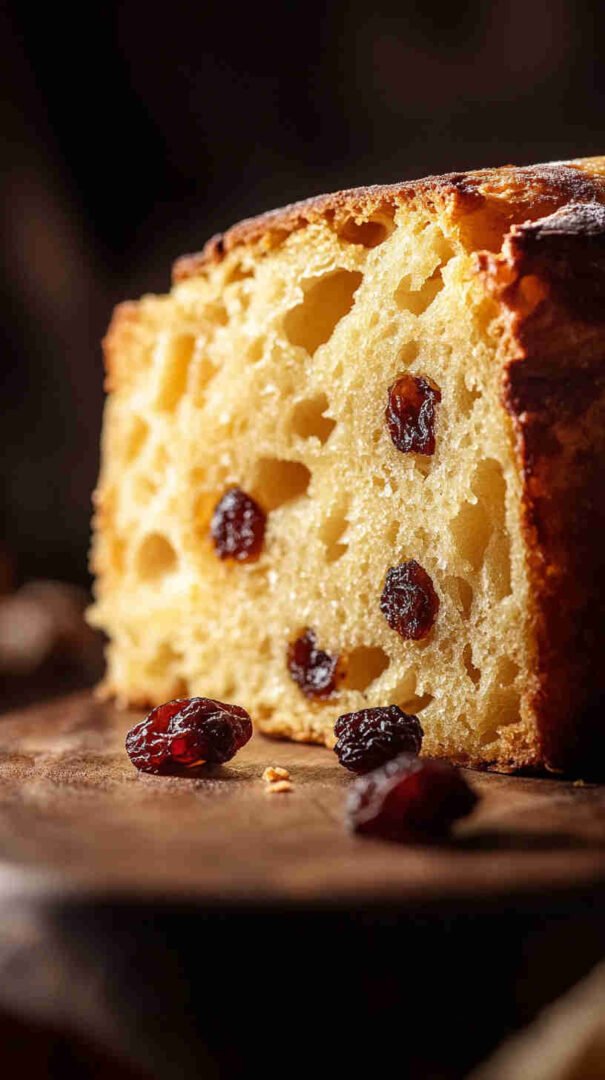
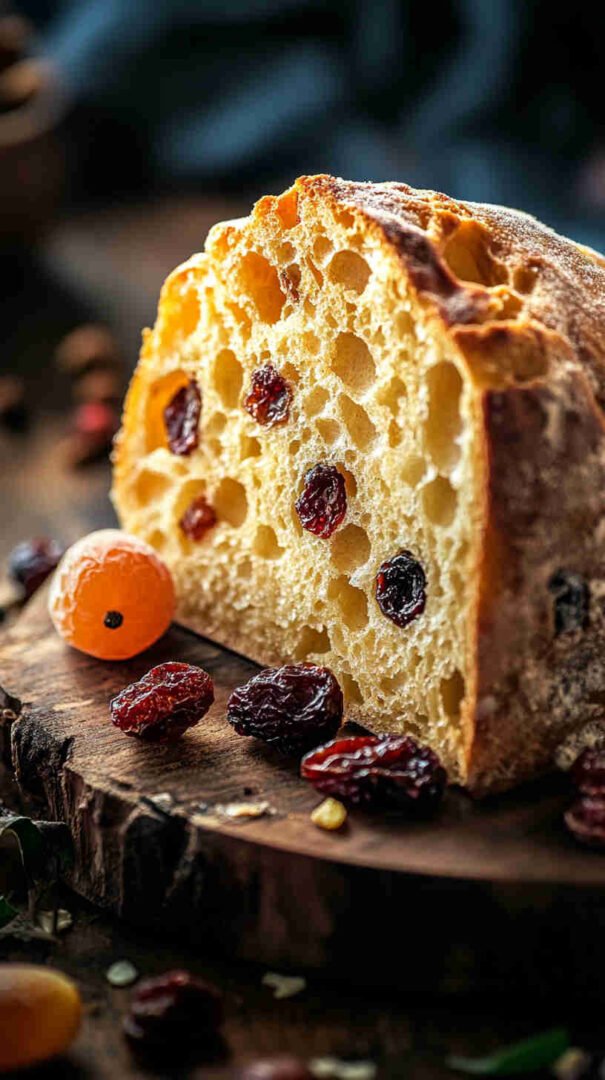
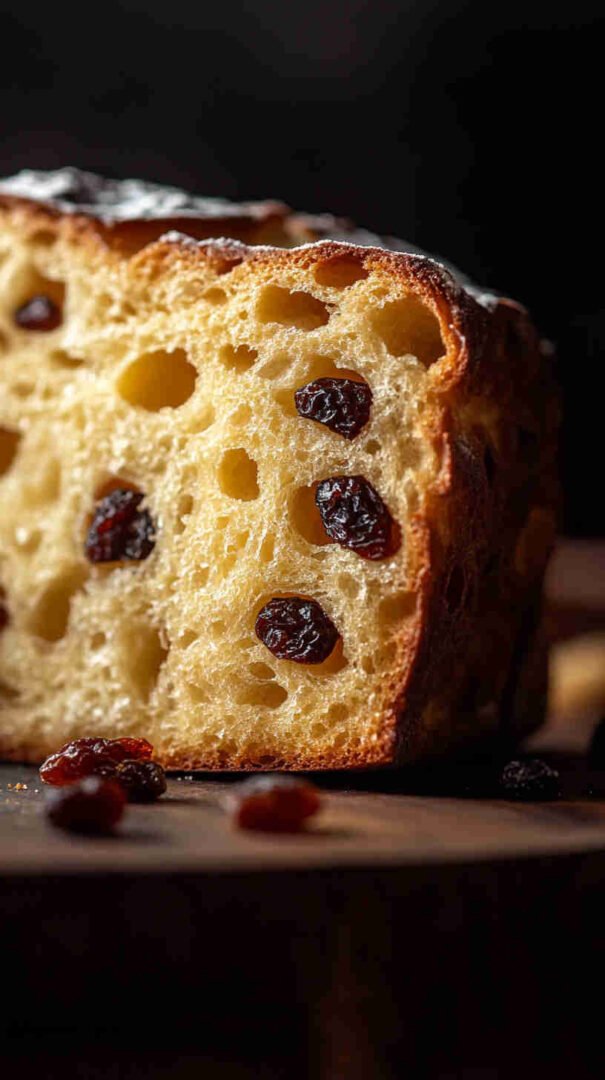
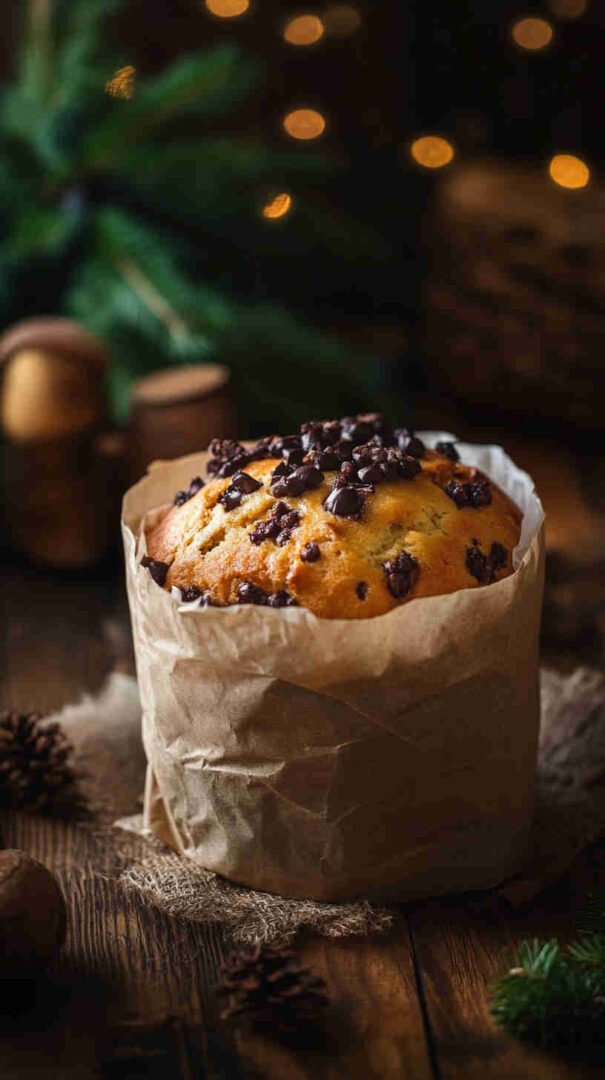
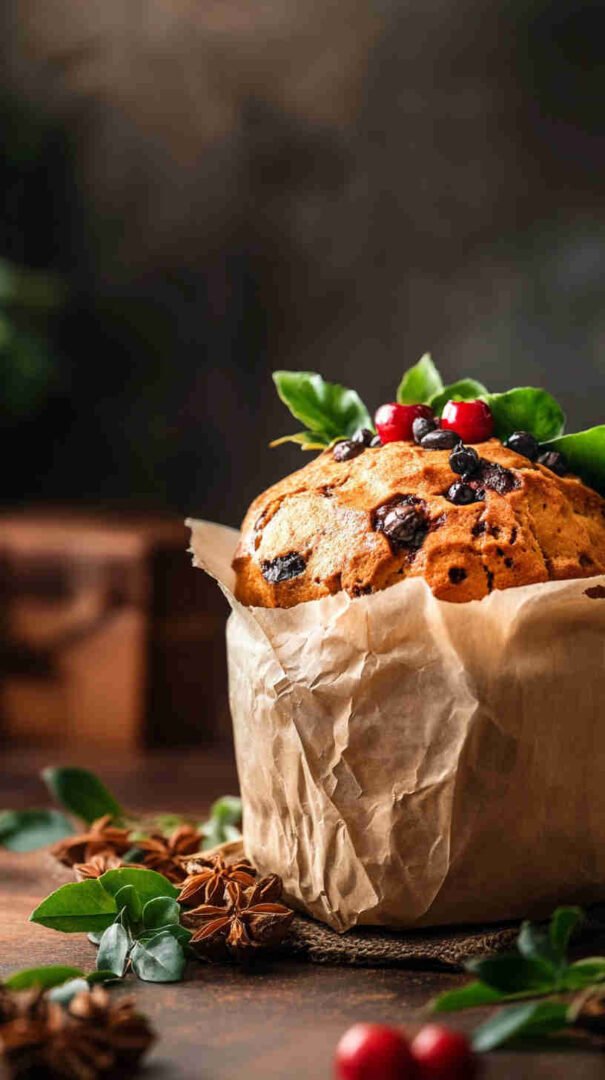
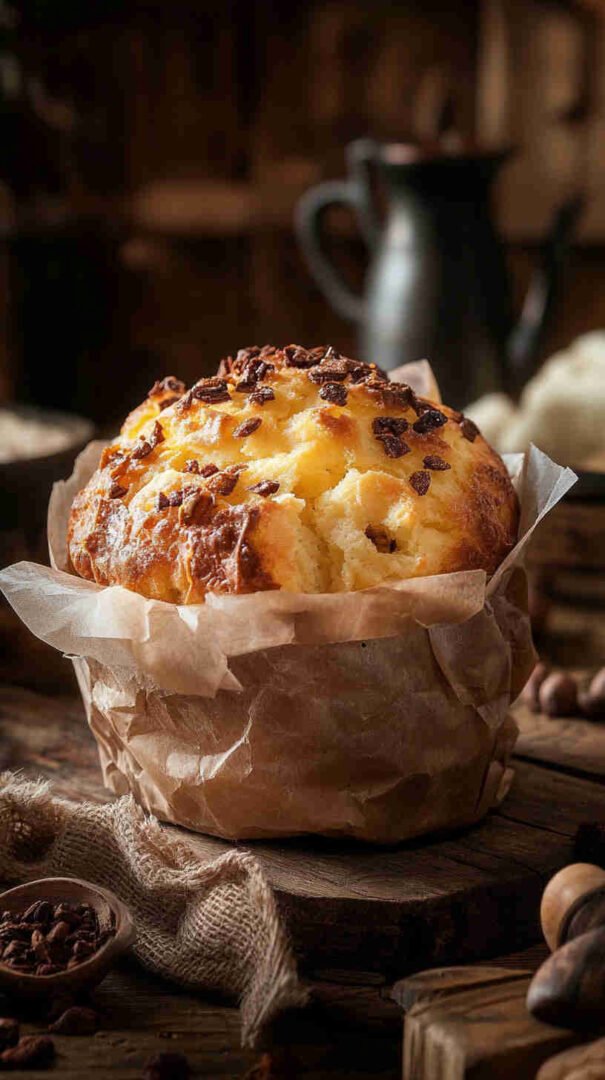
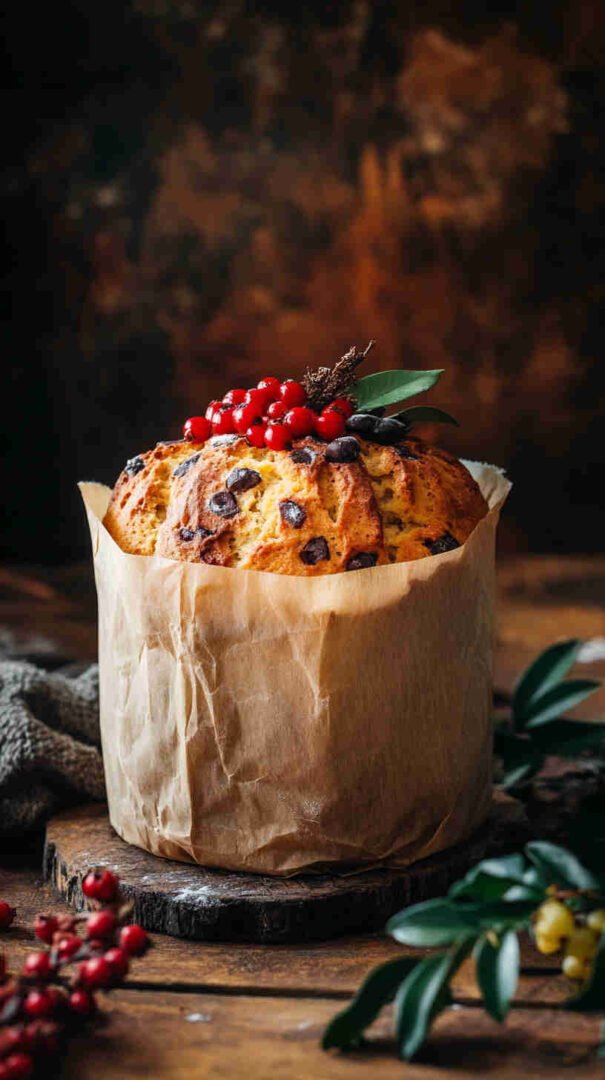
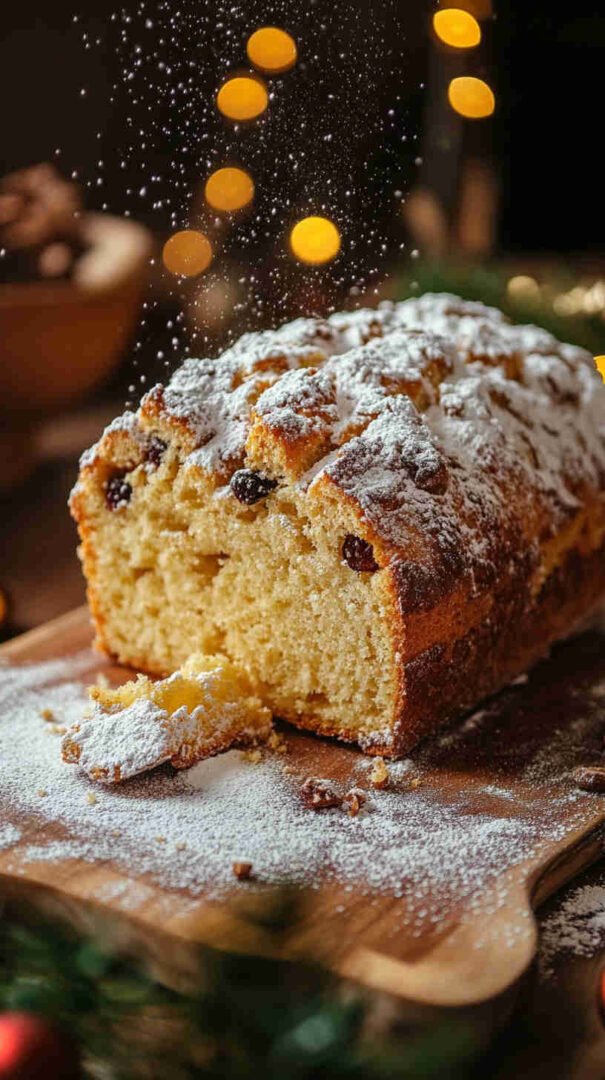

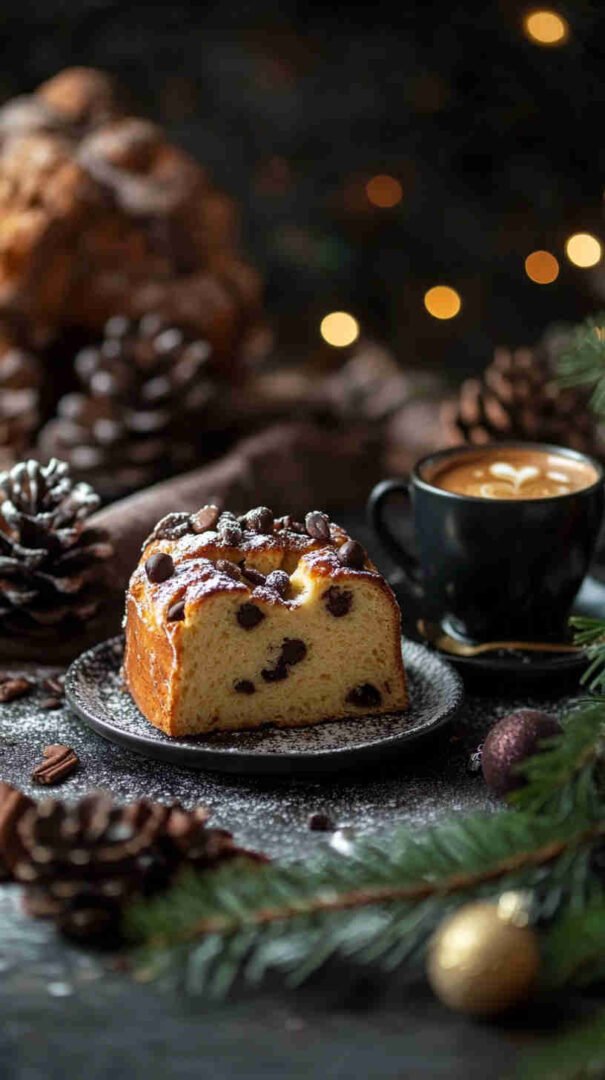
Please share this Classic Italian Panettone Recipe with your friends and do a comment below about your feedback.
We will meet you on next article.
Until you can read, Classic Italian Gelato Recipe