Homemade Italian Baguette (Filone) Recipe
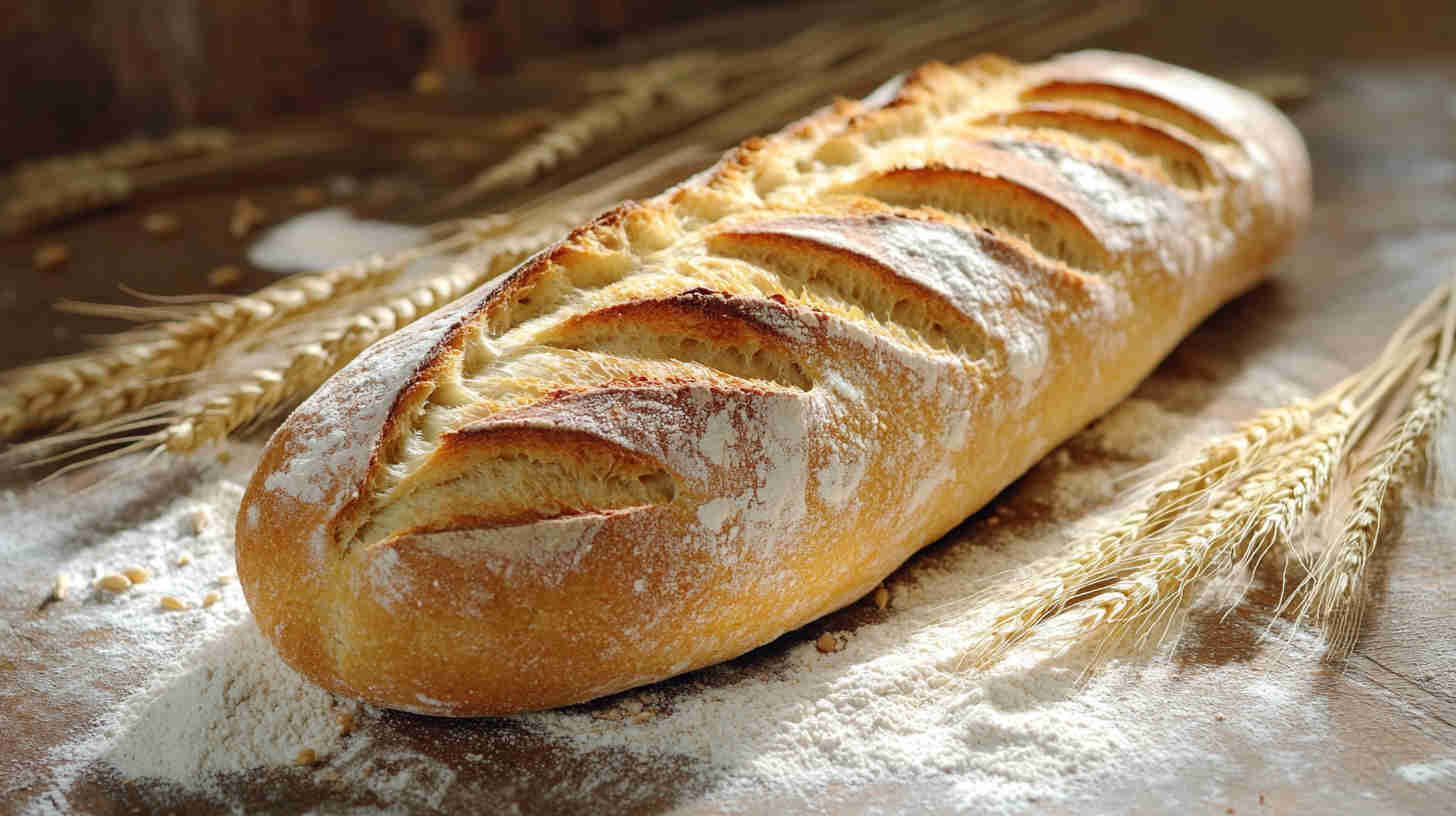
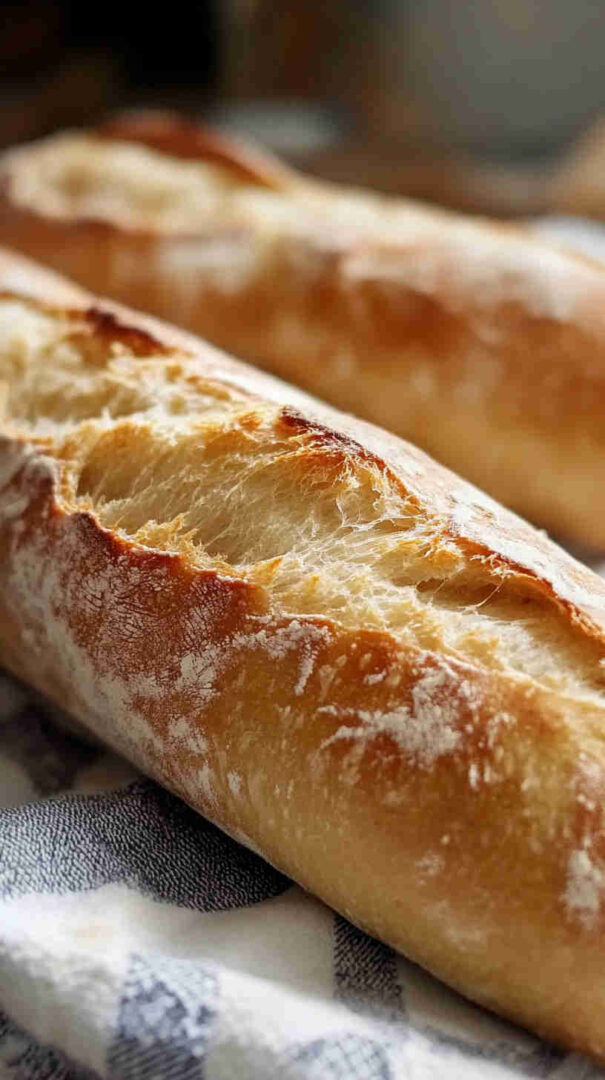
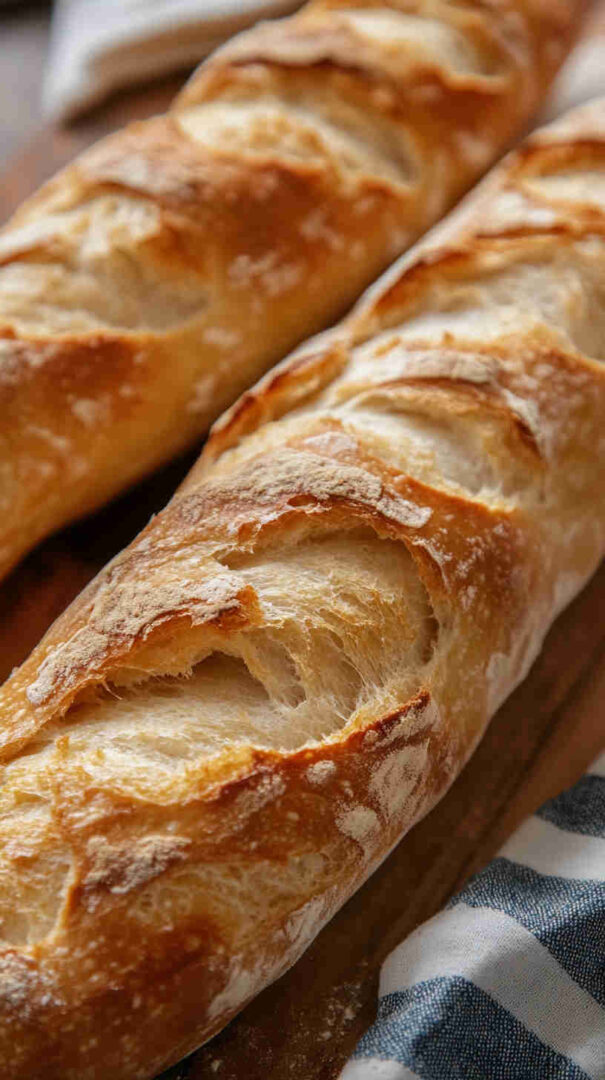
Filone, also known as Italian baguette, is a rustic, elongated loaf with a crisp golden crust and airy, open crumb—perfect for everyday meals, dipping in olive oil, or sopping up sauces like a true Italian scarpetta experience.
Why You’ll Love This Recipe
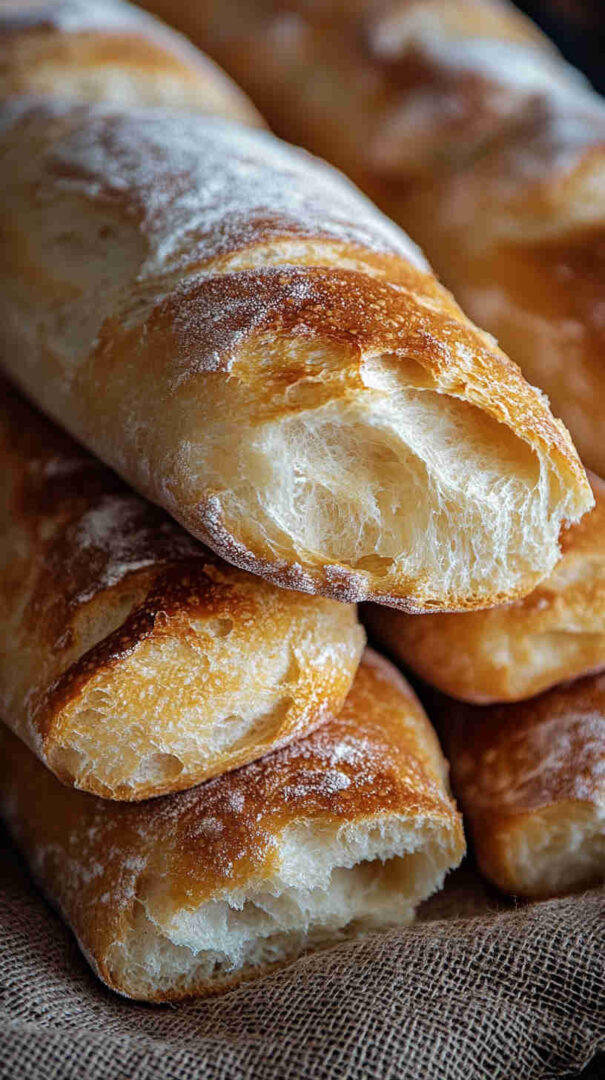
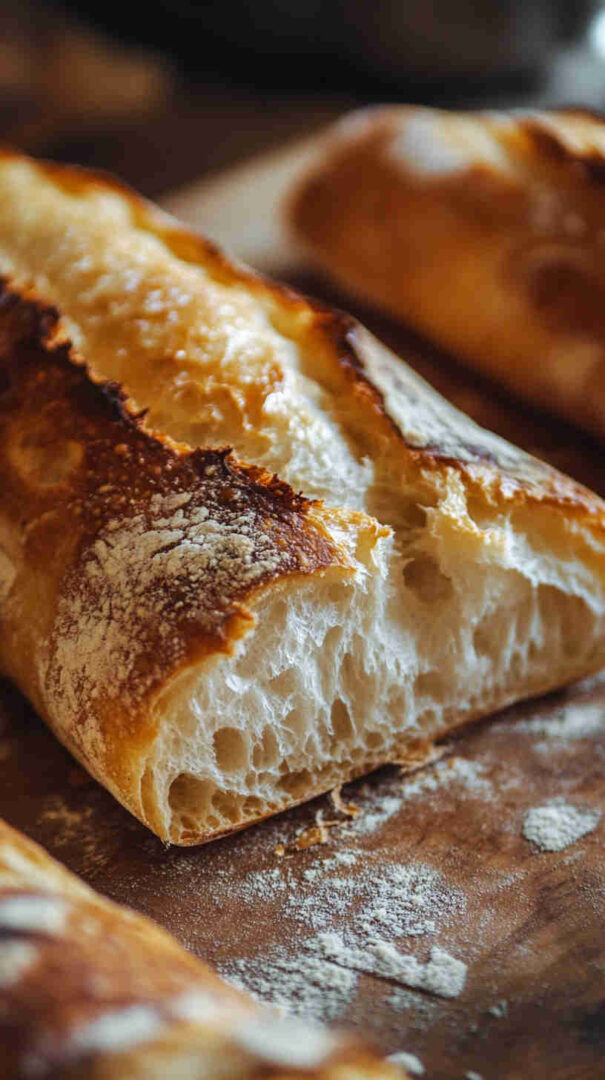
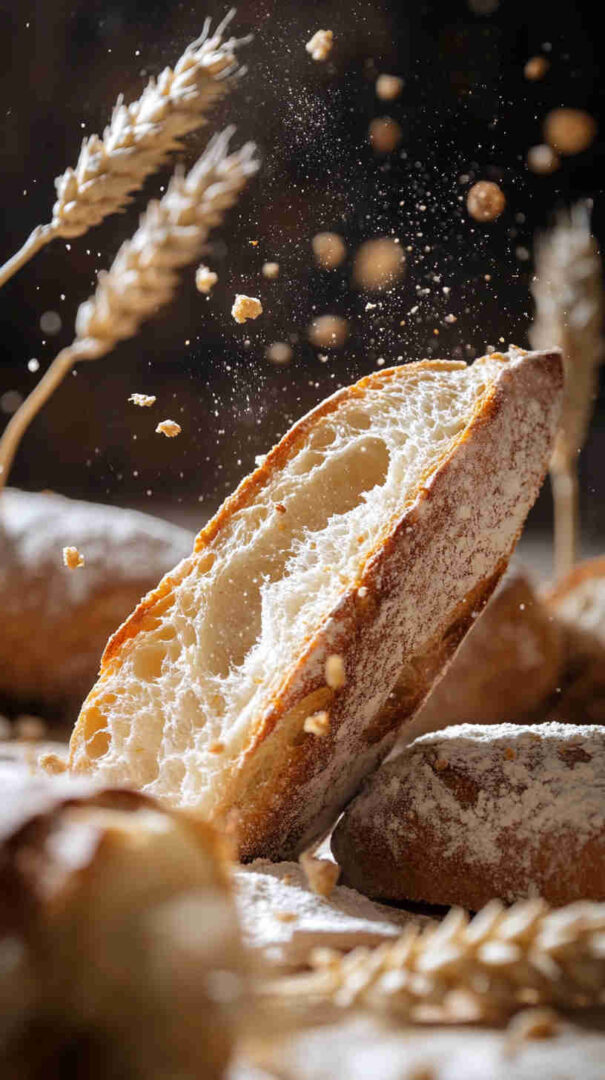
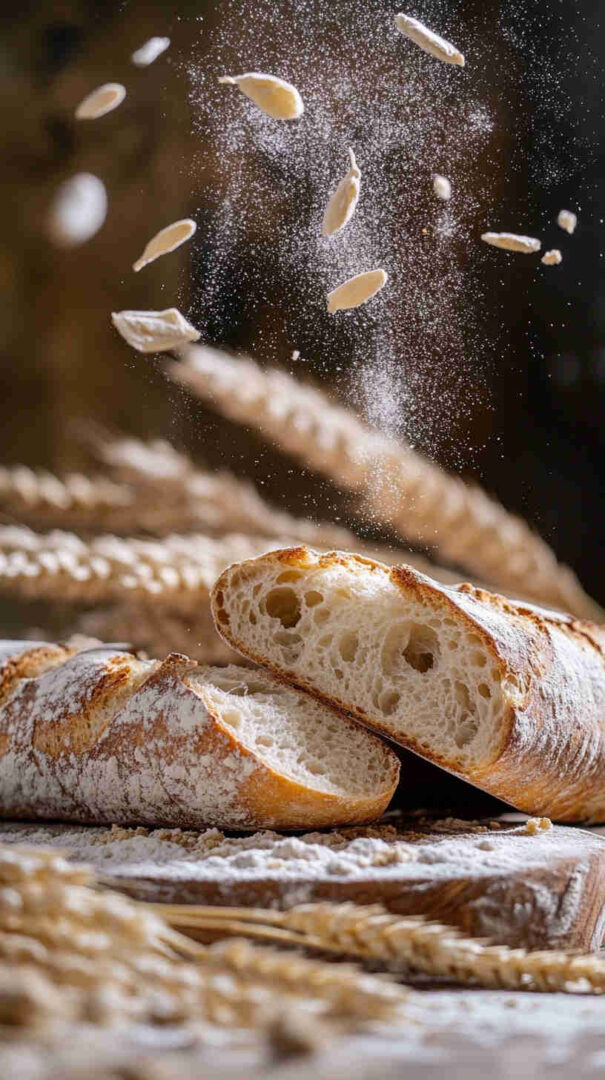
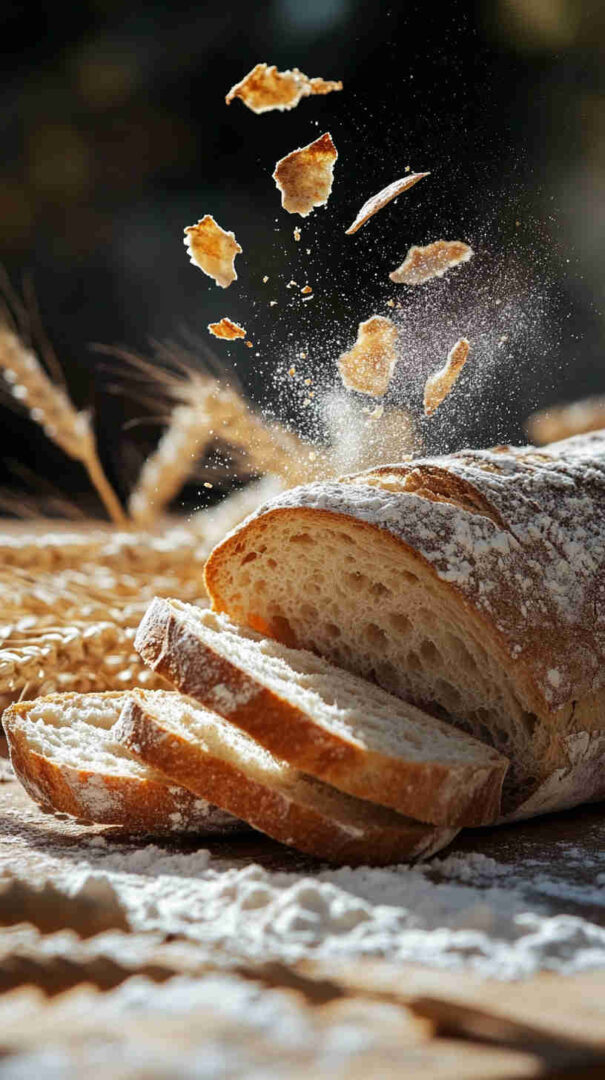
This homemade Italian Filone brings the magic of authentic Italian bakery bread right to your kitchen without needing fancy equipment or years of experience. It has that signature crackly crust that shatters beautifully when you break it, while the interior stays light, chewy, and full of those irregular holes that make every slice irresistible.
The subtle olive oil note adds richness without heaviness, making it versatile for sandwiches, bruschetta, alongside pasta, or simply with cheese and prosciutto. It’s rewarding to make—watching the dough rise and transform in the oven feels therapeutic—and the aroma of fresh-baked bread filling your home is unbeatable.
Unlike denser breads, this one stays fresh-tasting for days and freezes wonderfully, so you can enjoy bakery-quality results anytime with minimal effort.
Homemade Italian Baguette (Filone) Recipe
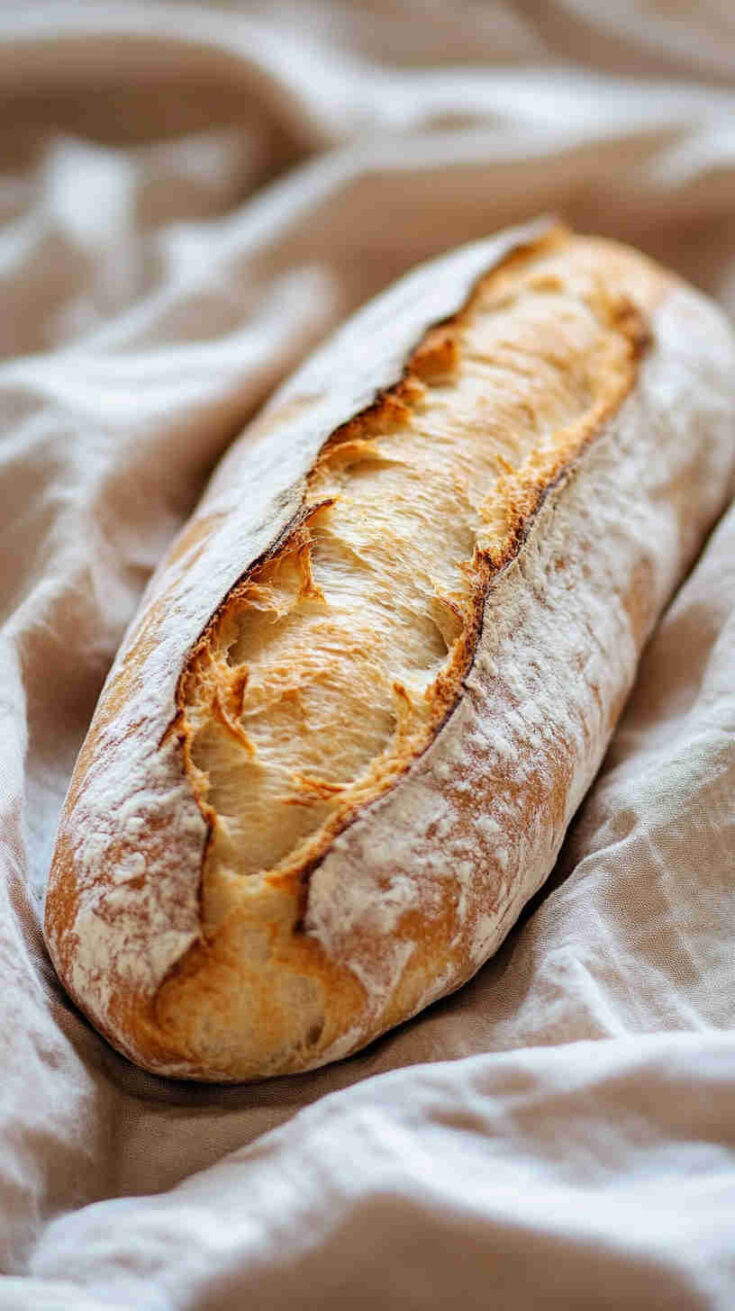
Crusty, airy Italian filone—baguette's rustic cousin—with golden crunch and perfect for dipping or sandwiches.
Ingredients
- 3½ cups (450g) all-purpose flour (plus extra for dusting)
- 1½ cups (360ml) lukewarm water (about 110°F/43°C)
- 2¼ teaspoons (7g) active dry yeast
- 2 teaspoons (12g) fine sea salt
- 2 tablespoons (30ml) extra virgin olive oil
- Semolina or cornmeal, for dusting (optional)
- Ice cubes (about ½ cup), for steam
Instructions
- Wake up the yeast — In a large mixing bowl, combine the lukewarm water and active dry yeast. Stir gently and let it sit for 5-10 minutes until it becomes foamy and bubbly—like it's saying "I'm ready to rise!" This proves your yeast is alive and excited.
- Build the base — Add the olive oil and salt to the yeasty water, then gradually stir in the flour about a cup at a time. Mix with a wooden spoon or your hands until a shaggy dough forms— it will look messy at first, but that's okay!
- Knead with love — Turn the dough onto a lightly floured surface and knead for 8-10 minutes. Fold, push, turn—feel it transform from sticky to smooth and elastic. If using a stand mixer, knead on medium with dough hook for 6-8 minutes. The dough should spring back when poked.
- First rise magic — Place the dough in a lightly oiled bowl, cover with a damp cloth or plastic wrap, and let it rise in a warm spot for 1-1½ hours until doubled in size. Watch it puff up like a happy cloud!
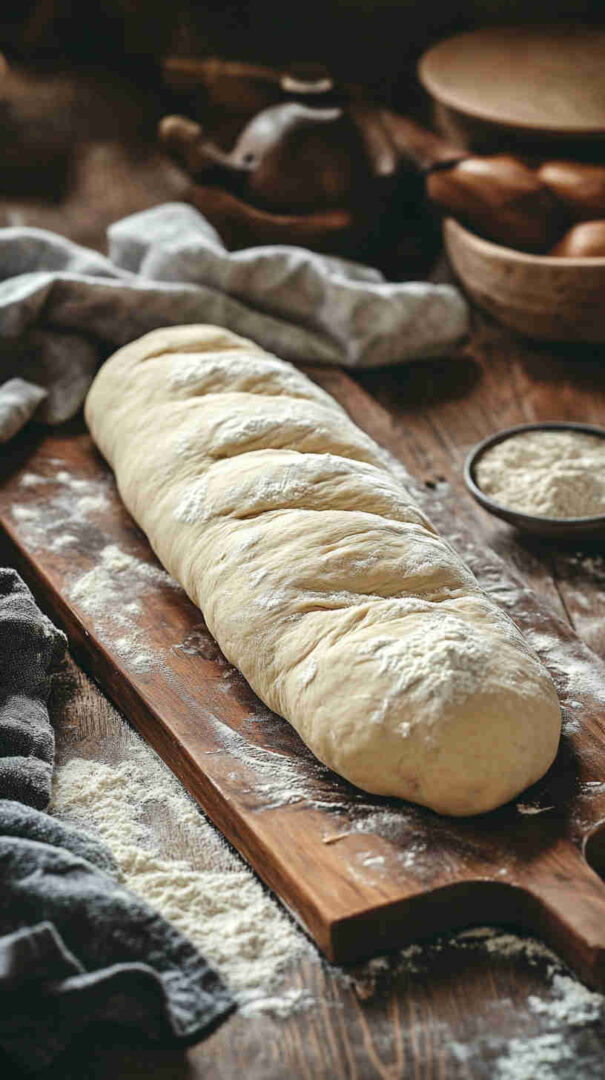
- Shape the filone — Gently punch down the dough to release air, then divide into two equal pieces. On a floured surface, shape each into a long oval or cylinder about 12-14 inches long. Fold and roll gently to create tension on the surface for that beautiful rise.
- Second proof — Place shaped loaves seam-side down on a parchment-lined baking sheet dusted with semolina. Cover loosely and proof for 45-60 minutes until puffy and nearly doubled again.
- Preheat like a pro — About 45 minutes before baking, preheat your oven to 450°F (230°C) with a baking stone or inverted sheet inside and an empty metal pan on the bottom rack.
- Slash for drama — Just before baking, use a sharp knife or lame to make 3-4 diagonal slashes (½ inch deep) on each loaf. This lets steam escape and creates that classic artisanal look.
- Bake with steam — Slide loaves (on parchment) onto the hot stone/sheet. Quickly toss ice cubes into the bottom pan for instant steam—close the door fast! Bake 30-35 minutes until deep golden and hollow-sounding when tapped.
- Cool and enjoy — Transfer to a wire rack and resist slicing for at least 30-45 minutes. The crust will sing as it cools—music to any bread lover's ears! Slice, drizzle with olive oil, and savor every bite.
Notes
Steam is key for that shatteringly crisp crust—don't skip the ice! If your oven runs hot, tent with foil after 20 minutes to prevent over-browning. This recipe avoids biga for simplicity but still delivers authentic Italian flavor.
Nutrition Information
Yield
2Serving Size
1Amount Per Serving Calories 1734Total Fat 19gSaturated Fat 3gUnsaturated Fat 17gSodium 2237mgCarbohydrates 339gFiber 14gSugar 1gProtein 47g
The recipes and nutritional information on Yum Tonight are for informational purposes only. Always consult a healthcare provider for personalized dietary advice.
Recipe Tips and Tricks
- Use a kitchen scale for precise measurements—bread baking thrives on accuracy, especially with flour and water.
- Don’t rush the rises; patience develops flavor and texture—warm spots help but avoid direct heat.
- For the best crust, create steam in the oven by placing ice cubes in a hot pan on the bottom rack right after loading the dough.
- Slash the top deeply (about ½ inch) at a 45-degree angle before baking to allow proper expansion and that classic look.
- If your dough feels too sticky, resist adding extra flour during shaping—wet hands or a lightly oiled bench scraper work wonders.
- Bake on a preheated baking stone or inverted sheet for even heat distribution and maximum rise.
- Cool completely on a wire rack before slicing—cutting too soon makes the crumb gummy.
Ingredients Notes
All-purpose flour forms the base, providing structure while allowing an open crumb—opt for unbleached for better flavor. Bread flour can substitute if you want extra chewiness from higher protein.
Active dry yeast gives reliable lift; proof it in warm water (around 110-115°F) to ensure it’s alive. Water should be lukewarm to activate yeast without killing it—filtered or tap is fine. Extra virgin olive oil adds subtle richness, tenderness to the crumb, and a hint of fruity aroma typical in many Italian breads (unlike strict French baguettes).
Fine sea salt or kosher salt enhances flavor and strengthens gluten—don’t reduce it, as salt controls fermentation. A touch of semolina or cornmeal for dusting prevents sticking and adds rustic texture to the base.
Variations and Substitutions
For a more traditional flavor, incorporate a biga (preferment) by mixing part of the flour, water, and yeast the night before for deeper taste—though this quicker version is still excellent. Switch to sourdough starter (about 150-200g) instead of yeast for tangy complexity, adjusting water slightly.
Add 1-2 tablespoons of honey or sugar for a softer, slightly sweeter loaf. For herb-infused, knead in fresh rosemary, thyme, or oregano. Olive-studded variation: fold in ½-¾ cup chopped pitted olives during shaping.
Whole wheat substitution: replace up to 30% of flour with whole wheat for nuttier flavor and denser texture—add extra water if needed. Dairy twist: use milk instead of some water for richer crumb like some Sicilian styles. Gluten-free? Not ideal for this structure, but experiment with blends and xanthan gum. No olive oil? Neutral oil or butter works, though flavor changes.
Storage Options
Store at room temperature in a paper bag or bread box for 2-3 days to maintain crust—avoid plastic bags, which soften it. For longer, wrap tightly in plastic and freeze whole or sliced for up to 3 months; refresh by thawing and baking at 350°F for 5-10 minutes. Revive day-old bread by sprinkling with water and toasting in a hot oven for crispness.
Dish Gallery
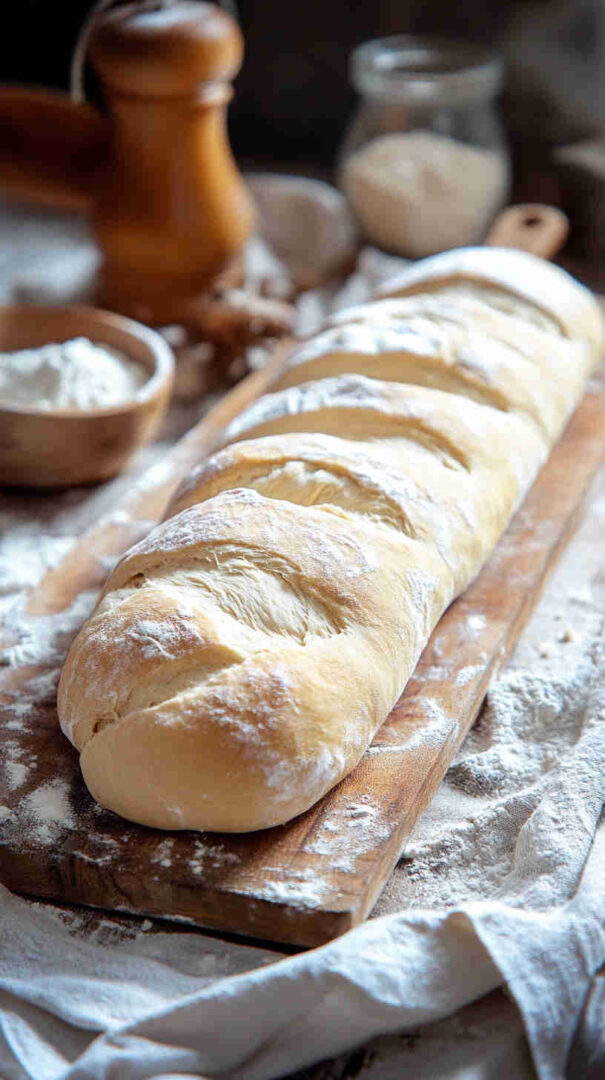
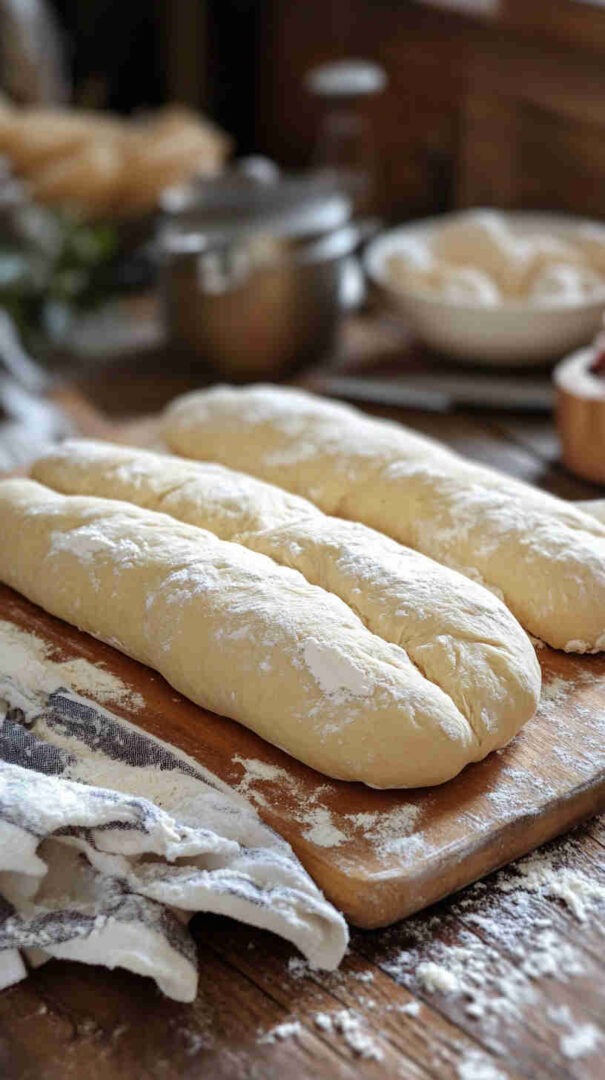
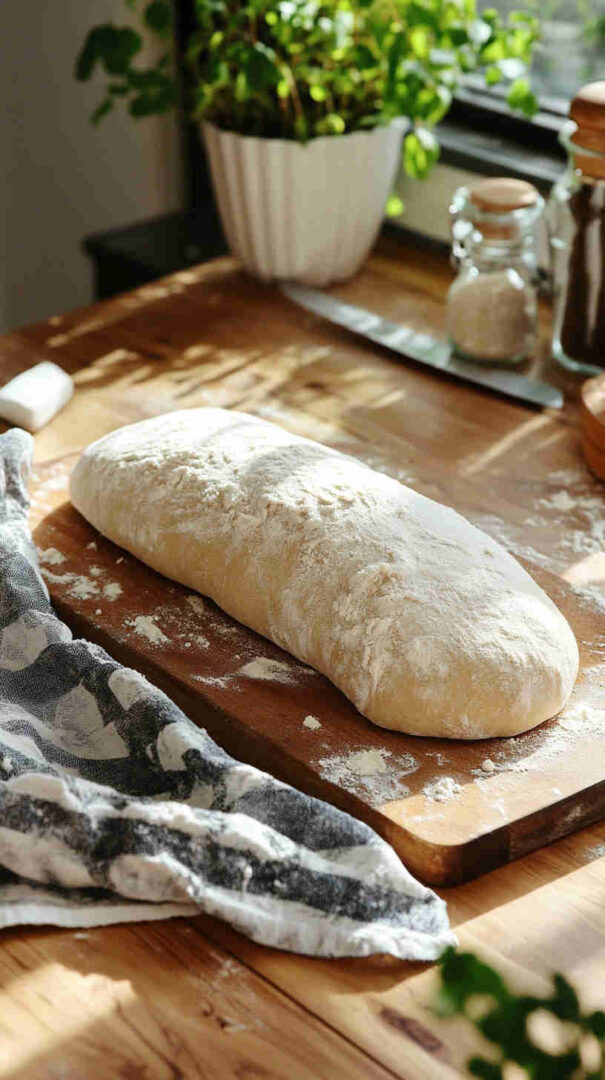
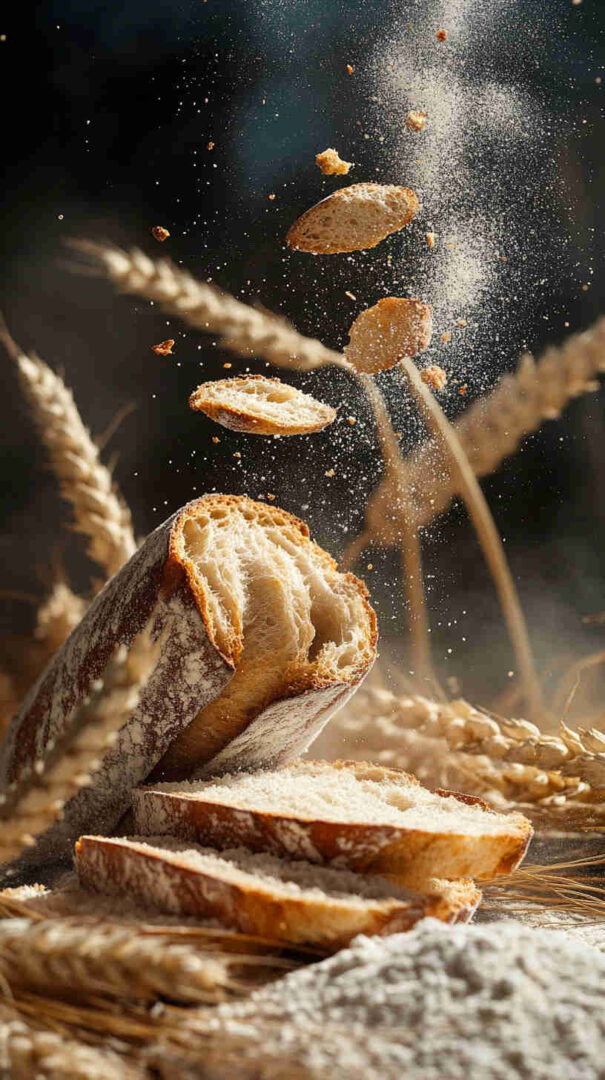
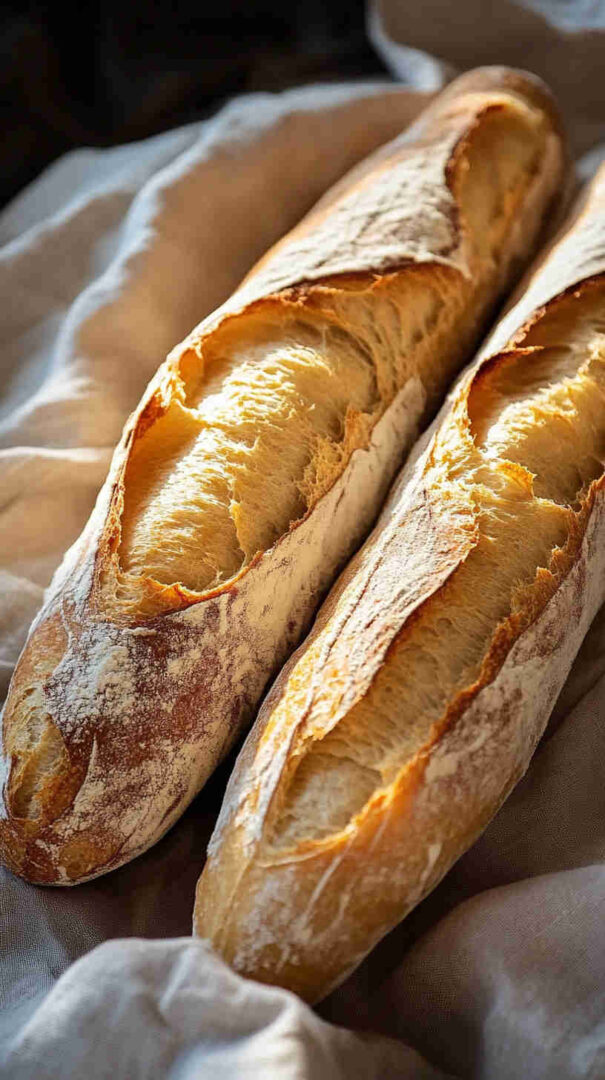
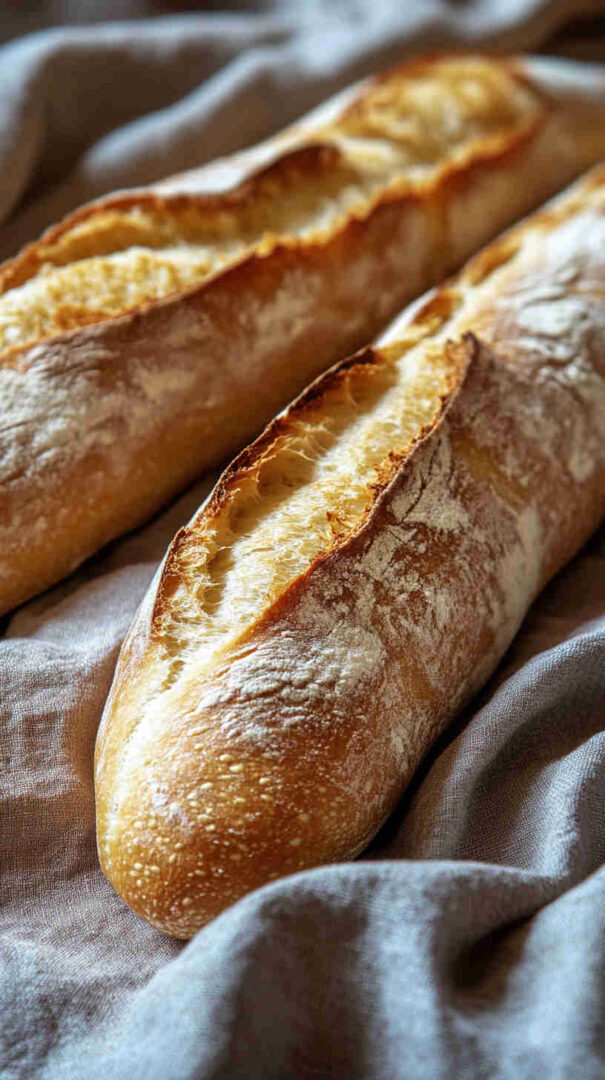
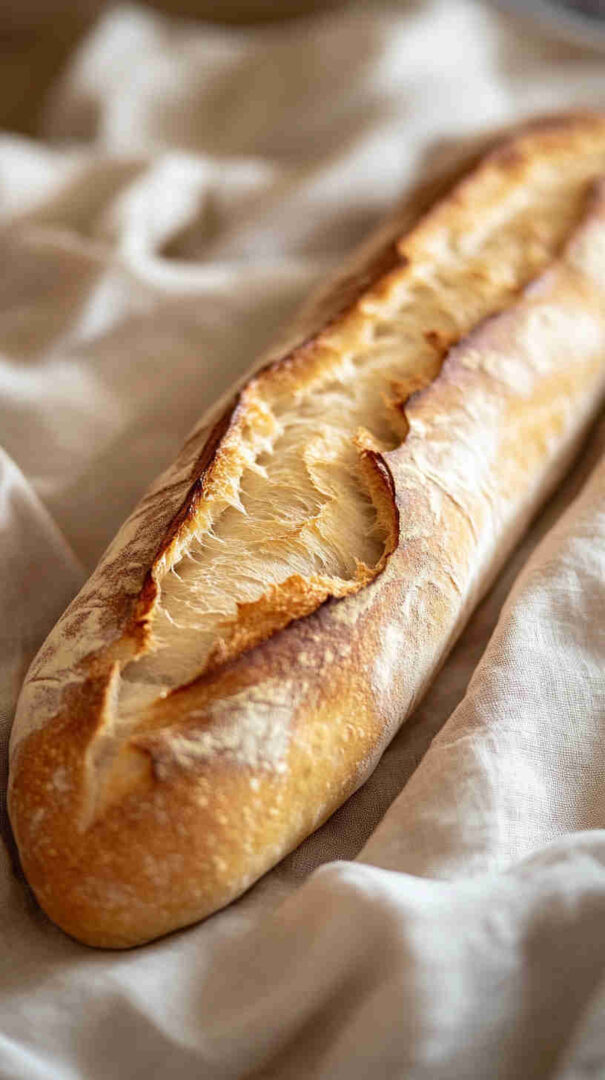
Please share this Homemade Italian Baguette (Filone) Recipe with your friends and do a comment below about your feedback.
We will meet you on next article.
Until you can read, Italian Veggie Flatbread Pizza Recipe