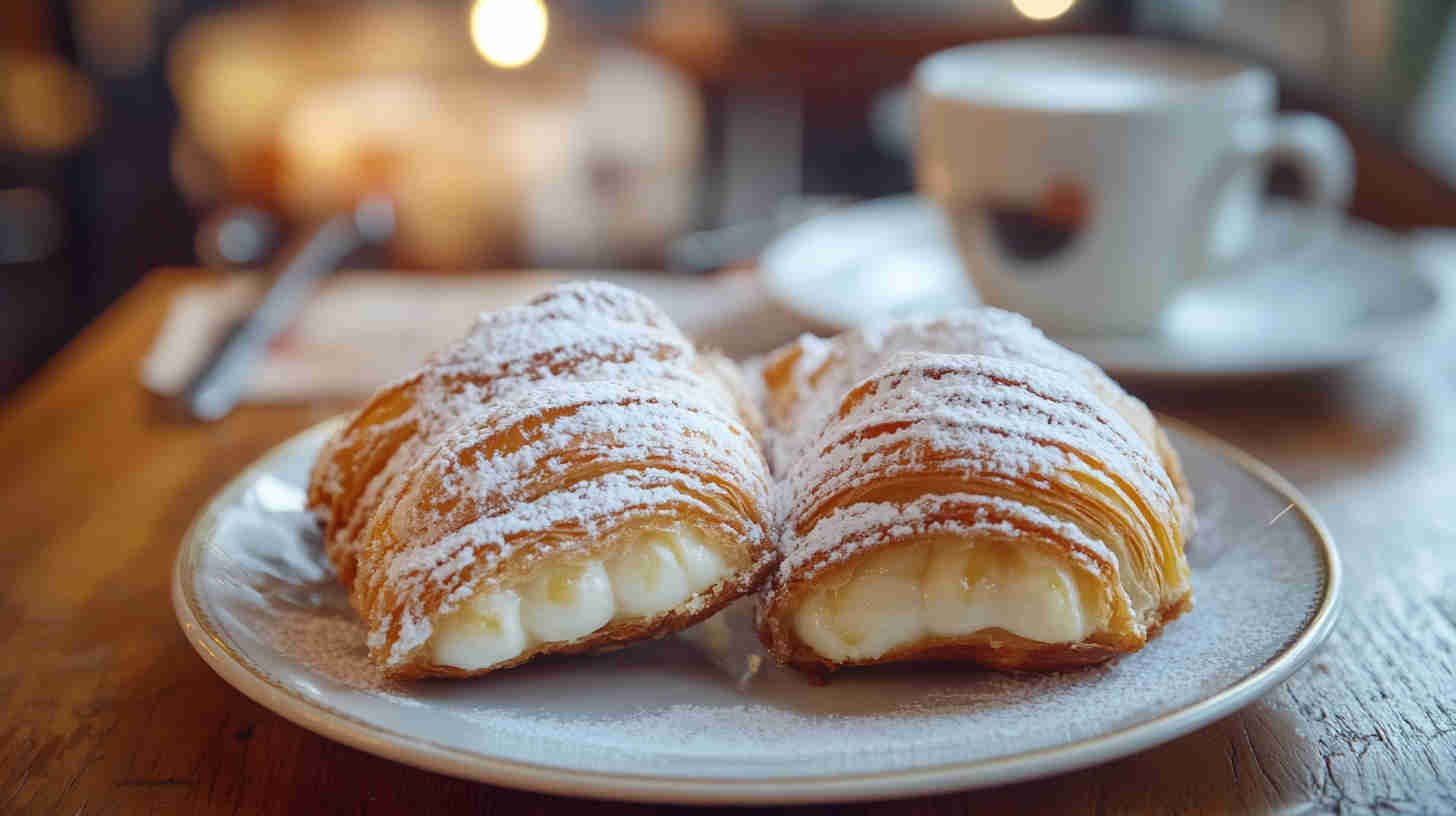
Homemade Sfogliatella Recipe
Sfogliatella is a traditional Neapolitan masterpiece: crisp, thousand-layer pastry shells shaped like little clams or lobster tails, filled with a fragrant, creamy semolina-ricotta mixture scented with cinnamon, vanilla, lemon/orange zest, and studded with candied citrus peel. This homemade version brings authentic Italian dolce perfection to your kitchen.
Why You’ll Love This recipe
You’ll fall in love with this sfogliatella recipe because it captures the soul of Naples in every bite — that magical contrast between shatteringly crisp, golden, multi-layered pastry on the outside and a lusciously creamy, aromatic filling inside. The semolina gives the ricotta-based cream a unique, pudding-like texture that’s not too heavy, while the bright citrus zest, warm cinnamon, and tiny bursts of candied orange peel create an unforgettable flavor symphony.
Making it at home is a rewarding labor of love: the process feels like edible artistry, and the wow factor when your family or guests bite into the warm, flaky layers is priceless. Unlike store-bought versions that can be overly greasy or bland, this from-scratch treat lets you control the freshness, sweetness, and spice balance perfectly.
It’s impressive enough for special occasions yet comforting and nostalgic — pure Italian dolce bliss that makes any coffee break or dessert moment feel luxurious.
Homemade Sfogliatella Recipe
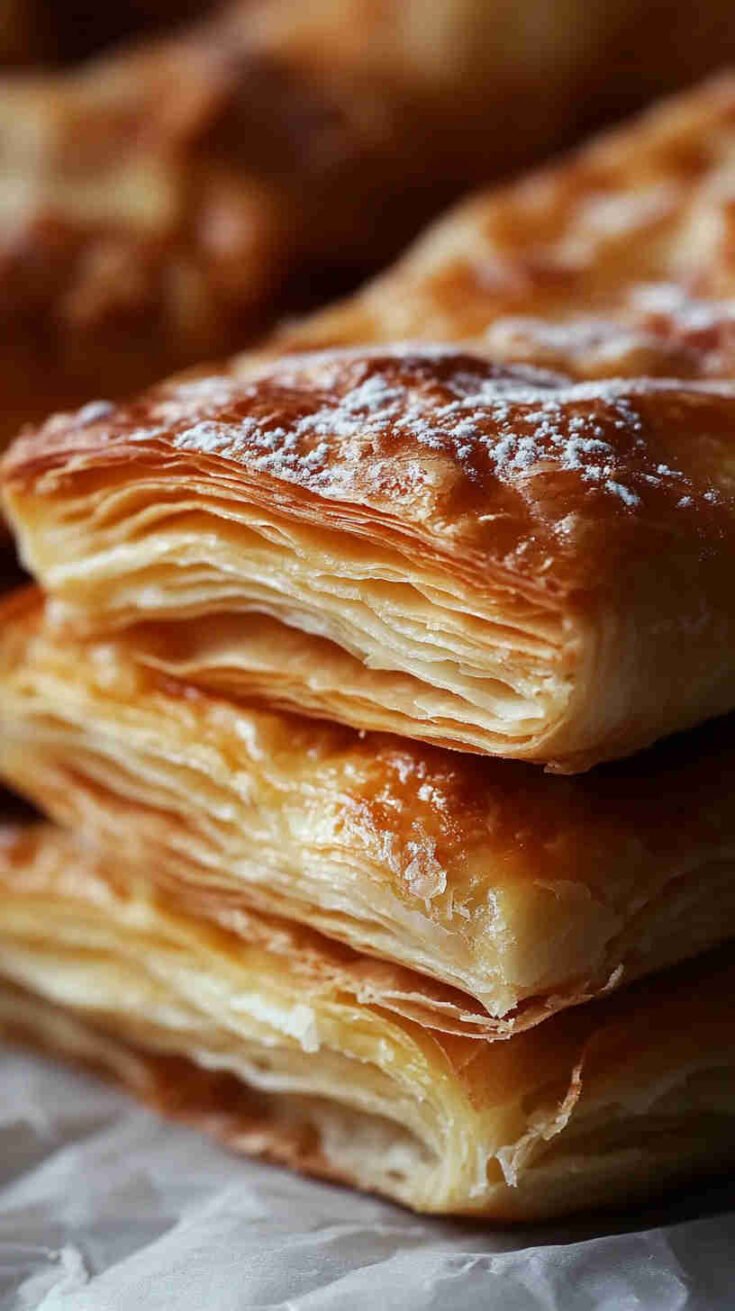
Crispy layered Neapolitan pastry shells filled with creamy cinnamon-citrus ricotta-semolina cream — pure Italian indulgence!
Ingredients
For the dough
- 500 g (4 cups) bread flour or strong all-purpose flour
- 1 tsp salt
- 175–200 ml (¾ cup +) water (adjust as needed)
- 25 g (about 1 tbsp + 1 tsp) honey
- 150–180 g lard or unsalted butter, softened (for layering)
For the filling
- 450–500 ml (about 2 cups) whole milk
- 150 g (¾ cup) granulated sugar
- Pinch of salt
- 150 g (about 1 cup) fine semolina
- 500 g (about 2 cups) whole-milk ricotta, well-drained
- 1 large egg (or 2 yolks for richer texture)
- 1 tsp vanilla extract
- ½–1 tsp ground cinnamon
- Zest of 1 lemon + 1 orange
- 50–100 g (¼–½ cup) finely chopped candied orange peel or citron
For brushing
- Extra melted lard or butter
- Powdered sugar for dusting
Instructions
- Start with the dreamy dough — In a large bowl (or stand mixer), mix flour and salt. Add honey and most of the water, kneading until you get a smooth, elastic dough (add water drop by drop if needed). It should feel soft but not sticky — like a soft pasta dough. Wrap and rest at room temperature for 30–60 minutes so it relaxes beautifully.
- Roll it thin and dreamy — Divide dough into 4 pieces. Using a pasta machine (or rolling pin), roll each piece to the thinnest setting — you want almost see-through sheets! Dust lightly with flour to prevent sticking — patience here creates those magical layers.
- Layer like a pro — Brush one sheet generously with softened lard/butter. Lay another sheet on top, brush again, and repeat until all sheets are stacked with fat between each. Roll the whole stack tightly into a log (like a jelly roll), wrap in plastic, and chill in the fridge for at least 3 hours (overnight is even better!).
- Make the luscious filling — Heat milk, sugar, and salt in a saucepan until simmering. Rain in semolina while whisking constantly — cook 3–5 minutes until thick like porridge. Cool completely. In a bowl, beat ricotta until creamy, then mix in cooled semolina, egg, vanilla, cinnamon, citrus zests, and candied peel. Taste and adjust sweetness/spice — it should be fragrant and irresistible!
- Slice those pretty rounds — Remove chilled dough log from fridge. Cut into 1–1.5 cm (½-inch) thick slices — you’ll see gorgeous spiral layers already!
- Shape the little seashells — Take one slice and gently stretch the spiral with your fingers to form an oval or cone shape (about 3–4 inches long). It should open up into a pocket — be gentle so layers don’t tear.
- Fill with love — Spoon or pipe generous filling into each shell (don’t overfill — about ¾ full). Pinch the open edge to seal lightly so filling stays put while baking.
- Brush and ready for glory — Place sfogliatelle on a parchment-lined baking sheet. Brush tops generously with melted lard or butter — this creates that golden, crispy magic!
- Bake to perfection — Preheat oven to 200°C (400°F). Bake 25–30 minutes until deep golden, puffed, and super crisp. The layers will separate and open like little fans — so beautiful!
- Dust, serve & enjoy — Let cool slightly (5–10 minutes), dust with powdered sugar, and serve warm. Bite in and listen to that satisfying crunch — heaven!
Notes
- Sfogliatella riccia is traditionally eaten warm and fresh — the pastry loses crispness over time.
- If dough resists stretching, let it rest longer.
- Lard gives the most authentic flavor and flakiness — but butter is a fantastic substitute.
- Practice makes perfect — your first batch might not look flawless, but it will still taste amazing!
Nutrition Information
Yield
15Serving Size
1Amount Per Serving Calories 252Total Fat 4gSaturated Fat 2gUnsaturated Fat 2gCholesterol 23mgSodium 185mgCarbohydrates 45gFiber 1gSugar 12gProtein 9g
The recipes and nutritional information on Yum Tonight are for informational purposes only. Always consult a healthcare provider for personalized dietary advice.
Recipe Tips and Tricks
- Use a pasta machine for consistent ultra-thin dough layers — this is key to achieving the signature flaky “riccia” (curly) texture.
- Keep the dough and work surface well-floured to prevent sticking during rolling and stretching.
- Chill the layered dough log thoroughly (overnight is best) so it firms up for clean slicing.
- Drain ricotta overnight in the fridge (or squeeze in cheesecloth) to remove excess moisture and prevent a soggy filling.
- Don’t overfill the shells — too much filling prevents proper layering and opening during baking.
- Brush generously with melted lard or butter before baking for maximum flakiness and golden color.
- Serve warm (ideally right after baking) for the ultimate texture contrast — the pastry is crispest fresh from the oven.
- If the dough tears slightly, patch it gently; imperfections disappear during baking.
- Work in a cool kitchen to keep fats firm during lamination.
Ingredients Notes
The magic of sfogliatella lies in high-quality, traditional ingredients. Use bread flour (or strong all-purpose) for the dough — its higher protein content gives the elasticity needed for paper-thin stretching without tearing.
Lard is classic for authentic flakiness and flavor (many Neapolitan bakeries swear by it), but softened unsalted butter works beautifully as a substitute and is easier to find. Whole-milk ricotta is essential — choose the freshest, creamiest variety and drain it well so the filling isn’t watery.
Semolina flour thickens the filling into that signature pudding-like consistency; fine semolina or cream of wheat works best. Candied orange peel (or citron) adds bursts of sweet-tart brightness — don’t skip it! Cinnamon and citrus zest bring warmth and aroma without overpowering. Honey in the dough adds subtle sweetness and helps with browning.
Variations and Substitutions
The classic sfogliatella riccia is unbeatable, but you can adapt it easily. For a simpler version, make sfogliatella frolla using shortcrust pastry (pasta frolla) instead of laminated dough — it’s softer, less labor-intensive, and still delicious with the same filling. Add a pinch of orange blossom water or more vanilla for floral notes.
Substitute candied citron or mixed peel for variety. For a lighter filling, use part mascarpone blended with ricotta. If avoiding lard, use all butter or a mix of butter and vegetable shortening. Mini versions are adorable — cut smaller circles for bite-sized treats perfect for parties.
For a modern twist, experiment with chocolate chips or chopped pistachios in the filling, or a touch of limoncello for extra citrus zing. Dairy-free? Try plant-based ricotta and vegan butter, though texture will differ slightly.
Storage Options
Store baked sfogliatelle in an airtight container at room temperature for up to 2 days — they stay crispest this way. For longer storage, refrigerate up to 4–5 days; refresh in a 350°F (175°C) oven for 5–8 minutes to revive crispiness.
Unbaked filled shells freeze well — place on a tray to freeze solid, then transfer to a freezer bag for up to 1 month; bake straight from frozen, adding a few extra minutes.
The filling can be made 2–3 days ahead and kept refrigerated. Avoid freezing baked pastries long-term as the pastry may soften.
Dish Gallery
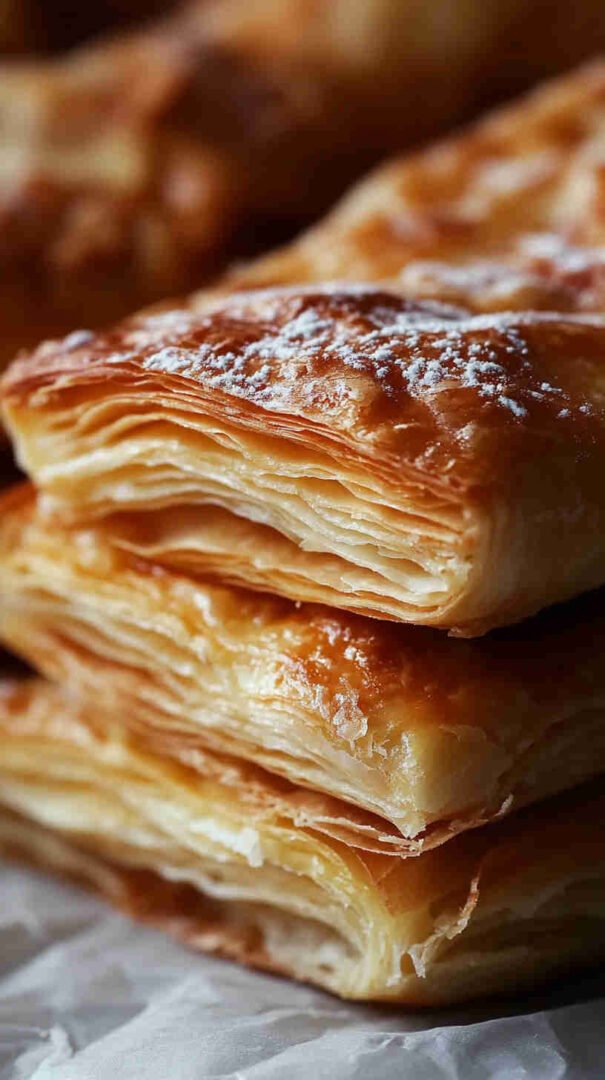
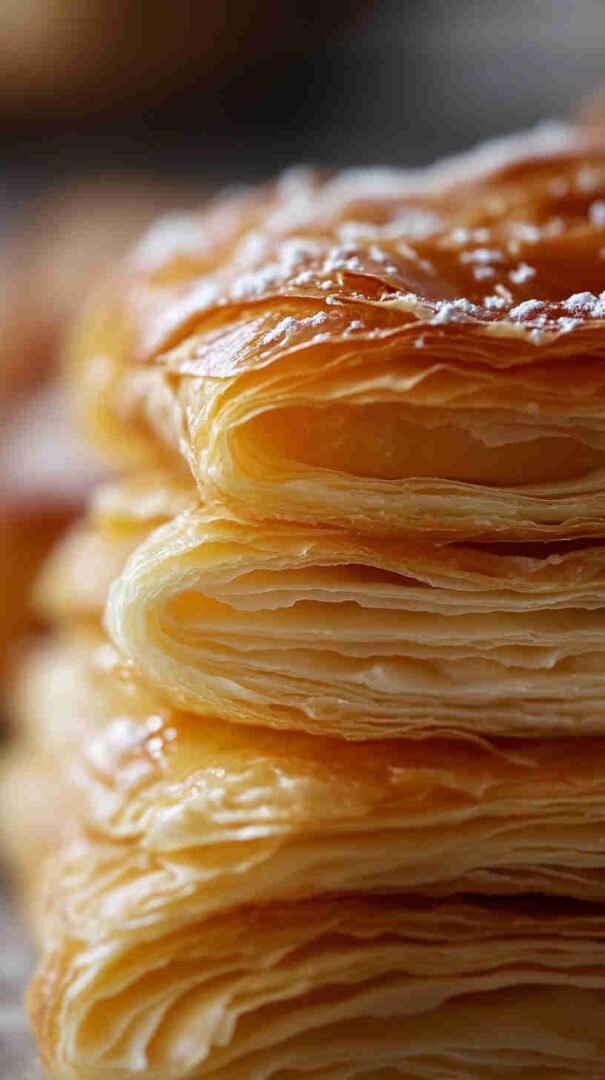
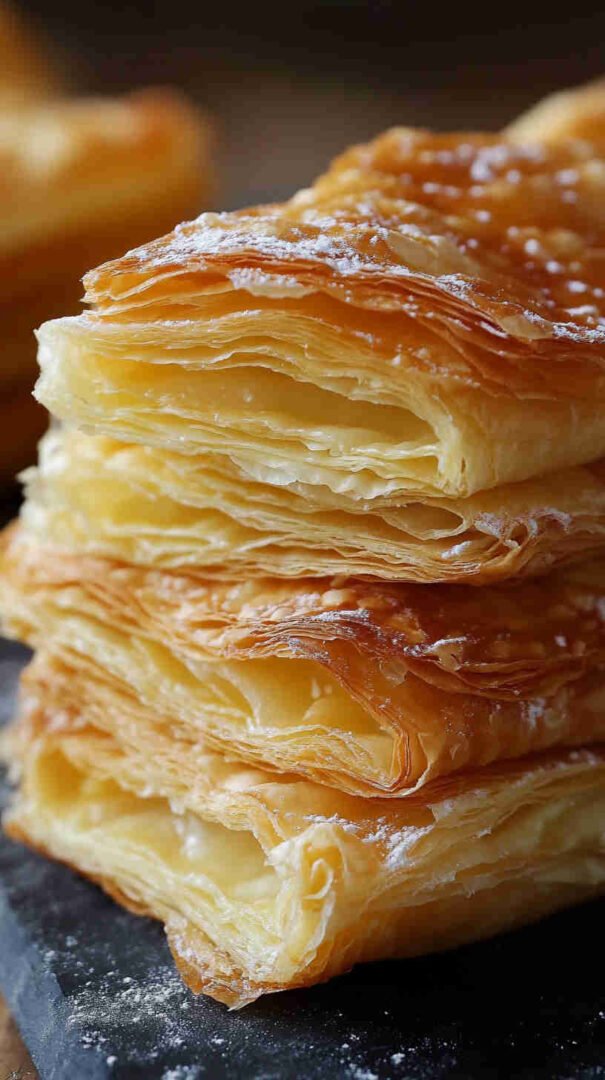
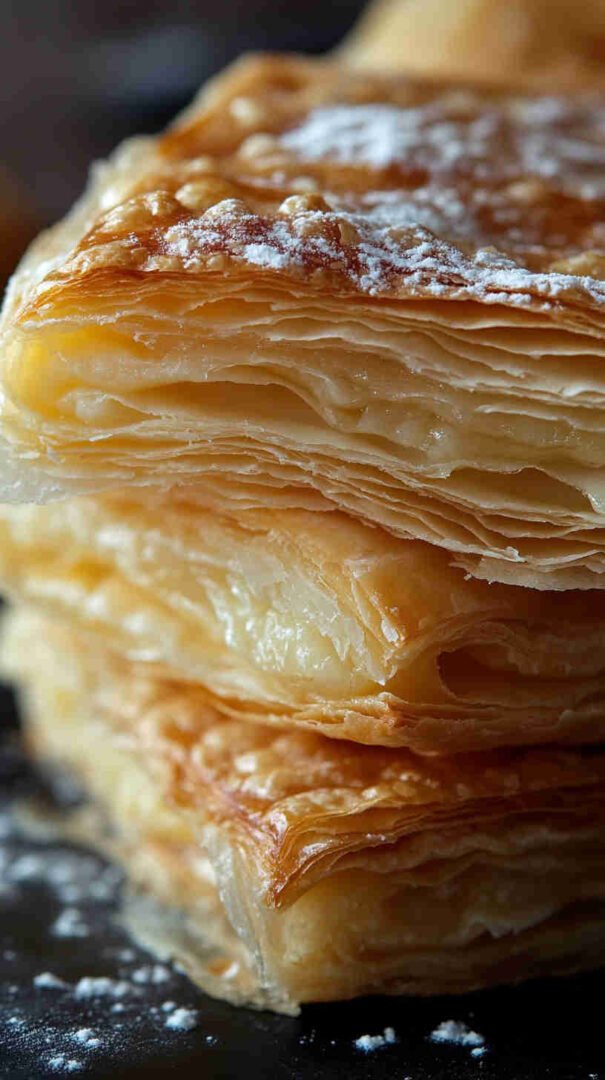
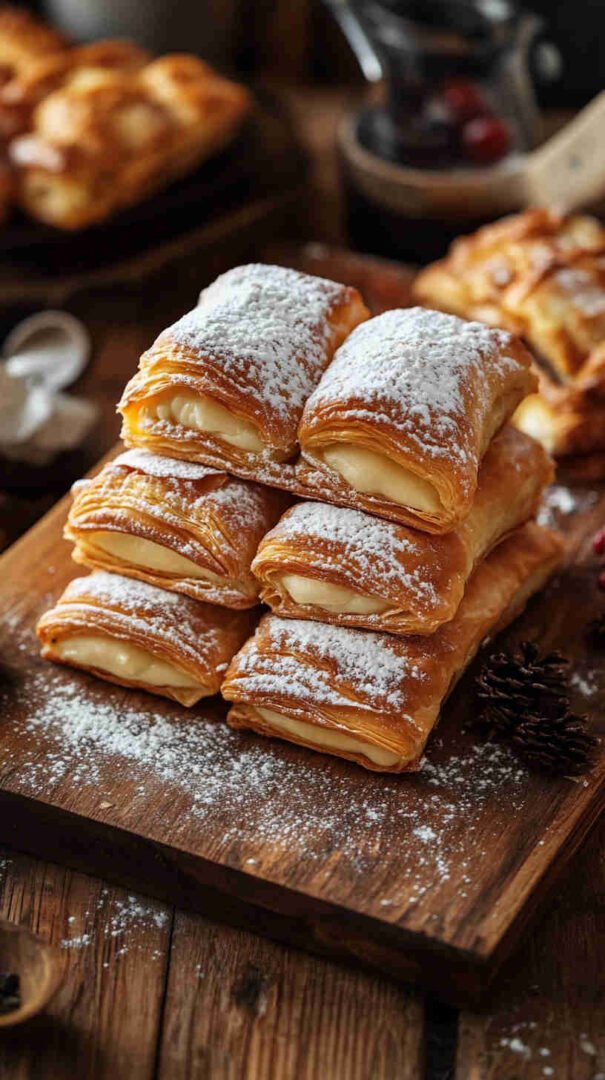
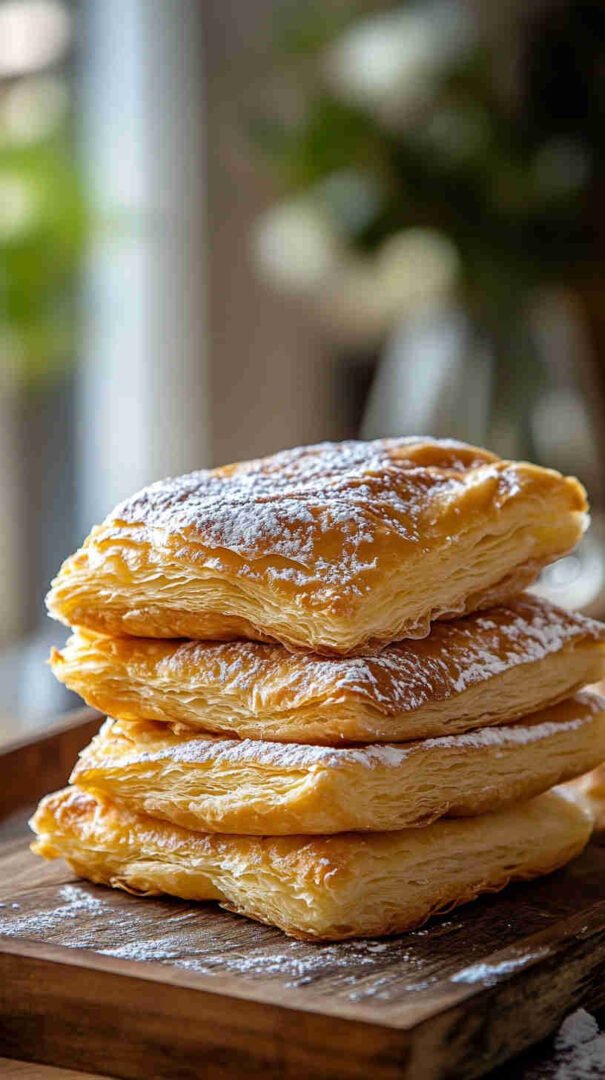
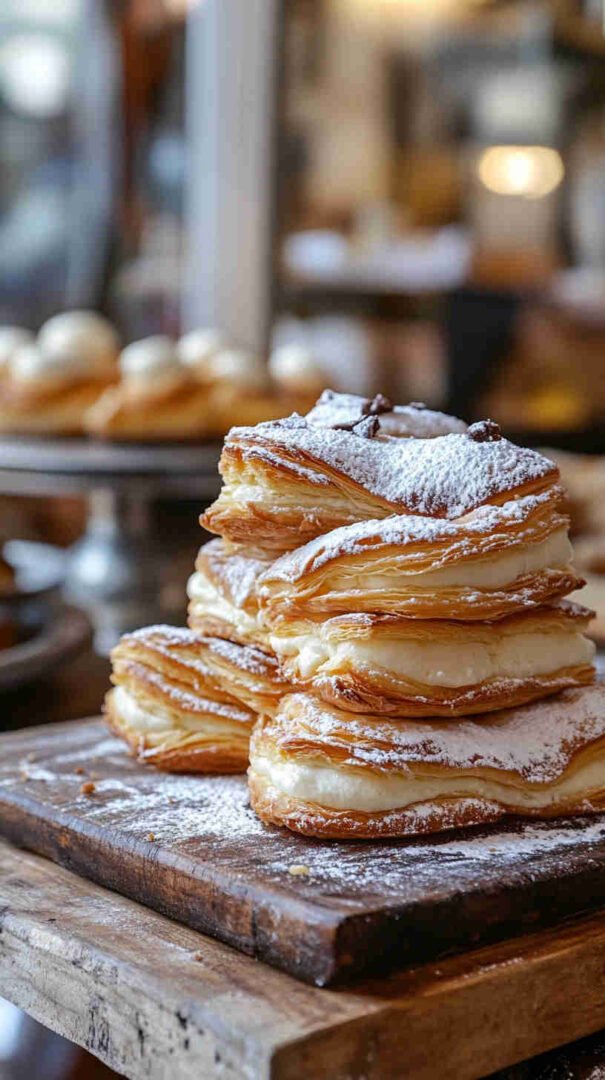
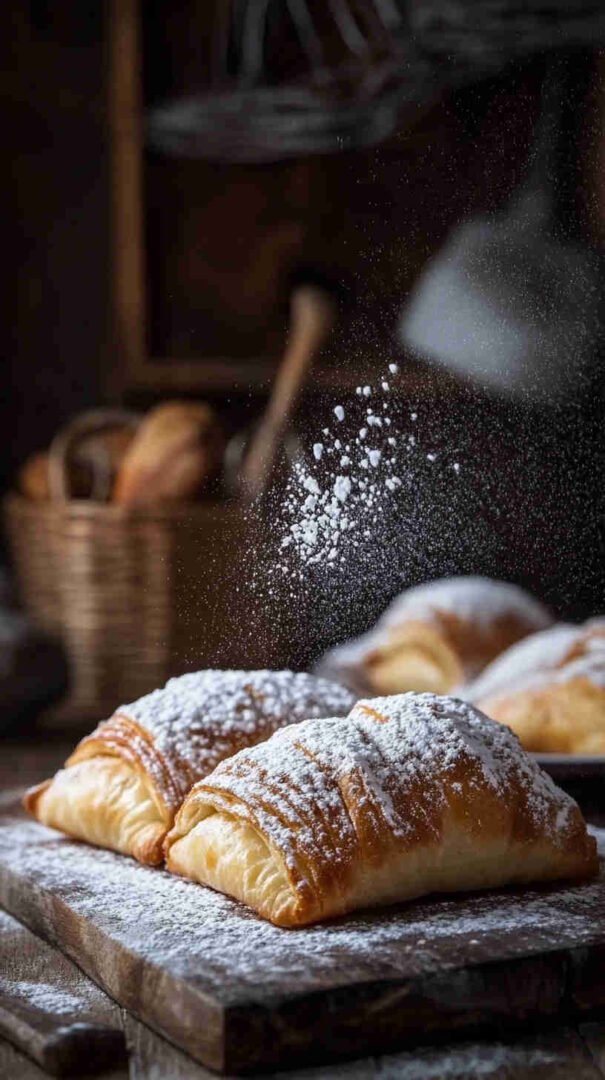
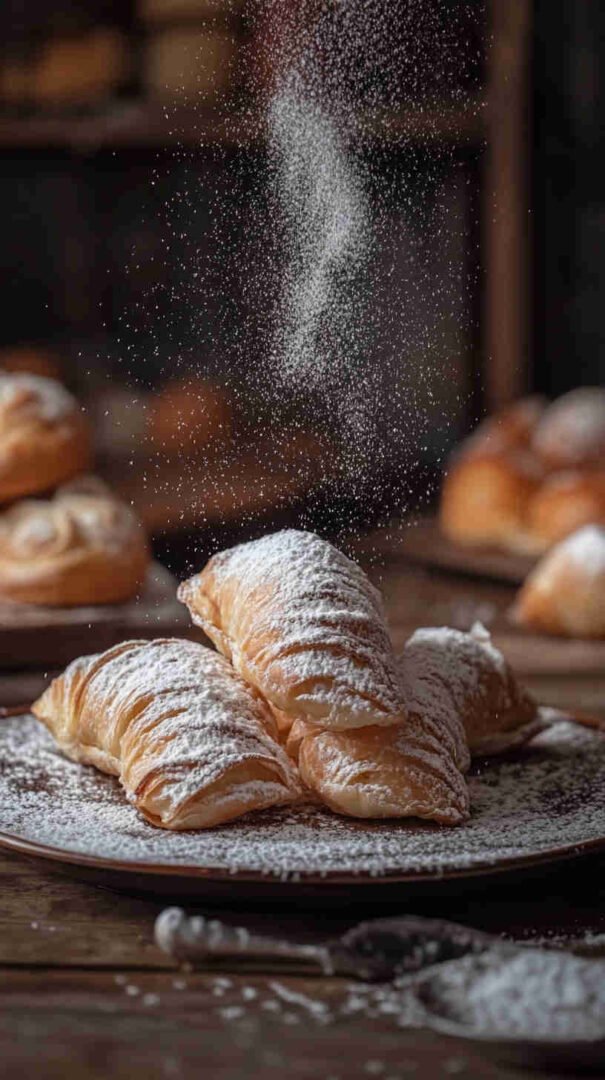
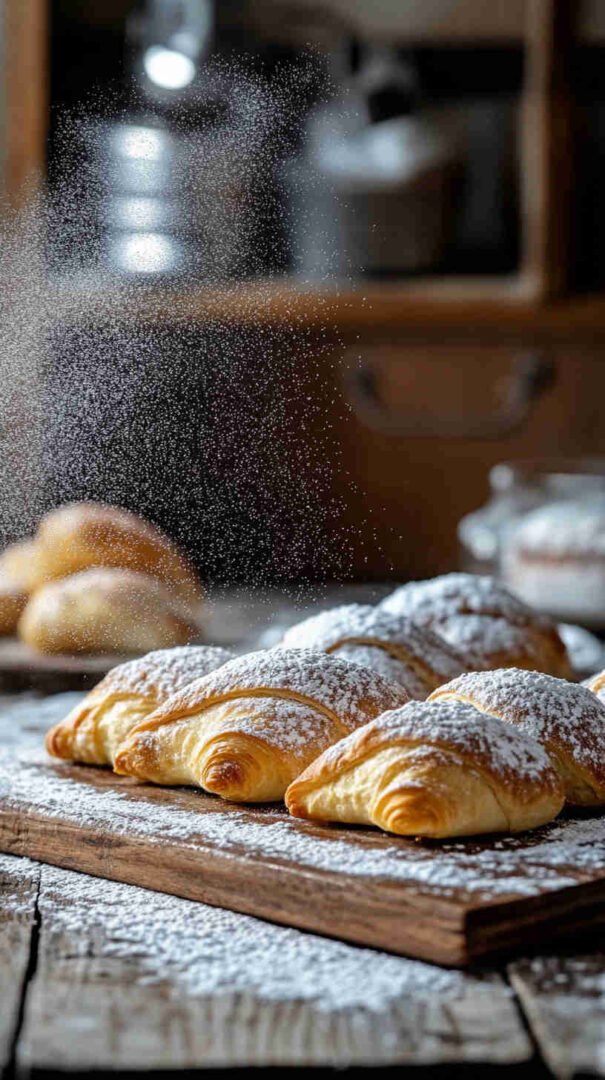
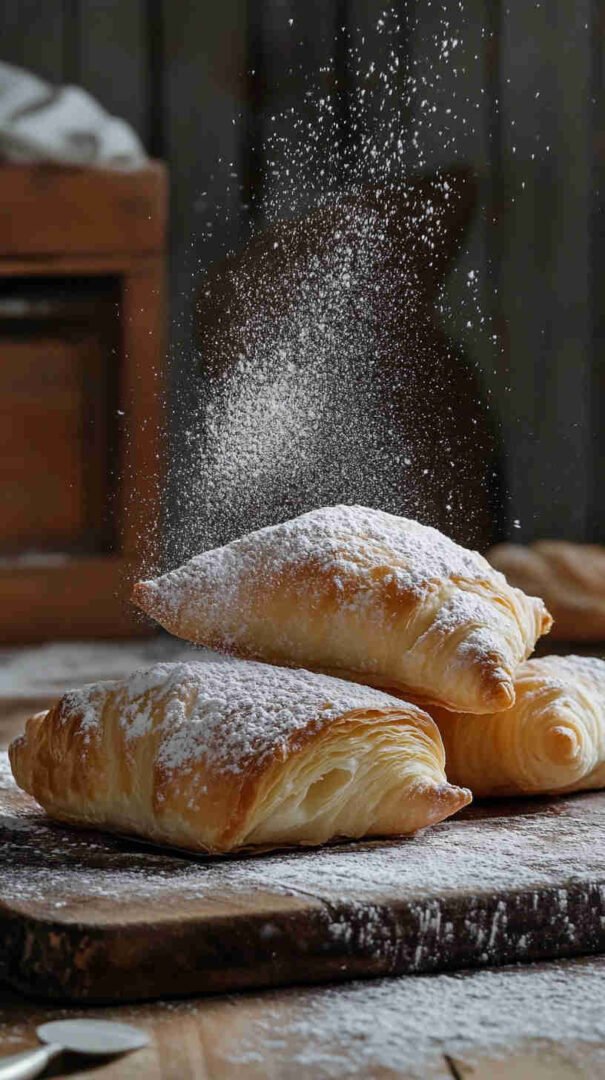
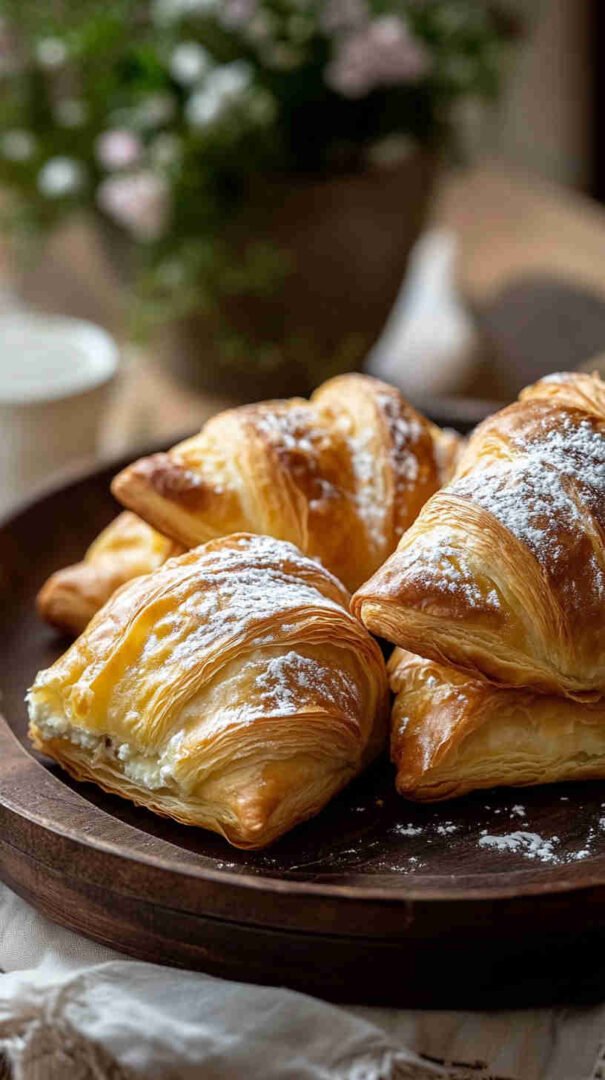
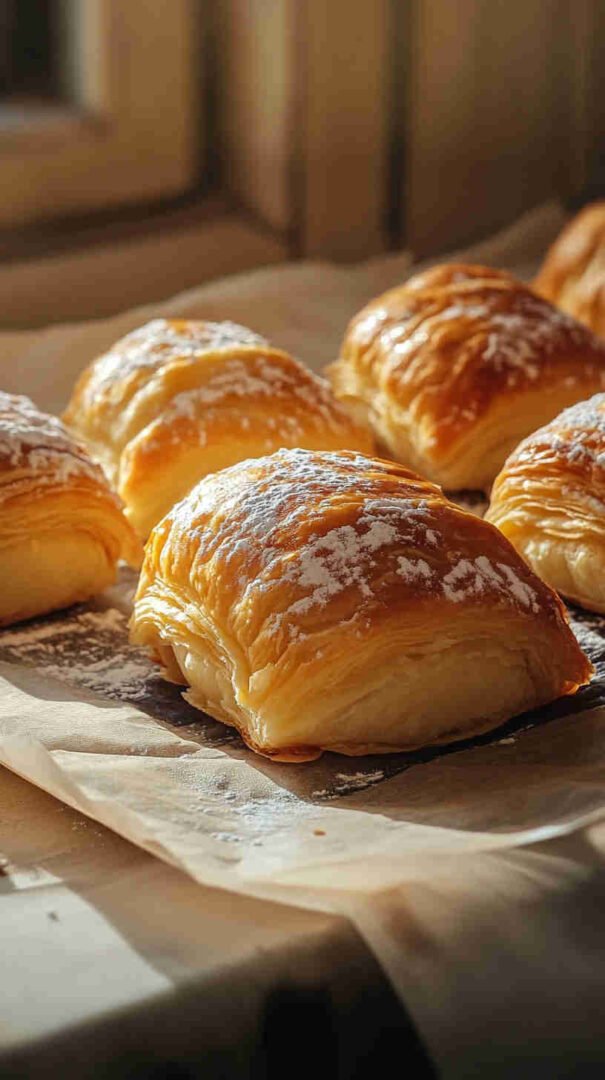
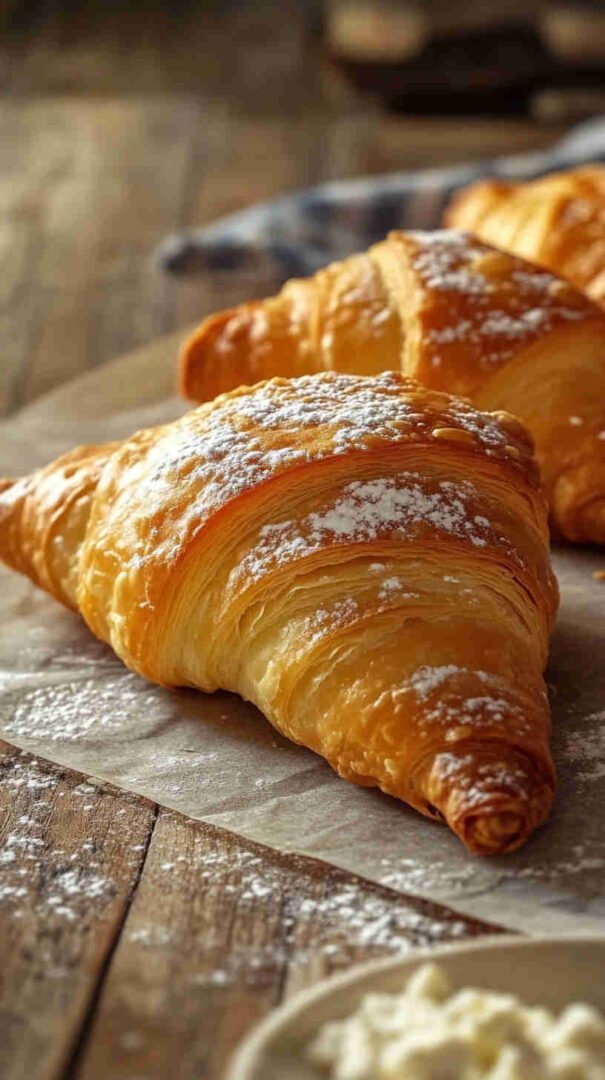
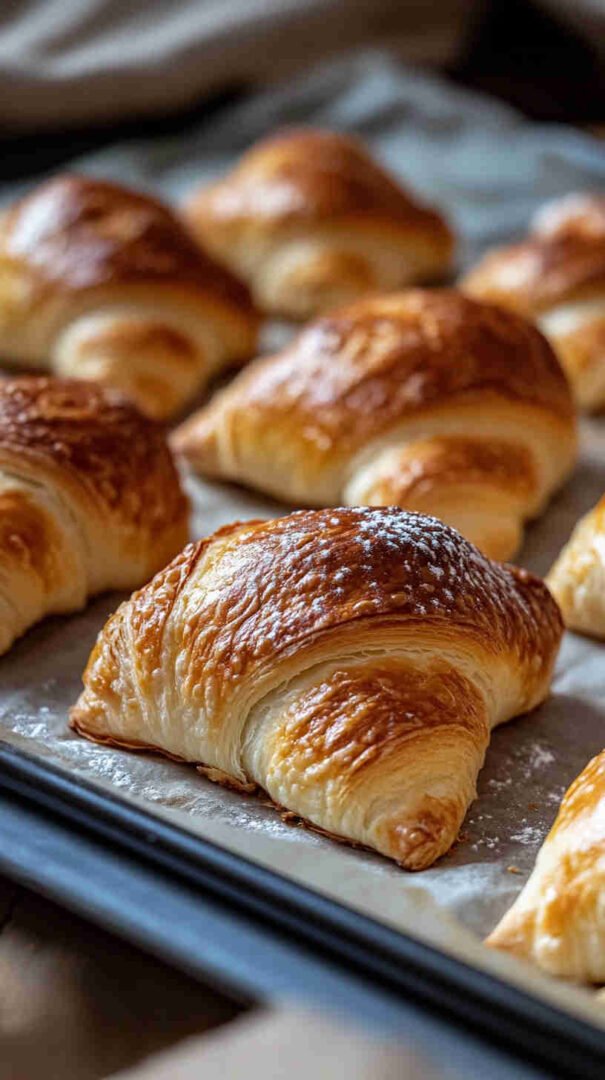
Please share this Homemade Sfogliatella Recipe with your friends and do a comment below about your feedback.
We will meet you on next article.
Until you can read, Classic Italian Amaretti Cookies Recipe