Italian-Asian Fusion Pasta with Soy-Ginger Sauce Recipe
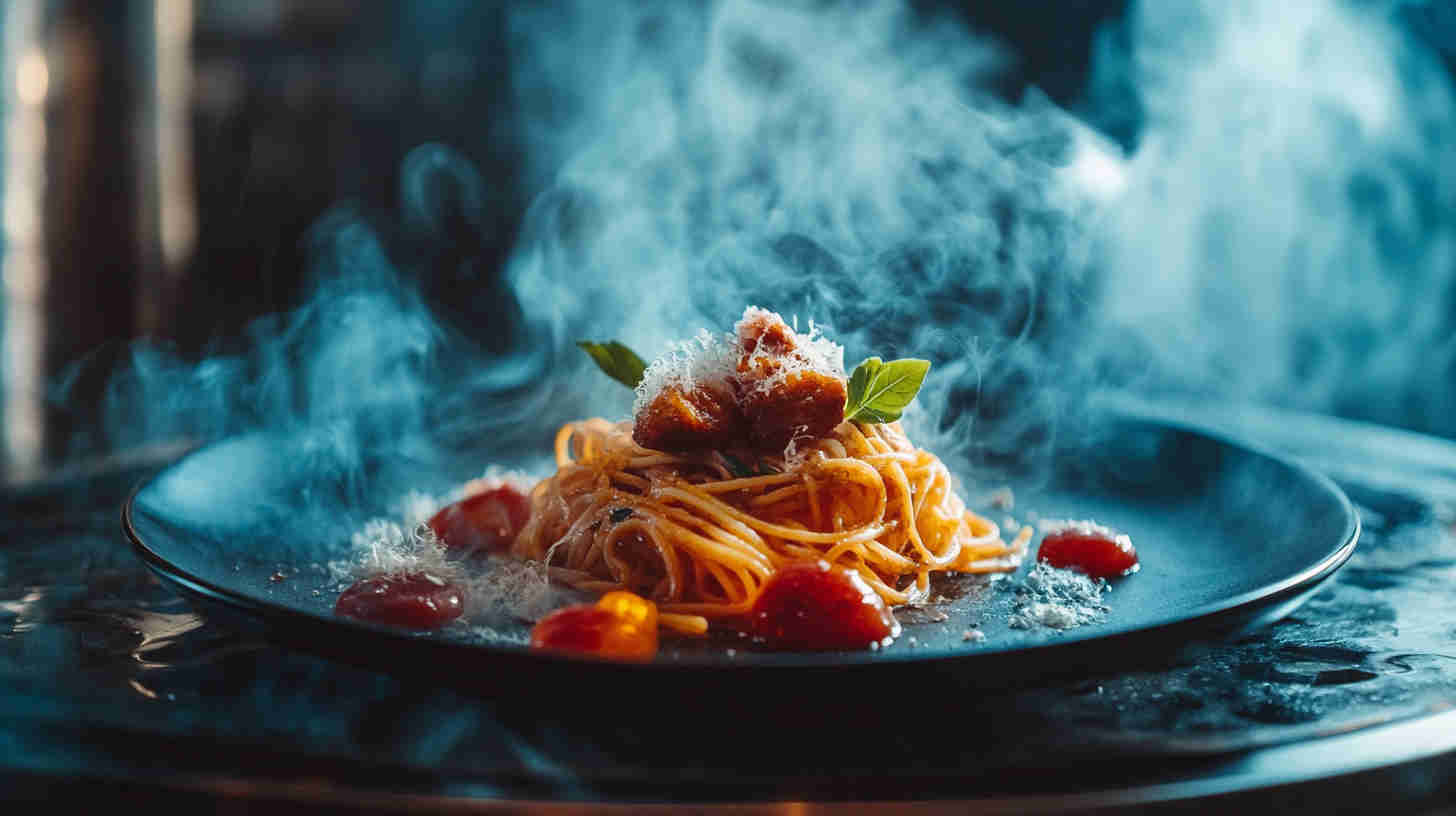
This vibrant Italian-Asian fusion pasta blends al dente spaghetti with a glossy soy-ginger sauce infused with fresh garlic, zesty ginger, and a touch of heat. Tossed with crisp vegetables and optional protein, it delivers umami richness with an elegant Italian twist—comfort food meets bold East-West flavors in every delicious bite.
Why You’ll Love This recipe
You’ll fall head over heels for this Italian-Asian Fusion Pasta because it masterfully marries the comforting, familiar texture of perfectly cooked Italian pasta with the irresistible, savory punch of an Asian-inspired soy-ginger sauce.
The sauce clings beautifully to every strand, delivering layers of flavor—salty soy, warm aromatic ginger, sharp garlic, subtle sweetness, and a gentle kick of heat—that awaken your taste buds without overwhelming them. It feels both indulgent and light at the same time, making it ideal for weeknight dinners when you crave something exciting yet easy.
The recipe is highly customizable, welcoming your favorite veggies, proteins, or spice levels, so it never gets boring. Plus, it comes together in under 30 minutes using mostly pantry staples, giving you restaurant-quality fusion vibes right at home with minimal effort.
Friends and family will be impressed by how sophisticated yet approachable this dish tastes—it’s the kind of recipe that sparks “how did you make this?!” conversations every time.
Italian-Asian Fusion Pasta with Soy-Ginger Sauce Recipe
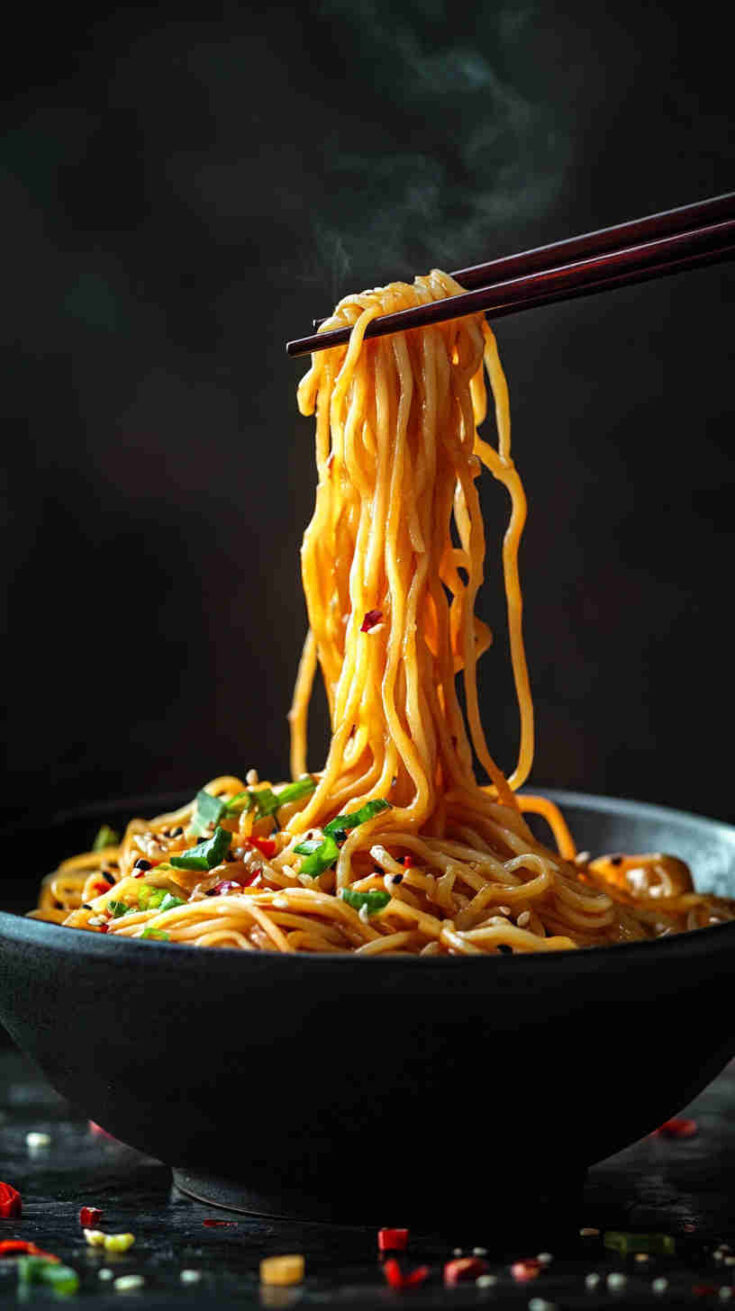
Bold soy-ginger sauce meets al dente pasta in this quick, addictive Italian-Asian fusion dish full of umami and zest.
Ingredients
- 12 oz (340g) spaghetti or linguine
- 3 tbsp low-sodium soy sauce
- 2 tbsp honey or brown sugar
- 1 tbsp fresh ginger, finely grated (about 1-inch piece)
- 4 large garlic cloves, minced
- 1–2 tsp red pepper flakes (adjust for spice preference)
- 2 tbsp sesame oil (divided)
- 1 tbsp olive oil
- 1 red bell pepper, thinly sliced
- 2 cups bok choy or snap peas, chopped
- ½ cup reserved pasta cooking water
- 2 green onions, sliced (for garnish)
- Sesame seeds and grated Parmesan (optional, for serving)
- Optional protein: 8–10 oz shrimp, diced chicken, or tofu
Instructions
- Bring a large pot of generously salted water to a rolling boil—think seawater salty! Cook your spaghetti according to package instructions until perfectly al dente. Before draining, scoop out about ¾ cup of that magical starchy pasta water and set it aside. Drain the pasta and give it a quick drizzle of olive oil to prevent sticking.
- While the pasta cooks, grab a small bowl and whisk together the soy sauce, honey (or brown sugar), grated fresh ginger, half the minced garlic, and red pepper flakes. This is your flavor bomb sauce—taste it and tweak if you want more zing or sweetness!
- Heat 1 tablespoon of sesame oil and 1 tablespoon of olive oil in a large skillet or wok over medium heat. Add the remaining garlic and let it sizzle gently for 30–60 seconds until fragrant and lightly golden—your kitchen should smell amazing right now!
- Toss in the sliced red bell pepper and bok choy (or snap peas). Stir-fry for 2–3 minutes until the veggies brighten in color and soften just slightly but still have a satisfying crunch.
- If using protein like shrimp, chicken, or tofu, push the veggies to the side and add it now. Cook until just done (shrimp turns pink, chicken is no longer pink inside, tofu gets golden edges).
- Pour in your beautiful soy-ginger sauce mixture. Stir everything together and let it bubble gently for 1 minute so the flavors meld and the sauce thickens slightly.
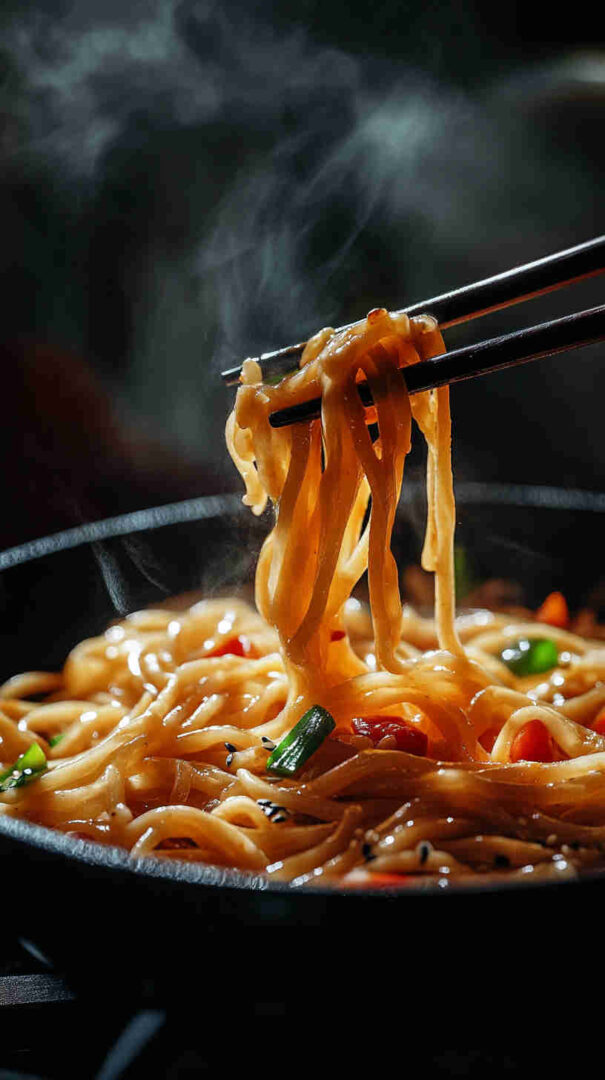
- Add the drained pasta directly into the skillet along with about ½ cup of reserved pasta water. Toss vigorously with tongs for 1–2 minutes—the sauce will emulsify and cling lovingly to every noodle. Add more pasta water if it looks too thick.
- Drizzle the remaining 1 tablespoon of sesame oil over the top and give one final toss—this adds that irresistible glossy finish and nutty aroma.
- Remove from heat, taste, and adjust with a pinch of salt, extra chili, or a squeeze of lime if desired.
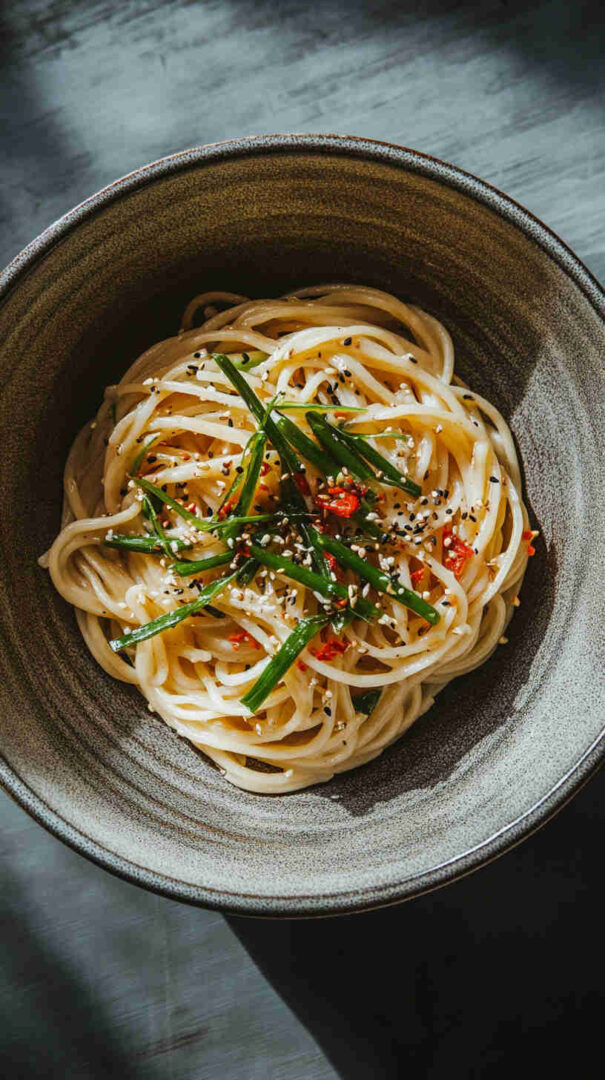
- Plate generously, then shower with sliced green onions, a sprinkle of sesame seeds, and (if you love the crossover) a generous grating of Parmesan. Serve immediately while hot and saucy—pure bliss awaits!
Notes
- For gluten-free, use tamari instead of soy sauce and gluten-free pasta.
- The dish is best enjoyed fresh, but reheats well with a splash of water.
- Fresh ginger makes a huge difference—don’t skip it!
Nutrition Information
Yield
4Serving Size
1Amount Per Serving Calories 326Total Fat 12gSaturated Fat 2gUnsaturated Fat 10gSodium 590mgCarbohydrates 46gFiber 5gSugar 14gProtein 10g
The recipes and nutritional information on Yum Tonight are for informational purposes only. Always consult a healthcare provider for personalized dietary advice.
Recipe Tips and Tricks
- Reserve at least ¾ cup of starchy pasta water before draining—it’s liquid gold for creating a silky, emulsified sauce that coats the noodles perfectly.
- Don’t overcook the ginger and garlic; keep the heat medium-low so they become fragrant and golden without burning, which can turn the flavor bitter.
- Taste and adjust the sauce before adding pasta—balance soy for saltiness, honey/brown sugar for sweetness, and chili for heat to suit your preference.
- For extra glossy texture, add a pat of butter or a drizzle of sesame oil at the end.
- Prep all ingredients before starting; this dish moves quickly once the pan is hot.
- If using protein like chicken or shrimp, cook it separately first and add back at the end to keep it juicy.
Ingredients Notes
Spaghetti forms the hearty Italian backbone—choose high-quality durum wheat pasta for the best al dente bite that holds up to the bold sauce. Low-sodium soy sauce provides deep umami without making the dish overly salty, allowing better control over seasoning. Fresh ginger and garlic are non-negotiable; their bright, pungent aroma is the soul of the sauce—avoid powdered versions here.
Honey or brown sugar adds a subtle caramel-like sweetness that balances the salt and heat beautifully. Sesame oil brings nutty depth, while red pepper flakes or fresh chili deliver customizable spice. Vegetables like bell peppers, bok choy, or snap peas add crunch, color, and freshness, preventing the dish from feeling heavy.
Optional protein (shrimp, chicken, tofu) turns it into a complete meal. Finish with scallions, sesame seeds, and Parmesan or chili crisp for that signature Italian-Asian crossover flair—Parmesan adds nutty richness that surprisingly complements the soy-ginger profile.
Variations and Substitutions
Make it vegetarian by swapping protein for crispy tofu cubes, edamame, or mushrooms sautéed until golden. For a vegan version, use maple syrup or coconut sugar instead of honey and skip Parmesan—finish with nutritional yeast or extra sesame seeds for umami.
Turn up the heat with sriracha, chili oil, or fresh Thai chilies instead of red pepper flakes. Swap spaghetti for linguine, fettuccine, or even ramen noodles for a chewier texture. Add Asian greens like bok choy, spinach, or kale for more nutrition and color.
For a creamier twist, stir in a splash of coconut milk or heavy cream at the end. If avoiding soy, try coconut aminos or tamari (gluten-free). Incorporate Italian flair with sun-dried tomatoes, fresh basil, or a squeeze of lemon zest to brighten the Asian notes. Ground pork, beef, or even Italian sausage can replace chicken for a heartier, bolognese-inspired variation.
Storage Options
Store leftovers in an airtight container in the refrigerator for up to 3 days. The sauce thickens when cold, so add a splash of water when reheating to revive the silky texture. Reheat gently in a skillet over medium-low heat, tossing frequently, or microwave in short bursts, stirring in between. Avoid freezing, as the sauce may separate and vegetables lose crispness—best enjoyed fresh or within a couple of days.
Dish Gallery
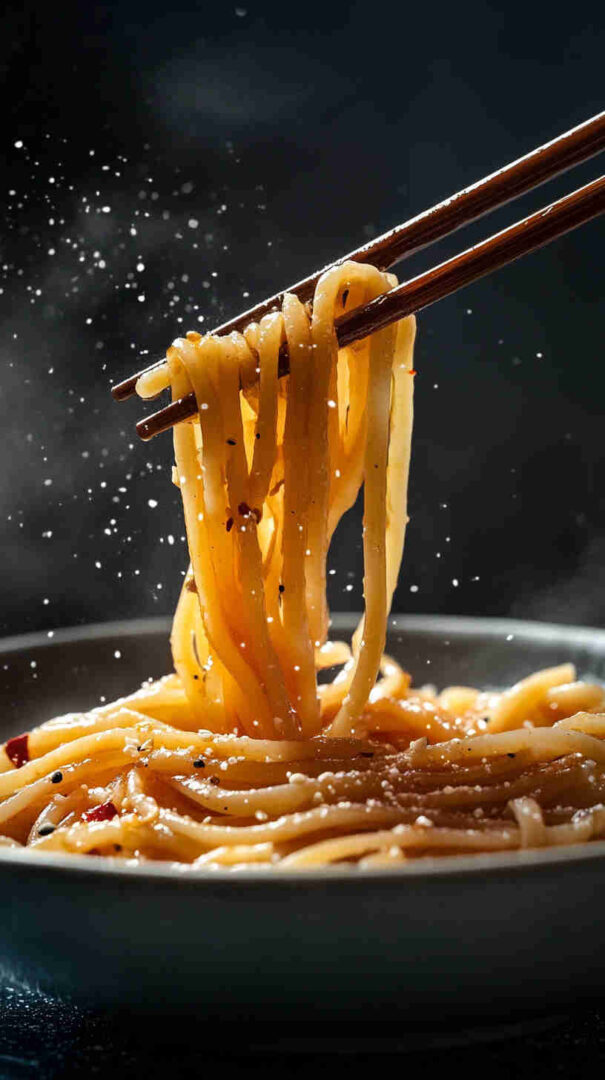




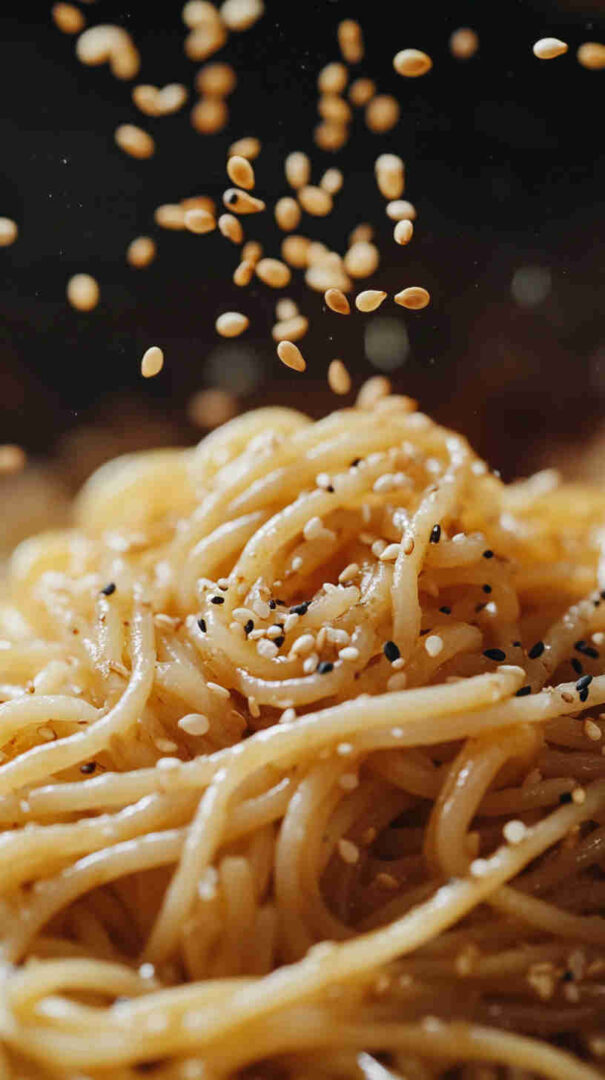
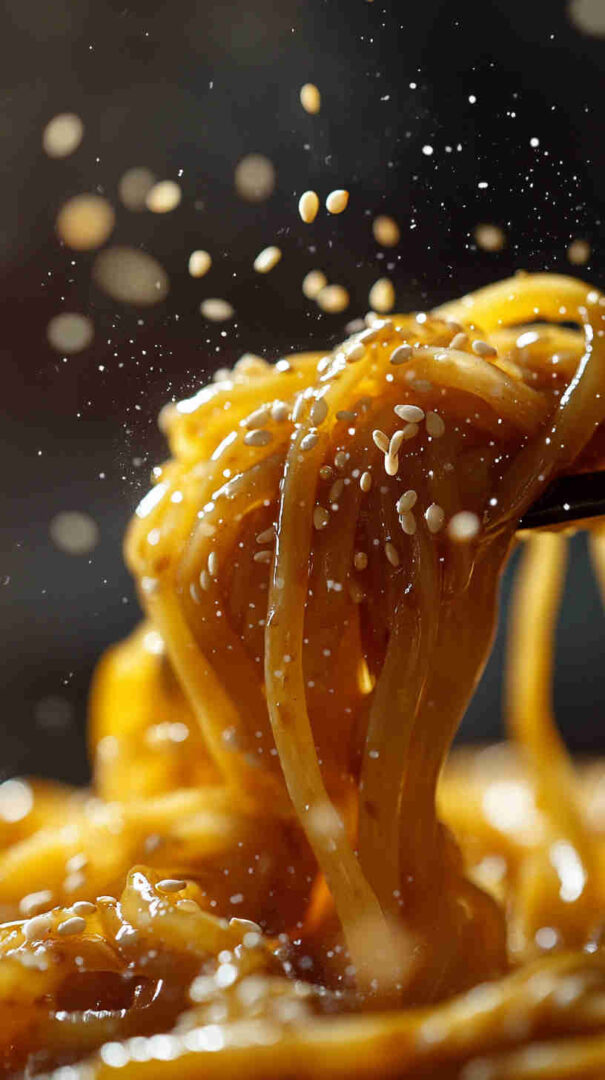


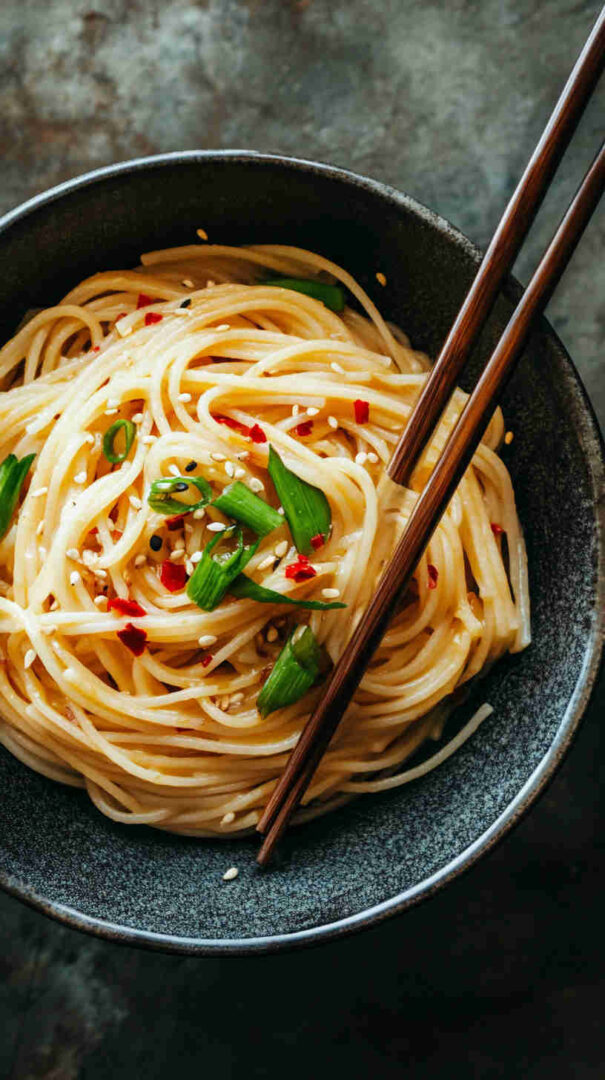


Please share this Sweet Potato Chocolate Fudge Recipe with your friends and do a comment below about your feedback.
We will meet you on next article.
Until you can read, Pumpkin Spice Protein Balls Recipe