Italian Croissant Cornetto Breakfast Recipe
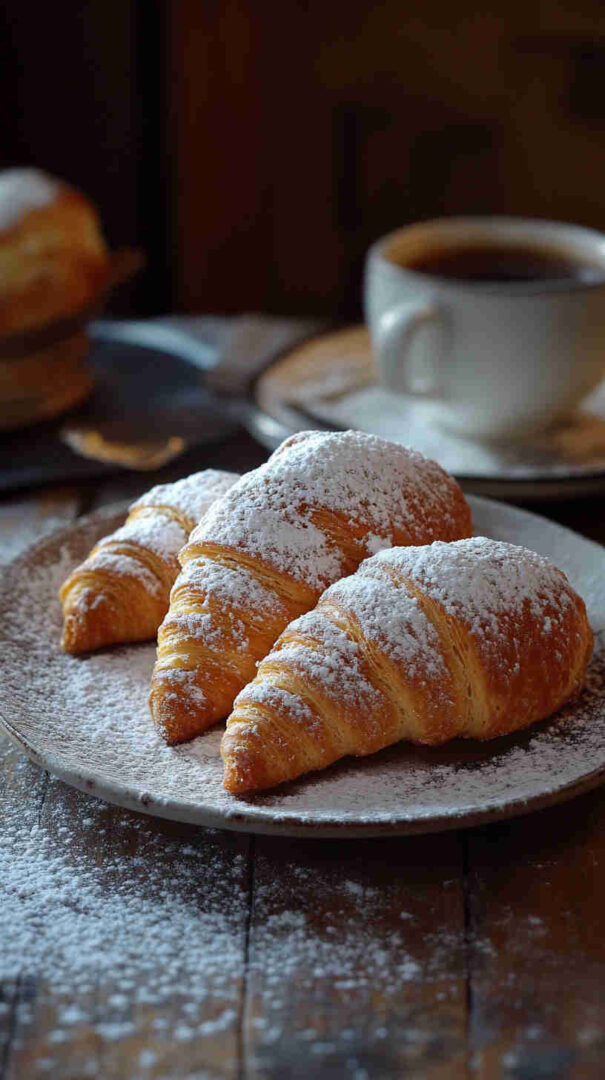
The Italian Cornetto (also called cornetto sfogliato) is the beloved flaky, crescent-shaped pastry that’s a staple of Italian breakfasts, often enjoyed with a cappuccino at a bar. Sweeter and more aromatic than French croissants, it features a brioche-style dough laminated with butter, infused with vanilla and citrus zest for that signature Italian flair.
Why You’ll Love This Recipe
Imagine waking up to the irresistible aroma of freshly baked, golden cornetti straight from your oven – buttery, light, and layered with delicate flakiness, yet tender inside like a soft brioche.
This homemade version captures the authentic taste of an Italian caffè breakfast without leaving home. It’s rewarding to make (perfect for a weekend project), far superior to store-bought in freshness and flavor, customizable with your favorite fillings like Nutella or jam, and impressive enough to wow family or guests. Plus, the process teaches classic lamination techniques that elevate your baking skills forever!
Italian Croissant Cornetto Breakfast Recipe

Flaky, buttery Italian cornetti – sweeter than croissants, perfect with coffee for an authentic breakfast.
Ingredients
- 250g bread flour
- 250g all-purpose flour
- 8g fine sea salt
- 24g fresh yeast (or 8g instant dry yeast)
- 100g whole milk, lukewarm
- 80ml water, lukewarm
- 2 large eggs, lightly beaten
- 100g granulated sugar
- 1 vanilla bean (seeds scraped) or 2 tsp vanilla extract
- Zest of 2 organic oranges (or lemons)
- 60g unsalted butter, room temperature (for dough)
- 250g unsalted butter, cold (for lamination)
- Egg wash: 1 egg + 2 tbsp milk
- Powdered sugar or simple syrup for finishing (optional)
Instructions
- Start the magic dough – In a stand mixer with dough hook (or by hand), combine both flours and salt. Dissolve yeast in lukewarm milk and water, then add to flour with beaten eggs, sugar, vanilla seeds, orange zest, and soft butter. Mix on low until a sticky dough forms, then knead 8-10 minutes until smooth and elastic. It should be soft but not too wet – add a sprinkle of flour if needed.
- First rise for tenderness – Shape into a ball, place in a lightly oiled bowl, cover with plastic wrap, and let rise in a warm spot for 1-2 hours until doubled. Punch down gently – your aromatic base is ready!
- Prep the butter block – Place cold butter between two sheets of parchment, pound and roll into a neat 20x25cm rectangle. Chill until firm but pliable (like playdough).
- Laminate like a pro – On a floured surface, roll risen dough into a rectangle twice the size of butter block. Place butter in center, fold dough edges over like an envelope to enclose it completely. Seal edges well.
- First fold and chill – Rotate dough, roll gently to about 1cm thick rectangle, then fold into thirds (letter fold). Wrap and chill 30-60 minutes. This creates those dreamy layers!
- Repeat the folds – Do two more single or double folds (rolling and folding in thirds), chilling 30-60 minutes between each. After final fold, chill dough at least 4 hours or overnight for best results.
- Shape the crescents – Roll chilled dough to 4-5mm thick, cut into long triangles (base 10-12cm, height 20cm). Make a small slit at base, stretch slightly, roll tightly from base to tip, curving ends into crescent. Place on parchment-lined tray.
- Final rise to puff – Cover loosely, let rise in warm spot 1-2 hours until puffy and jiggly – they should almost double.
- Glossy finish and bake – Preheat oven to 190°C (375°F). Brush generously with egg wash for shine. Bake 15-20 minutes until deep golden and flaky. Rotate tray halfway for even color.
- Serve with love – Cool slightly on rack. Dust with powdered sugar, brush with simple syrup for extra gloss, or fill with your favorite spread. Pair with cappuccino – buon appetito!
Notes
This is a project recipe requiring patience and cold handling for perfect layers – don't rush chilling! Authentic cornetti use less butter than French croissants, making them slightly denser but wonderfully aromatic. First time? Make half batch to practice.
Nutrition Information
Yield
16Serving Size
1Amount Per Serving Calories 297Total Fat 17gSaturated Fat 10gUnsaturated Fat 7gCholesterol 65mgSodium 210mgCarbohydrates 31gFiber 1gSugar 7gProtein 5g
The recipes and nutritional information on Yum Tonight are for informational purposes only. Always consult a healthcare provider for personalized dietary advice.
Recipe Tips and Tricks
Keep everything cold during lamination – chill the dough and butter block between folds to prevent butter from melting into the dough (which ruins layers). Work in a cool kitchen if possible.
Use a ruler for even rectangles and folds to get uniform layers. Don’t overwork the dough initially; it should be slightly sticky for tenderness. Let the shaped cornetti rise slowly in a warm spot (like near a radiator or in an off oven with hot water) for maximum puff.
Brush generously with egg wash for that shiny, professional gloss. For extra sweetness, brush baked cornetti with simple syrup right out of the oven. Practice patience – rushing the chilling steps leads to flat pastries!
Ingredients Notes
Flour: A mix of bread flour (for structure and chew) and all-purpose flour (for tenderness) creates the perfect balance – bread flour helps with the strong gluten network needed for lamination. Yeast: Instant or active dry works; fresh compressed yeast is traditional in Italy for better flavor if available.
Milk and water: Whole milk adds richness and softness to the brioche-like base; water keeps it light. Use lukewarm for yeast activation. Sugar: Granulated sugar sweetens the dough more than in French croissants, giving that signature Italian taste. Eggs: Provide richness, color, and binding – room temperature for even mixing.
Butter: High-quality unsalted European-style (higher fat content) is ideal for lamination as it stays pliable and creates superior flakiness. Flavorings: Vanilla bean or extract and fresh orange or lemon zest are essential for authentic aromatic notes that set cornetti apart. Salt: Enhances all flavors – don’t skip it!
Variations and Substitutions
Plain cornetti are classic, but fill them before shaping with Nutella, chocolate spread, pastry cream (crema pasticcera), apricot jam, pistachio cream, or custard for a indulgent twist – add about 1-2 tsp per pastry. For a fruitier version, mix raisins or candied orange peel into the dough.
Make them savory by filling with ham and cheese (though less traditional). Substitute whole milk with plant-based (almond or oat) for dairy-free, but expect slightly less richness. Use margarine for butter in a pinch, though flavor suffers. If no stand mixer, knead by hand for 10-12 minutes until smooth.
For quicker version, skip full lamination and make brioche-style (no folding) – still delicious but less flaky. Gluten-free flour blends can work with xanthan gum, but texture changes. Scale down to half for fewer servings if it’s your first time.
Storage Options
Best enjoyed fresh the same day for maximum crispness. Store cooled cornetti in an airtight container at room temperature for up to 2 days; refresh in a 300°F (150°C) oven for 5 minutes to crisp up.
Freeze baked cornetti (unfilled) for up to 1 month – thaw and reheat in oven. Freeze shaped, unbaked cornetti on a tray, then transfer to bags; bake straight from frozen, adding 5-7 extra minutes. Filled ones are best fresh, as fillings can make them soggy.
Dish Gallery









Please share this Italian Croissant Cornetto Breakfast Recipe with your friends and do a comment below about your feedback.
We will meet you on next article.
Until you can read, Italian Breakfast Tart with Spinach and Ricotta Recipe