Italian-Thai Fusion Coconut Cream Pasta Recipe
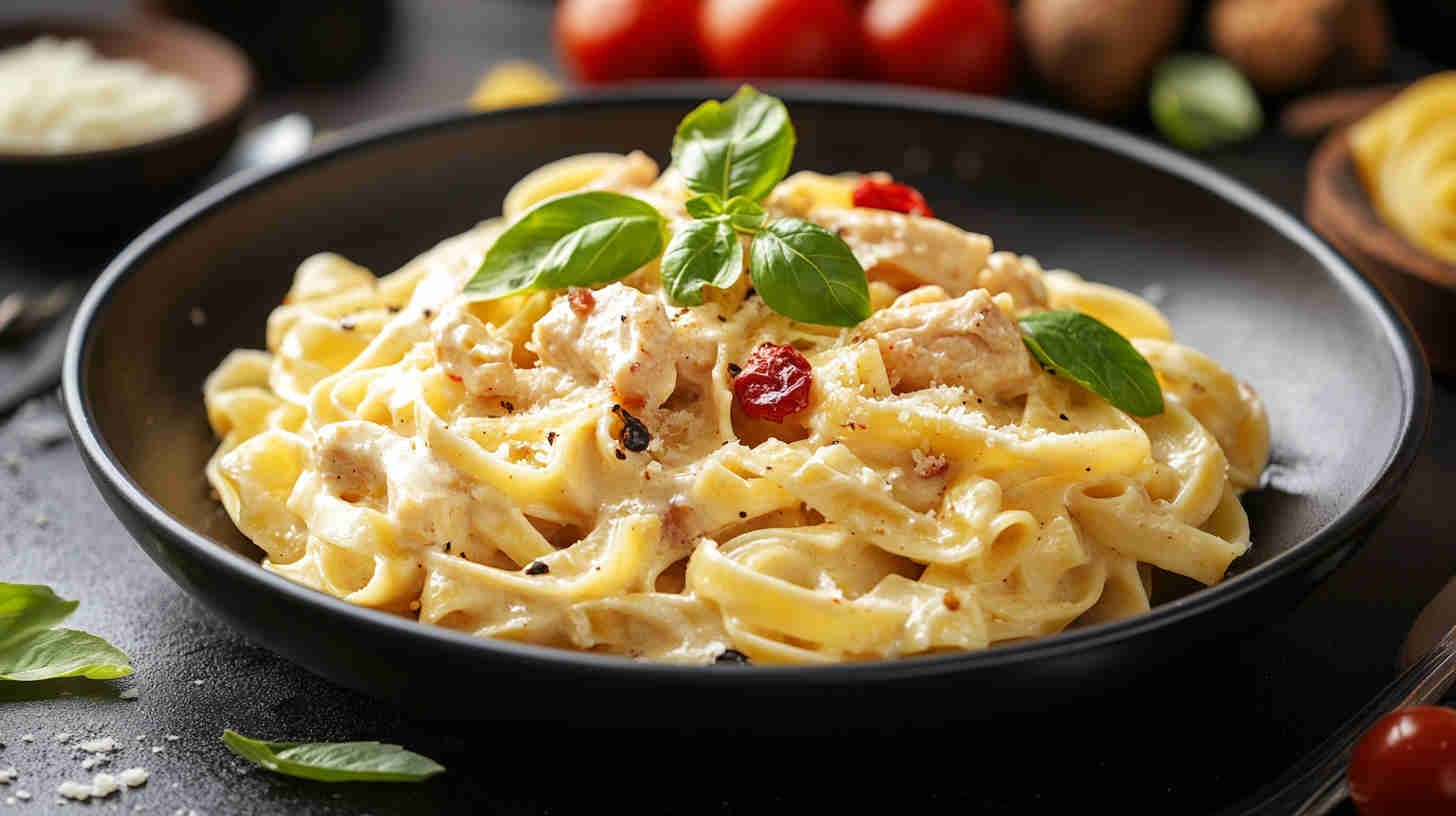
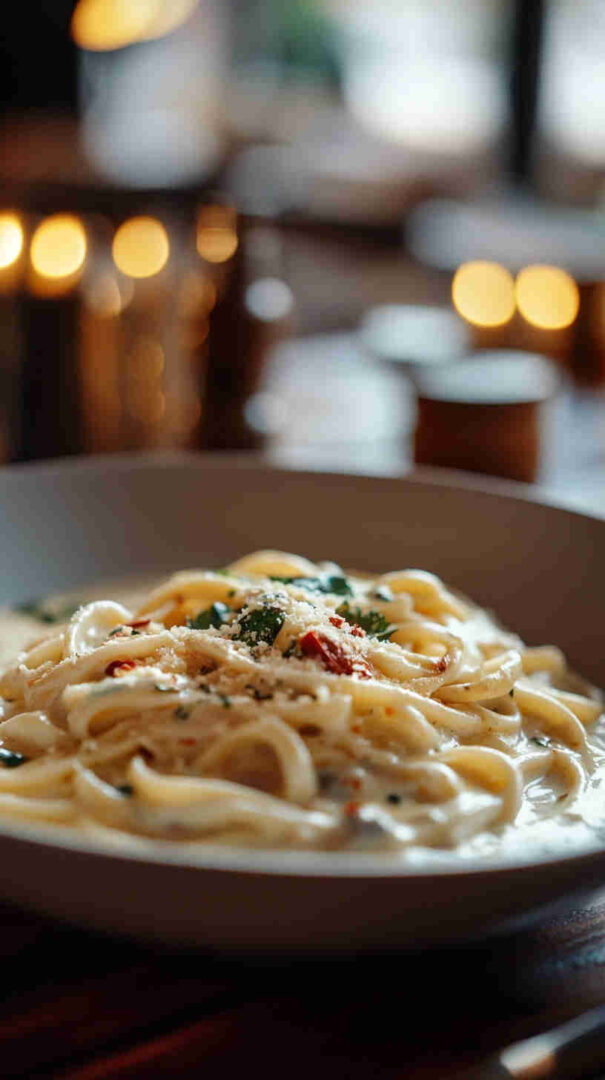
This Italian-Thai Fusion Coconut Cream Pasta blends the silky comfort of Italian creamy pasta with the vibrant, aromatic flavors of Thai cuisine. It features al dente linguine or fettuccine tossed in a luscious coconut cream sauce infused with Thai red curry paste, lemongrass hints, garlic, lime, and fresh herbs for a harmonious sweet-spicy-tangy experience that’s exotic yet comforting.
Why You’ll Love This Recipe
As an experienced chef who’s experimented with countless fusions, this dish is a standout because it marries the best of two worlds: the rich, velvety texture of classic Italian Alfredo or carbonara-style cream sauces with the bold, layered flavors of Thai curries.
The coconut cream brings luxurious creaminess without dairy heaviness, while Thai elements like red curry paste deliver heat, lemongrass adds citrusy brightness, and a squeeze of lime cuts through with zesty freshness. It’s quick enough for busy weeknights yet impressive for guests—creamy, comforting, slightly spicy, and endlessly satisfying.
Every bite feels indulgent and adventurous, making it a crowd-pleaser that surprises and delights palates accustomed to traditional pasta or Thai curries. Plus, it’s naturally adaptable for vegetarian, vegan, or protein-packed versions, so everyone at the table can enjoy it.
Italian-Thai Fusion Coconut Cream Pasta Recipe
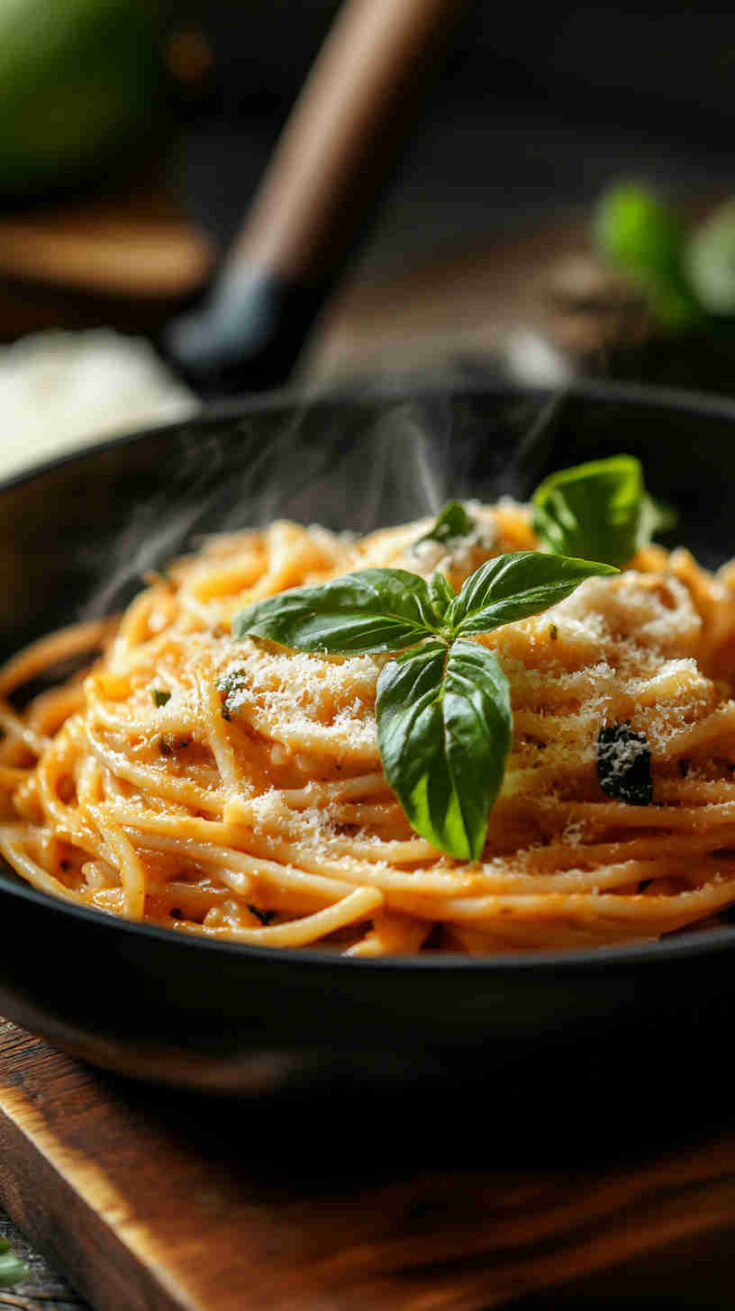
Creamy coconut sauce meets Thai spices in this bold Italian-Thai pasta fusion—comforting, exotic, and irresistible.
Ingredients
- 400g (14 oz) linguine or fettuccine pasta
- 1 can (400ml / 13.5 oz) full-fat coconut cream (or thick coconut milk)
- 2-3 tbsp Thai red curry paste (adjust for spice preference)
- 3-4 garlic cloves, finely minced
- 1-inch piece fresh ginger, grated (or 1 tsp ground)
- 1 small onion or shallots, thinly sliced
- 1 red bell pepper, sliced into strips
- Handful cherry tomatoes, halved (optional for color and tang)
- Juice and zest of 1-2 limes
- 1-2 tbsp fish sauce (or soy sauce for vegan)
- 1-2 tsp brown sugar
- 2 tbsp vegetable oil or olive oil
- Salt and black pepper to taste
- Fresh Thai basil or regular basil, chopped (about 1/2 cup)
- Optional protein: 300g shrimp, chicken strips, or tofu cubes
- Optional garnishes: lime wedges, chili flakes, chopped cilantro
Instructions
- Get everything ready — Bring a large pot of salted water to a boil for the pasta. While waiting, prep your veggies, mince the garlic and ginger, and measure out the curry paste and coconut cream. This mise en place makes everything flow smoothly!
- Cook the pasta — Add the linguine to the boiling water and cook according to package instructions until al dente (usually 8-10 minutes). Reserve 1 cup of starchy pasta water before draining—don't skip this magic liquid!
- Sauté the aromatics — In a large skillet or wok over medium heat, warm the oil. Toss in the garlic, ginger, and sliced onion. Stir-fry for 1-2 minutes until fragrant and the onion softens—your kitchen will smell amazing already!
- Bloom the curry magic — Add the Thai red curry paste and stir for 1 minute to release its bold flavors. This step is key for that deep, authentic taste.
- Build the creamy sauce — Pour in the coconut cream, stirring to combine smoothly. Add fish sauce (or soy), brown sugar, lime zest, and a splash of lime juice. Let it simmer gently for 3-4 minutes to thicken slightly and meld.
- Add the veggies — Toss in the bell pepper strips and cherry tomatoes (if using). Cook for 3-4 minutes until crisp-tender—they add lovely color and a fresh pop.
- Incorporate protein (if using) — If adding shrimp, chicken, or tofu, stir it in now and cook until just done (shrimp turns pink in 2-3 minutes; chicken/tofu needs 5-7). Keep things juicy!
- Unite pasta and sauce — Add the drained pasta directly to the skillet along with ½ cup reserved pasta water. Toss everything enthusiastically so the noodles soak up that luscious sauce. Add more pasta water if it needs loosening.
- Finish with freshness — Stir in most of the fresh basil, a final squeeze of lime juice, and season with salt/pepper to taste. Give it one last gentle toss over low heat for 1 minute to marry the flavors.
- Plate and garnish — Divide into bowls, top with extra basil, lime wedges, and optional chili flakes or peanuts. Serve immediately while it's hot and steamy—get ready for compliments!
Notes
- This dish is best enjoyed fresh for the creamiest texture.
- Adjust lime and sugar to balance sweet-sour-spicy to your liking—Thai cooking is all about personal taste!
- For gluten-free, use rice noodles or gluten-free pasta.
Nutrition Information
Yield
4Serving Size
1Amount Per Serving Calories 241Total Fat 8gSaturated Fat 1gUnsaturated Fat 7gSodium 8mgCarbohydrates 36gFiber 2gSugar 6gProtein 6g
The recipes and nutritional information on Yum Tonight are for informational purposes only. Always consult a healthcare provider for personalized dietary advice.
Recipe Tips and Tricks
- Use full-fat coconut cream (or the thick part from chilled coconut milk) for the richest, silkiest sauce—shake the can well or chill it first to separate the cream.
- Don’t overcook the pasta; aim for al dente so it holds up in the creamy sauce without turning mushy.
- Reserve plenty of starchy pasta water—it’s the secret to emulsifying the sauce into a glossy, clingy coating.
- Taste and adjust spice level gradually; Thai red curry pastes vary in heat, so start with less and add more.
- Fresh herbs like Thai basil or cilantro are key for authentic aroma—add most at the end to preserve their vibrancy.
- For extra depth, toast the curry paste in oil first to bloom its flavors before adding liquids.
- If the sauce thickens too much, thin it with a splash of pasta water rather than more coconut cream to avoid overpowering coconut taste.
Ingredients Notes
Coconut cream is the star here, providing that dreamy, velvety base that mimics heavy cream in Italian dishes but with a subtle tropical sweetness and richness—opt for high-quality canned versions without additives for the best texture.
Thai red curry paste brings the signature heat, aromatics (like galangal, lemongrass, and kaffir lime), and umami; brands like Mae Ploy or homemade work wonderfully. Fresh garlic and ginger form the foundational soffritto-like base, while lime juice and zest deliver the essential Thai sour note that balances the richness.
Fish sauce adds savory depth (a Thai staple that enhances without fishiness), and a touch of brown sugar rounds out flavors with gentle sweetness. Pasta like linguine or fettuccine is ideal as its flat shape catches the sauce perfectly, while proteins (shrimp, chicken, or tofu) and veggies (bell peppers, cherry tomatoes, or zucchini) add color, texture, and nutrition. Fresh Thai basil or regular basil provides an herbal lift that ties the fusion together beautifully.
Variations and Substitutions
For a seafood twist, swap in shrimp or mixed seafood as in many Thai-Italian fusions—sauté them quickly and add at the end to keep them tender. Make it vegetarian/vegan by using tofu, mushrooms, or chickpeas for protein and skipping fish sauce (sub soy sauce or salt). Dial up the heat with extra curry paste, fresh chilies, or chili flakes, or tone it down for milder palates.
Try green curry paste instead of red for a herbaceous, slightly sweeter profile. Use other pastas like spaghetti, tagliatelle, or even rice noodles for a more Thai-leaning version. Add veggies like asparagus, broccoli, snap peas, or spinach for extra nutrition and color.
For a creamier take, stir in a dollop of mascarpone or cream cheese at the end (non-vegan). If coconut isn’t your thing, heavy cream can substitute, though you’ll lose the tropical fusion essence. Garnish variations include chopped peanuts, fried shallots, or extra lime wedges for crunch and zing.
Storage Options
Store leftovers in an airtight container in the refrigerator for up to 3 days. The sauce may thicken, so reheat gently on the stovetop with a splash of water or coconut milk to loosen it—avoid microwaving on high to prevent separation. Freezing is not recommended as the coconut cream can split and the pasta texture suffers upon thawing.
Dish Gallery




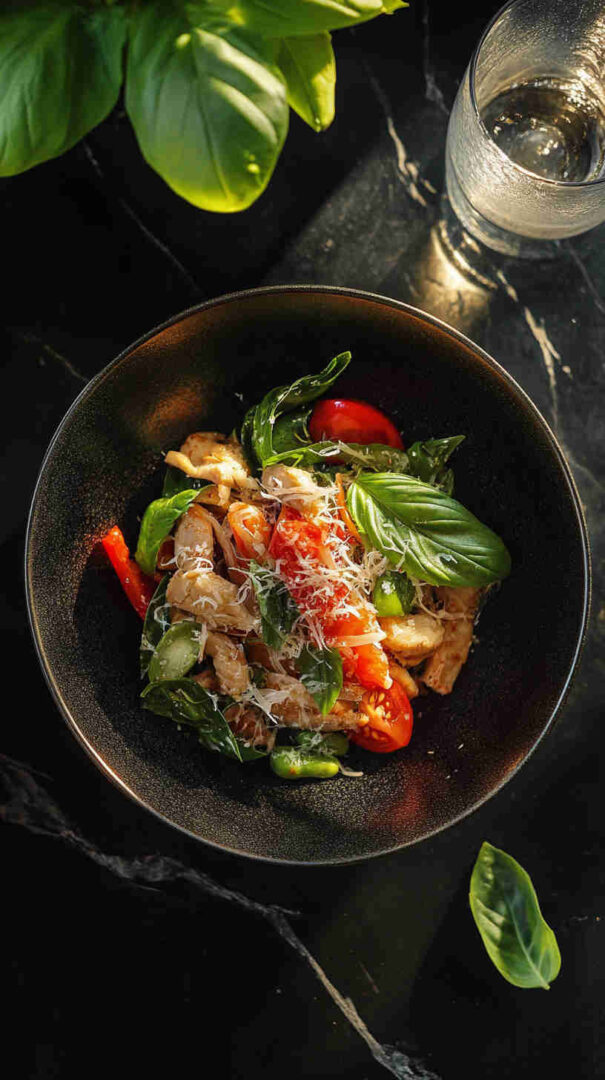
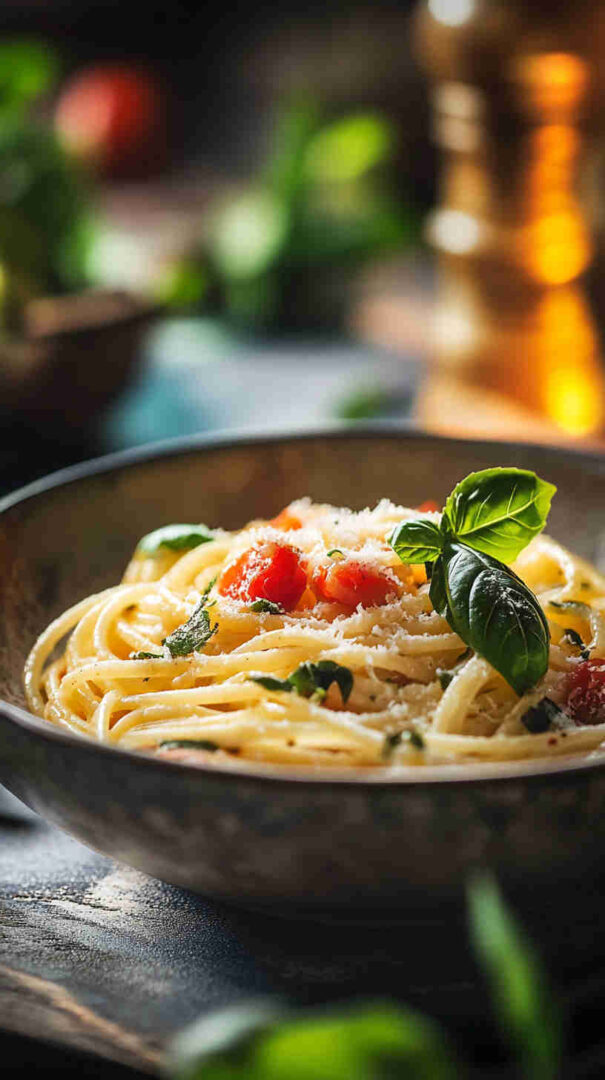
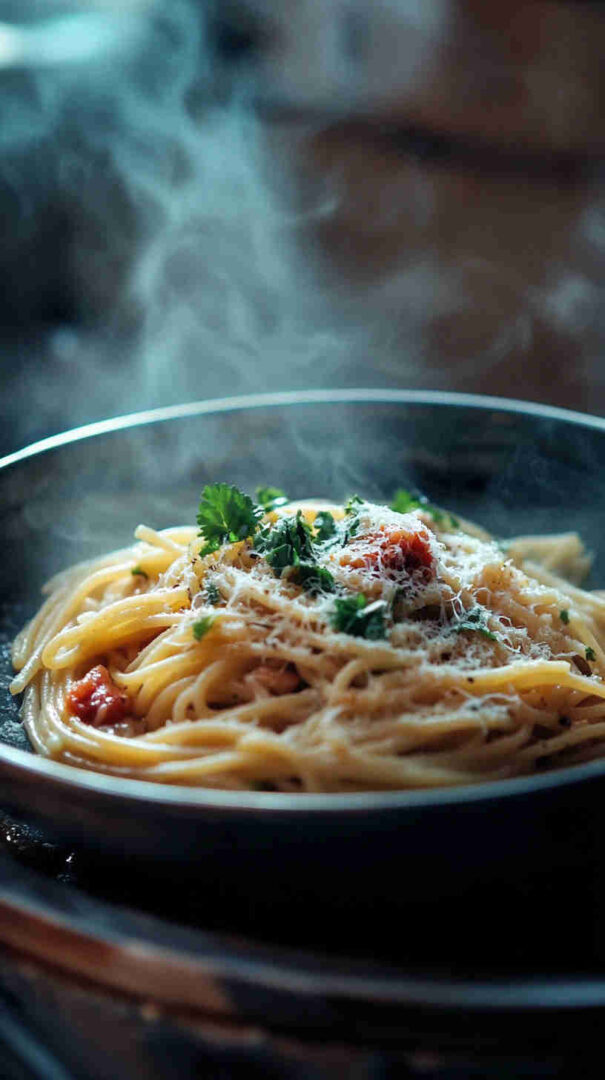
Please share this Italian-Thai Fusion Coconut Cream Pasta Recipe
with your friends and do a comment below about your feedback.
We will meet you on next article.
Until you can read, Italian-Spanish Paella-Style Risotto Recipe