Korean-style Beef Bulgogi Bowls
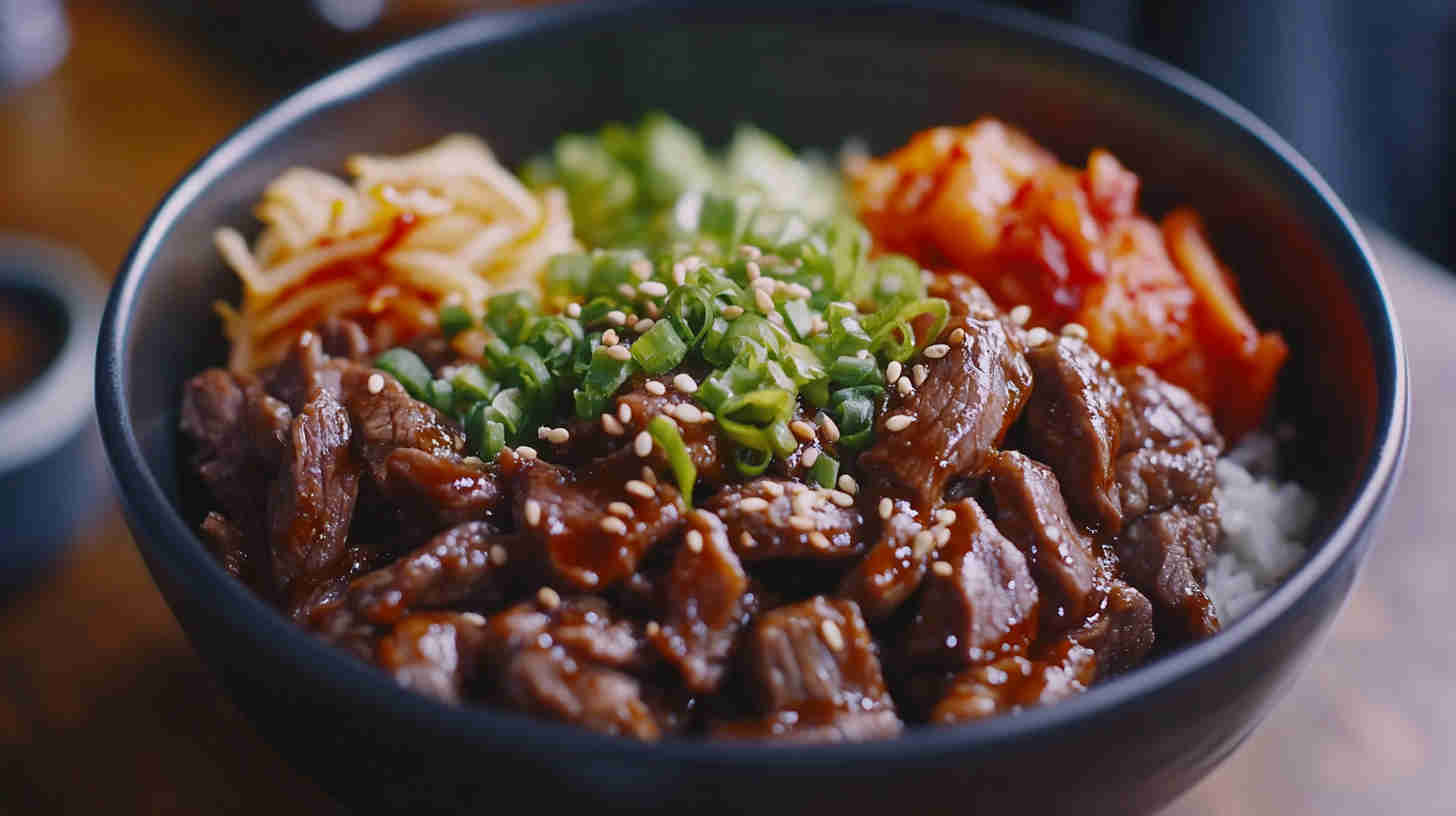
Korean-style Beef Bulgogi Bowls bring the iconic flavors of Korean BBQ to a quick, comforting rice bowl format. Thinly sliced tender beef (or easy ground beef alternative) marinates in a sweet-savory pear-infused sauce with garlic, soy, sesame, and a touch of spice, then gets quickly stir-fried to caramelized perfection. Served over fluffy rice with fresh veggies, kimchi, and toppings for a balanced, addictive meal that’s restaurant-quality at home.
Why You’ll Love This Recipe
This dish captures the soul of authentic Korean bulgogi—tender, juicy beef bursting with that signature sweet, garlicky, umami-rich marinade—without needing a grill or hours of prep.
The pear (or apple) tenderizes the meat naturally while adding subtle fruitiness that balances the soy and brown sugar, creating layers of flavor in every bite. It’s incredibly versatile for weeknights: ready in under 45 minutes (even faster with ground beef), budget-friendly, customizable with your favorite toppings, and always a crowd-pleaser.
The caramelized edges on the beef, paired with crisp veggies and warm rice, deliver that addictive Korean BBQ experience in a simple bowl format—comforting, satisfying, and way better than takeout!
Korean-style Beef Bulgogi Bowls
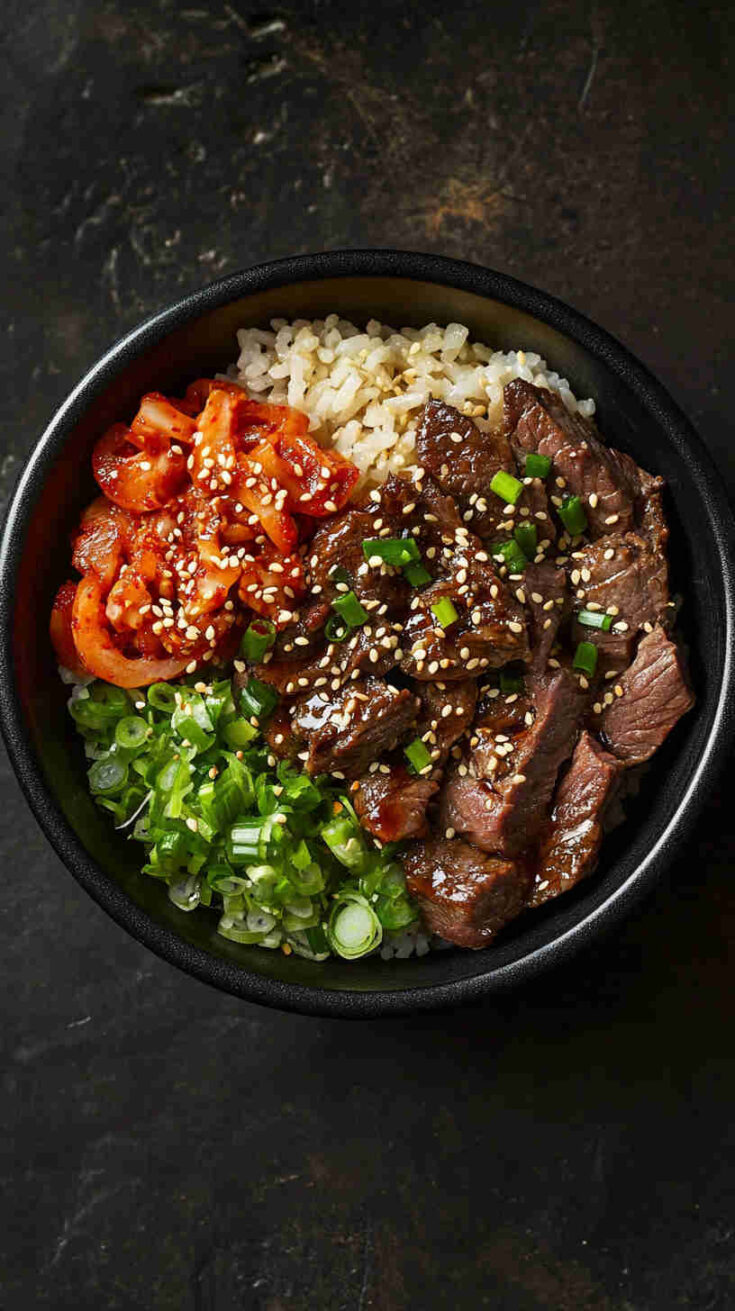
Tender marinated beef with sweet-savory Korean flavors over rice—quick, flavorful, and addictive!
Ingredients
For the Bowls:
- 4 cups cooked jasmine or short-grain rice (warm)
- 1 cup kimchi
- 1 cucumber, thinly sliced
- 2 carrots, julienned or shredded
- 4 green onions, sliced
- Sesame seeds for garnish
- Optional: fried eggs, sautéed spinach, or bean sprouts
For the Bulgogi Beef:
- 1.5 lbs (680g) ribeye or sirloin steak, thinly sliced against the grain (or 1.5 lbs lean ground beef)
- 1/2 Asian pear (or Fuji apple), peeled and grated (about 1/2 cup with juices)
- 1 small onion, grated
- 4-5 garlic cloves, minced or grated
- 1 tbsp fresh ginger, grated
- 1/4 cup low-sodium soy sauce
- 3 tbsp brown sugar
- 2 tbsp sesame oil
- 1-2 tbsp gochujang (adjust for spice)
- 1 tbsp rice vinegar or mirin (optional)
- Black pepper to taste
Instructions
- Prep the star of the show — If using steak, freeze it for 20-30 minutes to firm up, then slice super thin against the grain (this makes it melt-in-your-mouth tender!). For ground beef, just break it up ready to go. Pat dry if needed.
- Make that magic marinade — In a big bowl, grate your pear and onion (yes, the grater is your best friend here—it releases all those tenderizing juices!). Add minced garlic, ginger, soy sauce, brown sugar, sesame oil, gochujang, vinegar/mirin, and a good grind of black pepper. Whisk until smooth and smelling incredible.
- Marinate with love — Toss the beef into the marinade, making sure every piece is coated. Cover and chill for at least 30 minutes (or overnight in the fridge for max flavor—trust me, it's worth it!).
- Get your sides ready — While the beef dreams in the marinade, cook your rice according to package (fluffy and warm is key). Prep toppings: slice cucumber, shred carrots, chop green onions, and grab that kimchi from the jar.
- Heat things up — Grab a large skillet or wok and heat 1-2 tsp oil over medium-high until shimmering hot (this is where the caramelization magic happens!).
- Cook the beef to perfection — Add the marinated beef in batches (don't crowd— we want sear, not steam!). Stir-fry 3-5 minutes until browned, caramelized edges form, and it's cooked through. The sauce will thicken and get glossy—yum!
- Rest and taste — Remove from heat, give it a quick taste, and adjust seasoning if needed (more sesame oil for nuttiness? A sprinkle of sugar? Go for it!).
- Build your bowl masterpiece — Scoop generous warm rice into each bowl as the cozy base.
- Layer on the goodness — Pile the sizzling bulgogi beef right on top, letting those juices drip down for extra flavor.
- Finish with flair — Arrange fresh cucumber, carrots, kimchi, green onions, and sesame seeds around or on top. Add a fried egg if you're feeling fancy, then dig in while it's hot—enjoy every sweet, savory, spicy bite!
Notes
Use low-sodium soy if watching salt. This recipe shines with fresh ingredients—don't sub powdered garlic/ginger. For kids or mild palates, start with less gochujang. Leftovers make amazing wraps or fried rice the next day!
Nutrition Information
Yield
4Serving Size
1Amount Per Serving Calories 904Total Fat 32gSaturated Fat 11gUnsaturated Fat 22gCholesterol 156mgSodium 1137mgCarbohydrates 95gFiber 5gSugar 16gProtein 56g
The recipes and nutritional information on Yum Tonight are for informational purposes only. Always consult a healthcare provider for personalized dietary advice.
Recipe Tips and Tricks
- For the most tender beef, slice it thinly against the grain—pop it in the freezer for 20-30 minutes first to firm it up for easier cutting.
- Don’t skip grating fresh pear (or apple) and onion into the marinade; their natural enzymes tenderize the meat and add authentic sweetness without overpowering.
- Use a hot pan or wok for quick searing to get those gorgeous caramelized bits—cook in batches to avoid steaming the meat.
- Taste the marinade before adding beef and adjust spice (more gochujang for heat) or sweetness.
- For extra flavor, let the beef marinate overnight if time allows—the longer, the better!
- Drain excess fat if using ground beef for a cleaner sauce.
- Garnish generously with sesame seeds and green onions right before serving for freshness and crunch.
Ingredients Notes
- Beef: Ribeye or sirloin works best for traditional tenderness and marbling; thinly sliced. Ground beef (85-90% lean) is a quicker, cheaper shortcut that absorbs sauce beautifully without sacrificing flavor.
- Asian pear (or apple): Essential for authentic bulgogi—grated pear tenderizes naturally and adds mild sweetness; Fuji apple substitutes well if pear is unavailable.
- Soy sauce: Use low-sodium or light soy to control saltiness; regular works but taste as you go.
- Gochujang: Korean chili paste brings mild heat and deep umami—adjust for spice level.
- Sesame oil: Toasted variety adds nutty aroma; use in marinade and as finishing drizzle.
- Brown sugar: Balances savory elements with caramel notes—dark brown for richer flavor.
- Garlic and ginger: Freshly grated or minced for punch—Koreans love generous amounts!
- Toppings: Kimchi for tang, cucumber/carrot for crunch, green onions and sesame seeds for garnish—fresh elements cut through richness.
Variations and Substitutions
- Protein swaps: Use thinly sliced pork (for bulgogi daeji), chicken, turkey, or plant-based ground “beef” for vegetarian—marinade works wonderfully on all.
- Spice level: Mild? Reduce or omit gochujang/red pepper flakes. Fiery? Add gochugaru (Korean chili flakes) or extra chili paste.
- Low-carb: Serve over cauliflower rice, zucchini noodles, or large lettuce leaves as wraps.
- Veggie boosts: Add sautéed mushrooms, spinach, bell peppers, broccoli, or bean sprouts for more nutrition and texture.
- Gluten-free: Swap soy sauce for tamari or coconut aminos.
- No pear? Grated apple, kiwi, or even a splash of pineapple juice tenderizes similarly.
- Extra authentic: Include mirin or rice wine for depth, or top with a fried egg for bibimbap vibes.
Storage Options
Store cooked beef and sauce separately from rice and toppings in airtight containers in the fridge for up to 4 days. Reheat beef gently in a skillet with a splash of water to revive moisture—avoid microwaving to prevent toughness.
Rice keeps 3-5 days; refresh with a damp paper towel in the microwave. Assemble fresh bowls each time for best texture. Freeze marinated (uncooked) beef up to 2 months; thaw overnight before cooking.
Dish Gallery
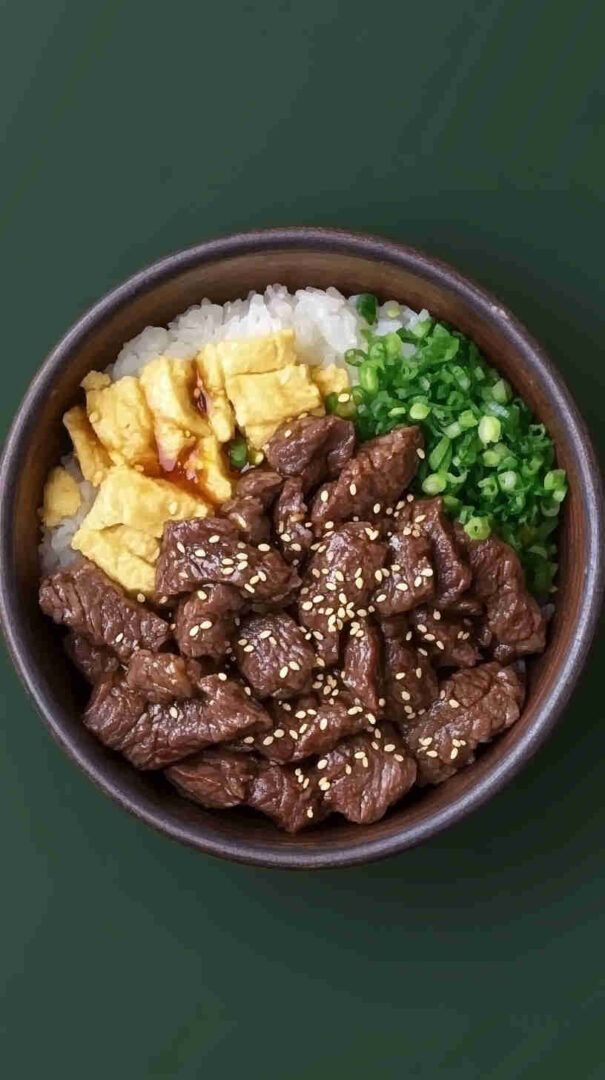
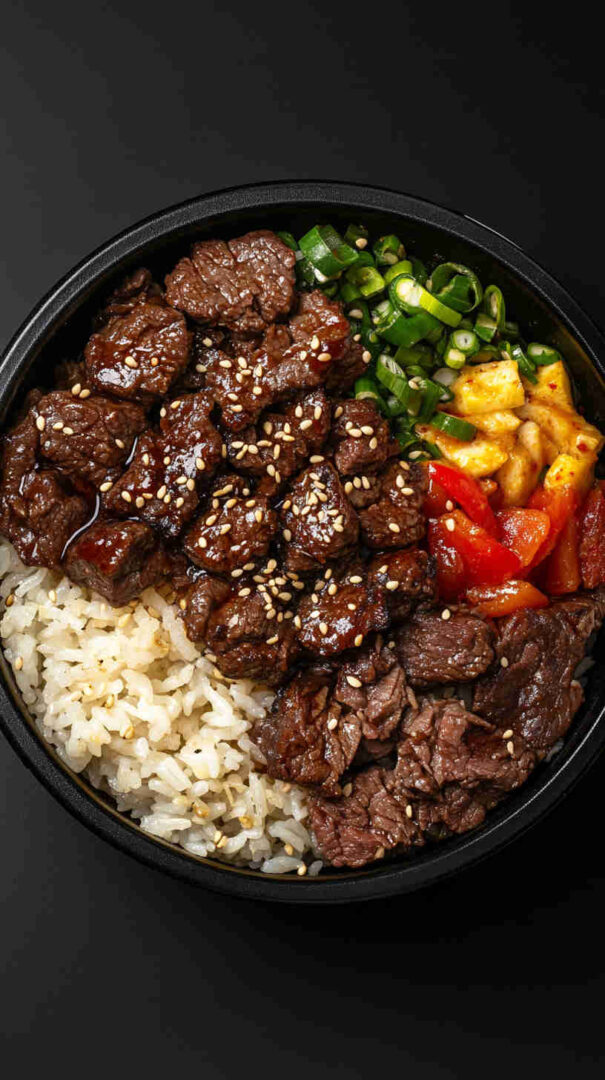
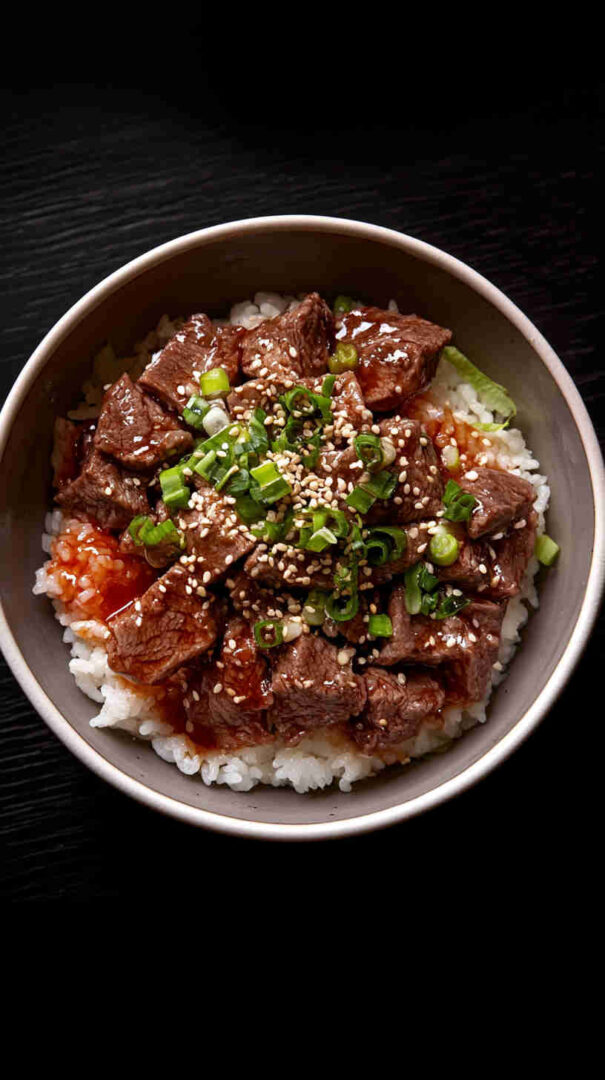
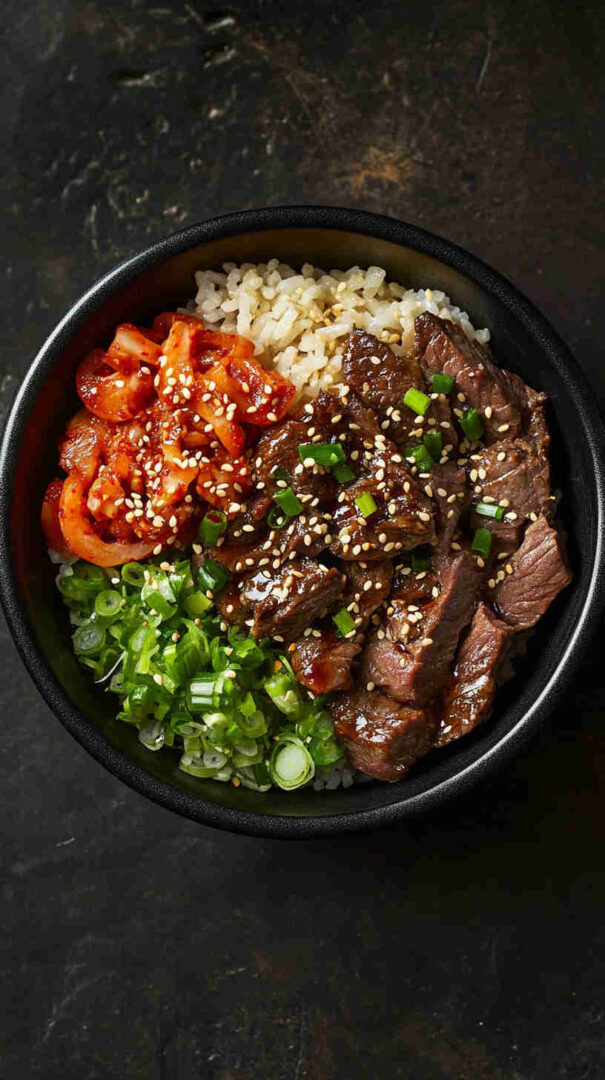
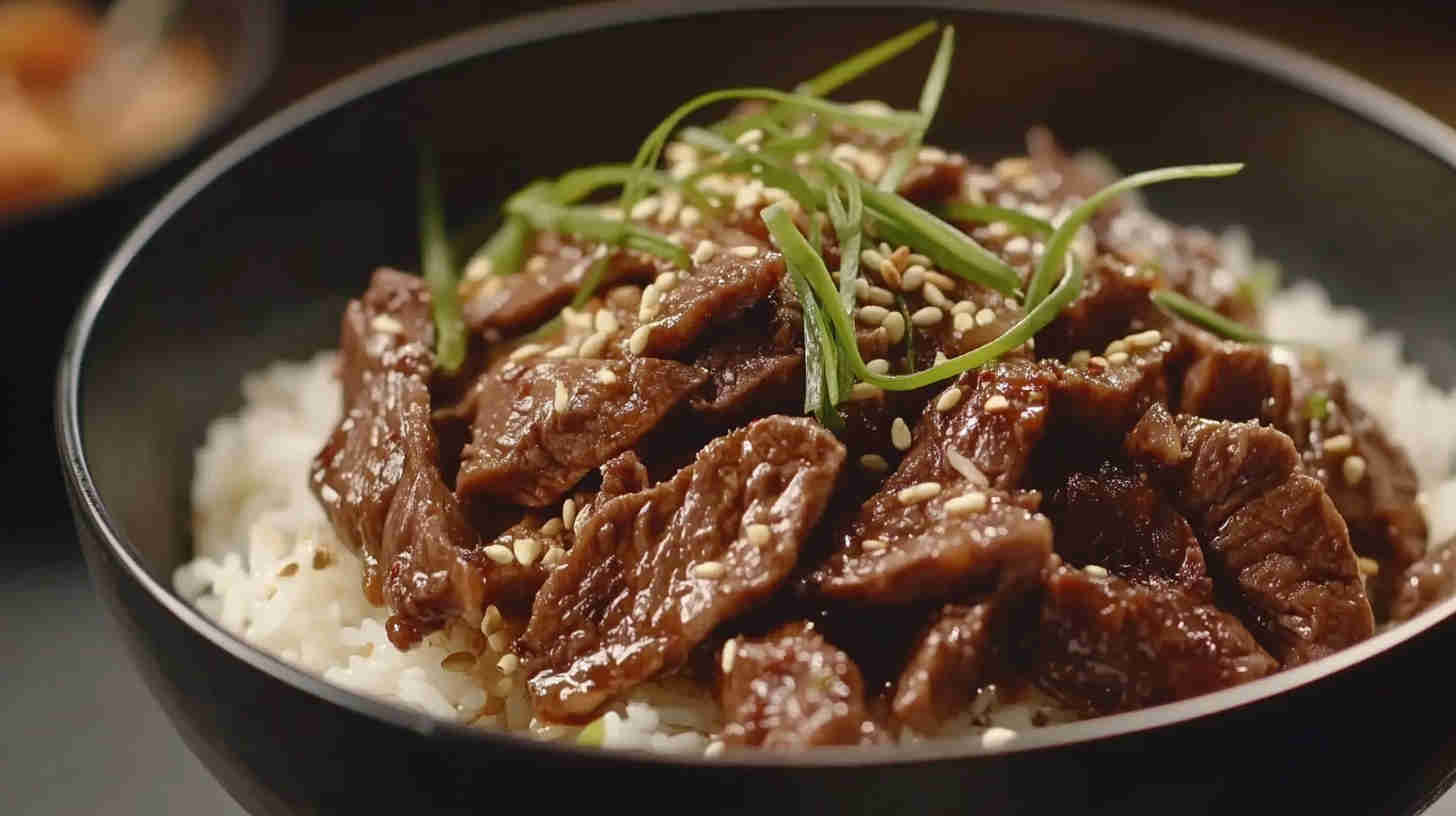
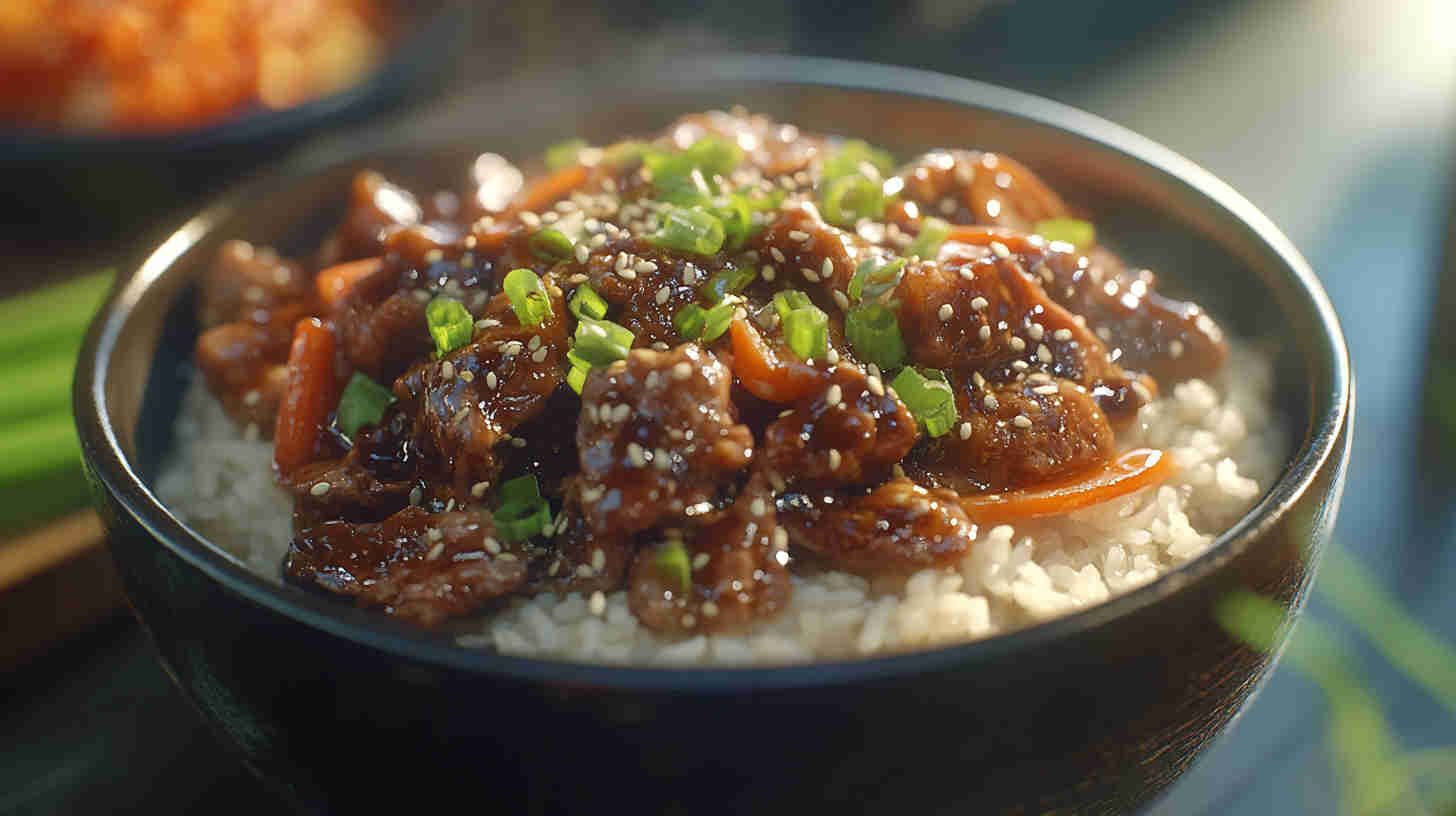
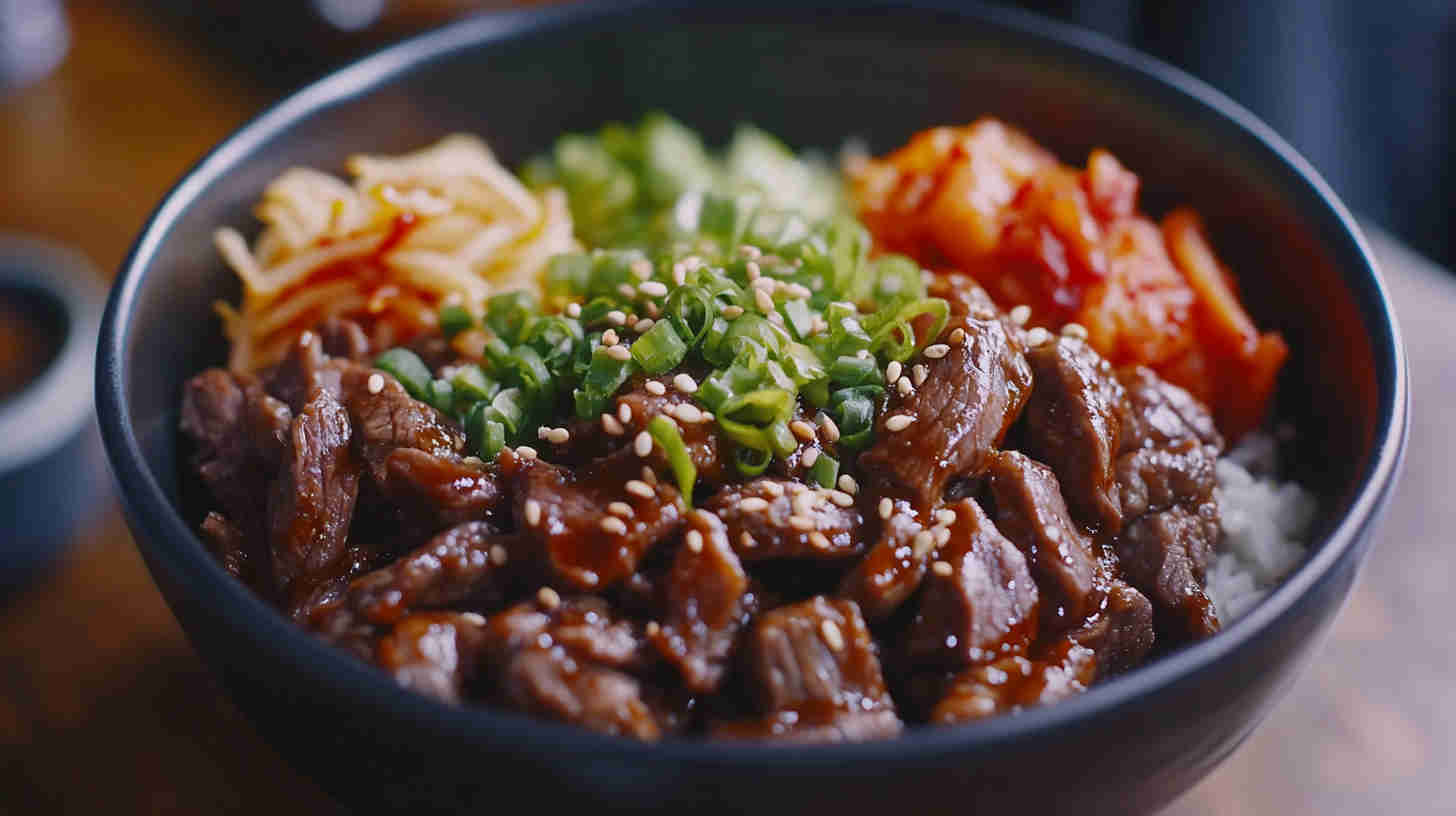
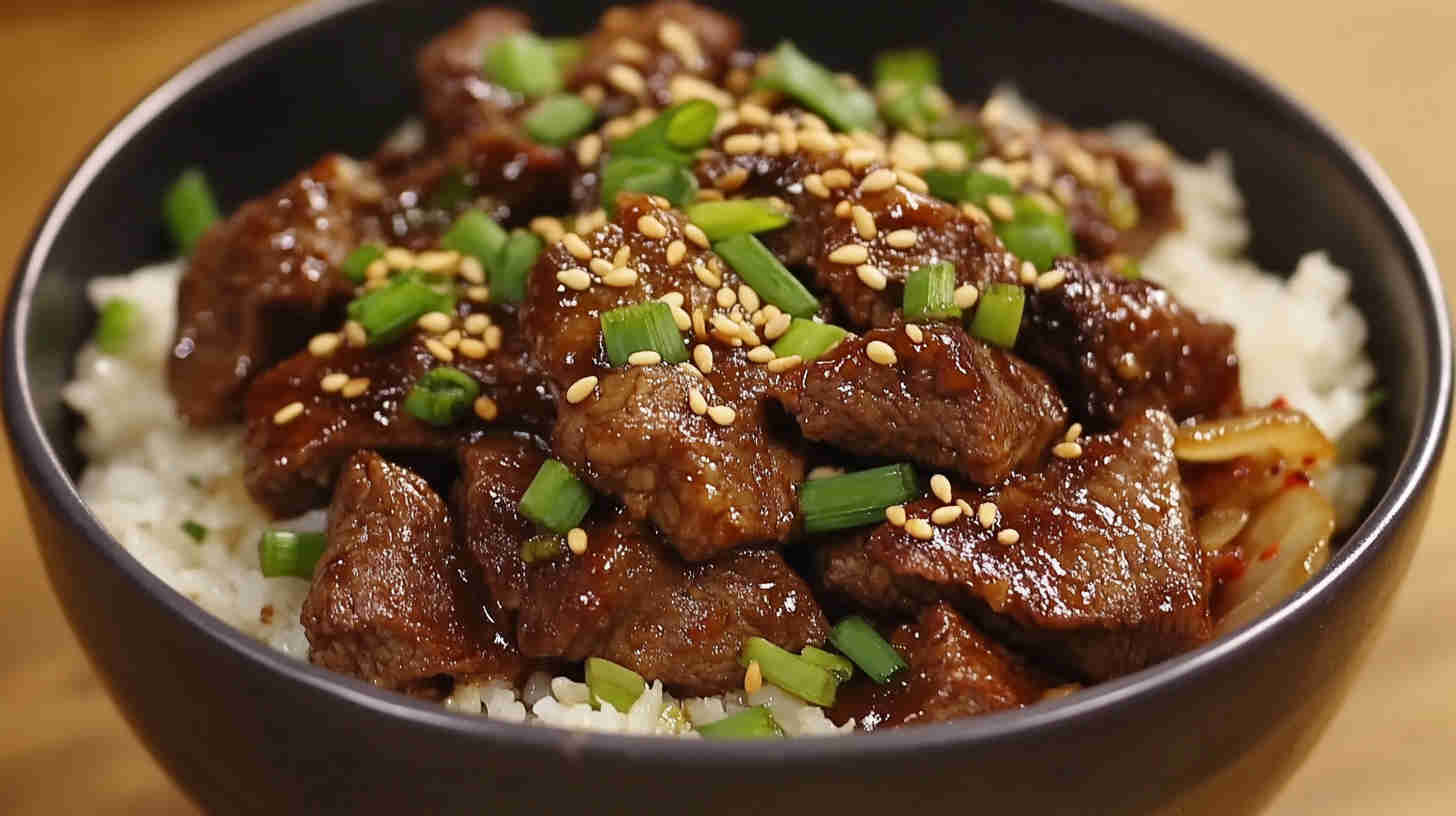
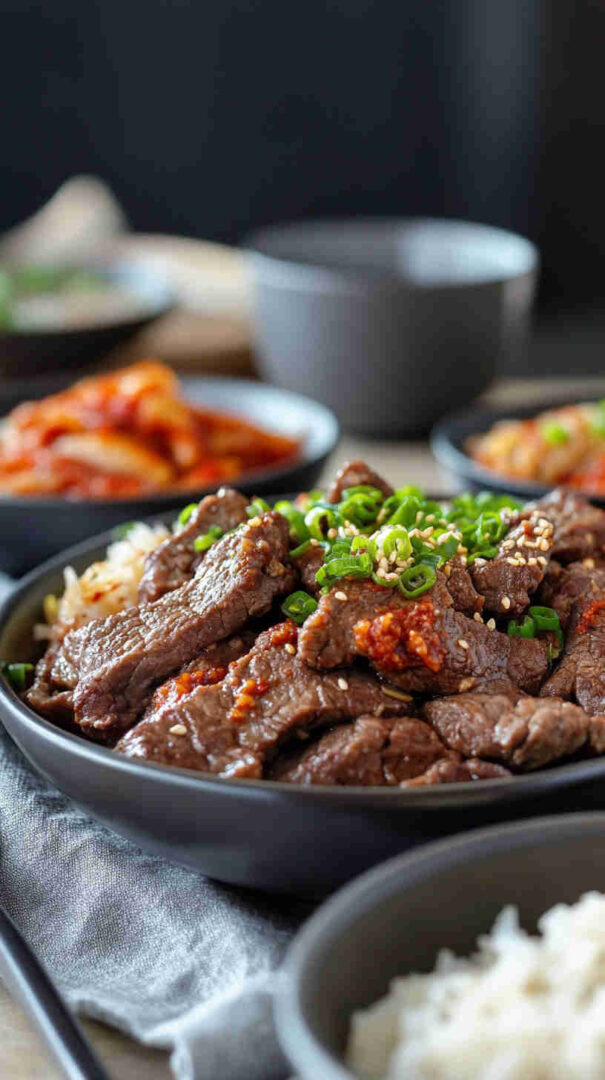
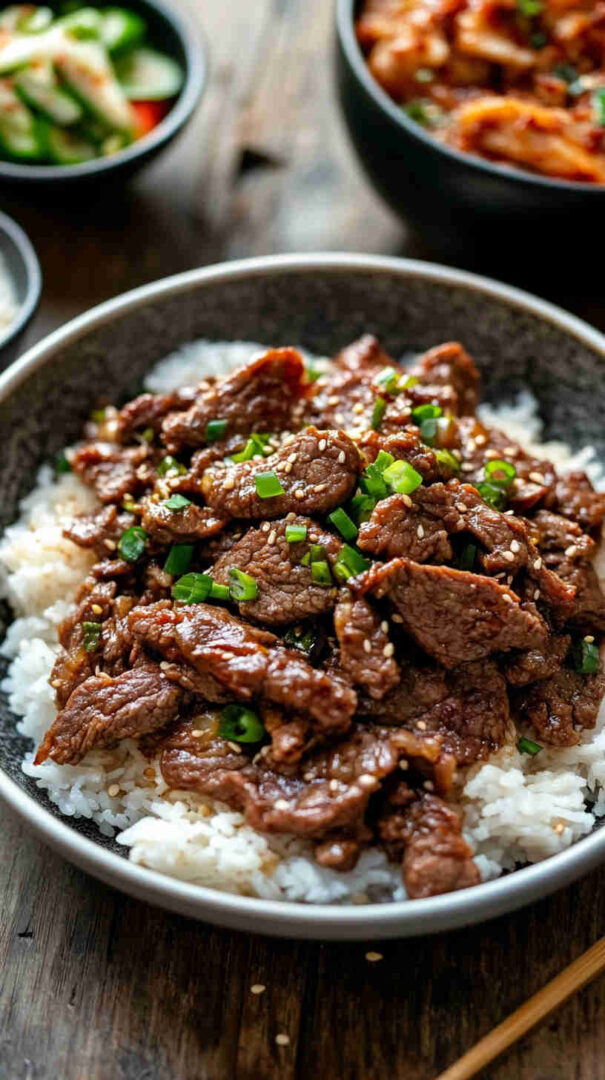
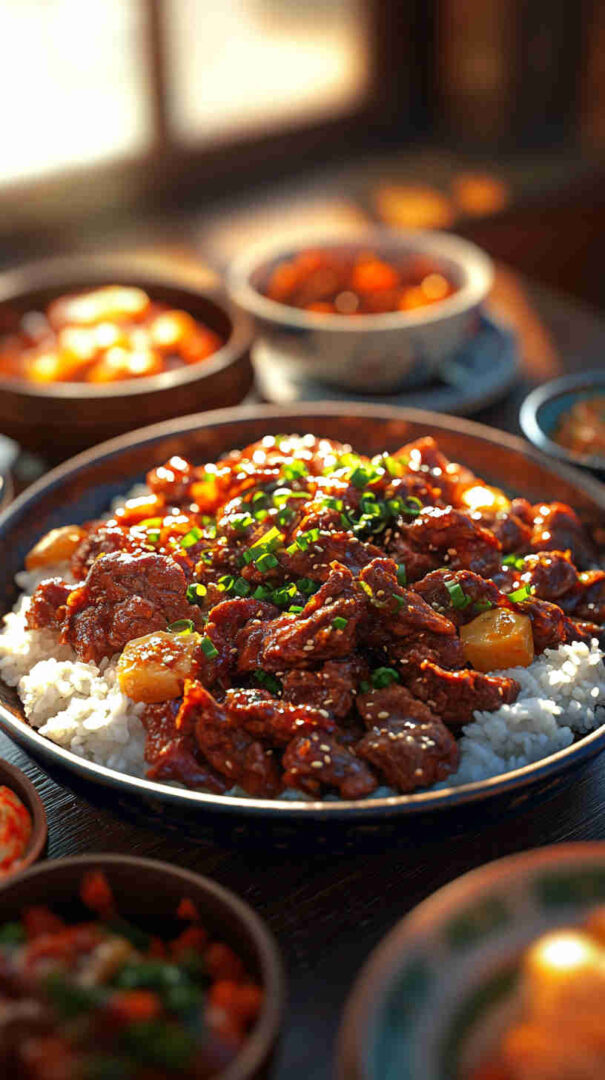
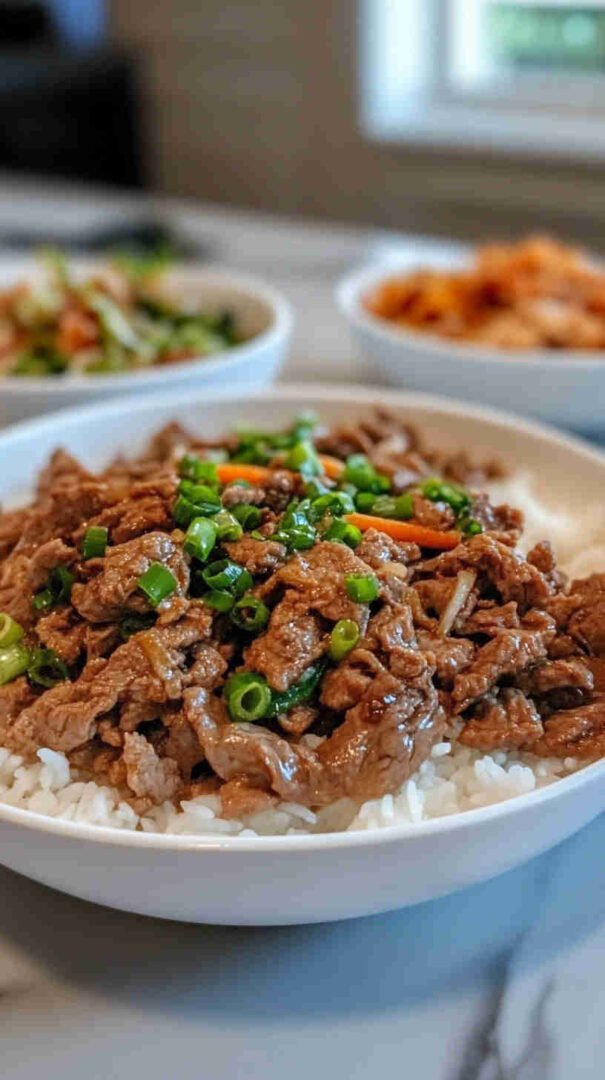
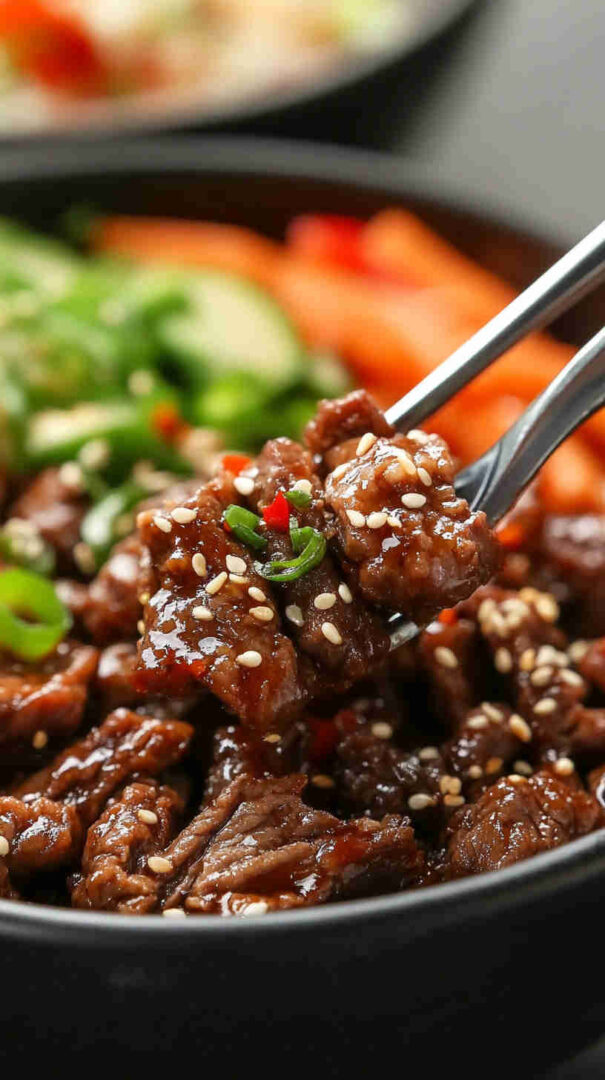
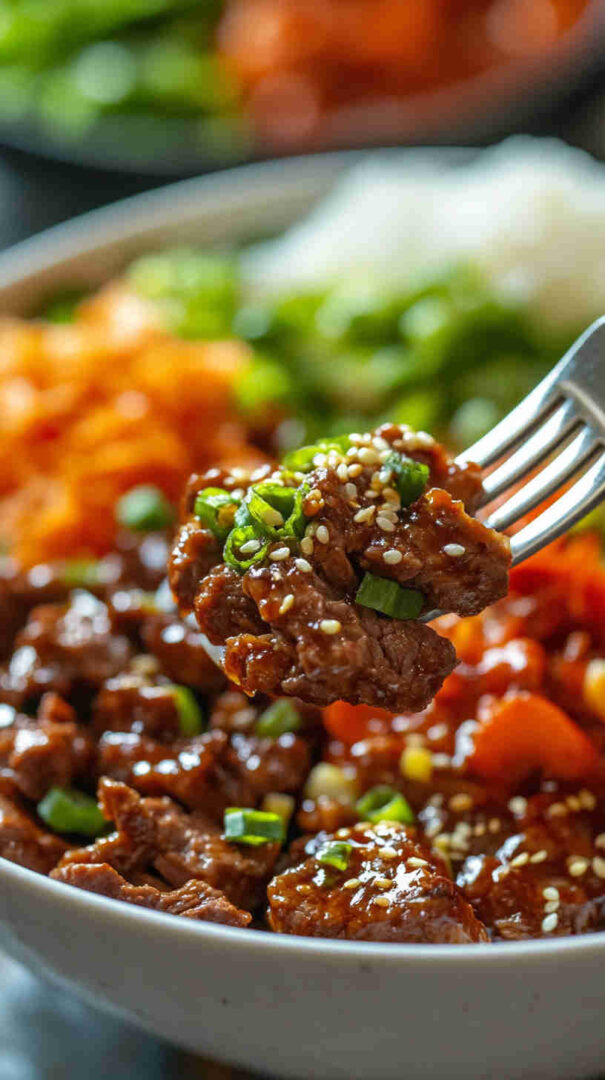
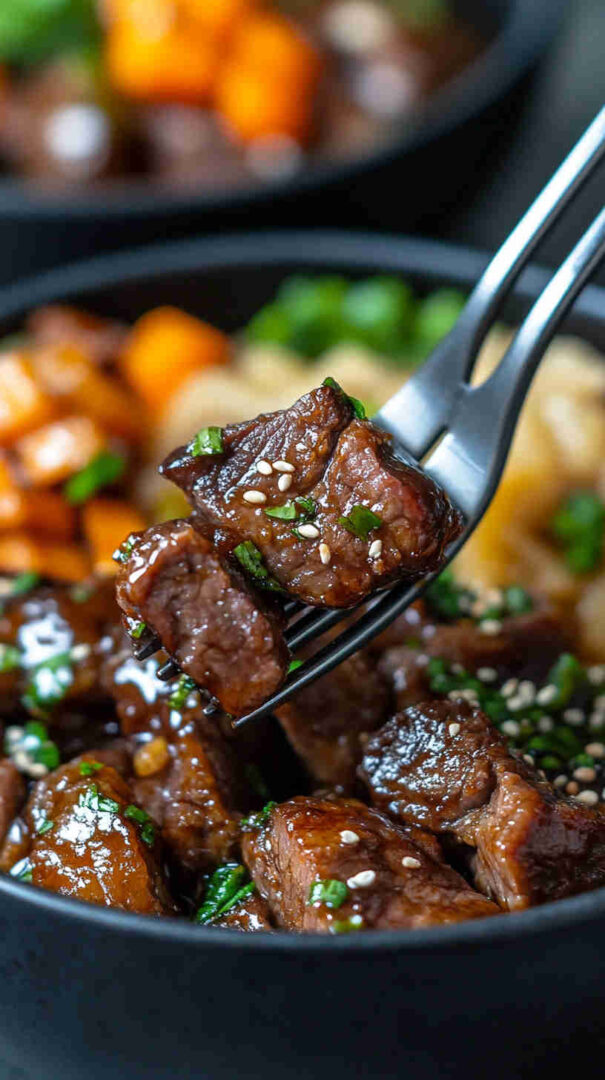
Please share this Korean-style Beef Bulgogi Bowls Recipe with your friends and do a comment below about your feedback.
We will meet you on next article.
Until you can read, Ground Beef Tostadas with Guacamole