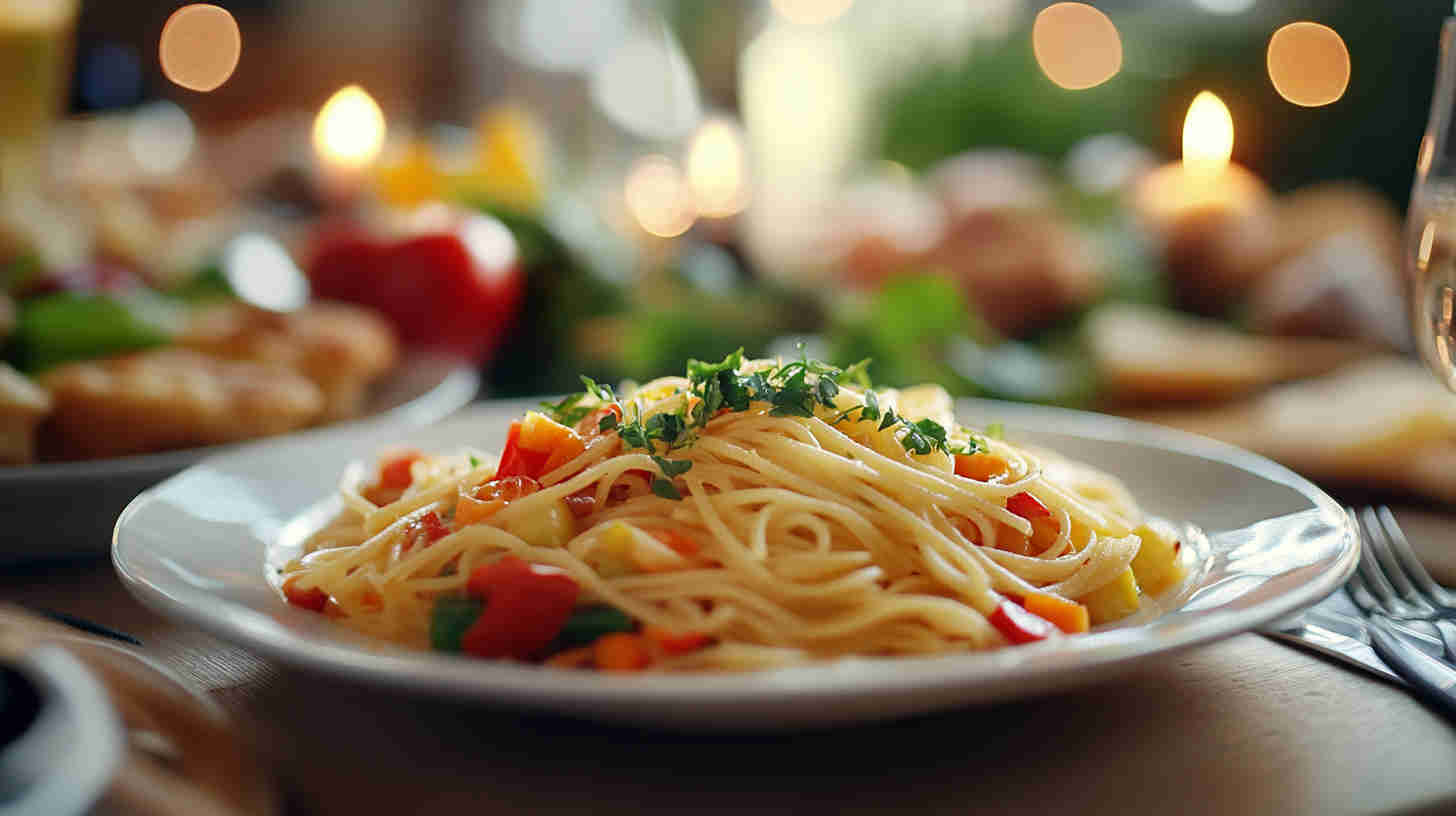
Pasta Primavera Italian Style Recipe
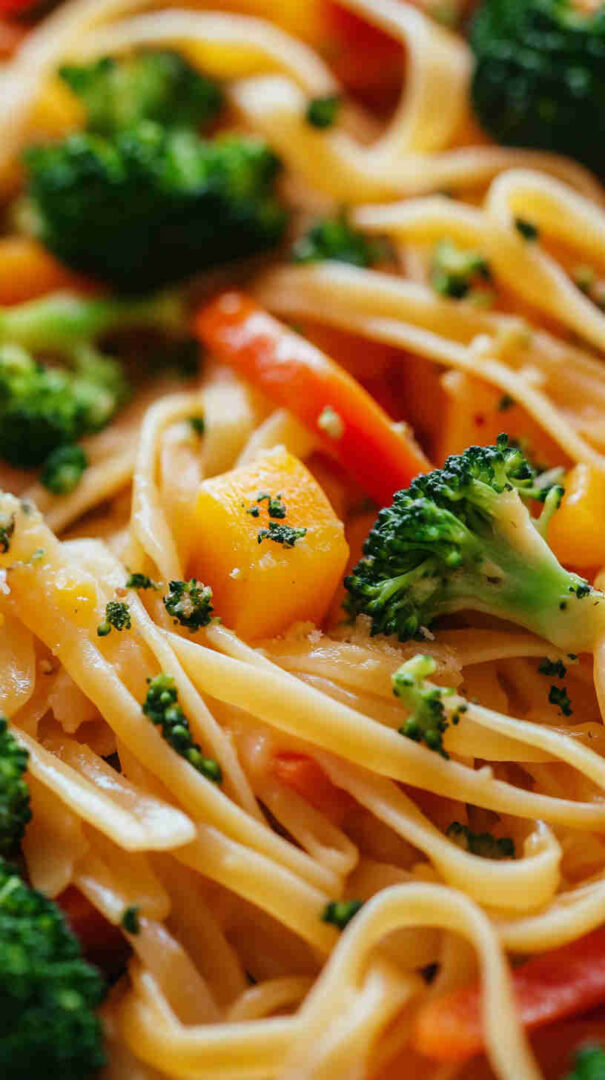
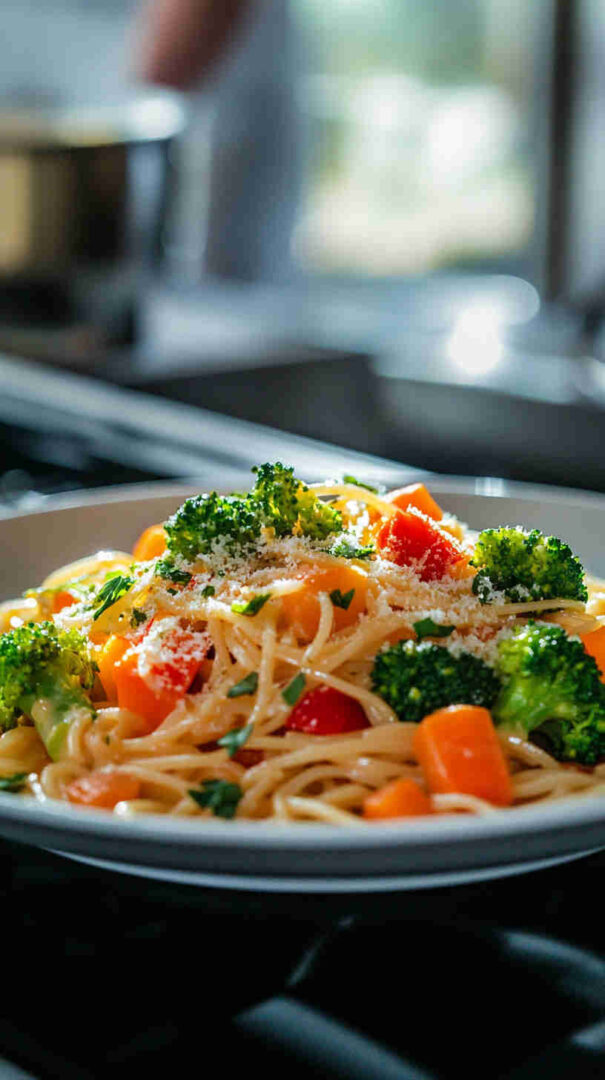
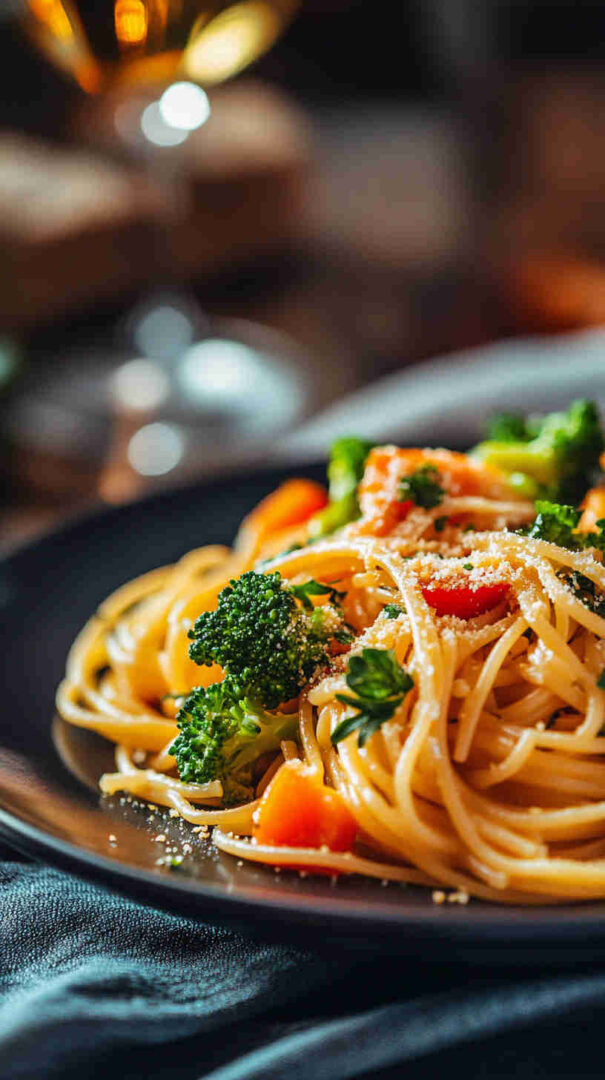
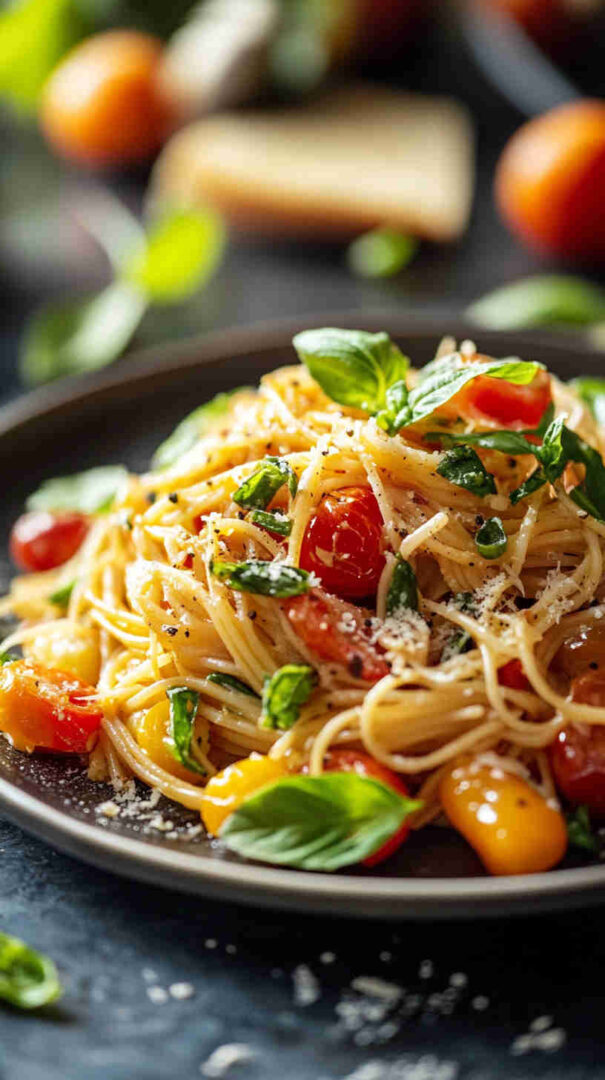
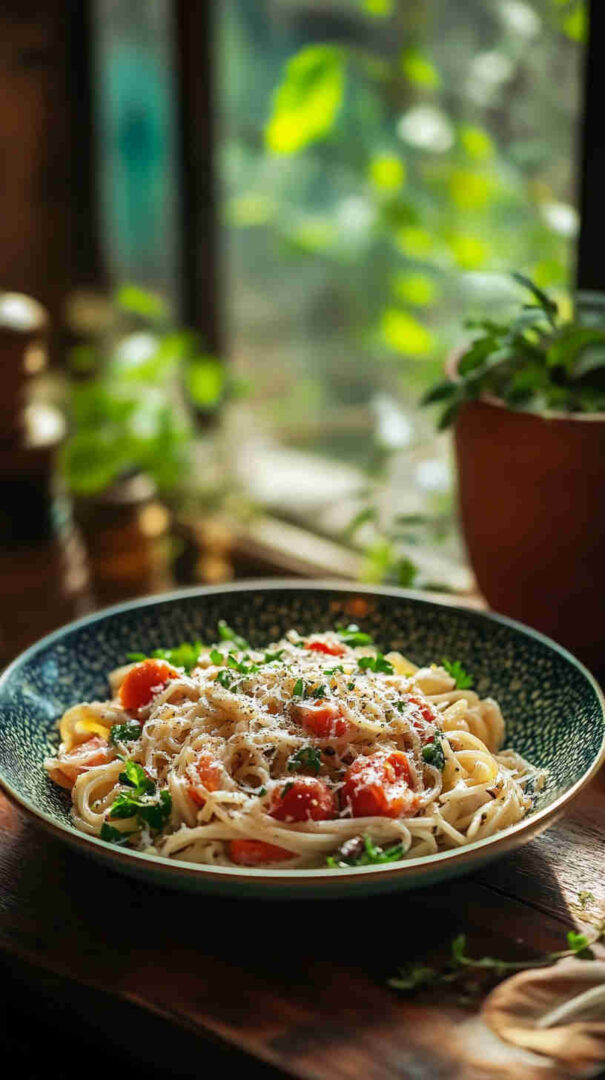
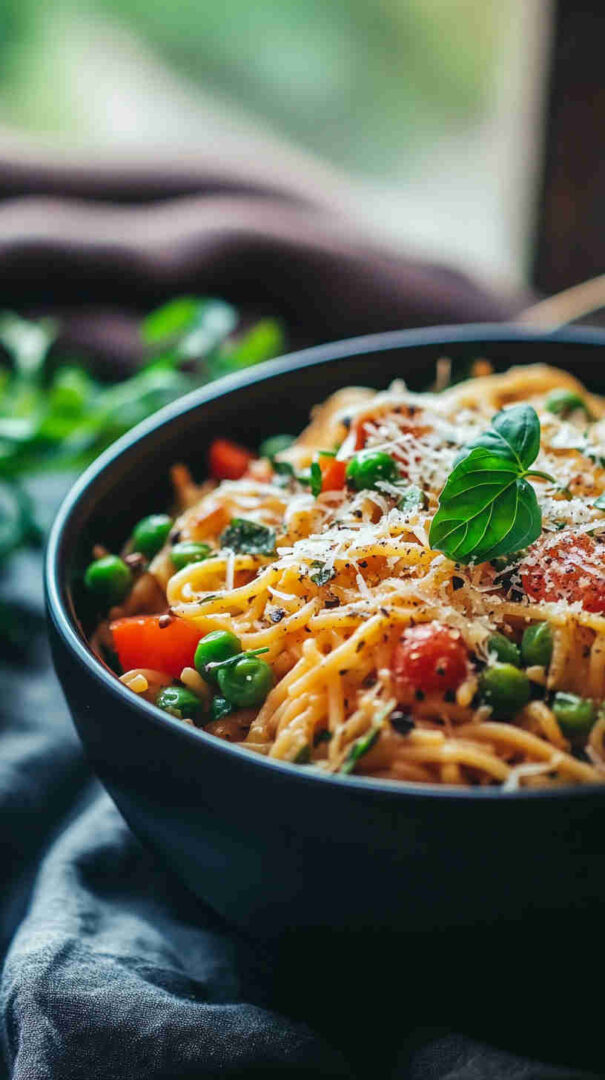
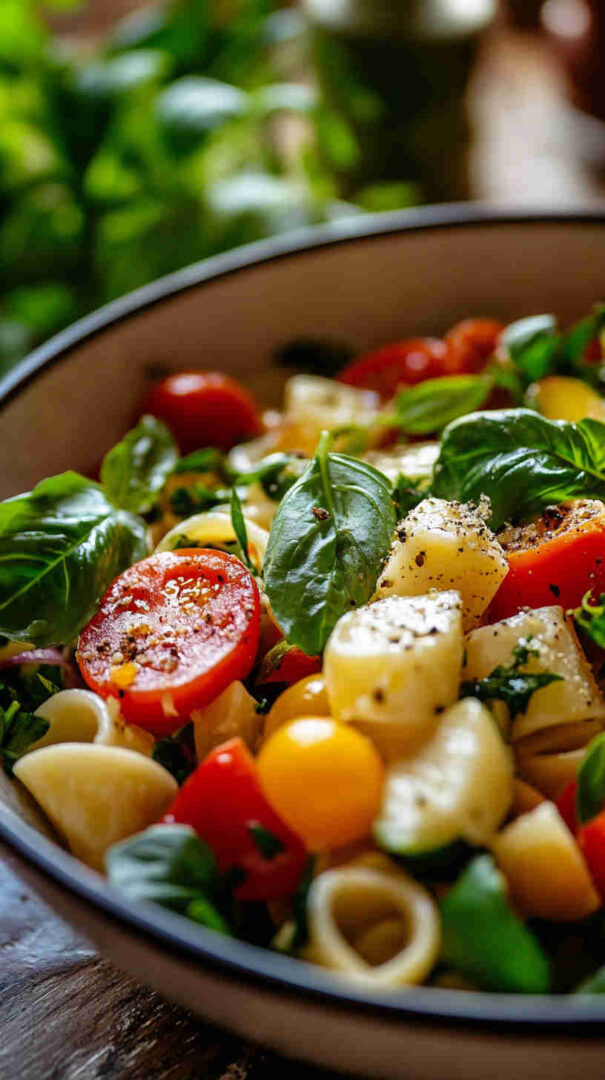
Pasta Primavera Italian Style bursts with crisp-tender spring vegetables like asparagus, zucchini, peas, broccoli, and cherry tomatoes, sautéed in olive oil with garlic, tossed with al dente pasta, a splash of white wine or broth, fresh basil, parsley, and grated Parmesan for a light, colorful, garden-fresh Italian pasta that’s elegant and seasonal.
Why You’ll Love This Recipe
This Pasta Primavera Italian Style captures the essence of spring on your plate – it’s bright, colorful, and bursting with the natural sweetness and crunch of peak-season vegetables, without heavy cream or overcomplication.
The olive oil-based sauce lets the veggies shine, enhanced by fragrant garlic, a hint of white wine for acidity, and generous fresh herbs for that authentic Italian brightness. It’s quick enough for weeknights yet feels special enough for guests, naturally vegetarian (easily vegan), packed with nutrition from all those greens, and endlessly customizable to whatever’s freshest at the market.
The contrast of tender-crisp veggies against silky pasta creates perfect texture in every forkful, and it smells incredible while cooking – pure joy for anyone who loves clean, flavorful Italian cooking that celebrates produce over richness.
Pasta Primavera Italian Style Recipe
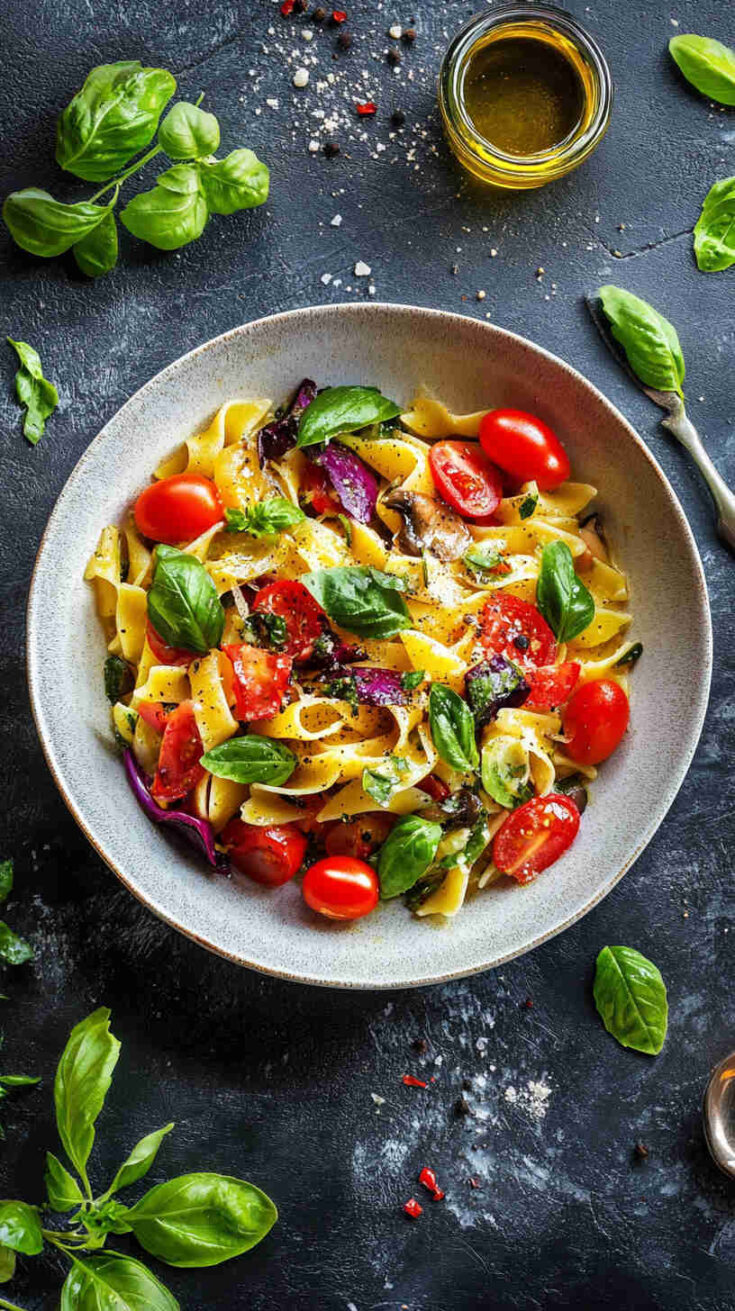
Light Italian pasta primavera: fresh spring veggies, olive oil, garlic, herbs – colorful, vibrant, seasonal delight!
Ingredients
- 12 oz (340g) short pasta (penne, farfalle, or fusilli)
- ¼ cup extra virgin olive oil (plus extra for drizzling)
- 3-4 garlic cloves, thinly sliced or minced
- 1 shallot or small onion, thinly sliced
- 1 bunch asparagus, trimmed and cut into 2-inch pieces
- 1 medium zucchini, sliced into half-moons
- 1 cup broccoli florets
- 1 cup fresh or frozen peas
- 1 cup cherry tomatoes, halved
- ½ cup dry white wine or vegetable broth
- ½ cup reserved pasta cooking water (as needed)
- ½ cup freshly grated Parmesan cheese (plus more for serving)
- ¼ cup fresh basil leaves, torn or chopped
- ¼ cup fresh parsley, chopped
- Salt and freshly ground black pepper, to taste
- Optional: pinch red pepper flakes, lemon zest
Instructions
- Bring a large pot of generously salted water to a rolling boil – this is your pasta's flavor bath! Cook the pasta according to package directions until al dente, then reserve about 1 cup of starchy cooking water before draining.
- While pasta cooks, heat ¼ cup olive oil in a large skillet or wok over medium heat – let it warm gently so everything blooms beautifully.
- Add the sliced shallot (or onion) – sauté 2-3 minutes until softened and fragrant, stirring to keep it sweet.
- Toss in the sliced garlic (and optional red pepper flakes) – cook 1 minute more until golden and aromatic (don't let it brown too much!).
- Add the asparagus and broccoli florets first (they take longest) – stir-fry 3-4 minutes until bright green and crisp-tender. Season lightly with salt and pepper.
- Stir in zucchini slices and peas – cook another 3 minutes, keeping veggies vibrant and snappy with gentle tossing.
- Add halved cherry tomatoes – let them warm and soften slightly for 1-2 minutes, releasing their juices for natural sweetness.
- Pour in the white wine or broth – let it bubble and reduce slightly (2 minutes) to concentrate flavors and deglaze the pan.
- Add drained pasta to the skillet along with a splash of reserved pasta water – toss everything over low heat to coat in the garlicky, veggie-infused oil. Add more pasta water if needed for silky sauce.
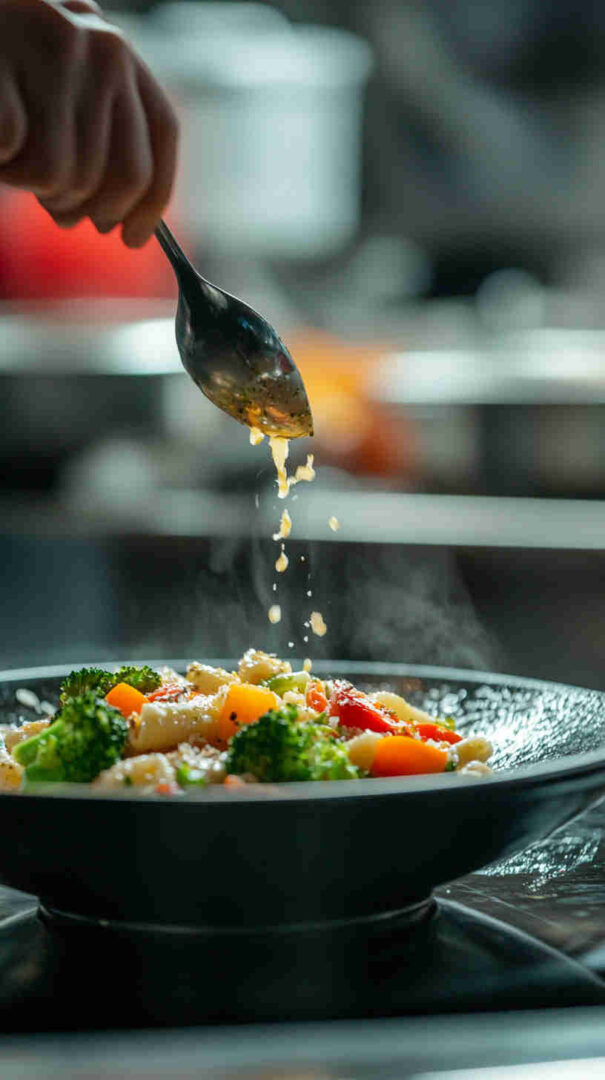
- Remove from heat, stir in fresh basil, parsley, and grated Parmesan – give a final toss for creamy melt and bright herb pop. Drizzle with extra olive oil, taste for seasoning, and serve immediately in warm bowls with more cheese on the side – enjoy the fresh, colorful Italian spring in every bite!
Notes
Use the freshest, in-season veggies for maximum flavor and color. Don't overcook – the beauty is in crisp-tender texture. This is a lighter, more authentic Italian take – no heavy cream needed!
Nutrition Information
Yield
6Serving Size
1Amount Per Serving Calories 350Total Fat 18gSaturated Fat 5gUnsaturated Fat 13gCholesterol 18mgSodium 505mgCarbohydrates 36gFiber 6gSugar 6gProtein 15g
The recipes and nutritional information on Yum Tonight are for informational purposes only. Always consult a healthcare provider for personalized dietary advice.
Recipe Tips and Tricks
Cook pasta al dente and reserve starchy cooking water – it’s liquid gold for loosening the sauce without watering it down. Blanch or sauté veggies in stages (harder ones like broccoli/asparagus first) to keep them vibrant and crisp-tender, not mushy.
Use high-quality extra virgin olive oil – it adds fruity depth. Don’t overcook garlic; keep it golden for sweetness, not bitter. Add a splash of pasta water at the end for silky emulsion. Toss everything off heat to avoid wilting delicate herbs.
Season in layers – salt veggies lightly as they cook. For extra Italian flair, finish with a drizzle of olive oil and fresh cracked pepper. Serve immediately in warm bowls to keep everything hot and glossy!
Ingredients Notes
Short pasta like penne, farfalle, or fusilli holds sauce and veggies best for even bites. Extra virgin olive oil is the base – choose fruity and peppery for flavor. Garlic (plenty!) provides aromatic backbone.
Spring veggies (asparagus, zucchini, broccoli florets, peas, cherry tomatoes, bell peppers if desired) deliver color, crunch, and freshness – use what’s in season for best taste. Shallot or onion adds mild sweetness.
Dry white wine (or vegetable broth) deglazes and brightens. Fresh basil and parsley are essential for herbal lift – chop just before tossing. Parmesan (Parmigiano-Reggiano) grated fresh melts slightly for savory richness. Salt, black pepper, and optional red pepper flakes balance and add subtle heat.
Variations and Substitutions
Go lighter/vegan: skip Parmesan, use nutritional yeast or vegan cheese, and broth instead of wine. Add protein: grilled chicken strips, shrimp, or chickpeas. For richer American-style: stir in cream or butter at end.
Swap veggies: use green beans, snow peas, artichoke hearts, fava beans, or mushrooms. Make it lemony: zest and juice a lemon for extra brightness. Herb swaps: add mint or oregano. Use long pasta like spaghetti or linguine for twirling elegance.
Gluten-free: choose GF pasta. For heartier: add roasted red peppers or sun-dried tomatoes. Pine nuts or toasted almonds for crunch. Turn it into a cold pasta salad by chilling and adding vinaigrette.
Storage Options
Best enjoyed fresh, but refrigerate leftovers in airtight container up to 2-3 days. Reheat gently in a skillet with splash of water or olive oil to revive sauce – avoid microwave to prevent soggy veggies. Not ideal for freezing (veggies lose texture).
Dish Gallery
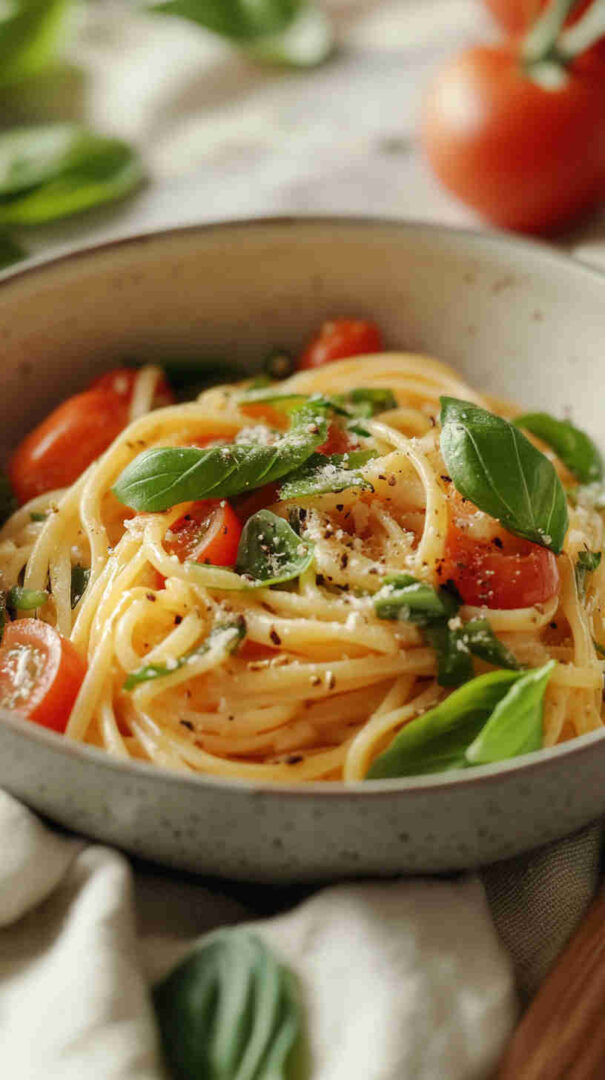
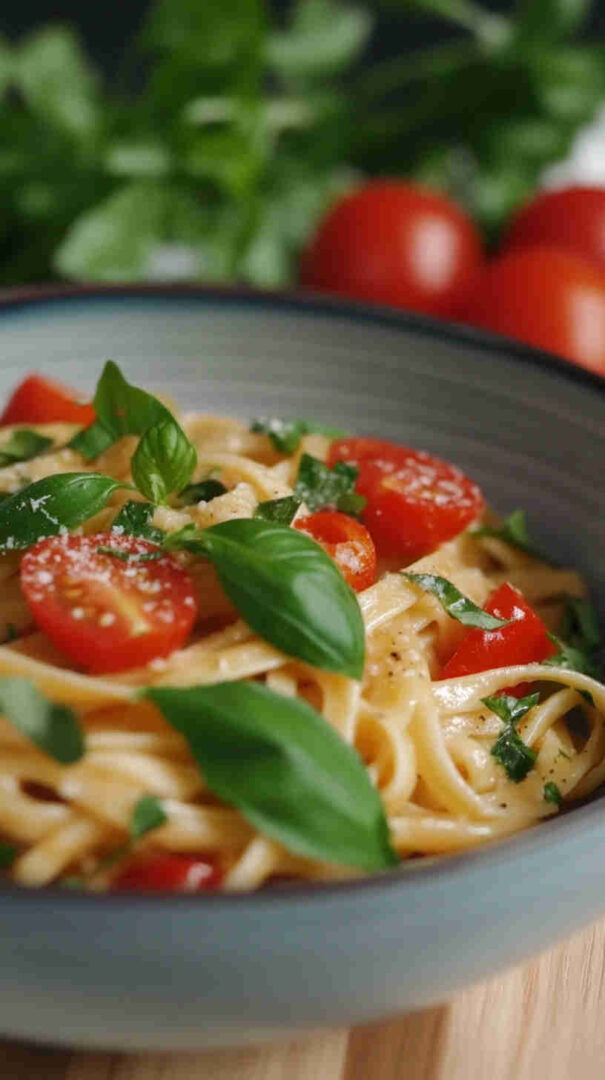
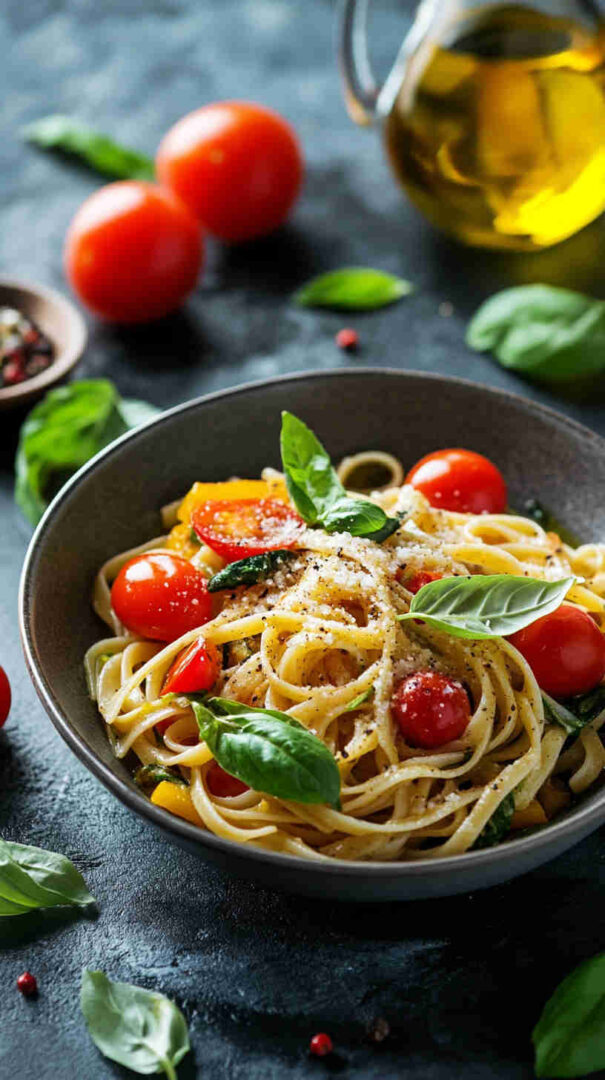
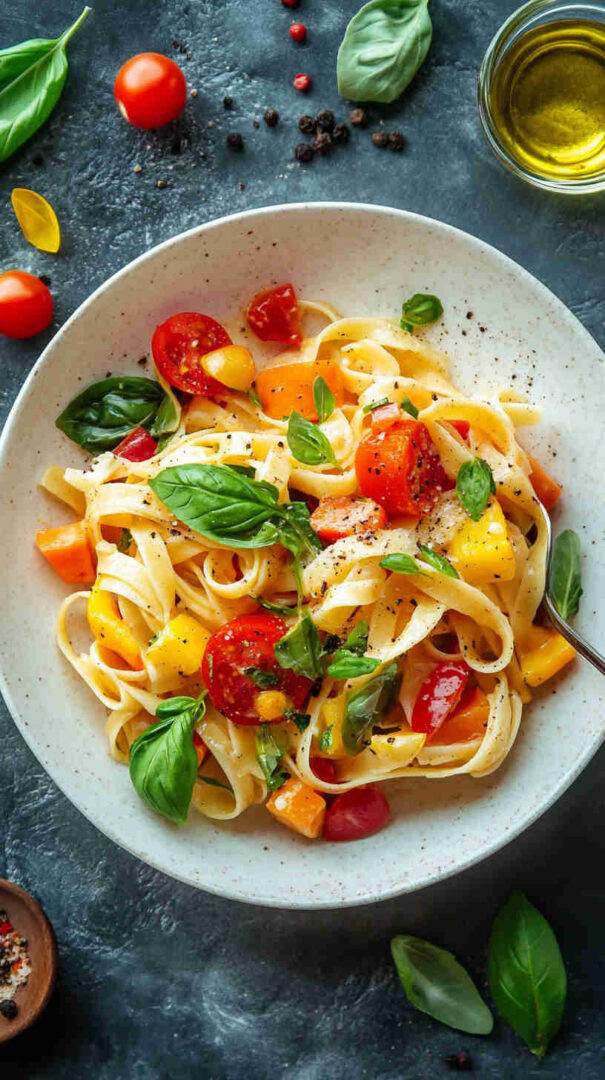
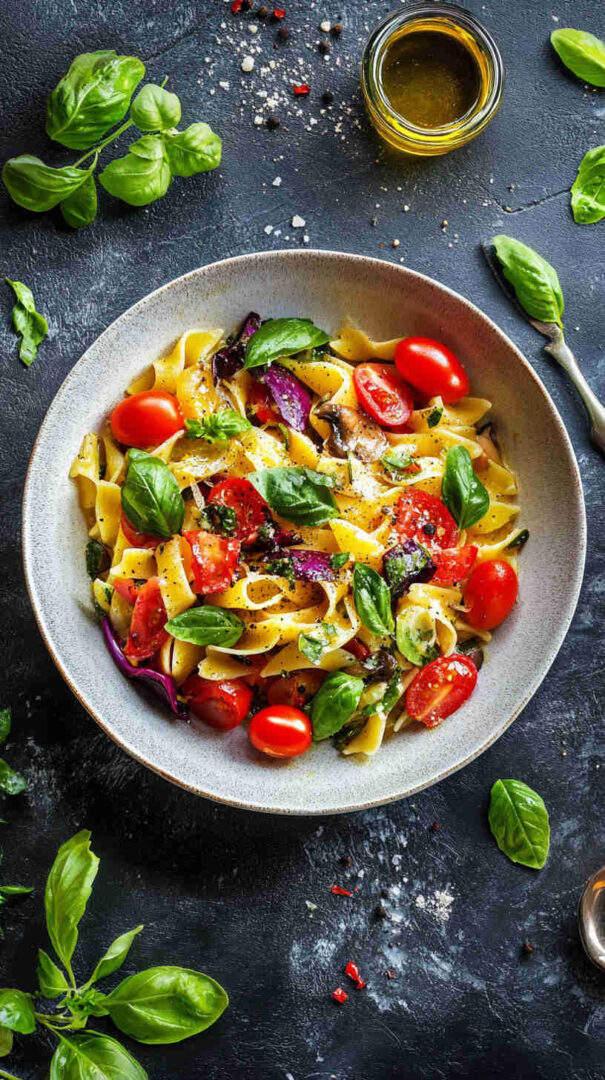
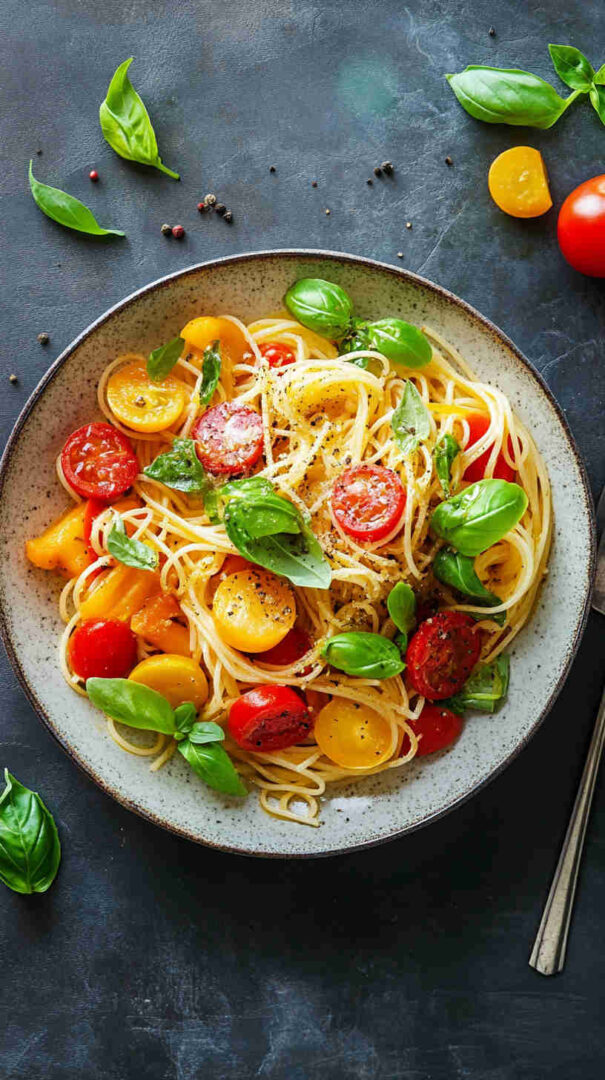
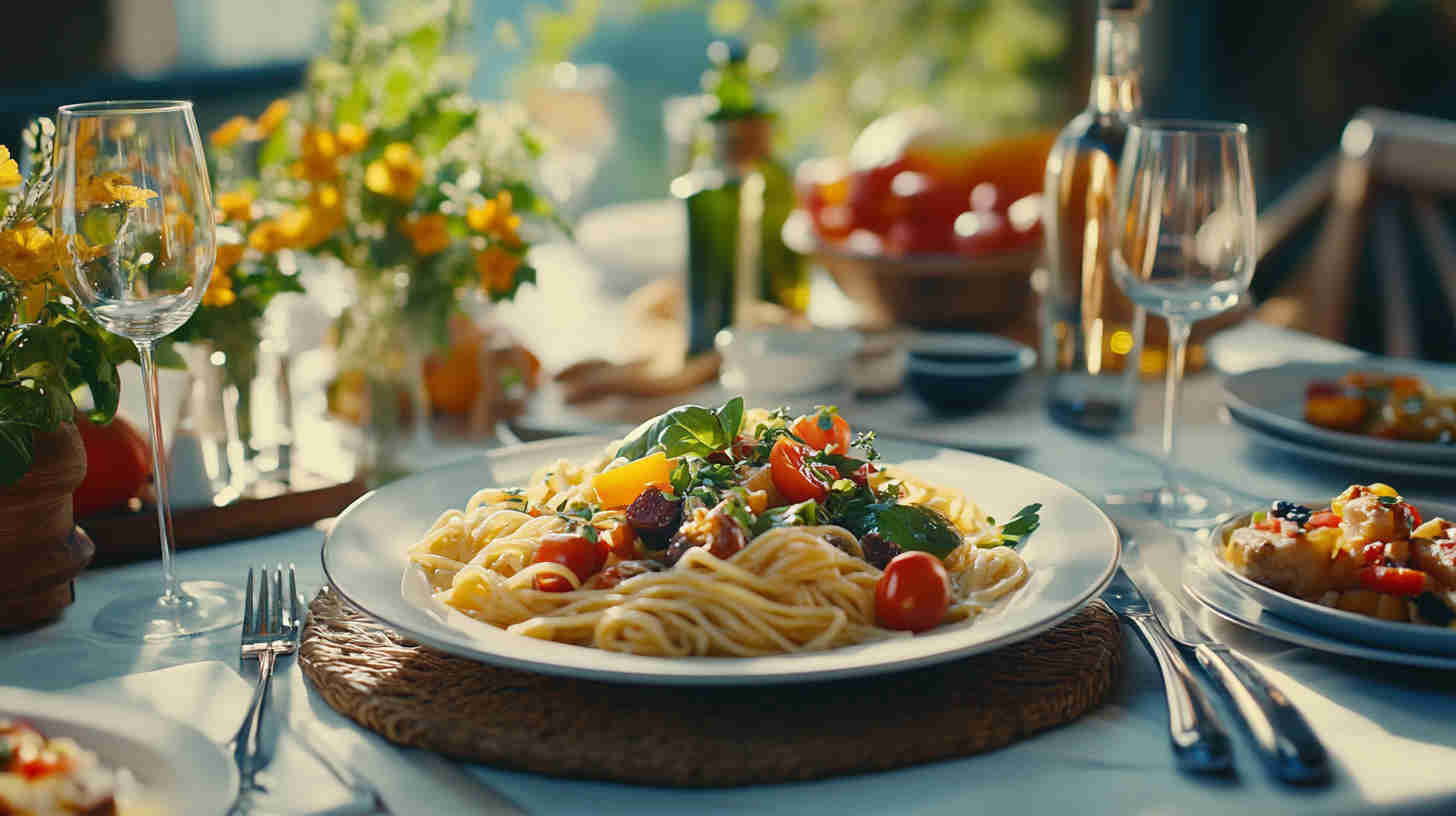
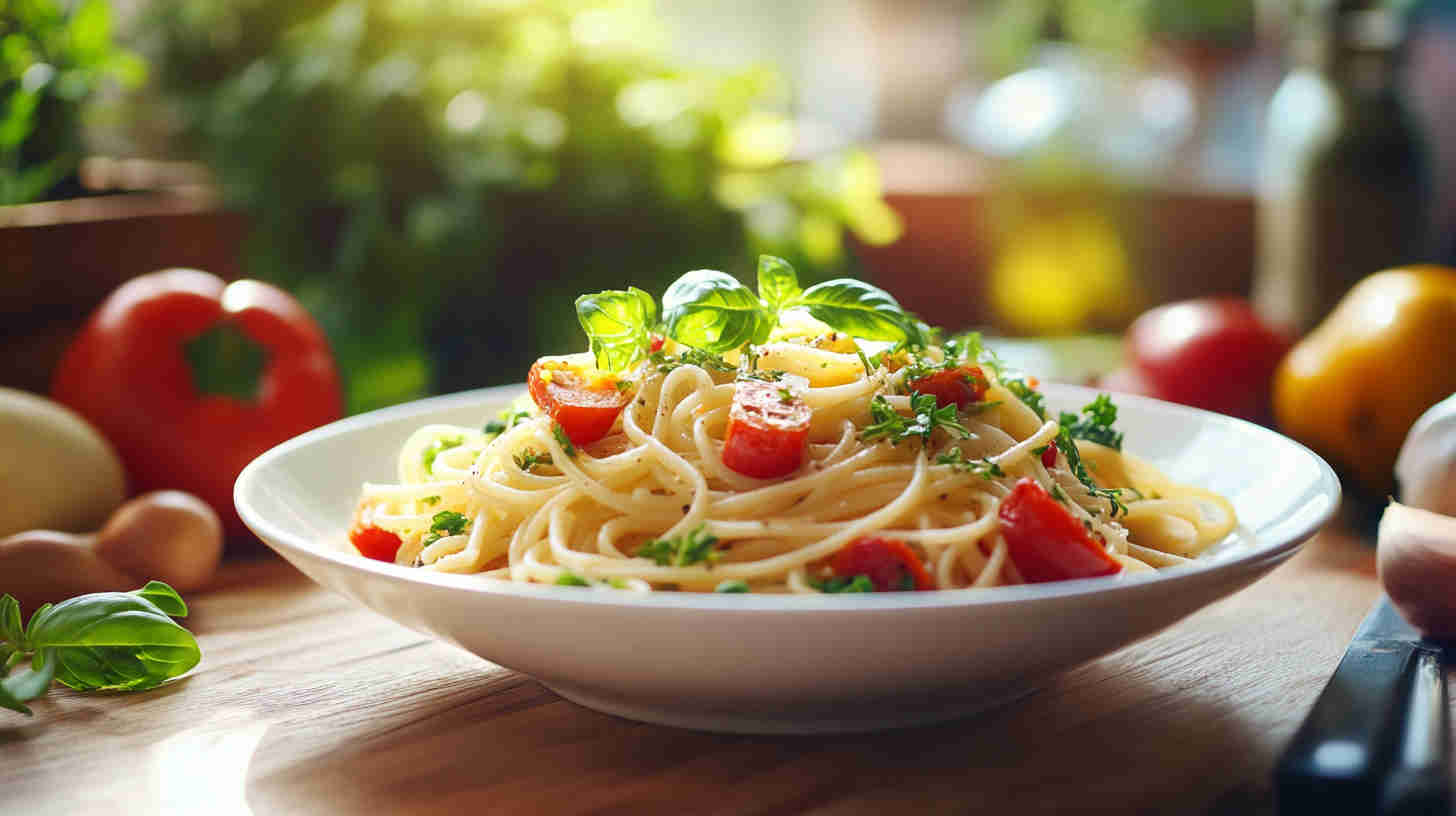
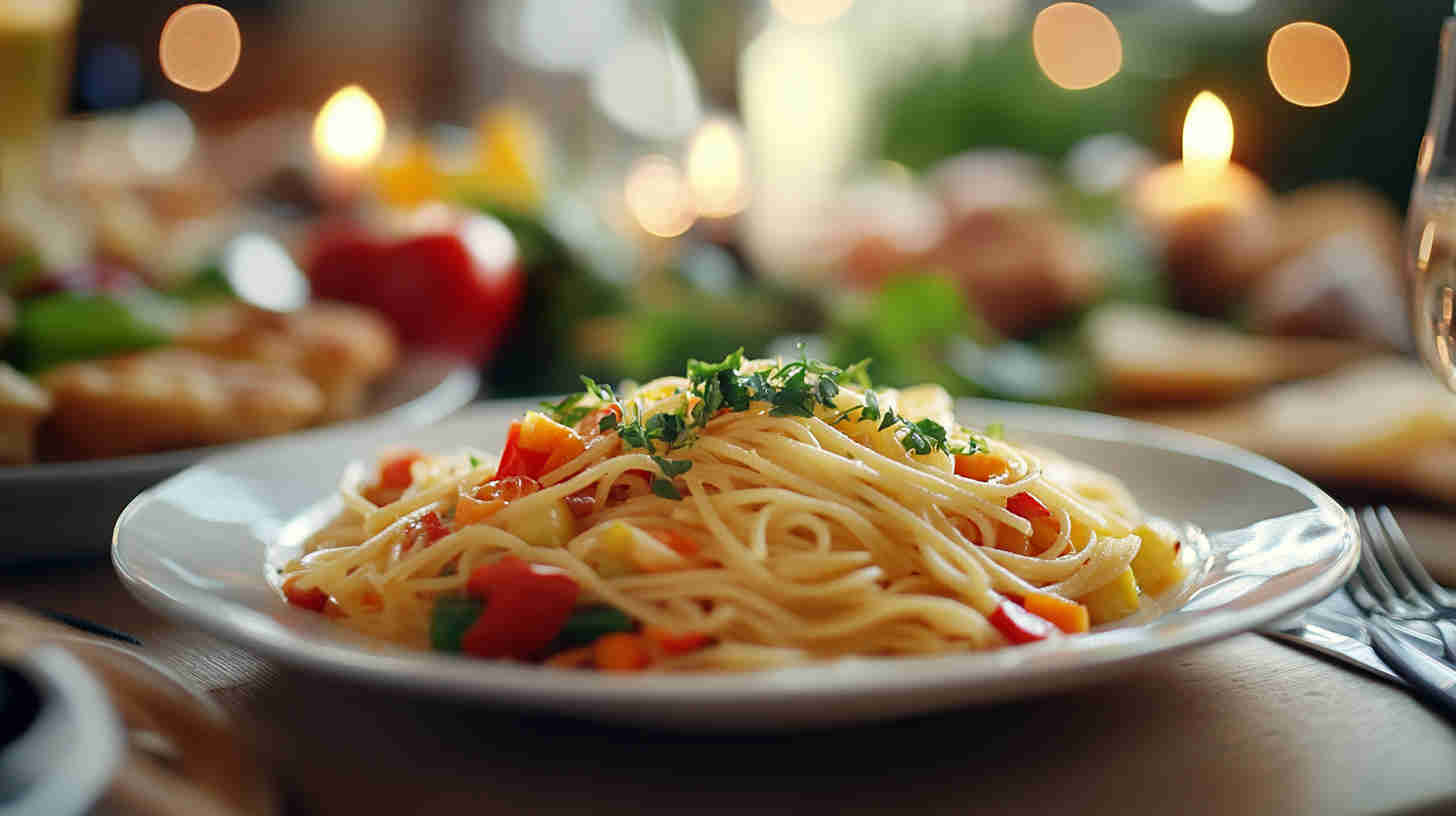
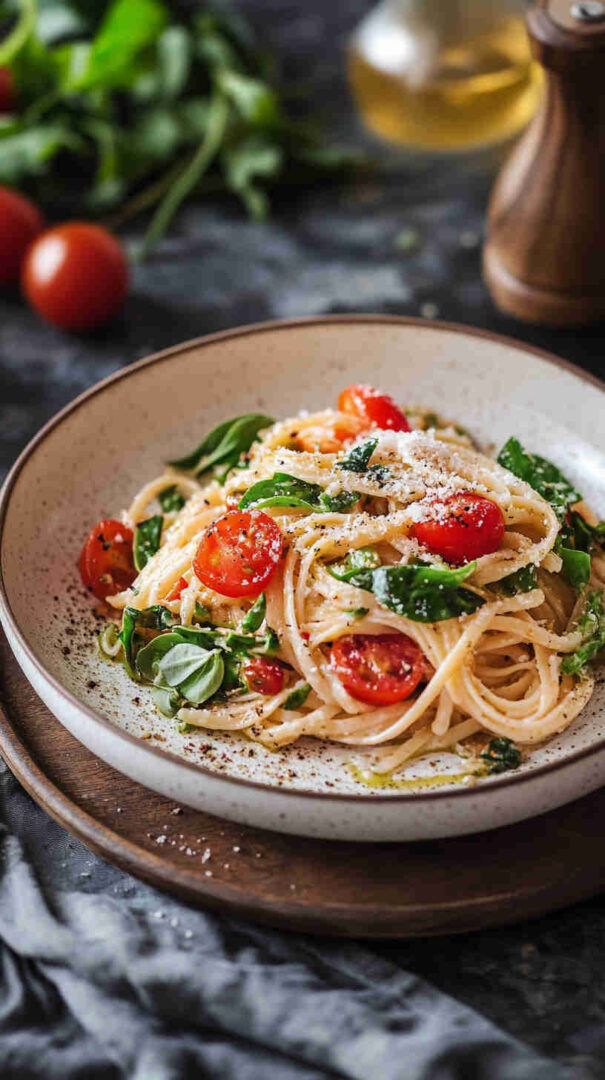
Please share this Pasta Primavera Italian Style Recipe with your friends and do a comment below about your feedback.
We will meet you on next article.
Until you can read, Mushroom Risotto Recipe