Piedmont Bagna Cauda Recipe
Bagna Cauda, a beloved Piedmontese specialty from northwest Italy, is a warm, savory dipping sauce made by slowly melting garlic and anchovies in extra virgin olive oil, often finished with butter for richness.
This “hot bath” creates an intensely flavorful, aromatic dip perfect for sharing with fresh and cooked vegetables and crusty bread during cozy autumn and winter gatherings.
Why You’ll Love This Recipe
As an experienced chef, I adore this Piedmont Bagna Cauda because it transforms humble ingredients into something truly magical and communal. The slow cooking process turns pungent garlic and salty anchovies into a silky, umami-packed sauce that’s bold yet balanced—rich, garlicky, and deeply savory without being overwhelming.
It’s incredibly versatile as a centerpiece for relaxed dinners with friends and family, encouraging everyone to dip, chat, and enjoy the warmth together. Plus, it celebrates seasonal produce, feels rustic and authentic, and brings a taste of Italian countryside tradition right to your table.
Once you try it, you’ll crave that addictive aroma and the joy of sharing it, making it a go-to for special occasions or simple weeknight treats.
Piedmont Bagna Cauda Recipe
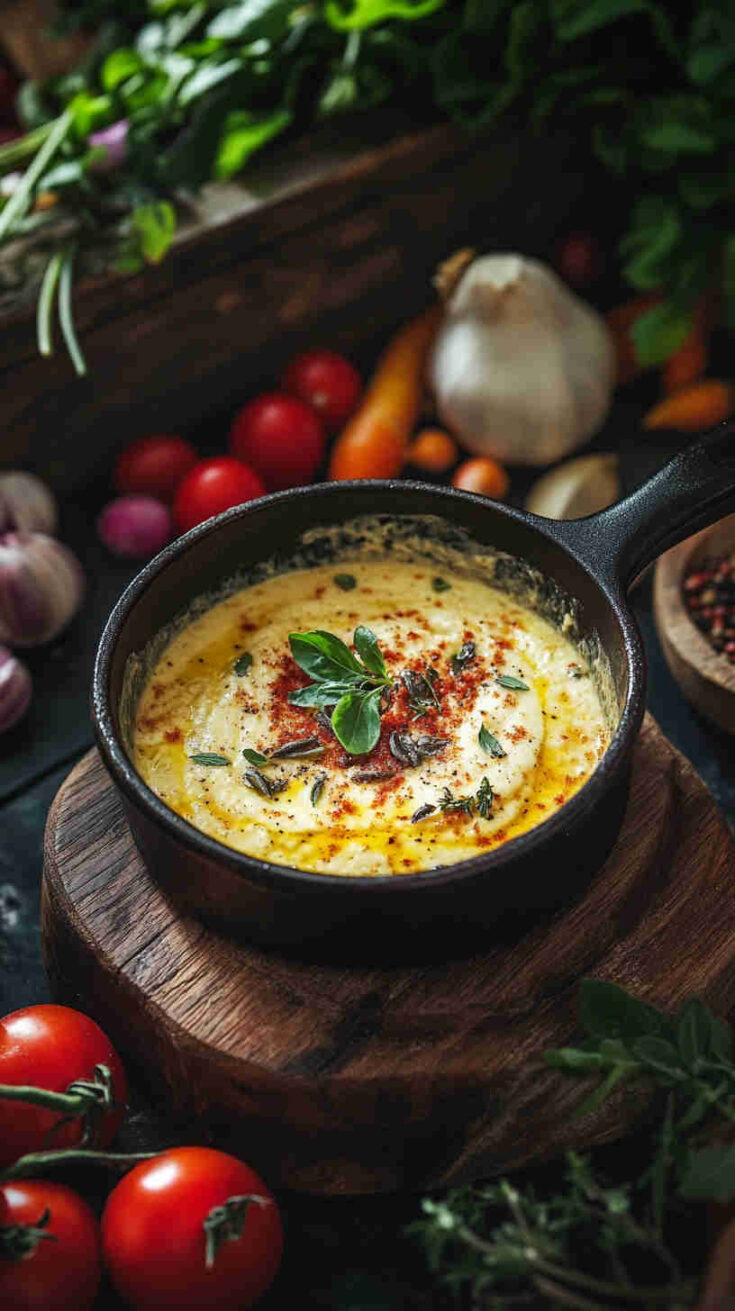
Warm Piedmontese garlic-anchovy dip served with crisp vegetables and bread for a flavorful, communal Italian experience.
Ingredients
- 20 cloves garlic, peeled and very finely chopped (about 2-3 heads, depending on size)
- ½ cup (120 ml) extra virgin olive oil
- 150g (about ½ cup well-packed) drained anchovy fillets in oil (or equivalent cleaned salted anchovies)
- ½ cup (115g) unsalted butter, cubed (or additional olive oil for dairy-free)
- Freshly ground black pepper, to taste
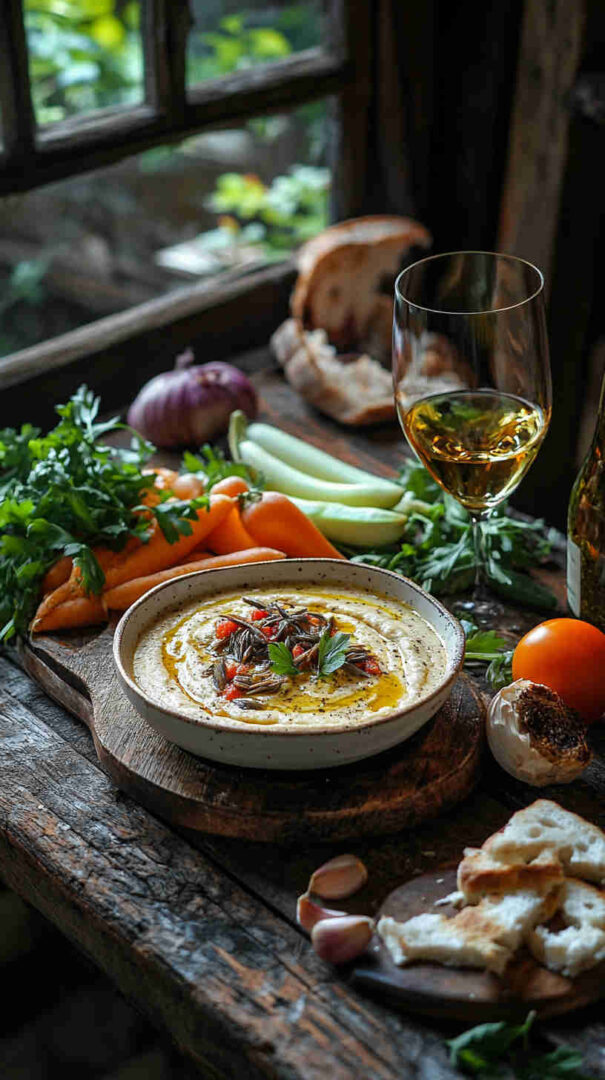
- Assorted vegetables for dipping: cardoons, bell peppers, celery, carrots, cauliflower, cabbage, radicchio, endive (raw or lightly blanched)
- Crusty Italian bread or baguette, sliced
Instructions
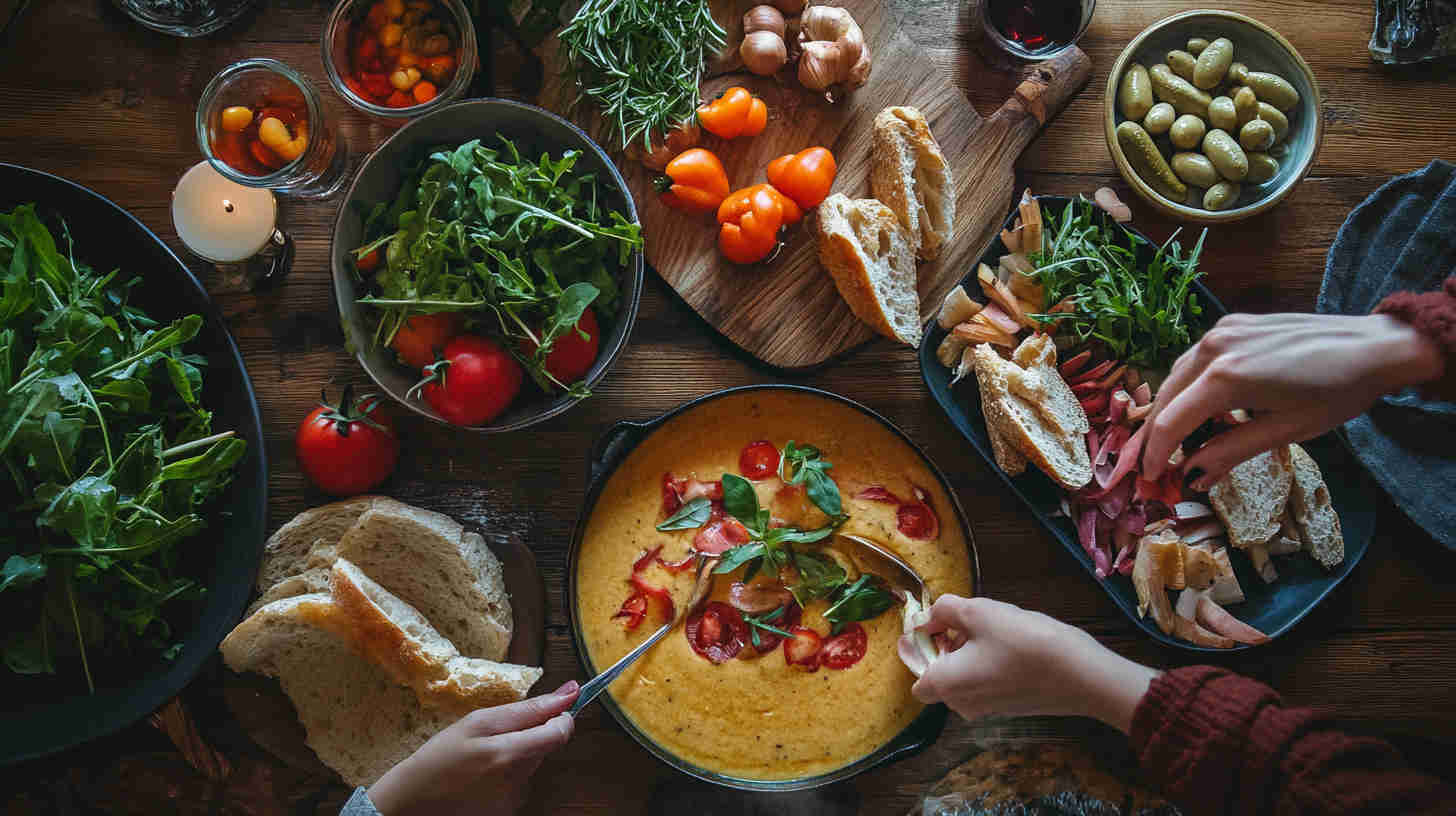
- Gather your ingredients and prepare the vegetables first—this makes the whole experience relaxing and fun. Wash and cut an abundant selection of fresh, seasonal veggies into bite-sized sticks or pieces. Lightly blanch tougher ones like cauliflower or cardoons in boiling salted water for 1-2 minutes, then plunge into ice water to keep them crisp and vibrant. Arrange everything beautifully on a large platter with slices of warm crusty bread nearby.
- Peel and finely chop the garlic cloves. Take your time here for even pieces—it helps the flavors meld perfectly during cooking. If your garlic has a green germ, remove it for a sweeter, less sharp result.
- Pour the extra virgin olive oil into a small, heavy-bottomed saucepan or terracotta pot. Add the chopped garlic right into the cold oil—no heat yet! This gentle start prevents any bitterness and lets the garlic slowly infuse its magic.
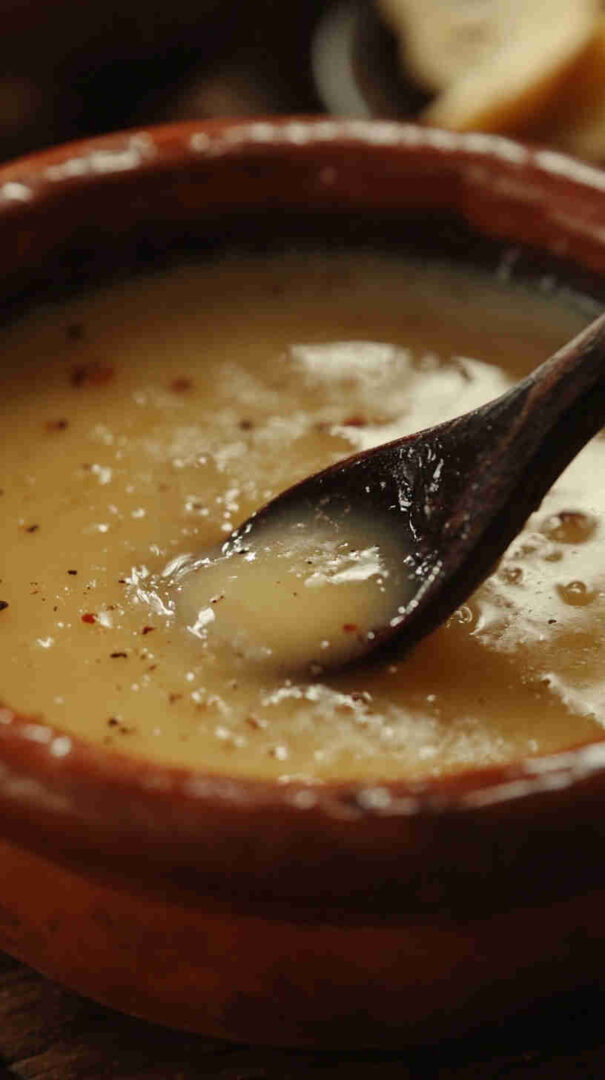
- Place the pan over the lowest possible flame on your stovetop. Let the garlic warm gently for about 10 minutes, stirring occasionally with a wooden spoon. It should soften and become aromatic but never brown or sizzle vigorously—patience creates that silky texture you’ll love.
- Once the garlic is beautifully soft, add the drained anchovy fillets. Using the back of your wooden spoon, gently crush and stir them into the warm oil. Watch as they slowly melt and dissolve, turning the mixture into a savory, fragrant base— this is where the Piedmontese soul of the dish comes alive.
- Continue cooking on very low heat for another 5-10 minutes, stirring often. The anchovies should fully integrate, creating a smooth, emulsified sauce. If it seems too thick, add a splash more olive oil to keep it dippable.
- Remove the pan from the heat momentarily and whisk in the cubed unsalted butter one piece at a time. This step adds luxurious creaminess and helps bind everything together into a glossy, inviting dip. Return to low heat if needed to fully incorporate.
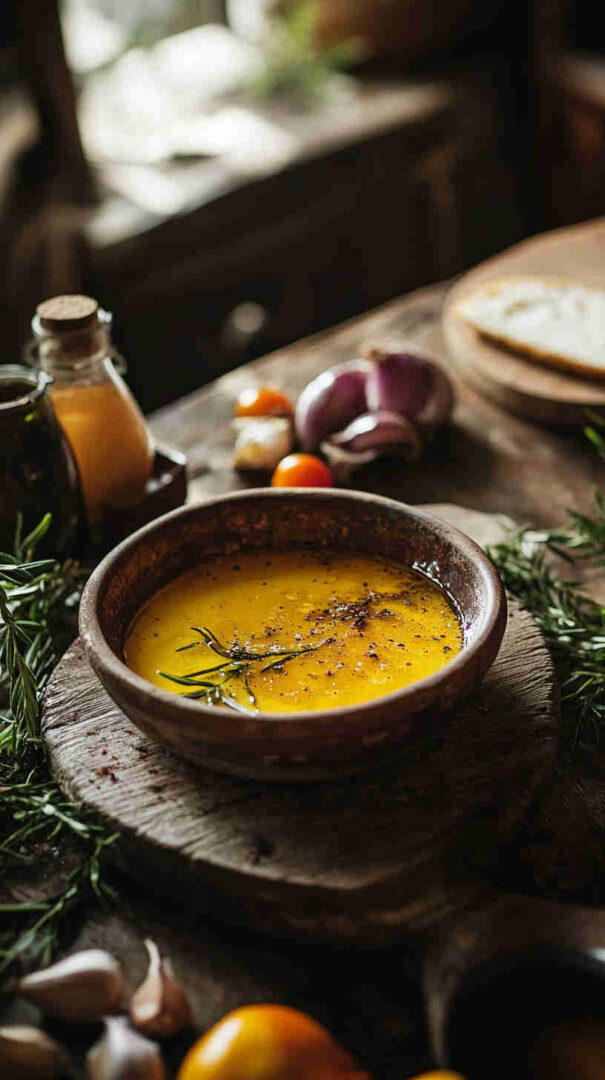
- Give the sauce a taste and season with a few grinds of fresh black pepper. Anchovies provide plenty of salt, so go easy—adjust to your preference for perfect balance.
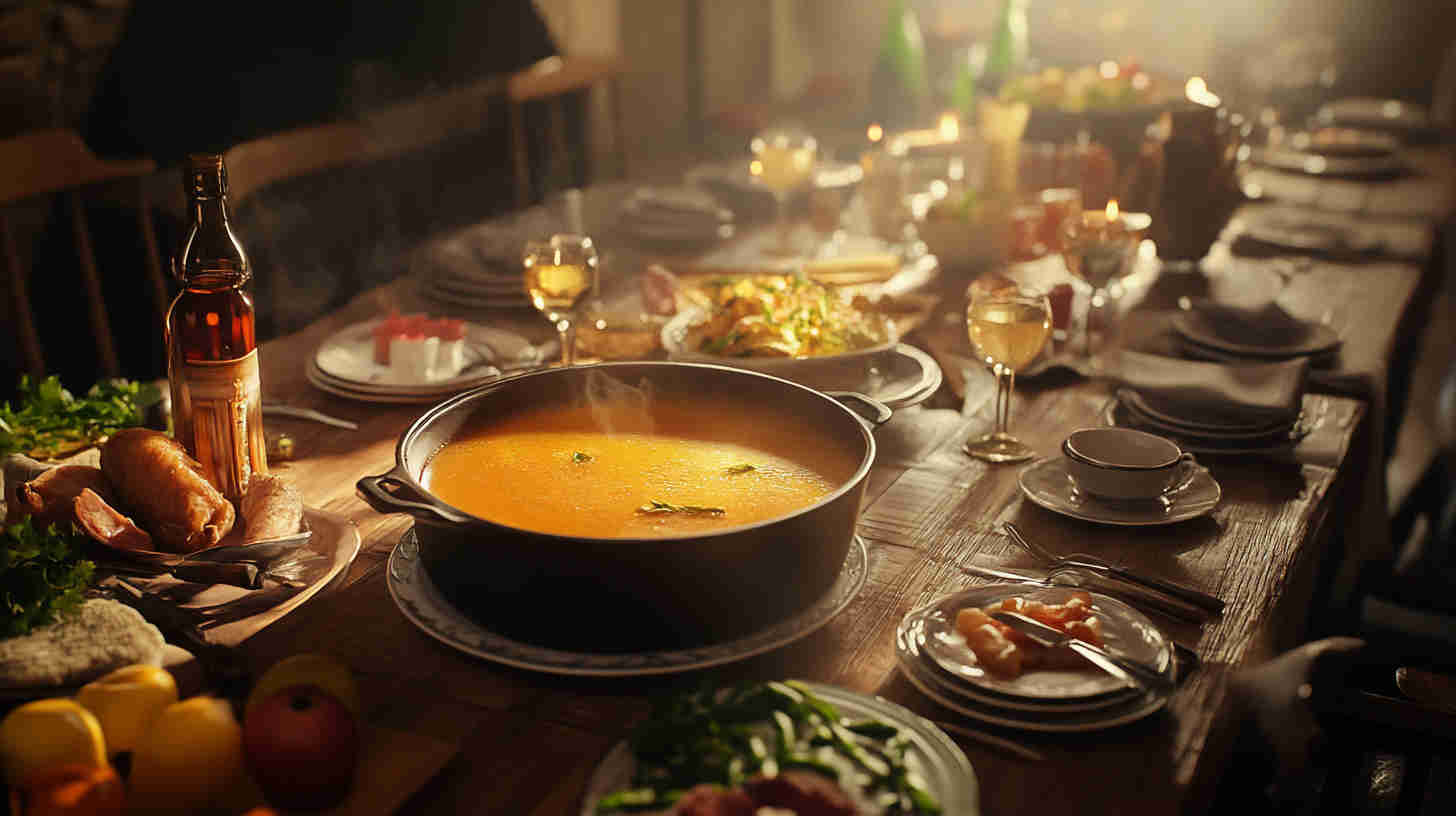
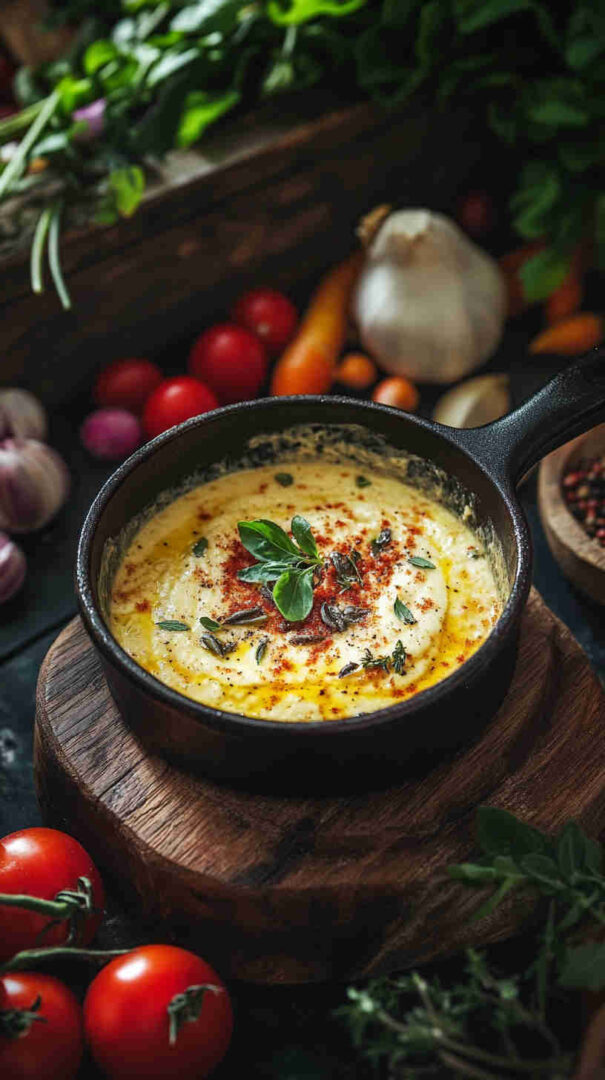
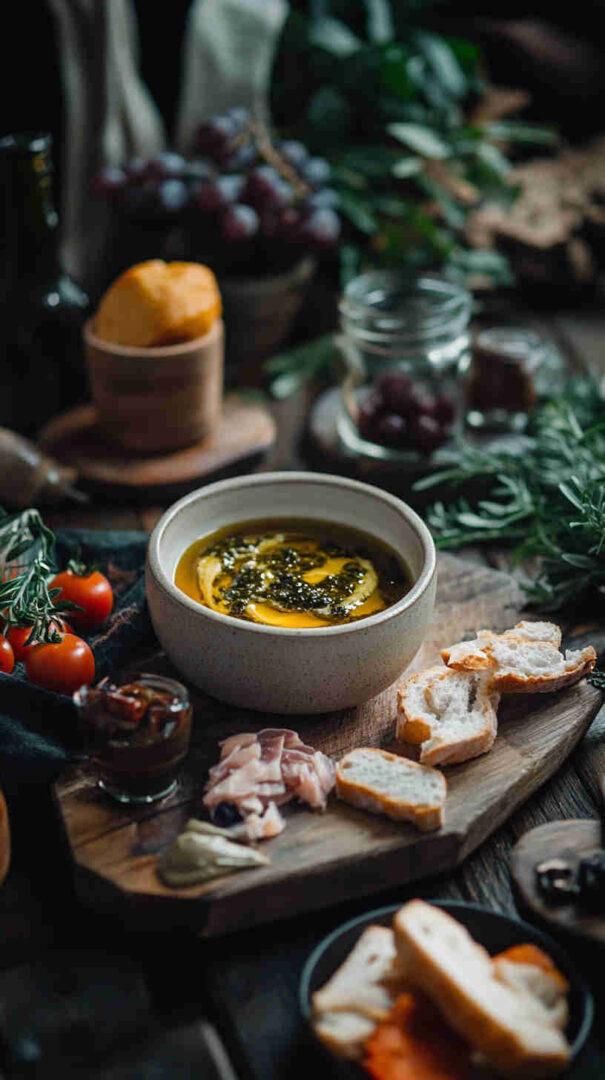
- Transfer the warm Bagna Cauda to a small fondue pot, chafing dish, or heatproof bowl set over a gentle warmer (like a tea light) to keep it invitingly hot at the table. The aroma will draw everyone in immediately!
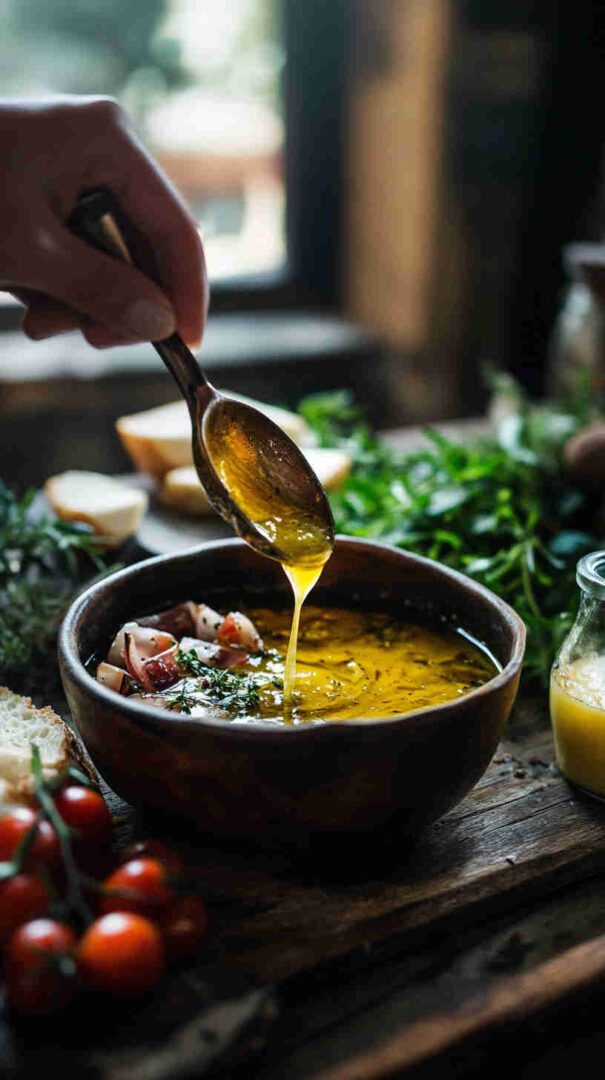
- Invite your guests to gather around, dip their colorful vegetables and bread into the luscious sauce, and savor every bite. Encourage seconds—it’s meant for joyful, lingering sharing. Enjoy the warmth, flavors, and wonderful company!
Notes
Keep the heat extremely low throughout to avoid splitting or bitterness. Bagna Cauda is traditionally served warm but not boiling. It’s naturally gluten-free and can be adapted for dairy-free diets. This dish shines in cooler months but works year-round with fresh produce.
Nutrition Information
Yield
2Serving Size
1Amount Per Serving Calories 1170Total Fat 122gSaturated Fat 42gUnsaturated Fat 80gCholesterol 197mgSodium 2740mgCarbohydrates 1gFiber 0gSugar 0gProtein 23g
The recipes and nutritional information on Yum Tonight are for informational purposes only. Always consult a healthcare provider for personalized dietary advice.
Recipe Tips and Tricks
Start with a heavy-bottomed pan or traditional terracotta dish to maintain gentle, even heat and prevent burning. Always begin with cold oil and garlic to allow slow infusion without browning the garlic, which can turn bitter.
Use a wooden spoon to gently mash the anchovies as they melt—they should dissolve completely into a smooth sauce. Keep the flame very low throughout; patience is key for the best texture.
Serve in a small fondue pot, chafing dish, or warmed bowl to keep it hot at the table. Prepare vegetables in advance for easy dipping, and have plenty of bread on hand to soak up every last drop. Taste and adjust seasoning carefully, as anchovies are naturally salty.
Ingredients Notes
High-quality extra virgin olive oil forms the luxurious base—choose a mild to medium fruitiness from Liguria or Piedmont if possible, as it carries the flavors beautifully without overpowering. Fresh garlic is essential; opt for firm, plump heads with no green sprouts (remove the germ if present for milder taste).
Anchovies are the soul of the dish—traditional recipes use salted whole anchovies that you rinse, debone, and chop, but high-quality oil-packed fillets work wonderfully for convenience and still deliver that deep, briny umami.
Unsalted butter adds creamy richness and helps emulsify the sauce; it’s optional but highly recommended for a velvety finish. All ingredients should be the best you can source, as the simple list means each one shines through in the final warm dip.
Variations and Substitutions
For a more traditional and labor-intensive version, use salted anchovies cleaned in red wine instead of oil-packed for an authentic Piedmontese depth. Some families add a splash of milk while softening the garlic to mellow its sharpness, creating a gentler sauce. Walnut oil can replace part of the olive oil for a nutty regional twist common in Piedmont.
If you prefer a lighter version, skip the butter entirely and use only olive oil, or incorporate a touch of heavy cream for extra silkiness. Vegetarians can experiment with umami-rich substitutes like miso or seaweed, though it won’t be classic.
For heat lovers, a pinch of chili flakes works, while truffle shavings (a noble historical variation) elevate it for special occasions. Adjust garlic quantity based on your tolerance—start lower if you’re new to its boldness.
Storage Options
Store leftover Bagna Cauda in an airtight container in the refrigerator for up to 5 days. The oil and butter will solidify when chilled, so reheat gently over very low heat on the stovetop, stirring until smooth and warm again—do not microwave to avoid separation.
For longer storage, freeze in small portions for up to 3 months; thaw overnight in the fridge and reheat slowly. It’s best enjoyed fresh, but these options make it practical for meal prep.
Dish Gallery
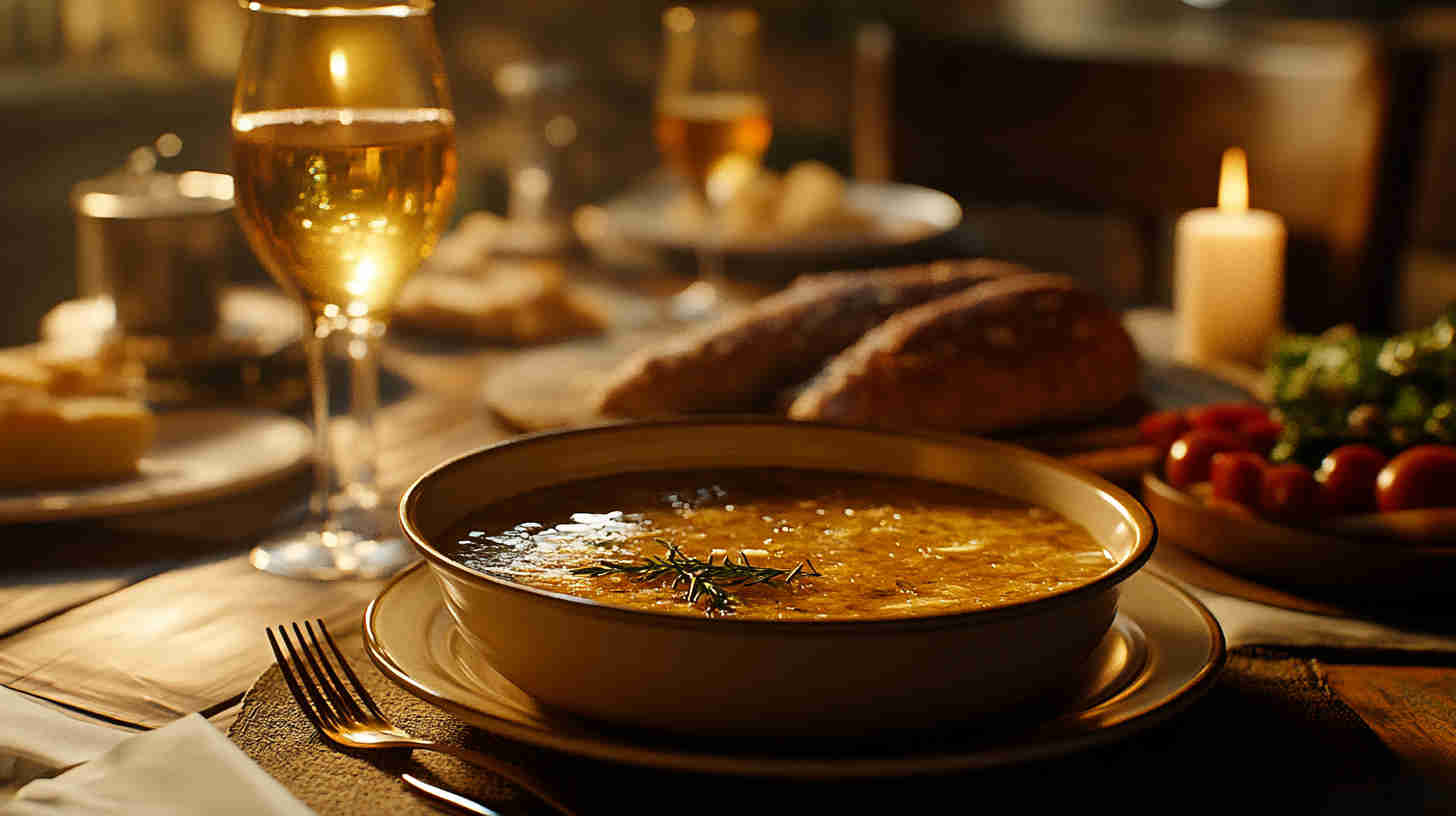
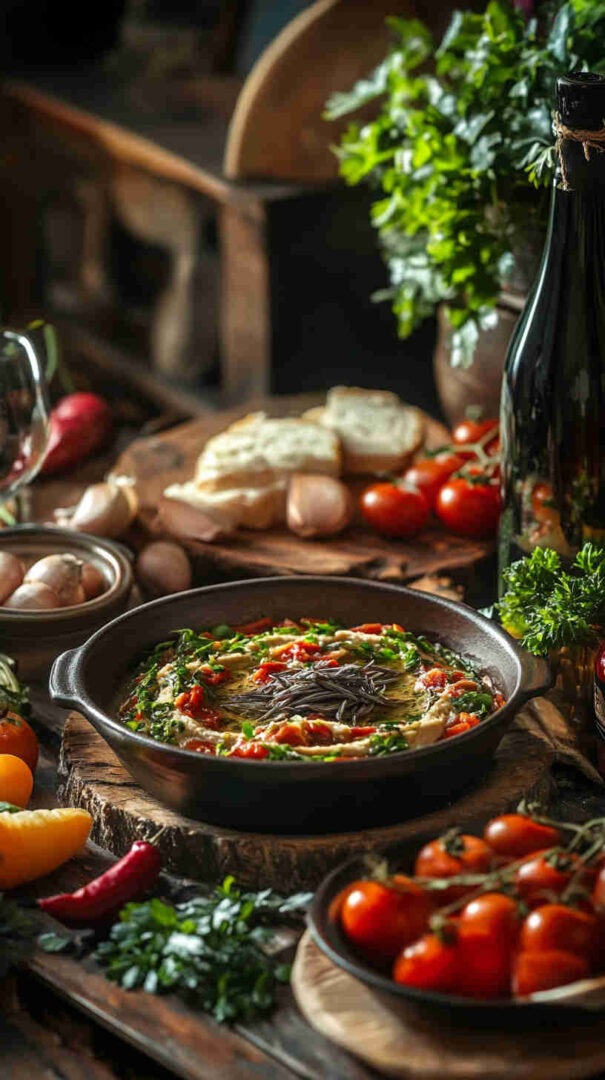
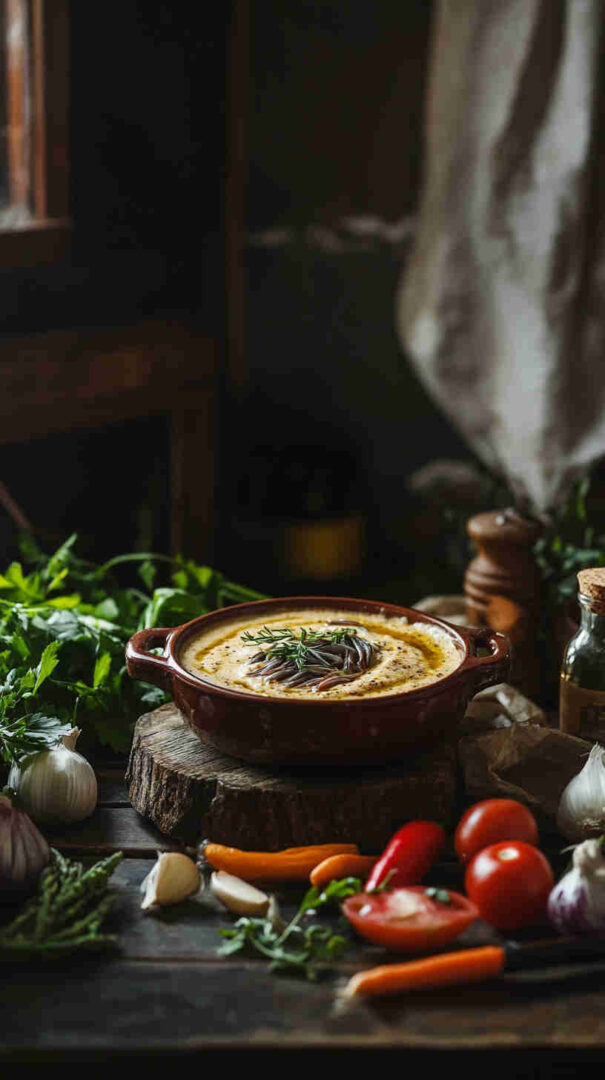
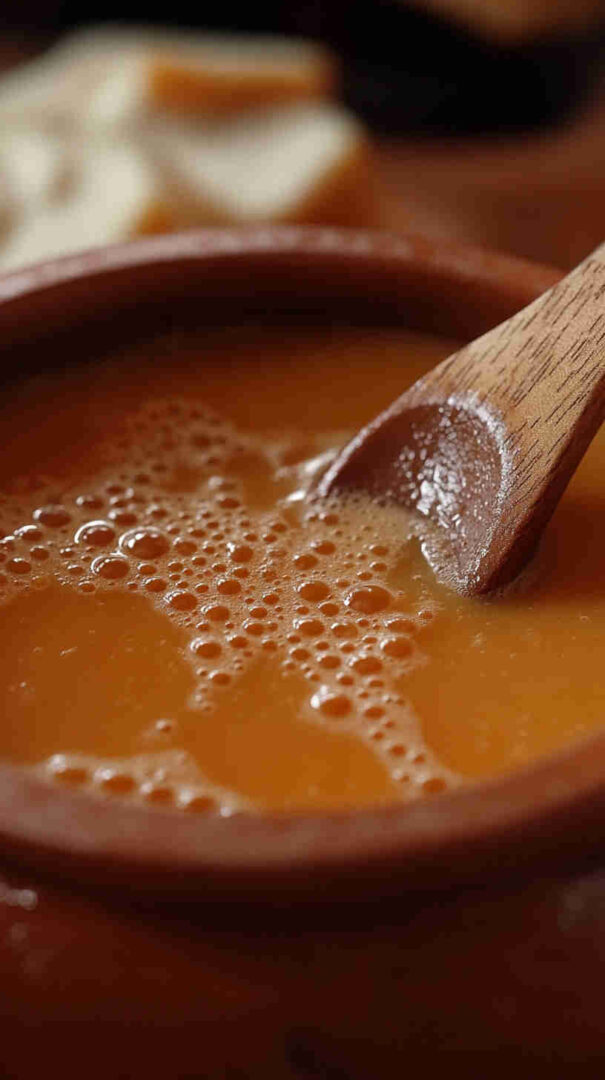
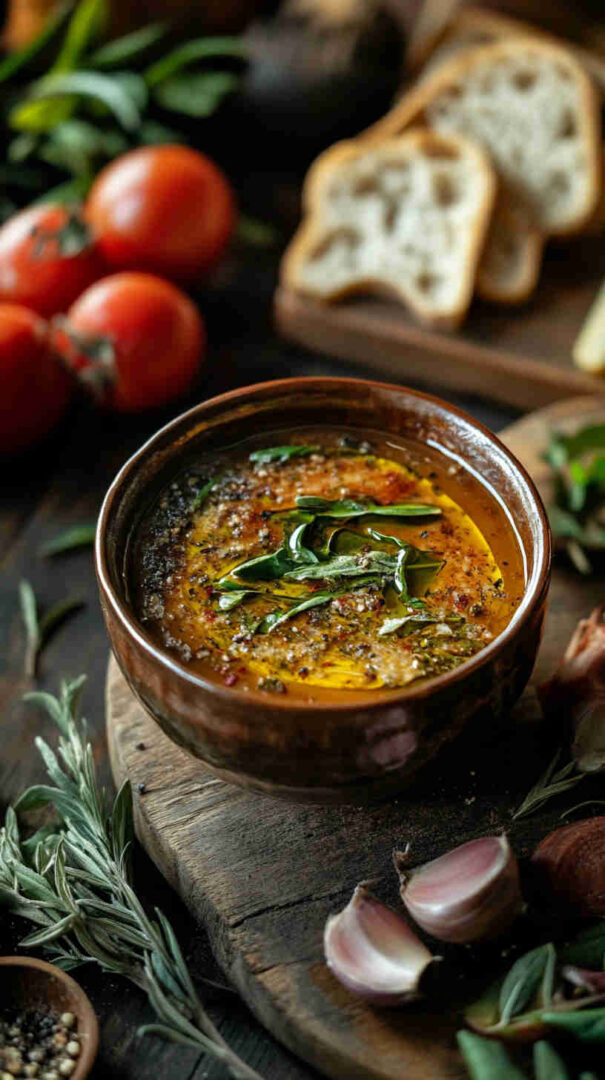
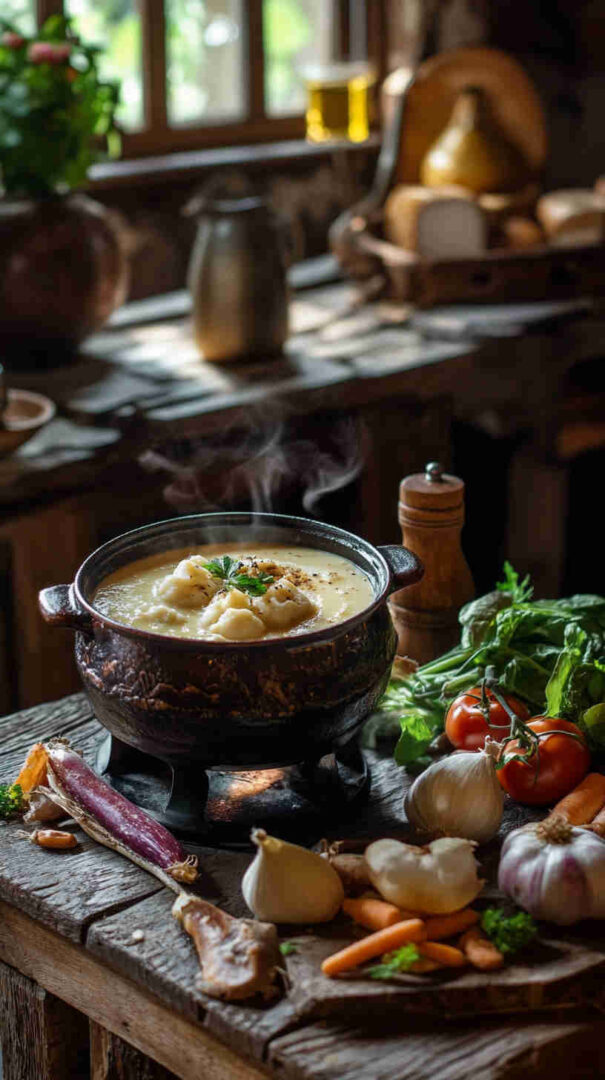
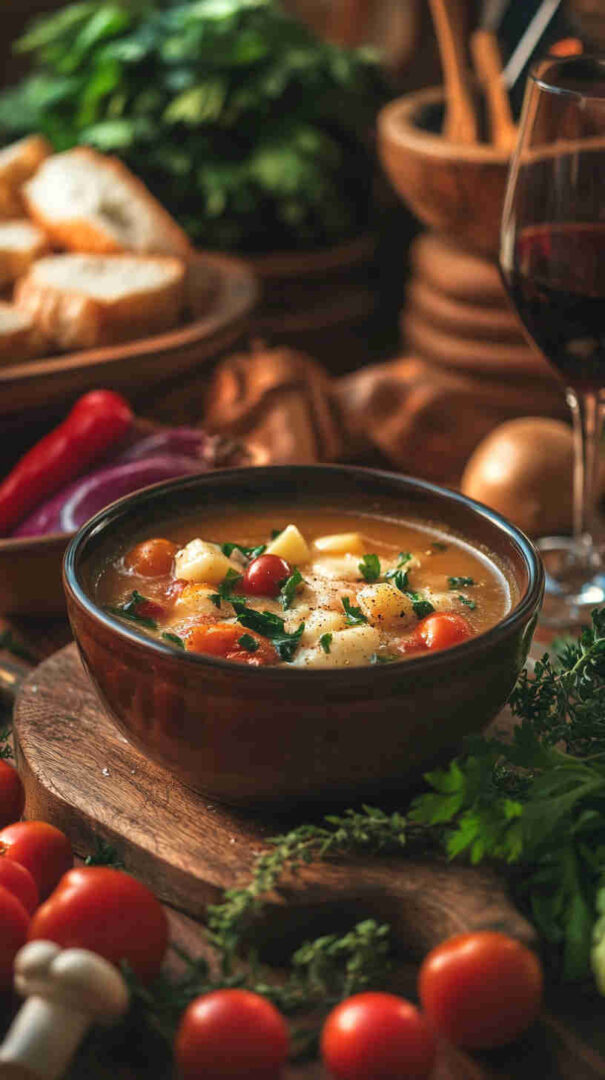
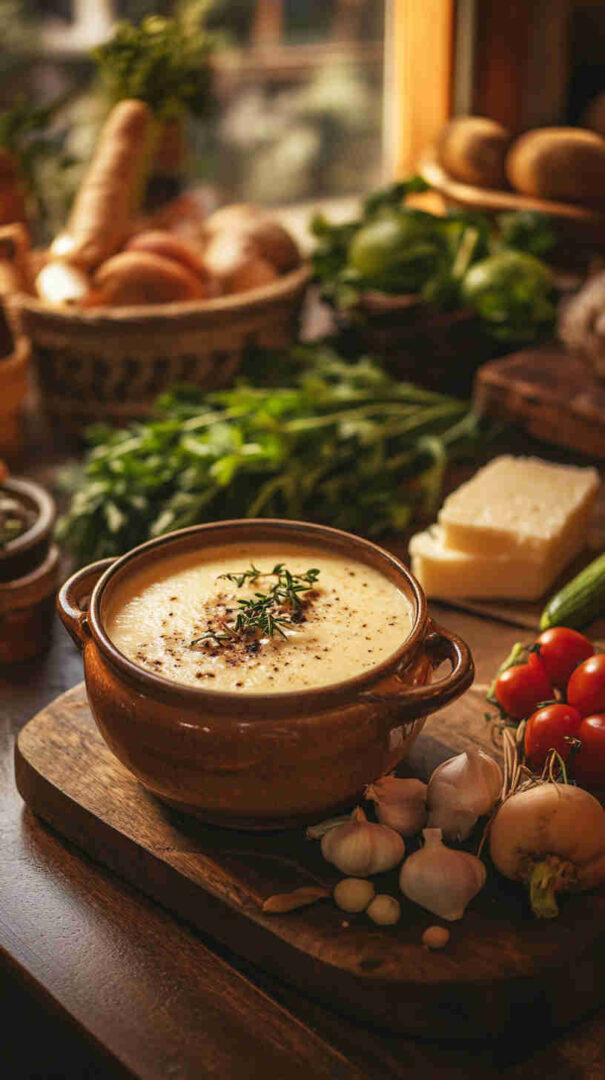
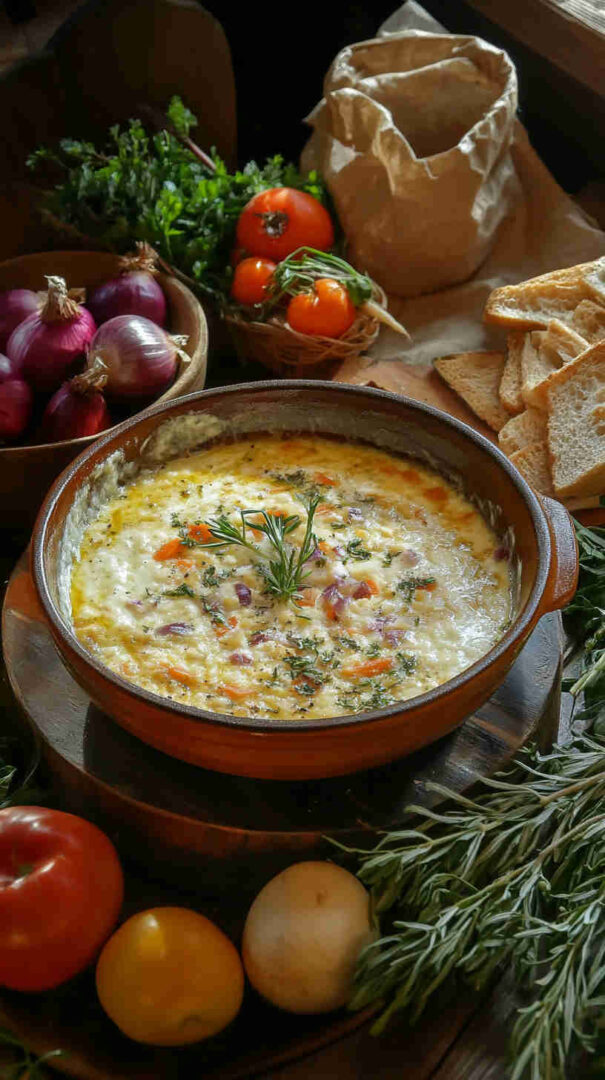
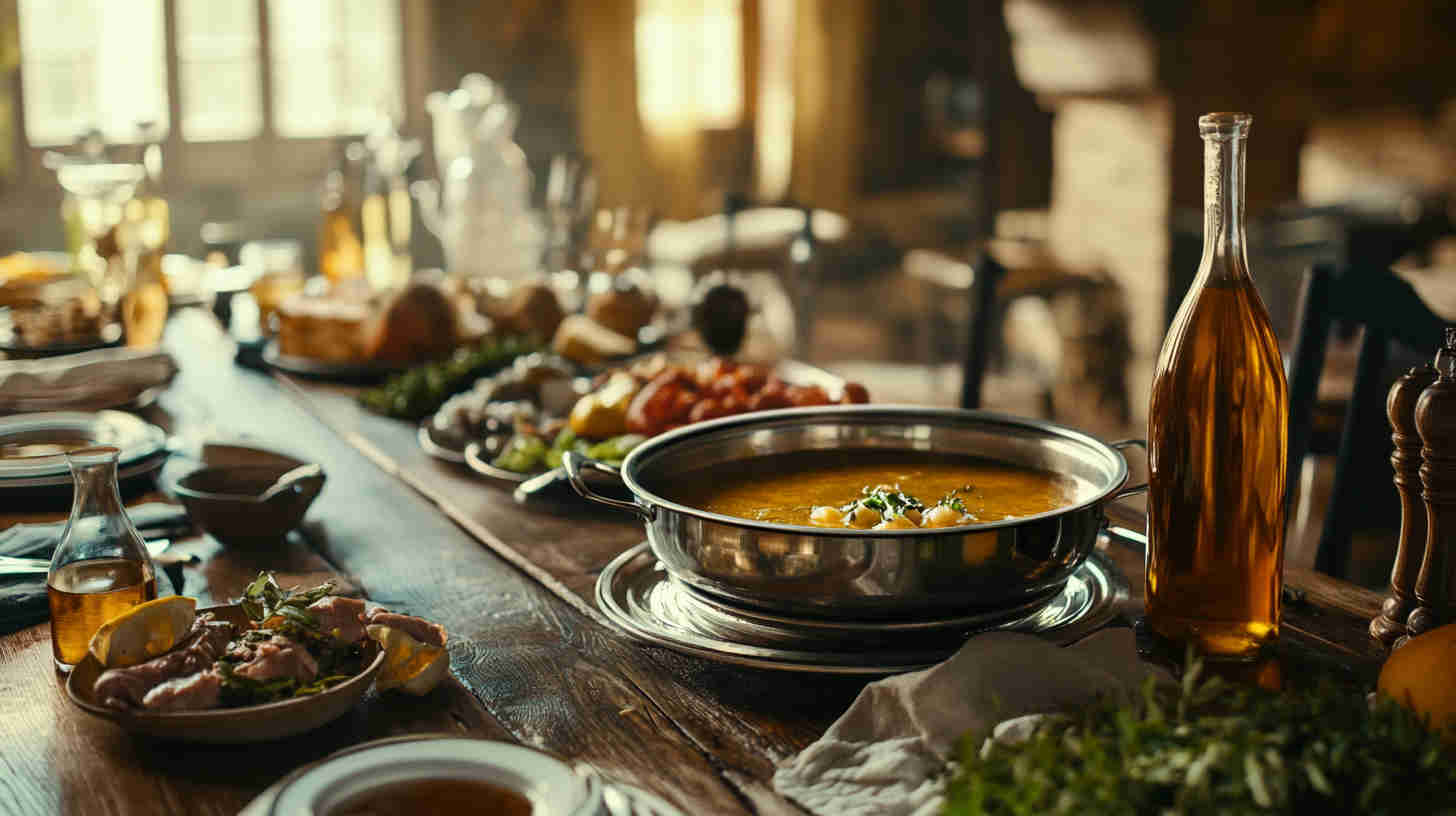
Please share this Piedmont Bagna Cauda Recipe with your friends and do a comment below about your feedback.
We will meet you on next article.
Until you can read, Neapolitan Sfogliatella Pastry Recipe