Rustic Whole Wheat Sourdough Bread
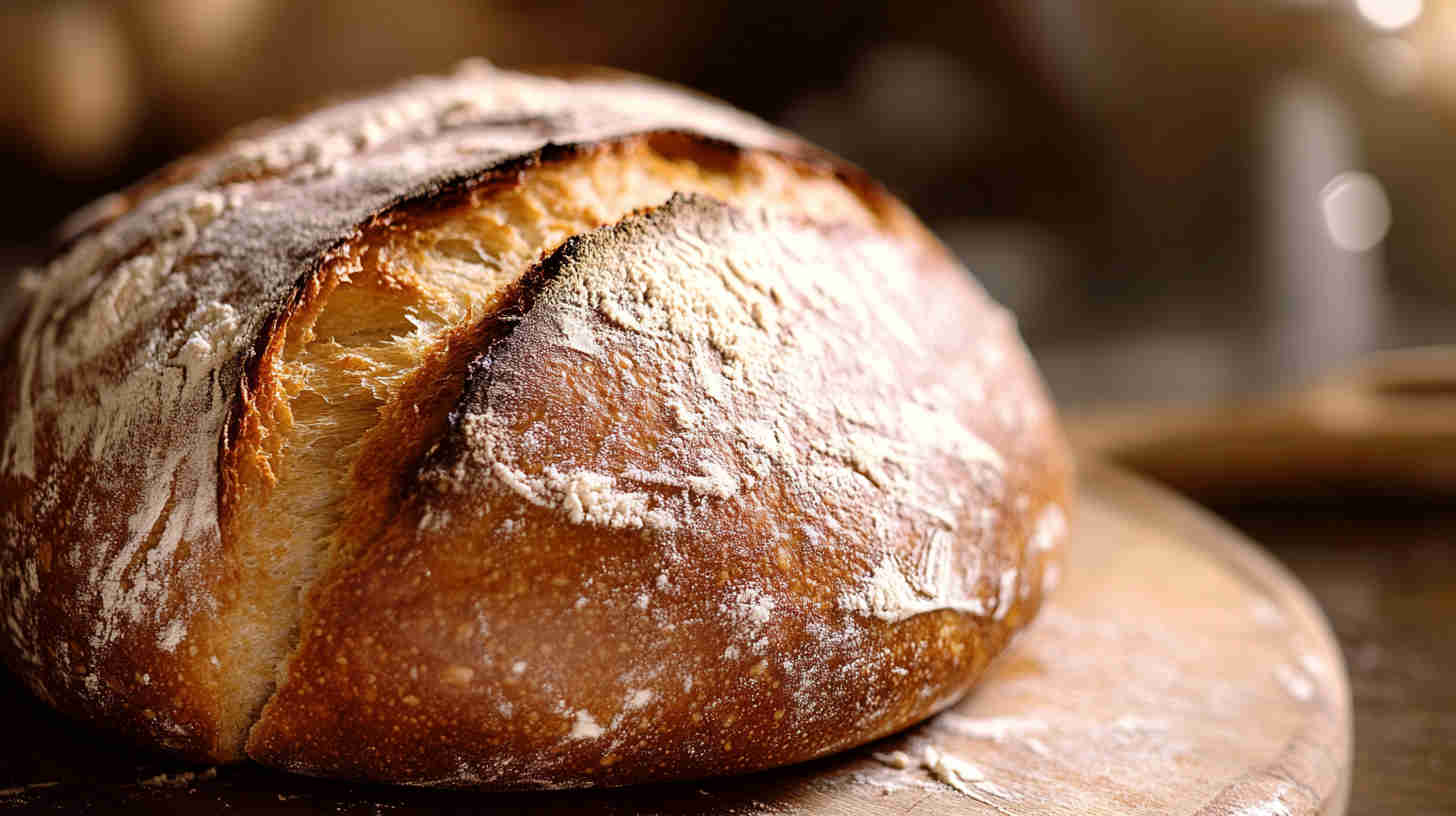
This rustic whole wheat sourdough bread celebrates the pure, nutty essence of freshly milled whole wheat flour. Naturally leavened with active sourdough starter, it delivers a crisp golden crust, open airy interior, and deep wholesome flavor. Ideal for health-conscious bakers seeking nutrient-dense, additive-free artisan bread from scratch.
Why You’ll Love This Recipe:
You’ll fall in love with this recipe because it transforms simple, freshly milled whole wheat berries into a nourishing, flavorful loaf that’s far superior to store-bought bread. The fresh milling preserves maximum nutrients, oils, and natural sweetness from the grain, resulting in a richer taste and better digestibility than pre-ground whole wheat flour.
It’s naturally fermented with sourdough starter, which improves gut health, reduces phytic acid, and creates that signature tangy depth without commercial yeast. The rustic shape gives it beautiful artisan appeal with a crackly crust and chewy texture that’s perfect for toasting, sandwiches, or enjoying warm with butter.
Plus, it’s rewarding to master—once you get the feel for fresh milled dough’s slightly higher absorption and fermentation needs, you’ll bake consistently gorgeous loaves that make your kitchen smell incredible and impress everyone who tries a slice.
Rustic Whole Wheat Sourdough Bread
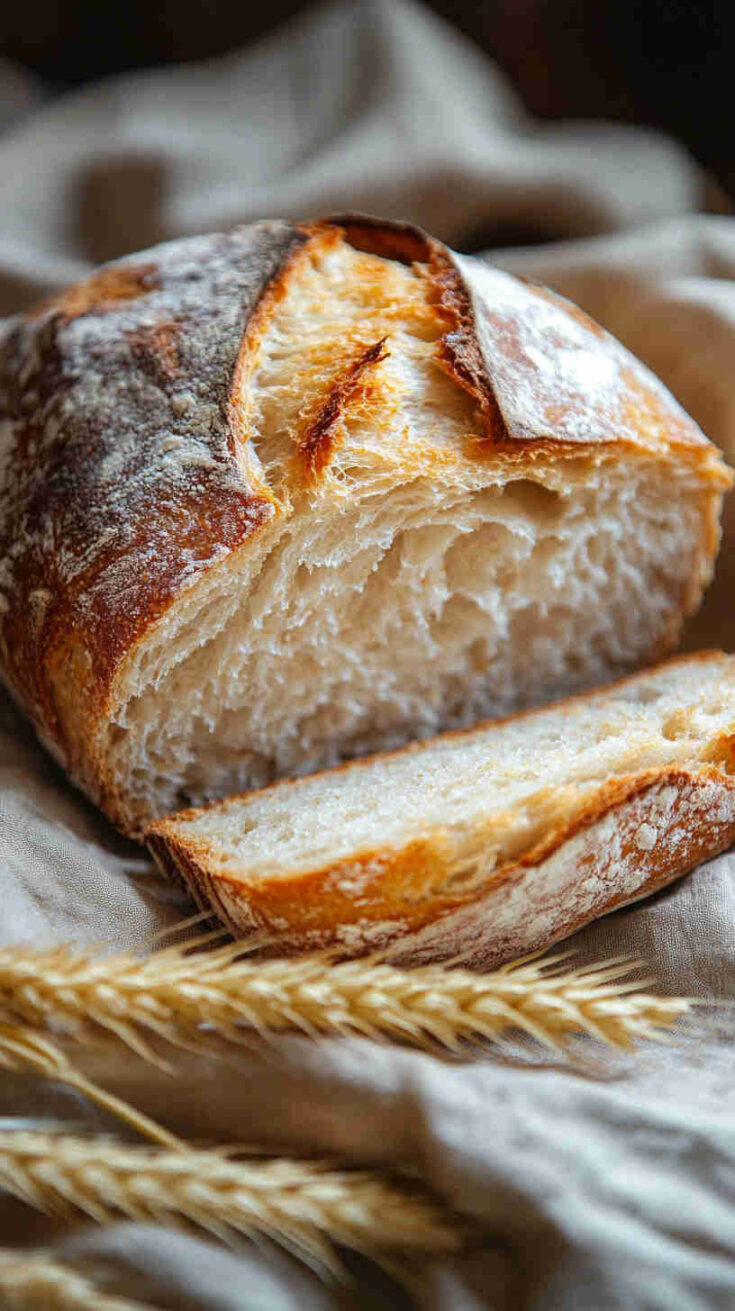
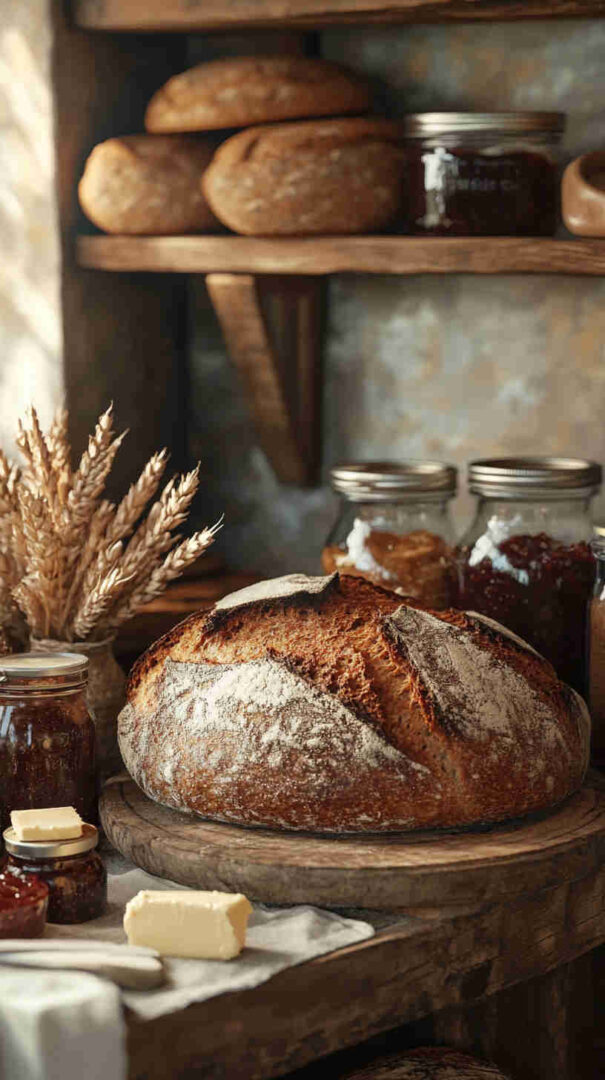
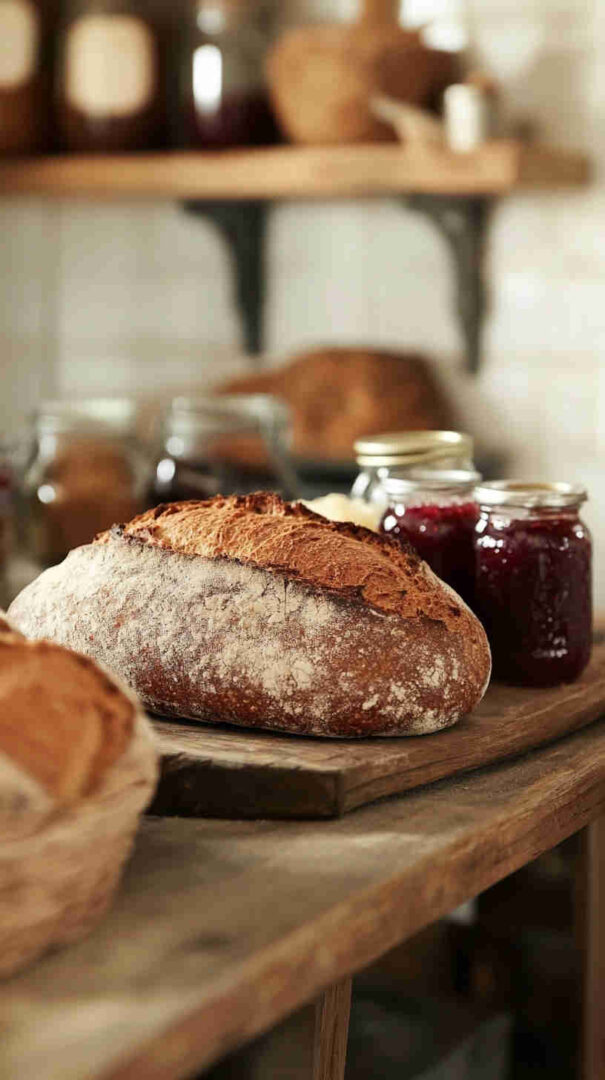
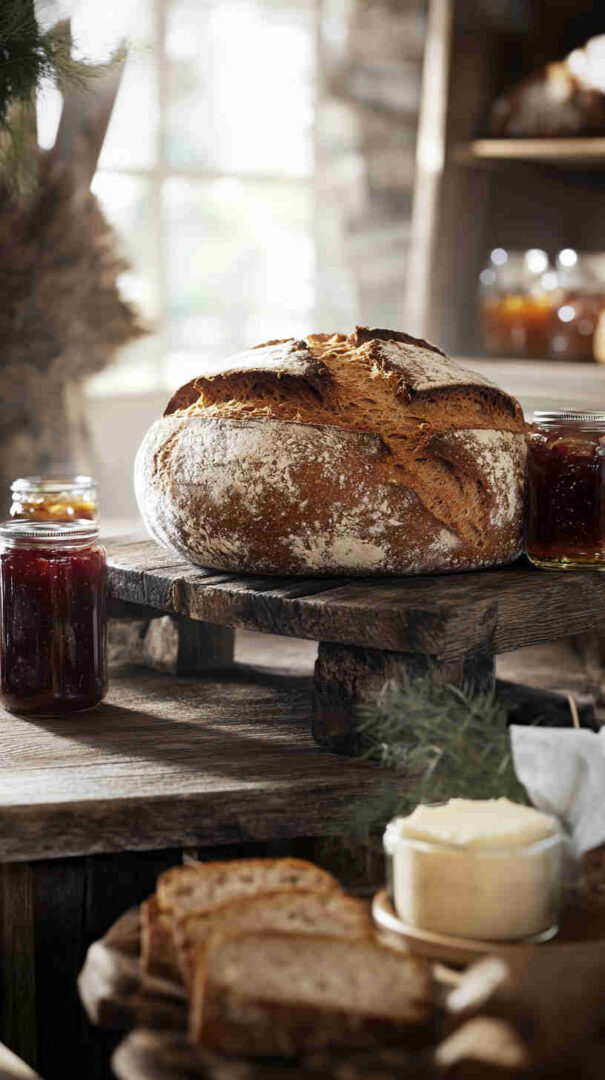
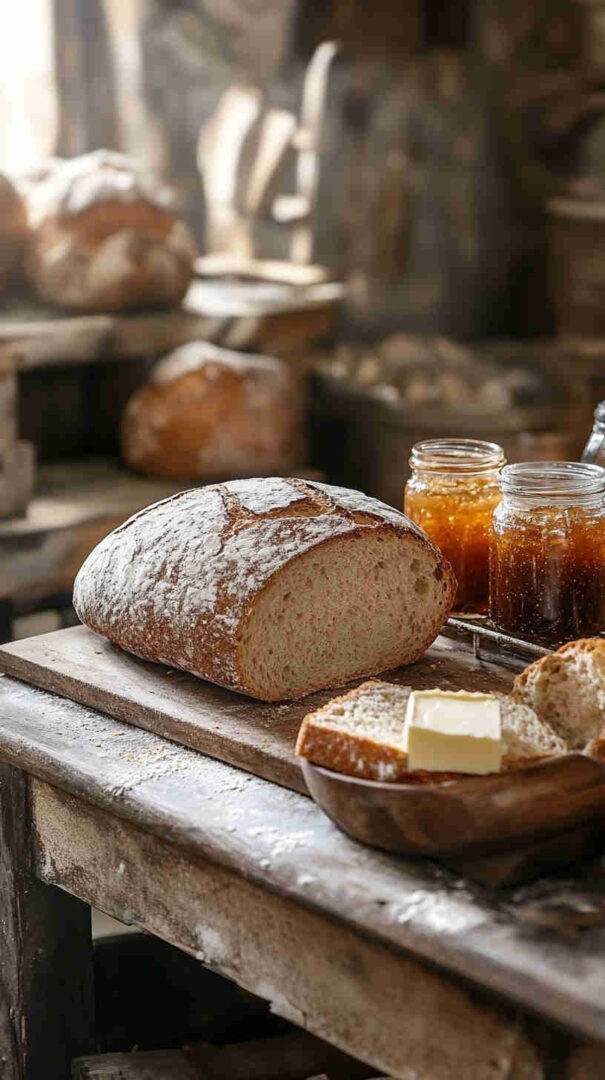
Nutty, crusty 100% fresh milled whole wheat sourdough loaf—wholesome, tangy, and artisan-perfect for everyday enjoyment.
Ingredients
- 500g fresh milled whole wheat flour (from hard white, hard red, or mix wheat berries—mill fresh!)
- 350-375g room temperature filtered water (start with 350g, adjust as needed)
- 100g active sourdough starter (fed and bubbly)
- 10-11g fine sea salt
Instructions
- Mill the Flour Freshly — Grab your grain mill and grind about 520-550g hard wheat berries to yield 500g fresh flour. Do this right before starting so the flour is warm and vibrant—your kitchen will smell amazing already!
- Mix the Dough — In a large mixing bowl, combine 350g water and 100g active starter. Stir until mostly dissolved. Add the 500g fresh milled flour and mix with your hands or a spoon until no dry bits remain—it'll be shaggy and sticky, that's perfect. Cover and let rest 30 minutes (autolyse helps hydration).
- Add Salt & Knead Gently — Sprinkle the 10-11g salt over the dough. Wet your hands and squeeze/mix to incorporate. Perform 3-4 stretch-and-folds in the bowl (pull one side up and over the center, rotate, repeat). Cover and rest 30 minutes.
- Bulk Fermentation with Folds — Every 30-45 minutes for the next 3-4 hours (4-6 sets total), do gentle stretch-and-folds. The dough will become smoother, more elastic, and puffier. Keep it in a warm spot.
- Shape the Loaf — On a lightly floured surface, gently turn out the dough. Fold edges toward the center to form a loose ball. Let rest 15-20 minutes, then flip and shape into a tight boule or batard by pulling the surface taut.
- Final Proof — Place seam-side up in a floured proofing basket or bowl lined with a tea towel. Cover and proof 2-4 hours at room temp (or overnight in the fridge for better flavor and easier scoring).
- Preheat Oven — About 45 minutes before baking, place a Dutch oven (with lid) in your oven and preheat to 450-475°F (230-245°C). Get that pot screaming hot!
- Score & Bake — Carefully turn the dough onto parchment, score the top deeply with a lame or sharp knife (one long slash or cross for rustic look). Lift parchment and place into hot Dutch oven. Cover and bake 25 minutes.
- Finish for Crust — Remove lid, lower temp to 425°F if needed, and bake another 20-30 minutes until deep golden-brown and internal temp reaches 205-210°F. The crust should sound hollow when tapped.
- Cool & Enjoy — Remove loaf to a wire rack. Resist slicing for at least 2-3 hours—this sets the crumb for that perfect chewy texture. Slice, slather with butter, and savor every bite of your homemade masterpiece!
Notes
Fresh milled flour ferments faster and absorbs more water—adjust hydration based on your grain type and mill fineness. Always use an active, mature starter for best rise. This is a 100% whole wheat recipe, so expect a denser, heartier loaf than white sourdough—it's nutrient-packed and full of flavor!
Nutrition Information
Yield
12Serving Size
1Amount Per Serving Calories 161Total Fat 1gSaturated Fat 0gUnsaturated Fat 1gSodium 52mgCarbohydrates 34gFiber 5gSugar 1gProtein 6g
The recipes and nutritional information on Yum Tonight are for informational purposes only. Always consult a healthcare provider for personalized dietary advice.
Recipe Tips and Tricks:
- Mill your wheat berries fresh right before mixing—the flour is warmer and more active, absorbing water better and yielding superior flavor.
- Use hard white wheat berries for a milder, sweeter loaf or hard red for earthier notes; a 50/50 mix works wonderfully.
- Fresh milled flour absorbs more water than store-bought, so watch hydration and add extra water gradually if the dough feels stiff.
- Perform gentle stretch-and-folds during bulk fermentation to build strength without overworking the dough.
- Proof in a warm spot (around 75-80°F/24-27°C) for best rise; cooler temps slow fermentation.
- Preheat your Dutch oven thoroughly for the best oven spring and crust.
- Score deeply to control expansion and prevent random cracks.
- Let the loaf cool completely (at least 2-3 hours) before slicing to set the crumb properly.
- If your starter is sluggish, feed it fresh milled flour for better performance with this recipe.
Ingredients Notes:
Fresh milled flour is the star—grind hard white or hard red wheat berries (or a blend) in a home grain mill just before use to capture peak freshness, enzymes, and nutrients that degrade quickly in pre-ground flour.
Active sourdough starter (100% hydration, bubbly and doubled after feeding) provides natural leavening and tangy flavor; it should pass the float test. Filtered or room-temperature water helps avoid chlorine inhibiting fermentation.
Fine sea salt enhances flavor and strengthens gluten—don’t reduce it. No added oils, sugars, or commercial yeast needed; simplicity lets the grain shine.
Variations and Substitutions:
For a milder loaf, use 100% hard white wheat berries or substitute 20-30% with fresh milled spelt, einkorn, or rye for nuttier complexity. Add 50-100g seeds (sunflower, sesame, flax) or nuts during the last stretch-and-fold for texture.
For extra tang, increase starter to 120g or extend bulk fermentation. If no Dutch oven, bake on a preheated stone with steam (ice cubes in a pan). For higher hydration (more open crumb), bump water to 375-400g but strengthen with extra folds.
If fresh milling isn’t possible, substitute high-quality stone-ground whole wheat flour but expect slightly denser results—add 1-2 tbsp vital wheat gluten if needed.
Storage Options:
Store at room temperature in a bread box or linen bag for 2-3 days to maintain crust crispness. For longer, wrap tightly in beeswax wrap or foil and keep on the counter up to 5 days, or freeze sliced in airtight bags for up to 3 months—thaw and toast slices directly from frozen. Refresh stale bread by sprinkling with water and warming in a 350°F oven for 5-10 minutes.
Dish Gallery
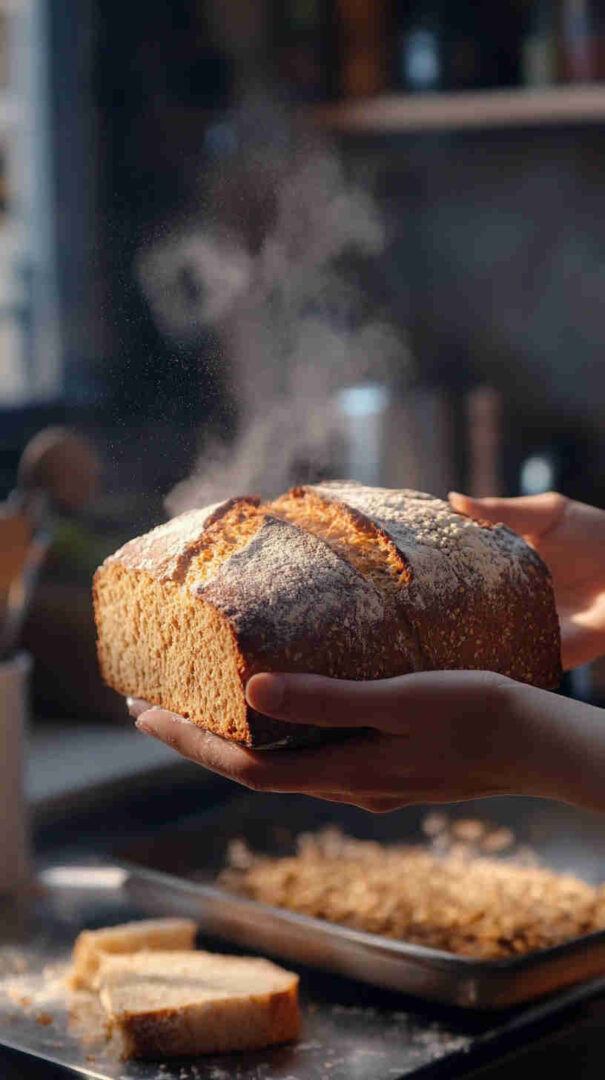
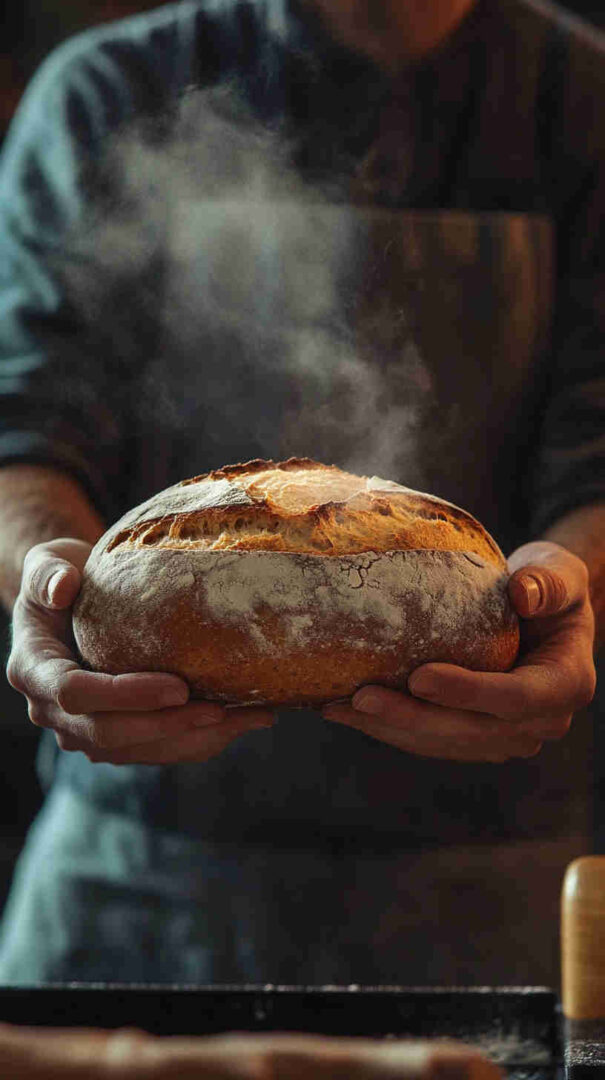
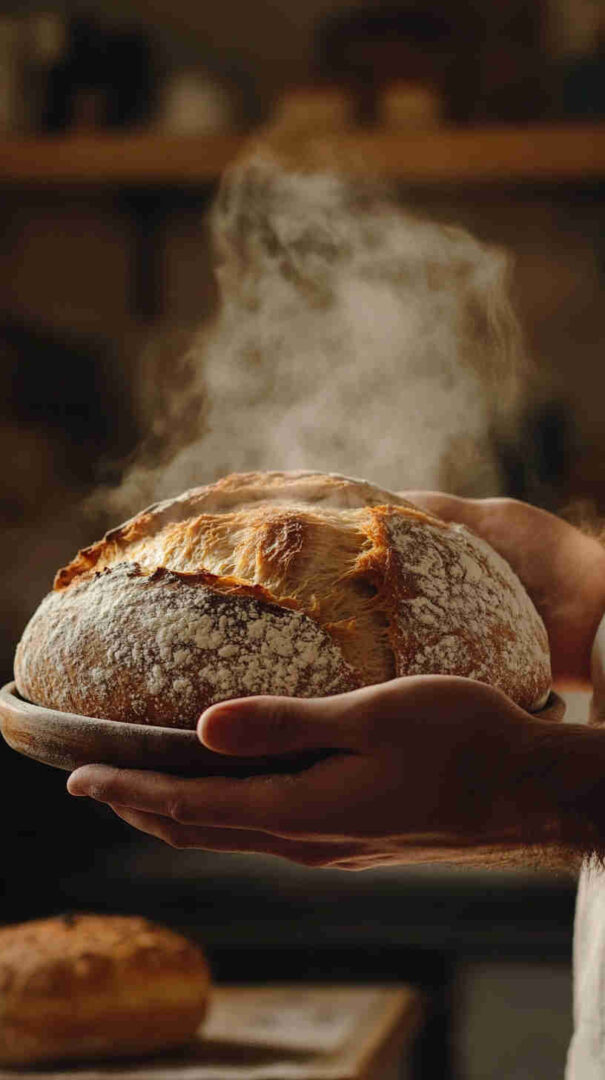
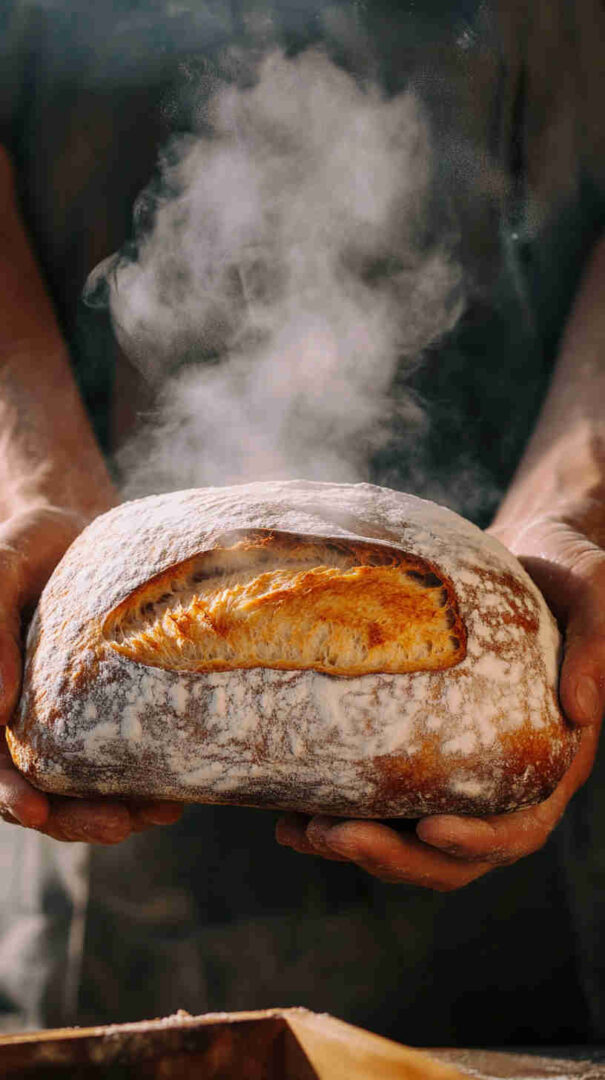
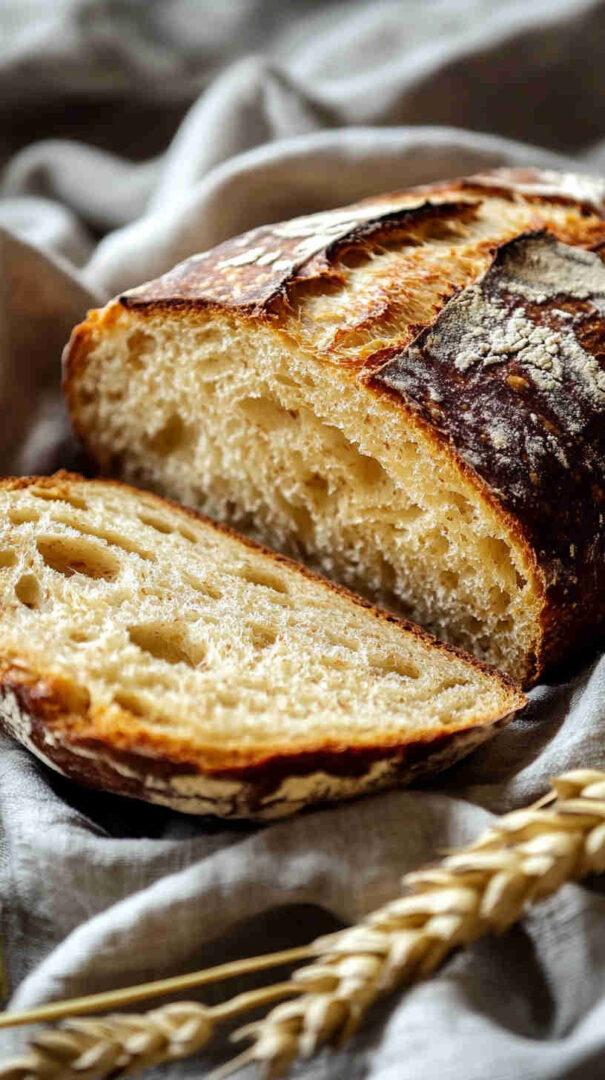
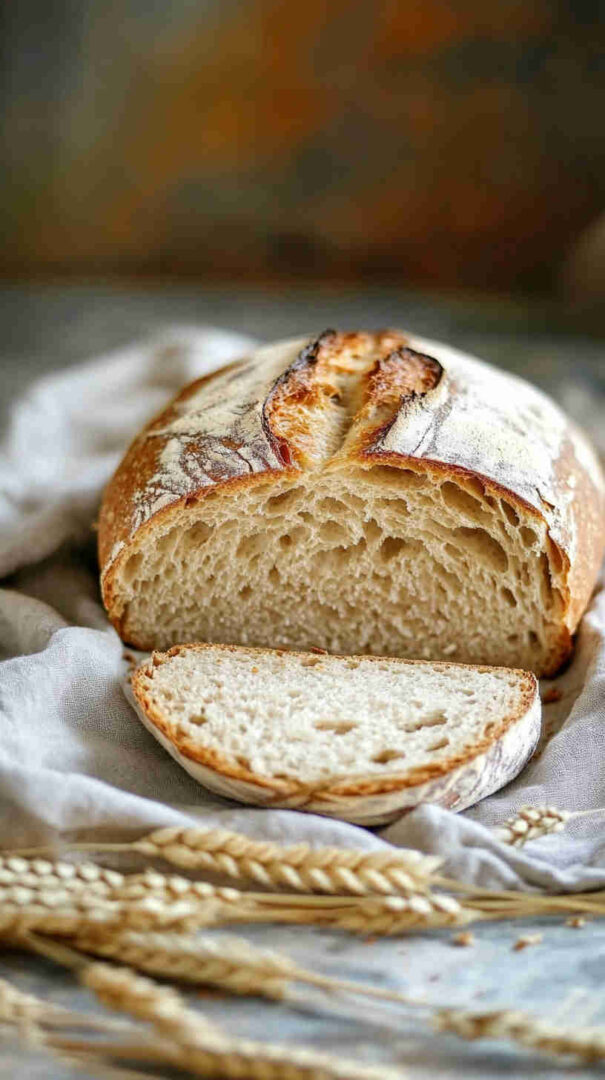
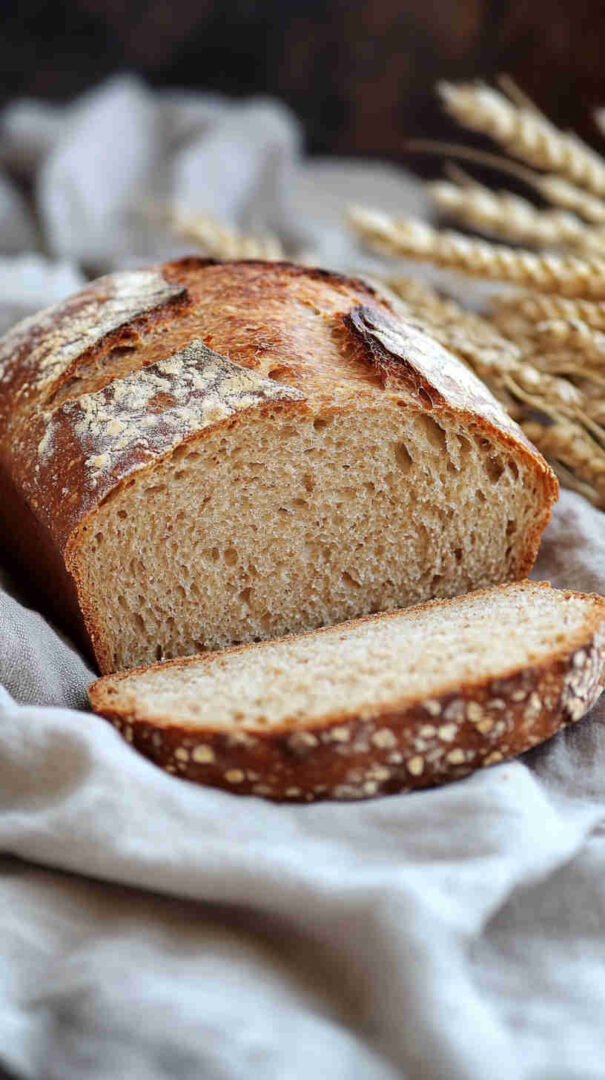
Please share this Classic Italian Antipasto Platter Recipe with your friends and do a comment below about your feedback.
We will meet you on next article.
Until you can read, Italian Spinach and Artichoke Pizza Recipe