Traditional Italian Budino Recipe
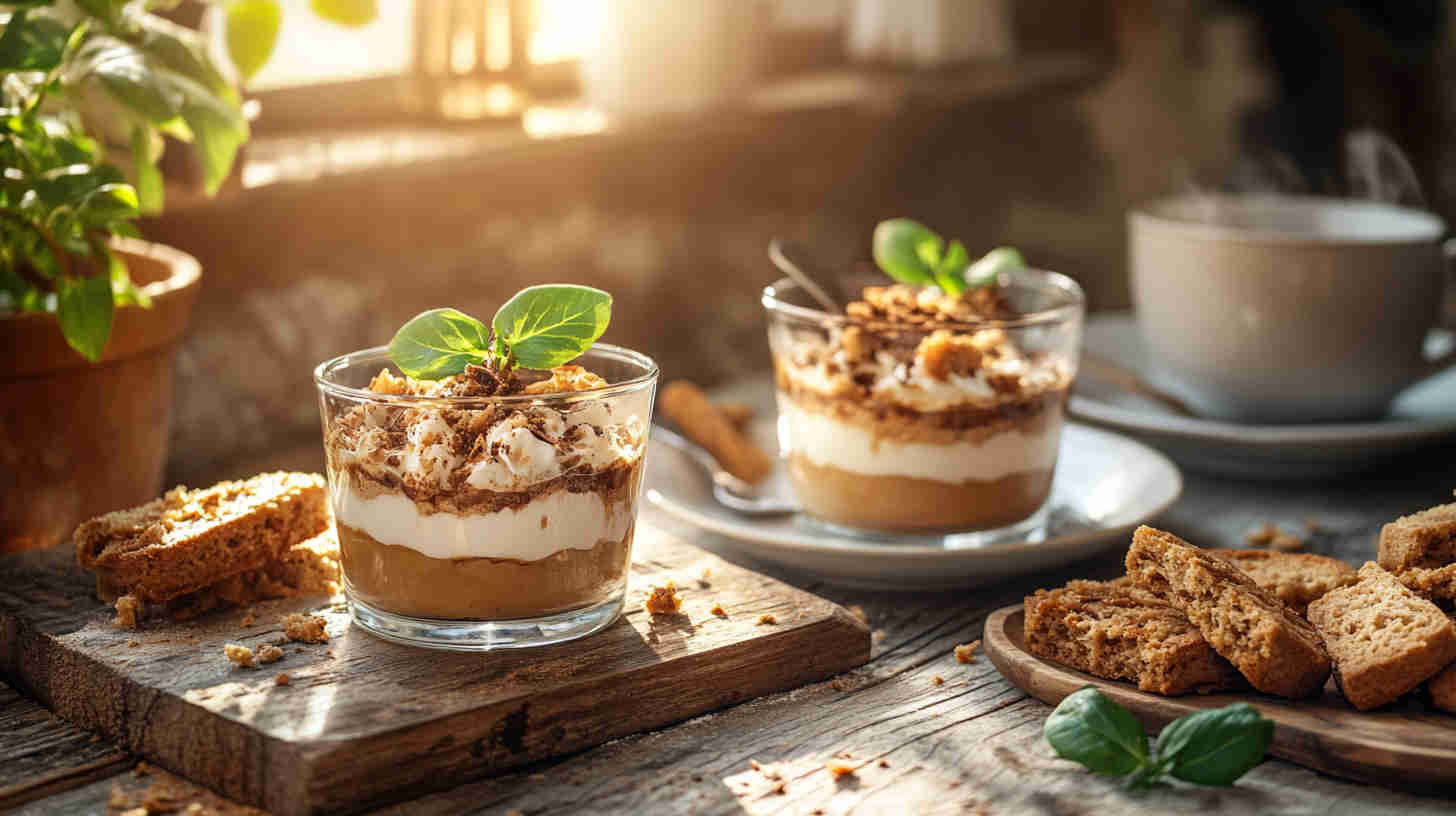
Budino is a classic Italian pudding loved for its silky, creamy texture and rich flavor. This traditional version features a velvety custard base, often chocolate or vanilla, gently cooked to perfection. Simple yet elegant, it captures the essence of authentic Italian dolci — comforting, indulgent, and perfect for any occasion.
Why You’ll Love This Recipe
You’ll fall head over heels for this Traditional Italian Budino because it delivers restaurant-quality decadence with surprisingly simple, everyday ingredients. Its ultra-smooth, spoonable texture melts in your mouth like a luxurious custard, offering a sophisticated yet comforting dessert experience.
Unlike denser American puddings, this Italian classic feels light yet richly satisfying — not overly sweet, allowing the pure flavors to shine through beautifully. It’s incredibly versatile: serve it for a casual family dinner or dress it up with whipped cream and a drizzle of caramel for special gatherings.
Best of all, it comes together quickly on the stovetop with no baking required, and the make-ahead nature means less stress when entertaining. Once you taste its velvety elegance, you’ll wonder how something so effortless can feel so indulgent and authentic to Italy’s beloved dolci tradition.
Traditional Italian Budino Recipe

Silky, rich Italian budino — a classic creamy pudding that's simple, elegant, and utterly irresistible.
Ingredients
- 3 cups (720 ml) whole milk
- 1 cup (240 ml) heavy cream (optional for extra richness; can use all milk)
- 4 large egg yolks (room temperature)
- ½ cup (100 g) granulated sugar
- 4 tablespoons (36 g) cornstarch
- Pinch of salt
- 2 teaspoons pure vanilla extract (or seeds from 1 vanilla pod)
- 1 tablespoon unsalted butter (optional, for extra gloss)
- Optional: 4–5 oz (120–150 g) dark chocolate, chopped (for chocolate budino variation)
Instructions
- Get everything ready — Oh, the best part starts here! Gather your ingredients, separate those egg yolks (save the whites for another treat), and have your whisk and saucepan ready. This dessert comes together fast, so prep makes it fun and stress-free.
- Warm the dairy — Pour the whole milk and heavy cream (if using) into a medium saucepan. Heat over medium until it just begins to simmer with tiny bubbles around the edges — don’t let it boil hard. This gentle warmth infuses richness. Remove from heat and set aside.
- Create the magic base — In a medium bowl, whisk the egg yolks, sugar, cornstarch, and salt together vigorously until smooth, pale, and slightly thickened (about 1–2 minutes). It should look creamy and ribbon-like when the whisk is lifted.
- Temper like a pro — Slowly pour about one-third of the hot milk mixture into the egg yolk bowl while whisking constantly and enthusiastically — this gently raises the temperature so your eggs don’t scramble. You’ve got this!
- Bring it all together — Pour the tempered egg mixture back into the saucepan with the remaining warm milk. Whisk constantly over medium-low heat. Watch it transform — in 5–8 minutes it will thicken beautifully into a luscious, pudding-like consistency that coats the back of a spoon.
- Flavor burst — Remove from heat and stir in vanilla extract (and butter if using) until silky smooth. For chocolate budino, add chopped dark chocolate now and stir until fully melted and glossy. Taste — pure happiness!
- Strain for perfection — Pour the budino through a fine-mesh sieve into a clean bowl or directly into serving ramekins. This step ensures the silkiest texture imaginable — trust me, it’s worth the extra second.
- Portion prettily — Divide into 6–8 ramekins, small bowls, or one large dish. Smooth the tops with a spoon for that elegant finish.
- Chill time — Press plastic wrap directly onto the surface of each budino to prevent a skin from forming. Refrigerate for at least 4 hours (overnight is dreamy) until set and wonderfully cold.
- Serve with love — When ready, peel off the plastic, add a dollop of whipped cream, a sprinkle of cocoa, or fresh berries. Grab a spoon and dive into Italian bliss — you just made something truly special!
Notes
Always use room-temperature eggs for smoother blending. Stir constantly during cooking to avoid lumps or scorching. If it thickens too fast, lower the heat immediately. Budino is best enjoyed chilled but can sit at room temperature for 20–30 minutes before serving.
Nutrition Information
Yield
8Serving Size
1Amount Per Serving Calories 310Total Fat 18gSaturated Fat 11gUnsaturated Fat 8gCholesterol 141mgSodium 85mgCarbohydrates 28gFiber 0gSugar 22gProtein 7g
The recipes and nutritional information on Yum Tonight are for informational purposes only. Always consult a healthcare provider for personalized dietary advice.
Recipe Tips and Tricks
- Use whole milk (and cream if the recipe includes it) for the richest, creamiest texture — low-fat options will result in a thinner budino.
- Whisk constantly once you add the thickening agents to prevent lumps and scorching; medium-low heat is your friend.
- Temper the hot milk mixture slowly into the egg yolks to avoid scrambling — add it in a thin, steady stream while whisking vigorously.
- Strain the final mixture through a fine-mesh sieve for an ultra-silky finish that removes any tiny cooked bits.
- For individual servings, lightly grease ramekins with butter or oil and chill directly in them for easy unmolding (dip briefly in hot water if needed).
- Taste and adjust sweetness slightly before chilling, as flavors mellow during refrigeration.
- Let it chill for at least 4 hours (overnight is best) so it sets perfectly firm yet creamy.
Ingredients Notes
The beauty of traditional Italian budino lies in its simplicity — high-quality, basic ingredients create magic. Whole milk forms the creamy foundation, delivering richness without heaviness; never substitute skim milk as it dramatically affects texture. Egg yolks (room temperature for smoother incorporation) provide that signature velvety custard body and golden color.
Cornstarch acts as a gentle thickener, giving a silky rather than gummy result (preferred in many authentic Italian versions over flour). Good dark chocolate (70% cocoa or higher) or high-quality vanilla brings depth of flavor — choose the best you can afford since it’s the star. A pinch of salt enhances sweetness and balances richness.
Sugar should be granulated white for clean flavor, though a touch of brown adds subtle caramel notes in some variations. Fresh vanilla extract or a scraped pod elevates aroma. Optional butter stirred in at the end adds extra gloss and luxurious mouthfeel.
Variations and Substitutions
The classic budino is endlessly adaptable while staying true to its Italian roots. For chocolate lovers, melt in high-quality dark chocolate or cocoa powder for a deep, intense budino al cioccolato — add espresso powder for a subtle mocha twist. Vanilla budino shines with real vanilla bean or extract.
Try butterscotch by caramelizing sugar first for a toffee-like depth (popular in some Italian-American versions). Coffee or hazelnut extract creates delicious variations. For a lighter fruit version, infuse milk with lemon zest or fold in pureed berries after cooking. Dairy-free? Use full-fat coconut milk and plant-based cream, though texture will be slightly different.
Egg-free traditional versions rely on extra cornstarch or flour (common in older Italian home recipes). Sweeten with honey or maple for a nuanced flavor. Toppings can vary wildly — salted caramel, fresh berries, crushed amaretti cookies, whipped cream, or a dusting of cocoa powder all complement beautifully.
Storage Options
Store budino covered with plastic wrap (pressed directly onto the surface to prevent skin formation) in the refrigerator for up to 4 days. Individual ramekins are perfect for portion control. It does not freeze well as the custard texture can become grainy or separate upon thawing — enjoy it fresh or within a few days for best creaminess.
Dish Gallery


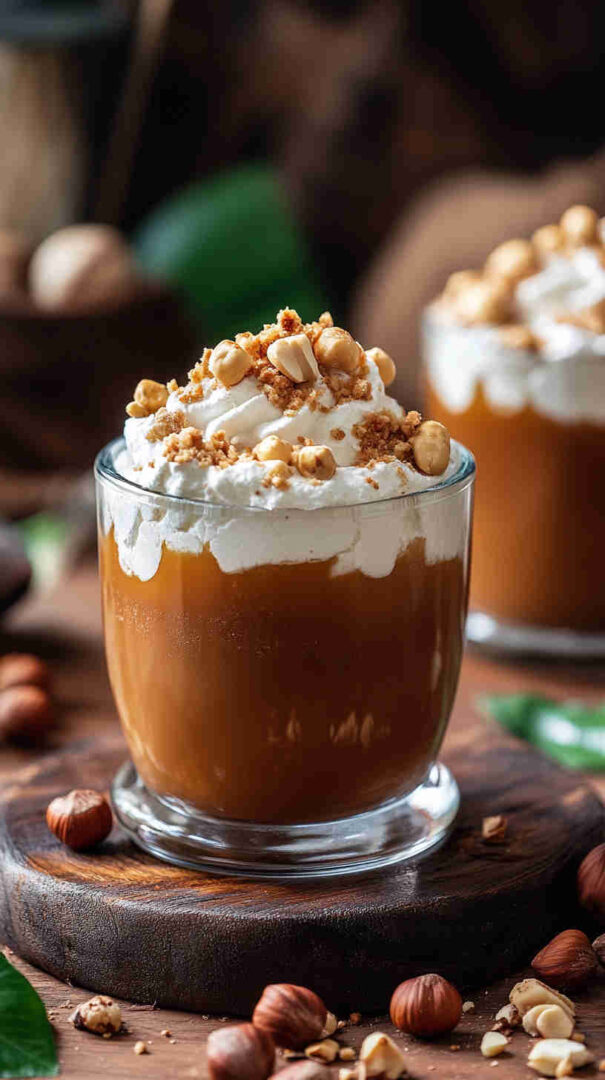
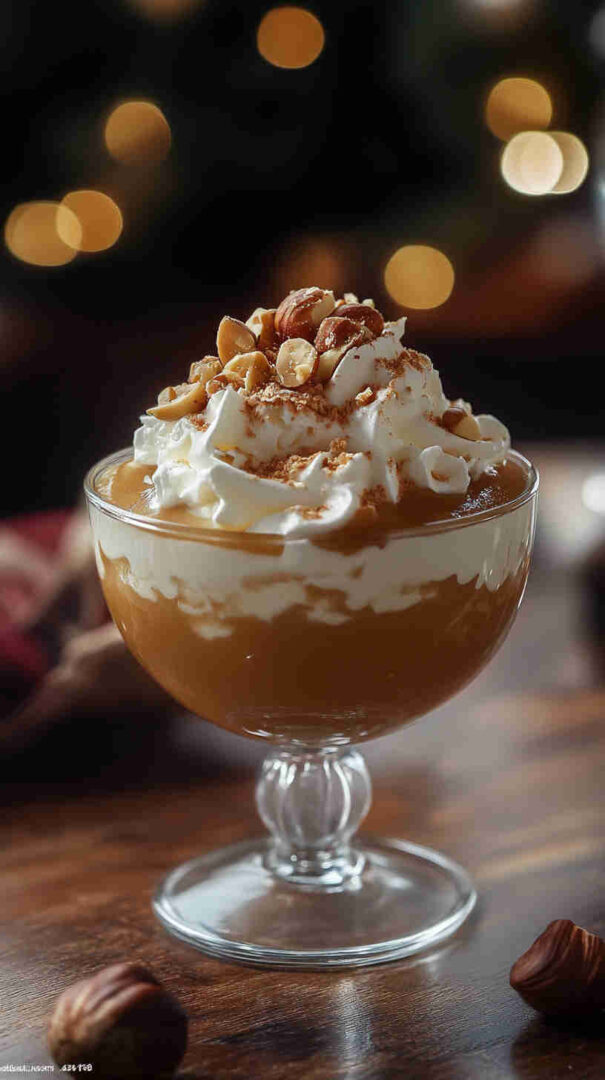



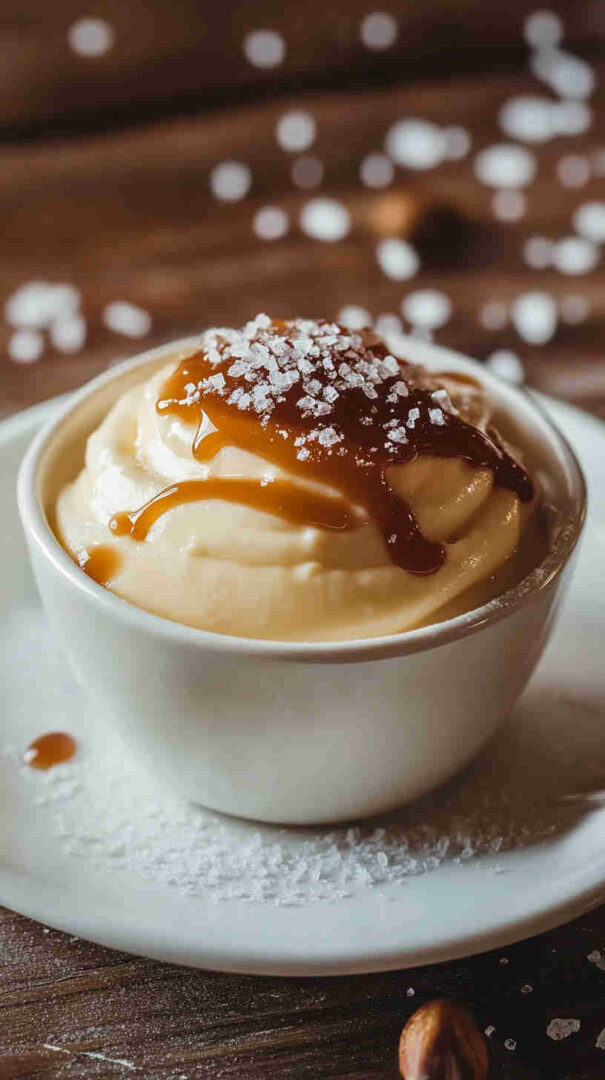
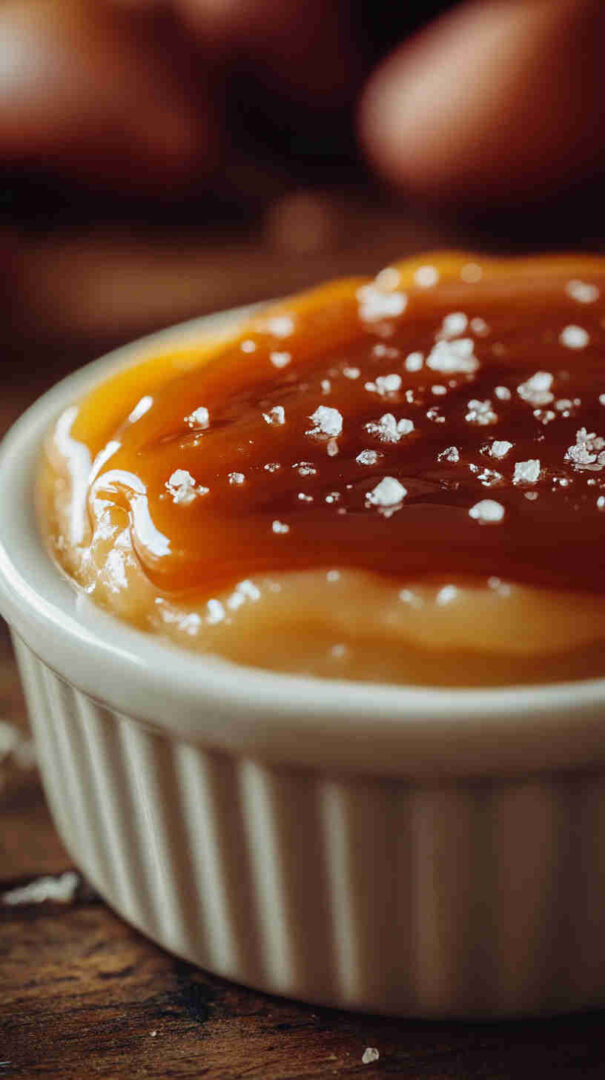
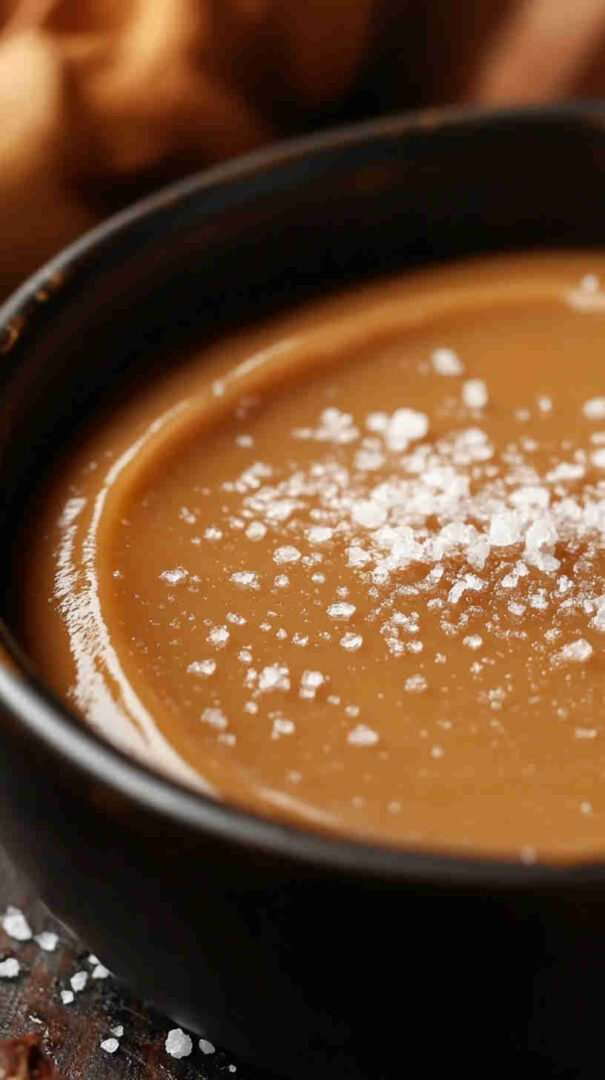
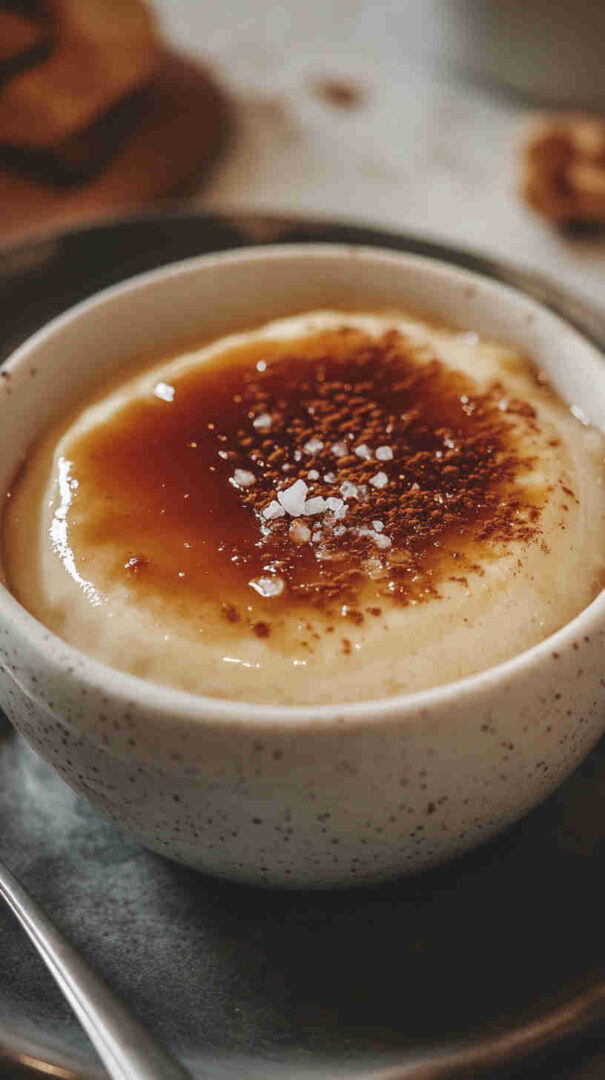

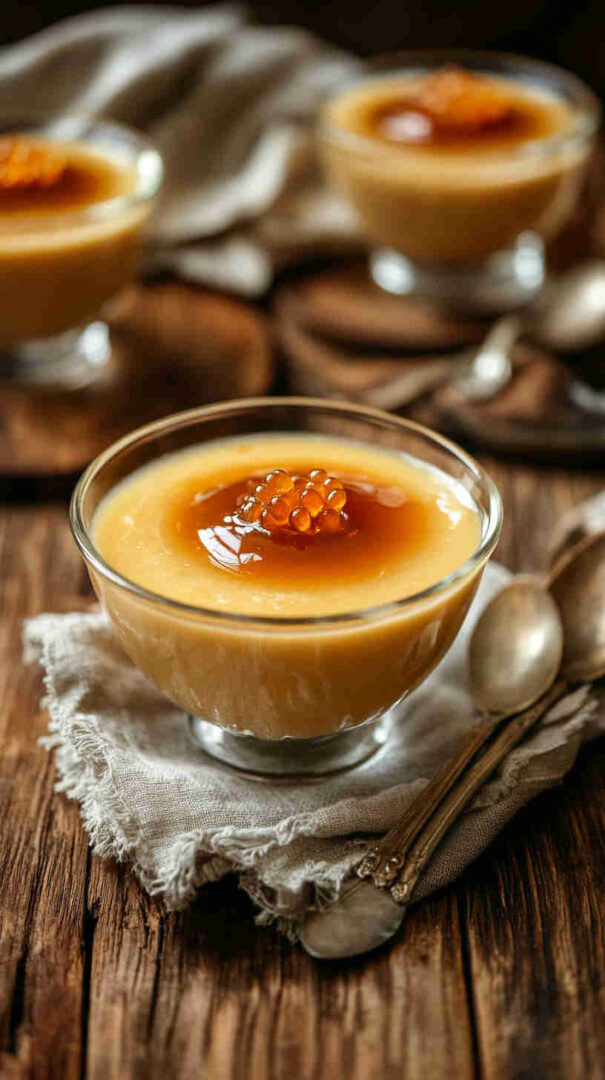

Please share this Traditional Italian Budino Recipe with your friends and do a comment below about your feedback.
We will meet you on next article.
Until you can read, Italian White Pizza with Ricotta Recipe