Traditional Italian Zabaglione Recipe
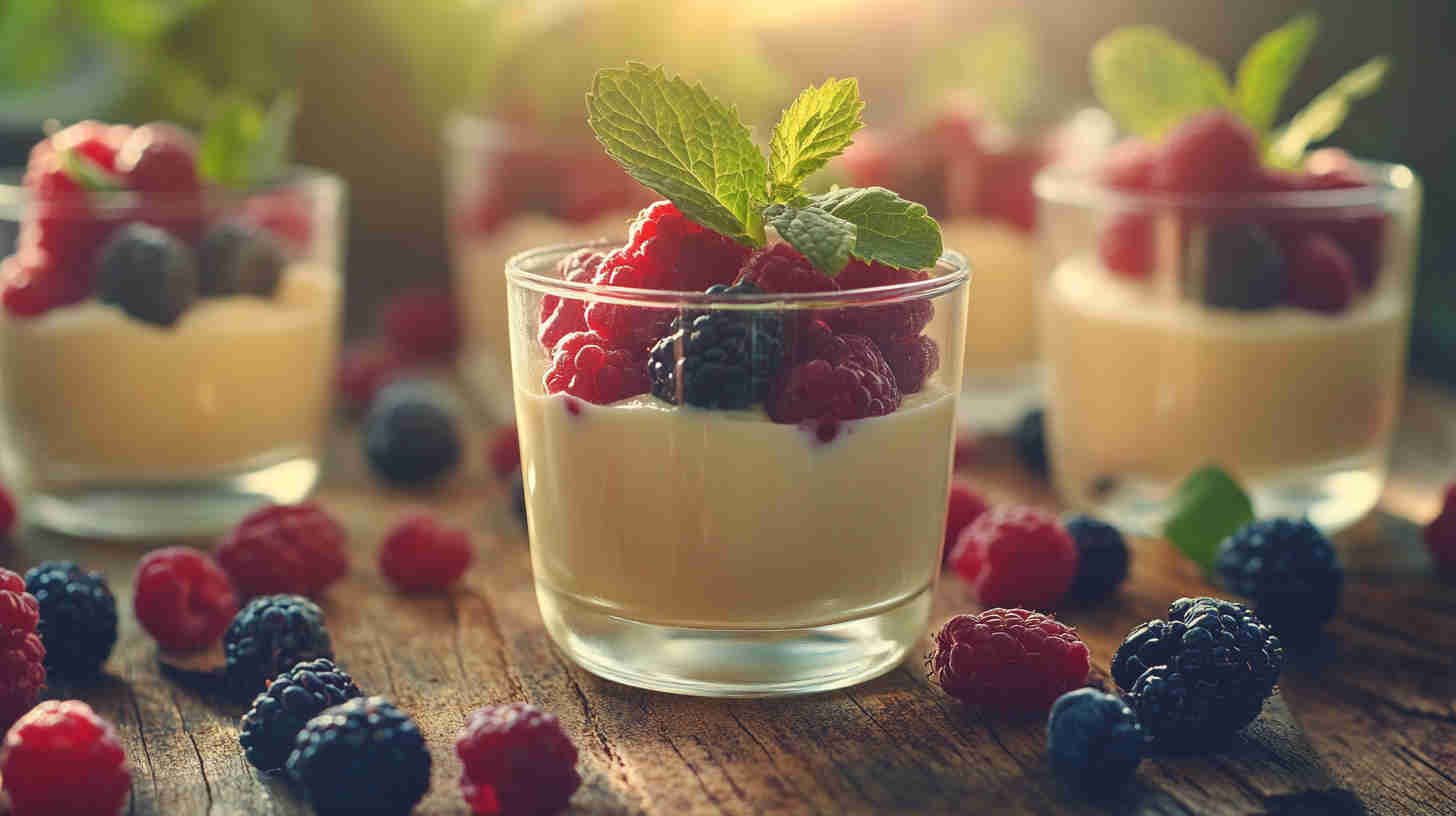
Zabaglione (also spelled zabaione) is a classic Italian dessert featuring a light, frothy custard made from egg yolks, sugar, and sweet Marsala wine. Gently cooked over a double boiler, it transforms into a silky, airy delight with rich flavor and subtle boozy warmth—perfect as a standalone treat or elegant topping.
Why You’ll Love This Recipe
You’ll fall head over heels for this traditional Zabaglione because it’s incredibly simple yet feels luxurious and sophisticated. With just three core ingredients, it delivers an explosion of creamy texture and delicate sweetness balanced by the warm, caramel-like notes of Marsala wine.
The constant whisking creates that signature light, mousse-like consistency that’s both airy and velvety—something you simply can’t get from store-bought desserts. It’s naturally gluten-free, quick to prepare, and endlessly versatile: serve it warm on its own for cozy evenings, spoon it over fresh berries for a refreshing contrast, or pair it with ladyfingers for an instant tiramisu-like experience.
Making it feels like channeling your inner Italian nonna, and the wow factor when you present this cloud-like custard will make every occasion feel special. Plus, it’s a fantastic way to use up extra egg yolks!
Traditional Italian Zabaglione Recipe
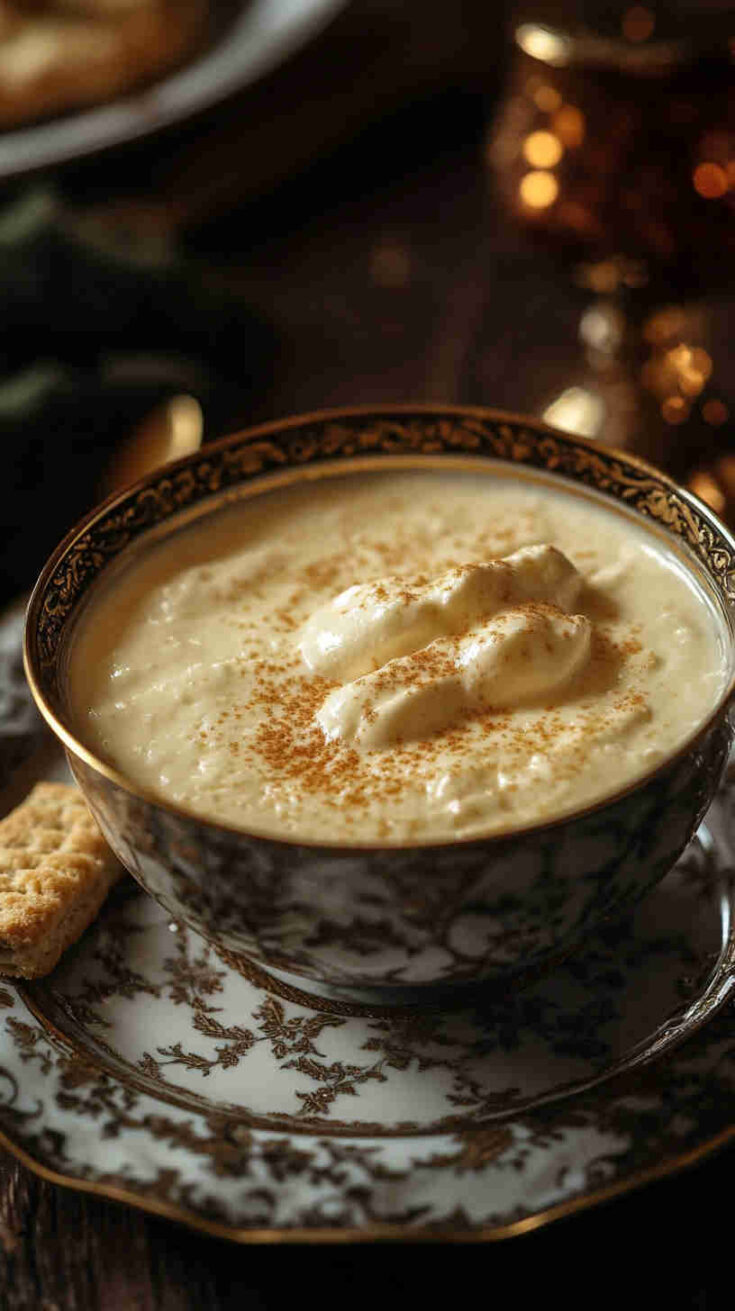
Light, frothy Italian custard with egg yolks, sugar, and Marsala—creamy, boozy, and elegantly simple.
Ingredients
- 5 large egg yolks (room temperature)
- ¼ cup (50g) granulated sugar
- ¼ cup (60ml) sweet Marsala wine
- Optional: pinch of salt or few drops fresh lemon juice
Instructions
- Get your setup ready with love — Fill a medium saucepan with about 1-2 inches of water and bring it to a gentle simmer over medium heat. Choose a heatproof bowl (glass or metal) that sits nicely on top without the bottom touching the water—this is your magical double boiler!
- Separate those gorgeous yolks — Carefully crack the eggs and separate the yolks into your heatproof bowl. (Save the whites for another treat like meringues!)
- Add sweetness and whisk away — Pour in the granulated sugar right onto the yolks. Grab a whisk (or electric hand mixer for extra ease) and beat them together off the heat for 2-3 minutes until the mixture turns pale yellow, thick, and creamy—like sunshine in a bowl!
- Splash in the star ingredient — Slowly pour in the sweet Marsala wine while whisking continuously. The aroma alone will make your kitchen smell like an Italian dream! Keep whisking until everything is smoothly combined.
- Time for gentle heat — Place the bowl over the simmering water (double-check it doesn't touch!). Start whisking immediately and keep at it—your arm might get a workout, but it's worth it!
- Whisk like nonna — Continue whisking constantly for 8-12 minutes. The mixture will gradually thicken, double in volume, and become light and foamy. Watch for the "ribbon stage"—when you lift the whisk, the custard should fall back in a slow ribbon that holds its shape briefly.
- Check for perfection — If it seems too thin, slightly increase the heat (still gentle!). If it starts to scramble, remove from heat for a moment. A tiny pinch of salt or lemon juice can brighten flavors beautifully here.
- Remove and admire — Once it's thick, glossy, and heavenly, take the bowl off the heat. Give it one final enthusiastic whisk for extra airiness.
- Serve with joy — Spoon the warm Zabaglione into pretty glasses or bowls right away. Pair it with fresh berries, ladyfingers, or just enjoy it solo—pure bliss!
- Savor every spoonful — Dig in while it's still warm and fluffy. Share with loved ones and feel the Italian dolce vita magic!
Notes
- Always use fresh eggs and sweet (not dry) Marsala for authentic flavor.
- Do not let the mixture boil or get too hot—patience is key to that signature airy texture.
- This dessert is naturally gluten-free and low-carb (except the sugar).
Nutrition Information
Yield
4Serving Size
1Amount Per Serving Calories 161Total Fat 6gSaturated Fat 2gUnsaturated Fat 4gCholesterol 233mgSodium 187mgCarbohydrates 17gSugar 16gProtein 8g
The recipes and nutritional information on Yum Tonight are for informational purposes only. Always consult a healthcare provider for personalized dietary advice.
Recipe Tips and Tricks
- Use a heatproof bowl (glass or stainless steel) that fits snugly over your pot without touching the water—this prevents scrambling.
- Whisk constantly and vigorously to incorporate air for maximum fluffiness; an electric hand mixer makes this effortless.
- Keep the water at a gentle simmer (never a rolling boil) to avoid overcooking the eggs.
- Test doneness by lifting the whisk—if the mixture forms a ribbon that holds its shape for a few seconds, it’s ready.
- Room-temperature egg yolks whisk up lighter and faster.
- For extra stability, add a tiny pinch of salt or a drop of lemon juice.
- Serve immediately for the fluffiest texture, as it deflates slightly over time.
Ingredients Notes
The beauty of authentic Zabaglione lies in its minimalist ingredient list, where quality truly shines. Use fresh, large egg yolks from high-quality eggs (preferably organic or free-range) for richer flavor and brighter color—the yolks provide the custard’s silky base and structure.
Granulated white sugar is classic, dissolving smoothly to sweeten without overpowering; caster sugar works beautifully if available for faster incorporation. Marsala wine is the traditional choice—a Sicilian fortified wine with nutty, caramel notes—opt for sweet (dolce) Marsala rather than dry for the perfect balance.
Never substitute with cooking Marsala, as it contains salt and lacks depth. The ratio is typically 1 yolk : 1 tablespoon sugar : 1 tablespoon wine, scalable for servings.
Variations and Substitutions
While traditional Zabaglione uses Marsala, you can swap it with other sweet wines like Vin Santo (Tuscan), Moscato d’Asti (light and bubbly), or Passito for regional twists. For a non-alcoholic version, use grape juice with a splash of vanilla extract or alcohol-free Marsala-style alternatives.
Add flavor with a touch of vanilla bean paste, lemon zest, or orange zest for citrus brightness. Coffee lovers can infuse with espresso for a mocha variation. For a richer version, blend in a bit of whipped cream after cooking.
In Piedmont, it’s often made with Moscato; in some households, Amaretto or Limoncello adds nutty or citrus notes. Serve over berries, peaches, or poached pears for variety, or layer with sponge cake for a quick parfait.
Storage Options
Zabaglione is best enjoyed fresh and warm right after making, as it loses its airy texture over time. If needed, store leftovers in an airtight container in the refrigerator for up to 24 hours—gently reheat over a double boiler with constant whisking to revive some fluffiness (it won’t be as light). Avoid freezing, as it separates and becomes grainy.
Dish Gallery




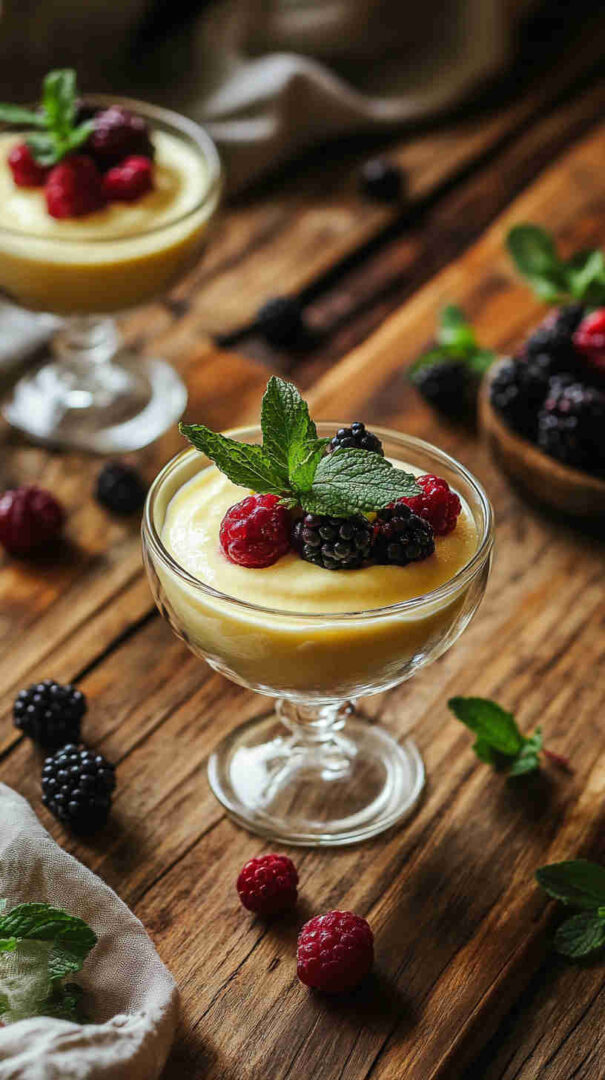
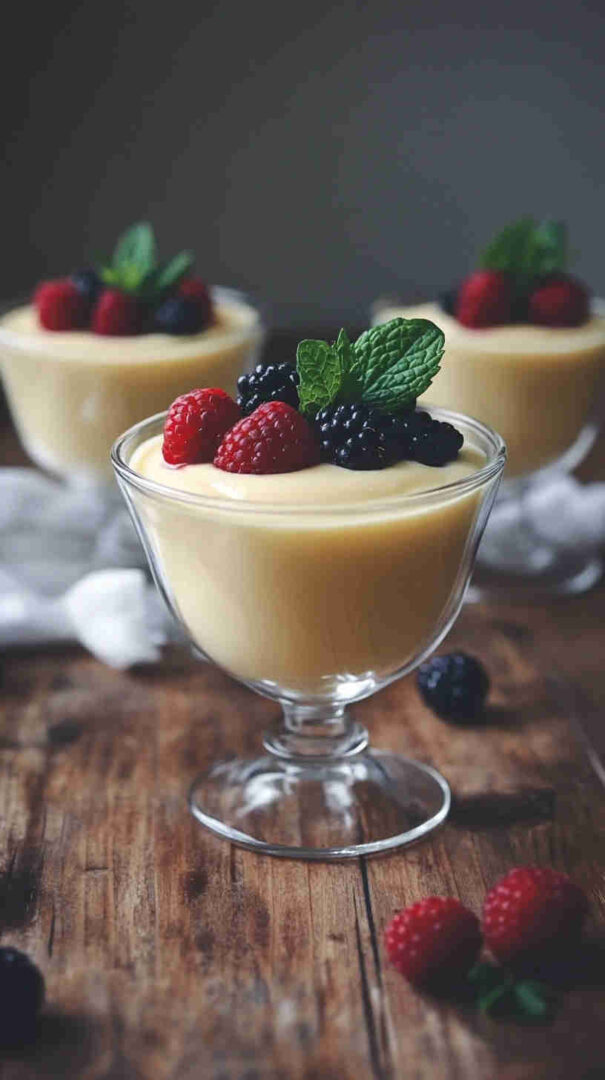
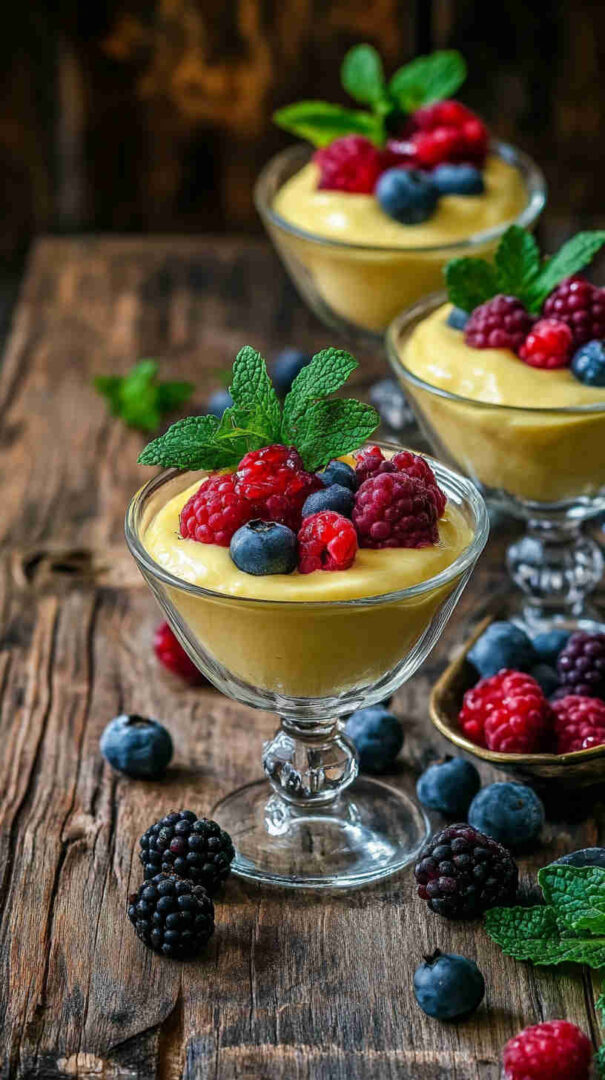
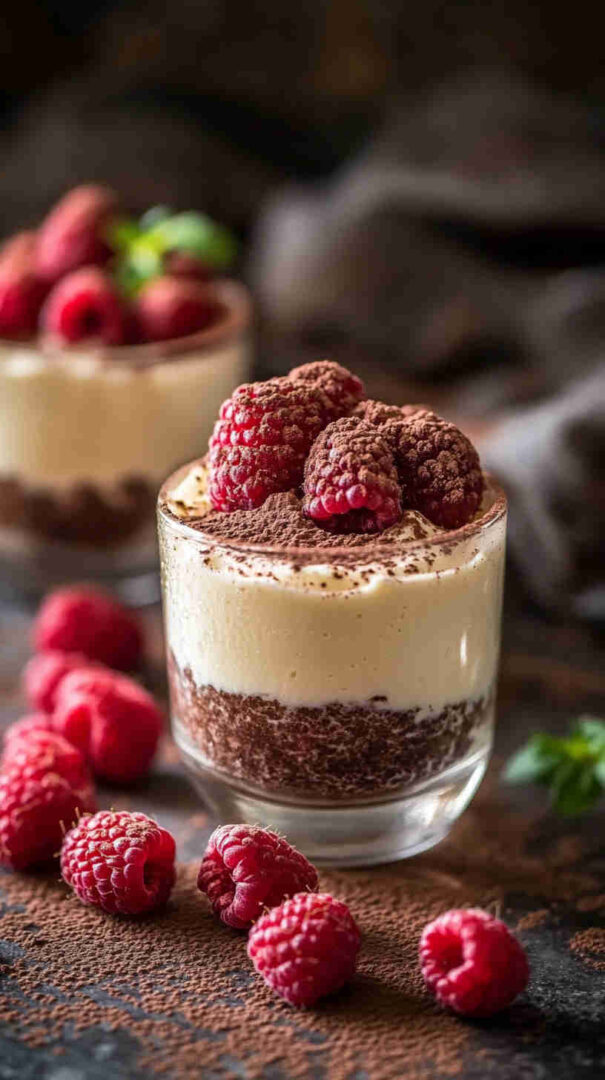
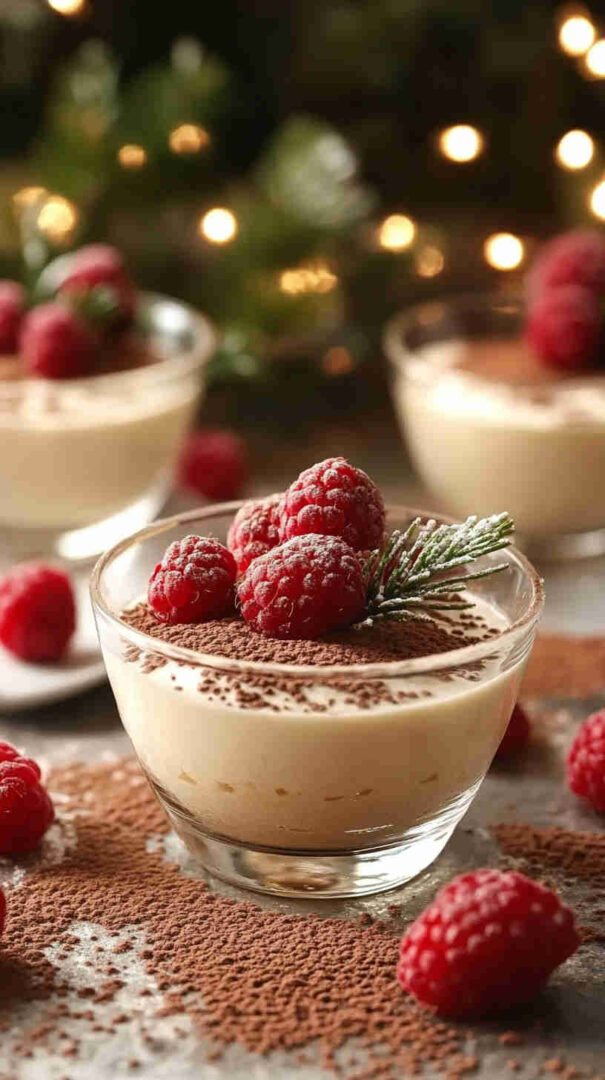
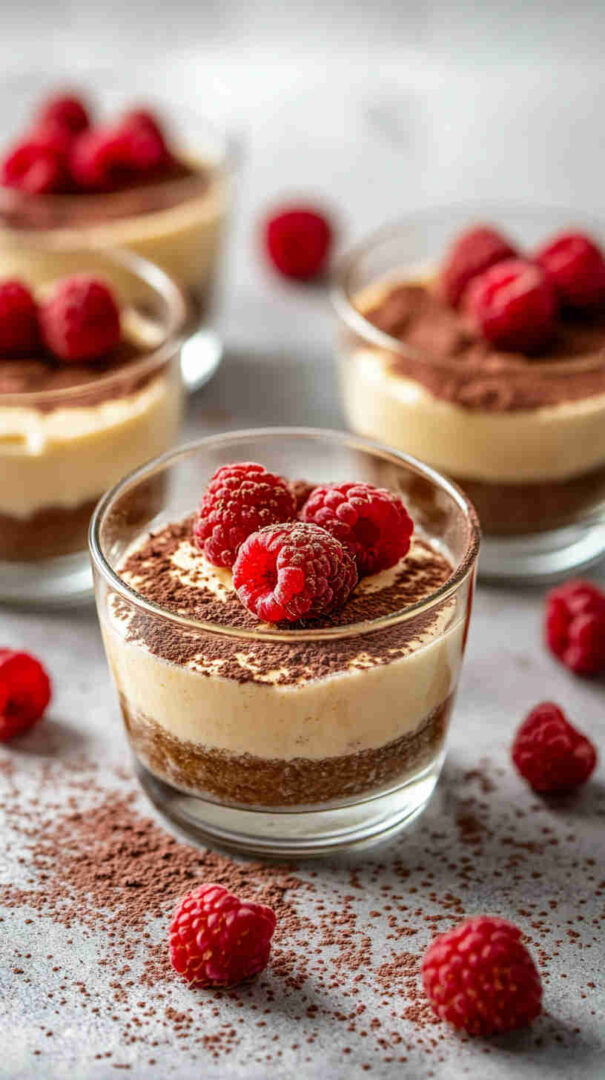
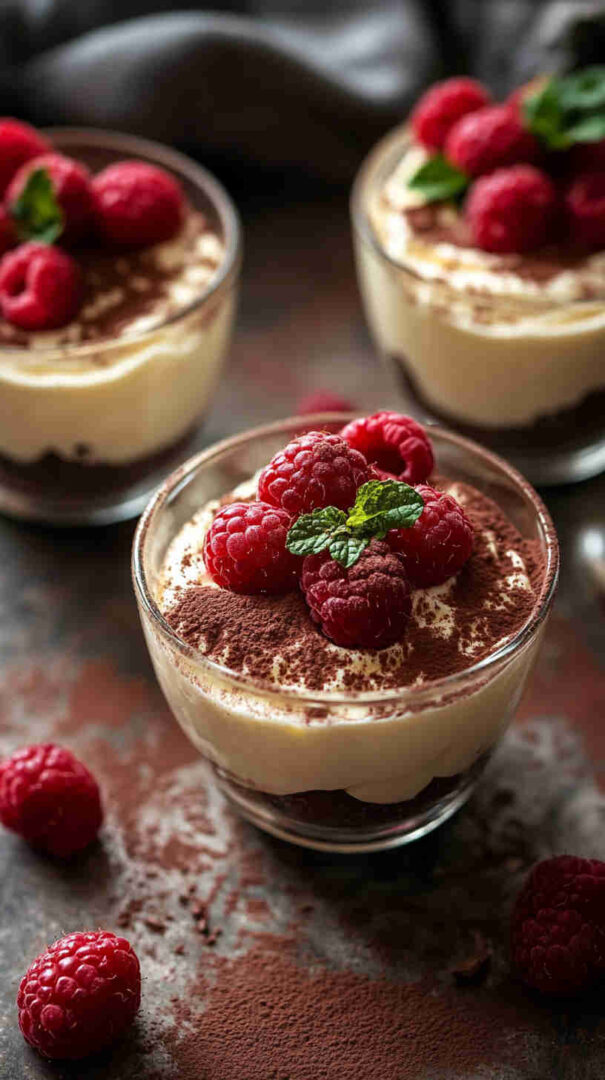

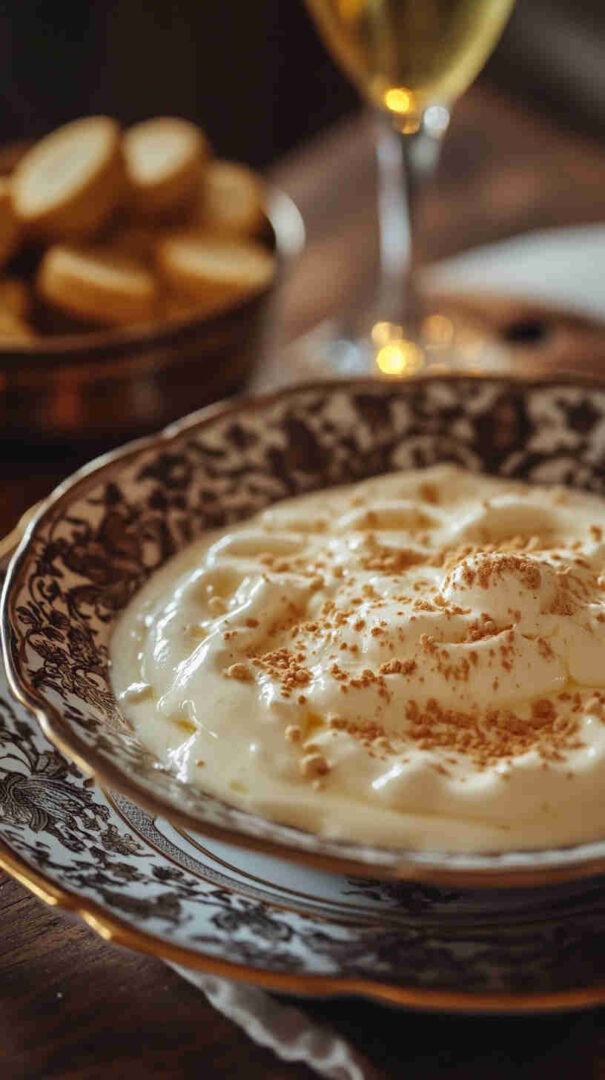
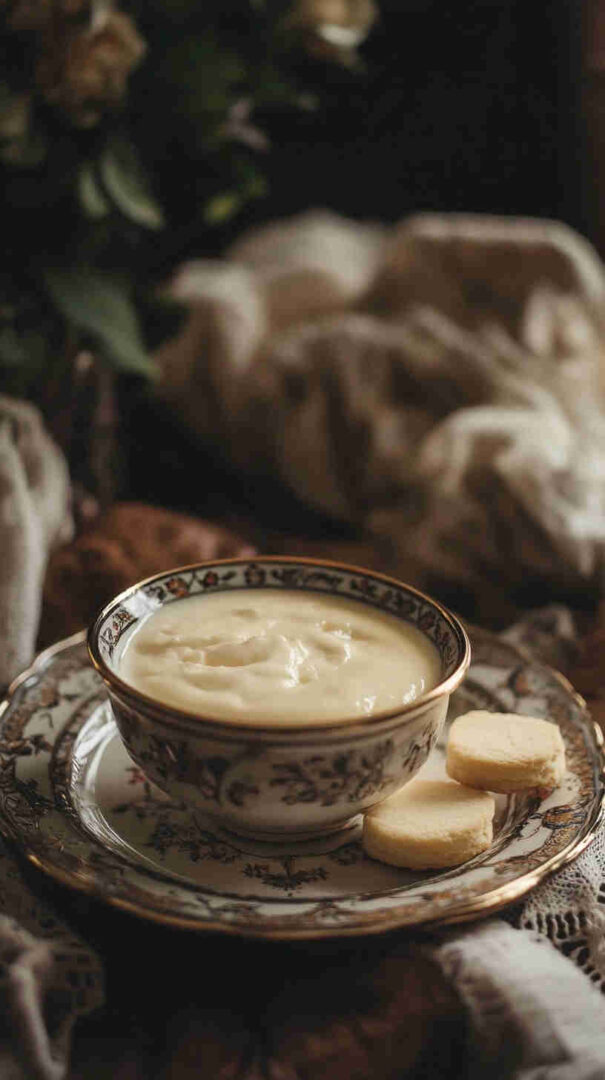
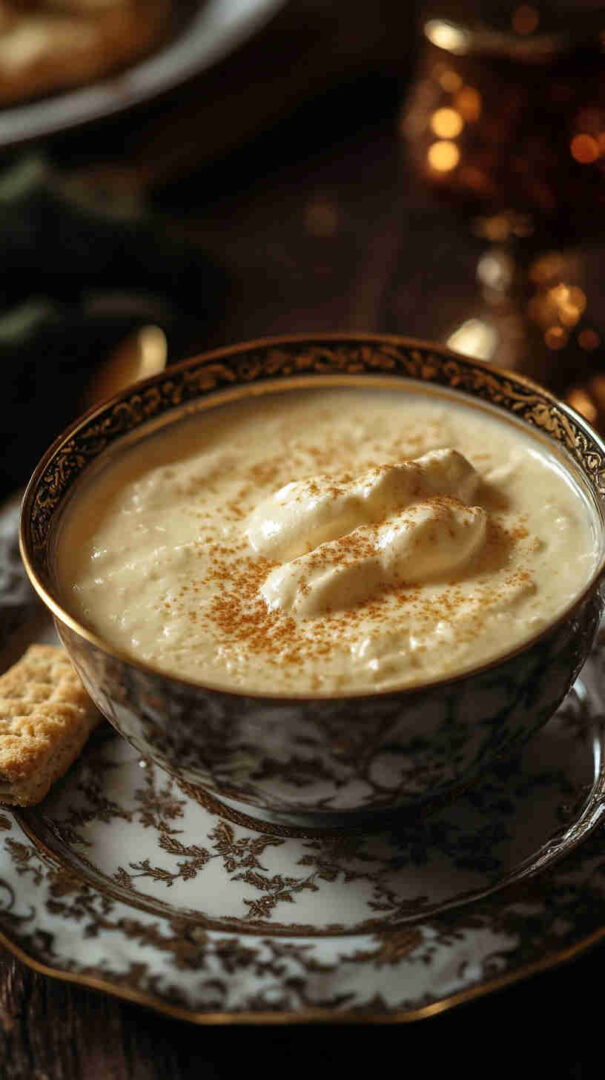
Please share this Traditional Italian Zabaglione Recipe with your friends and do a comment below about your feedback.
We will meet you on next article.
Until you can read, Traditional Italian Cassata Recipe