Emilia-Romagna Tortellini in Brodo Recipe
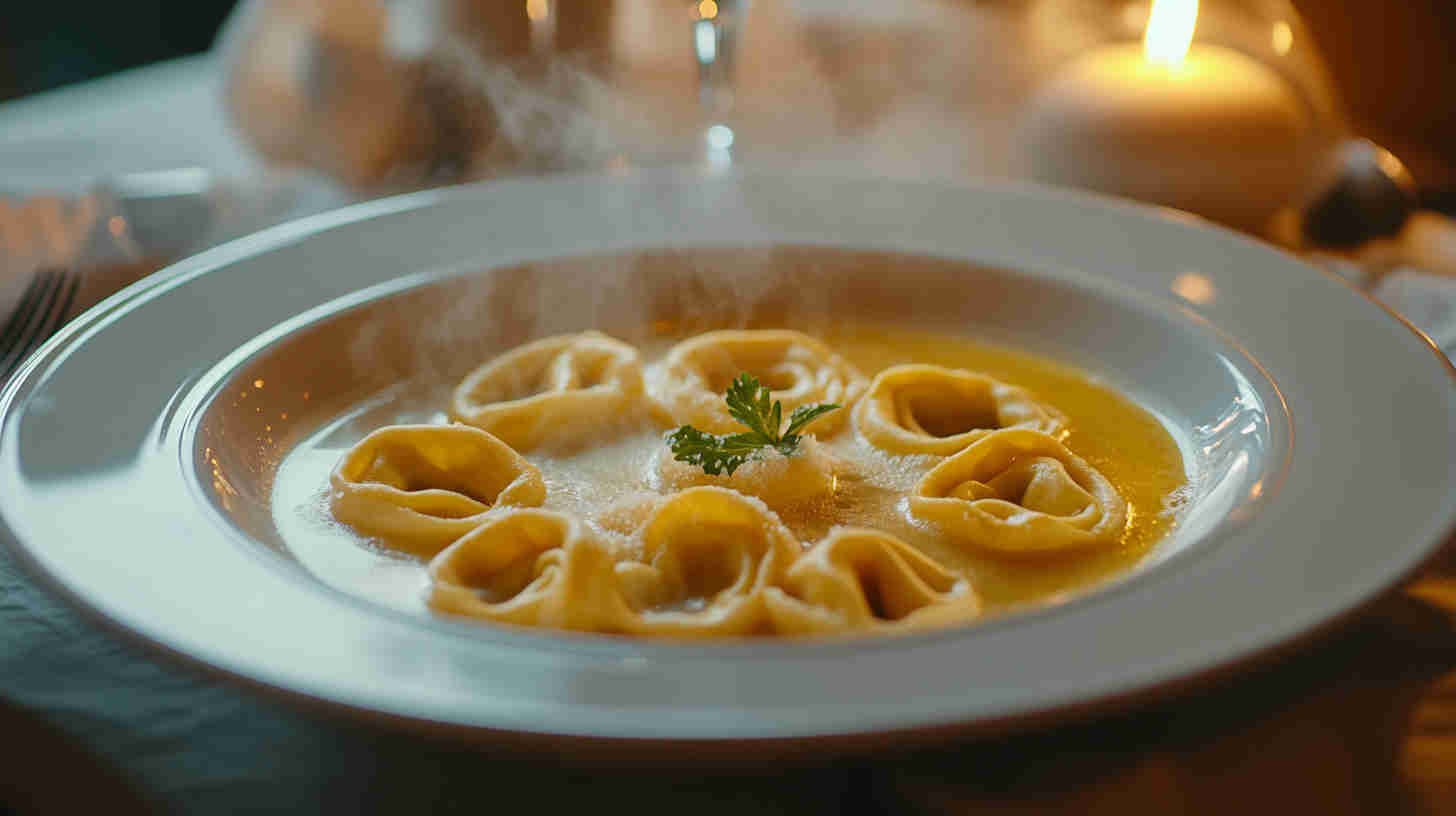
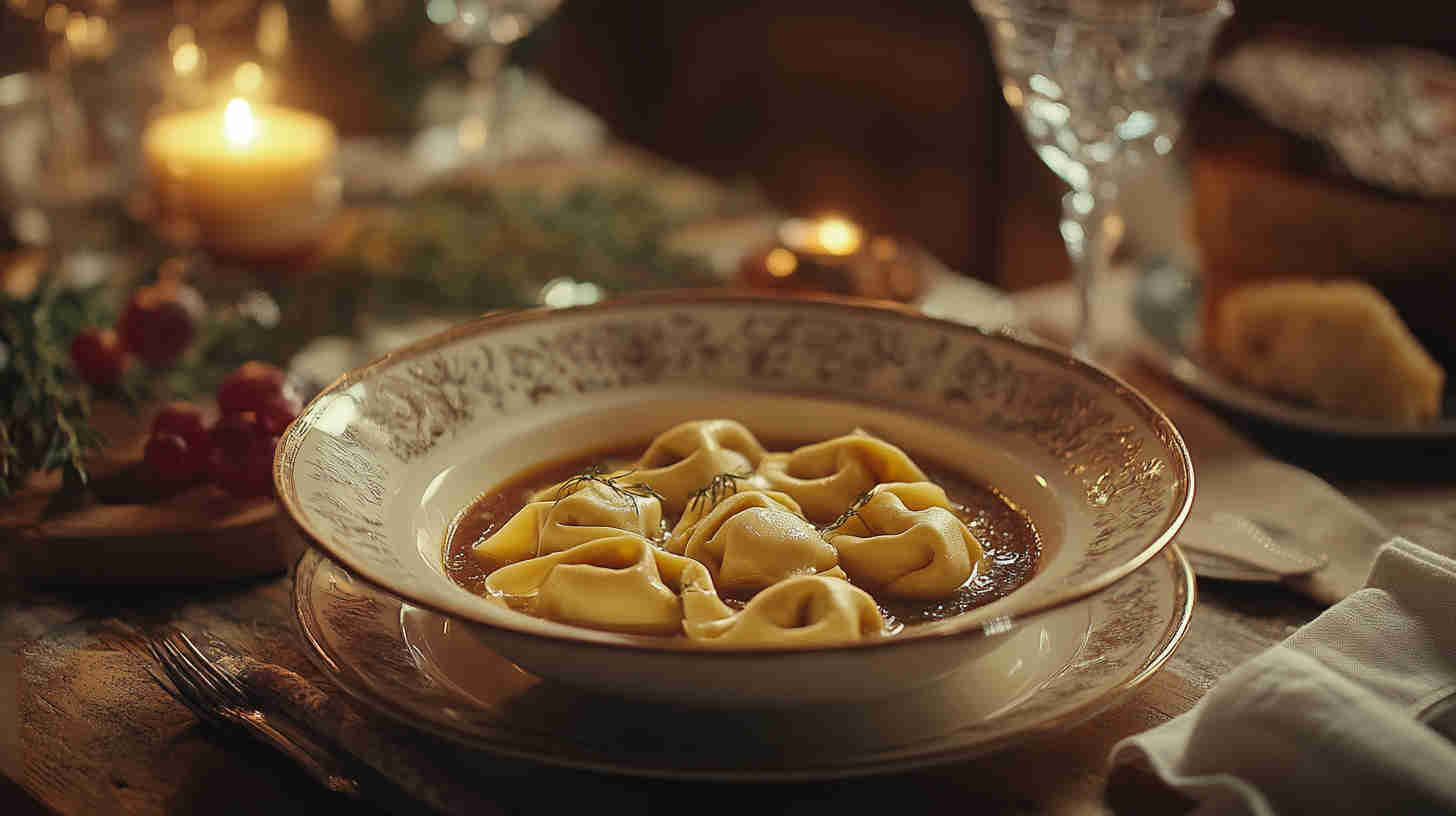
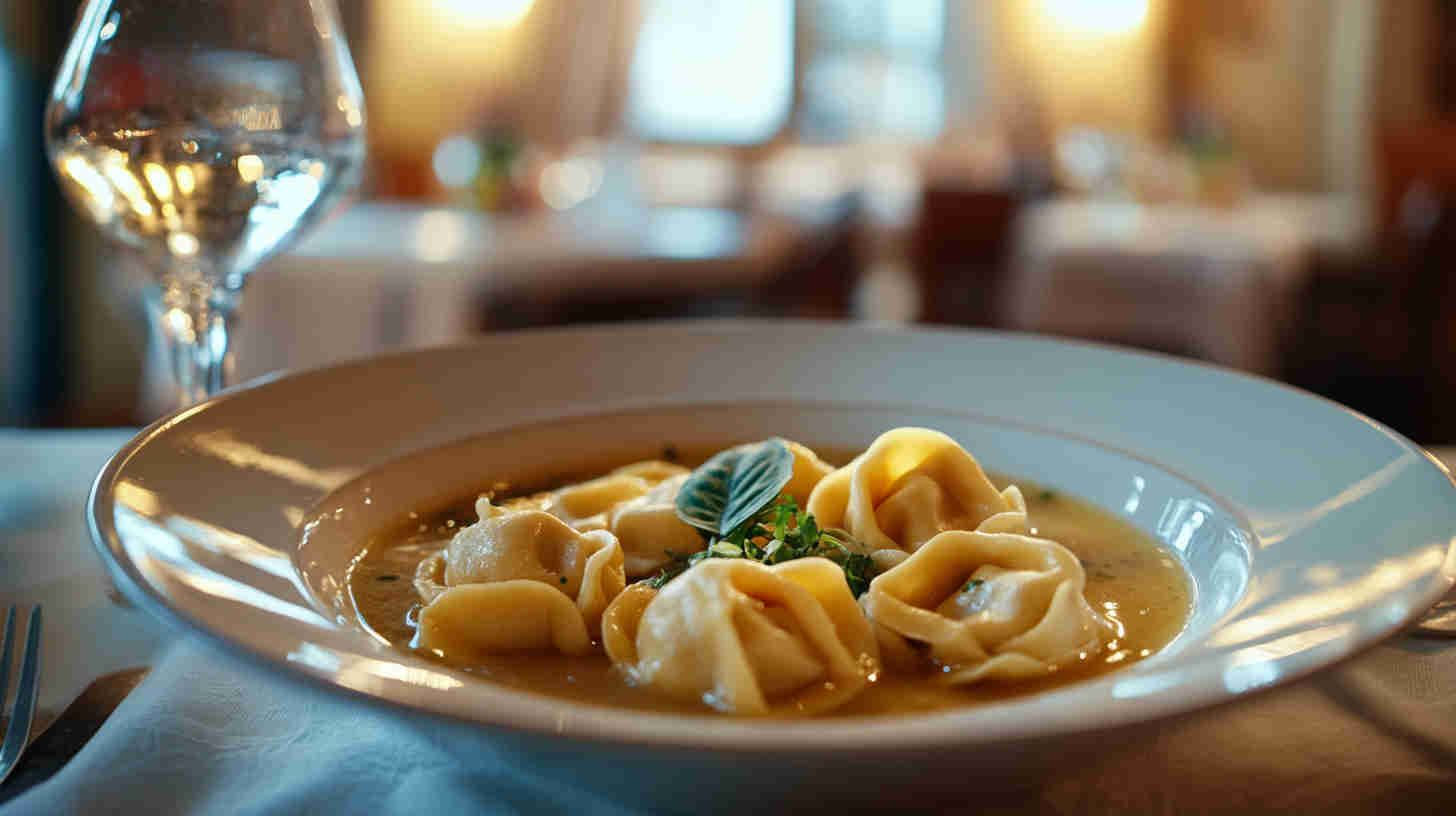
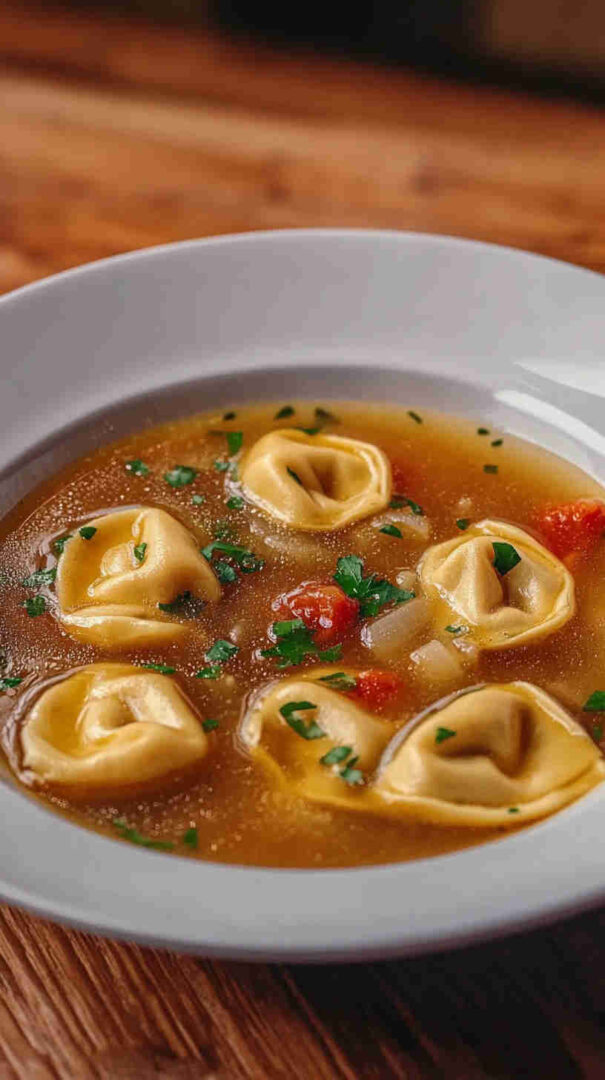
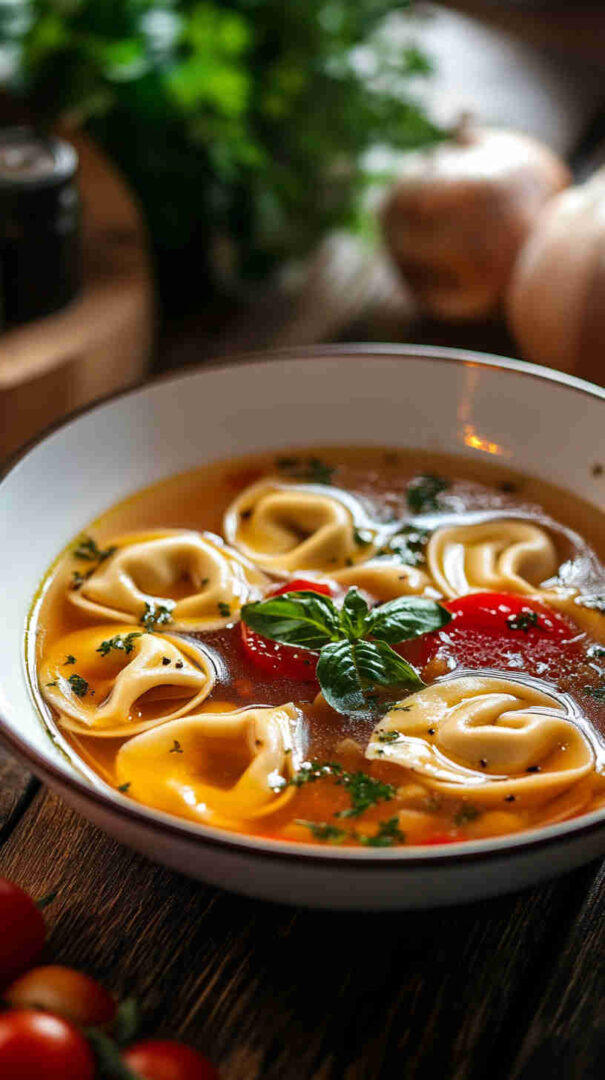
Discover the soul-warming classic of Emilia-Romagna: Tortellini in Brodo. Delicate handmade egg pasta pockets filled with a savory blend of pork, prosciutto, mortadella, and aged Parmigiano-Reggiano swim in a rich, clear meat broth.
This comforting Italian dish is a holiday tradition in Bologna, offering silky texture, deep umami flavor, and pure elegance in every spoonful.
Why You’ll Love This recipe
You’ll cherish this Emilia-Romagna Tortellini in Brodo because it embodies the heart of Italian home cooking—simple ingredients transformed into something truly special through time-honored technique. The tiny, ring-shaped tortellini are filled with a luxurious meat mixture that delivers layers of savory, salty, and nutty flavor, while the clear, flavorful broth provides a light yet satisfying base that highlights every element perfectly.
It’s a dish of comfort and celebration, often served at Christmas or family gatherings in Bologna, yet approachable enough for a cozy weekend meal. Making it from scratch gives you a profound sense of accomplishment and connects you to centuries of culinary tradition.
The contrast of the silky pasta against the rich filling and aromatic broth creates an unforgettable eating experience that’s both refined and deeply satisfying. Kids and adults alike love the fun shape of the tortellini, while the broth feels nourishing and restorative.
Best of all, many components can be prepared ahead, making it ideal for entertaining without last-minute stress. One bowl and you’ll understand why this dish is called food for the soul—warm, elegant, and full of love.
Emilia-Romagna Tortellini in Brodo Recipe
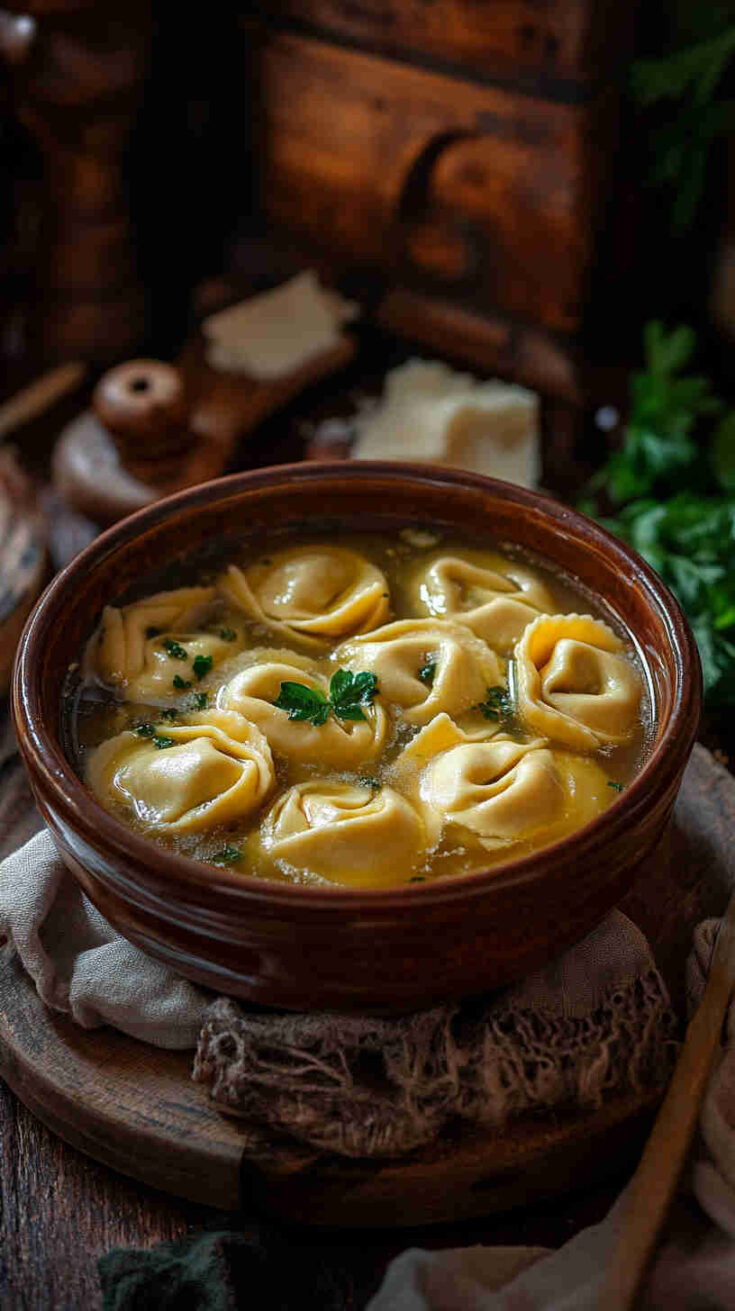
Classic Emilia-Romagna tortellini in rich meat broth—silky handmade pasta with savory filling, pure Italian comfort!
Ingredients
For the Broth (Brodo):
- 1 lb beef bones or stew meat
- 1 lb chicken pieces (wings, legs, or carcass)
- 1 onion, halved
- 1 carrot, peeled
- 1 celery stalk
- 1 bay leaf (optional)
- Salt and pepper to taste
- Water to cover (about 8-10 cups)
For the Pasta Dough:
- 2 cups (250g) "00" flour or all-purpose flour
- 2 large eggs (plus 1 yolk if needed)
- Pinch of salt
For the Filling:
- 4 oz (110g) pork loin or shoulder, diced
- 3 oz (85g) prosciutto di Parma, chopped
- 3 oz (85g) mortadella, chopped
- 1 tablespoon butter
- ¾ cup (75g) freshly grated Parmigiano-Reggiano
- 1 egg
- Freshly grated nutmeg (about ¼ tsp)
- Salt and black pepper to taste
Instructions
- Start with the soulful broth: In a large pot, combine the beef bones, chicken pieces, onion, carrot, celery, and bay leaf. Cover generously with cold water, bring to a gentle boil, then reduce to a low simmer. Skim any foam and let it cook slowly for 3-4 hours until deeply flavorful. Strain, season with salt, and set aside (or refrigerate overnight).
- Prepare the rich filling base: In a skillet, melt the butter over medium heat. Add the diced pork loin and cook until lightly browned and cooked through, about 8-10 minutes. Add a splash of broth or wine if needed to keep it moist. Let cool slightly.
- Create the savory filling: Finely chop or grind the cooked pork, prosciutto, and mortadella. In a bowl, mix them with the grated Parmigiano-Reggiano, egg, nutmeg, salt, and pepper. The mixture should be moist but hold together. Chill in the refrigerator for at least 30 minutes (or overnight for better flavor).
- Make the silky pasta dough: On a clean surface or in a bowl, mound the flour and make a well in the center. Crack in the eggs and add a pinch of salt. Gradually mix with a fork, then knead by hand for 8-10 minutes until smooth and elastic. Wrap in plastic and let rest for 30 minutes.
- Roll the dough thin and beautiful: Divide the rested dough into portions. Using a pasta machine or rolling pin, roll each piece as thinly as possible (setting 7-9 on a machine) until almost translucent. Keep unused dough covered with a damp cloth.
- Cut into perfect squares: Using a ruler or knife, cut the thin sheets into small 1.5-inch (4 cm) squares. Work in small batches so the dough doesn't dry out.
- Fill each little treasure: Place a scant ½ teaspoon of chilled filling in the center of each square. Dip your finger in water and lightly moisten two edges to help seal.
- Shape the classic tortellini: Fold the square diagonally into a triangle, pressing firmly to seal. Bring the two bottom corners together around your finger, overlapping and pinching to form the signature ring shape. Place finished tortellini on a floured tray.
- Bring it all together: Bring your strained broth to a gentle simmer. Carefully add the fresh tortellini in batches. Cook for 3-5 minutes until they float and the pasta is tender but still al dente.
- Serve with love and pride: Ladle the hot tortellini and broth into warmed bowls. Sprinkle generously with extra grated Parmigiano-Reggiano and a touch of freshly ground black pepper. Serve immediately and watch everyone savor this taste of Emilia-Romagna tradition!
Notes
This is a labor-of-love recipe best enjoyed on a relaxed day. The filling and broth can (and should) be made ahead. Freshly made tortellini cook very quickly—do not overcook. Traditional tortellini are small; if shaping feels tricky, make slightly larger ones (tortelloni) for easier handling. Use the highest quality cured meats and cheese possible for authentic flavor. The dish is naturally gluten-free adaptable with appropriate flour, though texture will differ
Nutrition Information
Yield
6Serving Size
1Amount Per Serving Calories 893Total Fat 33gSaturated Fat 13gUnsaturated Fat 19gCholesterol 323mgSodium 1293mgCarbohydrates 72gFiber 3gSugar 1gProtein 77g
The recipes and nutritional information on Yum Tonight are for informational purposes only. Always consult a healthcare provider for personalized dietary advice.
Recipe Tips and Tricks
Make the broth a day or two in advance so flavors deepen and fat can be skimmed easily for a clearer result. Prepare the filling ahead and chill it thoroughly—it becomes easier to handle when cold. Roll the pasta dough as thin as possible (almost translucent) for the most delicate texture.
Work with small batches of dough and cover the rest with a damp cloth to prevent drying. Use only a tiny amount of filling per tortellino (about ½ teaspoon) to avoid bursting. Seal edges firmly with a dab of water or egg wash.
Cook tortellini gently in simmering broth just until they float and are tender—overcooking makes them soggy. Taste the broth and adjust seasoning at the end. Serve in warmed bowls with extra grated Parmigiano on top and a grind of fresh black pepper.
Ingredients Notes
The filling features a traditional blend of meats from Emilia-Romagna: pork loin or shoulder for richness, prosciutto di Parma for salty depth, and mortadella for subtle spice and fat that keeps everything moist.
These are finely ground or chopped and mixed with plenty of aged Parmigiano-Reggiano, which adds nutty umami and helps bind the mixture. A touch of egg and freshly grated nutmeg provides structure and that signature warm aroma.
The pasta dough is made simply with “00” flour (or all-purpose) and eggs—no water or oil—for a silky, tender result that cooks beautifully in broth. The brodo (broth) is a slow-simmered meat stock made with beef, chicken, and aromatic vegetables like onion, carrot, and celery.
This creates a clear, flavorful liquid that carries the dish without overpowering the delicate tortellini. Quality ingredients matter here—use the best Parmigiano-Reggiano and cured meats you can find for authentic flavor.
Variations and Substitutions
For a lighter filling, some modern cooks add a bit of veal or chicken, though purists prefer the classic pork-prosciutto-mortadella combination. If you can’t find mortadella, increase the prosciutto or use pancetta for similar cured pork flavor.
Vegetarians can substitute the filling with ricotta, spinach, and Parmigiano, though it becomes more like tortelloni. For the broth, use a high-quality store-bought beef or chicken stock in a pinch, or make a vegetable broth for a lighter version.
Add a Parmesan rind to the simmering broth for extra savory depth. Some families include a bay leaf or parsley in the broth for subtle herbal notes. If making larger tortelli instead of tiny tortellini, they work well too and are easier for beginners.
For a quicker weeknight meal, use store-bought fresh tortellini and enhance store-bought broth with a simmered onion, carrot, and Parmesan rind. These tweaks let you enjoy the spirit of the dish while adapting to available ingredients or dietary needs.
Storage Options
Uncooked tortellini can be frozen on a parchment-lined tray until solid, then transferred to a freezer bag for up to 2-3 months. Cook directly from frozen, adding a couple of extra minutes to the simmering time.
The broth keeps beautifully in the refrigerator for 4-5 days or freezes for up to 3 months. Once assembled and cooked, Tortellini in Brodo is best eaten fresh the same day, as the pasta will continue to absorb broth and soften if stored. Leftover cooked tortellini can be refrigerated for 1 day; reheat gently in fresh broth to avoid mushiness.
Dish Gallery
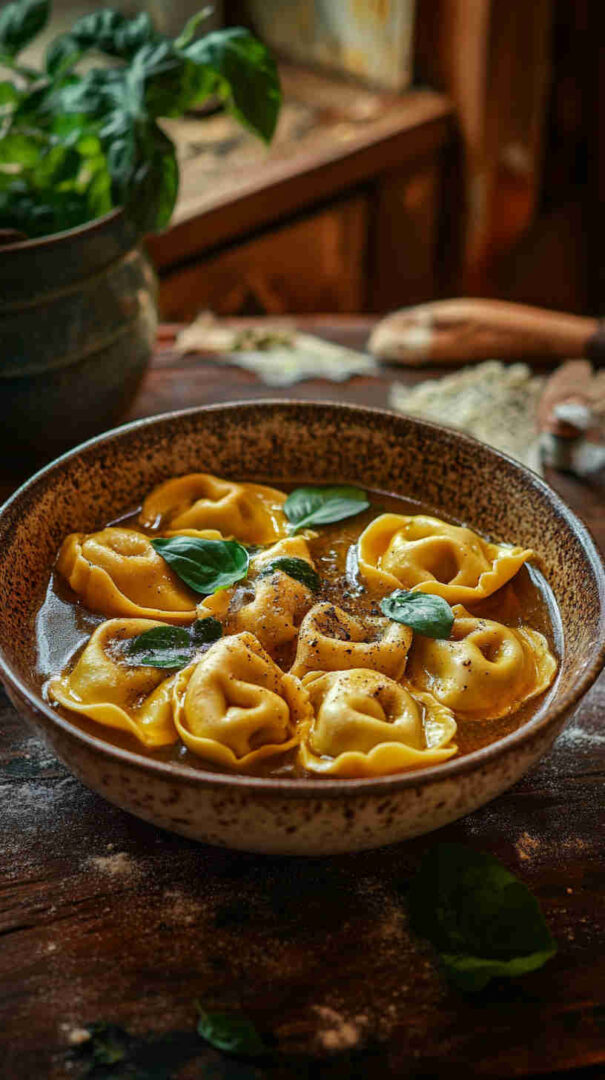
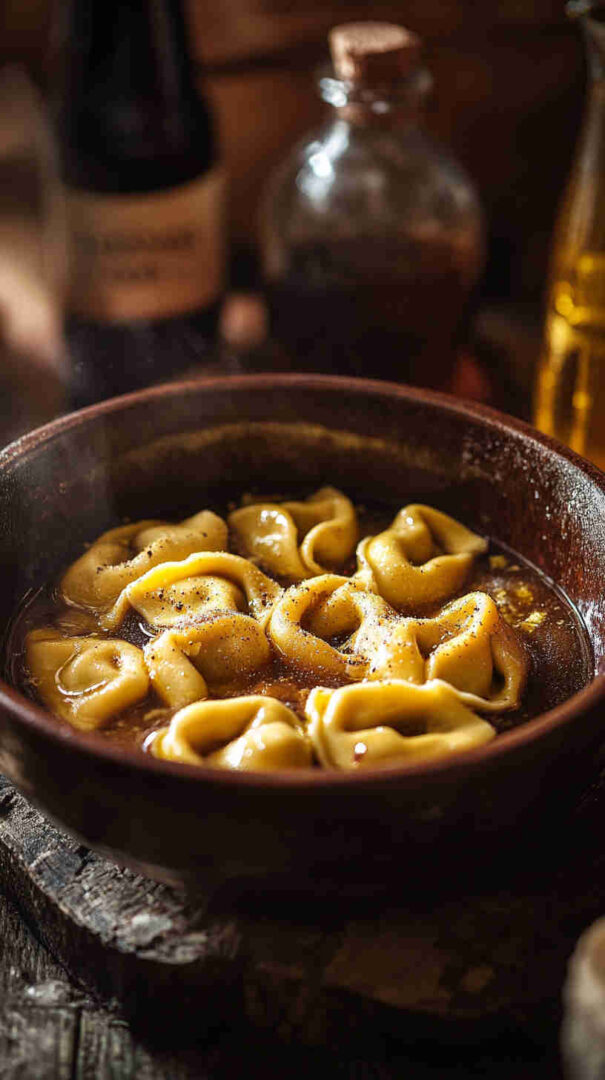
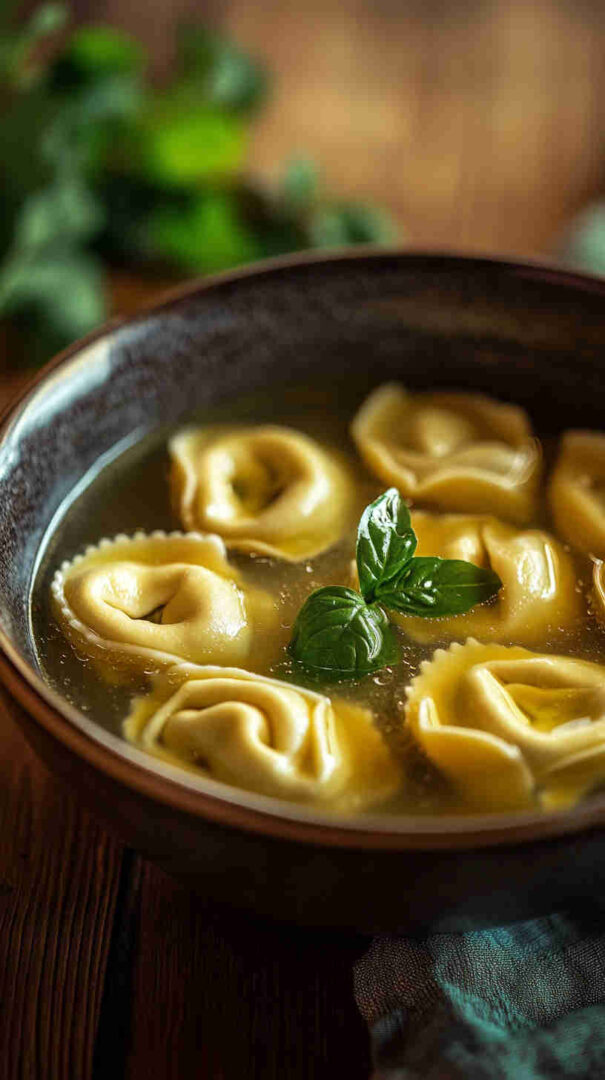
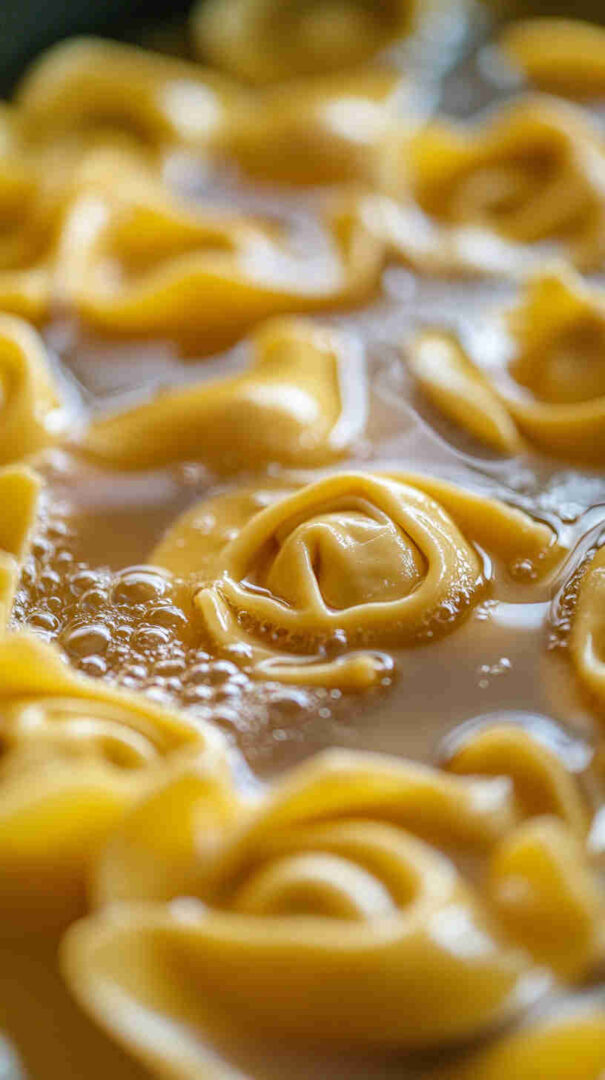
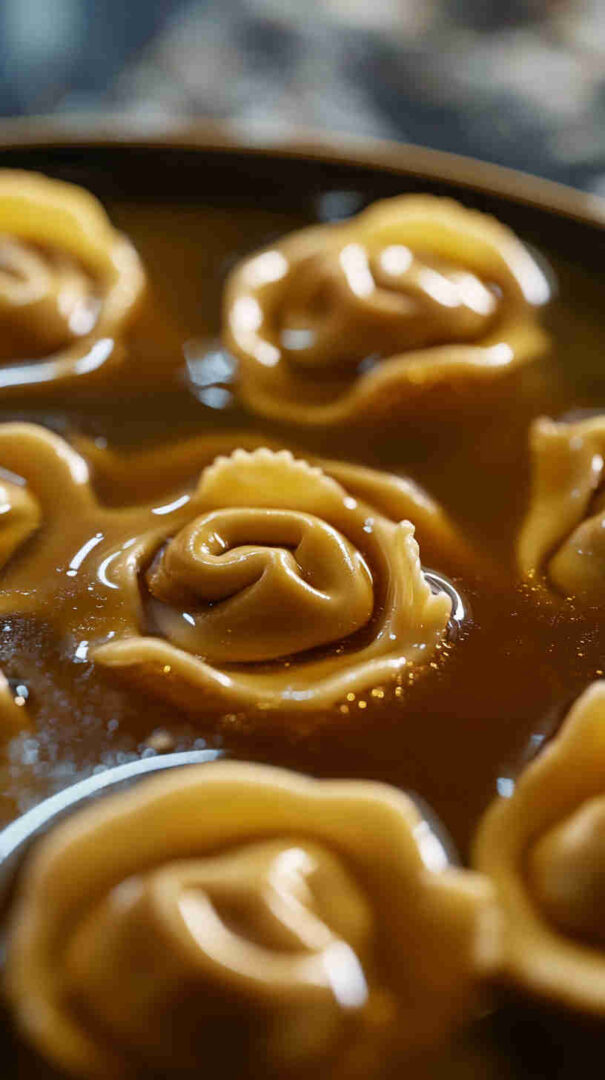
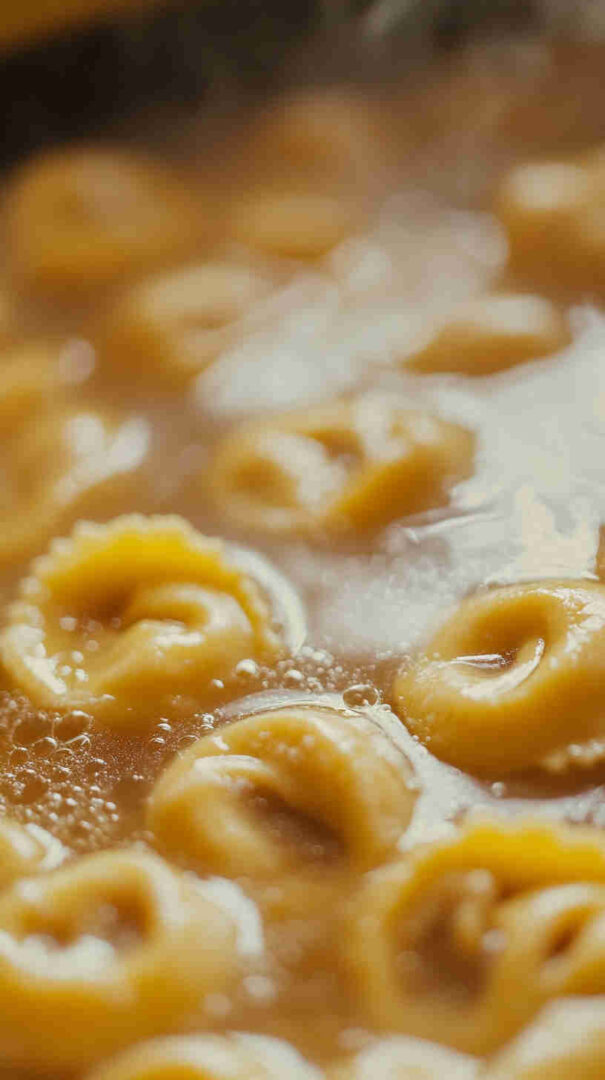
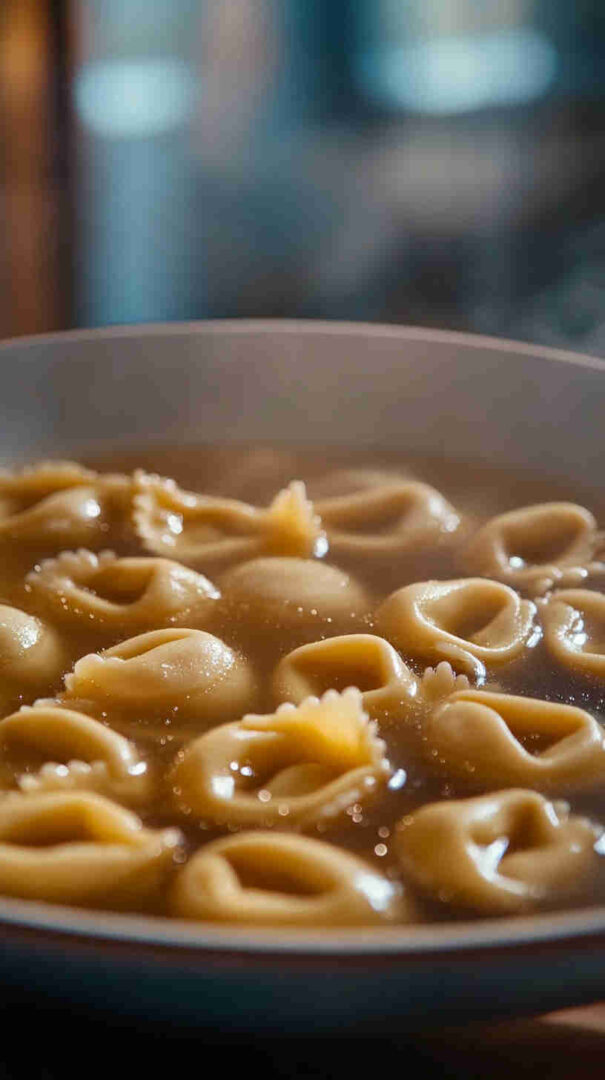
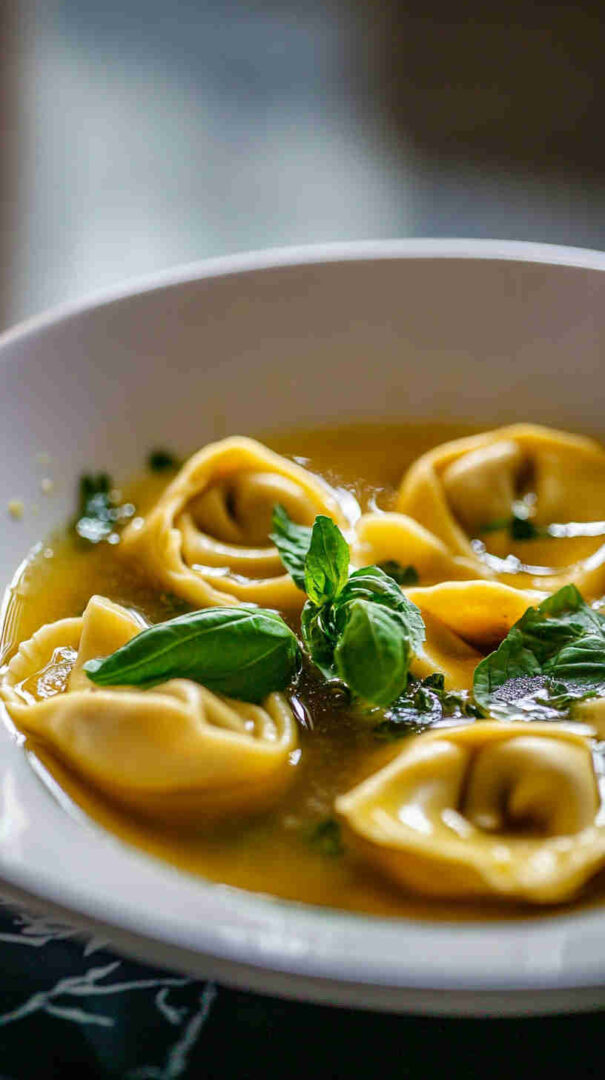
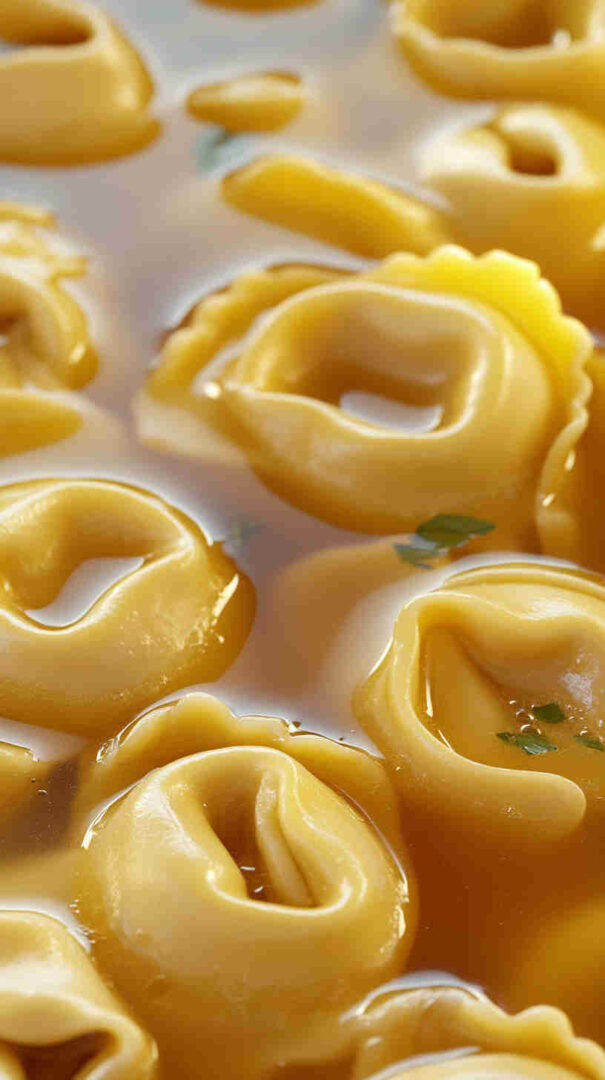
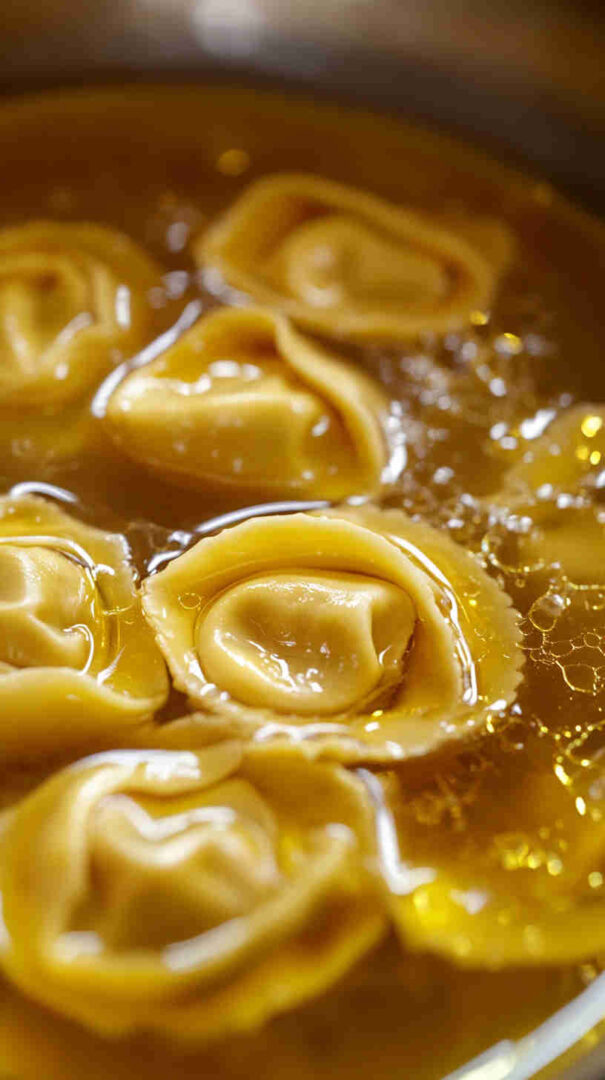
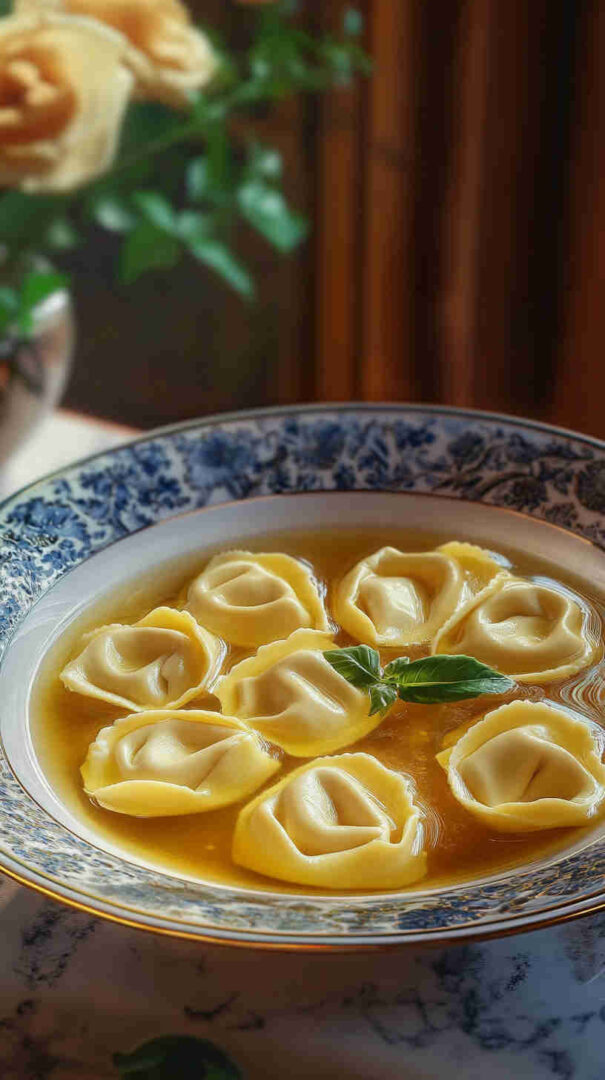
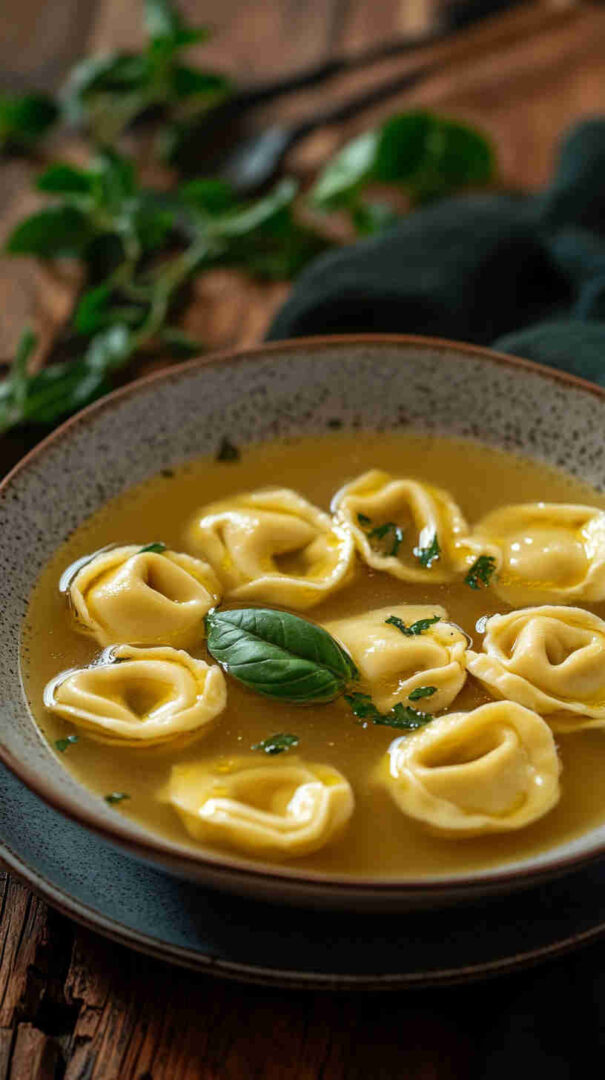
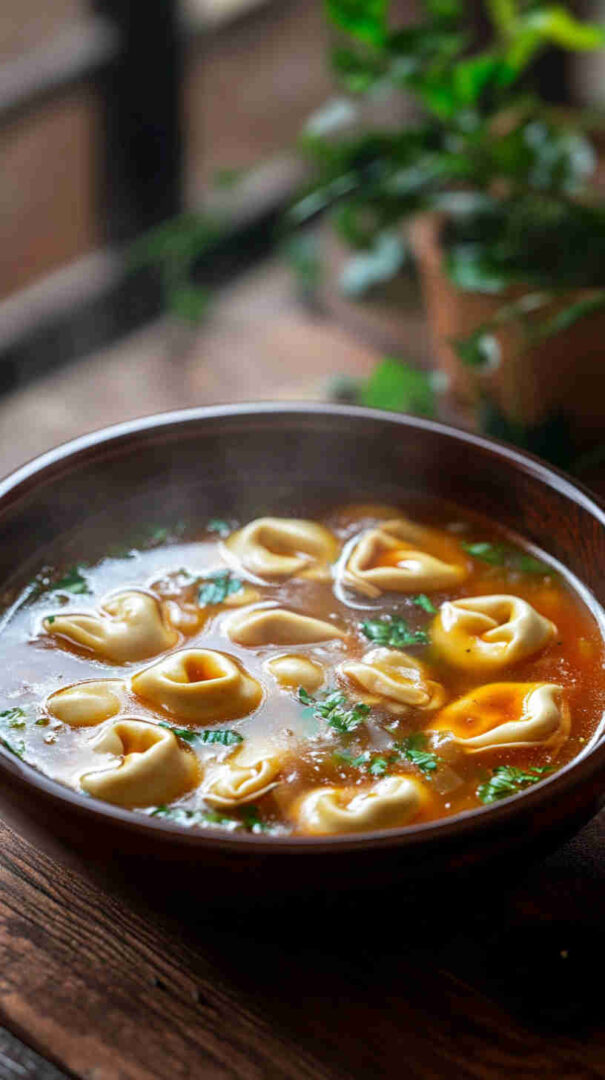
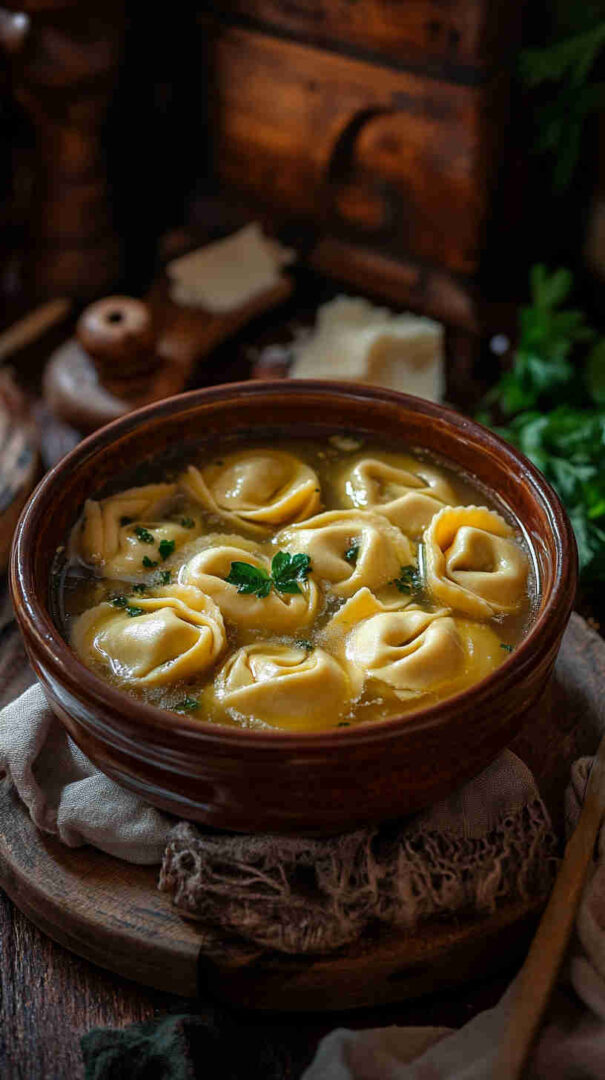
Please share this Emilia-Romagna Tortellini in Brodo Recipe with your friends and do a comment below about your feedback.
We will meet you on next article.
Until you can read, Classic Italian Lasagna Recipe