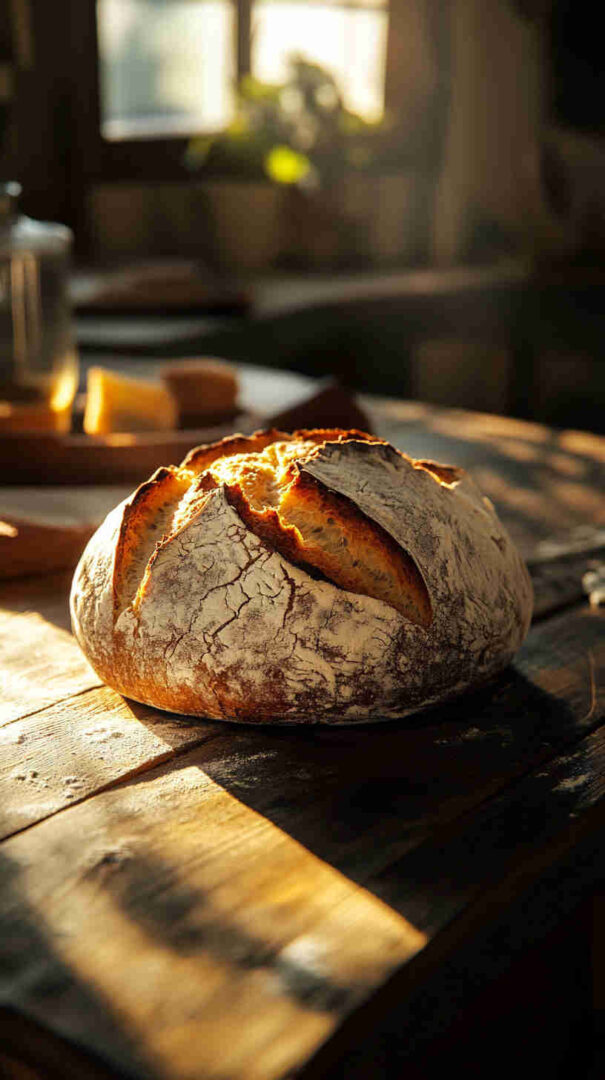
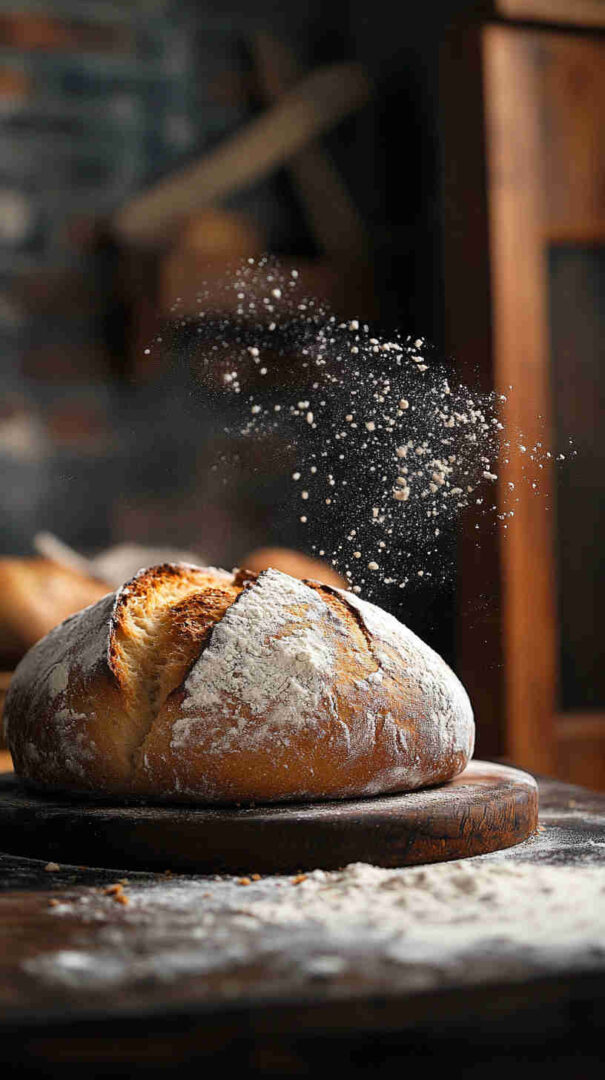
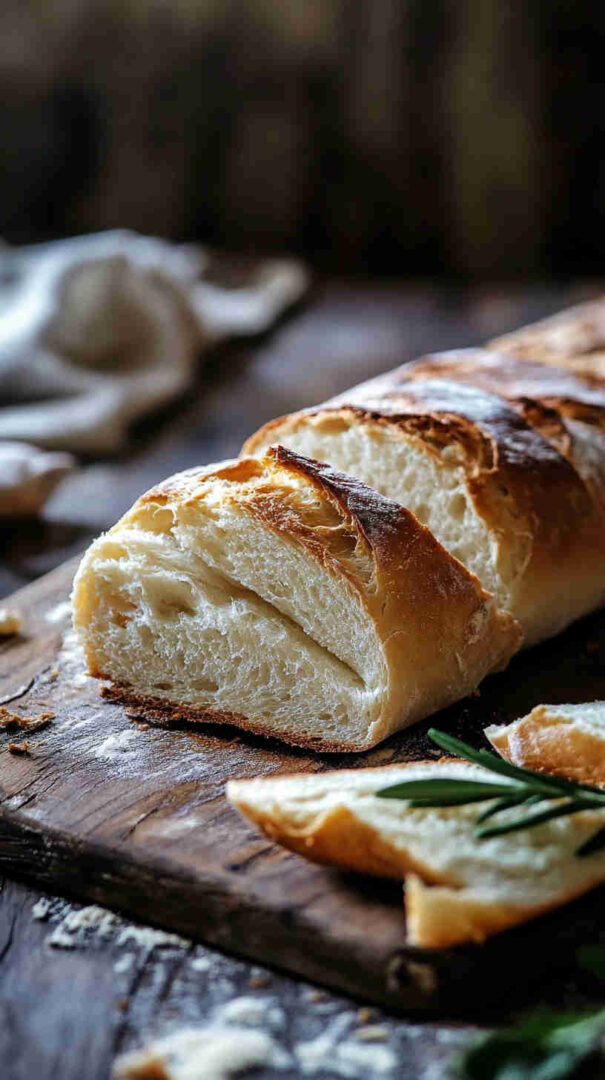
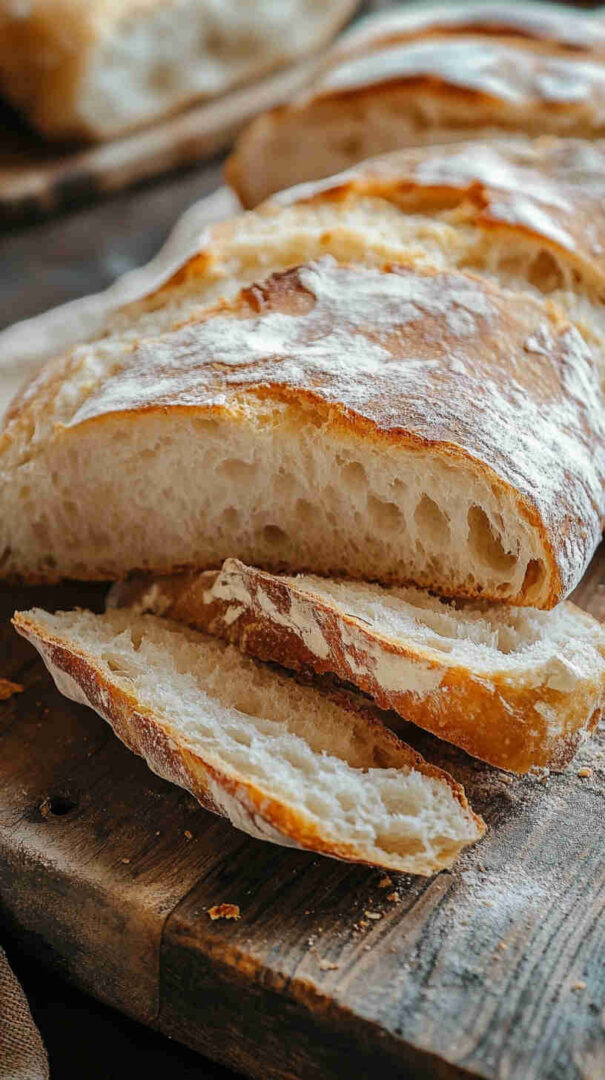
Pane Casereccio delivers that true rustic Italian charm: a thick, crackly crust dusted with flour, a soft yet chewy interior with large airy pockets, and subtle wheaty notes from high-quality flour. This no-knead or gently handled bread captures everyday homemade Italian baking—ideal for scarpetta, sandwiches, or alongside antipasti.
Why You’ll Love This recipe
This Rustic Italian Country Bread will win your heart because it brings the soul of Italian home baking right to your kitchen with astonishingly simple ingredients and technique. The long, slow fermentation develops incredible depth of flavor—nutty, slightly tangy, and deeply satisfying—without needing fancy starters or endless kneading.
You’ll get that signature thick, shatteringly crisp crust that crackles when broken, contrasted by a tender, hole-filled crumb that soaks up olive oil or holds hearty toppings beautifully. It’s versatile beyond measure: perfect for dipping in soups, making bruschetta, building panini, or just tearing apart warm with family.
The process feels rewarding yet forgiving—great for beginners embracing artisan bread—while delivering bakery-level results that impress everyone. The aroma of fresh-baked bread filling your home is pure comfort, and once sliced, you’ll never want store-bought again. It’s honest, timeless bread that celebrates quality ingredients and patience—truly addictive!
Rustic Italian Country Bread (Pane Casereccio)
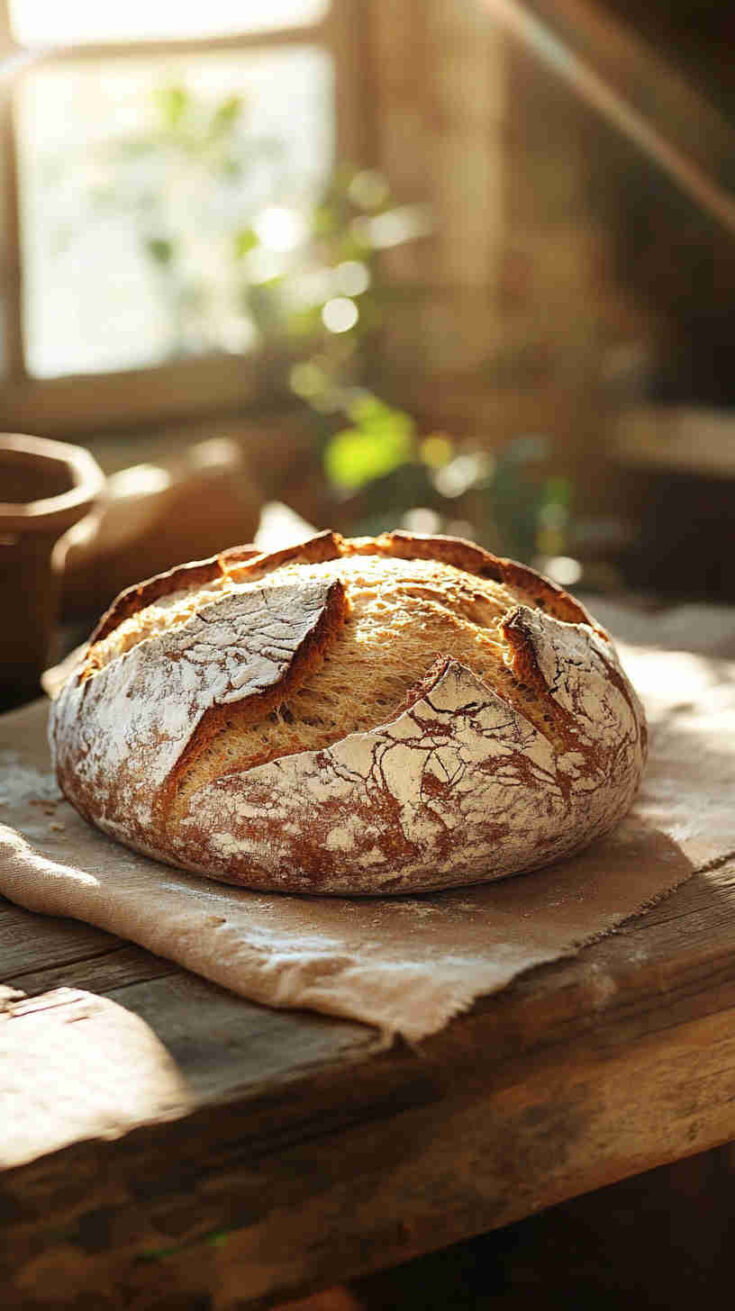
Rustic Italian country bread: crackly crust, open chewy crumb, simple homemade perfection.
Ingredients
- 500g (4 cups) bread flour (or high-protein all-purpose/Italian Tipo 0) + extra for dusting
- 375-400ml (1.5-1.75 cups) lukewarm water (adjust for 75-80% hydration)
- 7g (2¼ tsp) instant yeast (or 1 packet)
- 10g (2 tsp) fine sea salt
- 1-2 tbsp extra-virgin olive oil (optional, for tenderness)
Instructions
- Mix the simple dry base — In a large bowl, whisk together the flour, instant yeast, and salt. This quick step ensures even distribution for a perfect rise—easy peasy!
- Add the water magic — Pour in most of the lukewarm water (start with 375ml) and olive oil if using. Stir with a wooden spoon or your hands until a shaggy, very sticky dough forms—add remaining water if too dry. No kneading needed!
- Embrace the stickiness — The dough should be wet and loose—that's the secret to those gorgeous holes. Cover the bowl with plastic wrap or a damp cloth.
- Long cozy rise — Let it rest at room temperature 12-18 hours (or fridge overnight) until bubbly, doubled, and full of life—patience creates amazing flavor!
- Preheat for crust perfection — About 30 minutes before shaping, place a Dutch oven (or heavy pot with lid) in the oven and preheat to 230°C/450°F.
- Shape gently — Flour a surface generously, turn out the dough, fold edges to center to form a loose ball. Let rest 15-20 minutes, then shape into a boule—dust with flour.
- Final proof — Place on floured parchment or cloth in a bowl for support, cover, and proof 1-2 hours until puffy.
- Score and transfer — Carefully move dough (with parchment) into hot Dutch oven. Slash top deeply with a sharp knife for expansion.
- Bake covered then uncovered — Cover and bake 30 minutes, then uncover 10-15 minutes until deep golden and hollow-sounding—crust will crackle beautifully!
- Cool and celebrate — Remove to a wire rack, cool at least 1-2 hours. Slice, drizzle with olive oil, and enjoy the rustic Italian joy you've created!
Notes
High hydration = sticky dough—resist adding flour; it bakes into airy perfection. Dutch oven traps steam for artisan crust; essential for best results. Use quality flour for authentic taste. Overnight rise preferred for flavor depth. Oven temps vary—check doneness early. This lean bread highlights wheat—keep it simple!
Nutrition Information
Yield
16Serving Size
1Amount Per Serving Calories 114Total Fat 1gSaturated Fat 0gUnsaturated Fat 0gSodium 244mgCarbohydrates 23gFiber 1gSugar 0gProtein 4g
The recipes and nutritional information on Yum Tonight are for informational purposes only. Always consult a healthcare provider for personalized dietary advice.
Recipe Tips and Tricks
Use bread flour or high-protein all-purpose (12-13% protein) for structure and open crumb—Italian Tipo 0 or 00 works wonderfully if available. High hydration (70-80%) creates those signature holes; embrace the sticky dough. For best flavor, opt for overnight cold rise or preferment like biga/poolish.
Bake in a preheated Dutch oven (or covered pot) for steam-trapped crust; slash deeply before baking for controlled expansion. Dust generously with flour for rustic look and non-stick. If no Dutch oven, use a baking stone with steam (ice/hot water pan).
Cool fully on a rack (2+ hours) to set crumb and avoid gumminess. Score with a sharp blade or lame at 45° angle. For extra crunch, spritz with water before baking.
Ingredients Notes
Bread flour (or strong all-purpose/Italian Tipo 0) provides the gluten needed for chew and rise—higher protein yields better structure and open texture. Water should be room temperature or lukewarm; filtered preferred to avoid chlorine affecting yeast. Instant yeast (or active dry) offers reliable fermentation—minimal amount for slow rise and flavor.
Fine sea salt or kosher enhances taste and strengthens dough without overpowering. Optional extra-virgin olive oil adds subtle richness and tenderness to crumb, common in some regional versions. Flour for dusting creates that authentic floured exterior. No sugar or fats dominate—this lean dough lets the wheat shine, true to rustic Italian tradition.
Variations and Substitutions
Incorporate a biga or poolish preferment (mix flour/water/yeast night before) for deeper tang and better crumb—traditional in many versions. Add 1-2 tbsp olive oil to dough for softer texture. Use part whole wheat or ancient grains (farro/emmer) for nuttier flavor, but limit to 20-30% to maintain openness.
For quicker version, increase yeast and shorten rise. Shape into batard, ciabatta-style, or rolls instead of boule. Top with sesame seeds or herbs pre-bake. Active dry yeast? Proof in warm water first. No Dutch oven? Bake on stone with steam or in hot oven with covered pot. For enriched, add rosemary or olives into dough. Not ideal for gluten-free, but seek adapted rustic recipes.
Storage Options
Store cooled loaf in a paper or cloth bag at room temperature for 2-4 days to keep crust crisp—avoid plastic bags that soften it. Refresh slices by toasting or warming in 350°F oven 5-7 minutes. For longer, wrap tightly in foil/plastic and freeze up to 3 months; thaw at room temp and crisp in oven. Stale bread makes excellent pangrattato (toasted breadcrumbs), croutons, or base for pappa al pomodoro/ribollita soups.
Dish Gallery
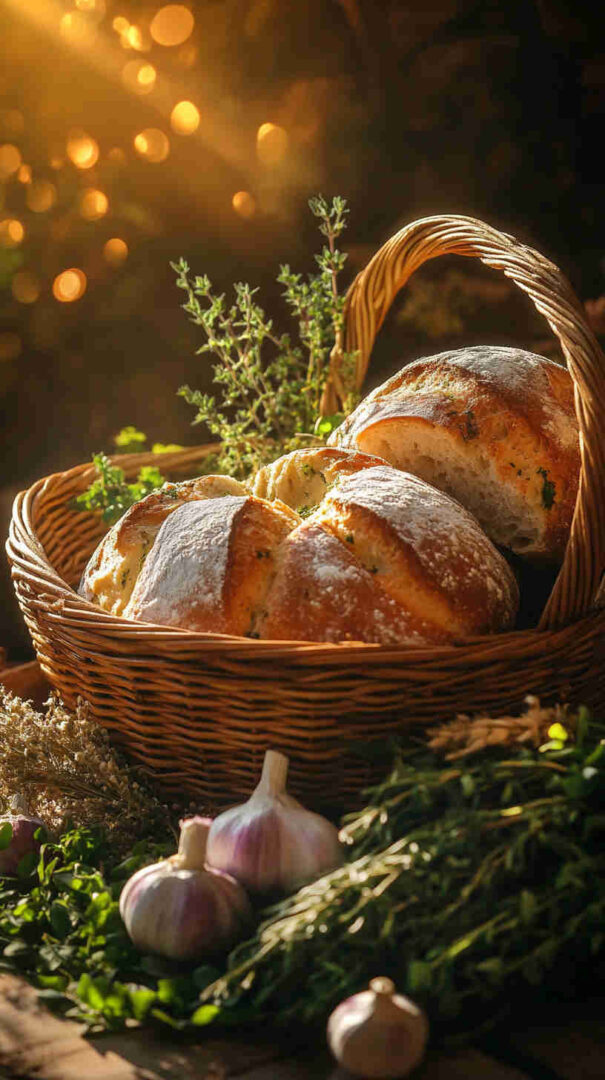
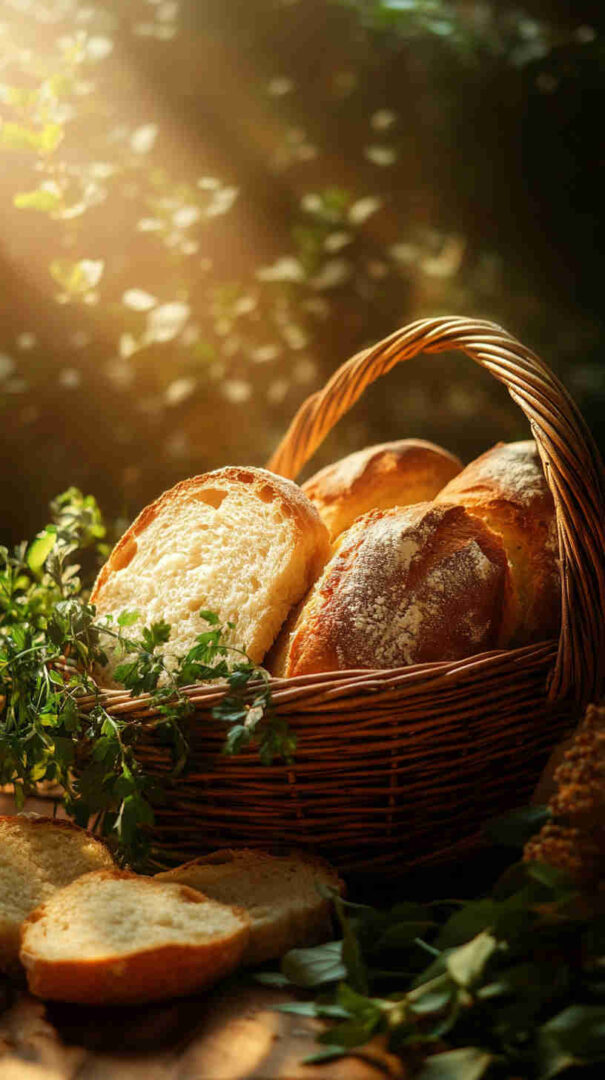
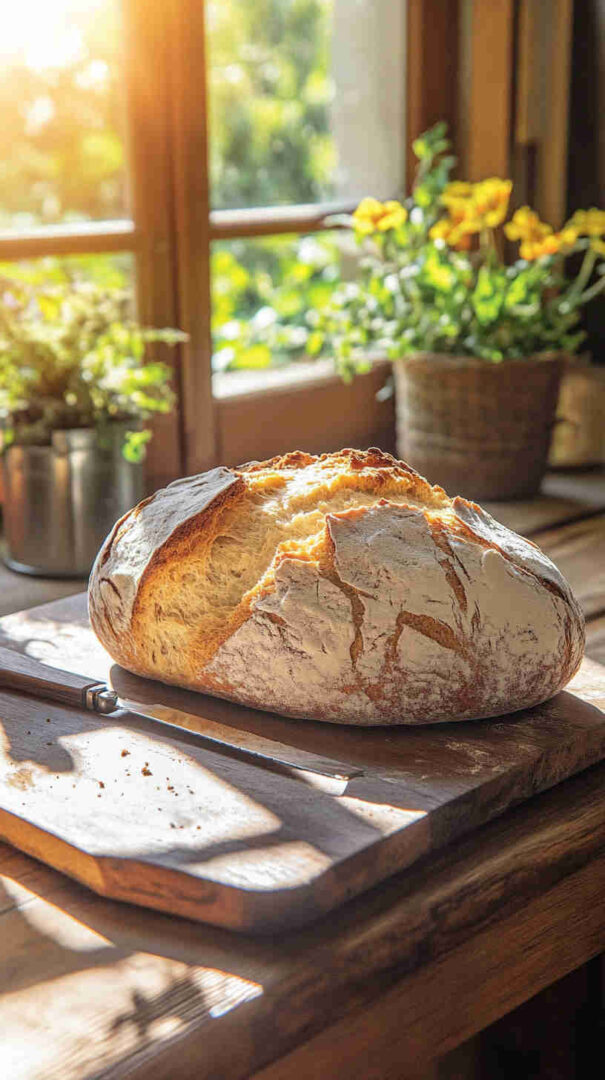
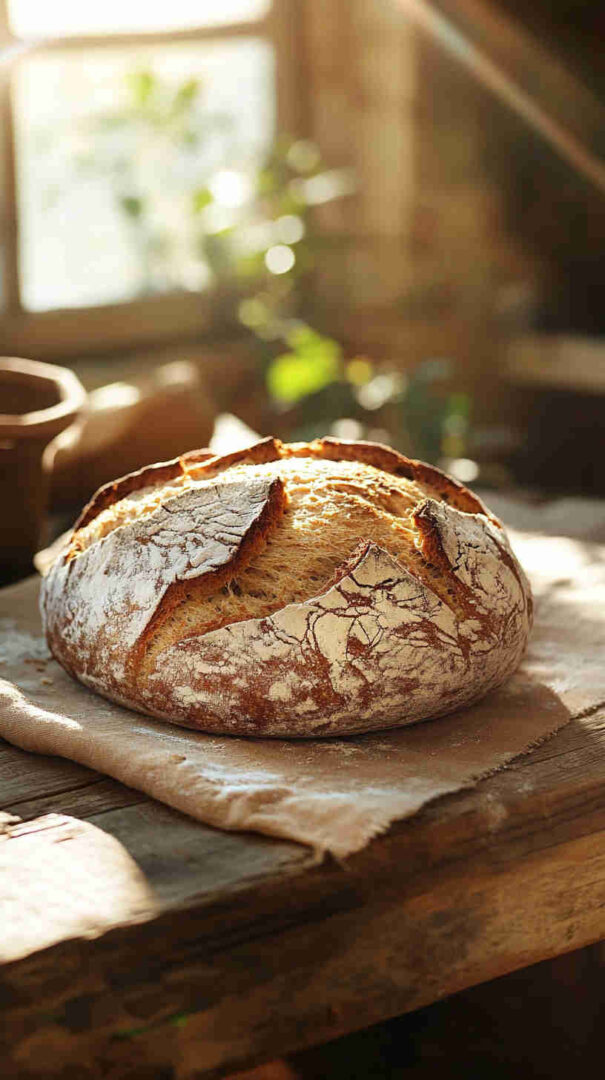

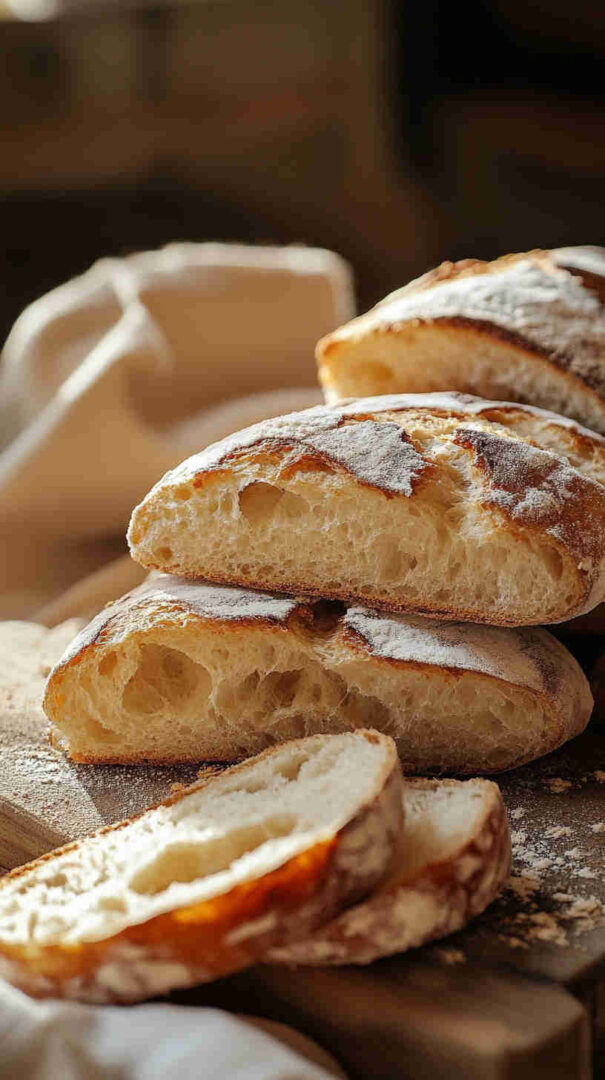
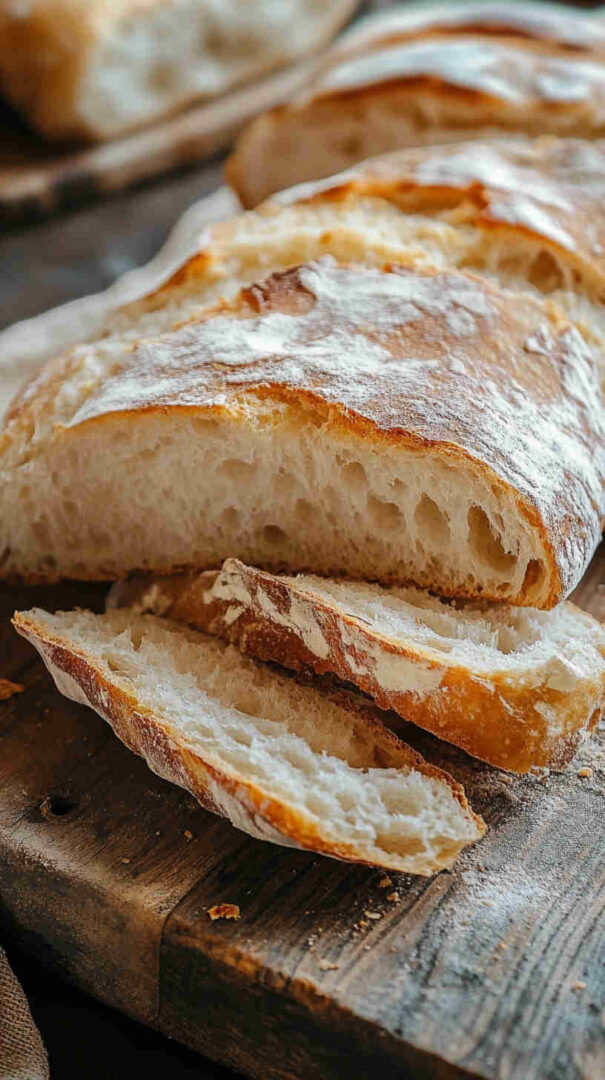

Please share this Rustic Italian Country Bread (Pane Casereccio) Recipe with your friends and do a comment below about your feedback.
We will meet you on next article.
Until you can read, Pesto and Parmesan Focaccia Bread