Italian Olive and Herb Focaccia Bread Recipe
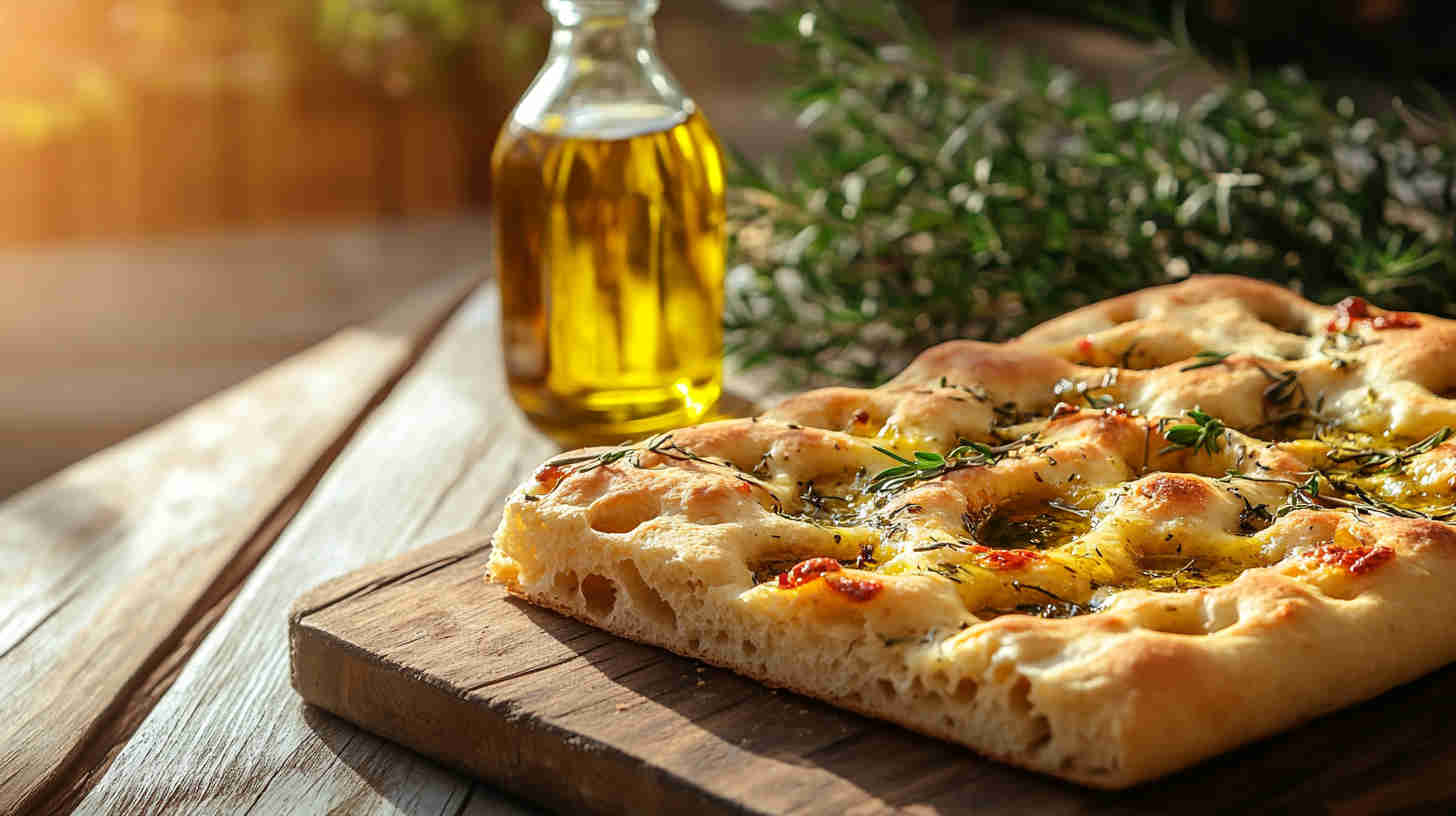
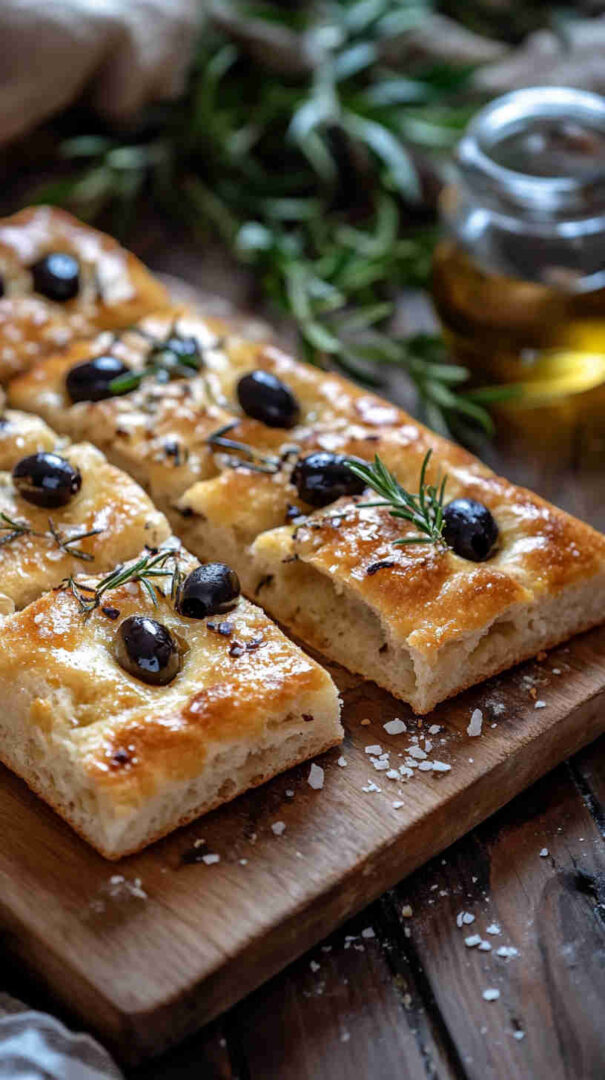
This classic Italian Olive and Herb Focaccia Bread features a soft, airy interior with a golden, crispy crust infused with extra virgin olive oil, briny olives, and fragrant fresh herbs like rosemary. It’s an easy, no-knead style bread that’s perfect as a side, appetizer, or sandwich base, capturing the rustic essence of Italian baking in every bite.
Why You’ll Love This Recipe
You’ll fall head over heels for this focaccia because it’s incredibly forgiving for beginners yet delivers bakery-quality results that impress everyone. The dough comes together quickly with minimal hands-on work—no intense kneading required—and the long rise develops deep flavor and those signature airy pockets.
Topped generously with plump olives, fresh herbs, and a drizzle of high-quality olive oil, every bite bursts with Mediterranean charm: salty, herby, and irresistibly olive-oily. It’s versatile enough to serve warm with soups, alongside pasta, dipped in balsamic, or even as a base for sandwiches.
Plus, the aroma wafting from your oven will make your home feel like a cozy Italian trattoria—pure comfort and joy in bread form!
Italian Olive and Herb Focaccia Bread Recipe
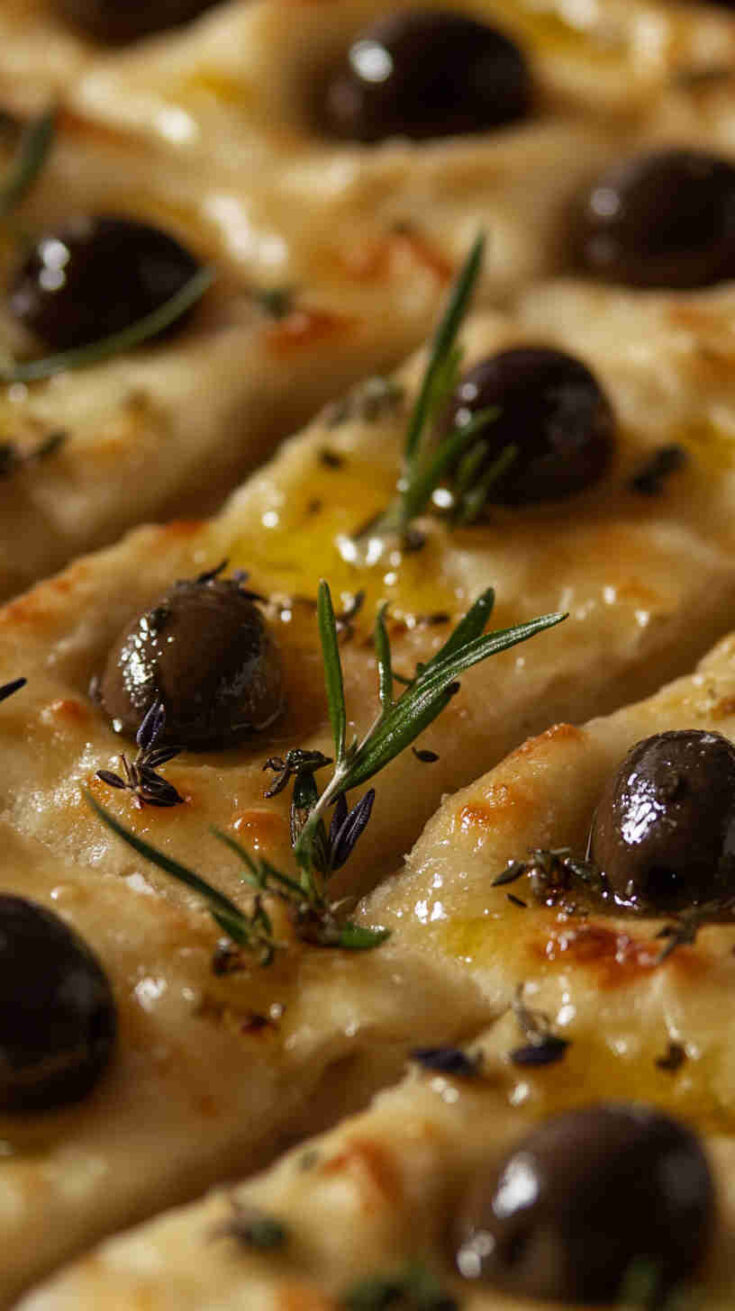
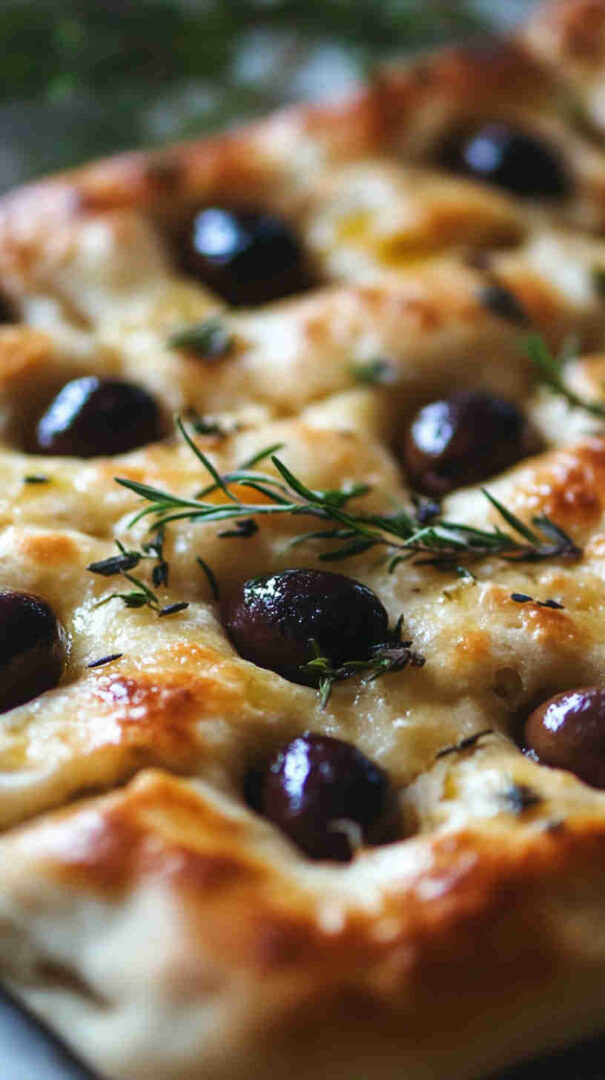
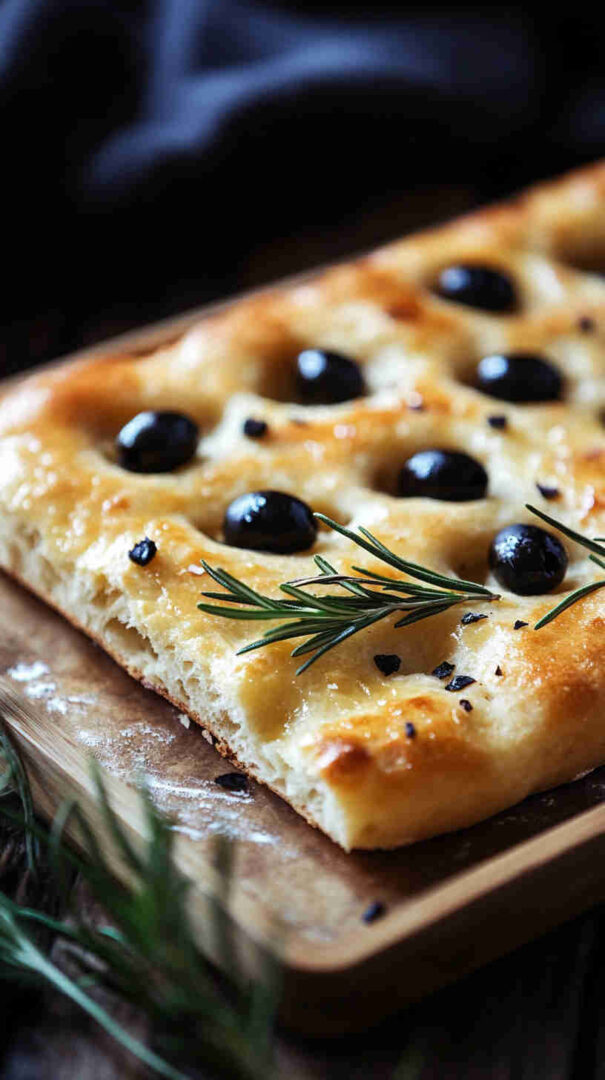
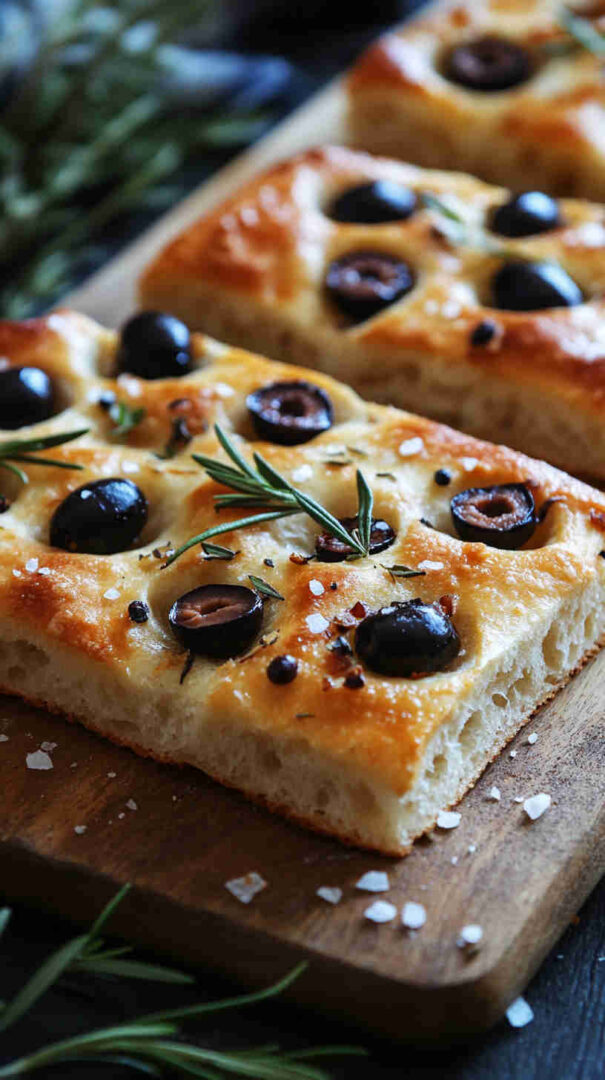
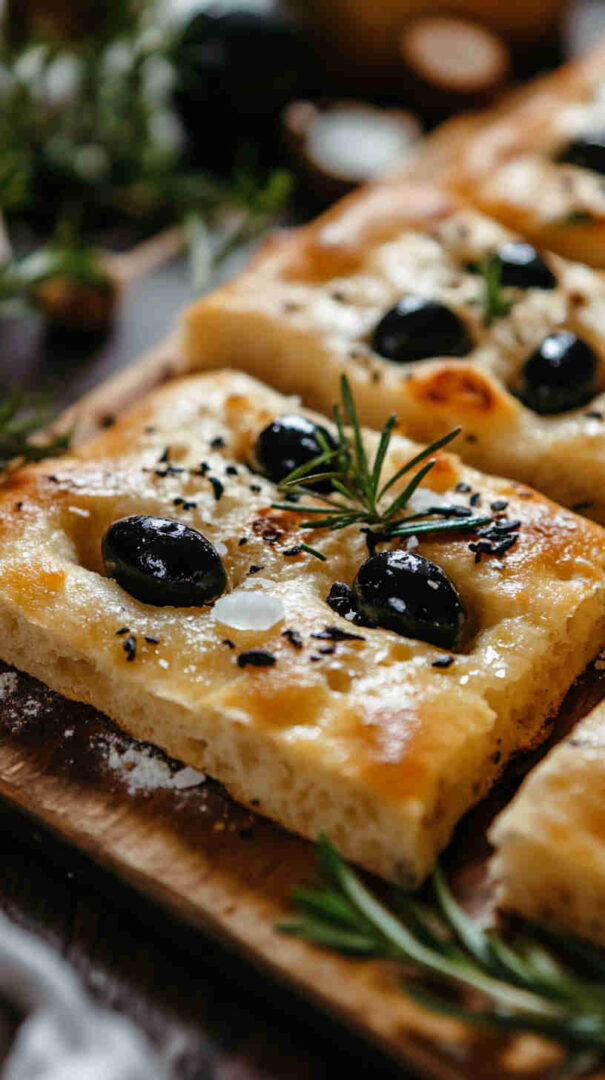
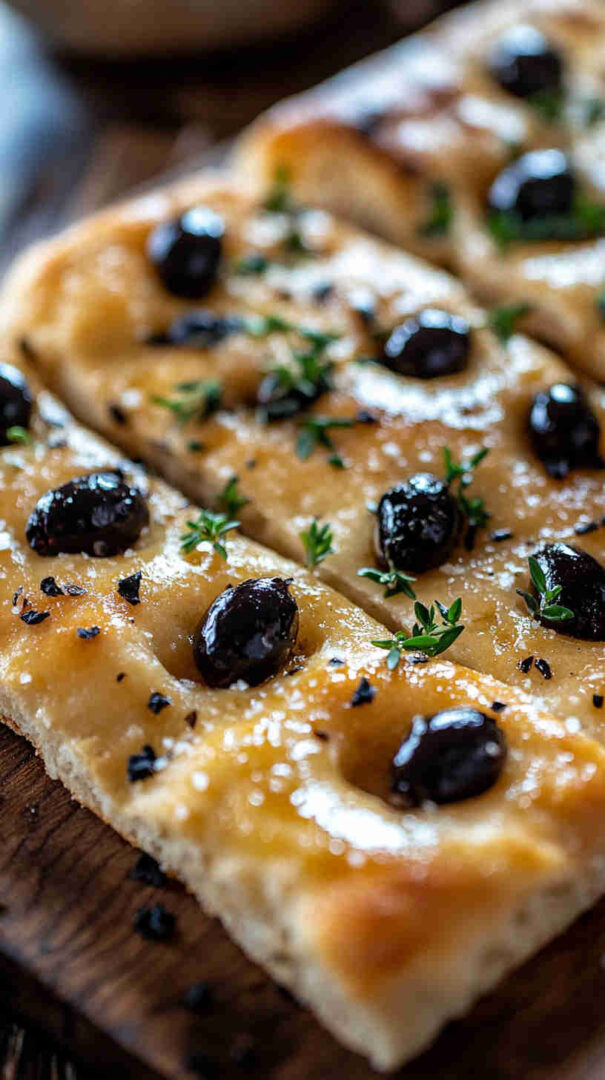
Soft, olive oil-rich Italian focaccia studded with briny olives and fragrant herbs—rustic perfection!
Ingredients
- 2 cups (480ml) warm water (about 100-110°F)
- 2 teaspoons instant yeast (or active dry yeast)
- 1 teaspoon honey or sugar
- 4½–5 cups (560–625g) all-purpose or bread flour, plus extra for dusting
- 2 teaspoons fine sea salt
- ¼ cup (60ml) extra virgin olive oil, plus ¼ cup more for the pan and drizzling
- ¾ cup pitted Kalamata olives, halved
- 3–4 tablespoons fresh rosemary, chopped (or 2 tablespoons dried)
- Optional: 1–2 teaspoons mixed dried herbs (oregano, thyme)
- Flaky sea salt, for topping
Instructions
- Wake up the yeast party! In a large mixing bowl, combine the warm water, yeast, and honey. Give it a gentle stir and let it sit for 5-10 minutes until it gets foamy and bubbly—like it's excited to make bread!
- Bring in the basics. Pour in ¼ cup olive oil, the salt, and about 4½ cups flour. Stir with a wooden spoon or your hands until a shaggy dough forms. It’ll be sticky—that’s perfect!
- Knead with love (or not!). Turn the dough onto a lightly floured surface and knead for 5-7 minutes until smooth and elastic, adding a sprinkle of flour if needed. (Or use a stand mixer with dough hook for 4-5 minutes.)
- First rise magic. Oil a large bowl generously with olive oil, place the dough inside, and turn it to coat. Cover with a damp towel or plastic wrap and let it rise in a warm spot for 1 hour until doubled and puffy.
- Prep your pan like a pro. Drizzle ¼ cup olive oil into a 9x13-inch rimmed baking sheet (or similar). Spread it around to coat the bottom and sides—this creates that golden, crispy base!
- Gentle transfer time. Gently tip the risen dough into the oiled pan. Use oiled fingertips to stretch and press it evenly to the edges. Don’t worry if it springs back; let it rest 10 minutes and stretch again.
- Dimple delight! Poke deep dimples all over the dough with your fingertips—like giving it a relaxing massage. This creates those lovely oil pockets.
- Top it gorgeous. Scatter the halved olives and chopped rosemary evenly over the top. Drizzle generously with more olive oil (let it pool in the dimples!), then sprinkle flaky sea salt.
- Final puff. Let the dough rest uncovered for 20-30 minutes while you preheat your oven to 425°F (220°C). It’ll get even puffier and ready to bake.
- Bake to golden perfection. Pop it in the oven for 25-30 minutes until deeply golden and crisp on top. Remove, drizzle one last kiss of olive oil if desired, cool slightly on a rack, then slice and devour warm!
Notes
For extra flavor, infuse the olive oil with garlic by gently heating minced garlic in oil first (cool before using). Always use good olive oil—it's 50% of the taste!
Nutrition Information
Yield
16Serving Size
1Amount Per Serving Calories 63Total Fat 7gSaturated Fat 1gUnsaturated Fat 6gSodium 355mgCarbohydrates 1gFiber 1gSugar 0gProtein 0g
The recipes and nutritional information on Yum Tonight are for informational purposes only. Always consult a healthcare provider for personalized dietary advice.
Recipe Tips and Tricks
Use high-quality extra virgin olive oil generously; it’s the star flavor, so don’t skimp! Warm water should be around 100-110°F (like bathwater) to activate yeast without killing it. For the best texture, let the dough rise slowly—if time allows, do an overnight fridge rise for even more flavor.
Dimple the dough deeply with your fingertips to create pockets that hold olive oil and toppings. Bake on the middle rack for even browning, and rotate the pan halfway if your oven has hot spots.
Pat olives dry before pressing in to avoid soggy spots. For extra crispiness, use a cast-iron skillet or baking stone. Always sprinkle flaky sea salt right before baking for that irresistible crunch.
Ingredients Notes
Extra virgin olive oil is non-negotiable here—choose a fruity, high-quality one as it flavors the dough, pan, and topping for that authentic Italian richness. All-purpose flour works beautifully for a tender crumb, but bread flour adds extra chew if you have it.
Instant yeast (or active dry) makes this foolproof; no proofing needed with instant. Fresh rosemary is classic and aromatic, but mix in other herbs like thyme or oregano for depth. Kalamata olives bring bold, briny contrast—pit and halve them for even distribution.
Flaky sea salt (like Maldon) on top creates crunchy bursts that elevate every slice. A touch of honey or sugar feeds the yeast and balances flavors without making it sweet.
Variations and Substitutions
Keep it classic with just rosemary and olives, or get creative: add halved cherry tomatoes, roasted garlic cloves, or caramelized onions for sweetness. Swap Kalamata for green Castelvetrano olives for milder flavor.
For a cheesy twist, grate Parmesan or Pecorino over the top before baking. Herb lovers can mix in fresh thyme, oregano, basil, or even sage. Make it garlic-heavy by infusing the oil with minced garlic. For a vegan version, it’s already naturally vegan—just ensure your yeast is suitable.
Gluten-free? Use a 1:1 GF flour blend, though texture may vary. No fresh herbs? Dried Italian seasoning (about 1-2 tsp) works in a pinch, but fresh is far superior. Add sun-dried tomatoes or pine nuts for texture.
Storage Options
Store leftover focaccia in an airtight container or wrapped tightly at room temperature for up to 2 days—best enjoyed the day it’s baked. For longer storage, wrap slices in plastic and foil, then freeze for up to 1 month; thaw at room temp and reheat in a 350°F oven for 5-10 minutes to restore crispiness. Avoid refrigerating as it can dry out the bread. Refresh day-old focaccia by drizzling with olive oil and warming in the oven.
Dish Gallery
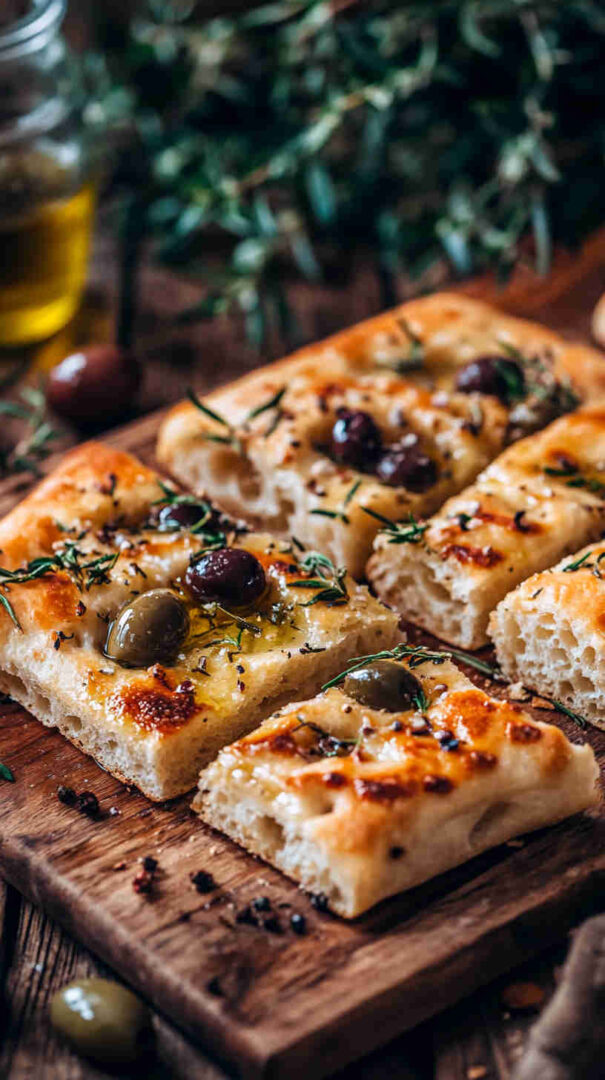
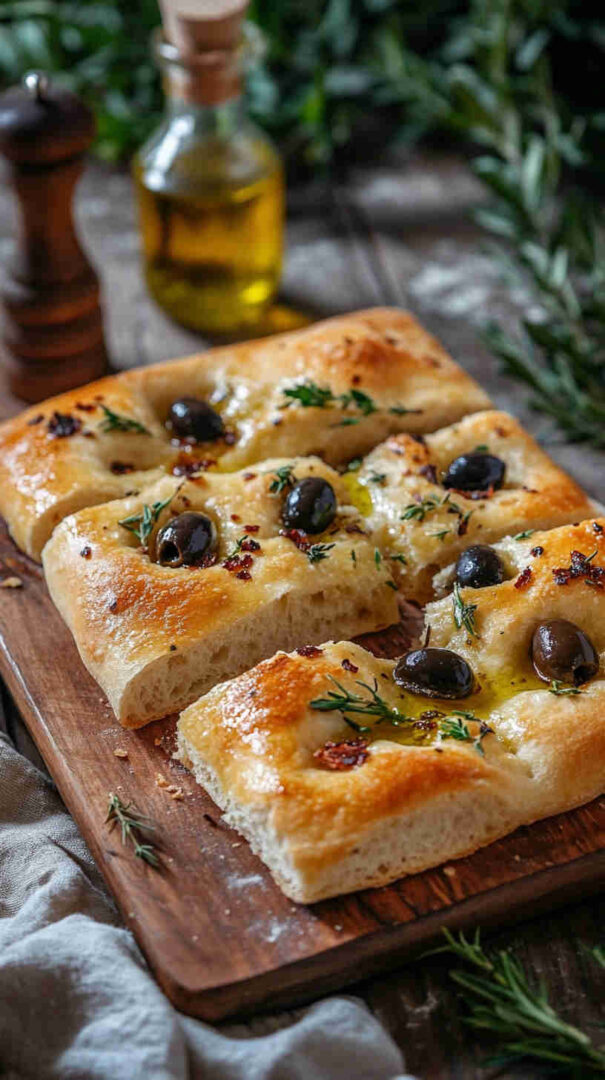
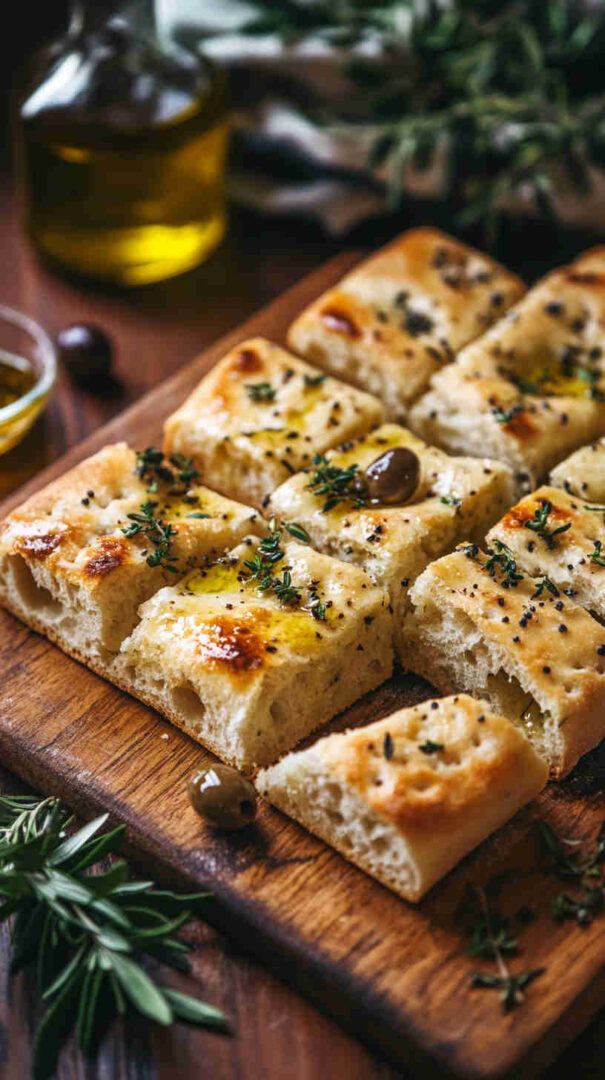
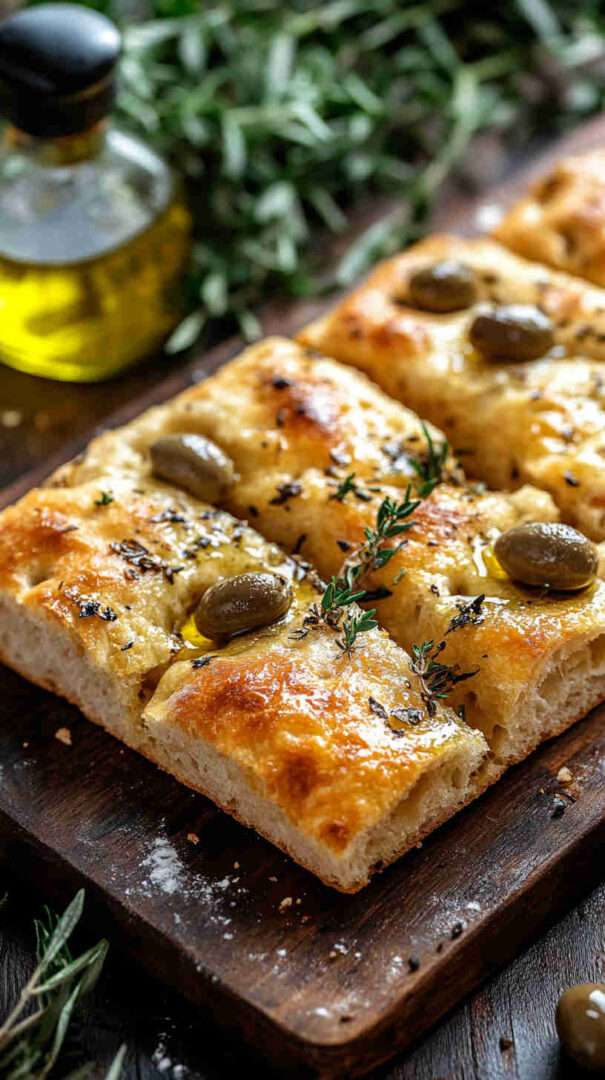
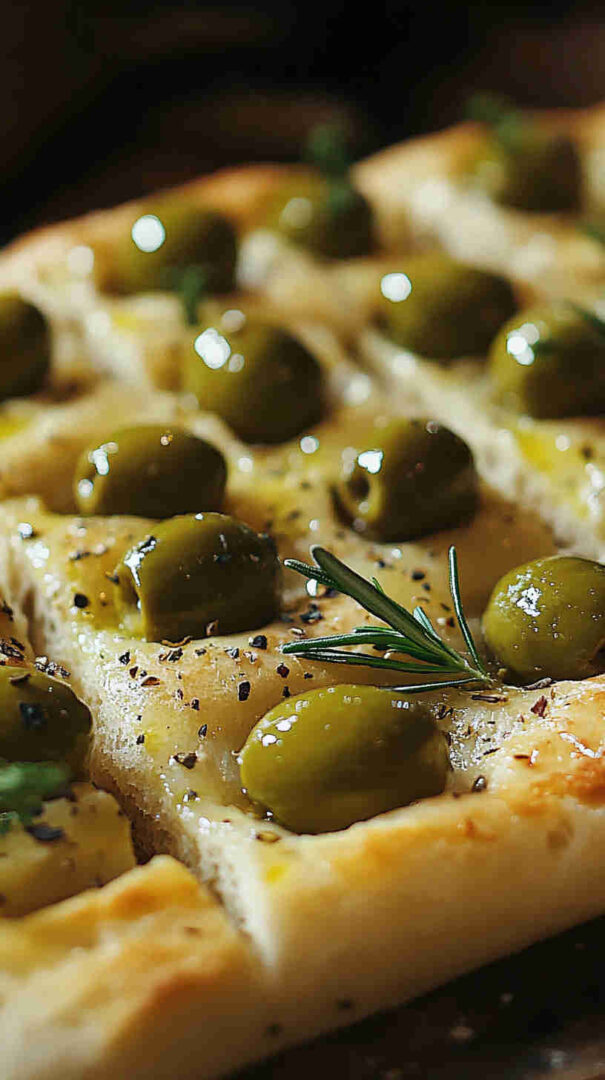
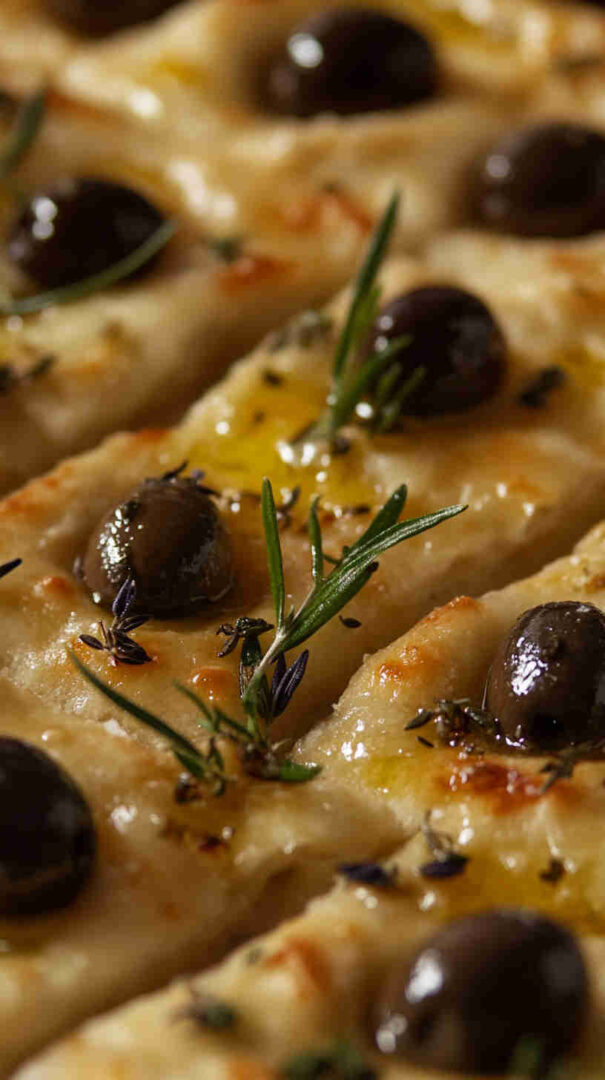
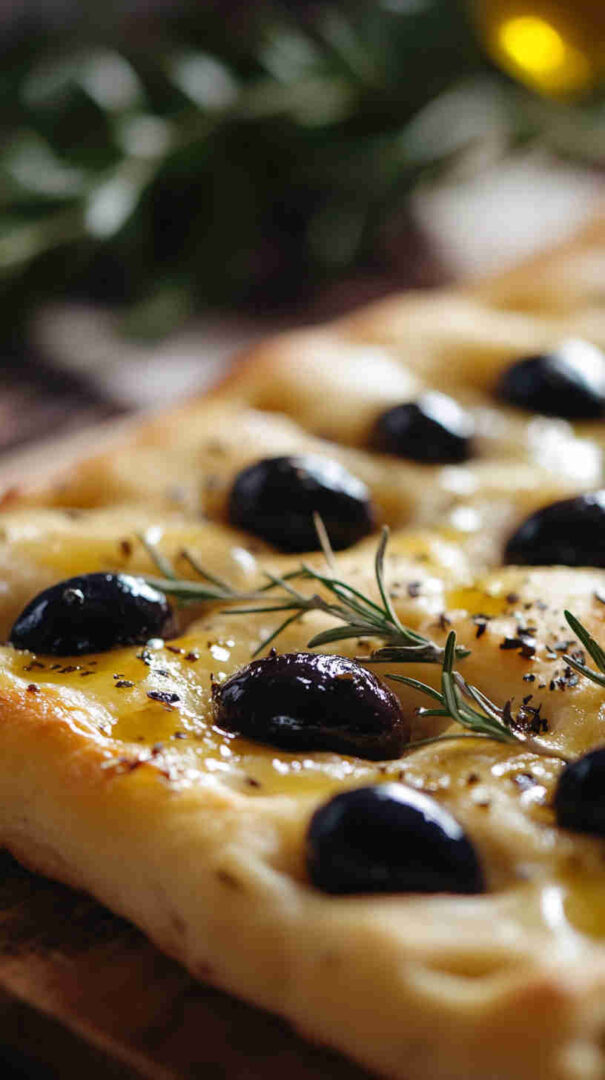


Please share this Italian Olive and Herb Focaccia Bread Recipe with your friends and do a comment below about your feedback.
We will meet you on next article.
Until you can read, Traditional Ciabatta Bread at Home