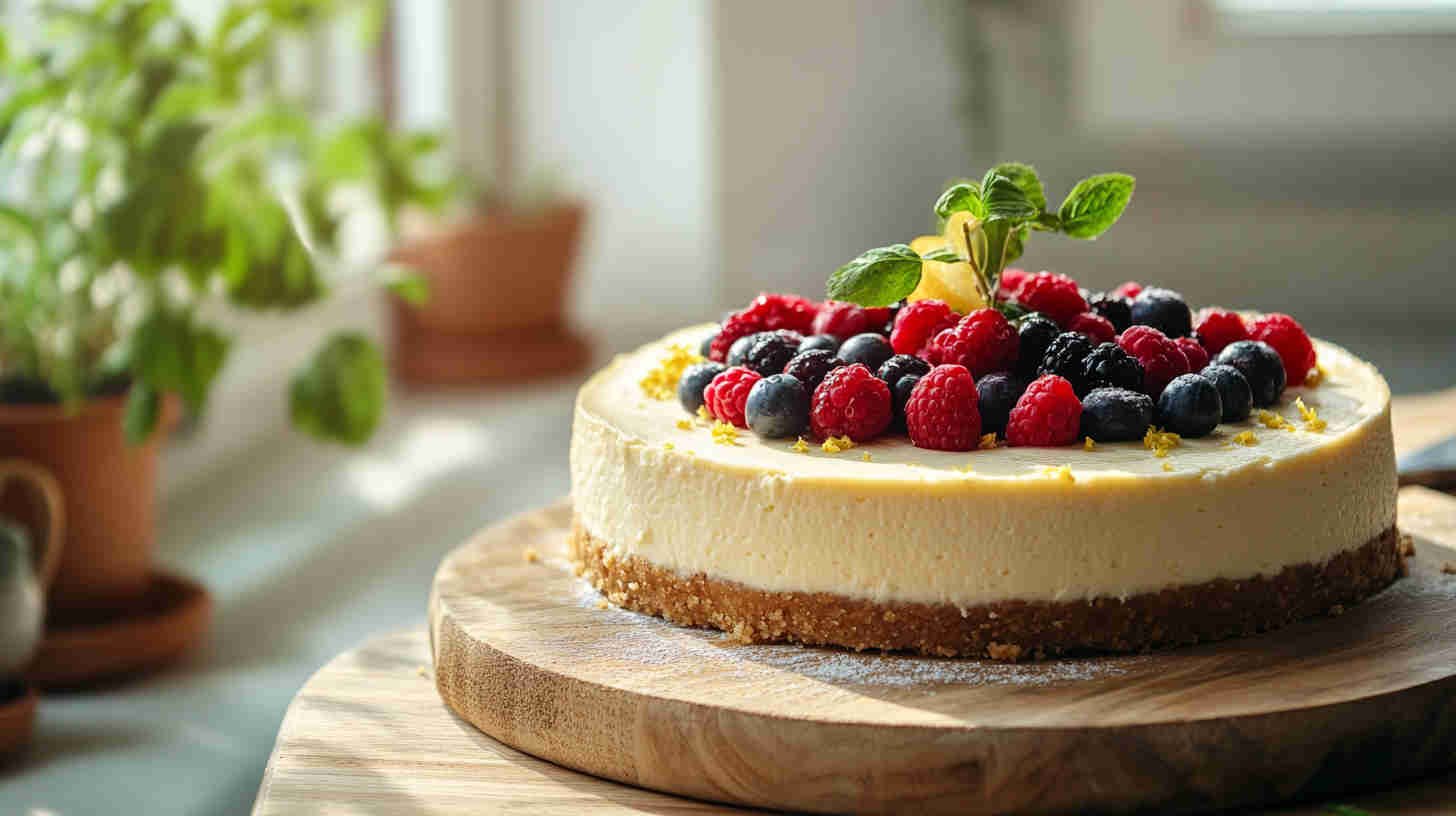
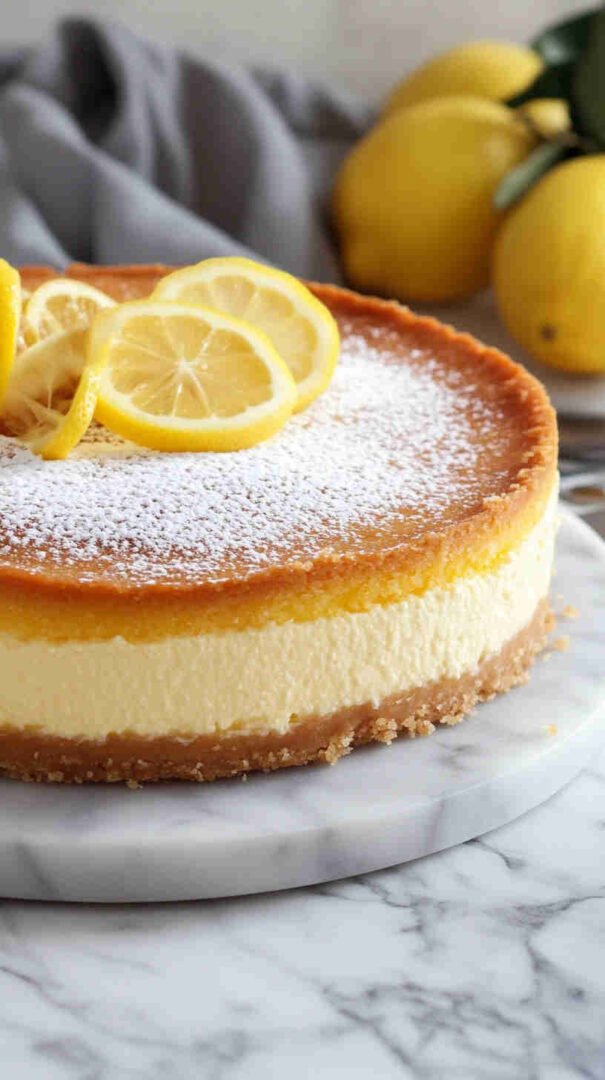
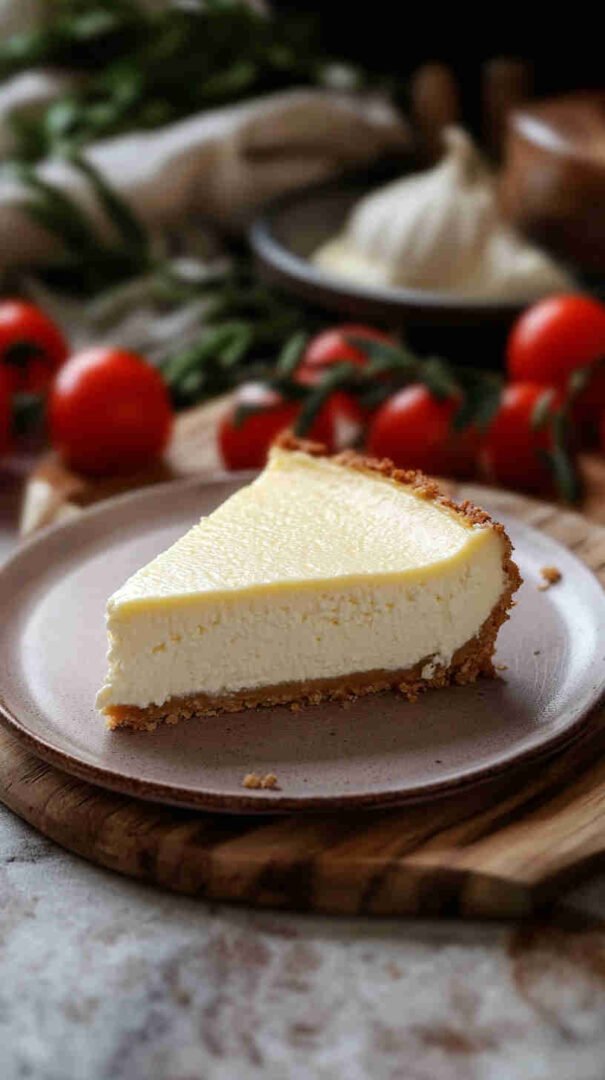
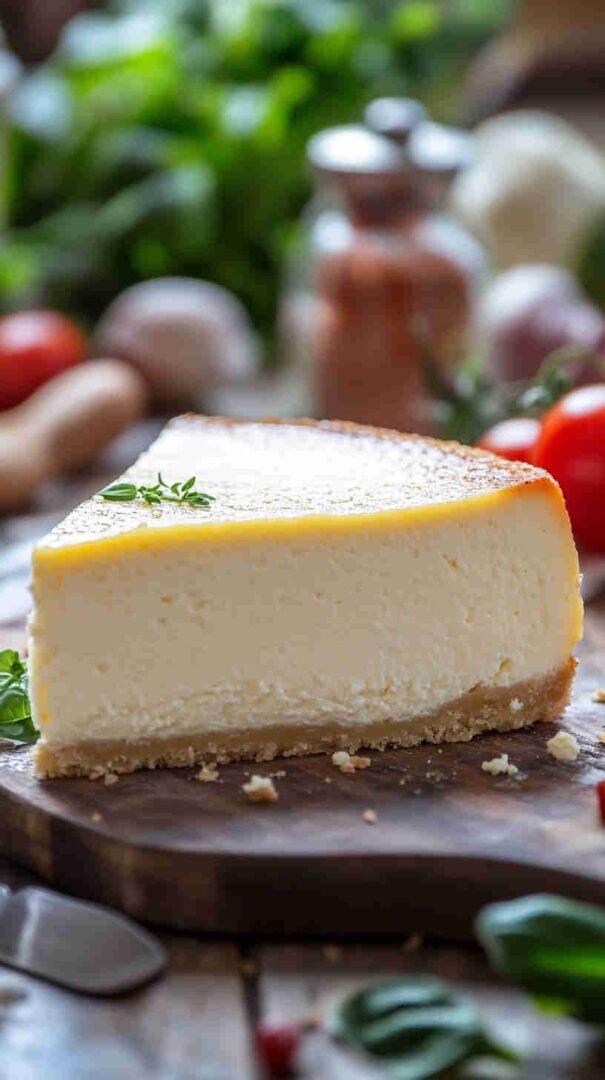
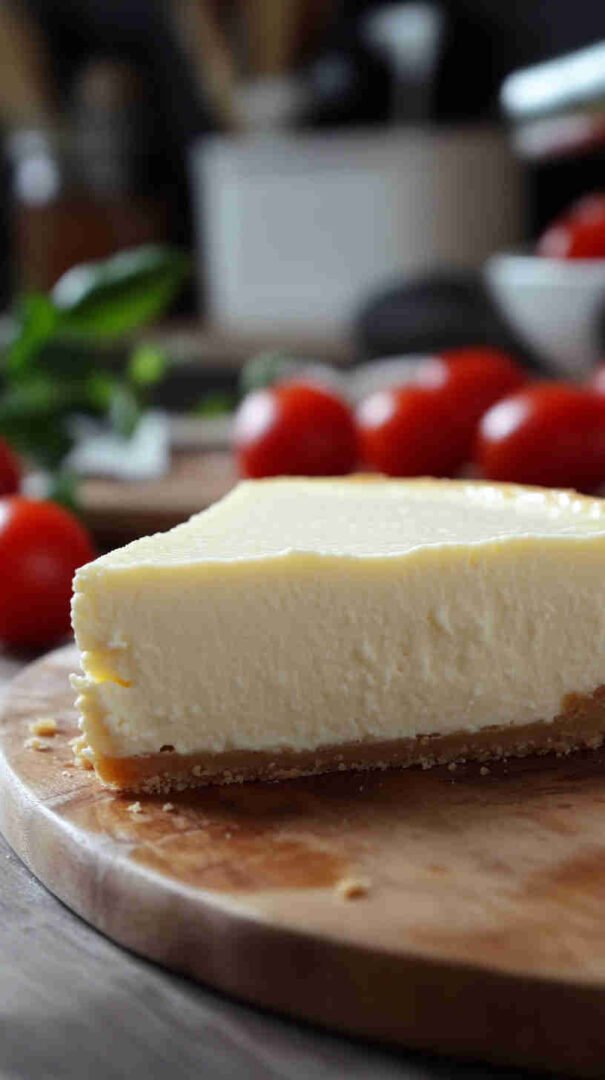
This traditional Italian ricotta cheesecake features creamy whole-milk ricotta blended with eggs, sugar, and subtle citrus notes for a light, fluffy, and not-too-sweet treat. Unlike dense New York-style versions, this crustless or simple-crust dolce celebrates ricotta’s delicate texture — perfect for holidays, family gatherings, or an elegant finish to any Italian meal.
Why You’ll Love This Recipe:
You’ll fall head over heels for this Italian ricotta cheesecake because it strikes the perfect balance between rich indulgence and refreshing lightness. The star ingredient — high-quality whole-milk ricotta — delivers a wonderfully creamy yet airy texture that feels sophisticated without being heavy.
Unlike classic American cheesecakes that can feel dense and overly sweet, this version lets the natural mild sweetness of ricotta shine through, enhanced by bright citrus zest and vanilla. It’s incredibly versatile: serve it plain for understated elegance, dust it with powdered sugar, or top it with fresh berries, honey, or figs for a stunning presentation.
The recipe is forgiving for home bakers, comes together quickly, and fills your kitchen with the most inviting aromas. Family and friends always ask for seconds — it’s that crowd-pleasing Italian dolce that feels both comforting and special.
Recipe Tips and Tricks:
- Use whole-milk ricotta (preferably fresh or high-quality Italian-style) and drain it in a fine-mesh sieve for 30–60 minutes if it’s very wet — this prevents a soggy cheesecake.
- Bring all ingredients (especially ricotta, eggs, and any cream cheese if using) to room temperature for the smoothest, lump-free batter.
- Mix gently and avoid over-beating once eggs are added — overmixing incorporates too much air and can cause cracking or sinking.
- Bake in a water bath (place springform pan in a larger pan with hot water) for ultra-creamy results and to minimize cracks.
- Let the cheesecake cool slowly in the turned-off oven with the door slightly ajar — this gradual cooling prevents dramatic sinking or cracking.
- For the best flavor and texture, chill at least 6 hours (overnight is ideal) before slicing.
Ingredients Notes:
Whole-milk ricotta is the heart of this recipe — choose a high-quality, full-fat version (avoid low-fat or part-skim) as it provides the signature creamy, slightly grainy texture Italians adore. Eggs add structure and richness while helping create that light, almost custard-like consistency.
Granulated sugar sweetens gently without overpowering the ricotta’s natural flavor. Fresh lemon zest (and sometimes juice) brings brightness and cuts through the dairy richness beautifully — always use fresh citrus, never bottled.
Vanilla extract (or a scraped vanilla bean for extra luxury) adds warm depth. A small amount of flour or cornstarch helps bind and stabilize the batter. If including a crust, simple buttery crumbs (graham, digestive, or Italian amaretti) complement without dominating. Butter (melted) enriches the filling and crust. All ingredients should be fresh for the cleanest, most authentic Italian taste.
Variations and Substitutions:
- Crust options: Keep it crustless for a pure, gluten-free version (very traditional in many Sicilian recipes), or add a simple shortcrust pastry, graham cracker base, or crushed amaretti cookies for extra texture and almond notes.
- Citrus twist: Swap lemon zest for orange zest, or use a mix of both for a more Sicilian flair. Add a splash of limoncello or orange liqueur for adult sophistication.
- Dairy variations: Blend in mascarpone (for ultra-luxurious creaminess) or a bit of cream cheese (for slightly denser results, common in Italian-American versions). Use heavy cream instead of sour cream if desired.
- Gluten-free: Use cornstarch or potato starch instead of flour, and skip the crust or use gluten-free crumbs.
- Flavor add-ins: Fold in mini chocolate chips, candied citron, pine nuts, or raisins for traditional Easter pastiera-inspired variations. Top with fresh figs and honey, berry compote, or powdered sugar and cinnamon.
- Lower sugar: Reduce sugar slightly or substitute part with honey for a more delicate sweetness.
Storage Options:
Store the cooled cheesecake covered in the refrigerator for up to 5 days — the flavor actually improves after 1–2 days. For longer storage, wrap individual slices tightly in plastic wrap and freeze for up to 2 months. Thaw overnight in the fridge before serving. Avoid freezing with fresh fruit toppings, as they become mushy — add those fresh after thawing.
Dish Gallery
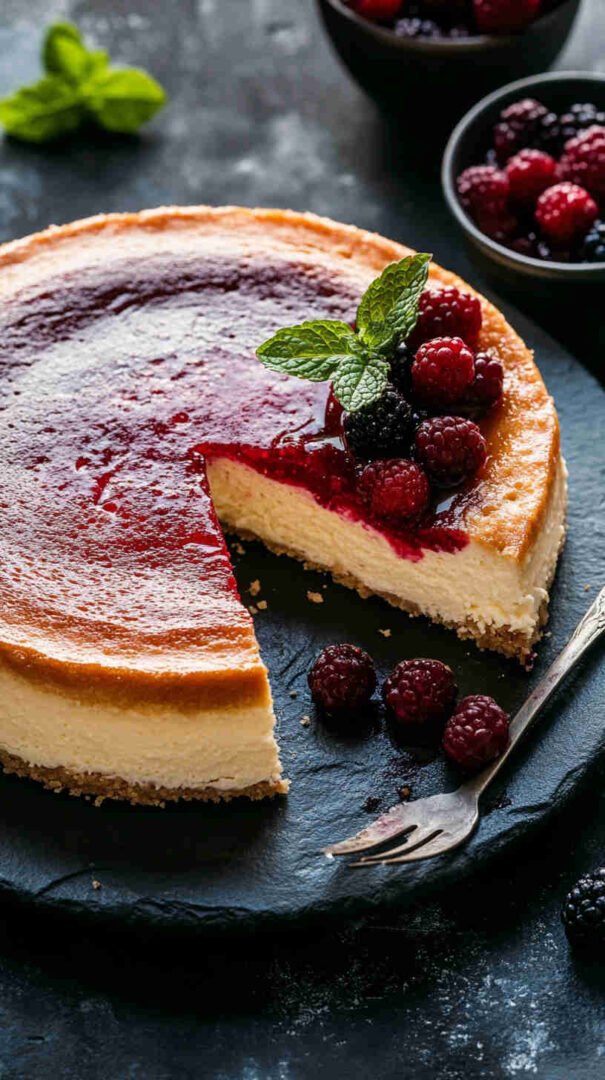

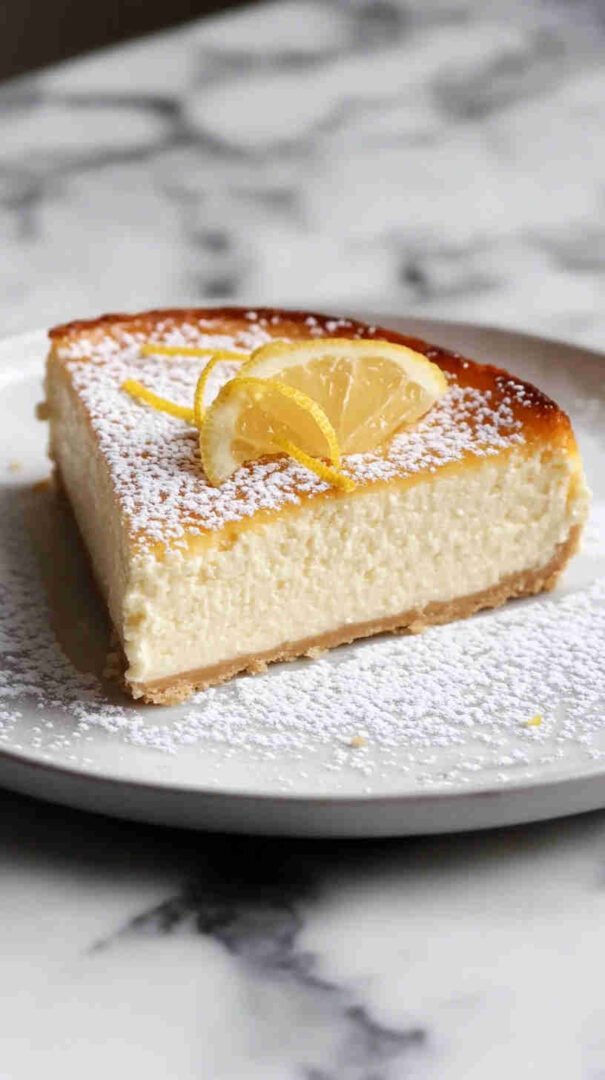
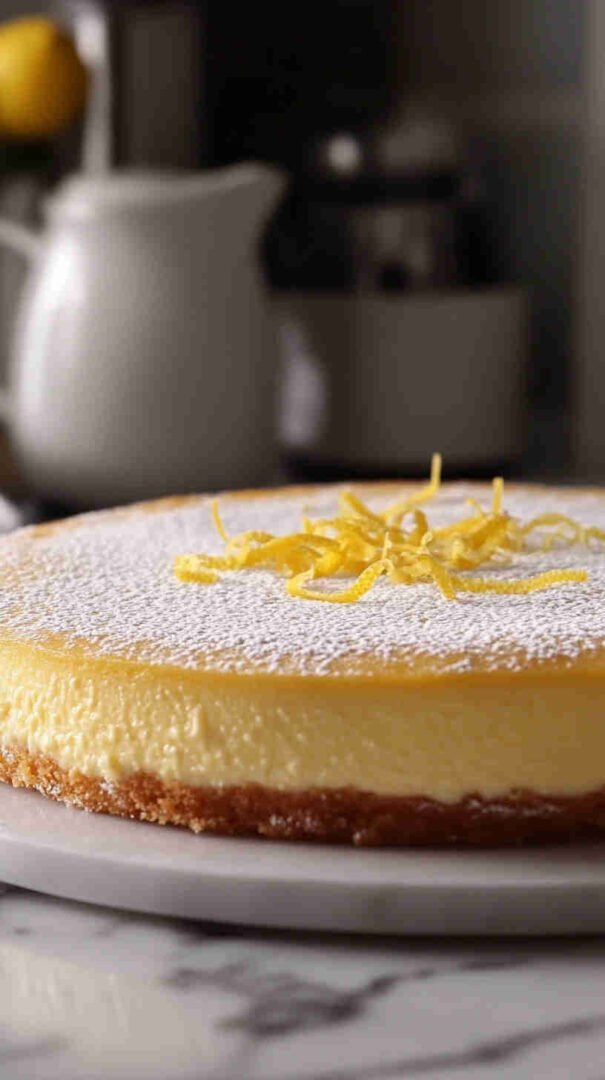
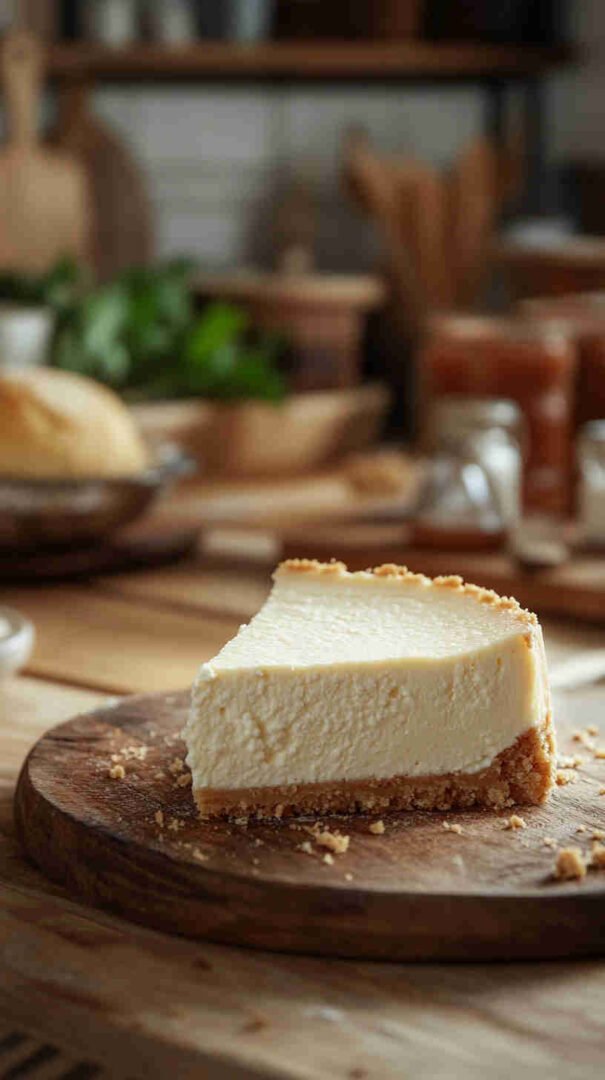

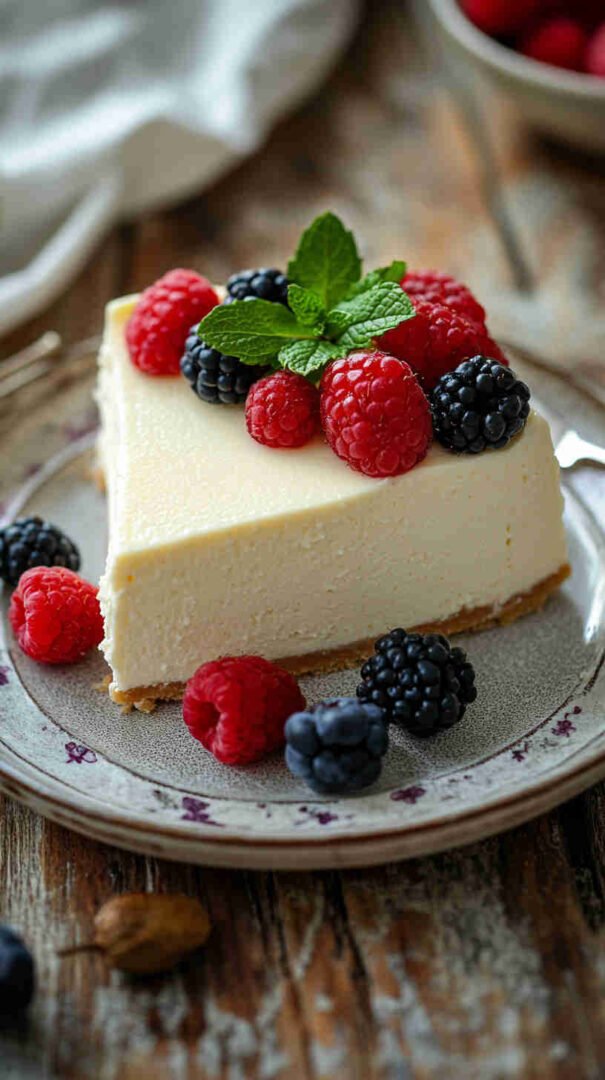
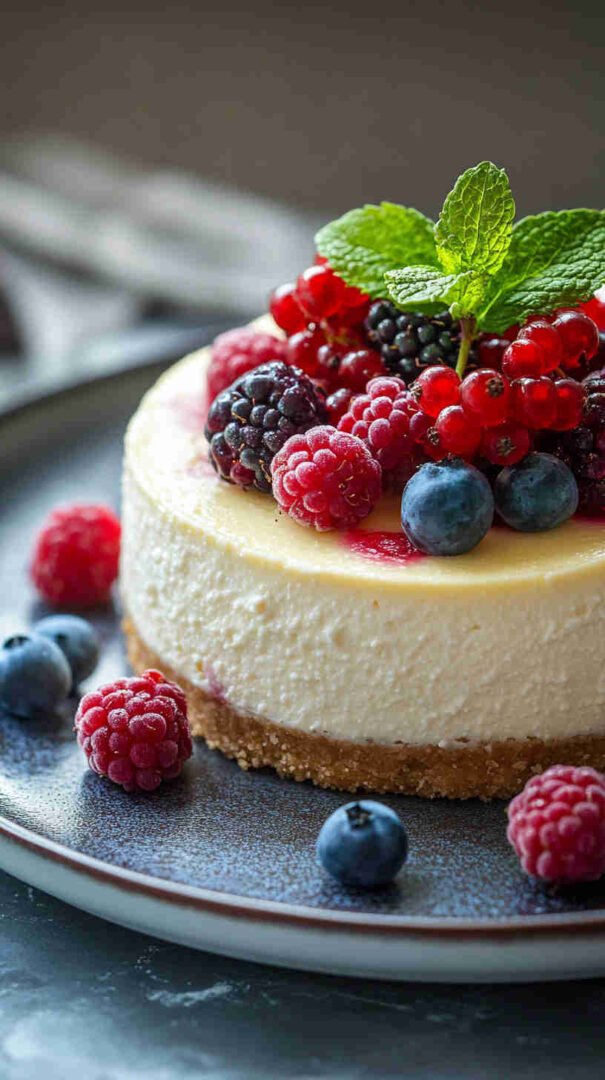

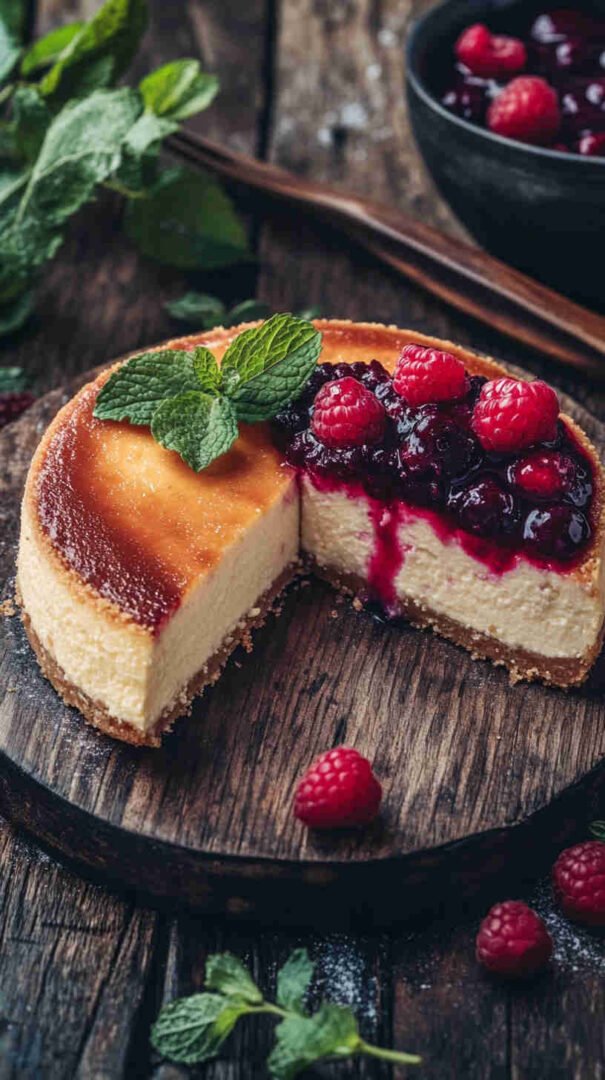
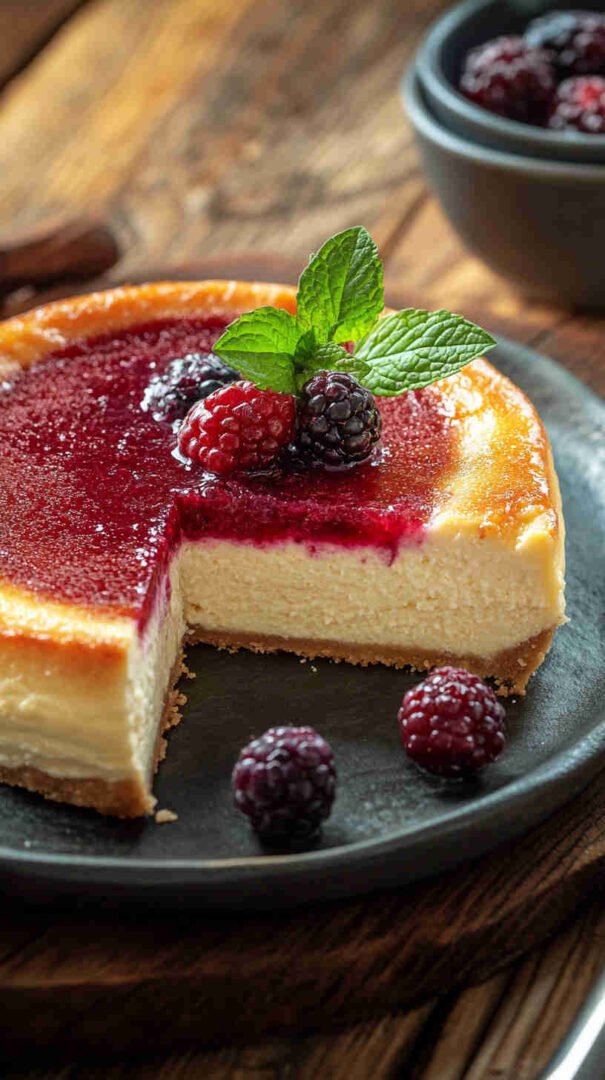
Please share this Italian Ricotta Cheesecake Recipe with your friends and do a comment below about your feedback.
We will meet you on next article.
Until you can read, Italian Pear and Almond Tart Recipe