If you’ve spent any time building an island in Tomodachi Life, you already know that no two Miis behave the same way. Some residents strike up a friendship the moment they meet, while others need weeks of coaxing before they’ll even wave back. That difference almost always comes down to one thing: personality.
Personality is the invisible engine running underneath every Mii on your island. It shapes how they walk, how they talk, who they fall for, and how they react when life throws a curveball at them. Get a handle on the personality system, and suddenly the game’s chaos starts to make sense. This guide breaks down exactly how personalities work and walks through all 16 types so you can build the island community you actually want.


How Personality Is Determined
When you create a Mii, you’re not just picking a face and an outfit — you’re also answering a short personality quiz. That quiz adjusts a set of sliders behind the scenes, most notably Movement and Speech, along with a few supporting traits like expressiveness and attitude. Where those sliders land determines which of the 16 personality types your Mii ends up with.
You don’t need to memorize exact slider values to enjoy the game, but if you’re trying to recreate a specific real-life friend or build a very particular kind of Mii, nudging the sliders toward “energetic and talkative” versus “calm and quiet” will steer you toward the right general area. The good news is you can always redo the quiz later if the personality doesn’t feel like a match.
The Four Personality Groups
Every one of the 16 personalities falls under one of four broader groups. Understanding these groups first makes the individual types much easier to remember, since each group shares a general temperament, walking animation, and set of default reactions.
- Easygoing — Relaxed, kind, and rarely the source of drama. These Miis move at their own pace and are usually the most emotionally approachable residents on your island.
- Outgoing — Energetic, social, and quick to make friends. Outgoing Miis thrive in group settings and tend to be the life of any island event.
- Confident — Driven, self-assured, and a little competitive. These Miis know what they want and aren’t shy about going after it.
- Independent — Quiet, thoughtful, and comfortable on their own. Independent Miis need less hand-holding but also take longer to warm up socially.
Each group splits into four distinct sub-types, giving you the full roster of 16.




Easygoing Personalities
Easygoing Miis are the emotional glue of the island. They’re honest, patient, and generally easy to get along with, which makes them great neighbors for higher-strung personality types.
Softie — Deeply sensitive and empathetic, Softies pick up on other Miis’ feelings almost instantly. They’re sweet-natured but can also be the quickest to get their feelings hurt.
Buddy — The classic best-friend type. Buddies are reliable, warm, and genuinely enjoy helping others, which makes them one of the easiest personalities to befriend quickly.
Dreamer — Idealistic and a little scatterbrained, Dreamers spend a lot of time lost in thought. They’re romantic and imaginative, even if they occasionally seem checked out of the conversation.
Optimist — Relentlessly positive, Optimists smile through almost anything and genuinely try to lift the mood of everyone around them.
Outgoing Personalities



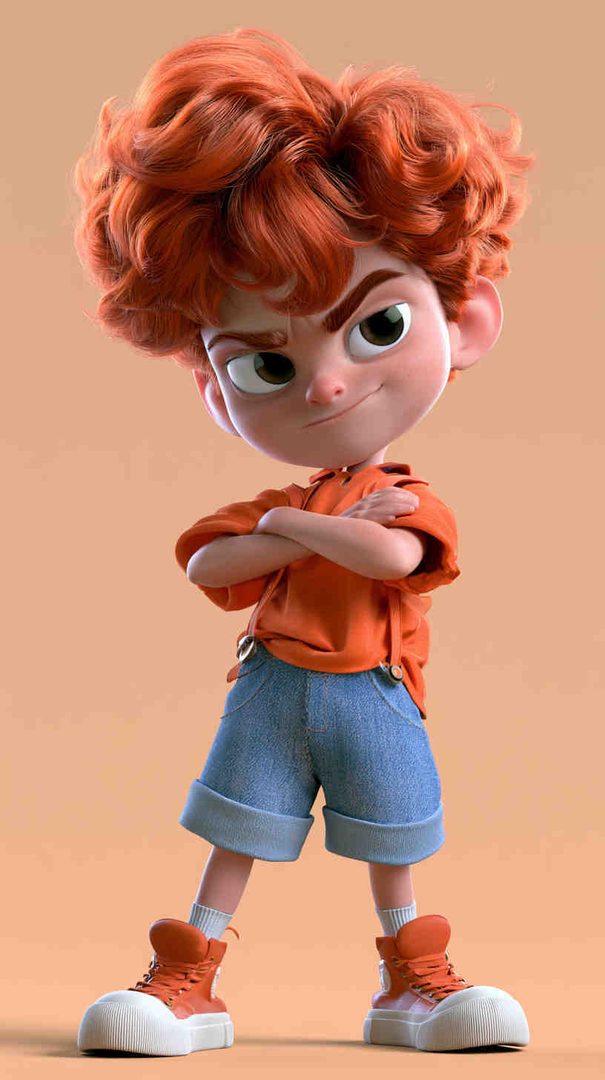
Outgoing Miis bring the energy. They’re the ones you’ll see chatting up strangers, organizing group hangouts, and generally keeping the island lively.
Charmer — Smooth, socially confident, and effortlessly likable. Charmers make friends fast and tend to have an easy time in the romance department too.
Trendsetter — Stylish, adaptable, and quick to pick up on whatever’s popular. Trendsetters have strong opinions about fashion and interior design.
Leader — Assertive and take-charge, Leaders naturally steer group interactions and don’t mind being the center of attention.
Entertainer — Bold, funny, and always angling for a laugh. Entertainers thrive when there’s an audience and tend to have the most exaggerated reactions in the game.
Confident Personalities
Confident Miis are goal-oriented and self-assured. They’re not necessarily loud like Outgoing types — their confidence shows up more in how decisively they handle situations.
Adventurer — Bold and a little reckless, Adventurers love trying new things and rarely overthink a decision before diving in.
Brainiac — Sharp, knowledgeable, and not shy about showing it. Brainiacs enjoy intellectual conversation and tend to speak with real conviction.
Go-Getter — Ambitious and hardworking, Go-Getters are focused on results and don’t like sitting still for long.
Rogue — Independent-minded within the Confident group, Rogues do things their own way and don’t feel much need for outside approval.




Independent Personalities
Independent Miis are the introverts of the island. They’re perfectly happy spending time alone, and while they can be slower to open up, the friendships and relationships they do form tend to run deep.
Thinker — Calm, analytical, and prone to long pauses before responding. Thinkers process everything carefully before they act.
Lone Wolf — Private and self-sufficient, Lone Wolves are content doing their own thing and can take a while to warm up to new residents.
Free Spirit — Quirky and a bit unpredictable, Free Spirits march to the beat of their own drum and often surprise you with unconventional choices.
Artist — Expressive and introspective, Artists channel their emotions into creativity and tend to have a rich inner world.
Why Personality Actually Matters
Personality isn’t just flavor text — it quietly influences a huge amount of what happens on your island.
Compatibility and romance. Miis with similar or complementary personalities tend to hit it off faster, become best friends sooner, and have smoother romantic relationships. Pairing two clashing personalities together, on the other hand, can lead to more frequent disagreements and slower relationship progress.
Likes and dislikes. Personality affects what kind of food, clothing, and interior décor a Mii tends to enjoy, which matters when you’re trying to keep residents happy with gifts.




Animations and dialogue. Watch closely and you’ll notice each personality group has its own walking style, idle pose, and set of reactions to good news, bad news, and everything in between. Outgoing Miis twirl and celebrate loudly; Independent Miis stay composed even when thrilled.
Household and family details. When Miis marry and have children, personality plays a role in shaping the couple’s home and even the color of a newborn’s starting clothes.
Tips for Choosing the Right Personality
If you’re recreating real people, pick the group that matches their general energy level first (easygoing vs. outgoing vs. confident vs. independent), then fine-tune toward the sub-type that fits their quirks best. If you’re building an island from scratch rather than modeling real friends, mixing personality groups tends to create more interesting social dynamics than filling the island with residents who are all the same type — a few clashing personalities make for much more entertaining daily events.
Don’t stress too much about getting it perfect on the first try. You can always retake the personality quiz for any Mii later if their behavior doesn’t match what you had in mind.
Frequently Asked Questions
How many personality types are there in Tomodachi Life? There are 16 total personality types, split evenly across four groups: Easygoing, Outgoing, Confident, and Independent.
Can I change a Mii’s personality after creating them? Yes. You can retake the personality quiz at any point to adjust or completely change a Mii’s type.
Does personality affect romance? Yes. Compatible personalities tend to build relationships faster and more smoothly, while mismatched personalities can lead to more friction, though opposites can still fall in love with a bit more effort.
Is one personality type “better” than the others? Not really — each type has its own strengths. The best personality often just depends on the kind of island atmosphere you’re going for.



Final Thoughts
Once you understand how the four personality groups and their 16 sub-types work, Tomodachi Life stops feeling random and starts feeling like a genuine social simulation. Whether you’re rebuilding your real friend group, crafting your dream island cast, or just trying to get two stubborn Miis to finally fall for each other, knowing the personality system inside and out is the key to making your island feel alive.
Please share this Tomodachi Life Personalities: Every Type Explained with your friends and do a comment below about your feedback.
We will meet you on next article.
Until you can read, Tomodachi Life Eyes Guide: Unlock Every Eye Type