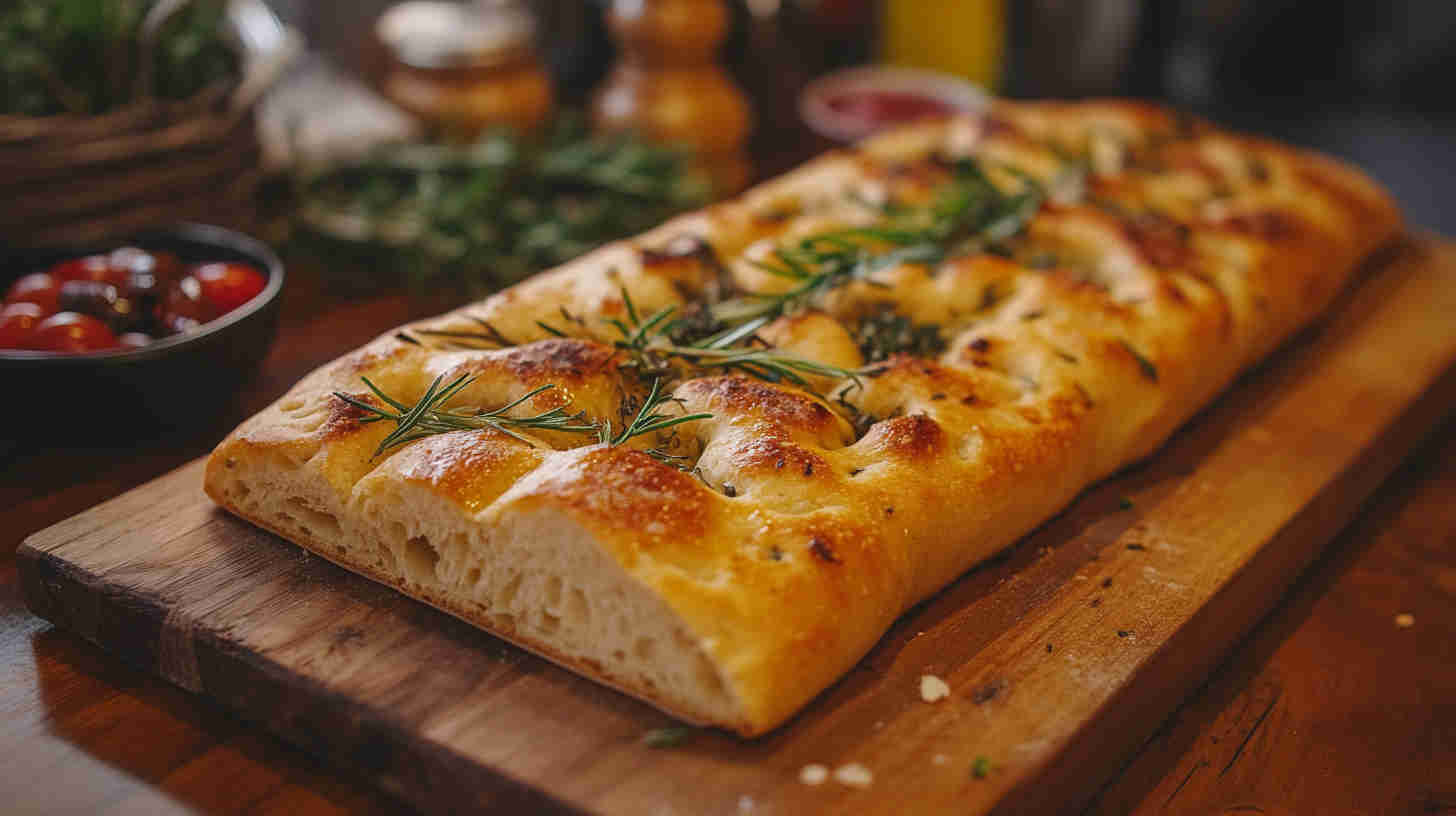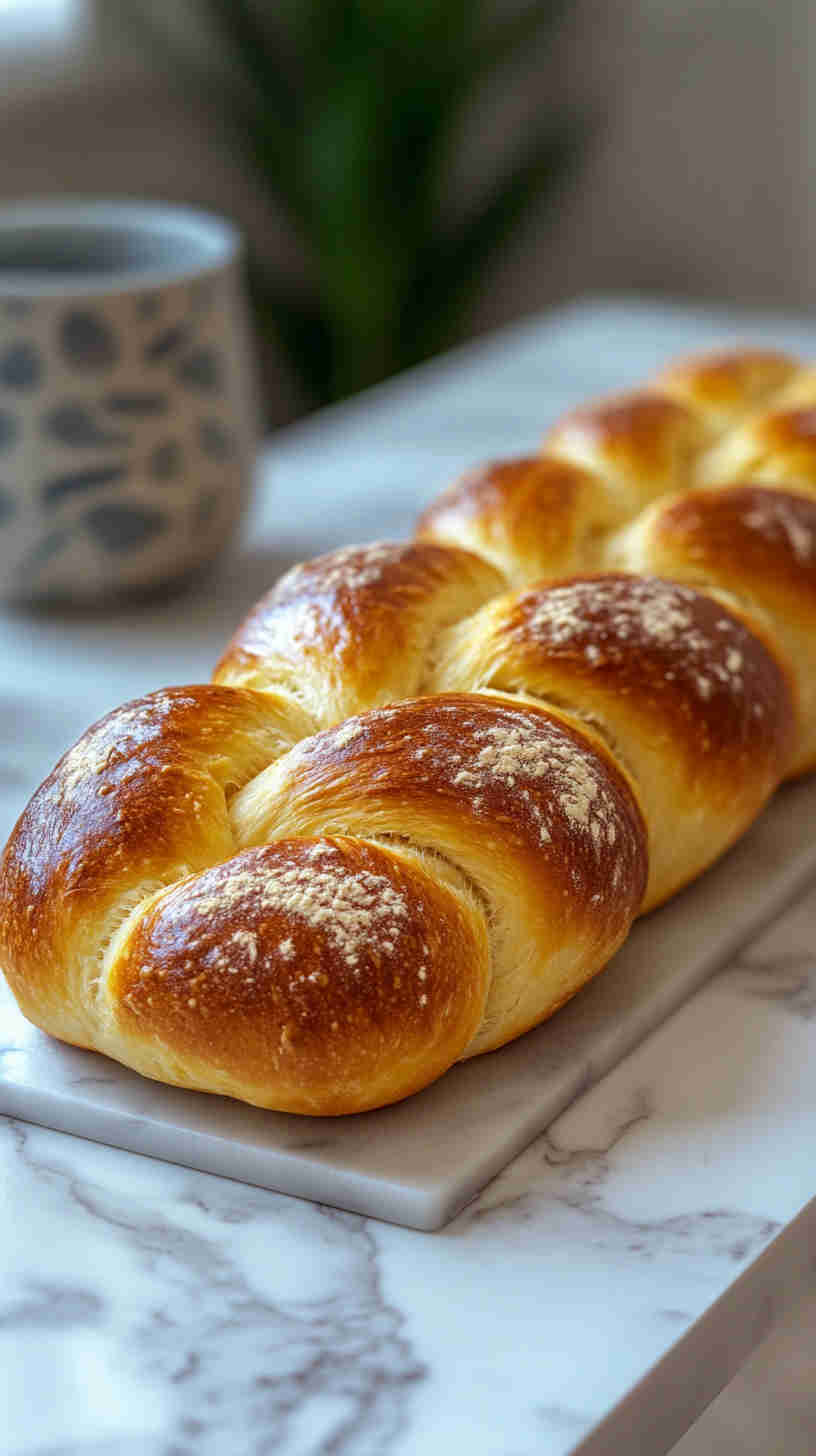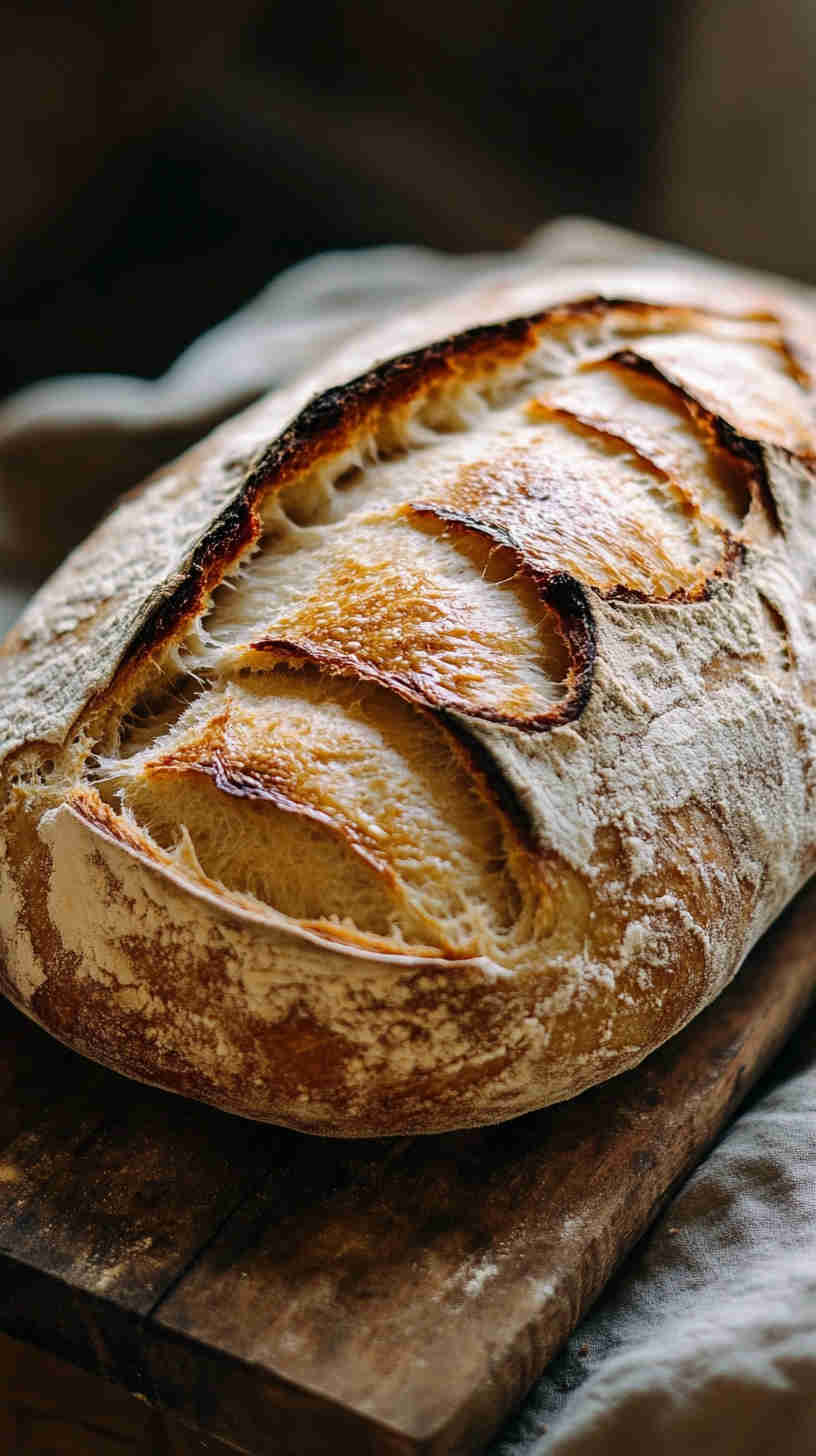
Authentic Pane di Semola features vibrant golden color from durum semolina, a nutty-sweet flavor, delightfully chewy open crumb, and a thick, shatteringly crisp crust often blanketed in sesame seeds. This Sicilian classic shines in sandwiches, with olive oil, or alongside meals—embodying rustic Italian baking at its finest.
Why You’ll Love This recipe
This Pane di Semola will quickly become your go-to bread because it turns humble ingredients into bakery-level magic at home. The semolina creates that irresistible golden hue and subtle sweetness with nutty depth—no artificial colors or flavors needed.
You’ll adore the contrast: a soft, airy yet satisfyingly chewy interior that holds structure for toasting or sopping sauces, plus a hearty, crackly crust that sings when you break it. Sesame seeds add wonderful toasty crunch and visual appeal, making every slice look (and taste) special. It’s incredibly versatile—perfect for panini, bruschetta, breakfast toast with jam, or simply warm with extra-virgin olive oil.
The dough is forgiving for beginners yet rewarding for experienced bakers, with impressive rise and that heavenly fresh-baked aroma filling your kitchen. Once baked, plain breads pale in comparison—this one’s a flavorful celebration of Italian heritage you’ll crave again and again.
Italian Sourdough Bread (Pane al Lievito Madre) Recipe
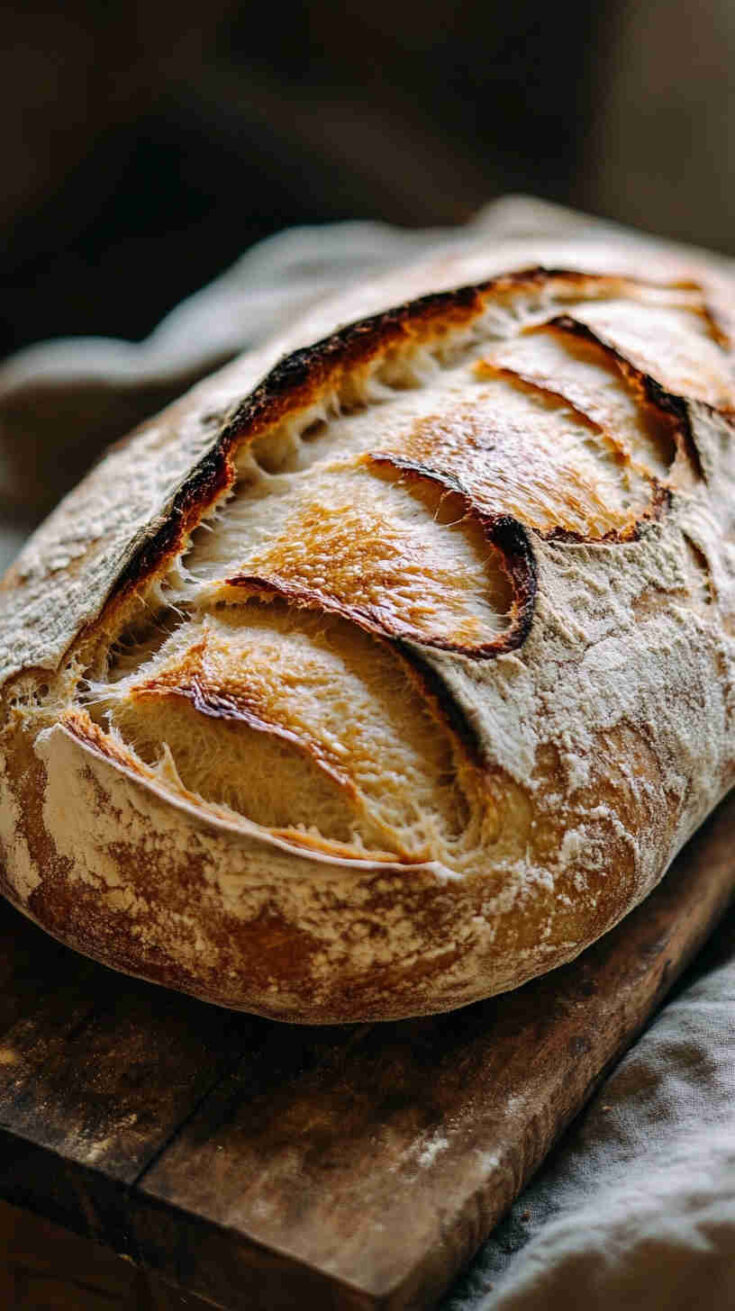
Golden Sicilian semolina bread with nutty flavor, chewy crumb, crisp sesame crust—rustic Italian perfection.
Ingredients
- 450g fine semolina flour (semola rimacinata, high-protein/double-milled) + extra for dusting
- 150g bread flour (or more semolina for 100% version)
- 2 tsp fine salt
- 7g (about 2¼ tsp) instant yeast
- 1-2 tbsp extra-virgin olive oil
- 350-380ml lukewarm water (adjust for dough feel)
- 3-4 tbsp sesame seeds (for generous topping, optional but classic)
Instructions
- Start with the dry team — In your large mixing bowl, combine the semolina flour, bread flour, salt, and instant yeast. Give it a good whisk so everything's evenly friends—no clumps allowed!
- Bring in the liquids — Drizzle the olive oil over the dry mix, then pour in about 350ml lukewarm water. Stir with a spoon or your hands until a shaggy, slightly sticky dough comes together—add more water 1 tbsp at a time if it feels too dry.
- Knead until silky — Tip onto a semolina-dusted surface and knead 8-10 minutes (or 5-7 in a stand mixer with dough hook). It should become smooth, elastic, and soft—slightly tacky is perfect. Feel that beautiful golden dough come alive!
- First cozy rise — Pop the dough into a lightly oiled bowl, cover with a damp cloth or plastic, and let it rise in a warm spot 1-1½ hours until doubled—watch it puff up gloriously.
- Shape with flair — Gently deflate, then form into a boule, oval, or traditional Sicilian S-shape/occhiali by dividing and rolling ropes. Place on a generously semolina-dusted baking sheet or parchment.
- Second puff-up — Cover loosely and proof 45-60 minutes until noticeably puffy and springy. Meanwhile, preheat oven to 220°C/425°F with a steam pan at the bottom.
- Sesame crown time — Lightly mist the loaf with water, then press or sprinkle sesame seeds thickly over the top—they'll toast to nutty perfection.
- Slash and steam bake — Score the top deeply with a sharp blade, add ice/hot water to the steam pan, and bake 35-40 minutes until deep golden, crusty, and sounding hollow when tapped.
- Cool like a pro — Transfer to a wire rack immediately—resist slicing hot! Let cool 1-2 hours so steam settles and crumb sets perfectly.
- Savor every bite — Slice thick or thin, enjoy plain, with olive oil, cheese, prosciutto, or in sandwiches—this golden beauty is pure joy in every mouthful!
Notes
High-protein semola rimacinata is essential for structure and rise—regular coarse semolina won't work well. This lean dough relies on flour quality for flavor. Steam is key for crisp crust; skip if no pan but expect softer results. Sesame makes it Pane Siciliano—omit for plain Pane di Semola. Oven temps vary; check doneness early.
Nutrition Information
Yield
16Serving Size
1Amount Per Serving Calories 134Total Fat 0gSaturated Fat 0gUnsaturated Fat 0gSodium 274mgCarbohydrates 27gFiber 1gSugar 0gProtein 5g
The recipes and nutritional information on Yum Tonight are for informational purposes only. Always consult a healthcare provider for personalized dietary advice.
Recipe Tips and Tricks
Choose fine “semola rimacinata” or “double-milled” durum semolina (high protein, extra fancy label) for proper gluten development and rise—coarse semolina leads to dense results. Semolina absorbs water slowly, so add liquid gradually and expect a slightly sticky dough. Use stretch-and-folds instead of heavy kneading to build strength gently.
For maximum crust crispness, bake with steam (ice cubes or hot water in a pan). Dust shaping surface and baking tray heavily with semolina to prevent sticking and add rustic texture. Mist the loaf before seeding so sesame adheres well—consider toasting seeds lightly first for deeper nuttiness.
Let the dough rise in a draft-free warm spot, but don’t rush; patience yields better flavor. Slash deeply before baking for even expansion. Cool fully on a rack (at least 1-2 hours) to avoid gummy crumb. If using a stand mixer, dough hook on low-medium prevents overworking.
Ingredients Notes
The hero is fine durum semolina flour (semola rimacinata di grano duro)—twice-milled for silky texture, high gluten potential, vivid golden color, and signature nutty, slightly sweet profile from durum wheat.
A portion of bread flour (or all semolina for purists) provides extra structure. Instant yeast offers reliable, no-fuss rising. Salt boosts flavor and tempers fermentation. Olive oil adds subtle richness and tenderness to the crumb without making it heavy. Lukewarm water (not hot) activates yeast gently.
Sesame seeds (white, unhulled for best flavor) are traditional for Pane Siciliano—providing crunchy, nutty topping; toast them lightly to enhance aroma. Some recipes include a touch of honey or malt for subtle sweetness, but this lean version lets the semolina shine purely.
Variations and Substitutions
Go 100% semolina (like traditional Pane di Altamura style) by swapping bread flour for more semola rimacinata—expect denser, more rustic texture; add extra olive oil for handling. Use active dry yeast by proofing it first in warm water with a pinch of honey.
Transform to sourdough by replacing yeast with 150-200g mature starter and extending bulk fermentation for tangy complexity. Omit sesame or replace with poppy seeds, black sesame, or herbs like oregano/rosemary for custom flavor.
Add 1-2 tbsp honey/malt for sweeter Sicilian variation. Shape into classic “occhiali” (eyeglasses/S-form), mafalda coils, rolls, or braids. For enriched version, include more oil or an egg. If semolina is unavailable, durum atta approximates but won’t match exact color/texture. Not gluten-free friendly, but partial ancient grain mixes can experiment.
Storage Options
Keep cooled loaf in a paper or linen bag at room temperature for 2-4 days to preserve crisp crust—plastic softens it quickly. For 5-7 days, wrap in foil/plastic after day 2; revive slices by toasting or warming in 350°F oven 5-7 minutes. Freeze whole or sliced (airtight bag) up to 3 months; thaw at room temp, then crisp in oven. Stale pieces make fantastic croutons, breadcrumbs, or pangrattato when toasted and ground.
Dish Gallery
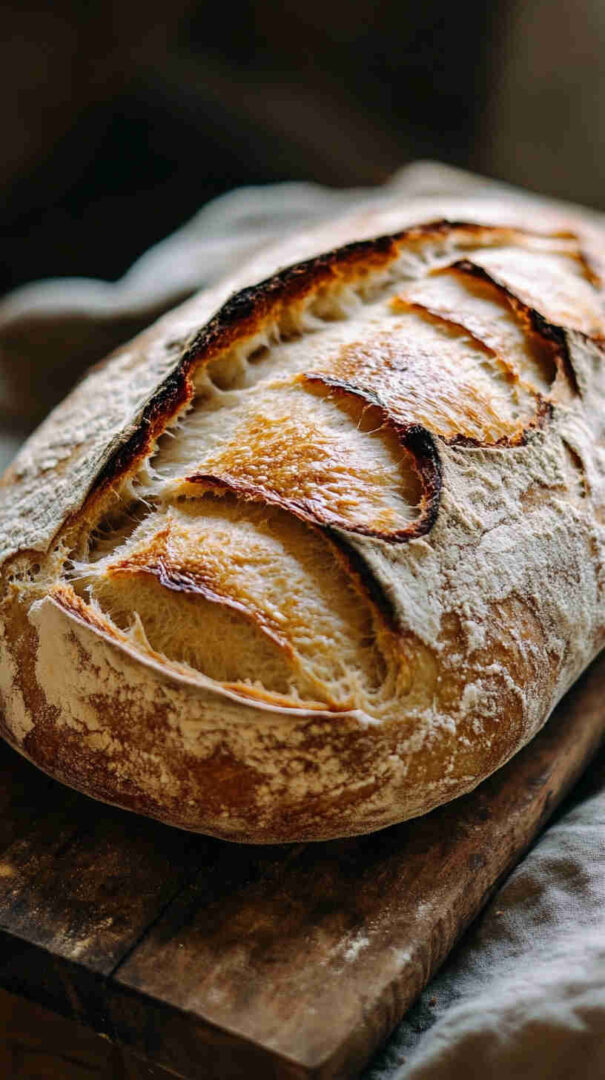
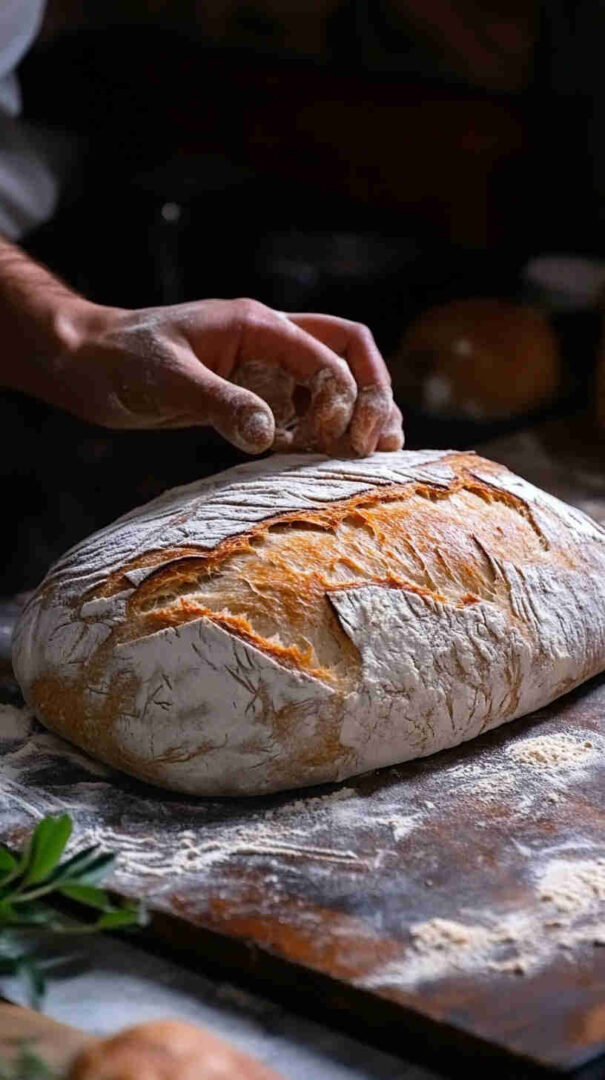
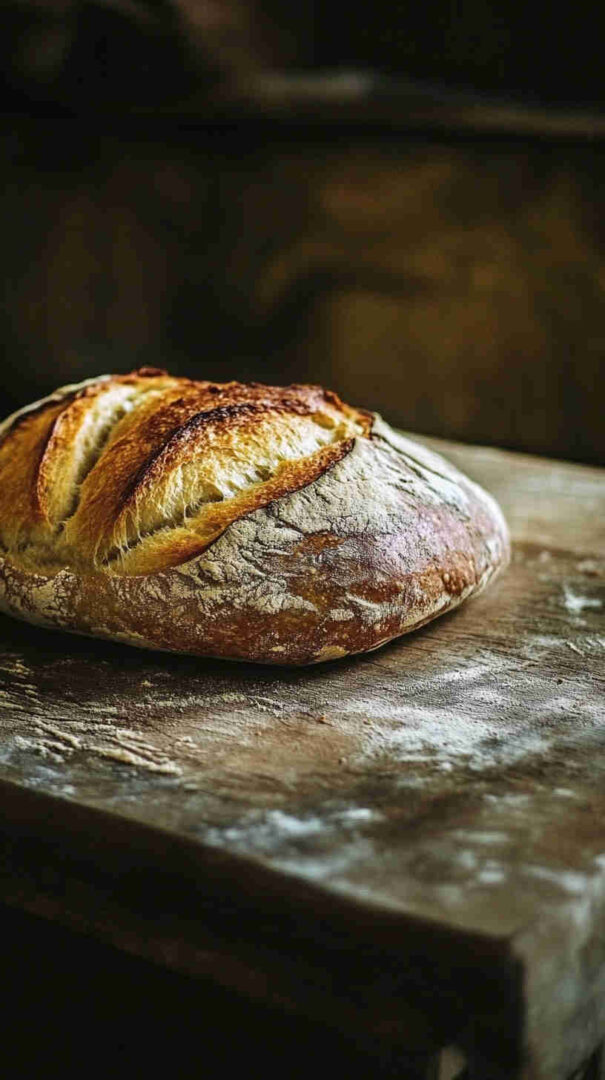
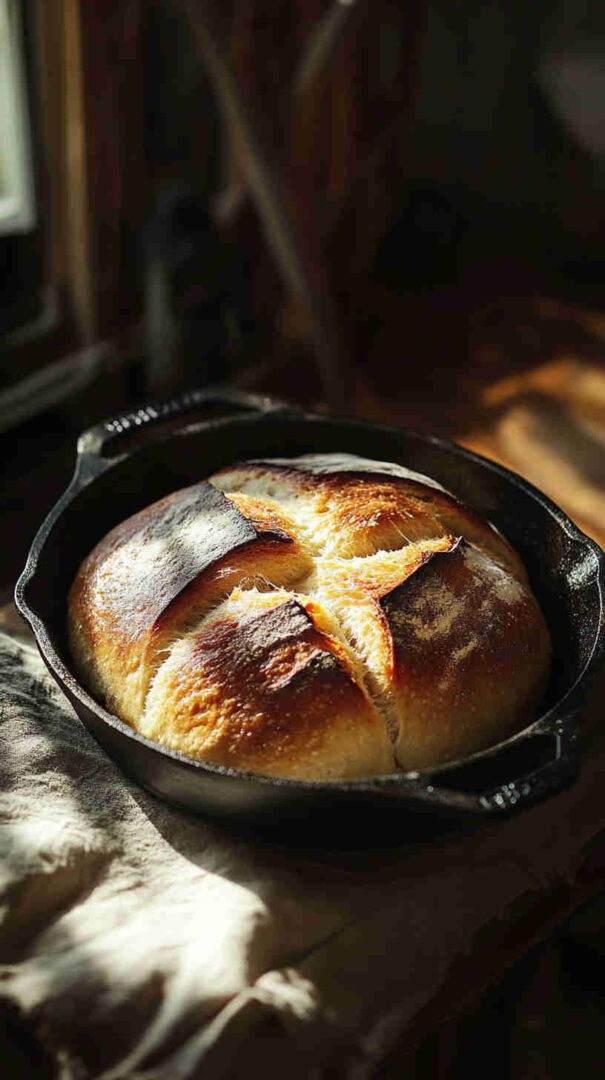
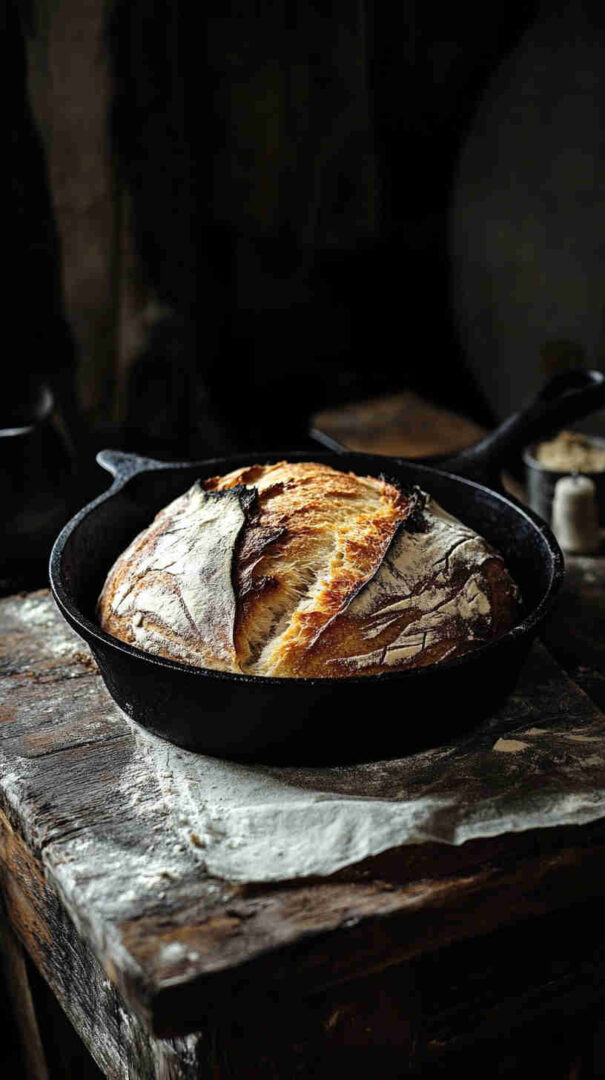
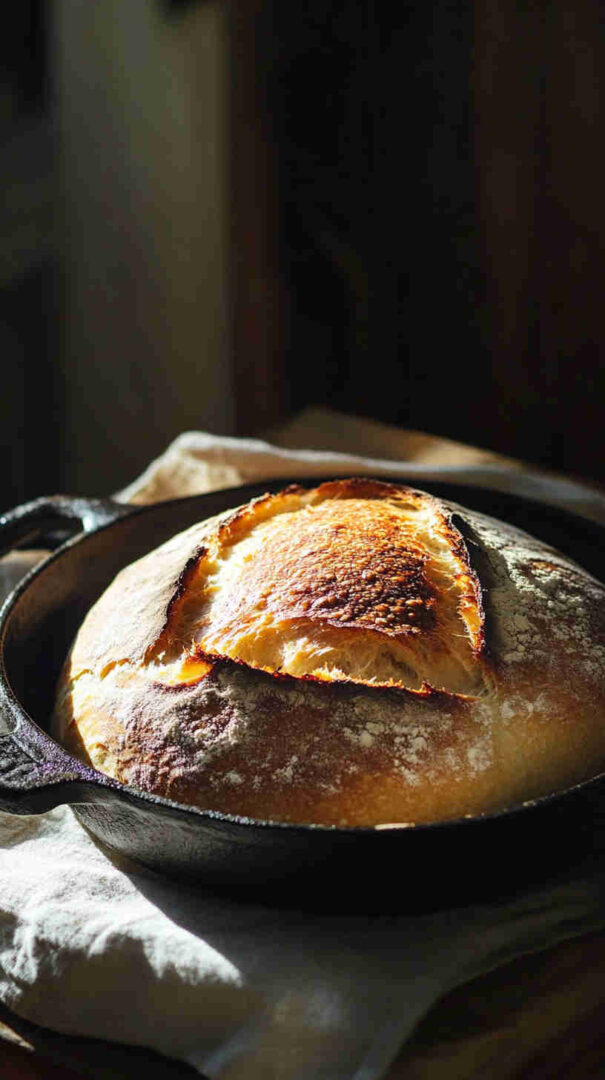
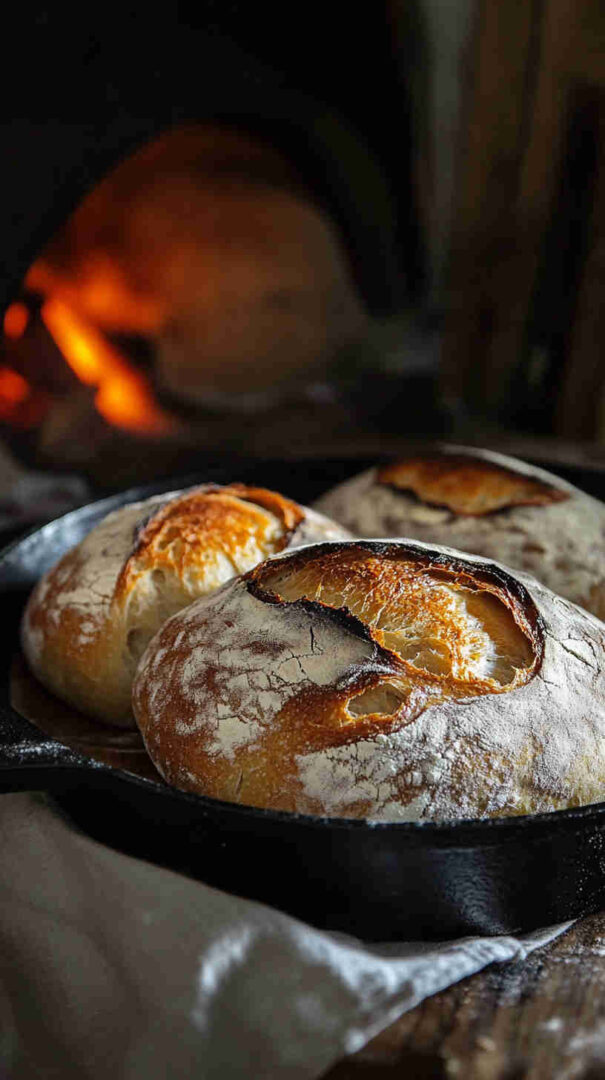
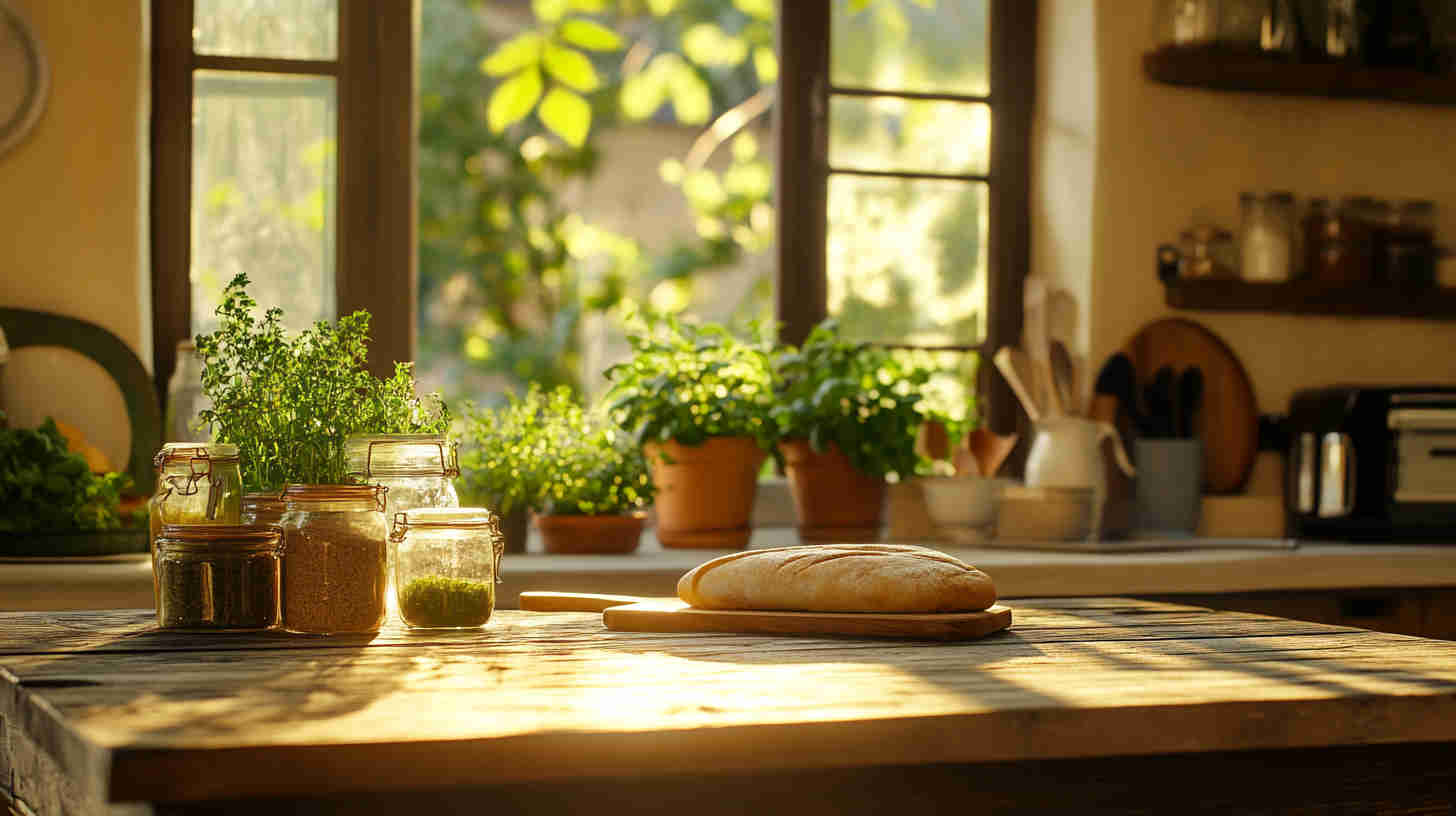
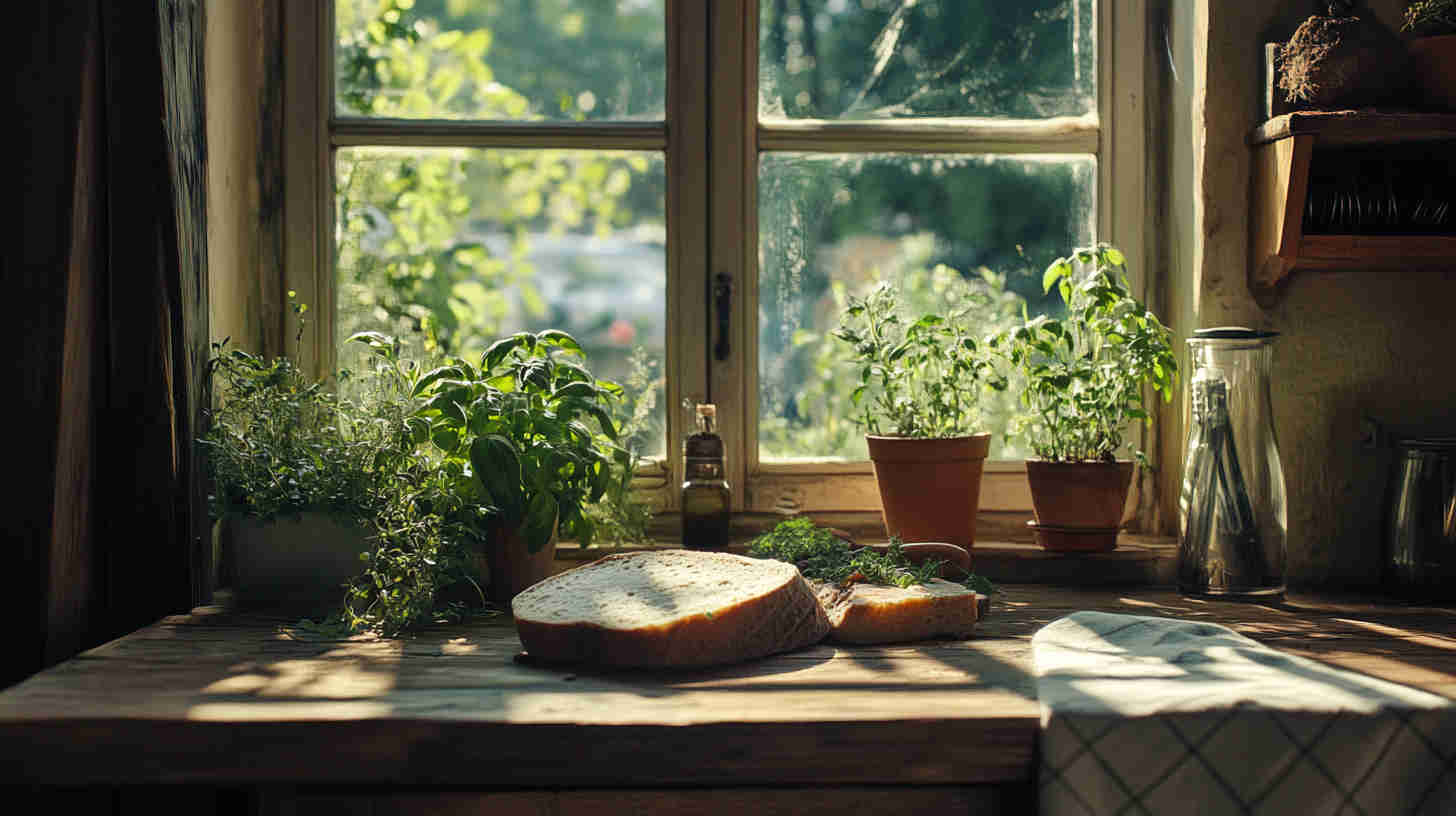
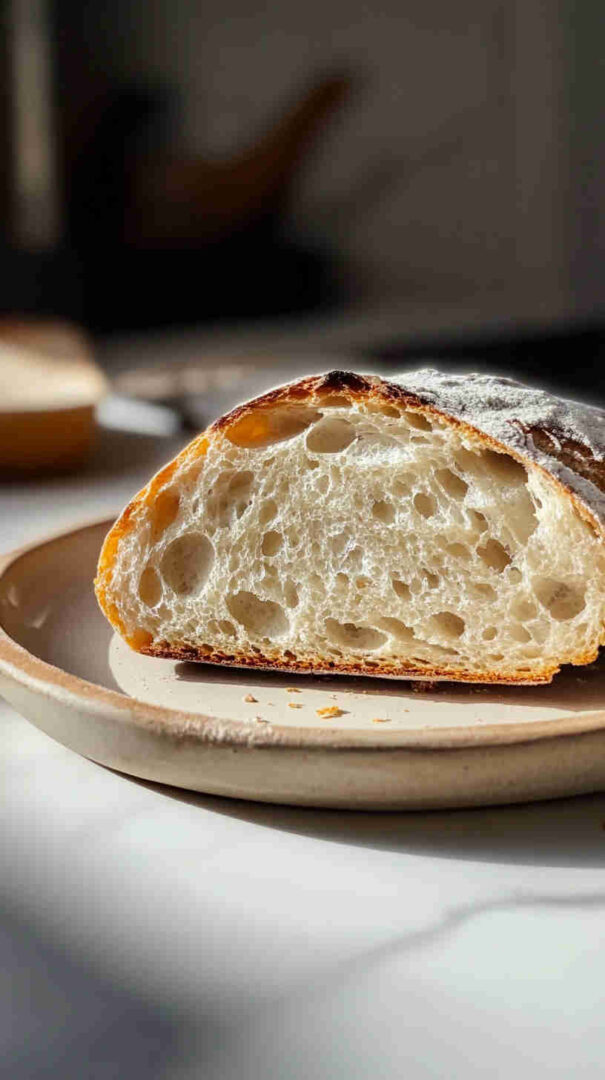
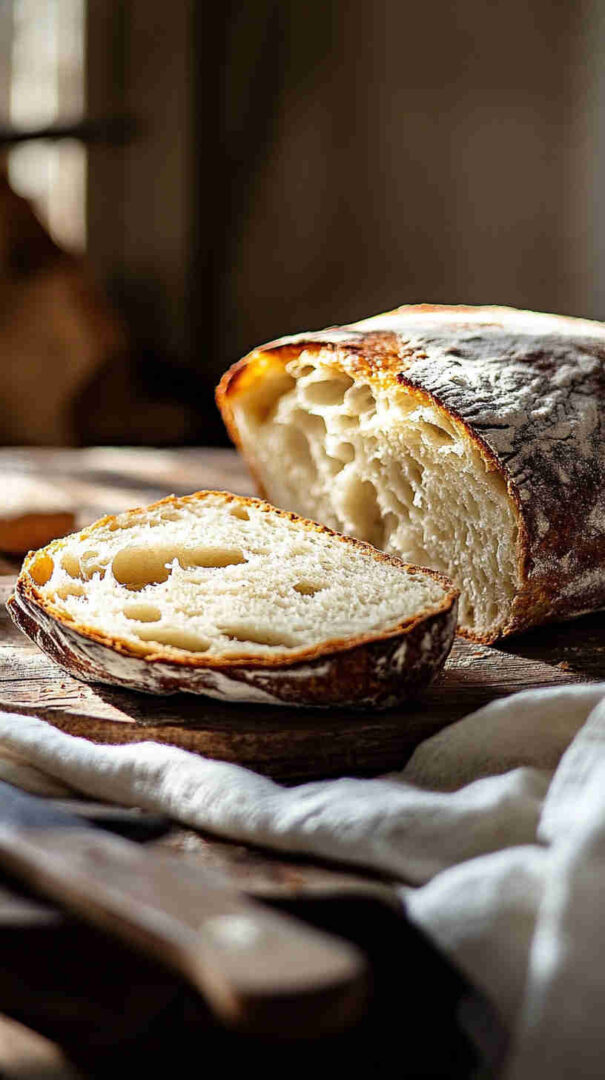
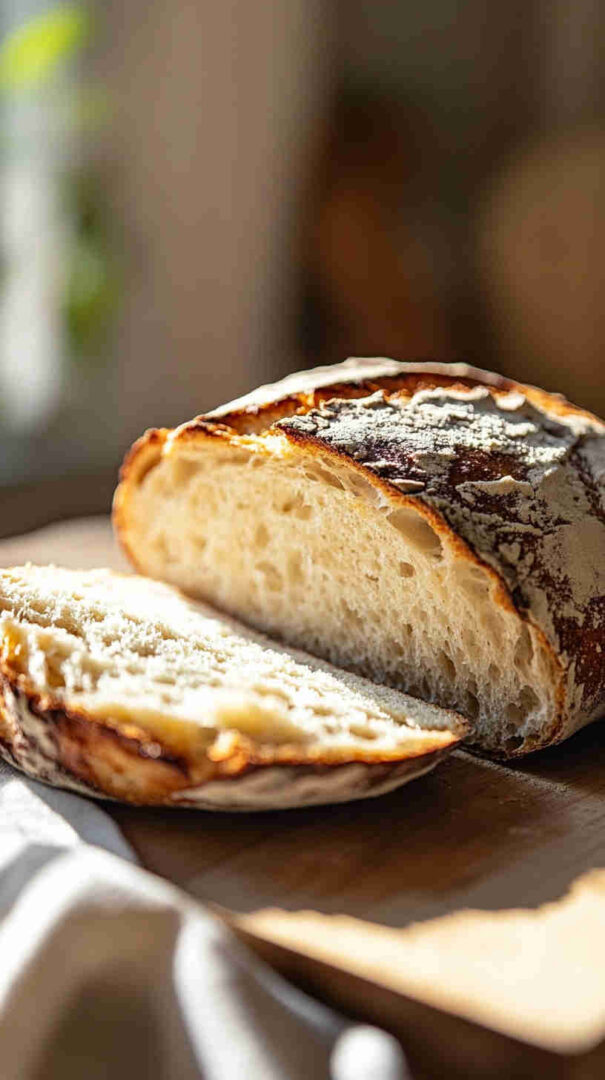
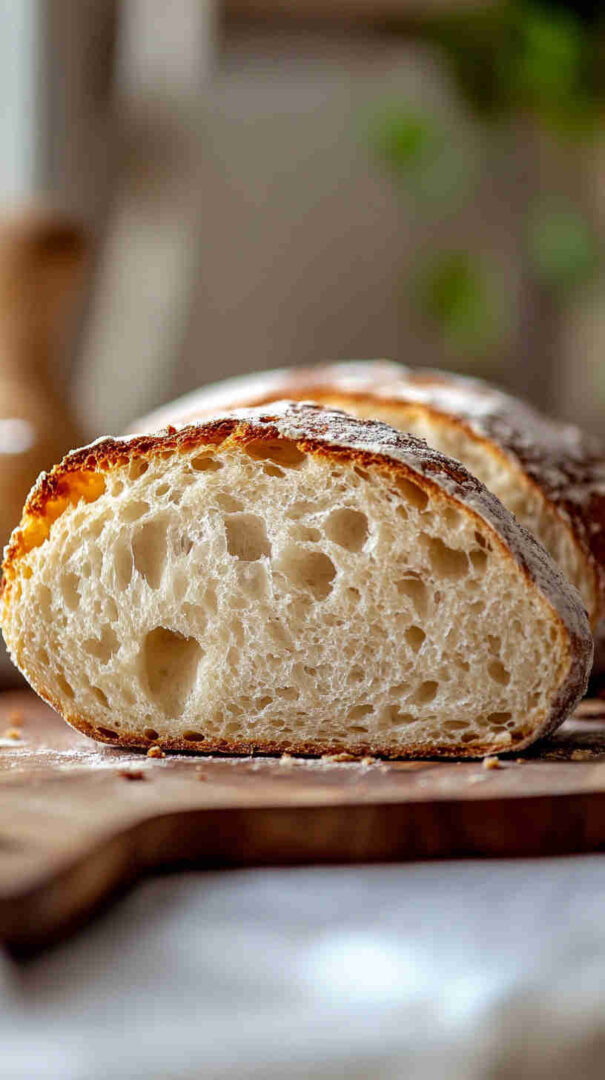
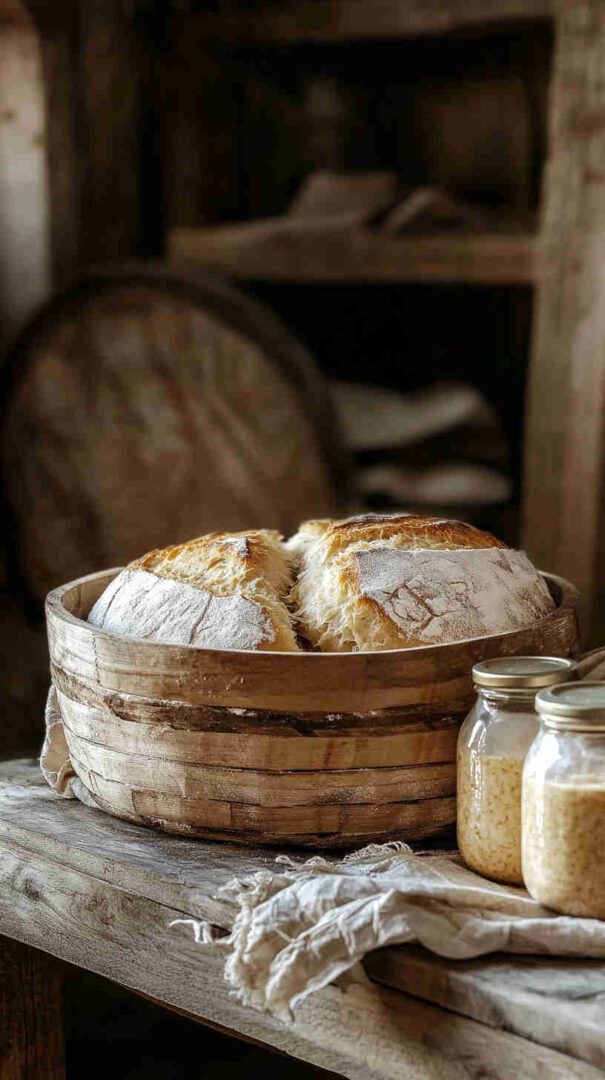
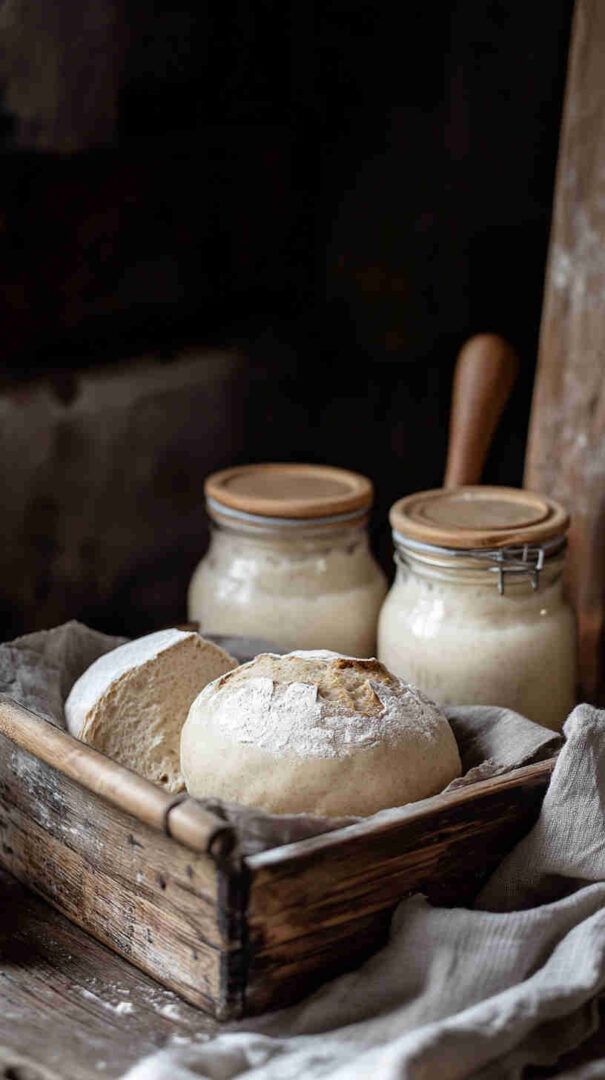
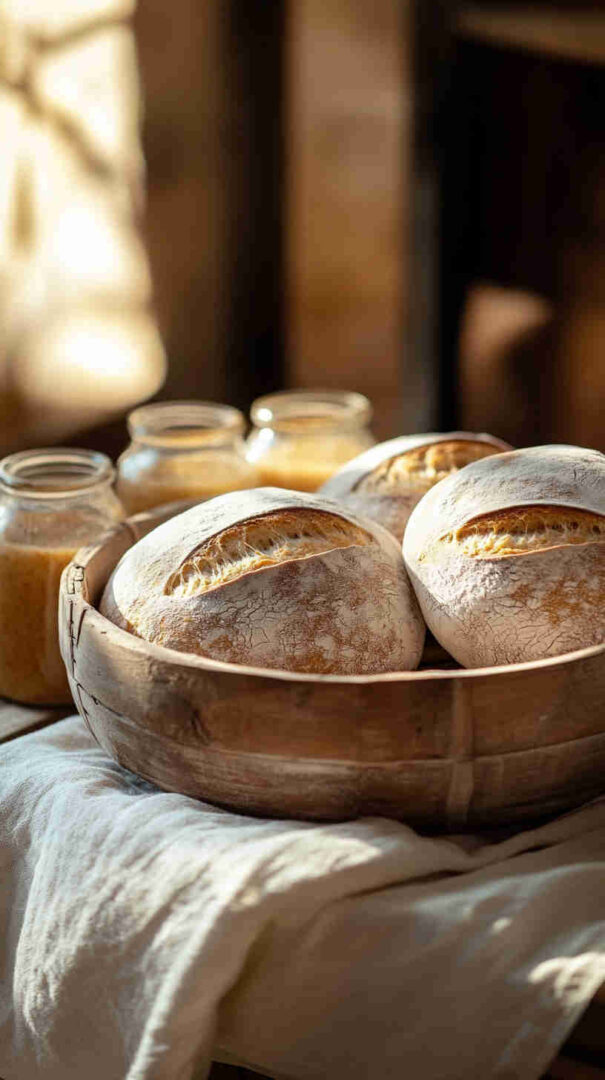
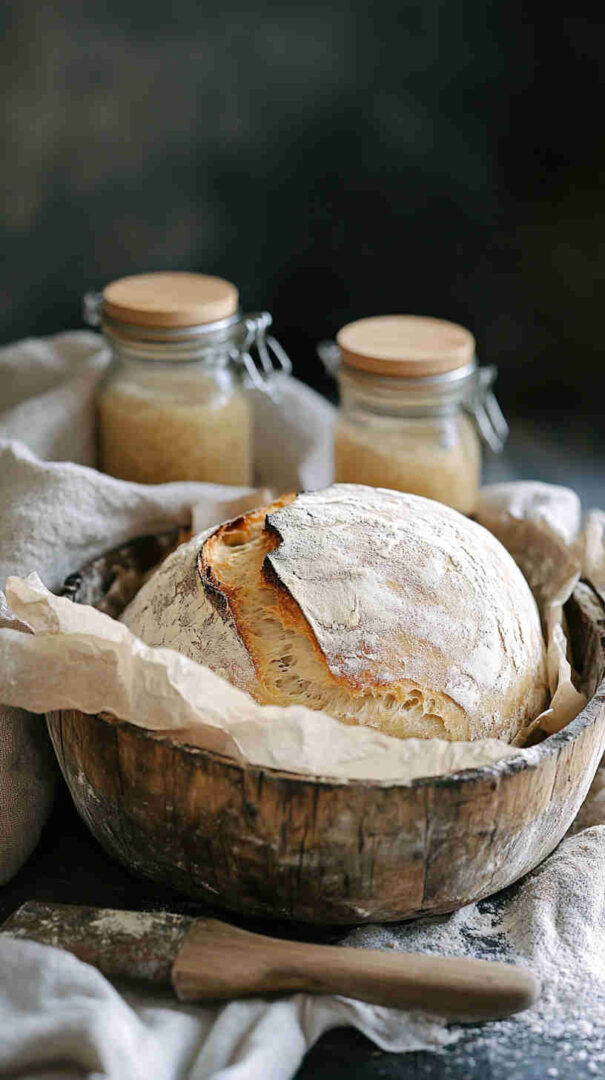
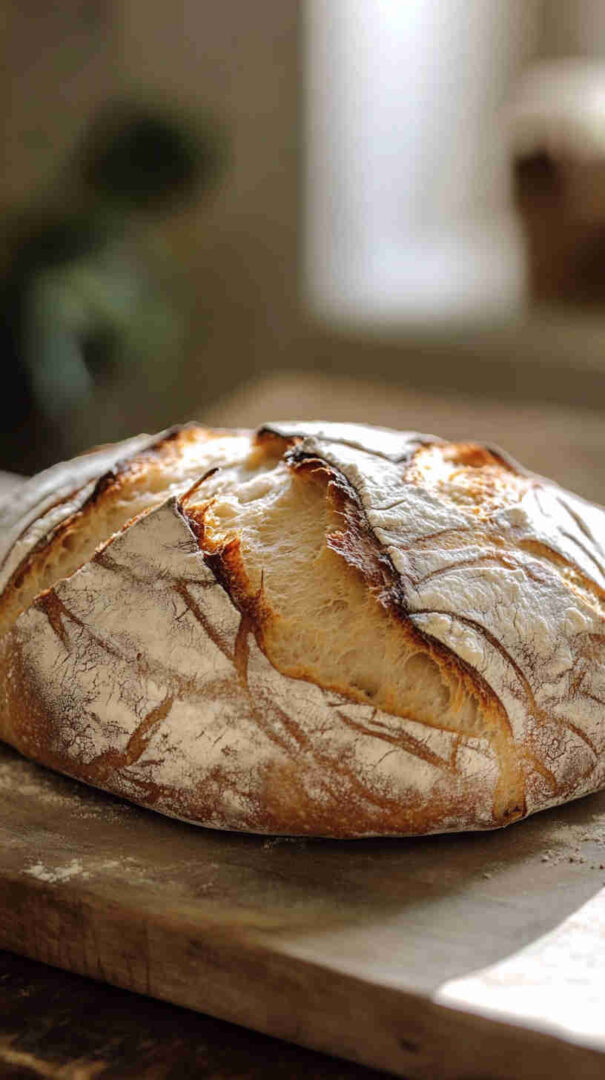
Please share this Italian Sourdough Bread (Pane al Lievito Madre) Recipe with your friends and do a comment below about your feedback.
We will meet you on next article.
Until you can read, Italian Semolina Bread (Pane di Semola) Recipe