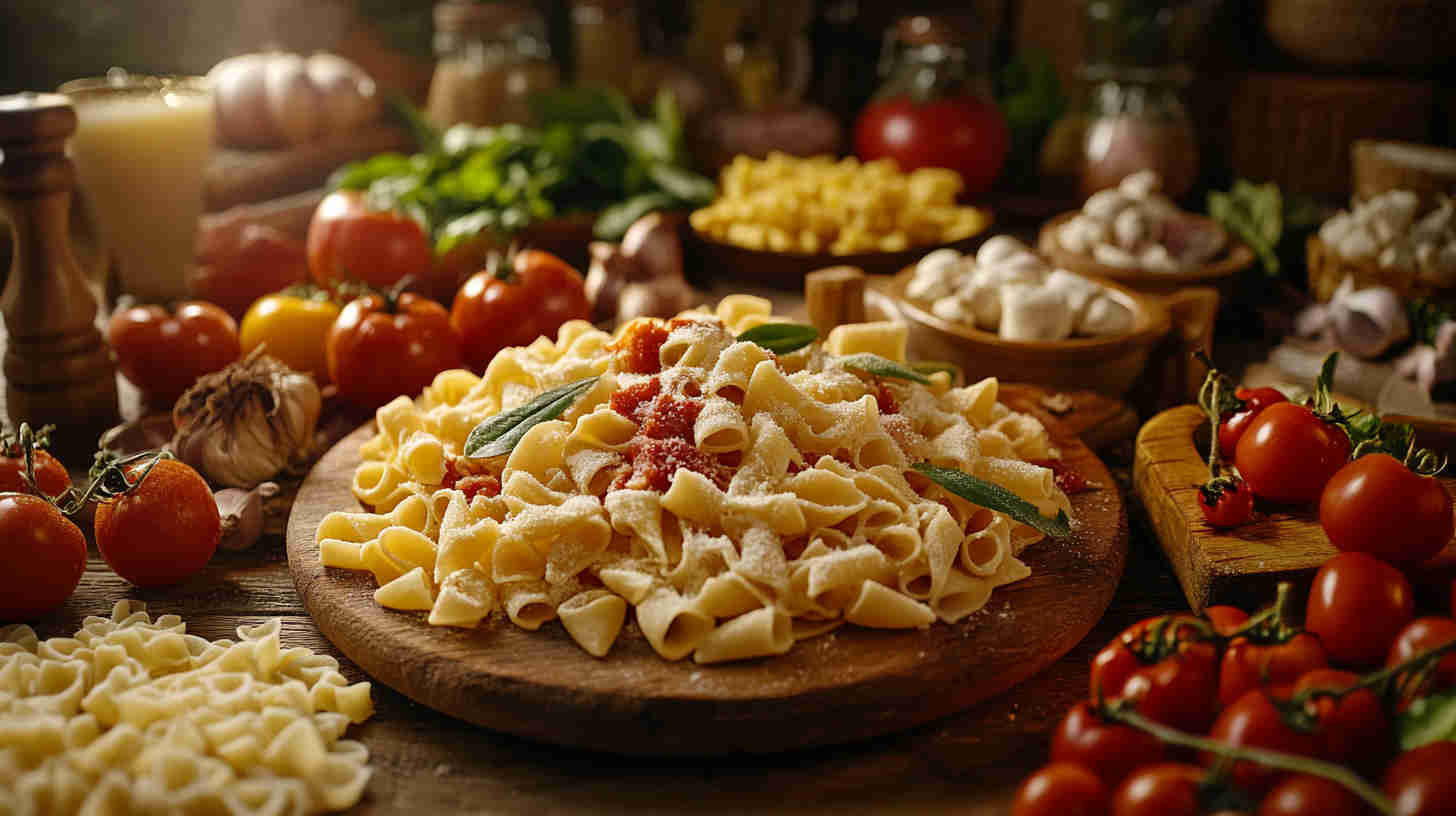
Malloreddus pasta with saffron tomato sauce and sausage
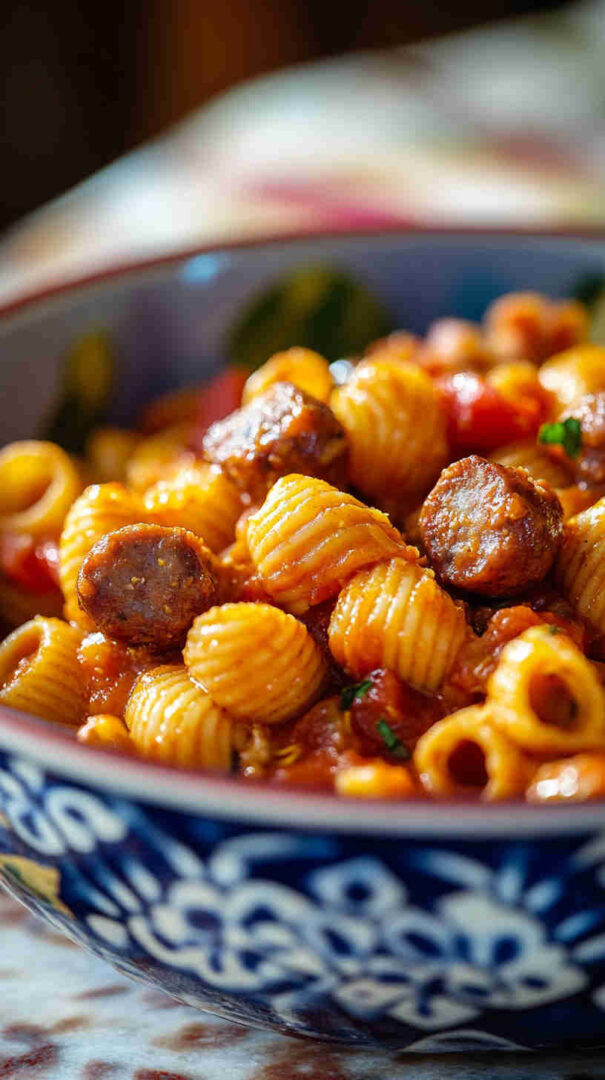
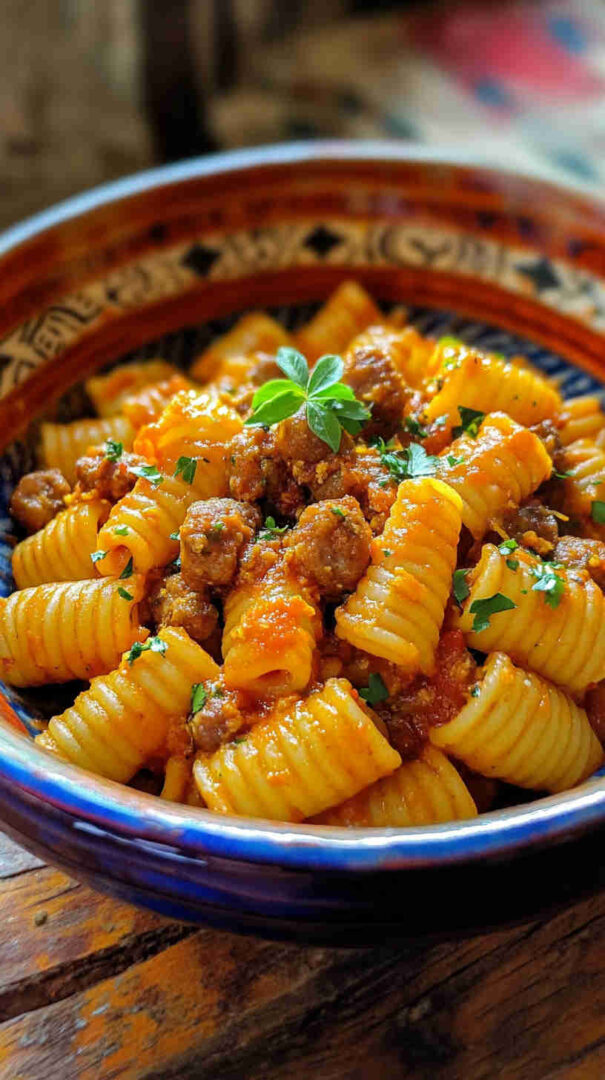
Malloreddus are small, ridged semolina pasta shells shaped like tiny gnocchi, traditionally made by hand in Sardinia. In this classic Campidanese version, they are tossed in a hearty saffron-infused tomato sauce with crumbled fennel-scented pork sausage.
The result is a rich, aromatic, slightly sweet and savory pasta that captures the rustic soul of Sardinian countryside cooking, finished with plenty of grated Pecorino cheese.
Why You’ll Love This Recipe
You’ll fall in love with this recipe because it brings the warm, comforting flavors of Sardinia straight to your table with relatively simple ingredients that create something truly special.
The ridged malloreddus perfectly catch the thick, saffron-kissed tomato sauce, while the sausage adds savory depth and the subtle fennel aroma makes every bite fragrant and satisfying. Saffron lends a beautiful golden hue and delicate floral notes that elevate the dish from everyday pasta to something memorable.
It’s hearty enough for a cozy family dinner yet elegant enough to serve to guests. Making (or even just cooking) the pasta feels rewarding, and the sauce simmers gently while filling your kitchen with irresistible aromas. Once you try it, this will become a regular favorite — it’s rustic Italian comfort food at its very best.
Malloreddus pasta with saffron tomato sauce and sausage
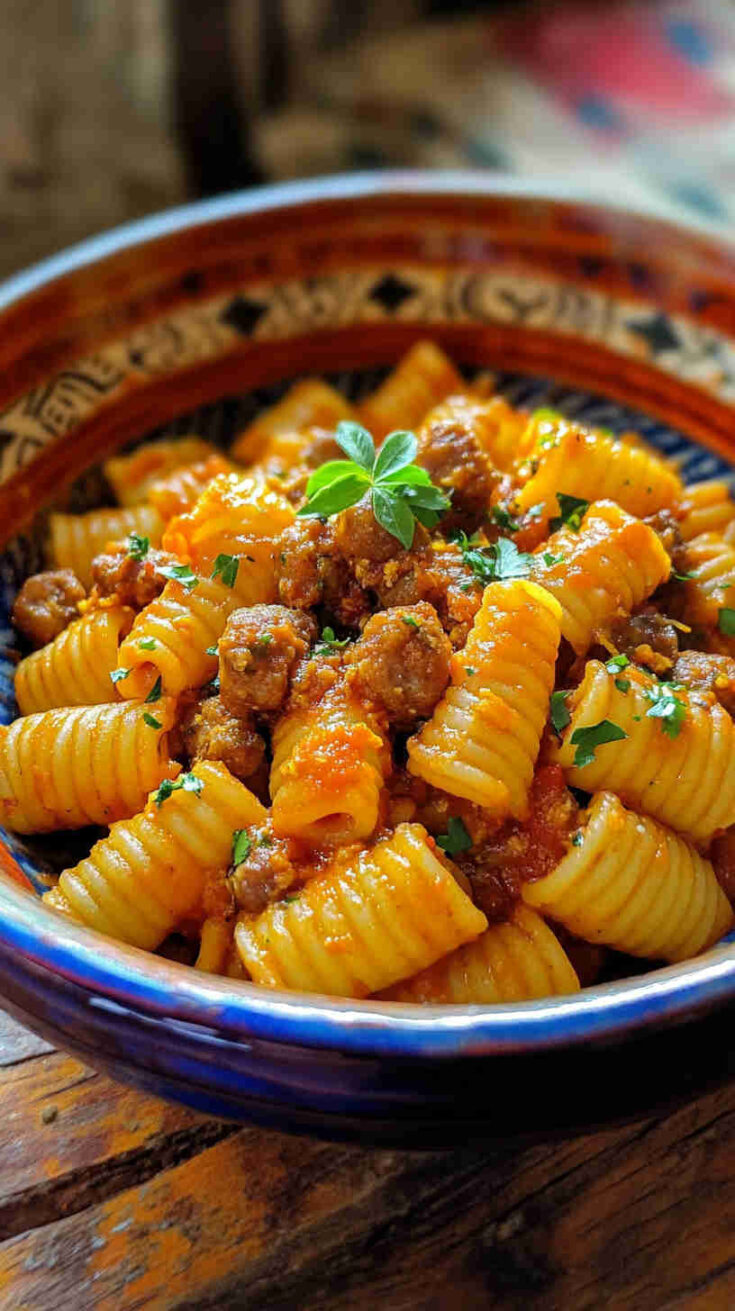
Ridged Sardinian malloreddus in a rich saffron tomato sausage ragù — hearty, aromatic comfort from Sardinia.
Ingredients
For the Malloreddus (or use 400–500 g / 14–18 oz dried malloreddus / gnocchetti sardi):
- 300 g (2 cups) fine durum semolina flour
- 150–160 ml warm water
- Pinch of salt
- Optional: ½ tsp saffron threads soaked in 1 tbsp warm water
For the Saffron Tomato Sausage Sauce:
- 400–500 g (14–18 oz) fresh pork sausage (preferably fennel-scented), casings removed and crumbled
- 1 medium onion, finely chopped
- 2 garlic cloves, minced
- 2–3 tbsp extra virgin olive oil
- 400–500 g (14–18 oz) tomato passata or crushed peeled tomatoes
- ½ tsp saffron threads (soaked in 2 tbsp warm water)
- 80–100 ml (⅓–½ cup) dry white wine
- Salt and freshly ground black pepper, to taste
- Optional: 1 bay leaf, a few fresh basil leaves
For Serving:
- 80–100 g (3–4 oz) Pecorino Sardo or Pecorino Romano, freshly grated
- Extra fresh basil or parsley (optional)
Instructions
- Prepare the saffron — If using saffron in the pasta dough or sauce, crumble the threads into a small bowl with a couple of tablespoons of warm water. Let it bloom for 10–15 minutes so it releases its beautiful color and aroma.
- Make the pasta dough (if homemade) — In a large bowl or on a clean surface, mix the semolina flour and salt. Gradually add the warm water (with saffron if using) and knead for 8–10 minutes until you have a smooth, firm dough. Wrap it and let it rest for at least 30 minutes.
- Shape the malloreddus — Pinch off small pieces of dough and roll into thin ropes. Cut into 1 cm pieces. Using your thumb or a small gnocchi board, press and roll each piece to create the signature ridged, curved shell shape. Place on a semolina-dusted tray and keep covered.
- Start the sauce base — Heat the olive oil in a large skillet or Dutch oven over medium heat. Add the chopped onion and cook gently for 4–5 minutes until soft and translucent. Add the minced garlic and cook for another minute until fragrant.
- Brown the sausage — Add the crumbled sausage to the pan. Break it up with a wooden spoon and cook over medium-high heat for 6–8 minutes until nicely browned and cooked through. This builds deep, savory flavor.
- Deglaze and build flavor — Pour in the white wine, scraping up any browned bits from the bottom. Let it bubble and reduce for 1–2 minutes. If using a bay leaf, add it now.
- Add tomatoes and saffron — Stir in the tomato passata or crushed tomatoes along with the bloomed saffron (including its liquid). Season lightly with salt and pepper. Bring to a gentle simmer, then lower the heat, cover partially, and let it cook for 20–25 minutes, stirring occasionally, until the sauce thickens and the flavors meld beautifully.
- Cook the pasta — Bring a large pot of well-salted water to a rolling boil. Add the malloreddus (fresh ones cook in 4–6 minutes; dried take 10–12 minutes) and cook until al dente. Reserve about ½ cup of pasta water before draining.
- Combine everything — Remove the bay leaf if used. Add the drained pasta directly to the sauce along with a splash of reserved pasta water. Toss gently over low heat for 1–2 minutes so the ridged pasta absorbs all the delicious saffron-tomato flavors.
- Finish and serve with love — Remove from heat and stir in a generous handful of grated Pecorino. Taste and adjust seasoning if needed. Serve immediately in warm bowls with extra Pecorino sprinkled on top and a few fresh basil leaves if desired. Enjoy the wonderful contrast of textures and the fragrant saffron aroma!
Notes
Malloreddus are wonderfully forgiving — they hold their shape well and catch every bit of sauce in their ridges. Use the best sausage and real saffron you can find for the most authentic taste. The sauce improves if made a few hours ahead, allowing flavors to develop even more. If the sauce gets too thick, a little pasta water brings it back to silky perfection. This is rustic, soul-warming food — perfect with a glass of Sardinian white wine like Vermentino. Freshly grated cheese is non-negotiable for the final touch!
Nutrition Information
Yield
4Serving Size
1Amount Per Serving Calories 279Total Fat 1gSaturated Fat 0gUnsaturated Fat 1gSodium 3mgCarbohydrates 57gFiber 3gSugar 1gProtein 10g
The recipes and nutritional information on Yum Tonight are for informational purposes only. Always consult a healthcare provider for personalized dietary advice.
Recipe Tips and Tricks
- Crumble the sausage well and brown it deeply for maximum flavor — don’t rush this step.
- Use a good pinch of real saffron threads (soaked in warm water) for authentic color and aroma; powdered works in a pinch but is less vibrant.
- If making fresh malloreddus, keep the dough covered to prevent drying and work in small batches.
- Reserve some pasta cooking water to loosen the sauce when tossing — it helps everything emulsify beautifully.
- Taste and adjust seasoning carefully — sausage and Pecorino are salty, so go light on added salt.
- Let the sauce simmer low and slow so the flavors meld and it thickens nicely.
- Serve immediately with lots of freshly grated Pecorino Sardo or Romano on top — it melts into the sauce wonderfully.
- A splash of white wine while browning the sausage adds brightness and depth.
Ingredients Notes
Malloreddus are made from fine durum wheat semolina (semola rimacinata) and water, sometimes with a touch of saffron in the dough for color and subtle flavor. This gives them their firm, satisfying bite and ability to hold sauce beautifully.
For the sauce, use high-quality Italian pork sausage — ideally fennel-scented (salsiccia con finocchio) or plain with added fennel seeds for that classic Sardinian touch. Ripe fresh tomatoes or good-quality passata create the base; San Marzano or similar are ideal. A small onion or shallot provides sweetness, while garlic adds depth.
Saffron threads are essential — they infuse the sauce with a luxurious golden color and unique earthy-floral notes that define this dish. Extra virgin olive oil brings everything together, and a dry white wine (like Vermentino if possible) lifts the flavors.
Finish with aged Pecorino cheese for its sharp, salty bite that perfectly balances the richness of the sausage. Fresh basil or parsley can add a touch of freshness if desired.
Variations and Substitutions
While the traditional version uses pork sausage with fennel, you can substitute mild Italian sausage and add 1–2 teaspoons of crushed fennel seeds for similar flavor. For a lighter version, use chicken or turkey sausage.
Vegetarian? Replace sausage with chopped mushrooms or plant-based sausage and add a pinch more fennel. If fresh tomatoes are out of season, high-quality canned peeled tomatoes or passata work excellently. Some cooks add a bay leaf or a stick of cinnamon for subtle warmth, or include a splash of Sardinian Vernaccia wine instead of regular white wine.
For homemade pasta, you can omit saffron from the dough and keep it only in the sauce. If you can’t find malloreddus, small shell pasta or cavatelli make good substitutes, though the texture won’t be exactly the same. These changes keep the hearty Sardinian spirit while adapting to what you have available.
Storage Options
This dish tastes best fresh when the pasta is perfectly al dente and the sauce is vibrant. Leftovers can be stored in an airtight container in the refrigerator for up to 2 days.
Reheat gently in a skillet with a splash of water or broth to loosen the sauce. The sauce alone freezes well for up to 2 months — thaw overnight and cook fresh pasta when ready to serve. Avoid freezing the combined dish
Dish Gallery
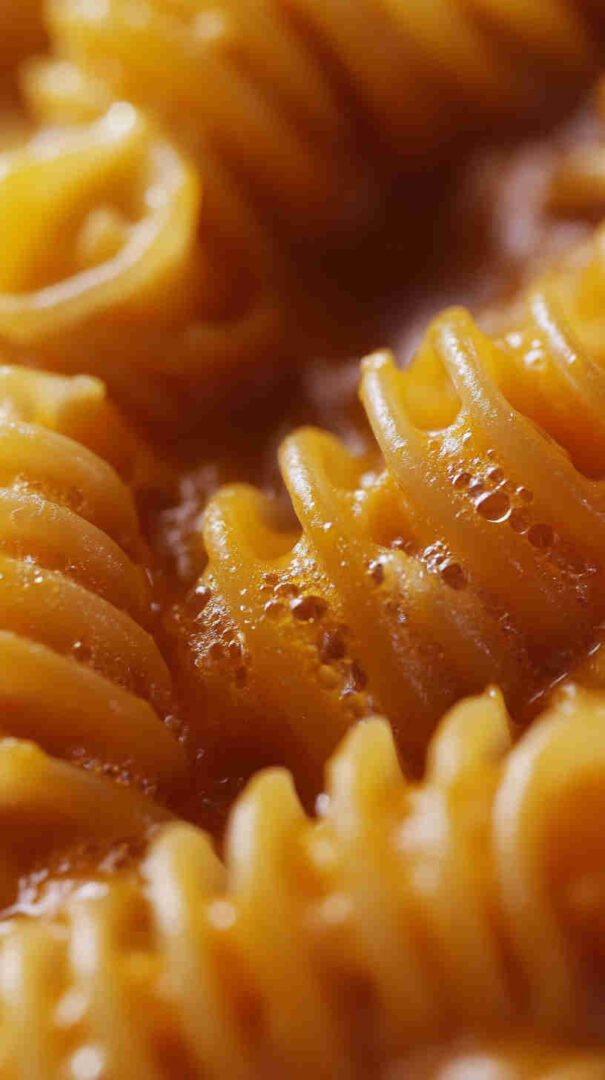
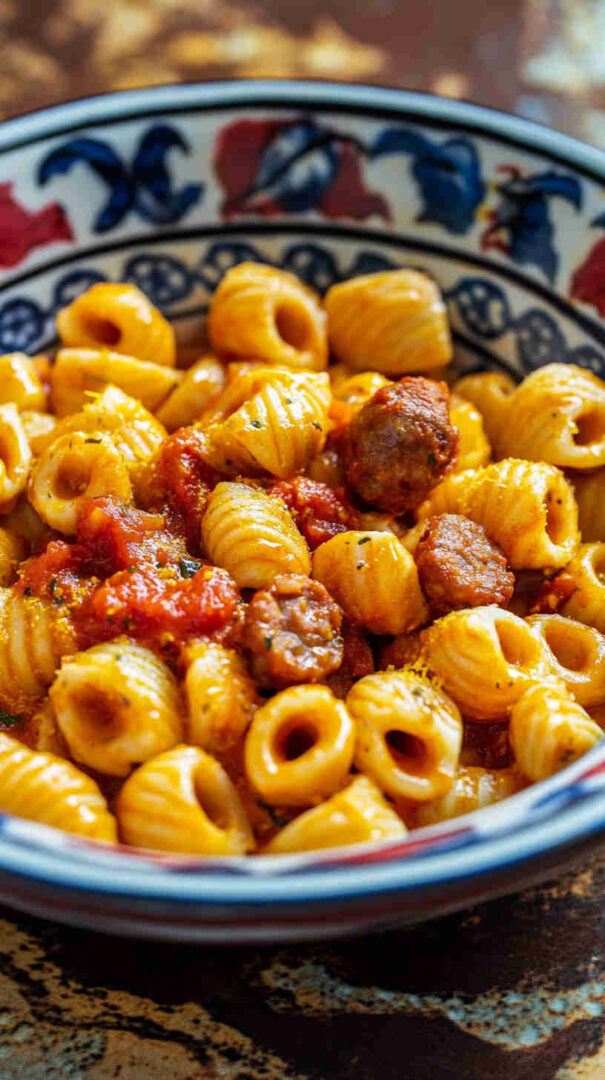
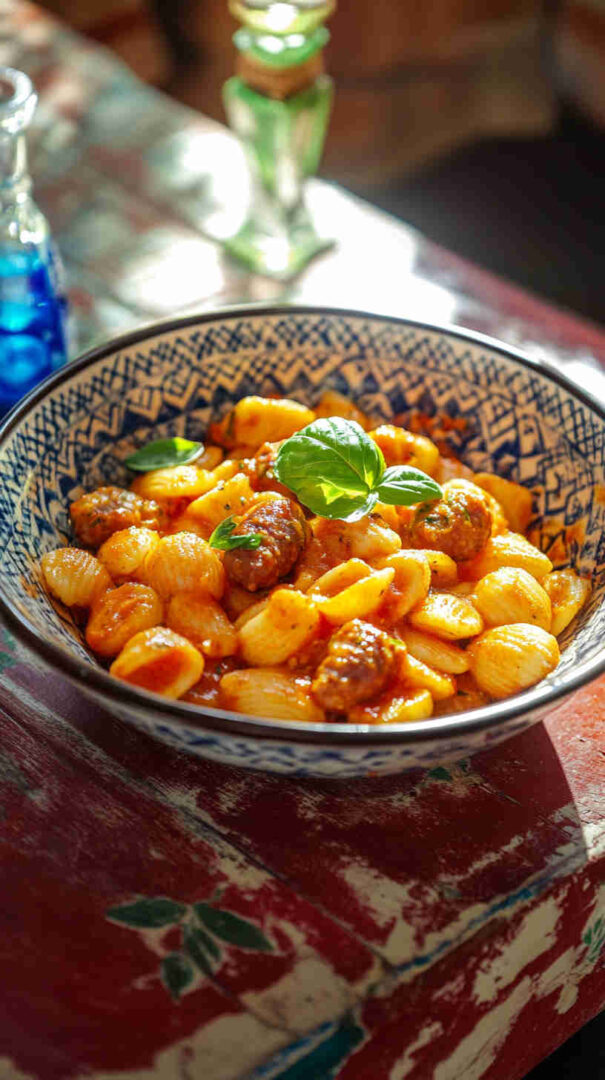
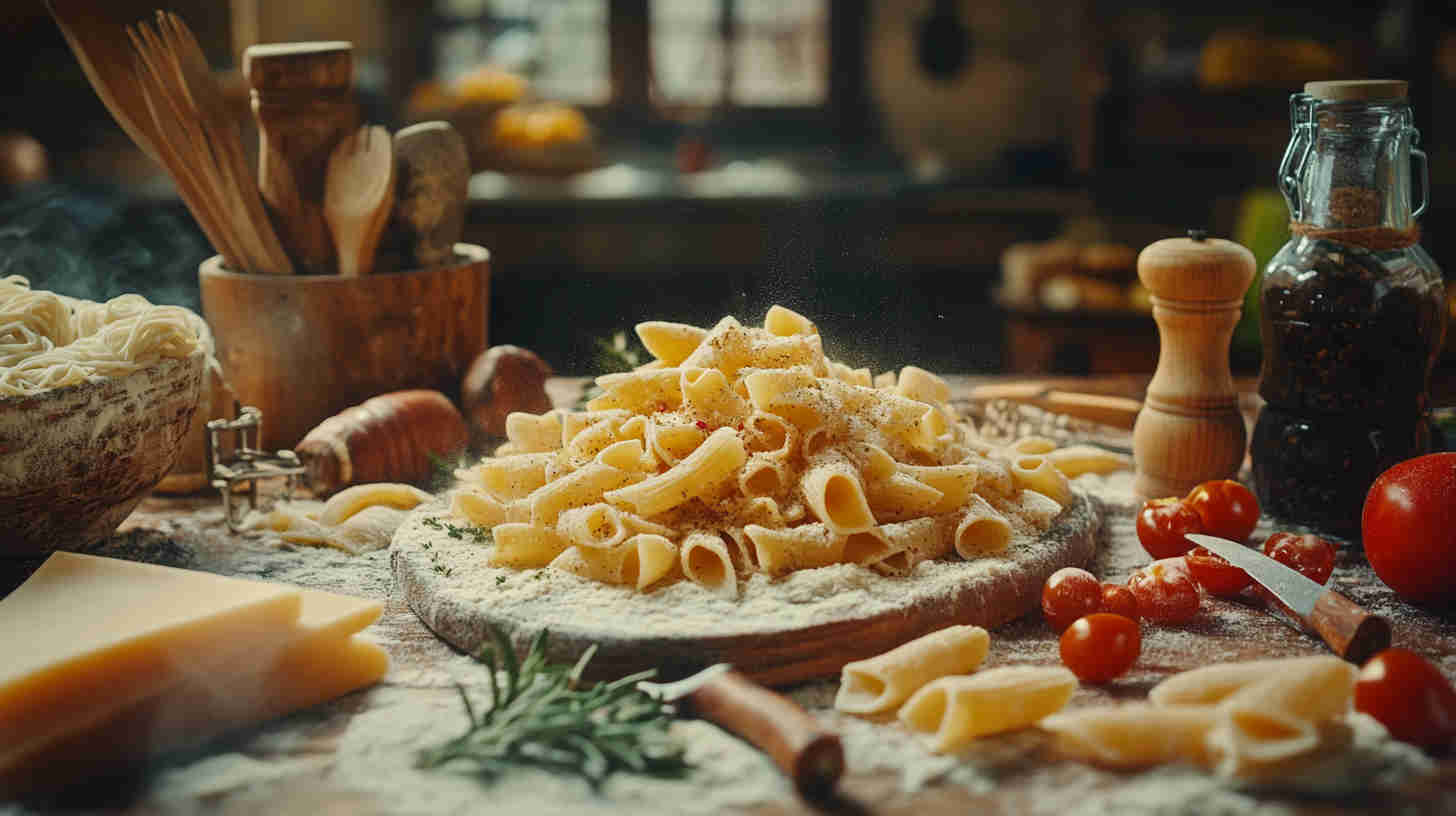
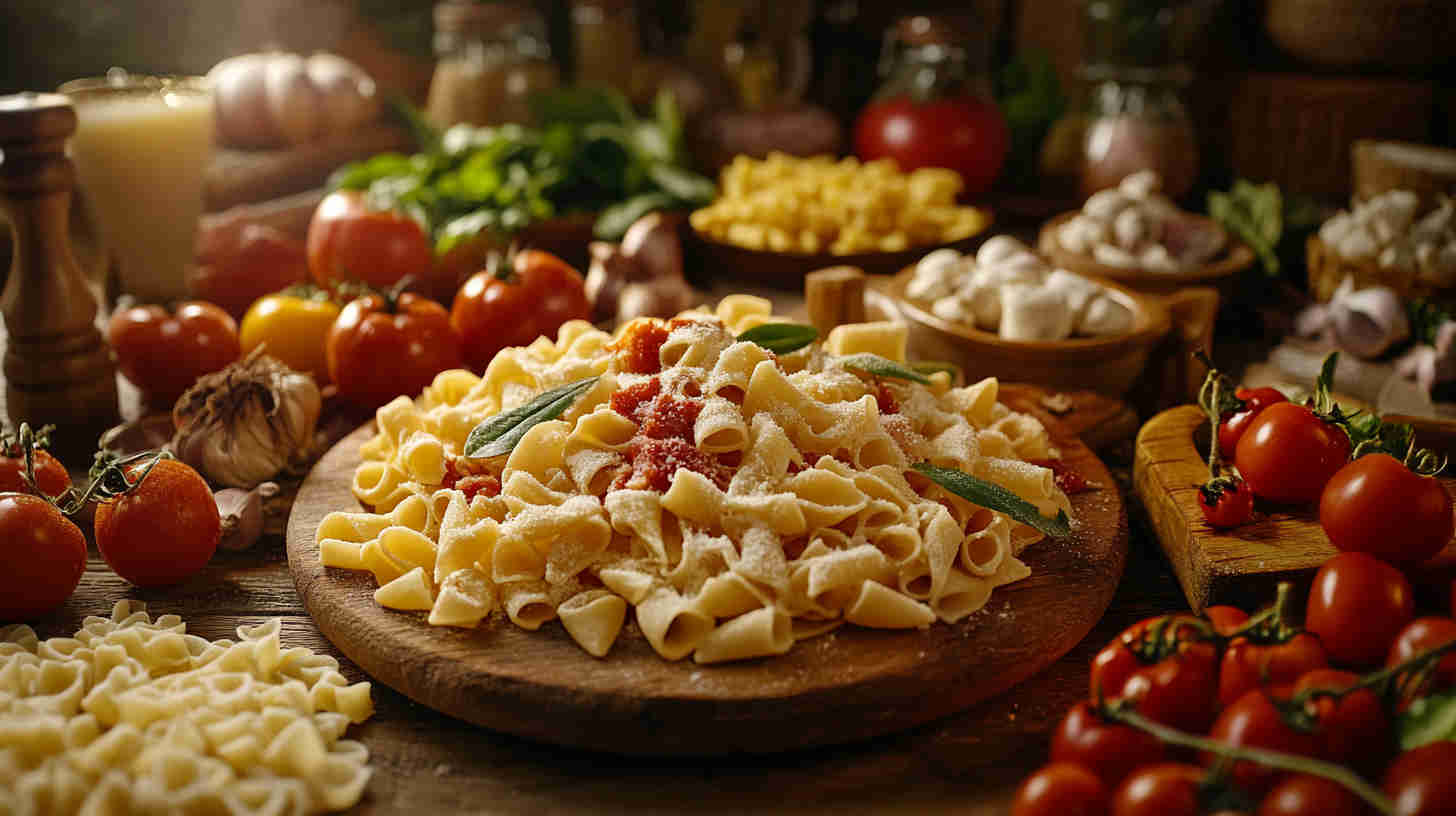
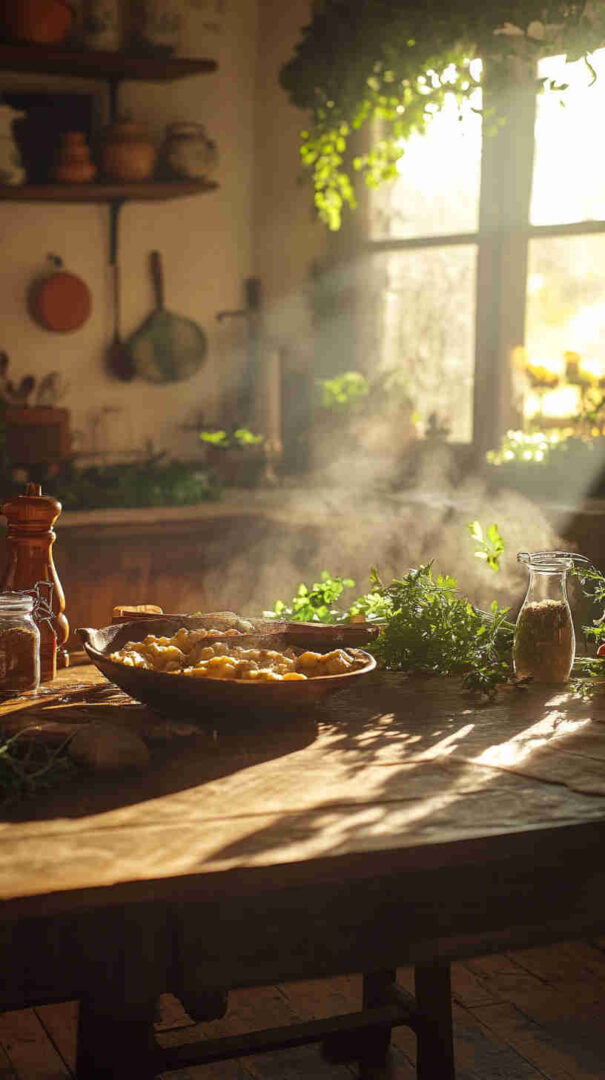
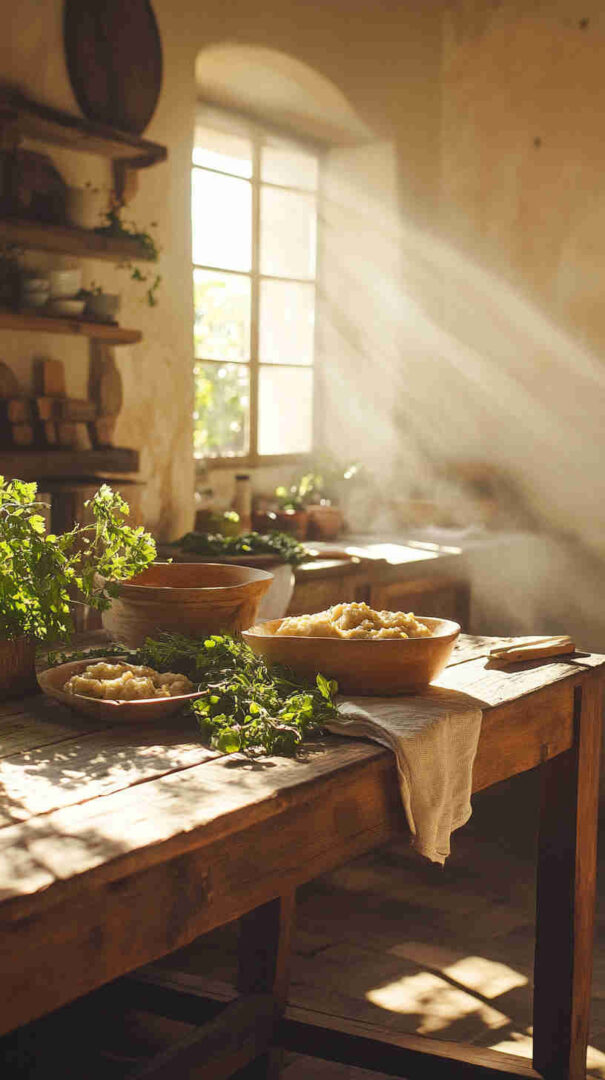
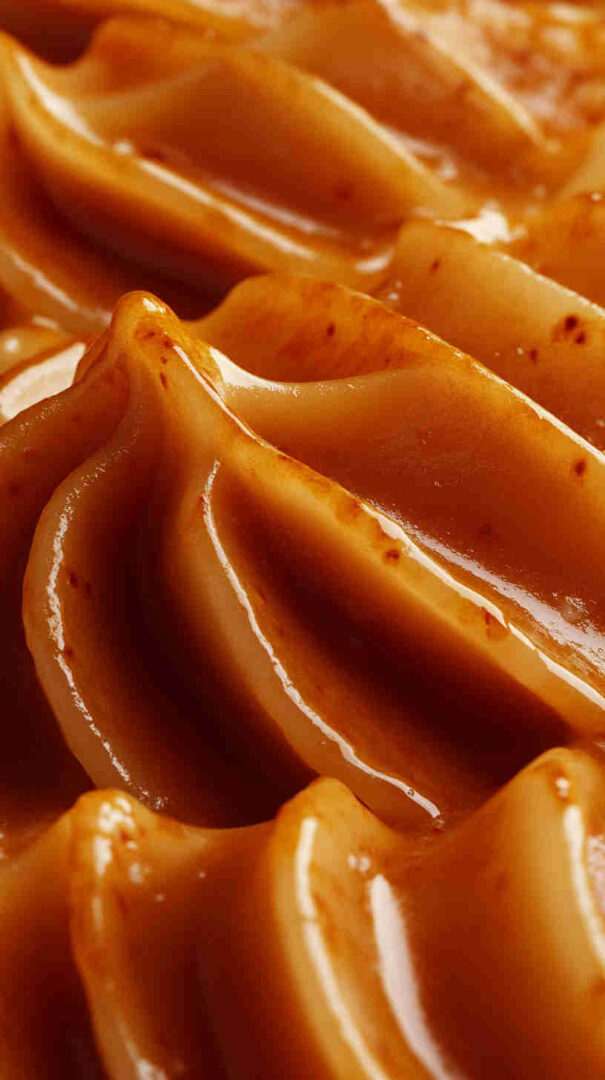
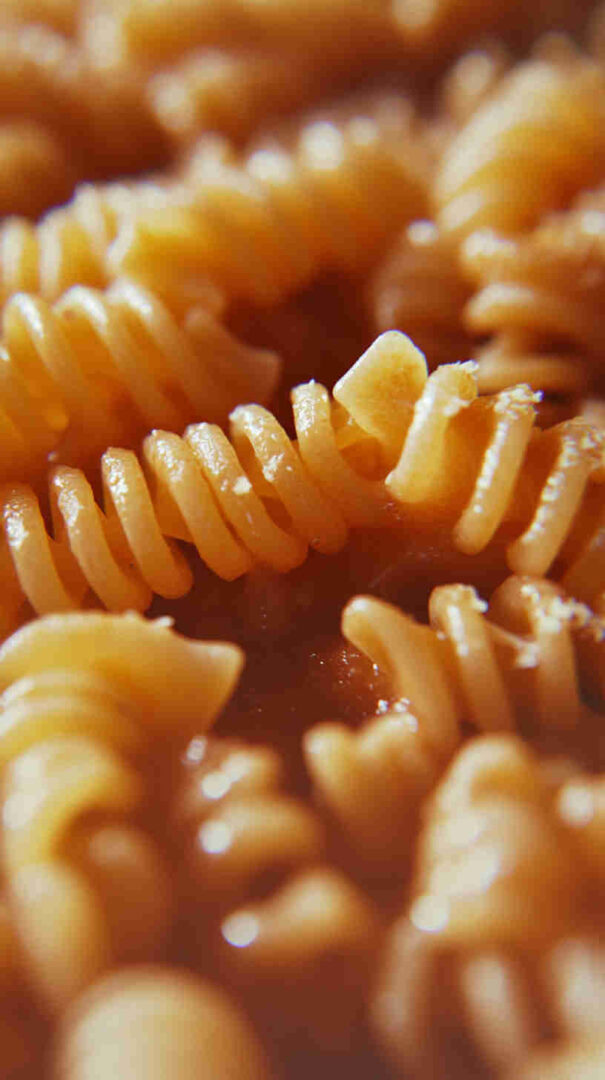
Please share this Malloreddus pasta with saffron tomato sauce and sausage with your friends and do a comment below about your feedback.
We will meet you on next article.
Until you can read, Roman Saltimbocca alla Romana Recipe