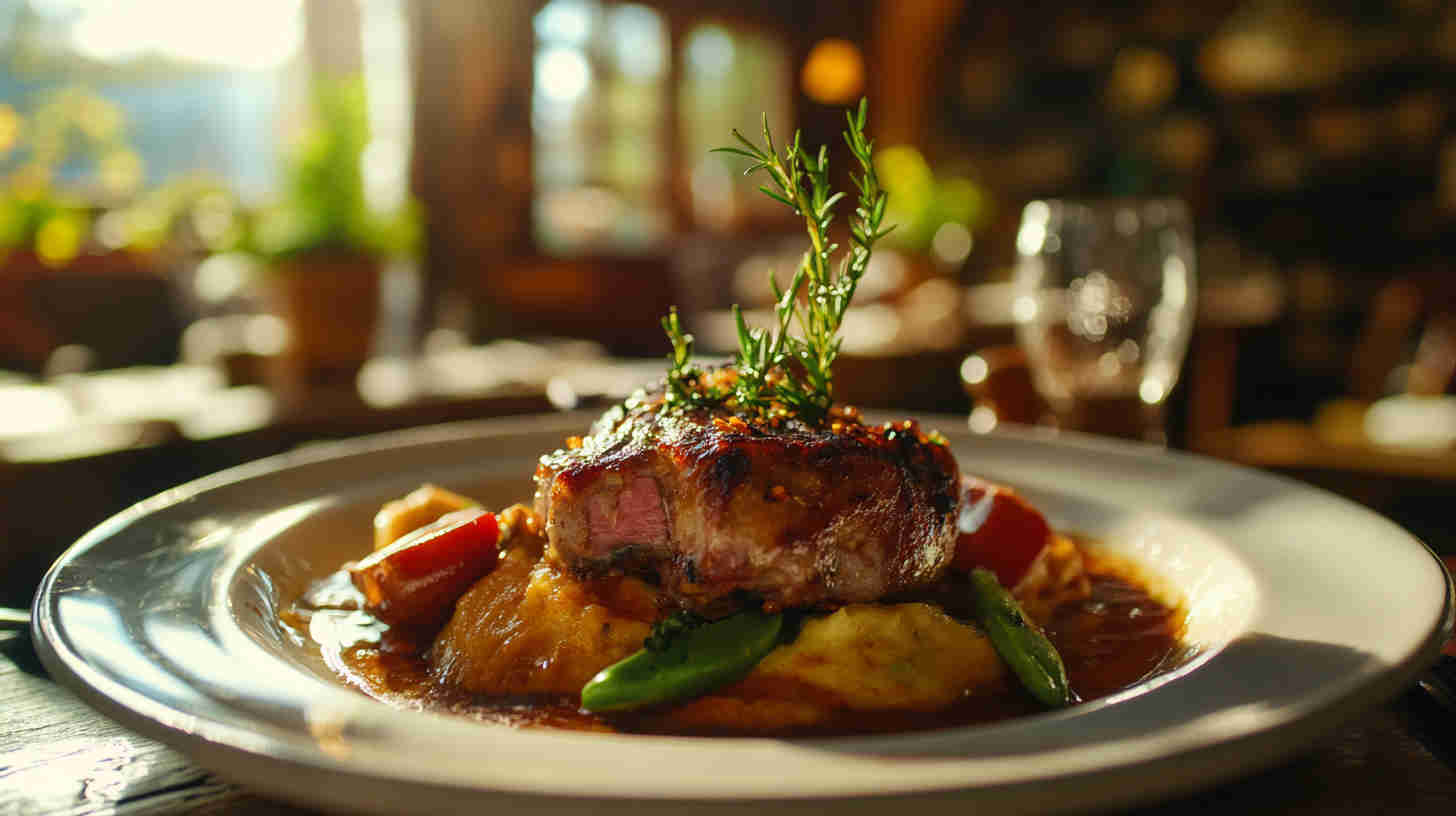
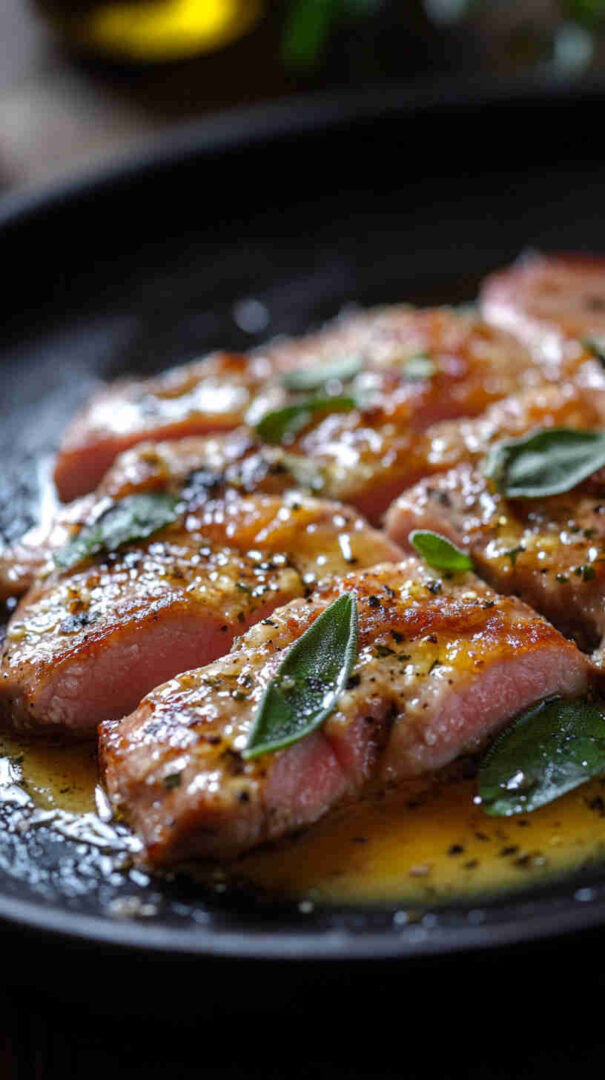
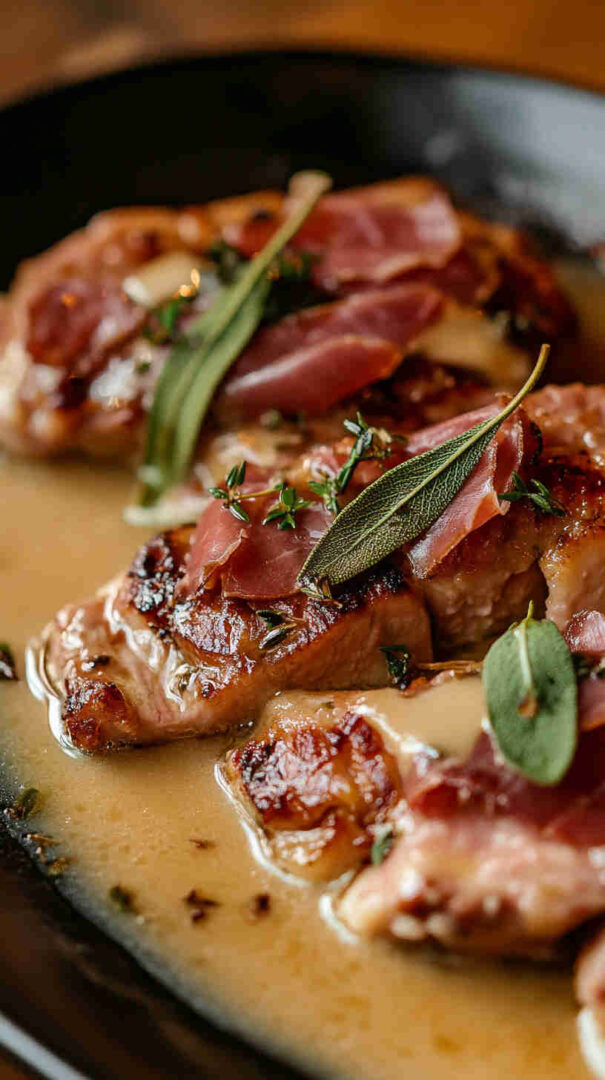
Saltimbocca alla Romana, a classic Roman “secondo” dish, features tender veal scaloppine topped with savory prosciutto crudo and fragrant fresh sage leaves. The name means “jump in the mouth,” reflecting how these quick-cooked bundles burst with flavor.
Pan-seared in butter and olive oil, then deglazed with dry white wine, they create a silky, aromatic sauce that perfectly complements the delicate meat. This elegant yet simple preparation showcases the best of Roman trattoria cooking—fast, fresh, and irresistibly delicious.
Why You’ll Love This Recipe
As an experienced chef, I’m passionate about Saltimbocca alla Romana because it delivers restaurant-quality elegance in under 30 minutes with just a handful of premium ingredients. The combination of mild veal, salty prosciutto, and earthy sage creates a harmonious explosion of flavors that truly “jumps in your mouth.”
The quick pan sauce, enriched with butter and white wine, turns simple components into something luxurious and comforting. It’s perfect for weeknight dinners yet impressive enough for guests, encouraging a relaxed Italian-style meal.
Once you master the gentle cooking technique, you’ll appreciate how the dish highlights quality ingredients without fuss, bringing authentic Roman trattoria vibes straight to your kitchen for joyful, memorable dinners.
Roman Saltimbocca alla Romana Recipe
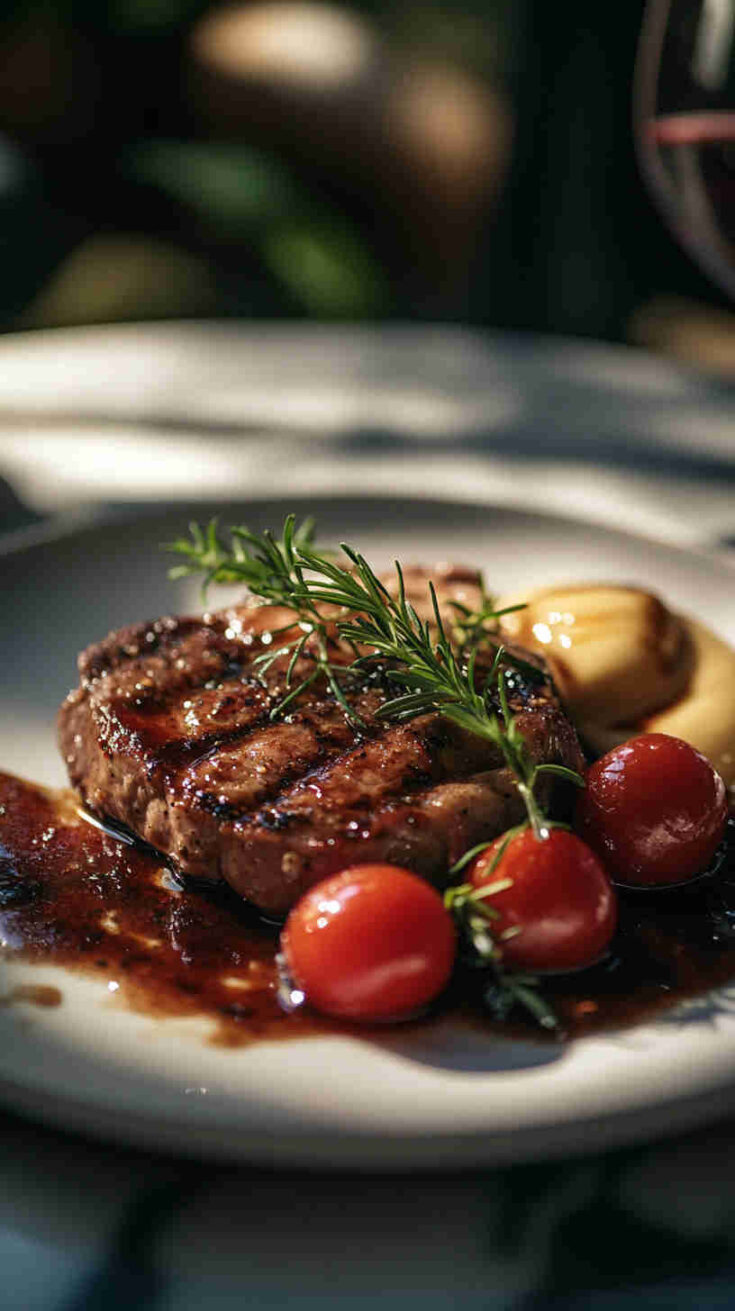
Tender veal layered with prosciutto and sage, pan-fried in buttery white wine sauce — pure Roman elegance.
Ingredients
For the Saltimbocca:
- 8 thin veal scaloppine (about 500-600 g / 1.1-1.3 lb total), pounded to ⅛ inch (3-4 mm) thick
- 8 thin slices prosciutto crudo (about 120-150 g)
- 8-12 fresh sage leaves (plus extra for garnish if desired)
- ½ cup (60-70 g) all-purpose flour or “00” flour, for dredging
- Salt and freshly ground black pepper, to taste
For Cooking:
- 2 tablespoons olive oil
- 3-4 tablespoons unsalted butter
- ½ cup (120 ml) dry white wine (such as Pinot Grigio or Frascati)
- Optional: 2-3 tablespoons chicken broth or water if needed
For Serving:
- Fresh lemon wedges (optional)
Instructions
- Prepare the veal — Lay the veal scaloppine on a cutting board between sheets of plastic wrap. Gently pound them with a meat mallet or rolling pin until uniformly thin — about ⅛ inch thick. This quick step makes the meat incredibly tender and helps it cook evenly in minutes.
- Season lightly — Sprinkle both sides of each veal piece with a little salt and freshly ground black pepper. Remember the prosciutto is salty, so go easy on the salt.
- Layer the flavors — Place one slice of prosciutto on top of each veal piece, trimming if necessary to fit. Top with one or two fresh sage leaves. Press gently so everything adheres nicely.
- Secure if needed — If the layers feel loose, you can thread a toothpick through the sage, prosciutto, and veal to hold them together during cooking. Many Roman cooks skip this for a more rustic presentation.
- Dredge lightly — Spread the flour on a plate. Lightly dredge each prepared saltimbocca on both sides, shaking off any excess flour. This creates a delicate golden crust.
- Heat the pan — Place a large skillet over medium-high heat. Add the olive oil and 2 tablespoons of butter. Let the butter melt and foam slightly until hot but not browning.
- Cook the first side — Add the saltimbocca to the pan in a single layer (sage-side up or down depending on your preference — many start sage down). Cook for 2-3 minutes until nicely golden and the prosciutto begins to crisp at the edges.
- Flip and finish cooking — Carefully turn each piece and cook the other side for another 1-2 minutes until the veal is just cooked through and tender. Remove to a warm plate and cover loosely with foil.
- Make the glorious sauce — Pour the white wine into the hot pan, scraping up all the delicious browned bits with a wooden spoon. Let it bubble and reduce for 1-2 minutes. Add the remaining butter and swirl until the sauce becomes silky and slightly thickened. If it seems too thick, add a splash of broth or water.
- Bring it all together — Return the saltimbocca to the pan briefly to warm through and coat with the sauce, about 30-60 seconds. Transfer to serving plates, spoon the glossy sauce over the top, and serve immediately with lemon wedges if desired. Enjoy every tender, flavorful bite!
Notes
This dish cooks very quickly, so have all ingredients ready before you start — it’s a true last-minute showstopper. Use the best quality veal and prosciutto you can find for the most authentic taste. The sage should be fresh and fragrant. Don’t overcook the veal or it can become tough; it only needs a few minutes total. Pair it with simple sides like sautéed spinach, roasted potatoes, or a crisp green salad to let the saltimbocca shine. A glass of the same white wine used in the sauce makes it even more special.
Nutrition Information
Yield
4Serving Size
1Amount Per Serving Calories 315Total Fat 12gSaturated Fat 3gUnsaturated Fat 10gCholesterol 40mgSodium 1505mgCarbohydrates 25gFiber 1gSugar 0gProtein 19g
The recipes and nutritional information on Yum Tonight are for informational purposes only. Always consult a healthcare provider for personalized dietary advice.
Recipe Tips and Tricks
Pound the veal scaloppine very thinly and evenly between parchment paper for tender results and quick, uniform cooking—avoid over-pounding to prevent tearing. Secure the prosciutto and sage with a toothpick if needed, but many chefs rely on gentle pressing as the prosciutto adheres naturally.
Use a large skillet to avoid overcrowding; cook in batches if necessary for best browning. Start with the prosciutto side down for a beautiful sear, then flip briefly—the prosciutto should crisp lightly without drying out.
Deglaze the pan promptly with wine to capture all those flavorful browned bits. Keep the heat medium-high for a fast sear but don’t overcook the veal, which can toughen quickly. Have all ingredients prepped and ready before heating the pan for smooth, stress-free execution.
Ingredients Notes
High-quality veal scaloppine (thin cutlets from the leg or loin) are essential for their delicate texture and mild flavor—choose pale pink meat from a trusted butcher. Prosciutto crudo, preferably Parma or San Daniele, provides salty depth and richness; select thin, flexible slices without excess fat.
Fresh sage leaves bring an aromatic, slightly peppery note that beautifully balances the dish—use large, vibrant leaves for the best fragrance. Unsalted butter creates a silky sauce with nutty depth, while a splash of extra virgin olive oil prevents burning.
Dry white wine (such as Pinot Grigio or Frascati) adds bright acidity to cut through the richness—avoid sweet varieties. A light dusting of all-purpose flour helps create a delicate crust and thickens the sauce slightly. Season sparingly with salt and freshly ground black pepper, remembering the prosciutto already contributes plenty of salinity.
Variations and Substitutions
While traditional Saltimbocca alla Romana uses veal, many modern versions substitute chicken or pork scaloppine for a more accessible and budget-friendly option with excellent results. Some Roman cooks add a thin slice of mozzarella or fontina under the prosciutto for a melty twist, though this strays from the classic.
For a dairy-free version, use only olive oil and finish with a squeeze of lemon instead of butter. Marsala or vermouth can replace white wine for a slightly sweeter, more complex sauce. In some families, a touch of chicken broth is added to the deglazing liquid for extra body.
Vegetarians might experiment with eggplant or portobello slices, though the character changes significantly. Toothpicks are optional; some prefer rolling the bundles for a different presentation, but the flat Roman style remains most authentic. Adjust sage quantity based on your love for its herbal intensity.
Storage Options
Saltimbocca alla Romana is best enjoyed fresh right after cooking, as the veal can dry out upon reheating. Store leftovers in an airtight container in the refrigerator for up to 2 days. To reheat, warm gently in a skillet over low heat with a splash of water or broth to revive the sauce—avoid the microwave to prevent toughness.
The uncooked assembled cutlets can be prepared up to 4 hours ahead, covered, and refrigerated; dredge in flour just before cooking. Freezing is not recommended, as the texture of the veal and sauce suffers.
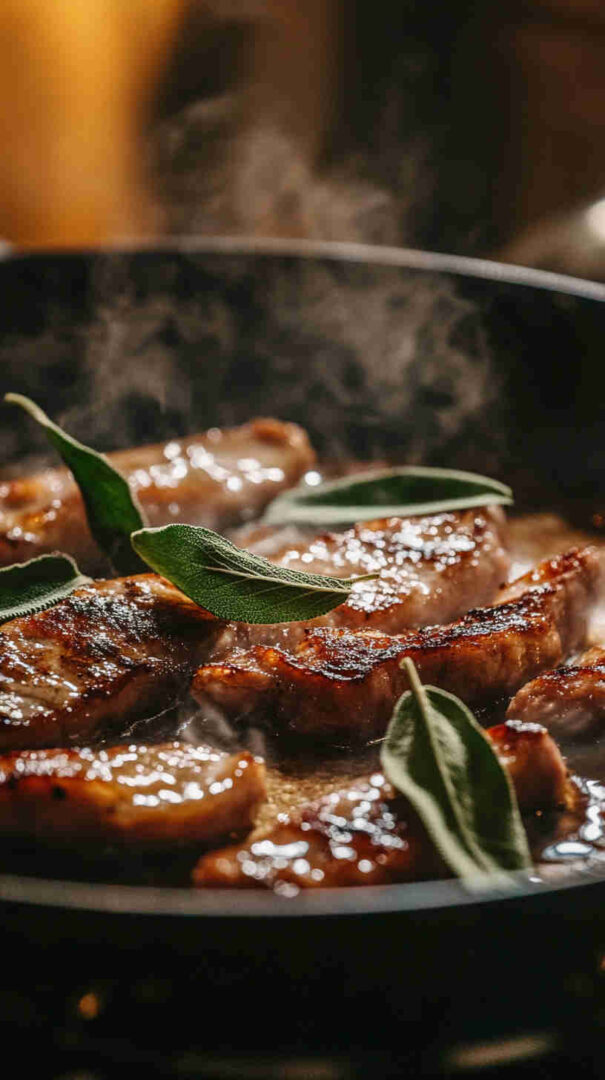
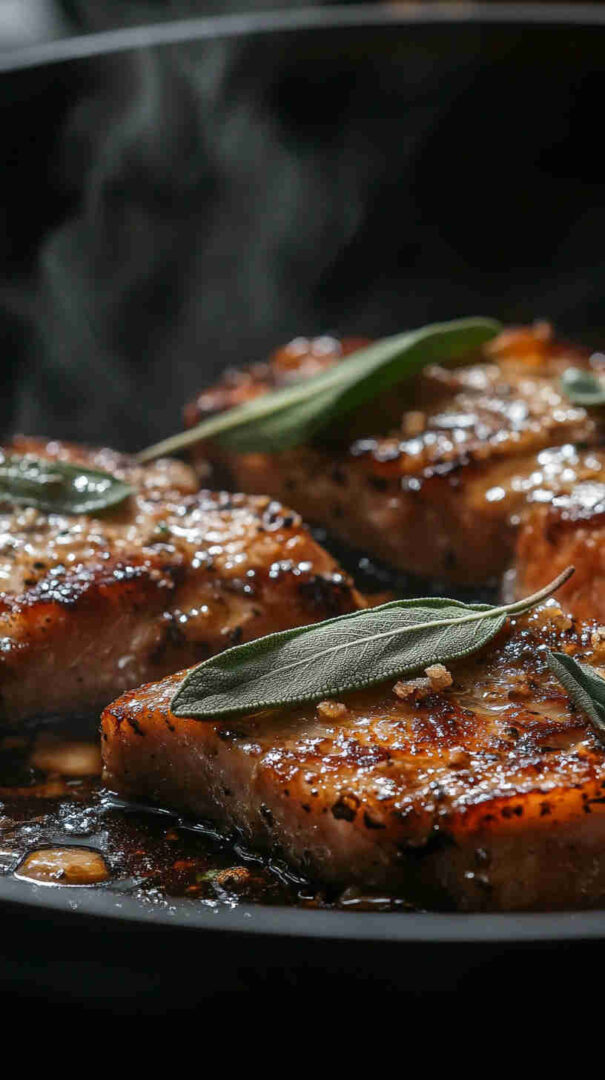
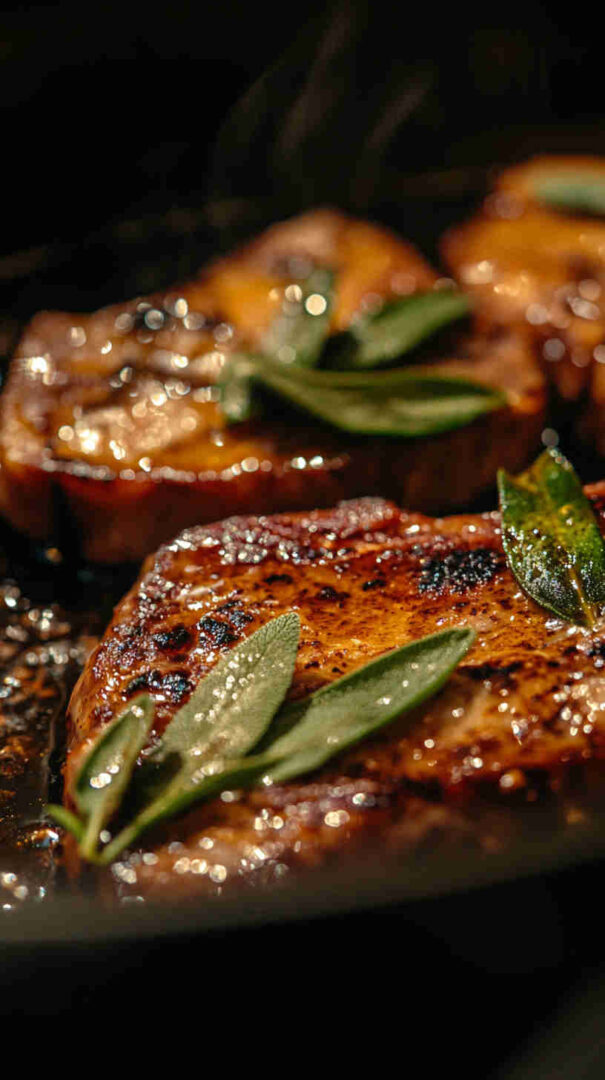
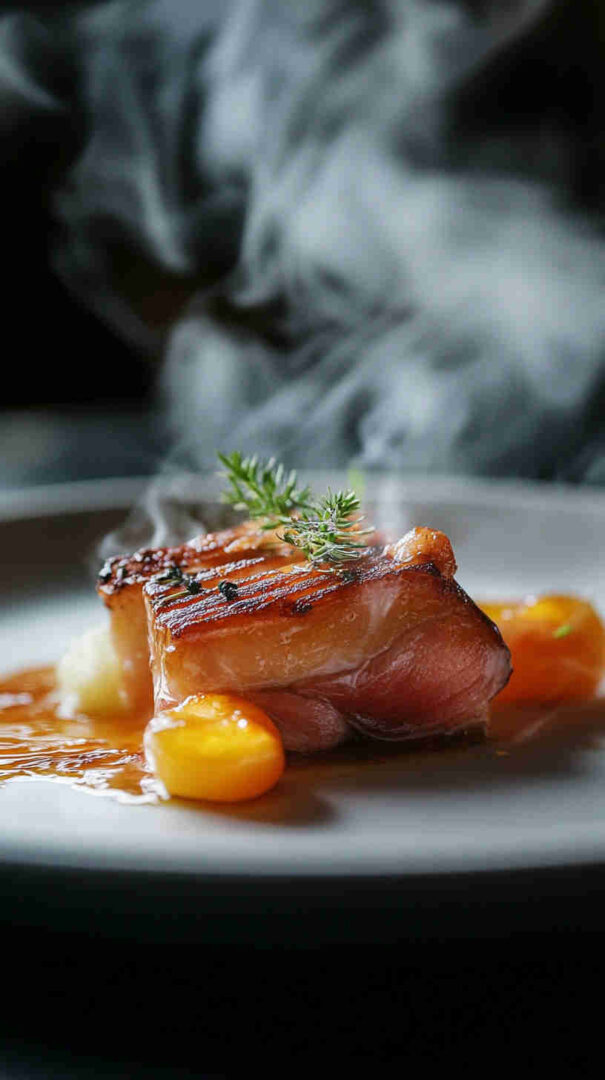
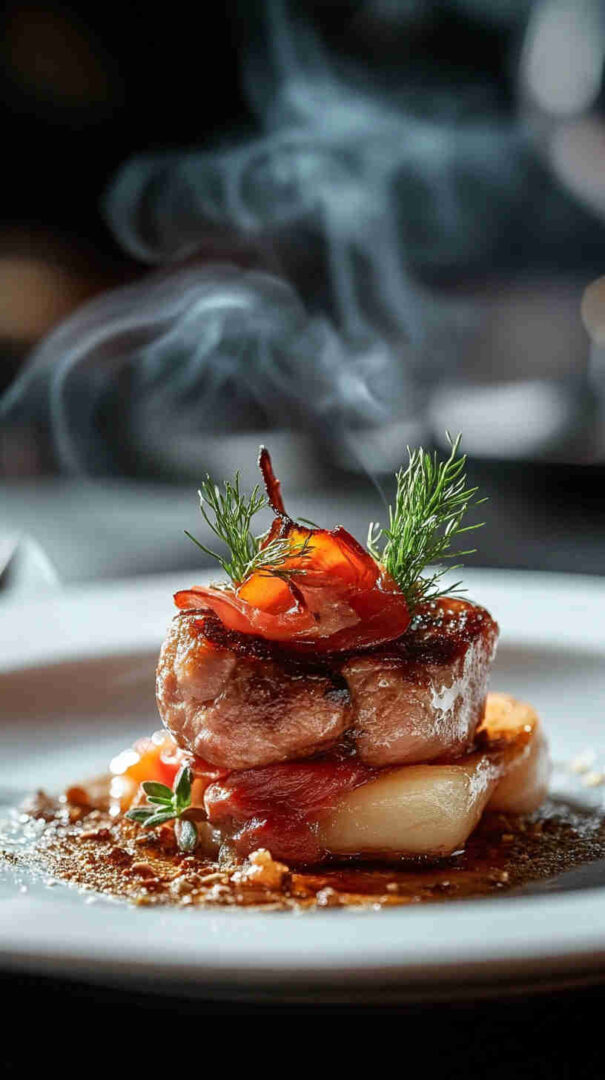
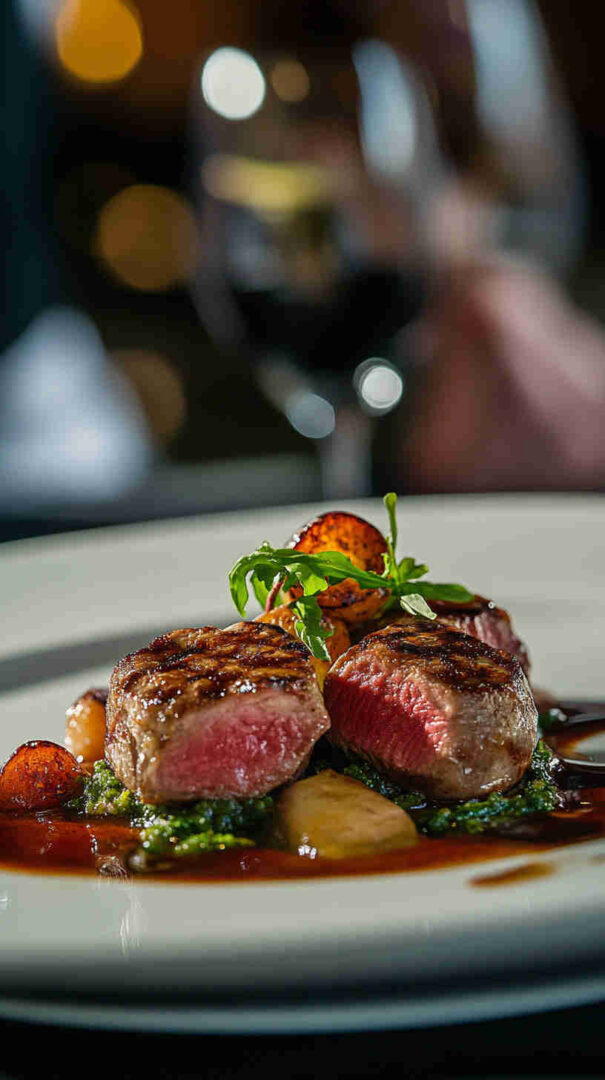
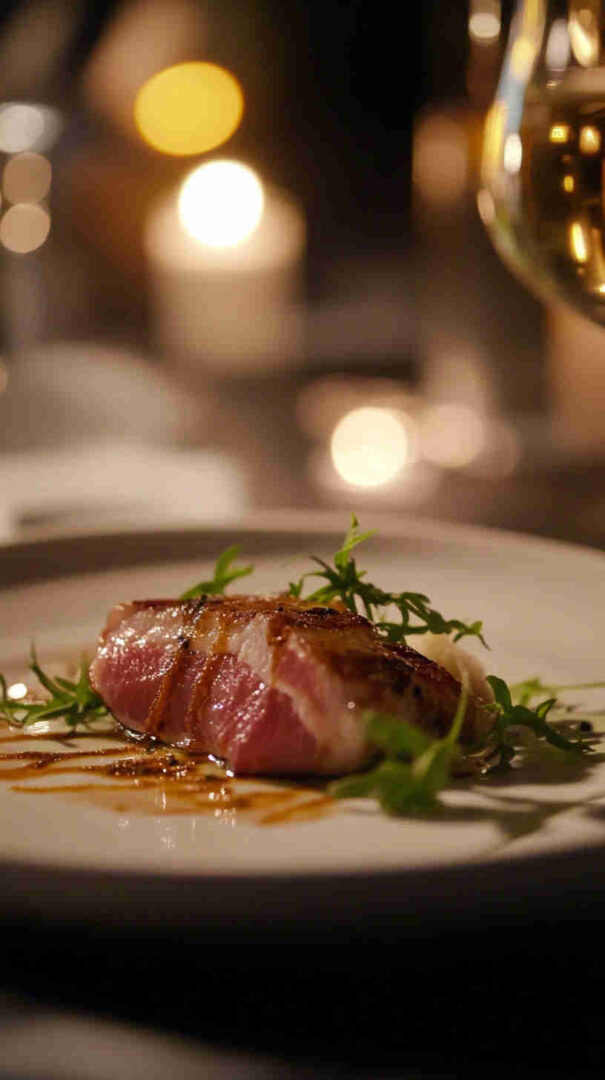
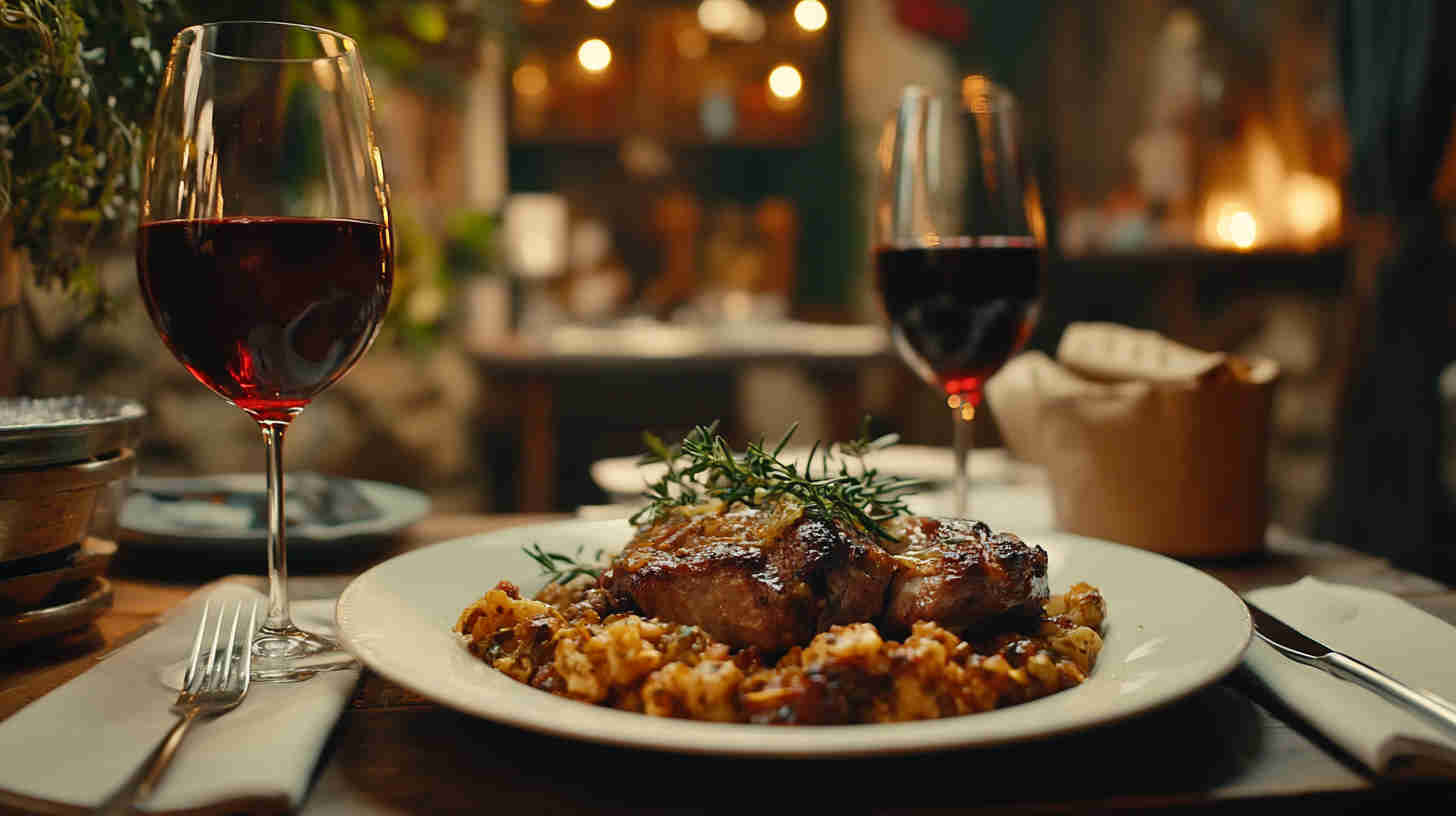
Dish Gallery
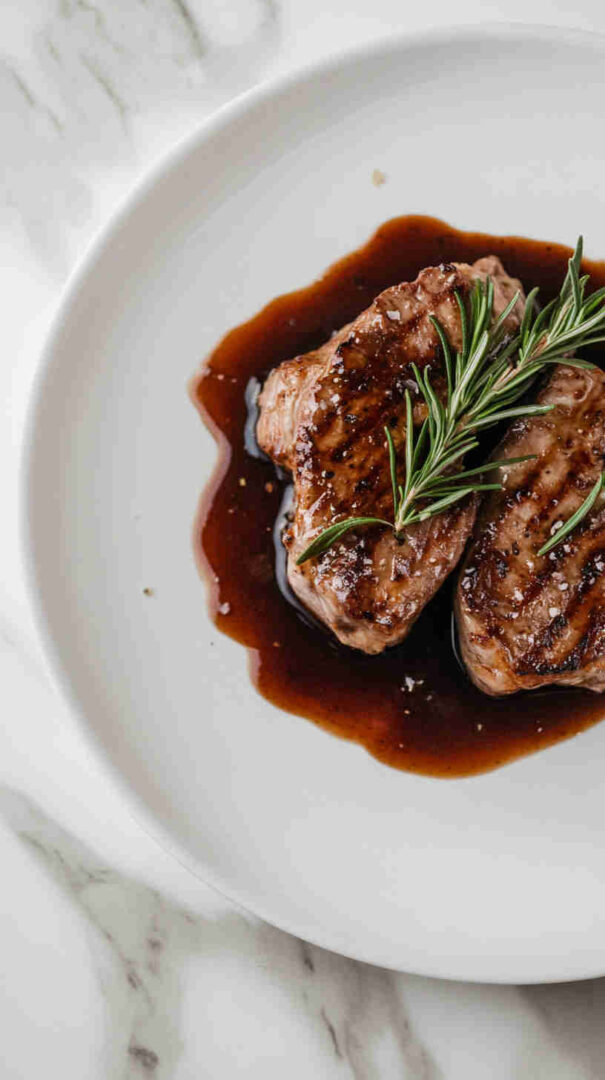
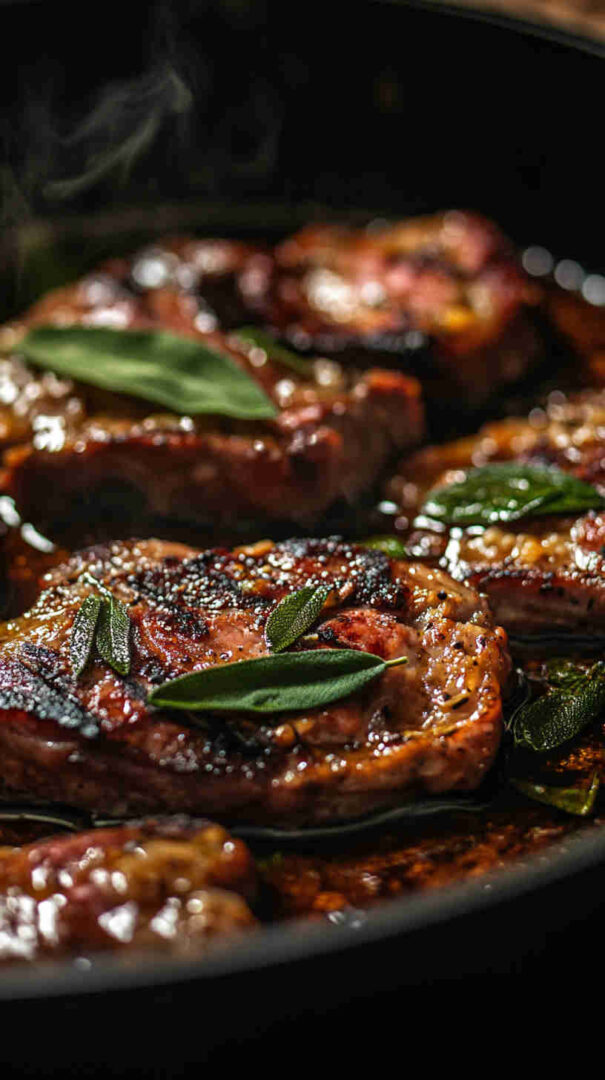
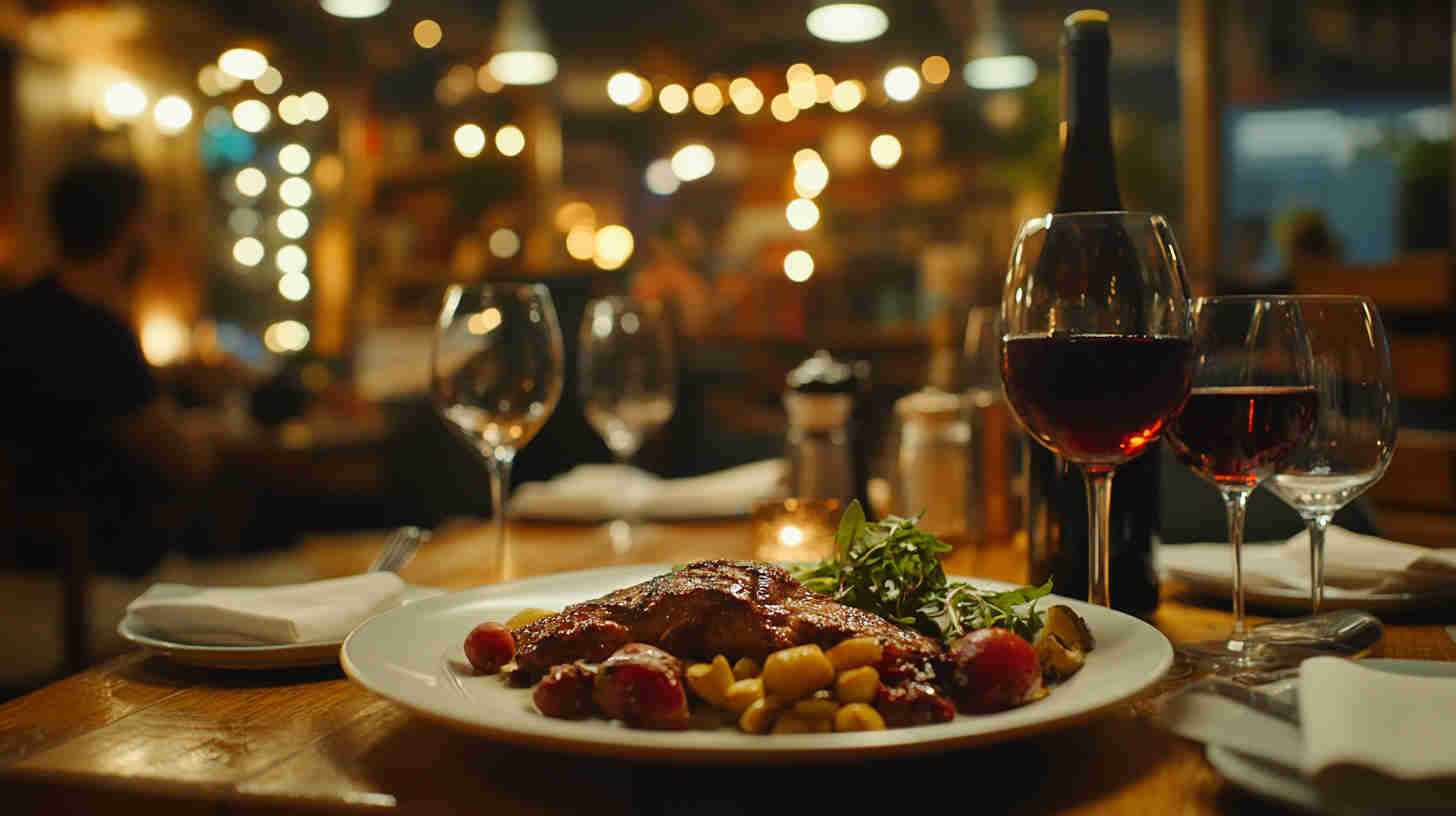
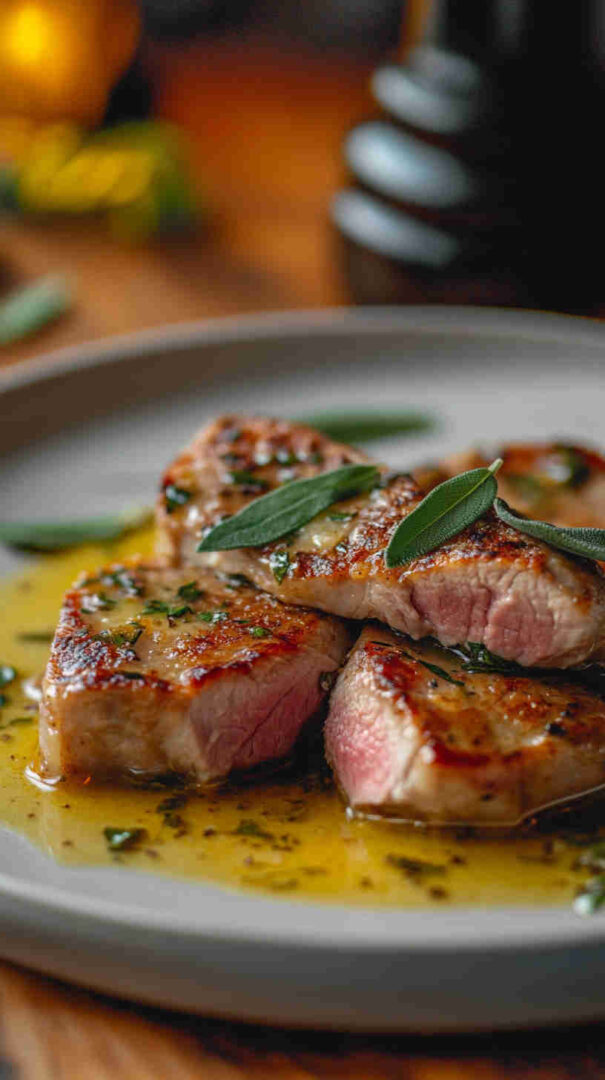
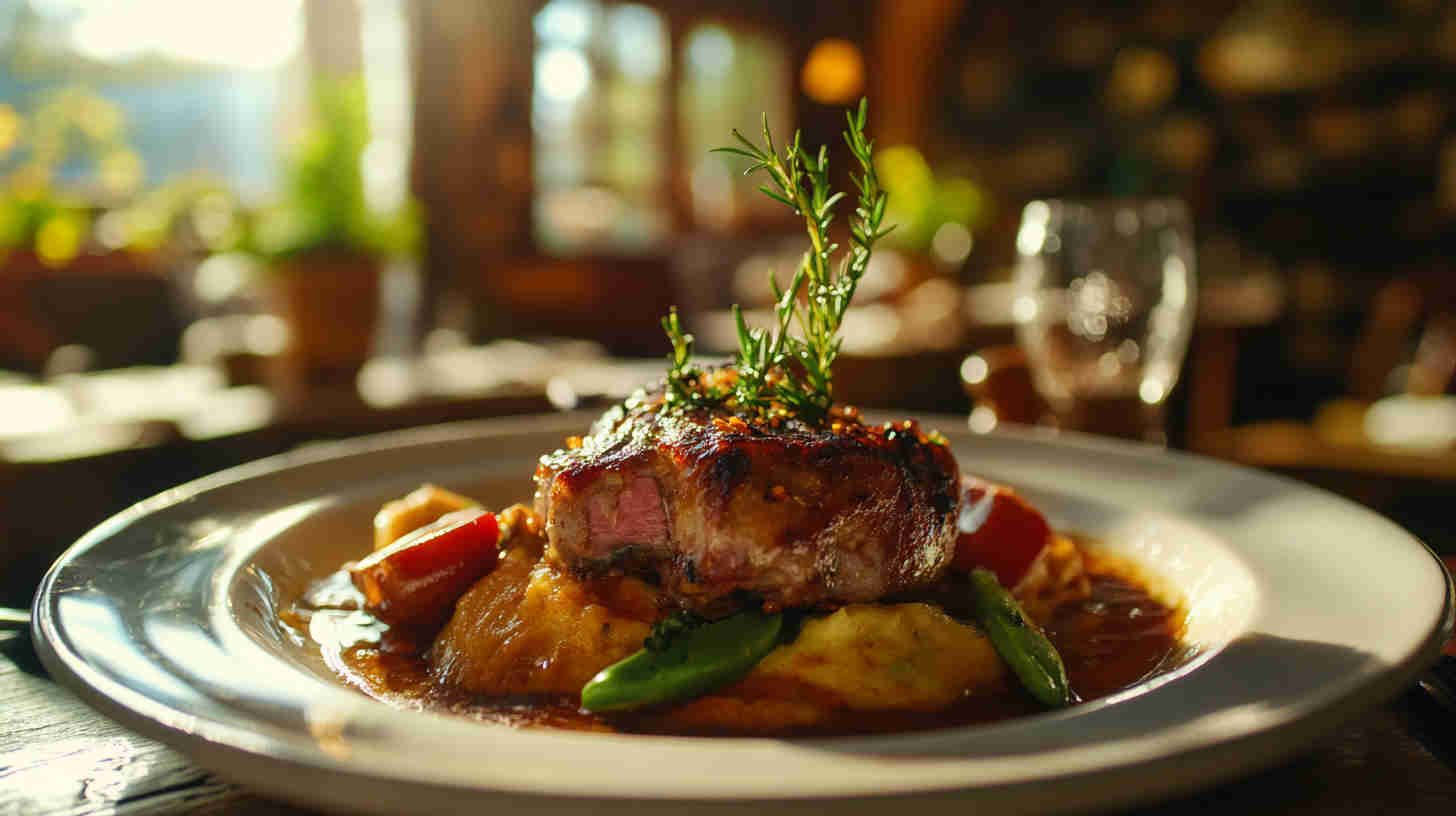
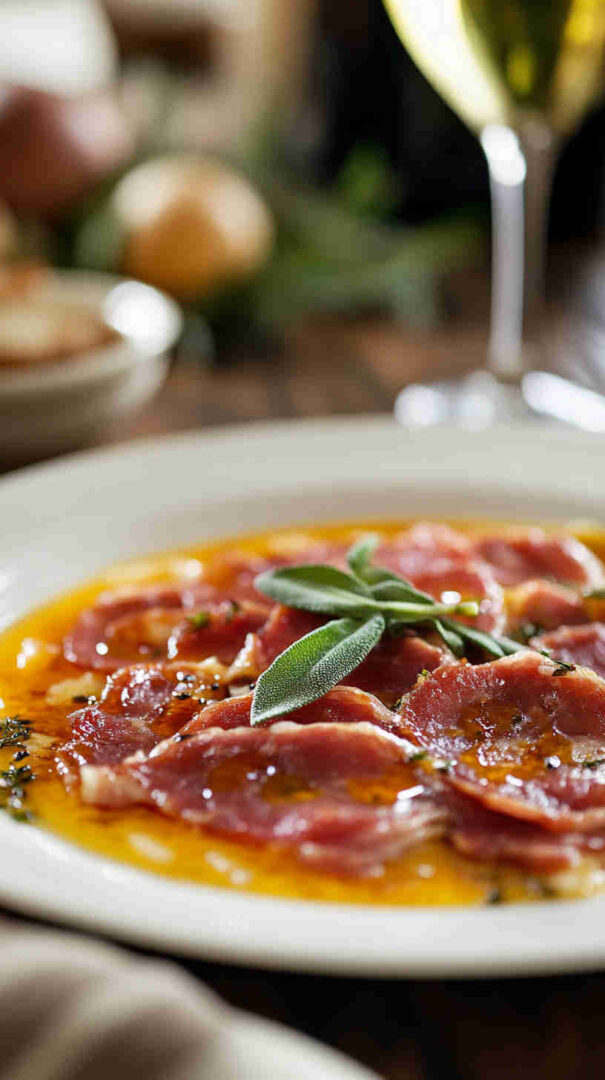
Please share this Roman Saltimbocca alla Romana Recipe with your friends and do a comment below about your feedback.
We will meet you on next article.
Until you can read, Roman Carbonara Pasta Recipe