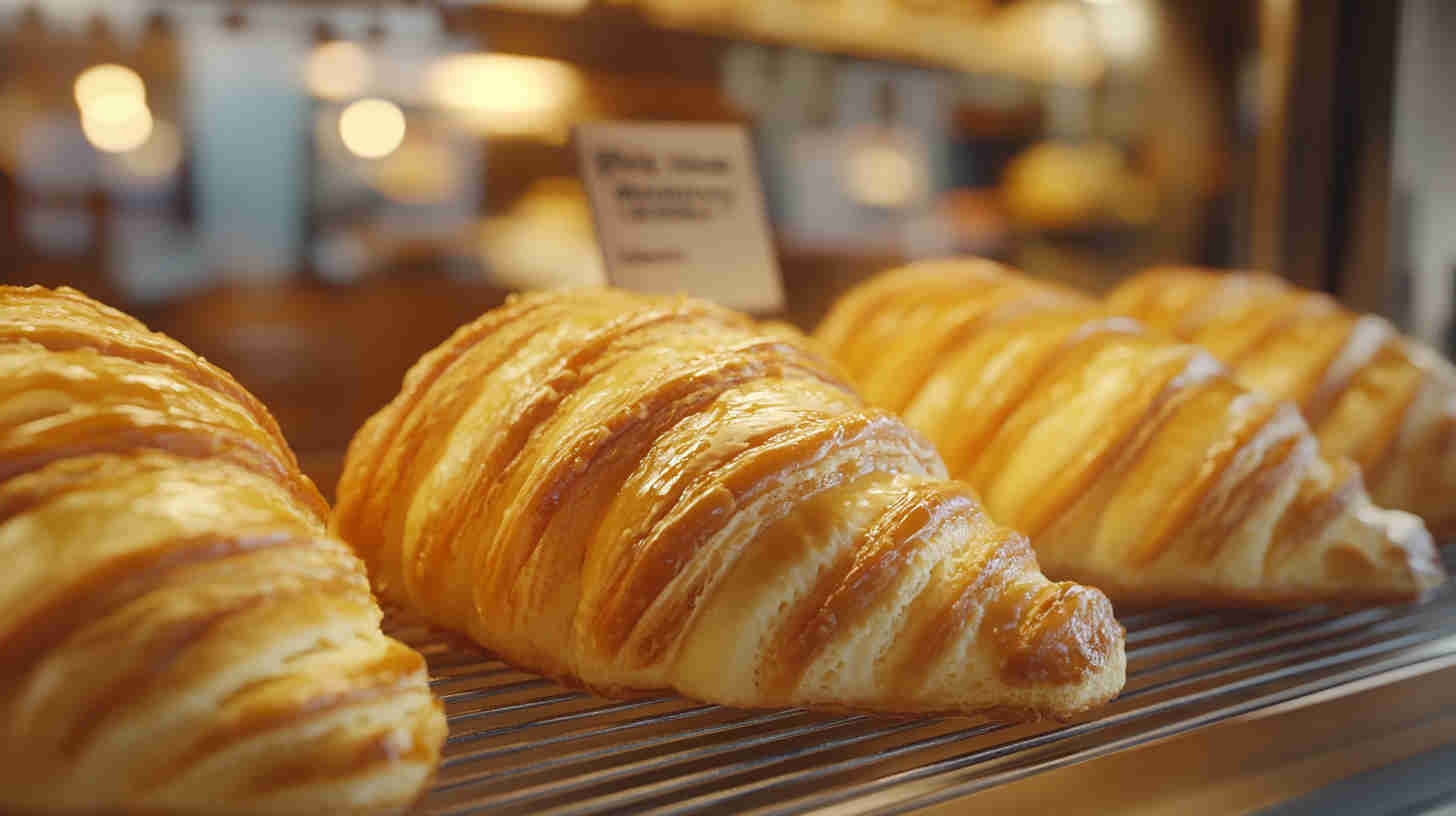
Neapolitan Sfogliatella Pastry Recipe
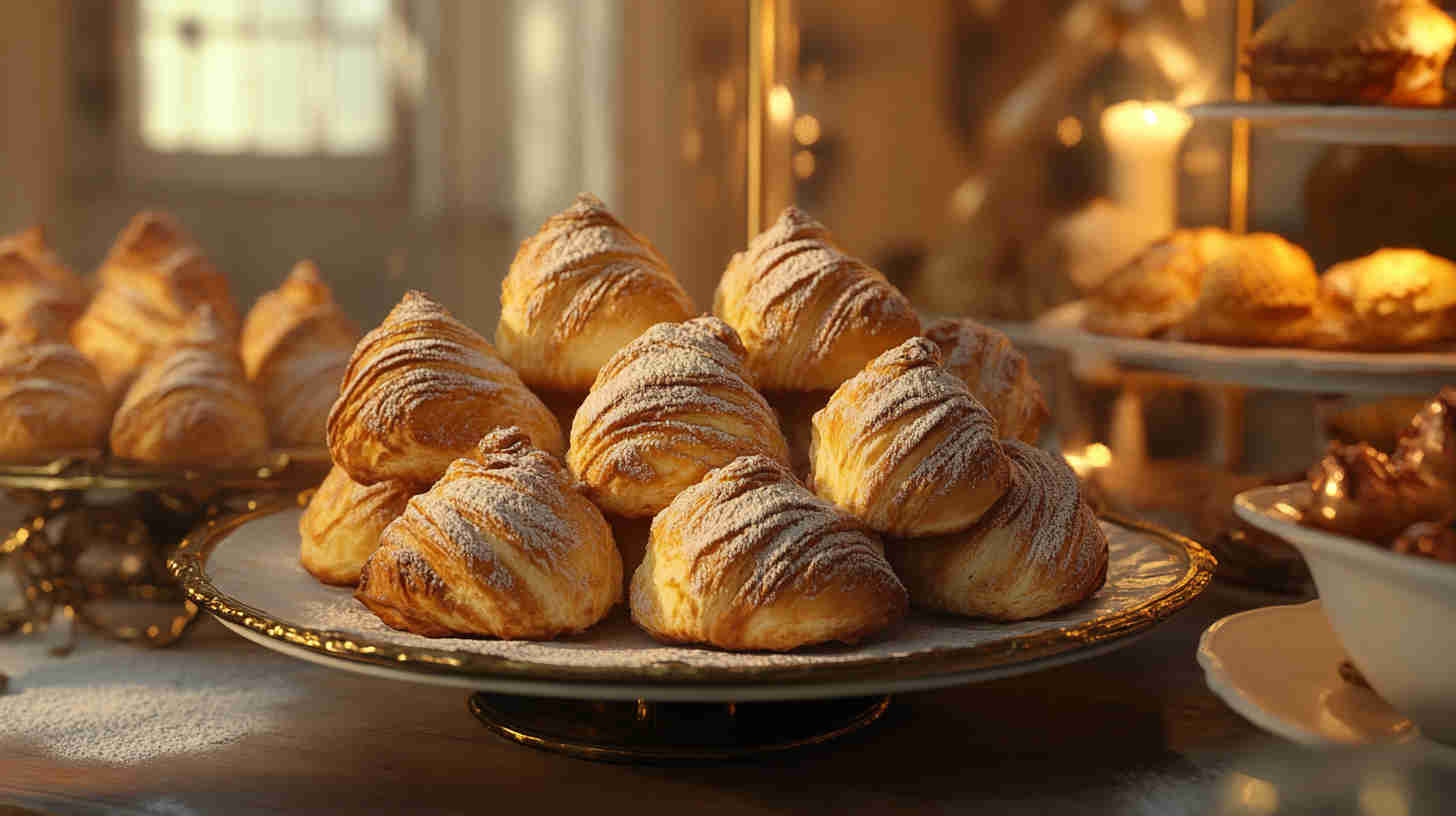
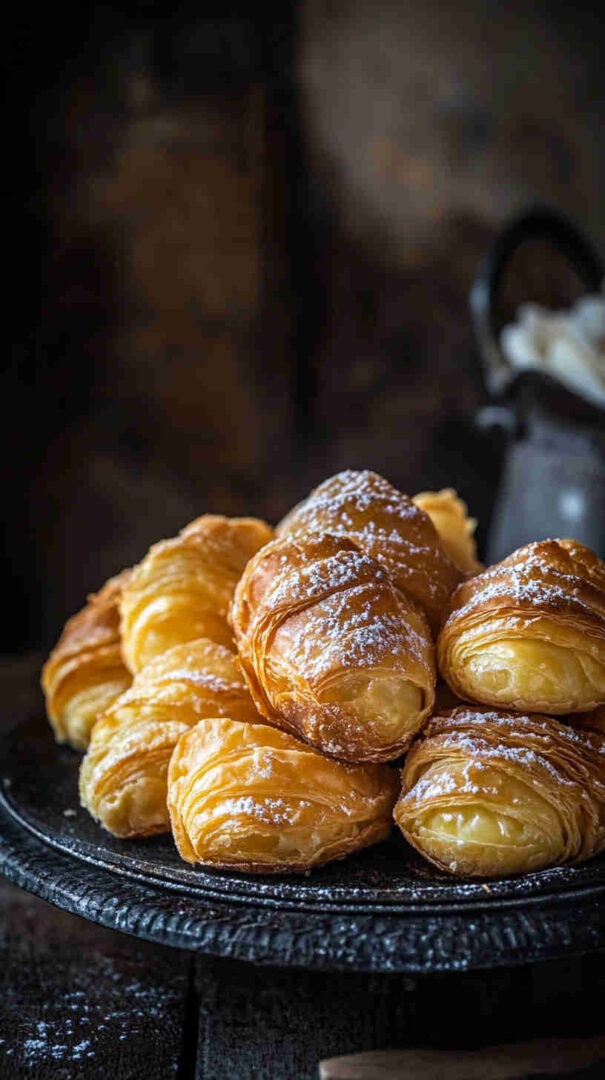
Neapolitan Sfogliatella is a masterpiece of Italian pastry art: paper-thin dough layers brushed with lard or butter, rolled tightly, sliced, and shaped into curly shells. Filled with a creamy semolina-ricotta mixture scented with vanilla, cinnamon, and candied orange, it bakes to a golden, shatteringly crisp delight that captures the soul of Naples in every bite.
Why You’ll Love This Recipe
You’ll fall in love with this recipe because it brings the magic of a Naples bakery straight into your kitchen. The contrast is irresistible: the outer shell shatters with hundreds of delicate, buttery-crisp layers while the inside reveals a luscious, smooth filling that’s lightly sweet, aromatic with citrus and warm spices.
Making it from scratch feels incredibly rewarding—watching the dough transform into those beautiful “riccia” (curly) ridges as it bakes is pure joy. It’s perfect for special occasions, weekend baking projects, or when you want to impress guests with something truly unique.
Even if you’re not a professional, the step-by-step process is approachable with patience, and the result tastes far better than any store-bought version. Plus, the heavenly aroma filling your home while they bake is worth every minute!
Neapolitan Sfogliatella Pastry Recipe
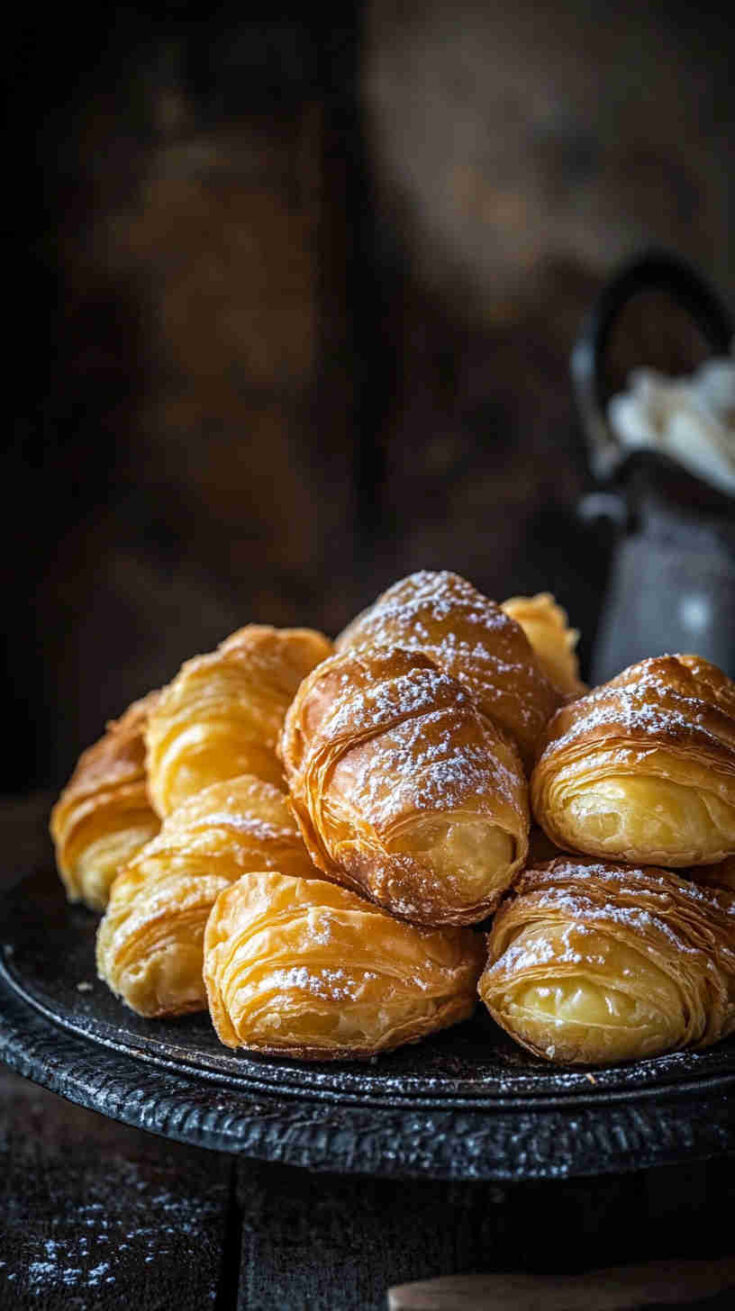
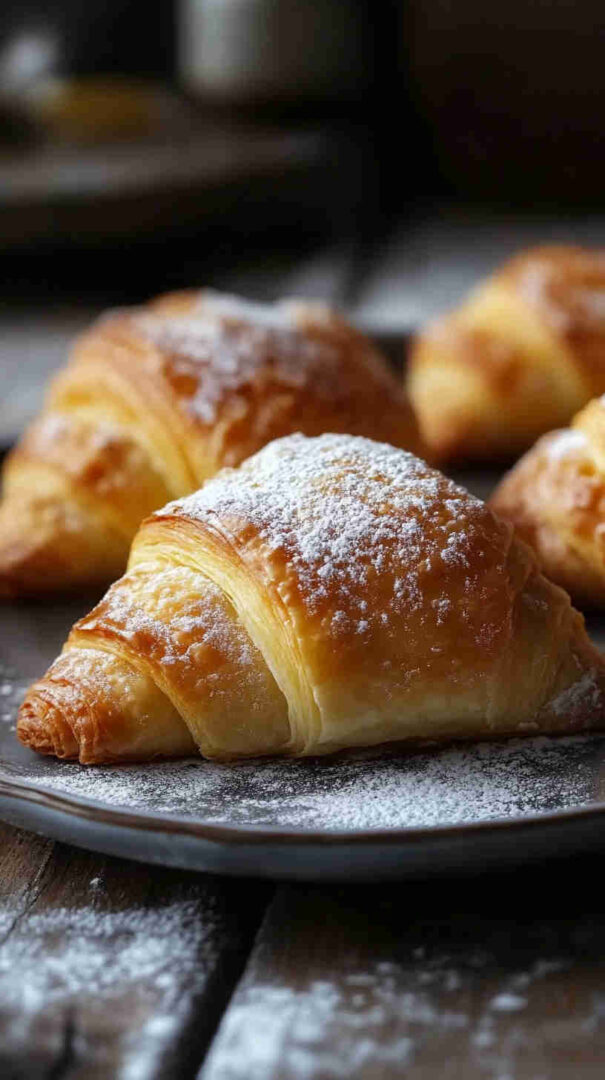
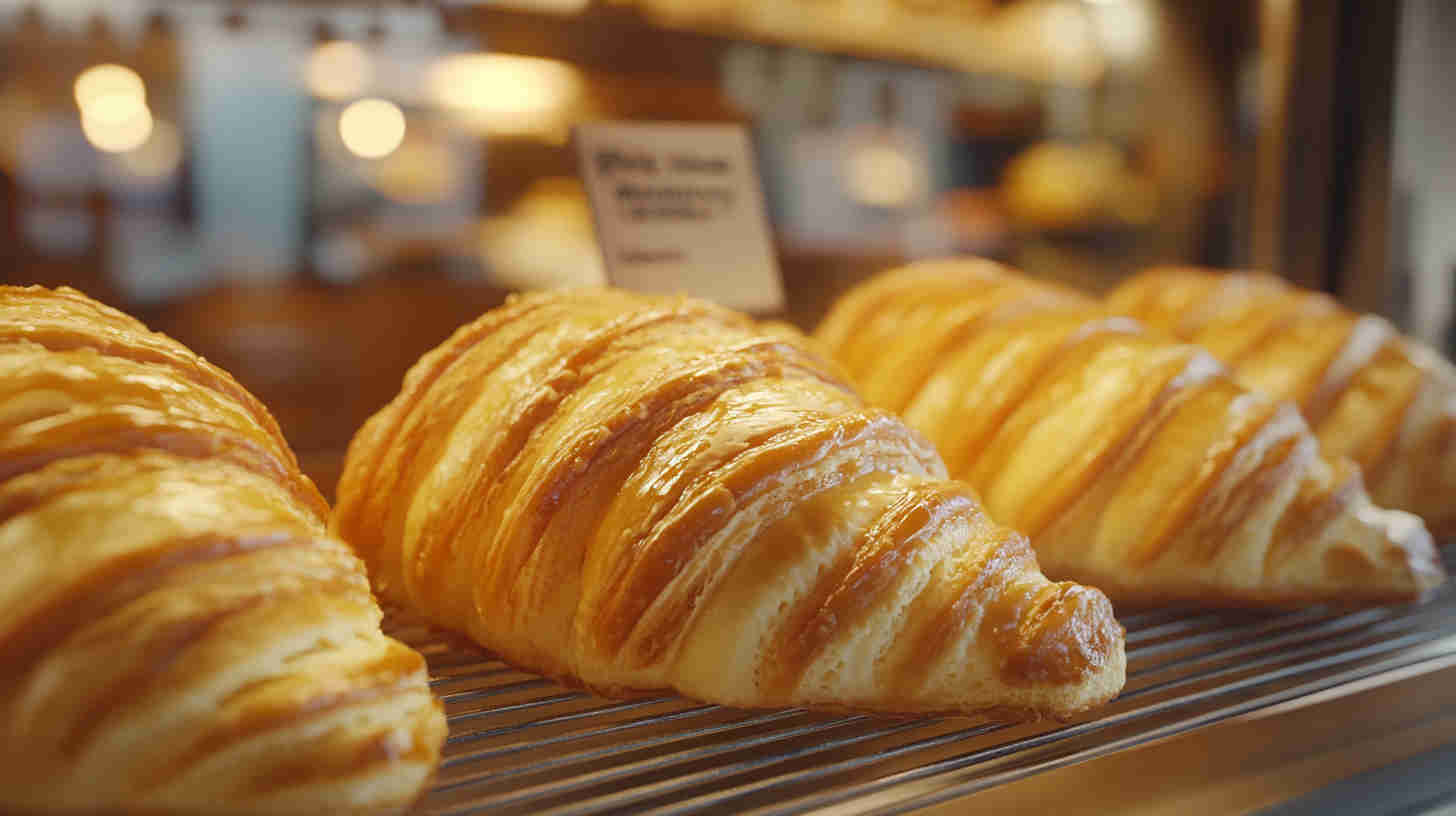
Crispy layered Neapolitan shells filled with creamy citrus-ricotta semolina delight— a taste of Naples at home.
Ingredients
For the Dough:
- 500 g (4 cups) bread flour or high-gluten flour
- 1 tsp salt
- 175-200 ml warm water (adjust as needed)
- 25 g (about 2 tbsp) honey
- 150-180 g lard or unsalted butter, softened (for brushing and layering)
For the Filling:
- 450 ml (about 2 cups) whole milk
- 100 g (½ cup) granulated sugar
- Pinch of salt
- 150 g (about 1 cup) fine semolina
- 500 g (2 cups) whole-milk ricotta, well-drained
- 1 large egg + 1 yolk (or 2 eggs)
- 1 tsp vanilla extract
- ½ tsp ground cinnamon
- 50 g (about ⅓ cup) finely chopped candied orange peel (or mixed candied citrus)
- Optional: zest of ½ lemon
For Finishing:
- Powdered sugar (confectioners’ sugar) for dusting
Instructions
- Start with the dough — In a large bowl, mix the bread flour and salt. Add the honey and gradually pour in the warm water, stirring until a firm, slightly dry dough forms (like stiff pasta dough). Knead on a lightly floured surface for 5-8 minutes until smooth and elastic. Wrap tightly and let it rest at room temperature for at least 30 minutes—this relaxes the gluten and makes rolling easier.
- Prepare the filling base — In a saucepan, bring the milk, sugar, and pinch of salt to a gentle simmer. Slowly whisk in the semolina and cook over low heat, stirring constantly, for 3-5 minutes until it thickens into a smooth, porridge-like consistency. Remove from heat and let it cool completely.
- Finish the creamy filling — Once the semolina mixture is cool, stir in the drained ricotta, egg(s), vanilla extract, cinnamon, chopped candied orange peel, and lemon zest if using. Mix until creamy and well combined. Taste and adjust sweetness or spices if desired. Cover and chill while you work on the dough.
- Divide and roll the dough — Divide the rested dough into 2-3 portions. Using a pasta machine or rolling pin, roll each piece as thinly as possible into long rectangular sheets (aim for paper-thin, almost translucent).
- Create the layers — Brush each thin sheet generously with softened lard or butter. Carefully roll the sheets into a tight log shape, stretching gently as you go. Wrap the log in plastic and chill for 20-30 minutes to firm up.
- Slice into beautiful rounds — Unwrap the chilled log and cut it into 1-1.5 cm (about ½ inch) slices. You should see the beautiful spiral layers inside each round.
- Shape the shells — Take each slice and gently press your thumbs into the center while using your fingers to open and shape it into a cone or fan-like shell with the layers fanning outward (the classic “riccia” curly look). The opening should be wide enough to hold a generous spoonful of filling.
- Fill with love — Spoon or pipe the chilled ricotta-semolina filling into each shaped shell, filling it nicely but not overstuffing. Gently press the edges to seal slightly while keeping the beautiful layered ridges visible.
- Chill and preheat — Place the filled sfogliatelle on a parchment-lined baking tray. Chill in the fridge for 15-20 minutes. Meanwhile, preheat your oven to 375°F (190°C).
- Bake to golden perfection — Bake for 25-30 minutes until deep golden brown and the layers are beautifully crisp and separated. Rotate the tray halfway through for even baking. Let them cool slightly on a wire rack, then dust generously with powdered sugar while still warm. Serve and enjoy the magic!
Notes
This recipe requires patience and gentle handling, especially when stretching and shaping the dough—don’t rush the rolling process. The lard gives the most authentic flavor and crispness, but butter works wonderfully too. If the dough resists rolling, let it rest longer. Freshly baked is best, but reheating revives the crunch beautifully. This is an advanced but achievable home baker’s project that will make you feel like a true Neapolitan pastry chef!
Nutrition Information
Yield
16Serving Size
1Amount Per Serving Calories 246Total Fat 4gSaturated Fat 2gUnsaturated Fat 2gCholesterol 23mgSodium 180mgCarbohydrates 43gFiber 1gSugar 11gProtein 9g
The recipes and nutritional information on Yum Tonight are for informational purposes only. Always consult a healthcare provider for personalized dietary advice.
Recipe Tips and Tricks
- Use strong bread flour or high-gluten flour for the best layered structure— it holds up during repeated rolling and stretching.
- Keep the dough covered at all times to prevent drying out; it should stay pliable like pasta dough.
- Work with room-temperature lard or a butter-lard mix for easy spreading and superior flakiness.
- Drain ricotta well (overnight if possible) to avoid a watery filling.
- Chill the shaped pastries before baking so they hold their form better.
- Bake until deeply golden— the layers need time to separate and crisp up.
- Dust generously with powdered sugar right before serving for that classic look and sweet finish.
- Use a pasta machine if available; it makes creating paper-thin sheets much easier and more consistent.
Ingredients Notes
The dough relies on just a few simple ingredients: high-protein bread flour for elasticity and strength, a touch of honey for subtle sweetness and tenderness, salt for flavor balance, and water to bring it together into a firm, workable dough. The magic happens during rolling with plenty of softened lard (traditional) or unsalted butter, which creates those signature paper-thin layers when baked.
For the filling, semolina cooked in milk forms a thick, pudding-like base that gives body and prevents the ricotta from becoming too loose. Whole-milk ricotta adds creamy richness—choose fresh, high-quality ricotta and drain it thoroughly.
Eggs bind everything, while sugar sweetens gently. Vanilla extract and a pinch of cinnamon provide warm depth, and finely chopped candied orange peel (or citron) delivers bright, traditional citrus notes that cut through the richness beautifully. All these elements come together into a fragrant, not-too-sweet filling that perfectly complements the crisp shell.
Variations and Substitutions
While the classic Neapolitan version uses lard for authentic flavor and flakiness, you can substitute all butter for a vegetarian-friendly option (it will be slightly less crisp but still delicious). For the filling, replace candied orange peel with lemon zest, mixed candied fruits, or even a handful of mini chocolate chips for a modern twist.
Some bakers add a touch of orange blossom water or grated lemon zest for extra aroma. If you prefer less work, try a simplified version using store-bought puff pastry (though it won’t be as authentic). For Sfogliatella Frolla, swap the layered dough entirely for shortcrust pastry and shape into smooth rounds instead of curly shells.
Dairy-free? Use plant-based ricotta and milk alternatives, though texture may vary. These substitutions keep the spirit alive while adapting to dietary needs or pantry staples.
Storage Options
Sfogliatelle are best enjoyed fresh and warm from the oven when the layers are at their crispest. Store leftovers in an airtight container at room temperature for up to 1 day. For longer storage, freeze unbaked shaped pastries on a tray, then transfer to a freezer bag for up to 1 month—bake straight from frozen, adding a few extra minutes.
Baked sfogliatelle can be frozen for up to 2 weeks; reheat in a 350°F (175°C) oven for 8-10 minutes to revive crispness. Avoid refrigerating, as it softens the delicate layers.
Dish Gallery
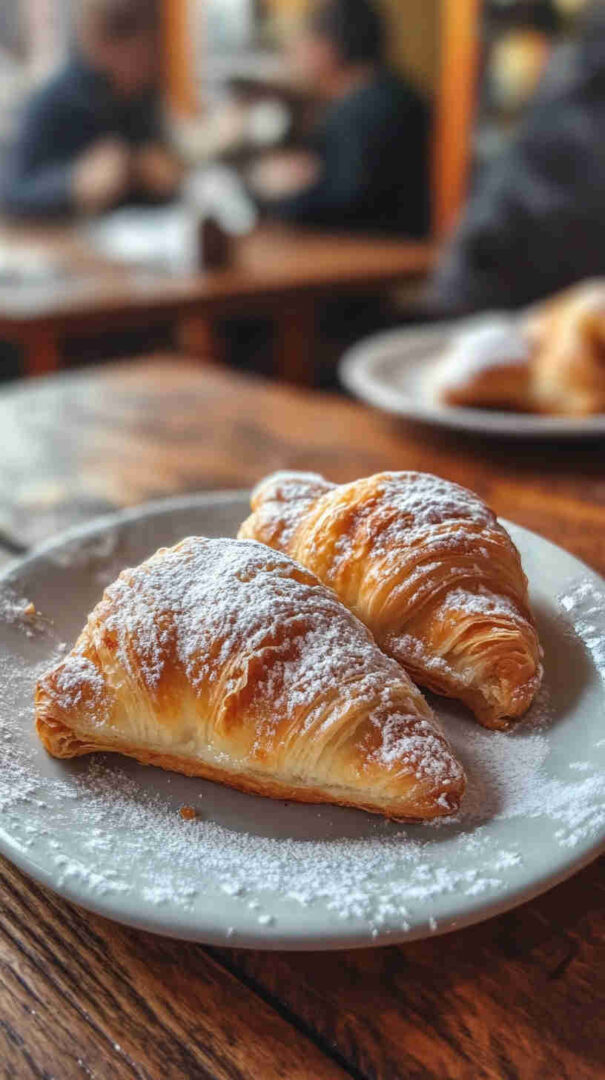
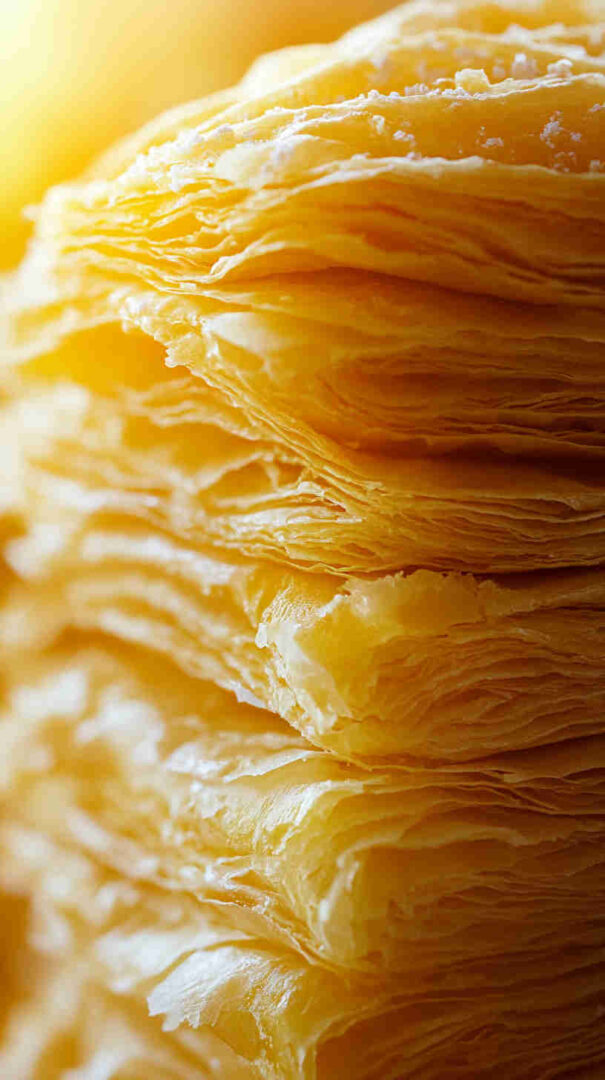
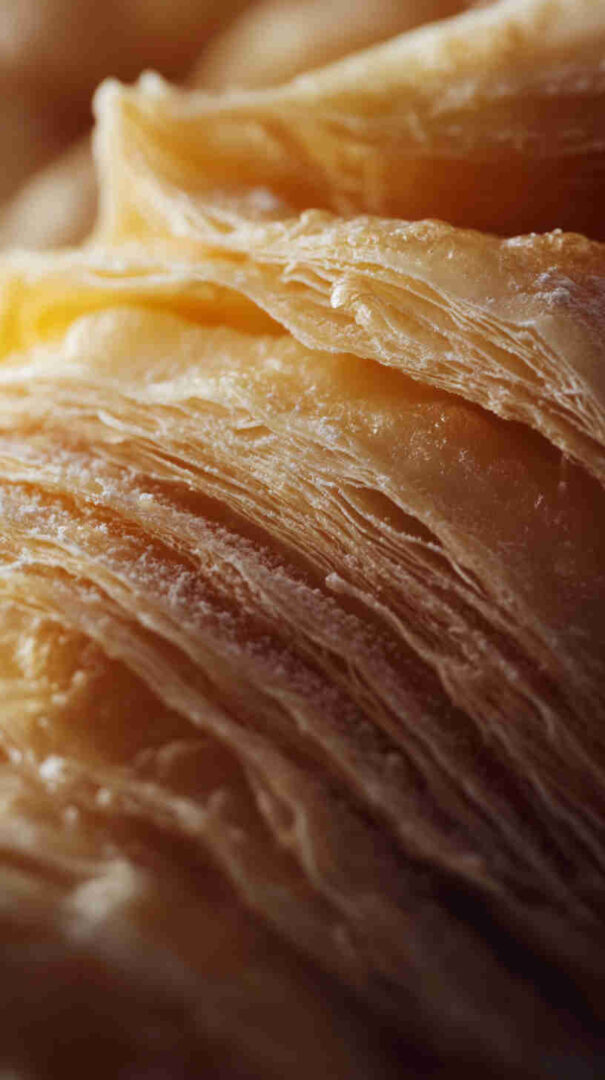
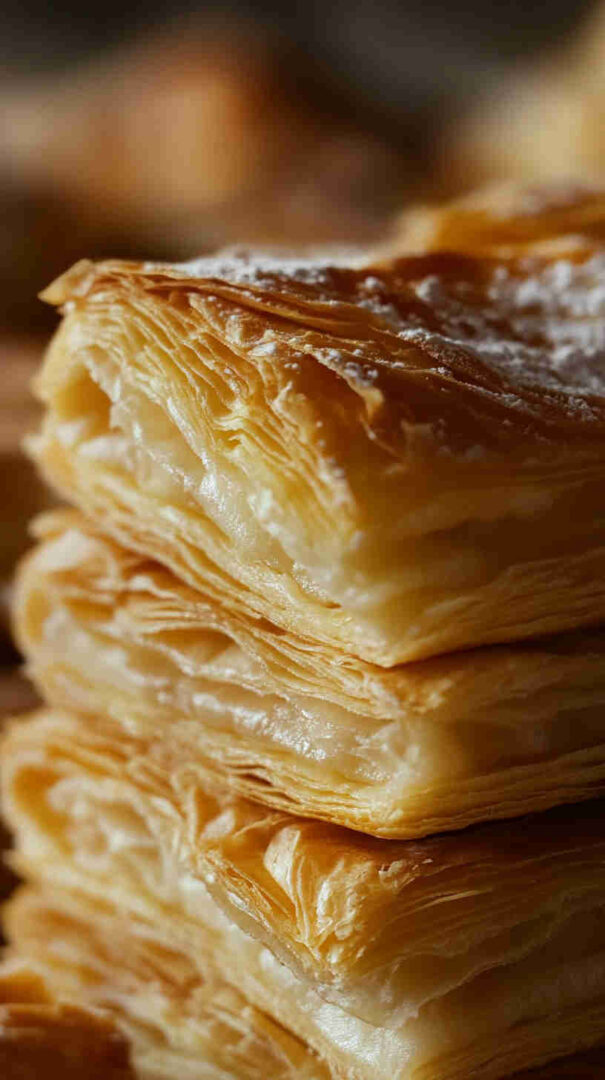
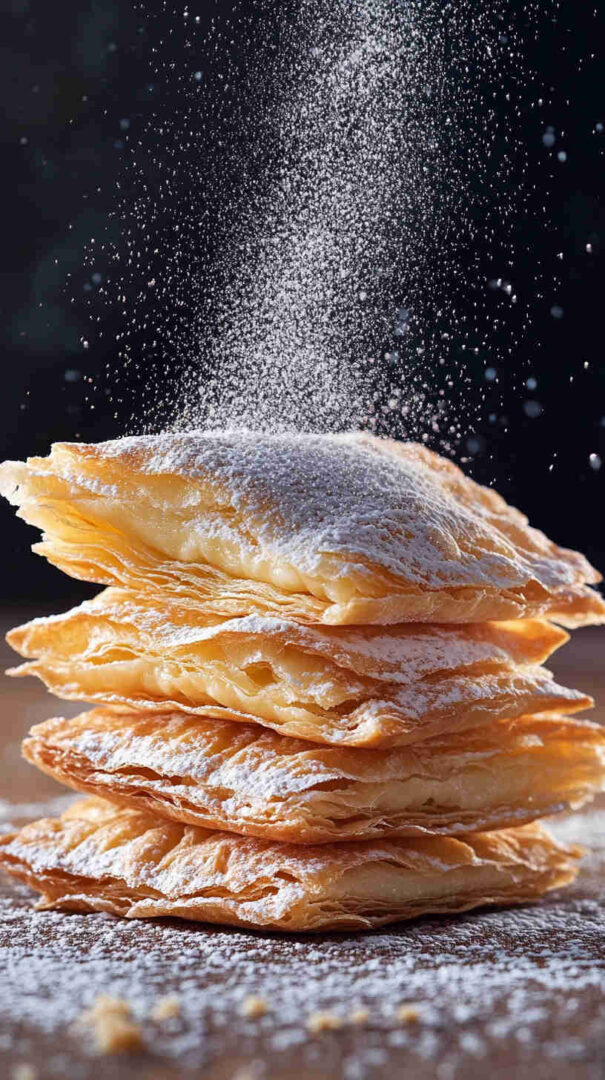
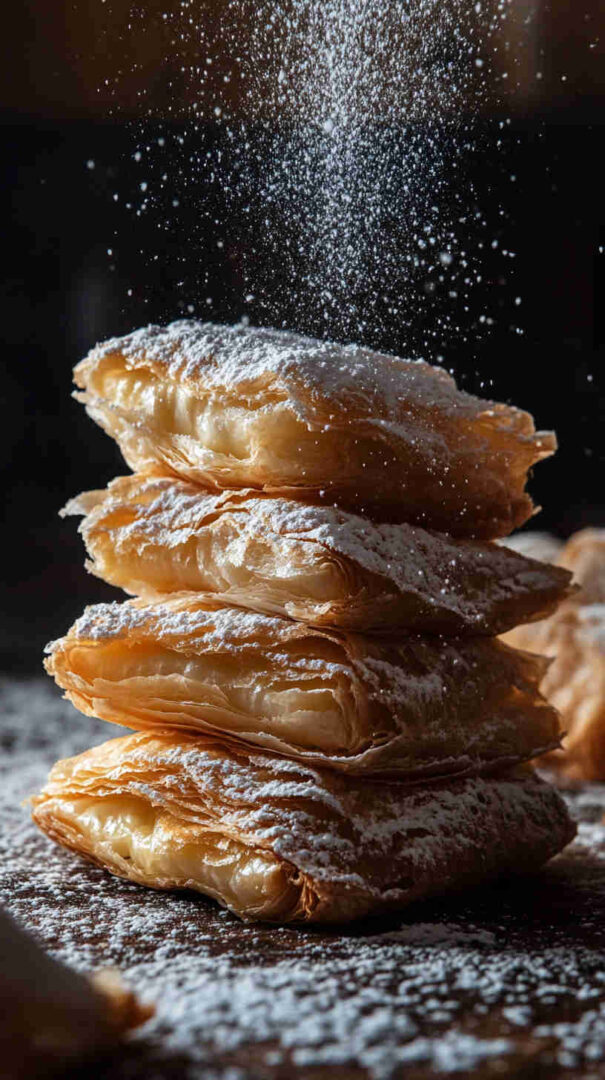
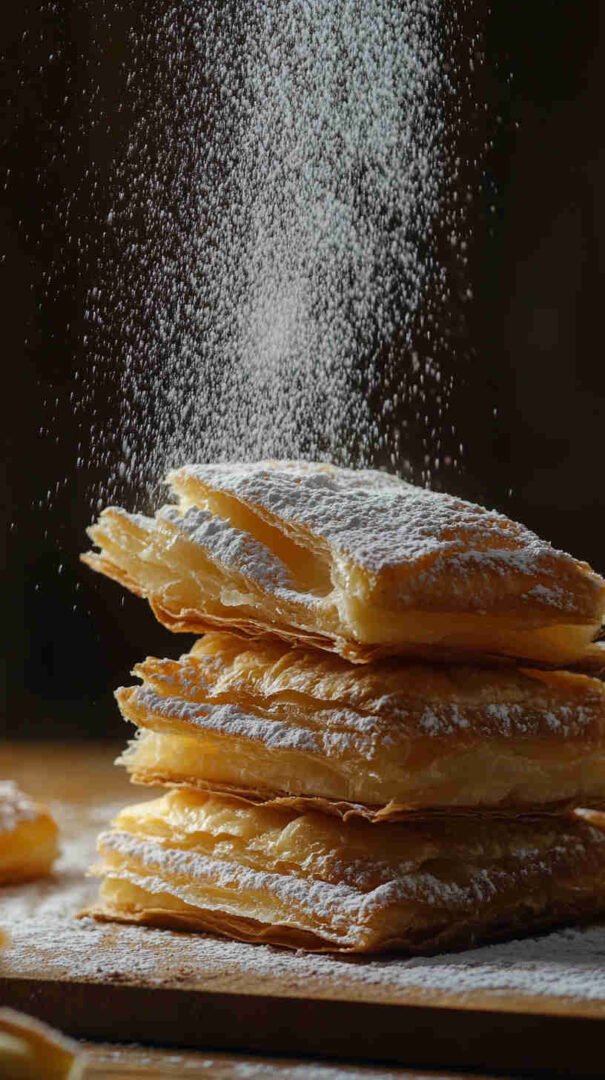
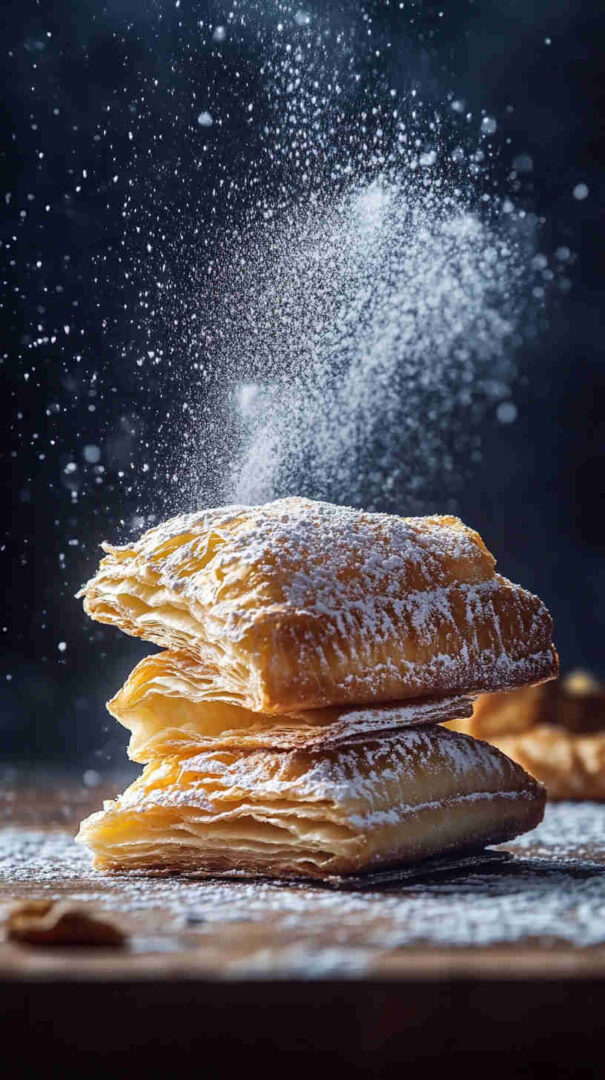
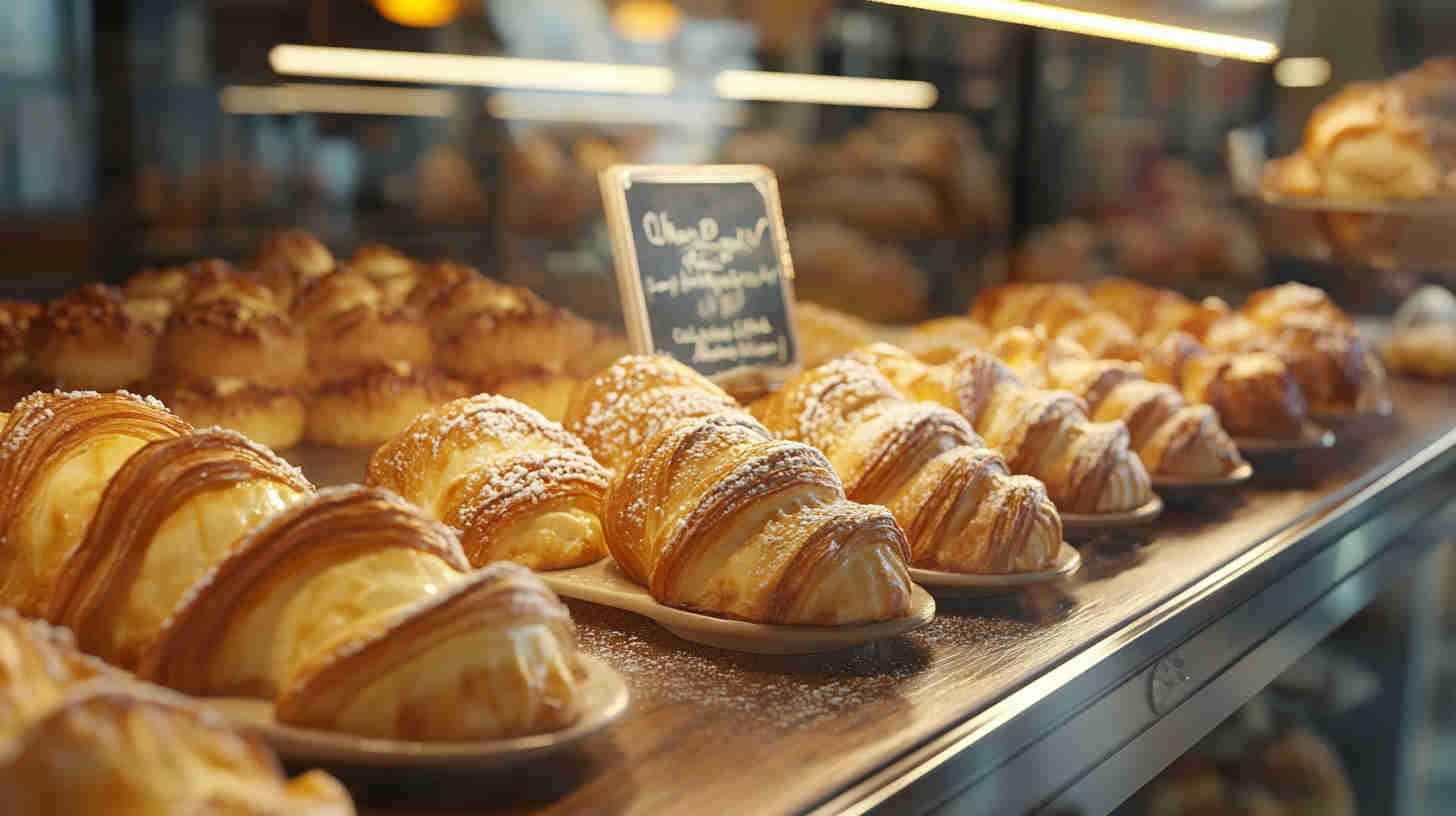
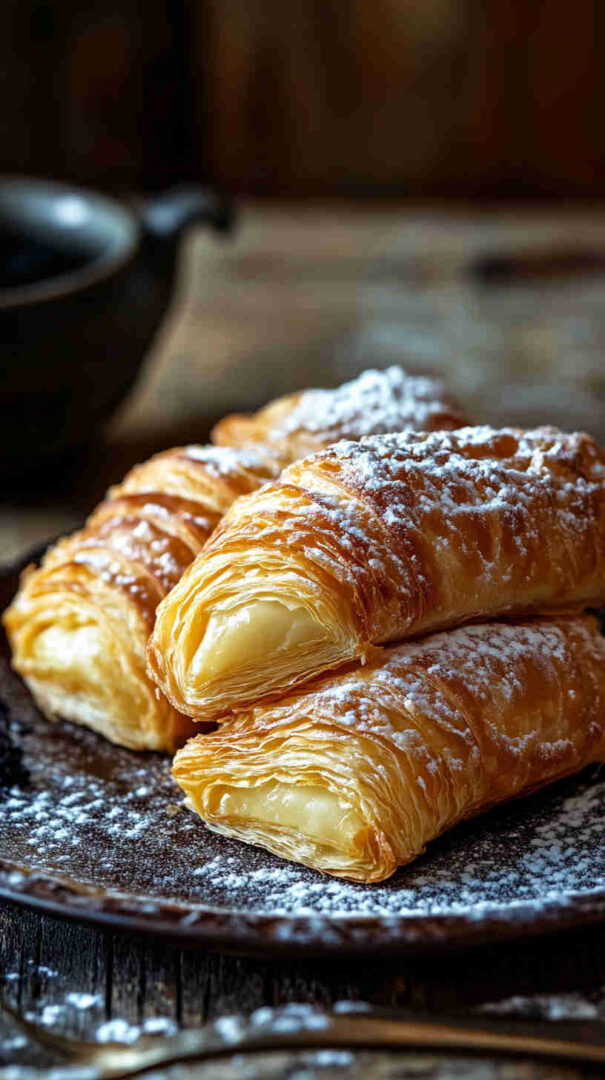
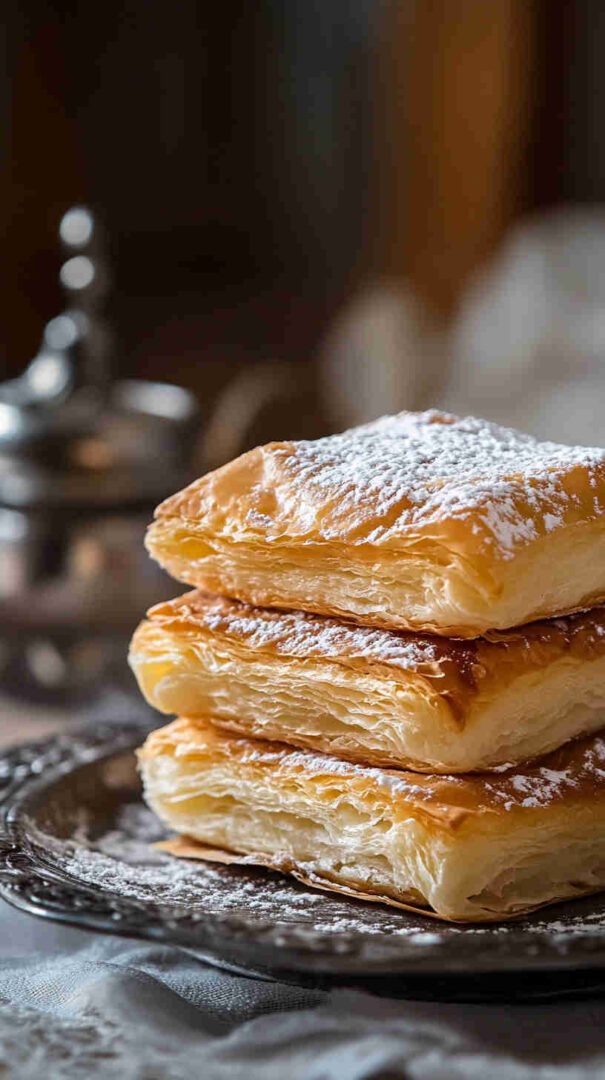
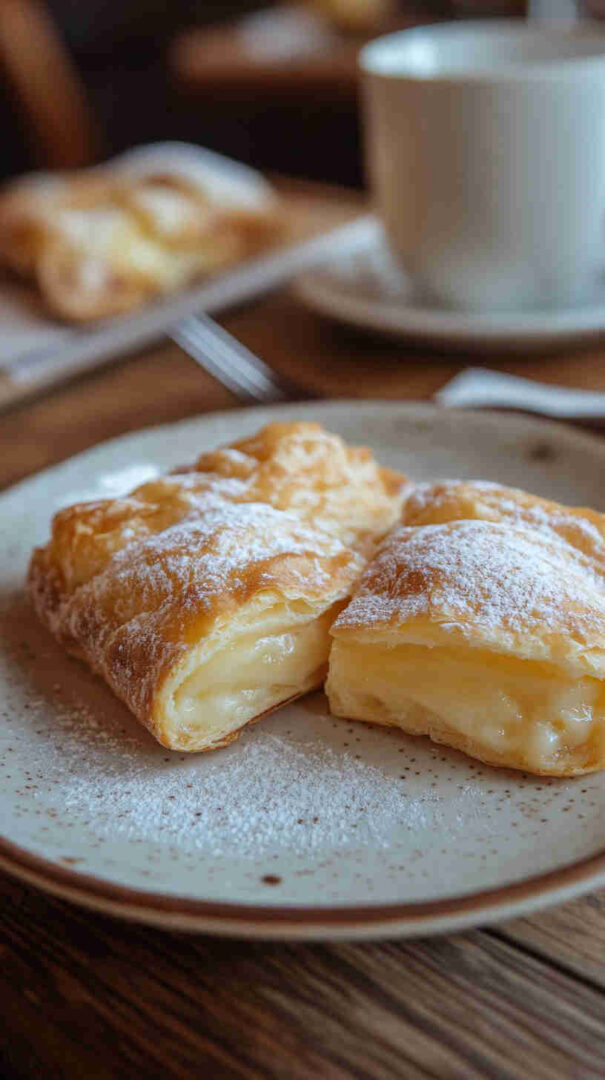
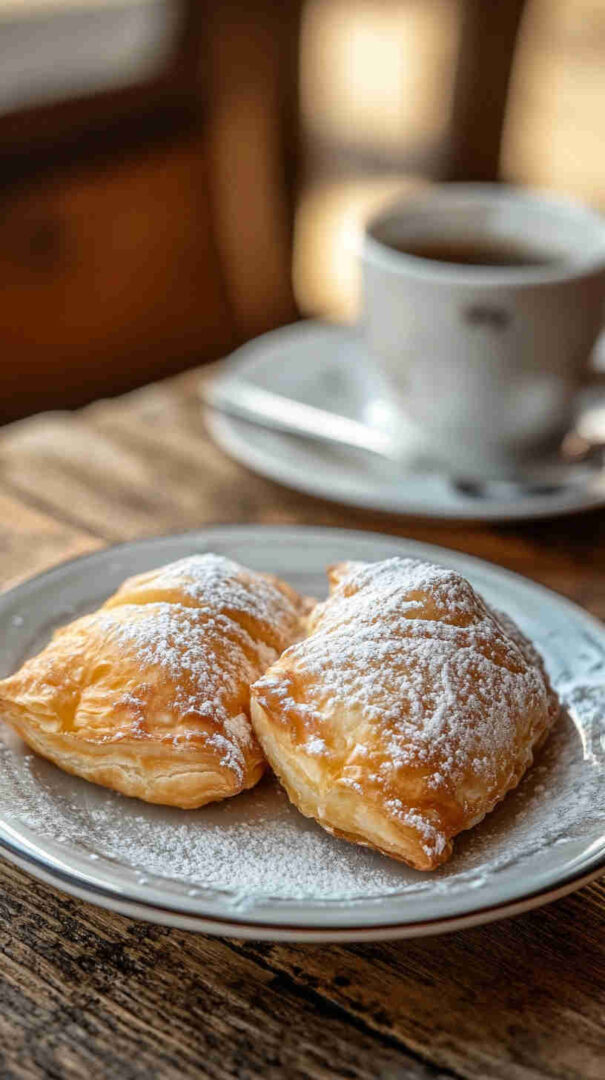
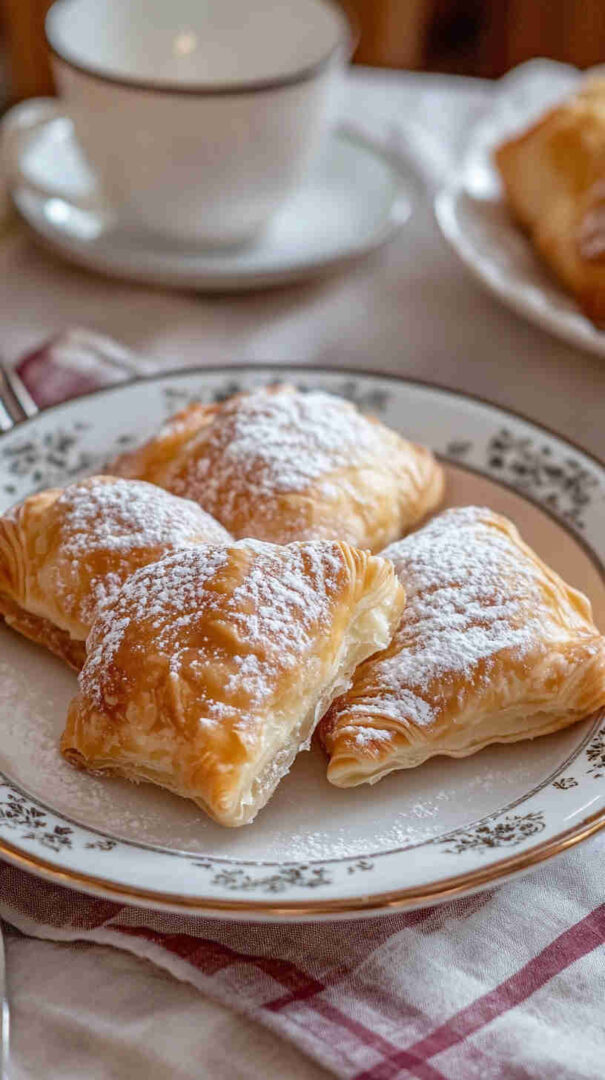
Please share this Neapolitan Sfogliatella Pastry Recipe with your friends and do a comment below about your feedback.
We will meet you on next article.
Until you can read, Ligurian Farinata Chickpea Flatbread Recipe