Plus Size Swimwear | Flattering Fits, All Sizes
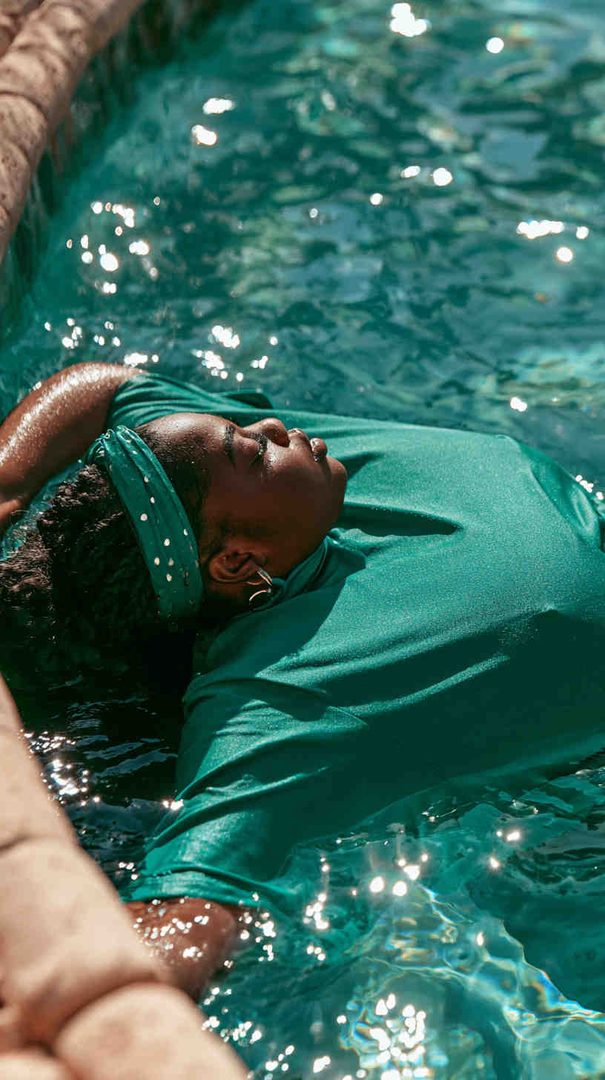
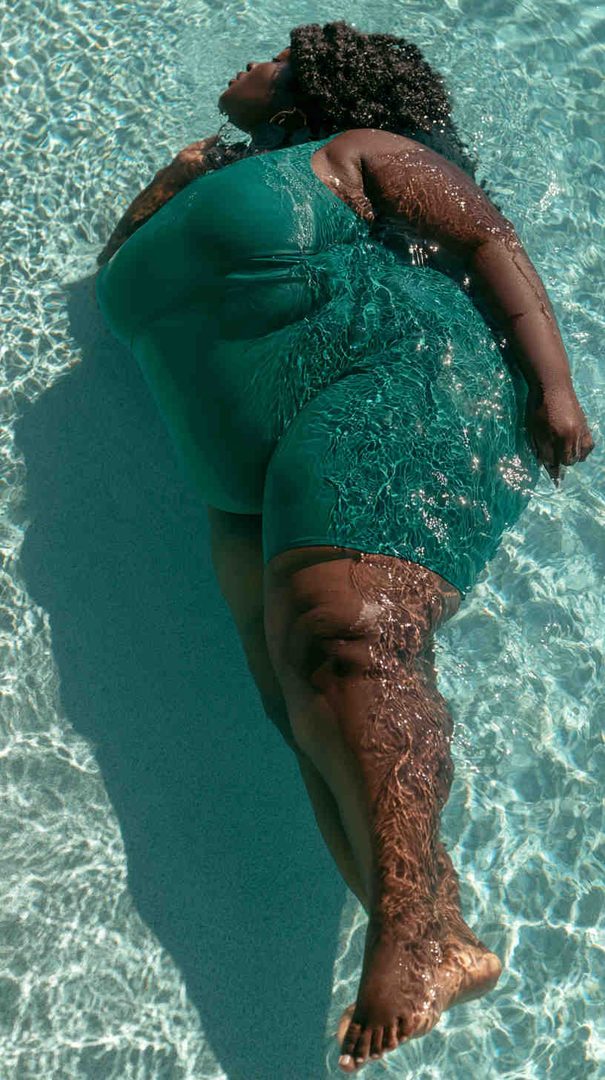
Finding a swimsuit that actually fits well shouldn’t feel like a chore. Yet for years, plus size shoppers have been handed an afterthought — a handful of dark, shapeless one-pieces tucked into a corner of the store, as if curves needed to be hidden rather than celebrated. That mindset is outdated. Today’s plus size swimwear is designed with the same attention to style, comfort, and confidence as any other size, and knowing what to look for makes all the difference between a suit you tolerate and one you love.
This guide walks through everything you need to know about choosing flattering plus size swimwear, from fabric and support to silhouettes that work with your body instead of against it.
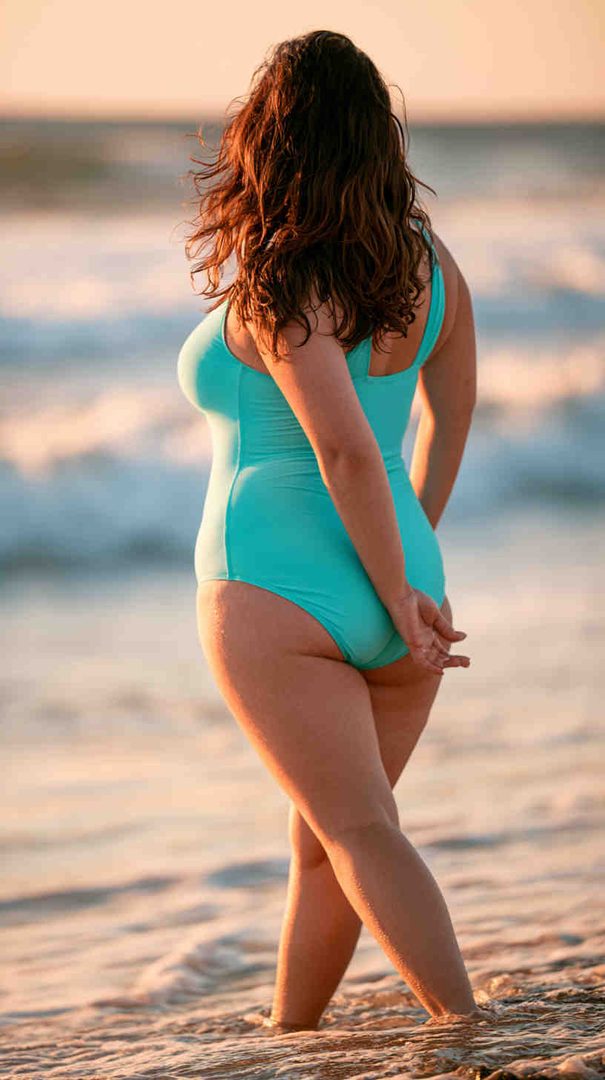
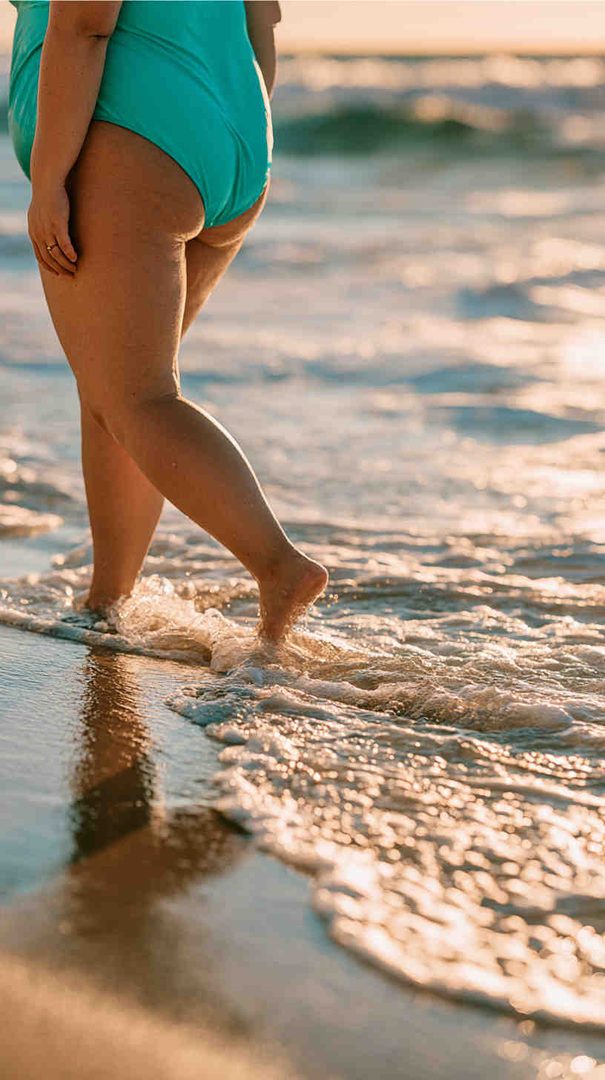
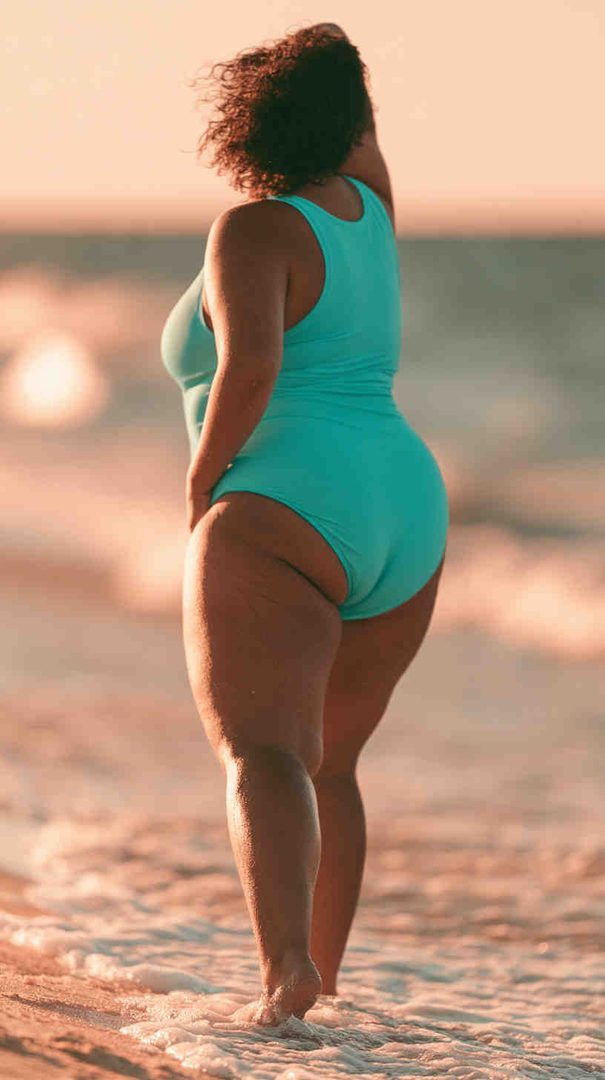
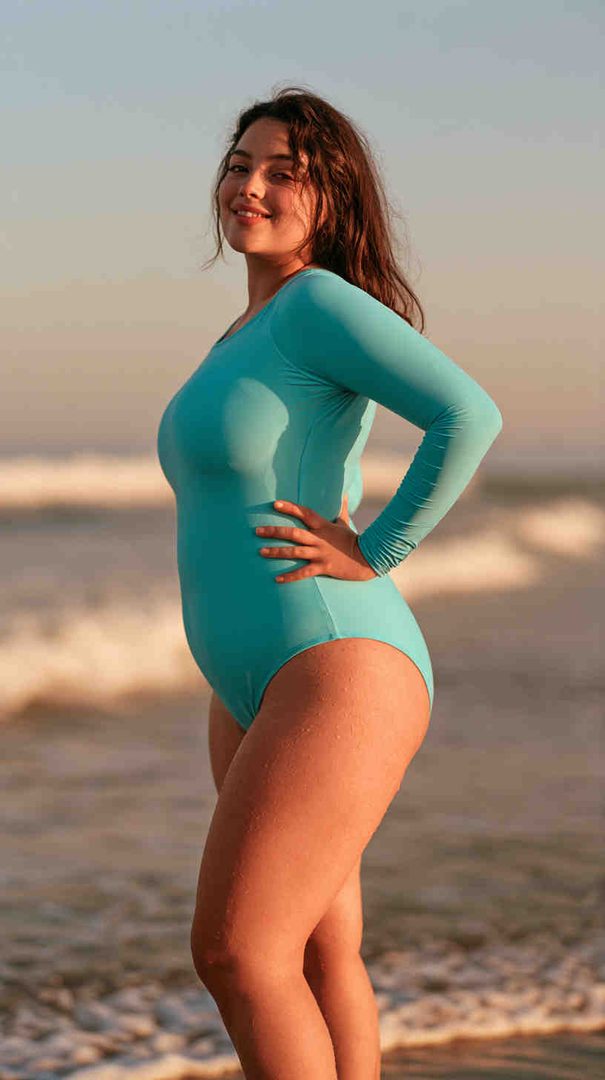
Why Fit Matters More Than Size
A swimsuit that’s technically “your size” can still feel wrong if the cut, support, or fabric isn’t right for your body. Plus size swimwear isn’t just a straight-up-sized version of a smaller suit — it needs different proportions, wider straps, reinforced seams, and smarter construction to hold its shape in the water and out of it.
The goal isn’t to find a suit that hides your body. It’s to find one that supports it, moves with it, and lets you actually enjoy the beach, the pool, or the lake without constantly adjusting straps or tugging at fabric. When the fit is right, everything else — confidence, comfort, style — follows naturally.
Key Features to Look for in Plus Size Swimwear
1. Quality Fabric With Real Stretch
Cheap swimwear fabric loses its shape after a few wears, especially in chlorinated or salt water. Look for suits made with a high percentage of spandex or elastane blended with nylon or polyester. This combination holds its shape wash after wash, resists sagging, and moves with your body instead of digging in.
Matte fabrics are also worth considering. They tend to be more forgiving on the skin, smoothing rather than clinging, and they photograph beautifully without the shine that can highlight every seam.

2. Built-In Support
Bust support is one of the biggest differentiators between a suit that flatters and one that frustrates. Wider set straps, underwire options, molded cups, and adjustable bands all help distribute weight evenly so you’re not dealing with discomfort or slipping straps by hour two.
For bottoms, look for a higher rise or wide waistband that sits comfortably without rolling or digging in. A well-placed waistband can also create a smoother line through the midsection without any compression fabric at all.
3. Adjustable Details
Ties, adjustable straps, and convertible closures aren’t just decorative — they let you customize the fit to your exact proportions. A suit with adjustable side ties at the hip, for example, lets you control coverage and fit in a way that a fixed seam never could. Similarly, adjustable shoulder straps mean the suit can move with you through the day rather than staying locked into one fit.
Flattering Silhouettes for Every Body
There’s no single “right” shape for plus size swimwear — the best silhouette depends on what you want to highlight and what you want to feel supported. Here are a few reliable options.
High-waisted bikinis offer the coverage of a one-piece with the versatility of separates. They smooth the tummy area, provide great back support, and let you mix and match top and bottom sizes for a more customized fit — something that’s especially useful since many people don’t wear the same size on top and bottom.
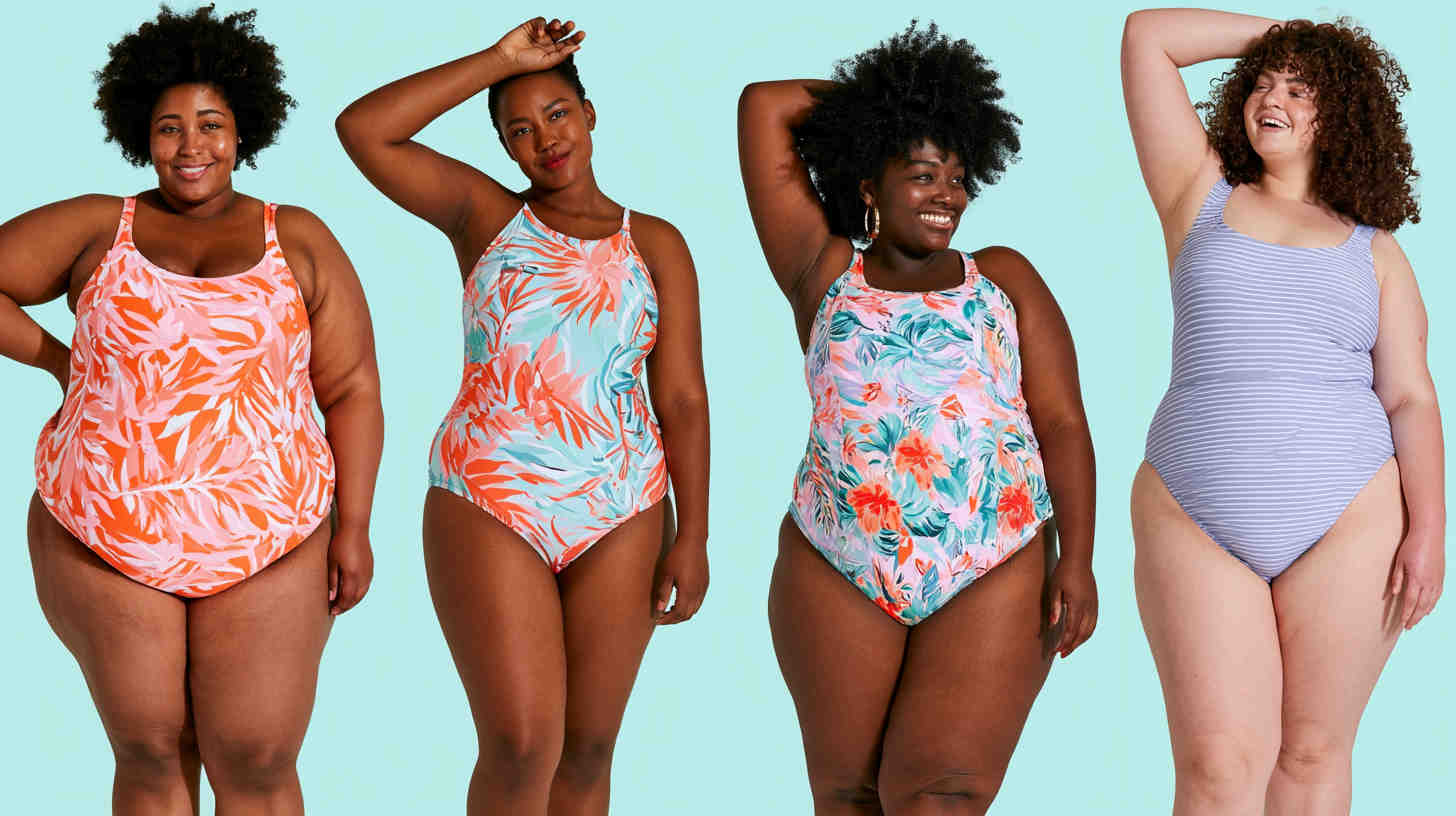
One-piece suits with strategic seaming use paneling and princess seams to create shape and definition rather than relying on tight compression. Look for suits with side ruching or diagonal seams around the waist — these details use design, not just fabric tension, to create a flattering line.
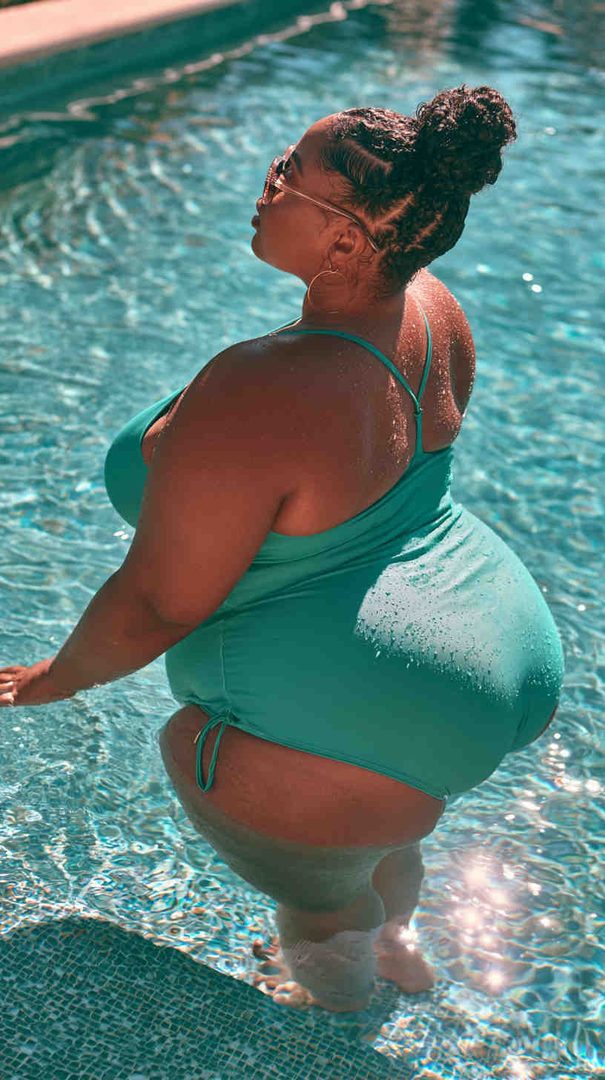
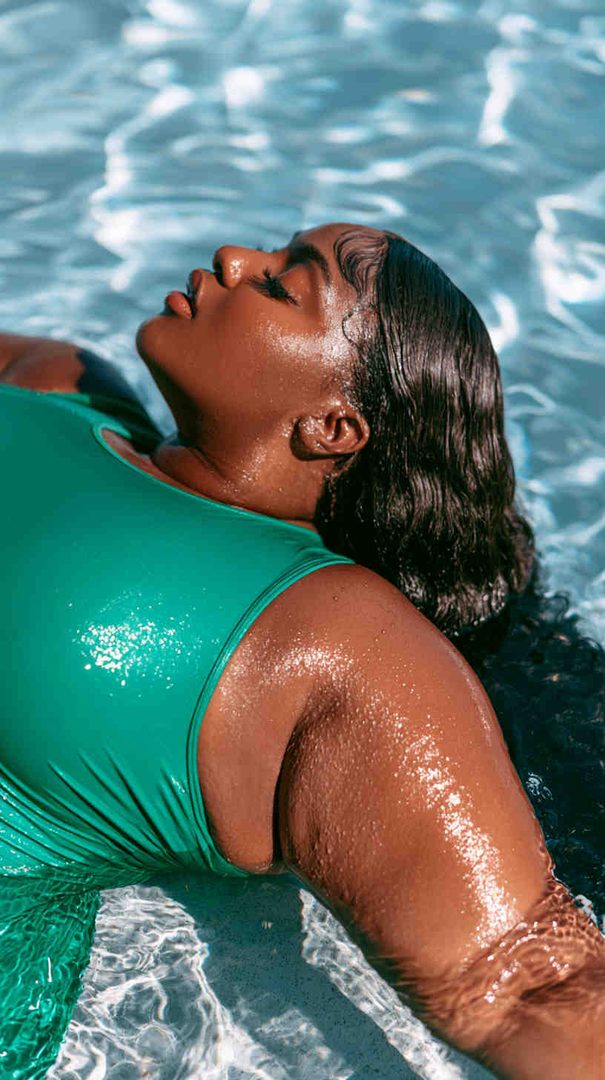
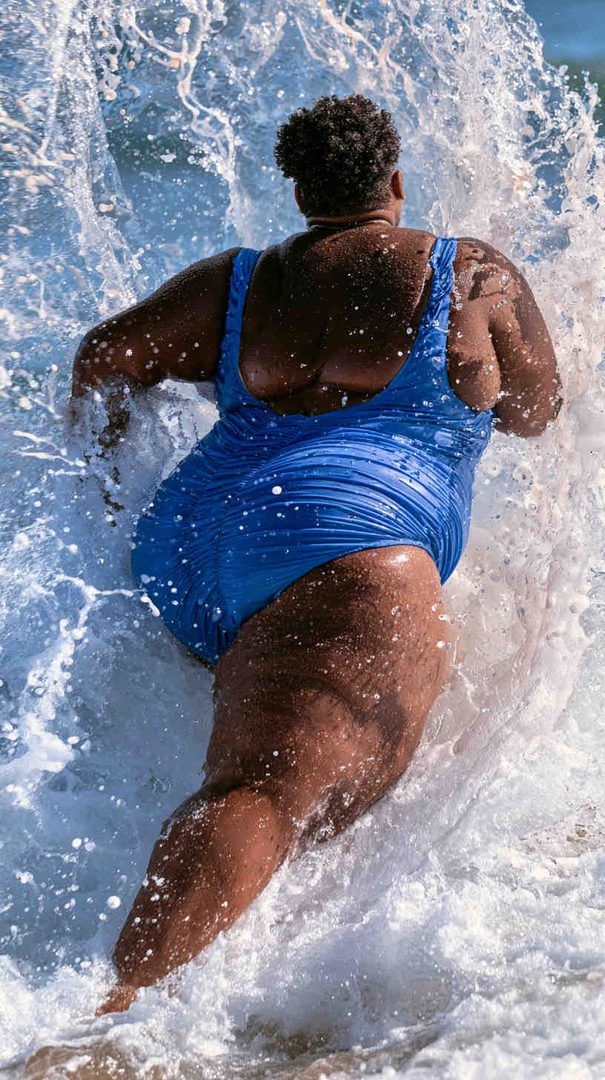
Underwire or molded-cup styles give real support to a fuller bust without needing to size up the whole suit just to accommodate the top. This keeps proportions balanced and prevents the gaping or bagginess that can happen when cup size and body size don’t match a standard sizing chart.
Wrap and surplice styles create a V-neckline that elongates the torso and adds a bit of drama without needing bold prints or cutouts. They’re a great option for anyone who wants a one-piece that feels a little more elevated.
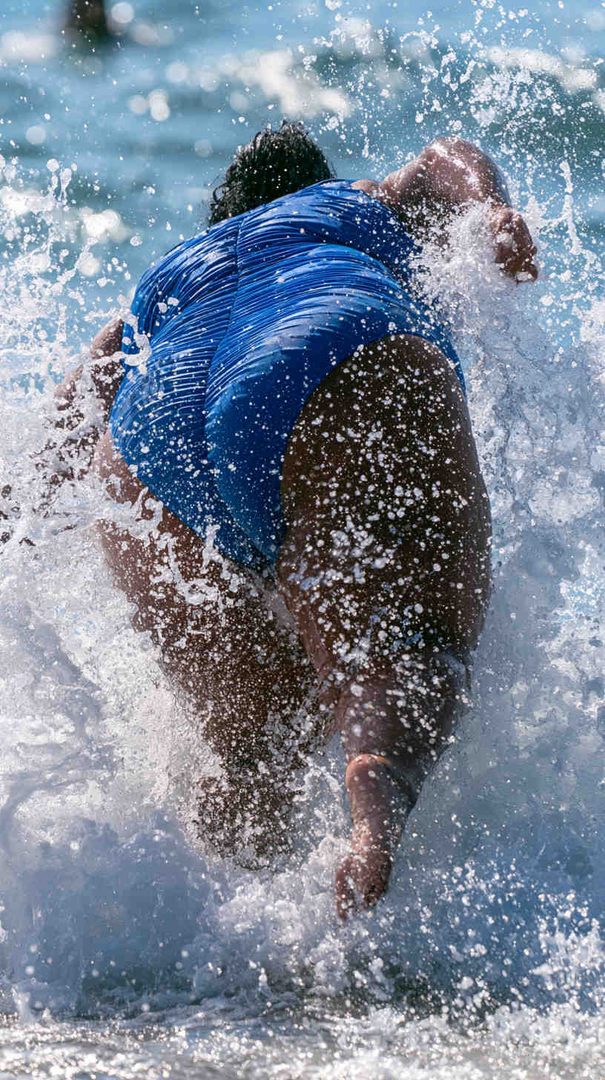
Skirted bottoms and boy-short styles are worth a mention too, not because they’re required, but because they’re a genuinely comfortable option for anyone who wants a bit more coverage on the legs without sacrificing style. They’ve come a long way from the frumpy skirted suits of the past — many now feature the same prints, colors, and fabric quality as any other cut.
Color and Print: Style Without Compromise
One of the most freeing shifts in plus size swimwear has been the move away from “safe” black and navy as the only real options. Bold colors, tropical prints, color-blocking, and even metallics are now widely available in extended sizes. Bright colors don’t add size — they add personality, and there’s no rule that says brighter colors are reserved for smaller bodies.
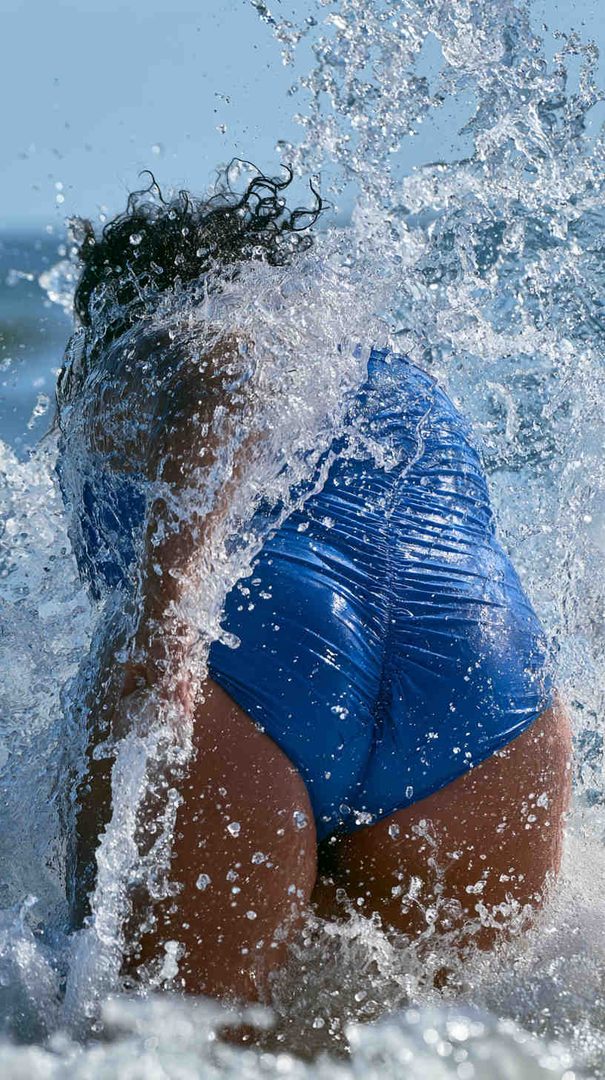
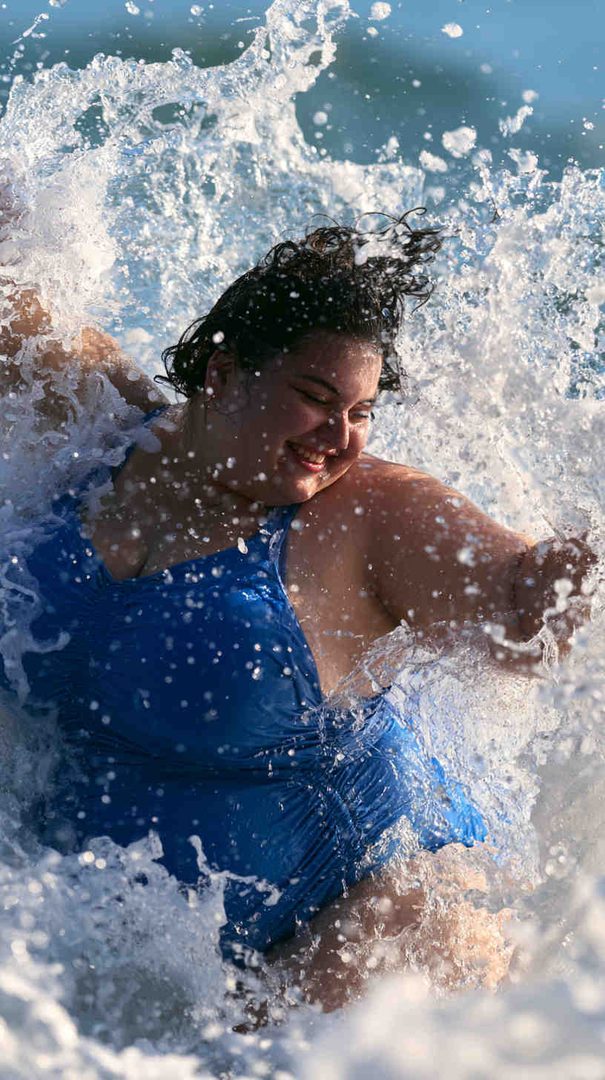




That said, a few style principles are genuinely useful:
- Vertical stripes or diagonal seaming can add visual length.
- Color-blocking placed strategically (a darker panel at the side, a lighter one at the center) can shape and define.
- Medium to large prints tend to read better than tiny micro-prints, which can look busy rather than intentional at scale.
None of these are rules you have to follow — they’re simply tools if you want to use them.
Comfort Details That Make a Real Difference
Beyond fit and style, small construction details matter enormously for how a suit actually feels:
- Flat-lock or bonded seams prevent chafing, especially under the arms and along the inner thigh.
- Full lining keeps the fabric opaque even when wet — a must for any lighter-colored suit.
- Adjustable underbust bands allow for a snugger fit around the ribcage without needing to size the whole cup up or down.
- Removable padding gives you the flexibility to add or remove shape depending on the day.
These aren’t glamorous features, but they’re often the difference between a suit you wear once and one you reach for all summer.
How to Shop Smart
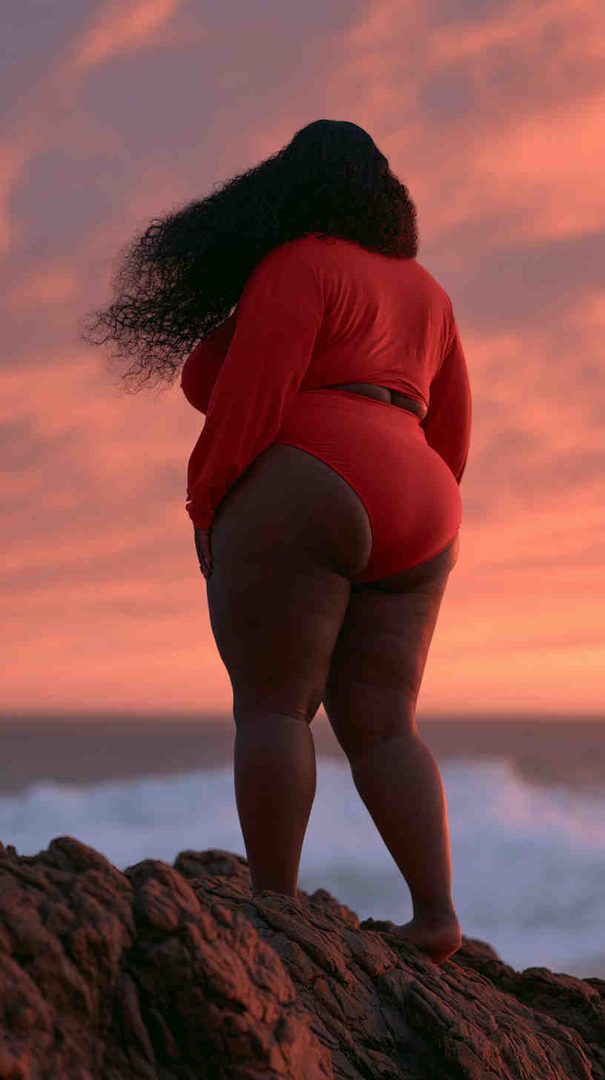
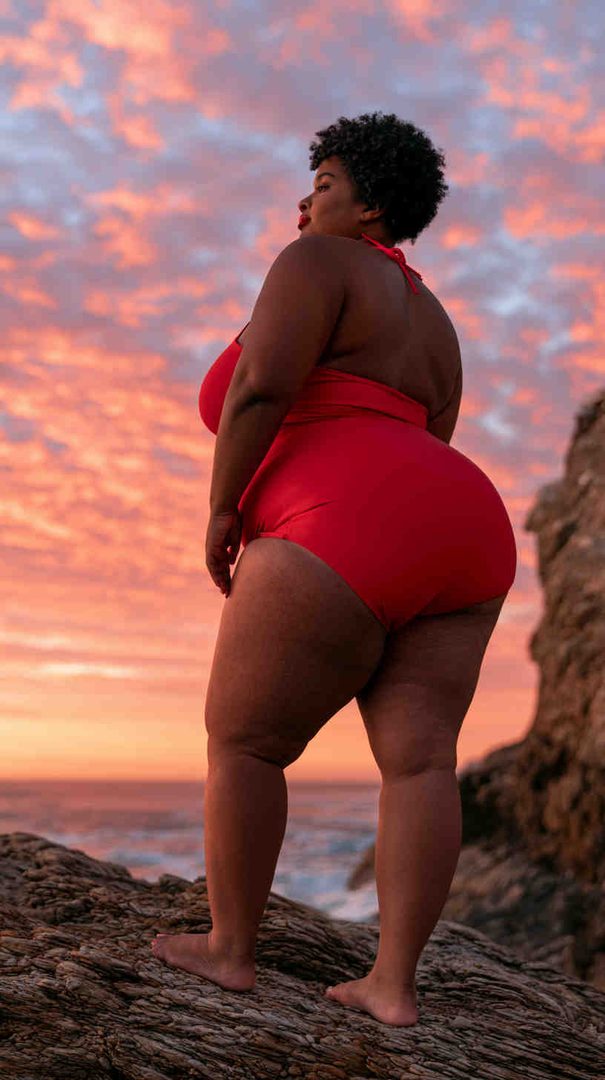
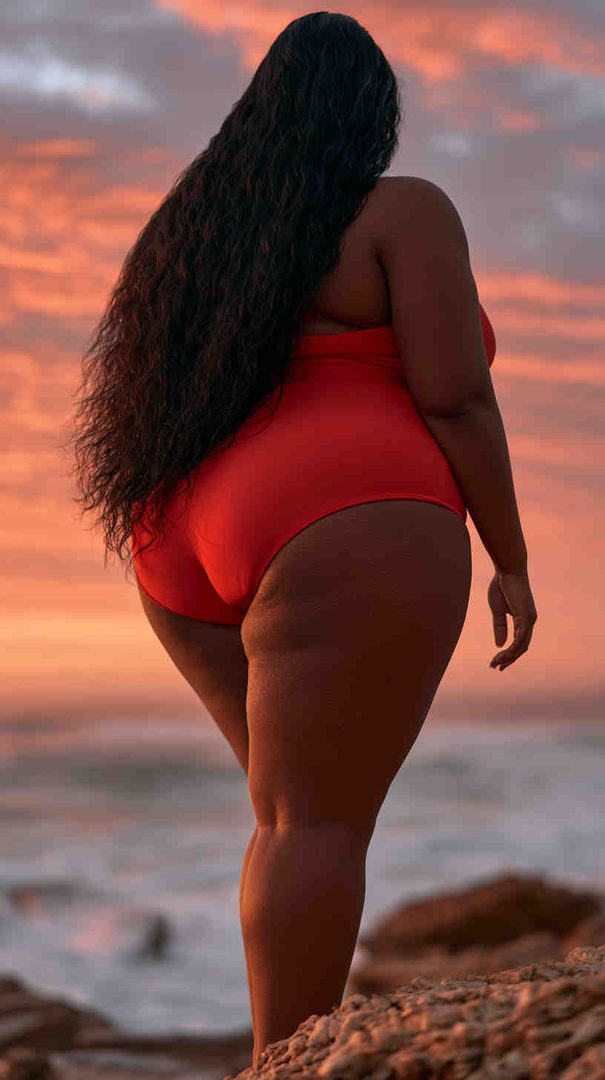
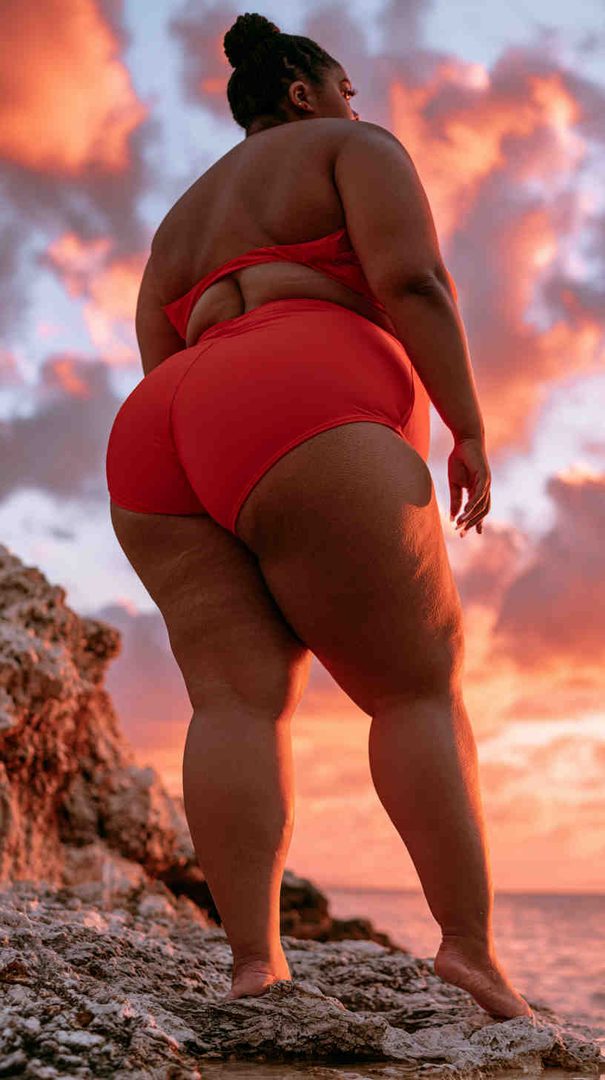


When shopping, measure yourself rather than relying on your usual clothing size — swimwear sizing runs differently, and bust, waist, and hip measurements will give a far more accurate starting point. If you fall between sizes, sizing up is usually the safer choice, since swimwear fabric is designed to stretch to fit, not the other way around.
Pay attention to sizing charts, fabric content, and construction details in the product description. A suit with 18–22% spandex, reinforced seams, and adjustable elements is almost always going to outperform one with vague fabric details and no adjustability, regardless of price point.
Finally, don’t underestimate the value of trying on more than one style. Bodies aren’t uniform, and neither are silhouettes — a wrap-style one-piece might feel incredible on one person and less so on another with the exact same measurements. Give yourself permission to experiment.
Final Thoughts
Plus size swimwear has evolved well beyond a limited rack of dark, boxy suits. With the right fabric, support, silhouette, and construction details, a swimsuit can genuinely flatter, support, and feel good to wear — not just something to get through. The goal is simple: a suit that fits your body as it is today, lets you move freely, and makes you want to actually get in the water.
Please share this Plus Size Swimwear | Flattering Fits, All Sizes with your friends and do a comment below about your feedback.
We will meet you on next article.
Until you can read, Plus Size Fashion | Trendy Styles That Fit & Flatter