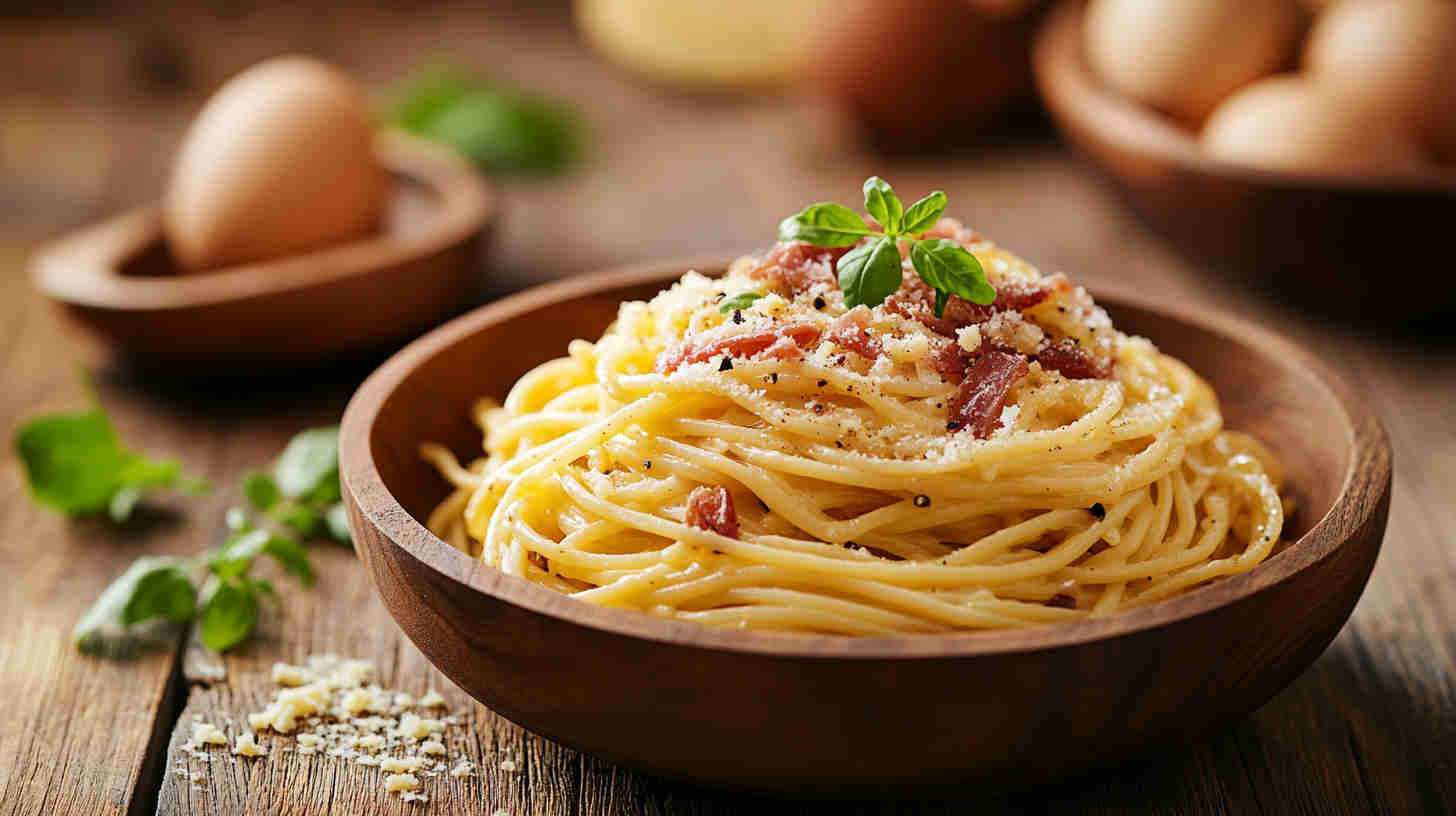
Roman Carbonara Pasta Recipe
Discover the soul of Roman cuisine with this authentic Spaghetti alla Carbonara. Silky eggs, sharp Pecorino Romano, crispy guanciale, and plenty of freshly cracked black pepper come together in a luxurious, creamy sauce—no cream needed. This classic Roman pasta delivers rich, comforting flavors with simple ingredients and expert technique for a restaurant-quality dish at home.
Why You’ll Love This recipe
You’ll fall in love with this Roman Carbonara because it transforms just a handful of humble ingredients into something truly magical. The sauce clings perfectly to every strand of al dente pasta, creating a velvety, glossy coating that feels indulgent yet surprisingly light.
Unlike the heavy, creamy versions you might find elsewhere, this traditional recipe stays true to its Roman roots—relying on the natural emulsion of eggs, cheese, pork fat, and starchy pasta water for that signature creaminess.
It’s quick enough for weeknights but elegant enough to impress guests. The crispy bites of guanciale add savory depth, while the sharp, salty Pecorino and bold black pepper bring balance and warmth.
Once you master the gentle tossing technique to avoid scrambled eggs, you’ll crave this dish again and again. It’s pure Italian comfort food that celebrates quality ingredients and time-honored methods.
Roman Carbonara Pasta Recipe
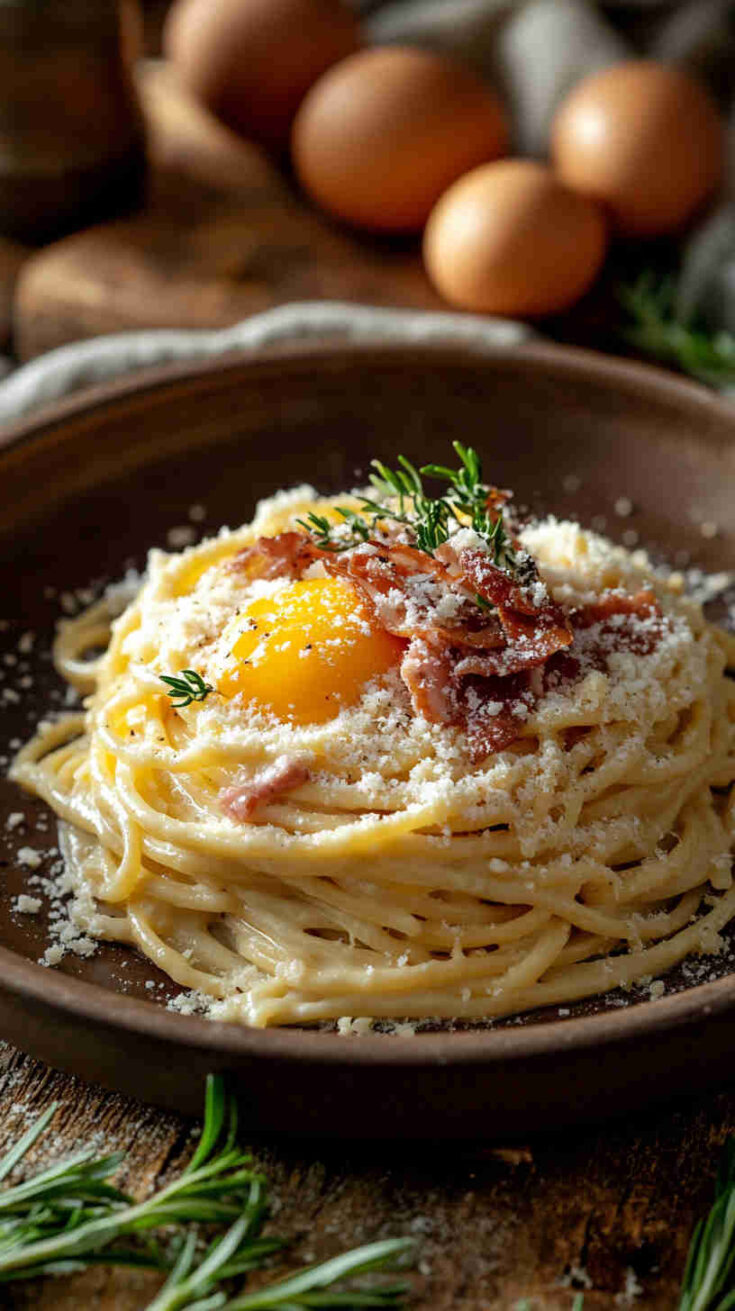
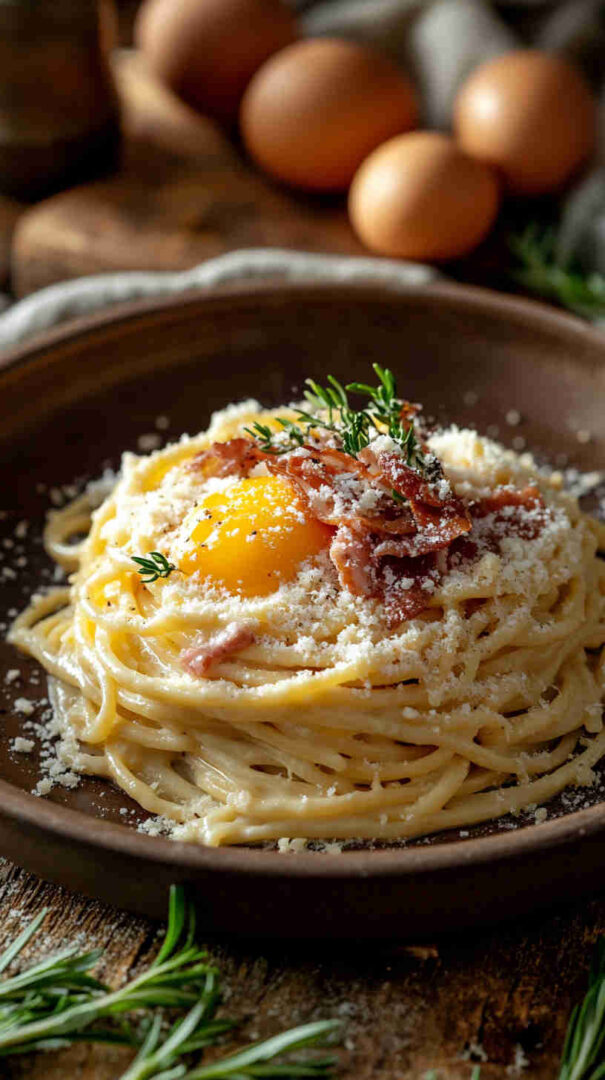
Authentic Roman Carbonara: silky egg sauce, crispy guanciale, Pecorino, and pepper—no cream, just pure Italian perfection.
Ingredients
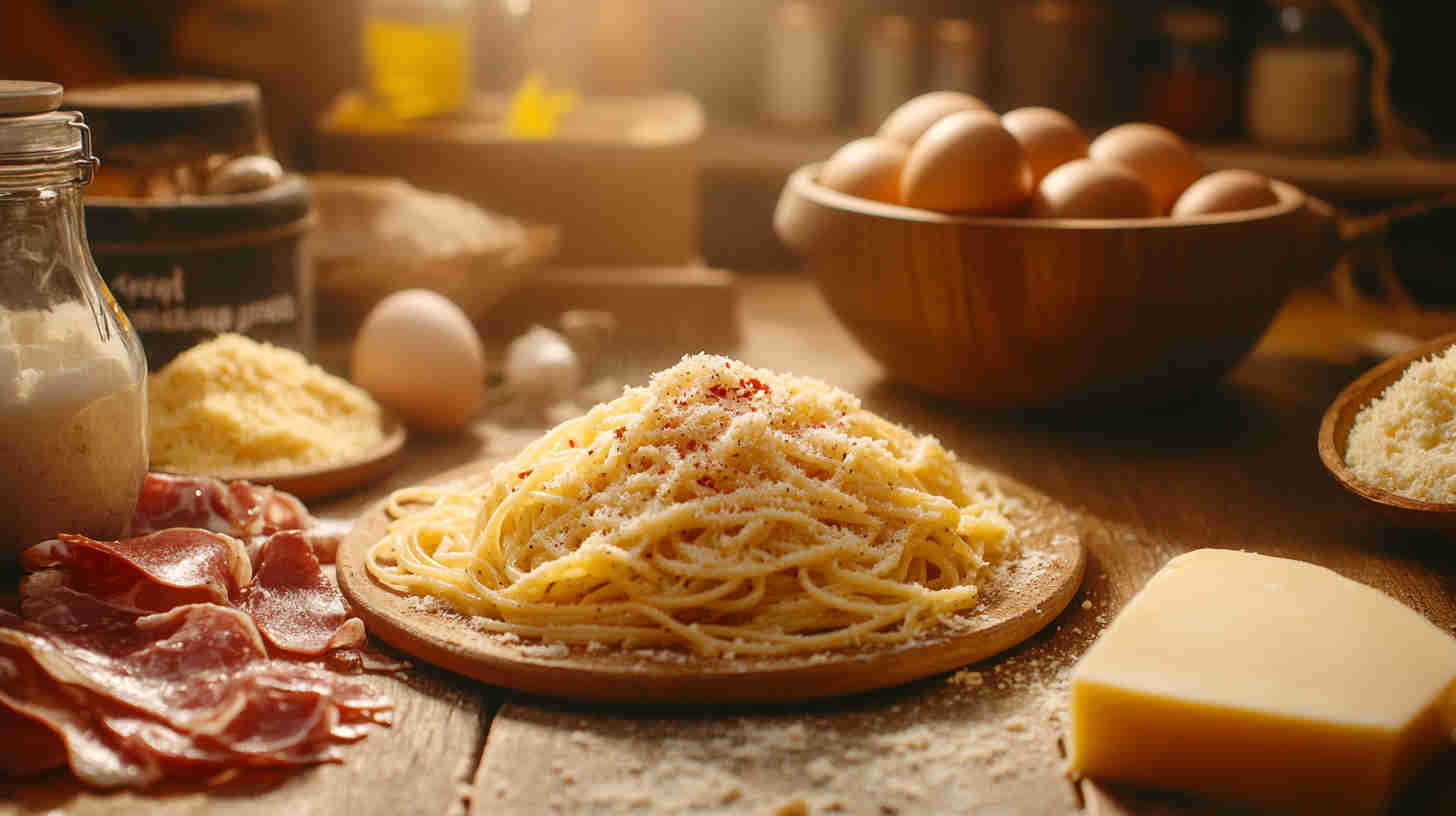
- 400g (14 oz) good-quality spaghetti or spaghettoni
- 150-200g (5-7 oz) guanciale (cured pork jowl), skin removed and cut into 1 cm strips or cubes
- 4 large egg yolks + 1 whole large egg (room temperature)
- 100-150g (1 to 1 ½ cups) freshly grated Pecorino Romano cheese, plus extra for serving
- Freshly ground black pepper (about 1-2 teaspoons or to taste, generously)
- Salt for pasta water (generous amount)
- Reserved pasta cooking water (about ½-1 cup as needed)
Instructions
- Bring a large pot of water to a rolling boil and season it generously with salt—it should taste like the sea. This is your flavor foundation, so don’t skimp!
- While the water heats, prepare the guanciale: remove any tough skin, then slice it into thick strips and cut into bite-sized cubes or lardons. This will give you those irresistible crispy-chewy bites later.
- Place the guanciale pieces in a large, cold skillet or frying pan. Turn the heat to medium-low and let it render slowly. The fat will melt beautifully, and the meat will turn golden and crispy after 8-10 minutes. Stir occasionally and don’t rush—this gentle cooking builds deep flavor.
- In a mixing bowl, whisk together the egg yolks, whole egg, most of the grated Pecorino Romano, and a generous amount of freshly cracked black pepper until smooth and well combined. The mixture should look creamy and peppery. Set it aside near the stove.
- When the water is boiling, add your spaghetti and cook it until just al dente—usually 1-2 minutes less than the package suggests. You want it with a little bite so it finishes perfectly in the sauce.
- Before draining, scoop out about 1 cup of the starchy pasta cooking water and set it aside. This liquid gold is what creates the silky emulsion. Drain the pasta but do not rinse it.
- Remove the skillet with the crispy guanciale from the heat (or turn it to very low). Add the drained hot pasta straight into the pan along with a splash of the reserved pasta water. Toss everything together so the pasta soaks up that delicious pork fat.
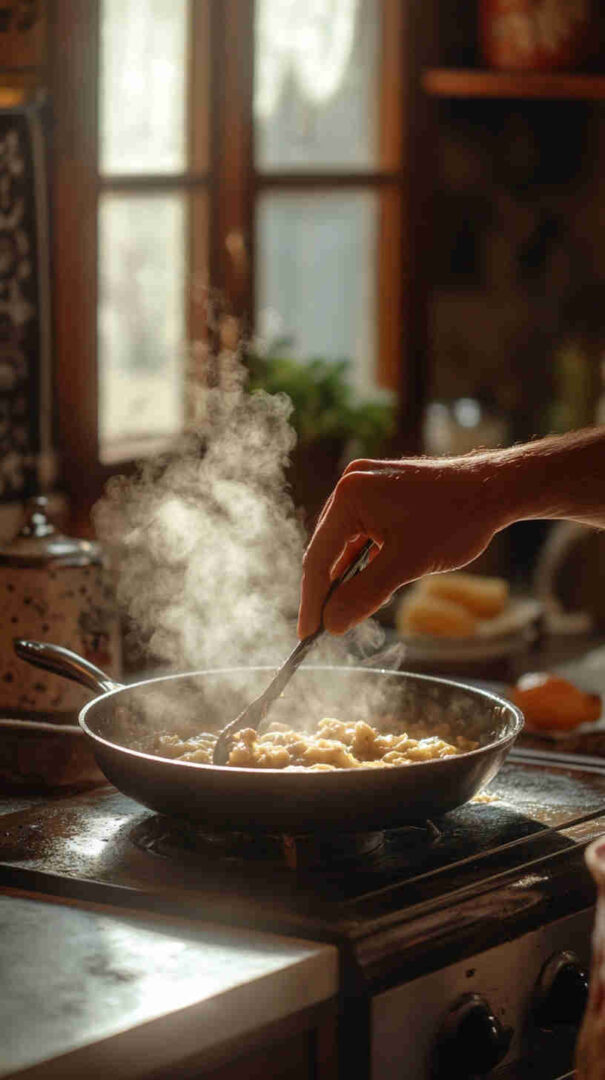
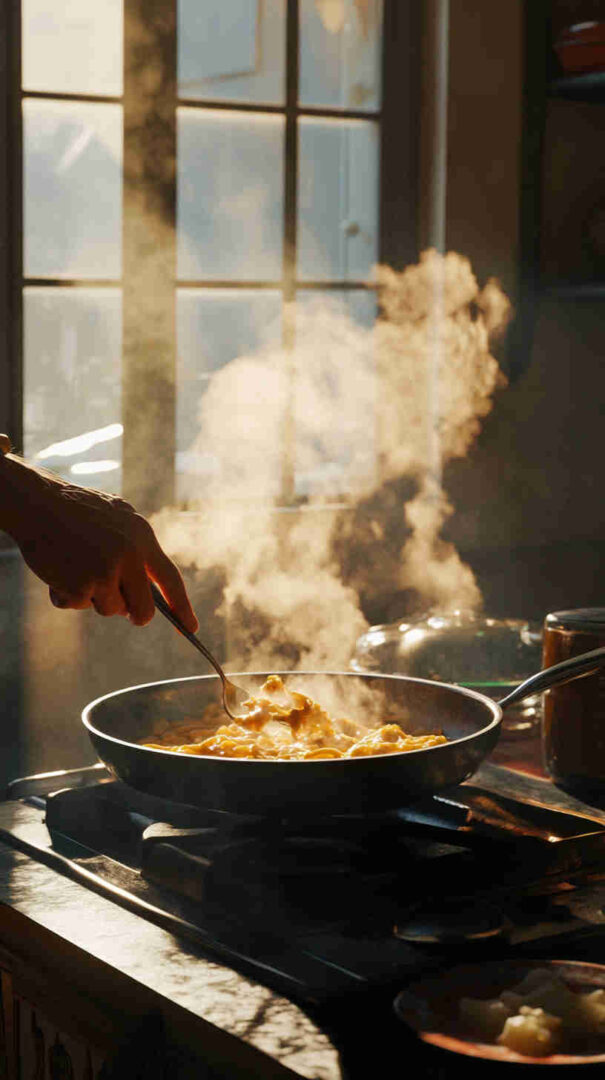
- Quickly pour the egg and cheese mixture over the pasta. Immediately begin tossing vigorously with tongs or two forks, adding more pasta water a little at a time as needed. The residual heat will gently cook the eggs into a smooth, glossy sauce that coats every strand—keep moving fast to avoid any scrambling.
- Taste and adjust: add more black pepper or a handful of extra Pecorino if you like it bolder. The sauce should be creamy and luxurious, not dry or runny. If it thickens too much, splash in a bit more pasta water until it looks perfect.
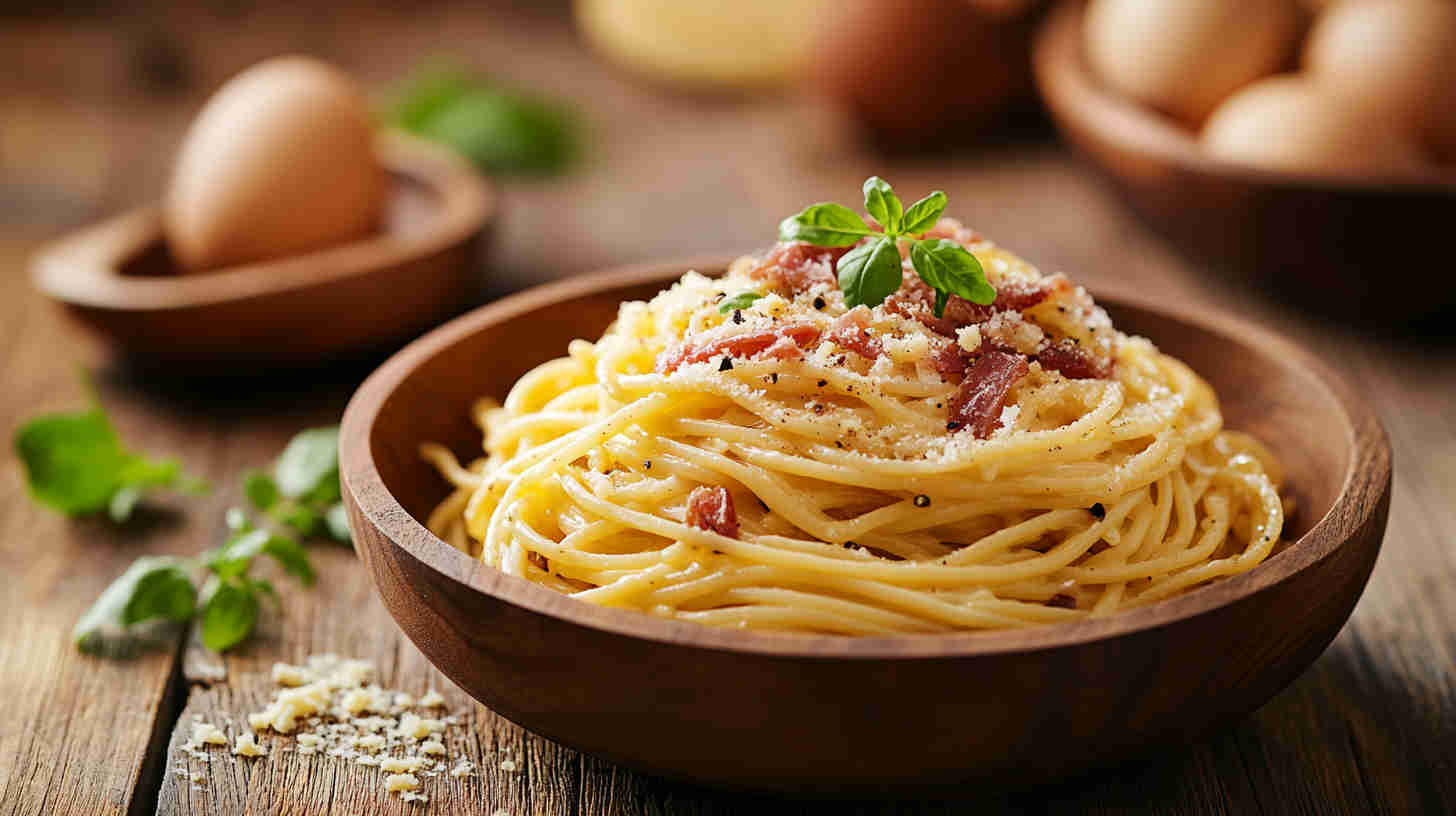
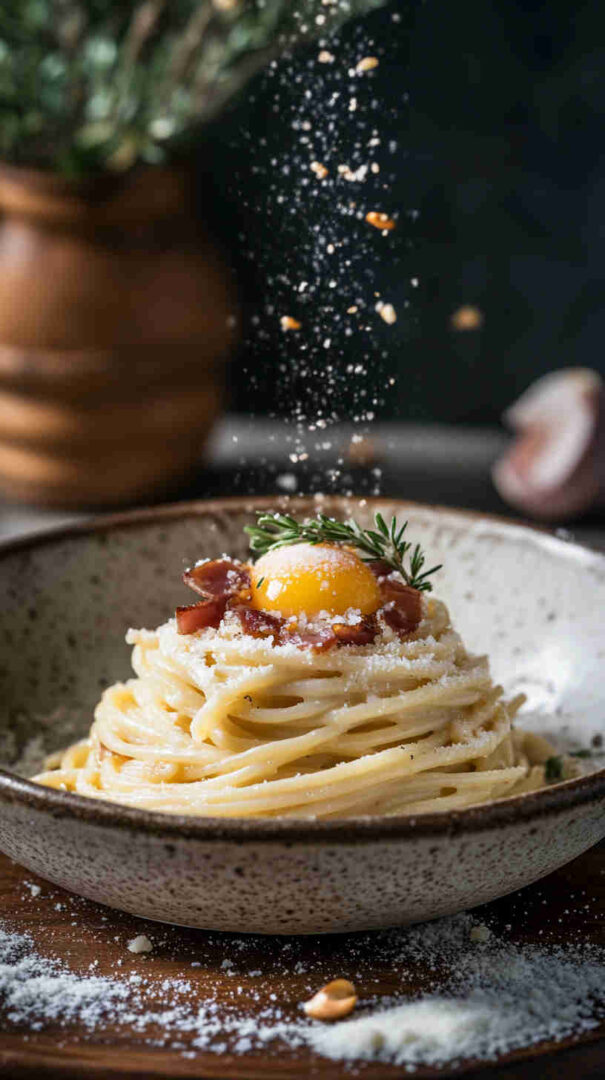
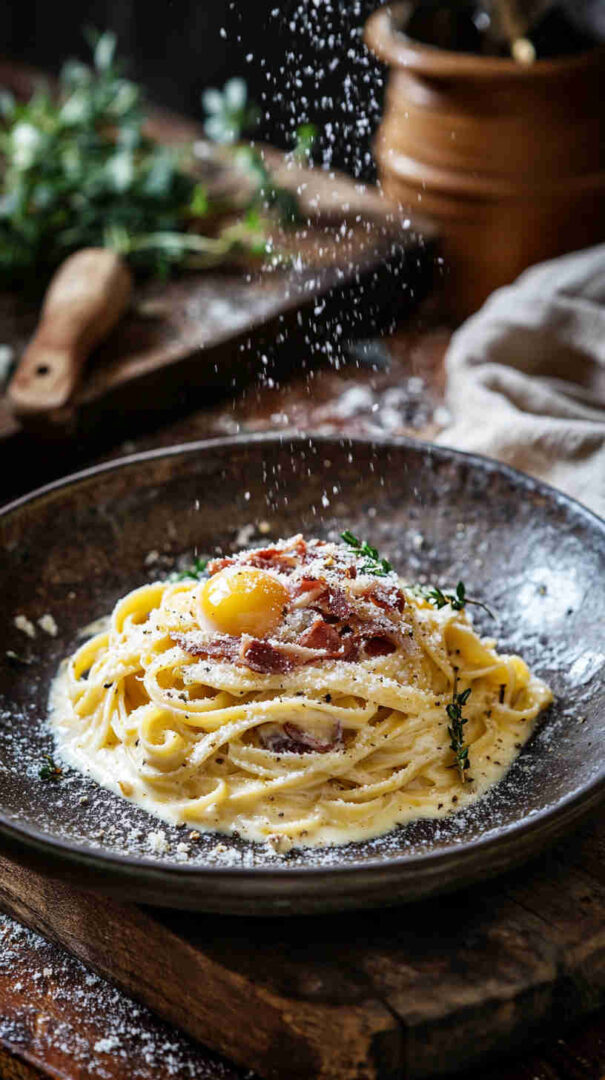
- Serve immediately in warm bowls, finishing each portion with an extra sprinkle of grated Pecorino Romano and plenty of freshly cracked black pepper. Enjoy every twirl—this dish waits for no one!
Notes
- Work quickly once the pasta is added—the key to success is using the pasta’s residual heat without direct flame under the eggs.
- If the sauce looks too thick, add pasta water sparingly; if too thin, keep tossing to thicken naturally.
- Always use freshly grated cheese and cracked pepper for the best results.
- This recipe is naturally gluten-free adaptable if you use gluten-free pasta.
Nutrition Information
Yield
4Serving Size
1Amount Per Serving Calories 227Total Fat 5gSaturated Fat 2gUnsaturated Fat 4gCholesterol 186mgSodium 77mgCarbohydrates 31gFiber 1gSugar 1gProtein 12g
The recipes and nutritional information on Yum Tonight are for informational purposes only. Always consult a healthcare provider for personalized dietary advice.
Recipe Tips and Tricks
- Use room-temperature eggs for smoother mixing and better emulsification.
- Reserve plenty of pasta cooking water—it’s the secret to achieving that silky sauce.
- Cook the guanciale slowly over medium-low heat so it renders fat without burning.
- Remove the pan from direct heat before adding the egg mixture to prevent scrambling.
- Toss vigorously with tongs or a fork to create the creamy emulsion.
- Finish with extra grated Pecorino and black pepper right at the table for maximum flavor.
- Work quickly once the pasta is drained—the residual heat does most of the “cooking” for the sauce.
- Taste and adjust pepper generously; it should have a pleasant kick.
Ingredients Notes
Guanciale is the star cured pork jowl from Italy—rich, fatty, and deeply savory with a melt-in-your-mouth texture when rendered. Look for it in Italian delis or specialty stores; it’s far superior to regular bacon because it lacks the smoky flavor that can overpower the dish.
Pecorino Romano, a hard sheep’s milk cheese, brings sharp, salty, tangy notes that cut through the richness—always grate it fresh for the best melt and flavor. Use high-quality large eggs, preferably free-range, as they form the creamy base without any dairy.
Freshly cracked black pepper is non-negotiable; pre-ground won’t deliver the same aromatic punch. Choose a good dried spaghetti or spaghettoni (thicker spaghetti) that holds sauce well.
Pasta water, loaded with starch from cooking, acts as the binder that turns everything into a luxurious sauce. Salt the pasta water generously—it should taste like seawater—to properly season the noodles.
Variations and Substitutions
While traditional Roman carbonara sticks strictly to guanciale, eggs, Pecorino Romano, black pepper, and pasta, you can make smart swaps if needed. If guanciale is unavailable, high-quality pancetta makes a good substitute, though it’s leaner and less fatty—add a touch of olive oil if the pan seems dry.
Some cooks use a mix of whole eggs and extra yolks for extra richness, while others prefer mostly yolks for a silkier result. Parmesan can replace part of the Pecorino in a pinch, but the dish loses some of its authentic sharp bite.
For a slightly different Roman pasta shape, try rigatoni or bucatini instead of spaghetti—they both trap the sauce beautifully. Vegetarians sometimes experiment with mushrooms or smoked tofu for smokiness, though this moves away from tradition.
Avoid adding cream, garlic, onions, or peas, as these are common American-Italian additions that change the character of the dish. For a spicy twist, some Romans add a pinch of chili flakes, but keep it subtle.
Storage Options
Carbonara is best enjoyed fresh right after cooking, as the sauce can thicken or separate when reheated. Store leftovers in an airtight container in the refrigerator for up to 1-2 days.
To reheat, warm gently in a skillet over low heat with a splash of water or milk to loosen the sauce, stirring constantly to revive the creaminess. Avoid the microwave if possible, as it can cause the eggs to curdle. This dish does not freeze well due to the egg-based sauce.
Dish Gallery
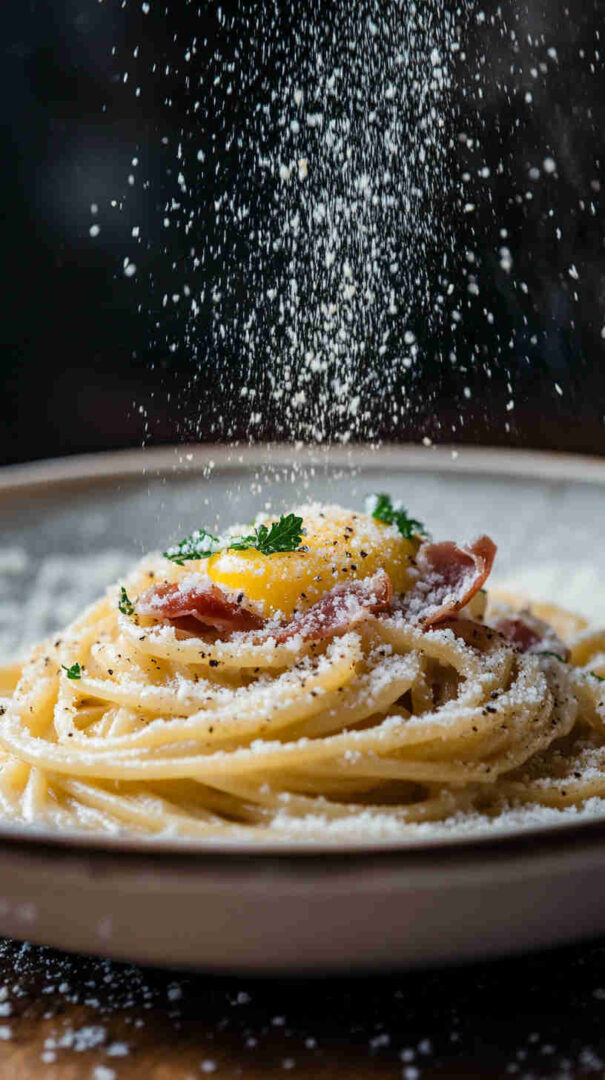
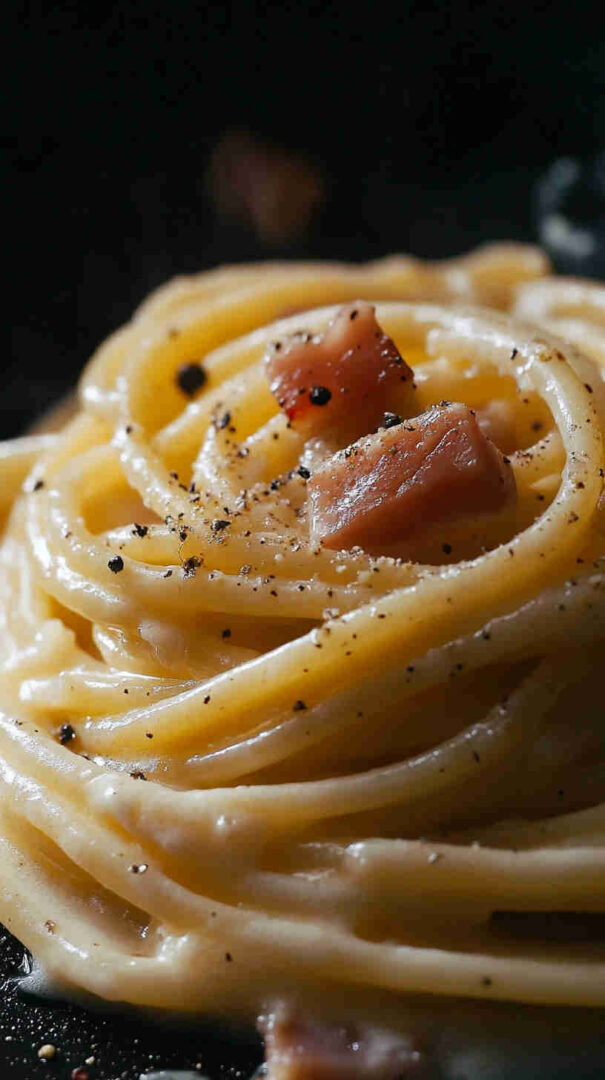
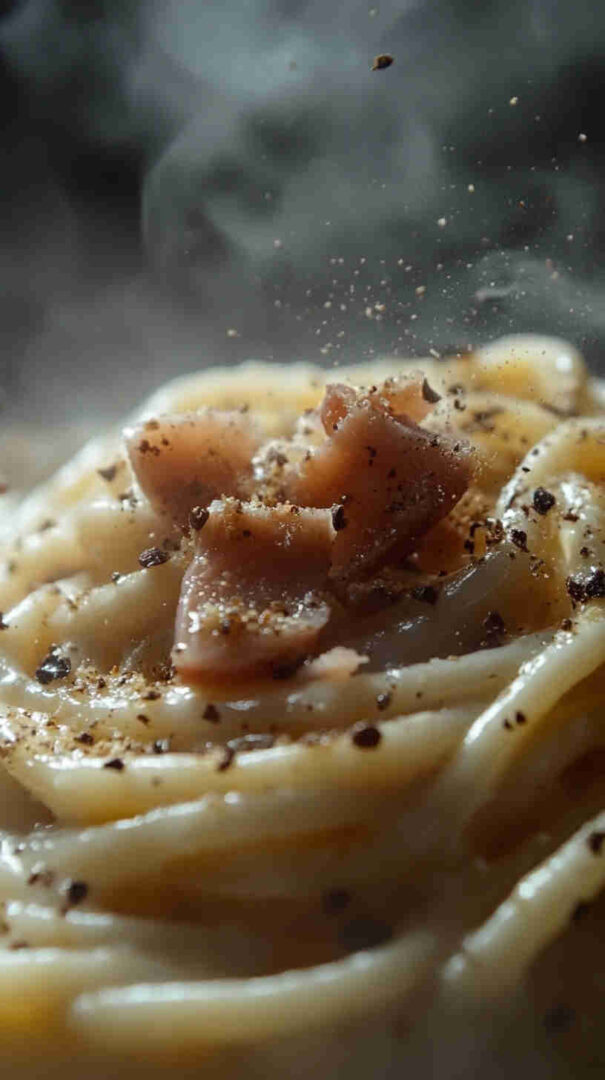
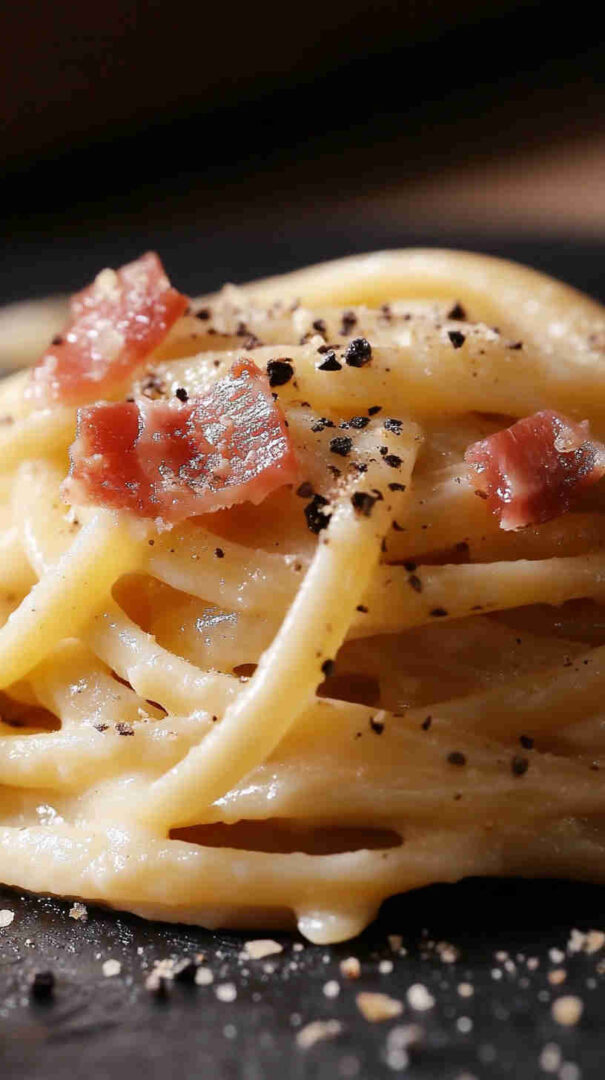
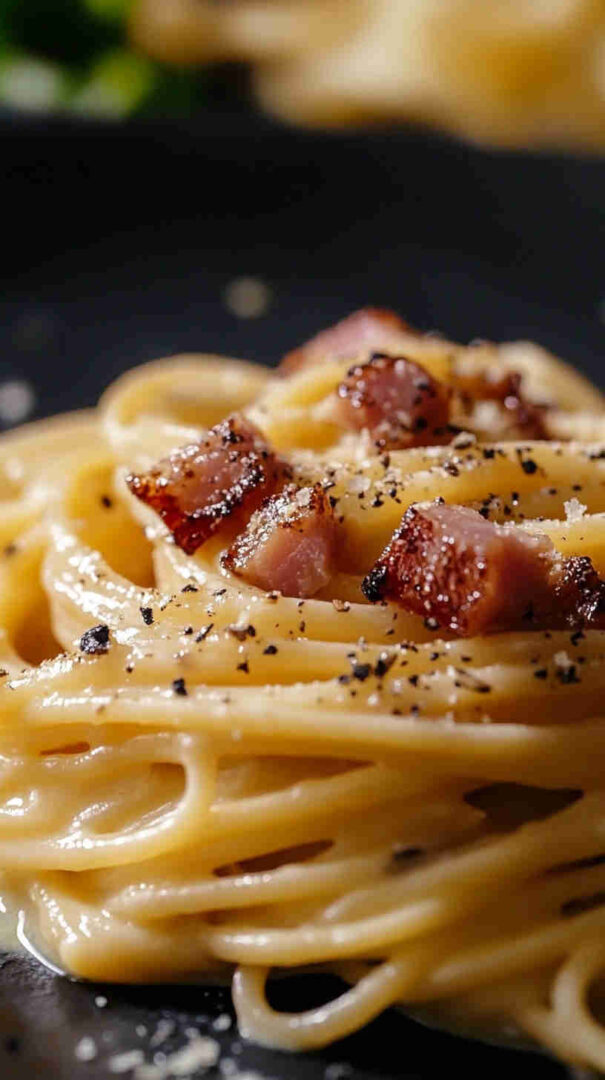
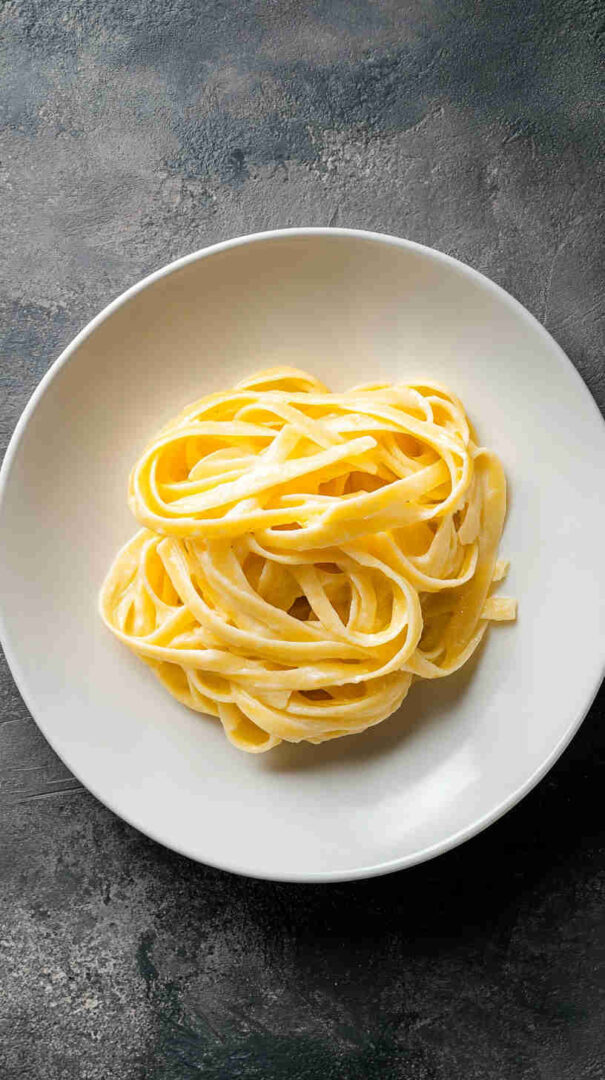
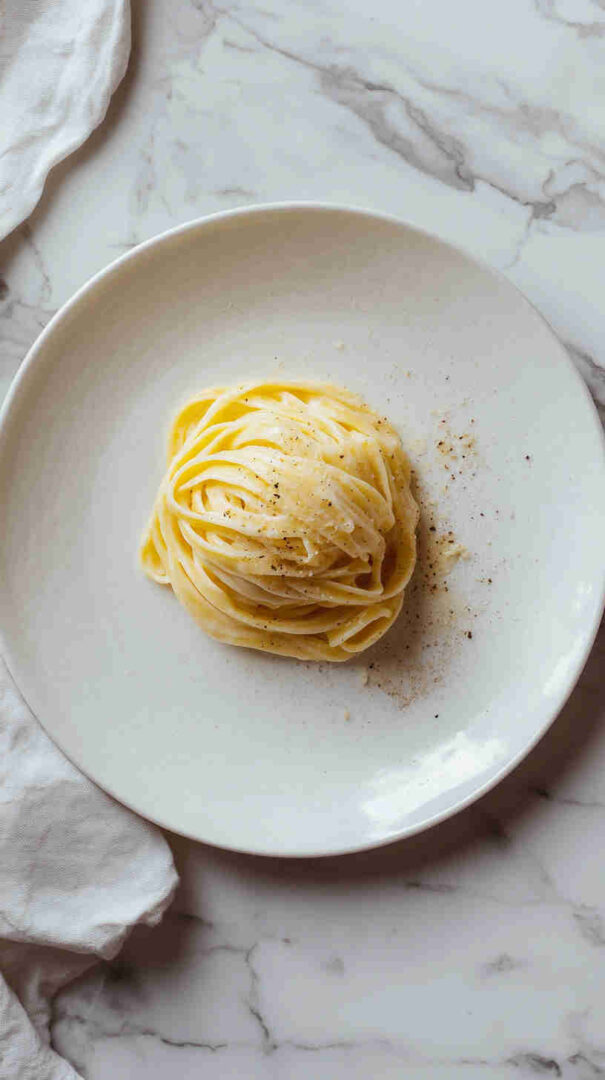
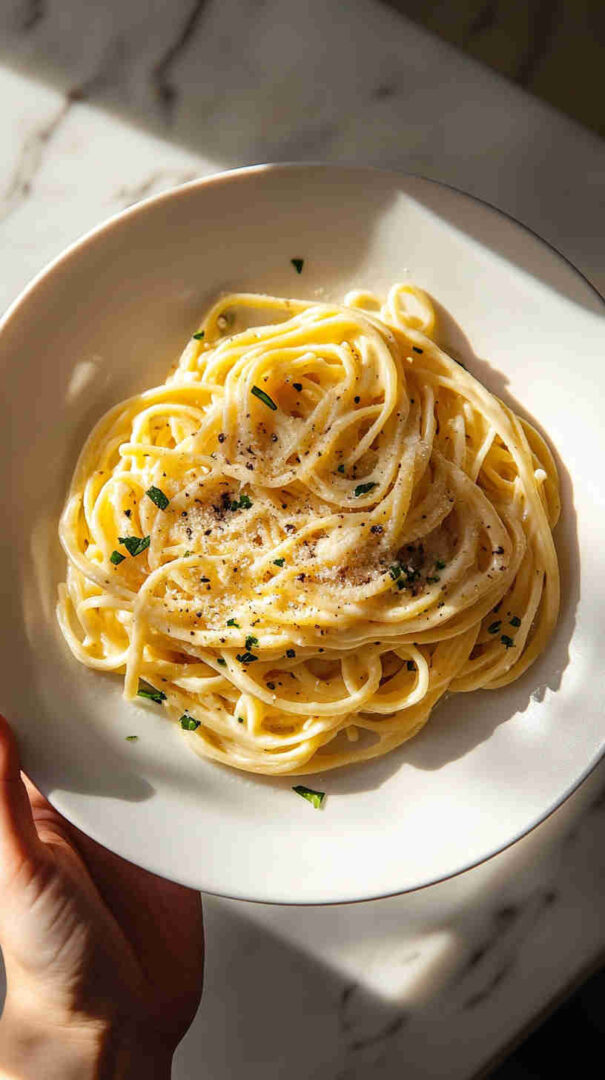
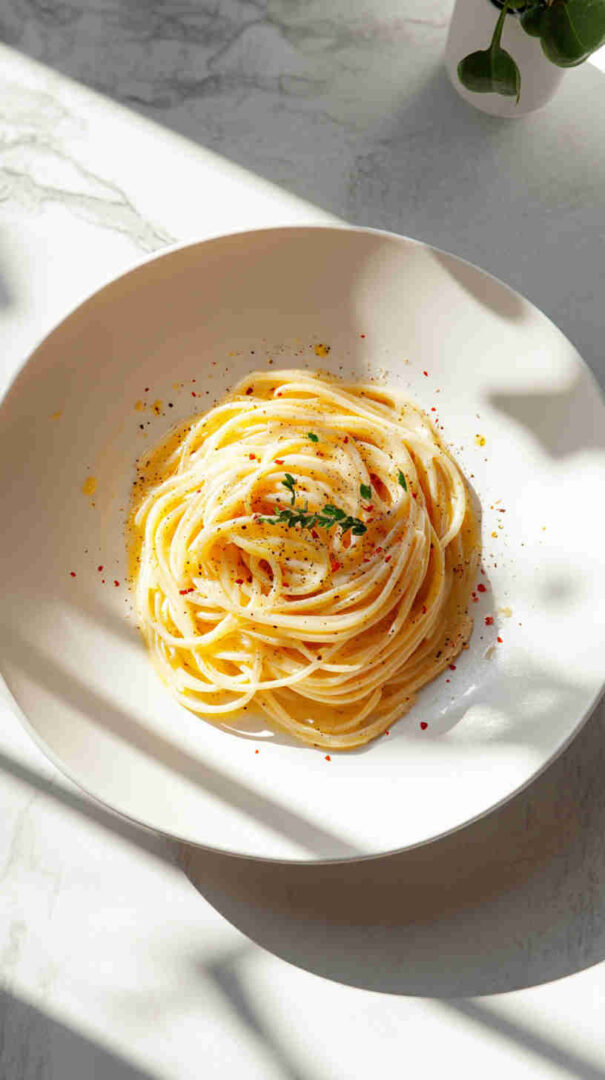
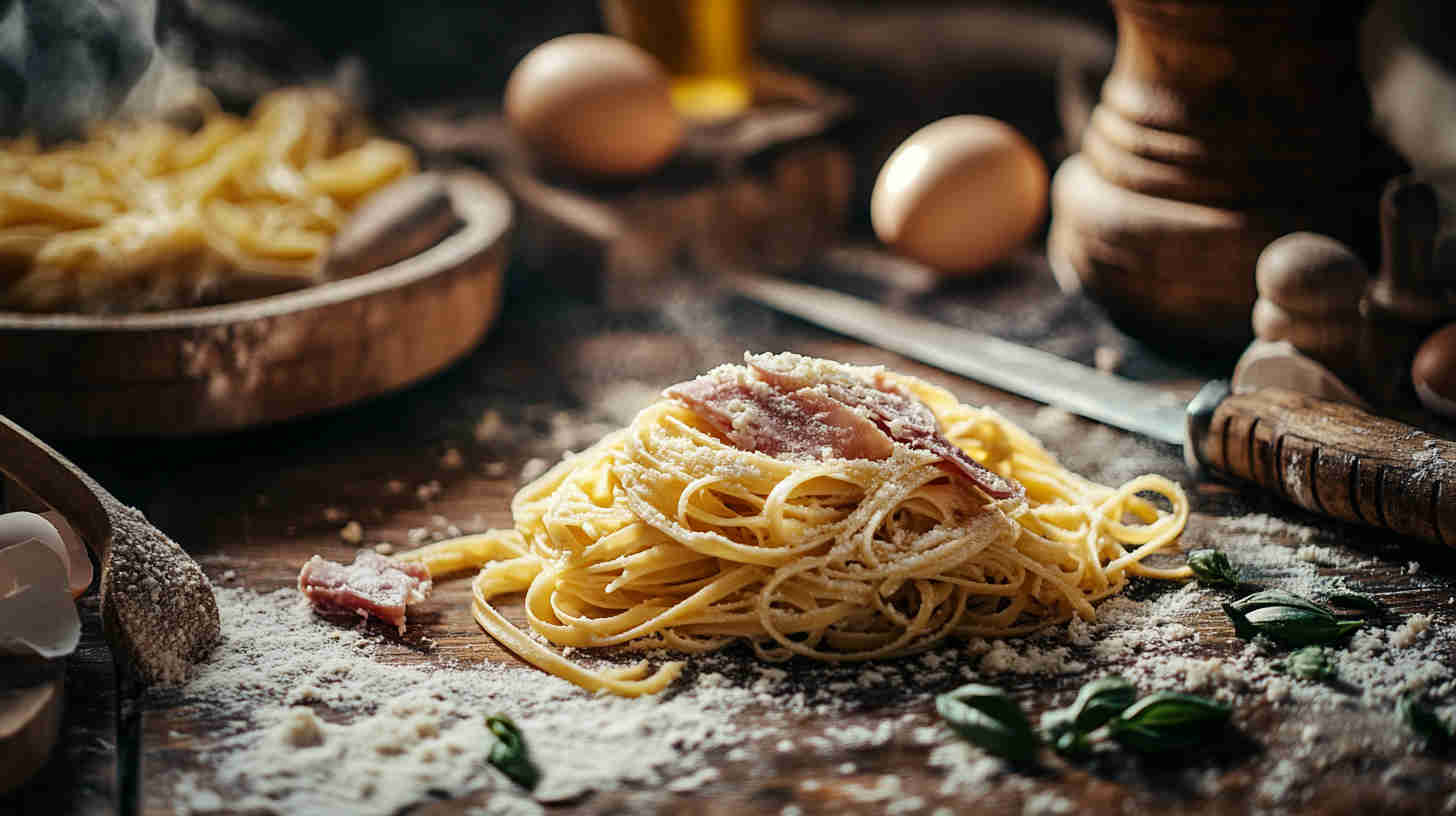
Please share this Roman Carbonara Pasta Recipe with your friends and do a comment below about your feedback.
We will meet you on next article.
Until you can read, Piedmont Bagna Cauda Recipe