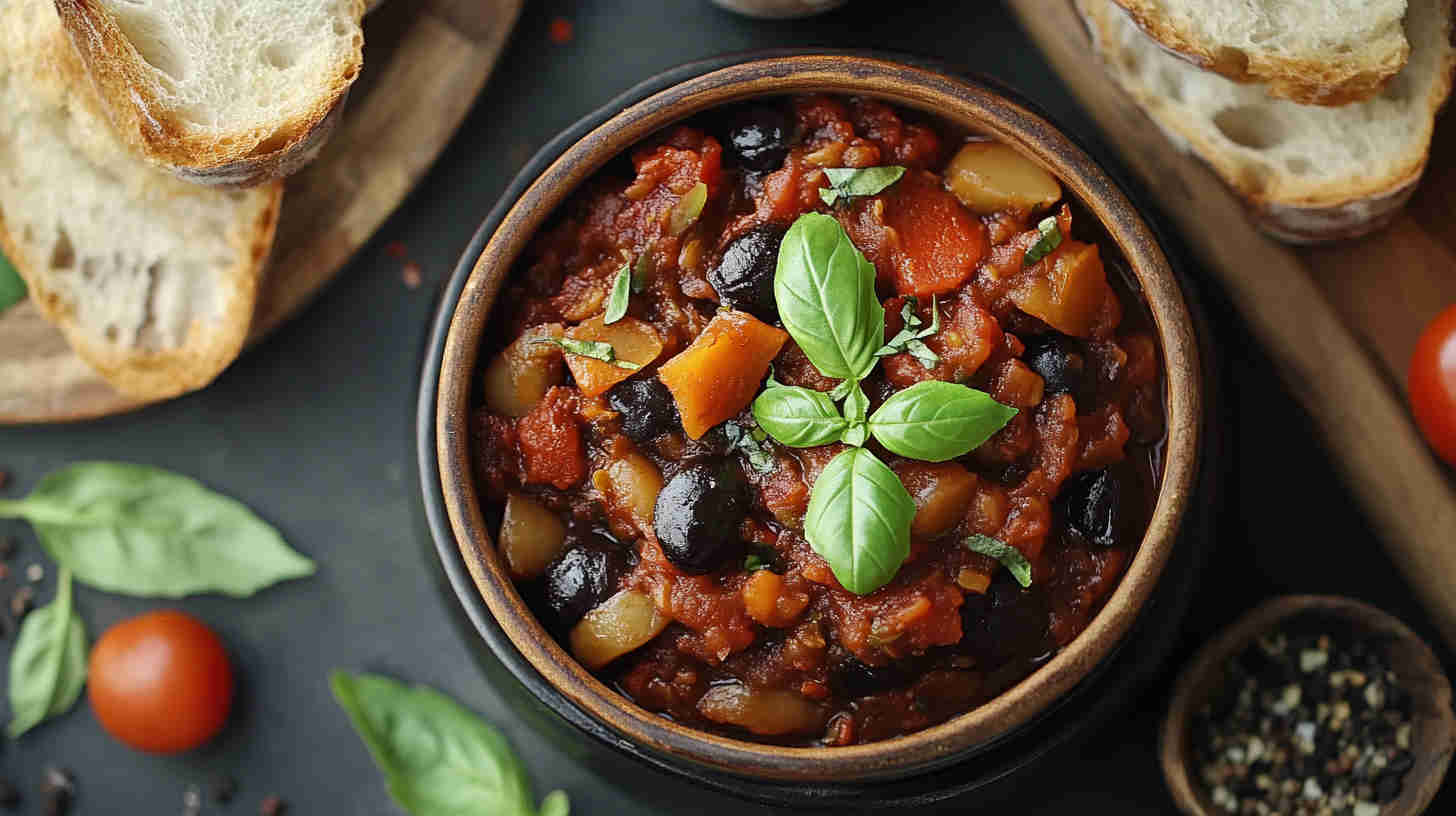
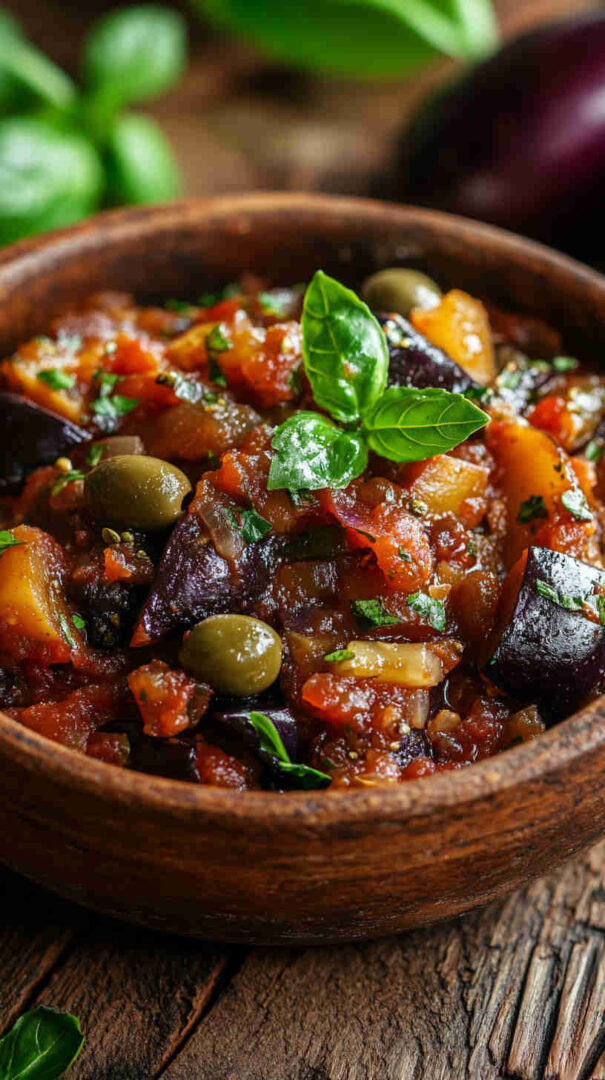
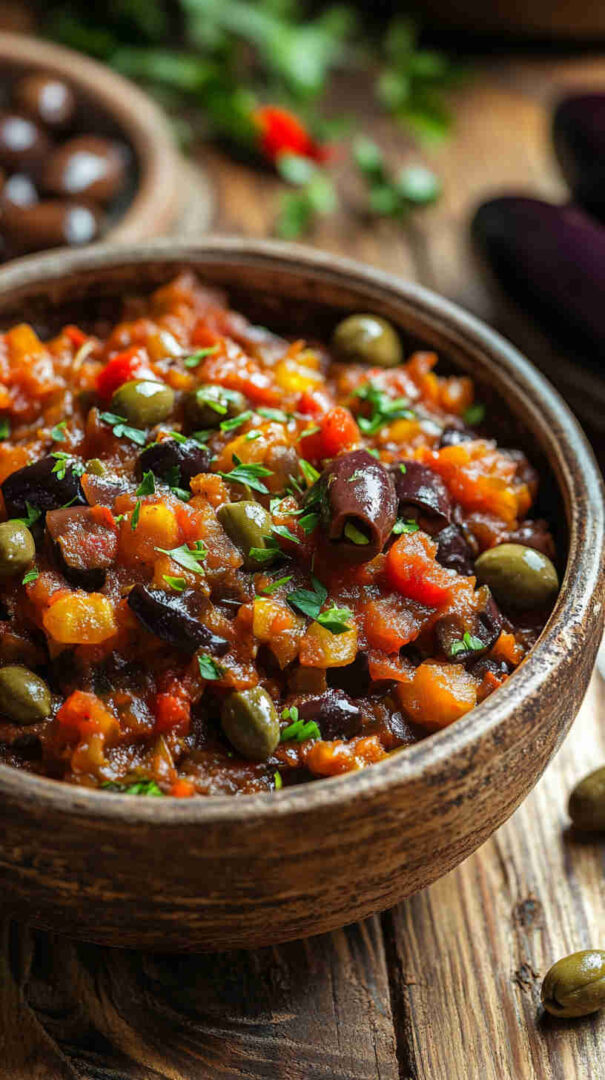
Sicilian Caponata is a vibrant, sweet-and-sour eggplant relish that captures the sunny flavors of Sicily. Tender cubes of eggplant mingle with sautéed onions, celery, juicy tomatoes, briny green olives, and capers in a harmonious agrodolce sauce. This classic vegetarian dish bursts with Mediterranean zest—perfect as an appetizer, side, or topping for crusty bread.
Why You’ll Love This recipe
You’ll fall in love with this Sicilian Caponata because it transforms humble vegetables into a flavor-packed masterpiece that tastes even better the next day. The contrast of sweet and tangy notes from vinegar and sugar balances the savory eggplant, while olives and capers add bright, briny pops that keep every bite exciting.
It’s naturally vegan, gluten-free, and incredibly versatile—serve it warm or at room temperature as a starter, alongside grilled fish or meat, or piled on toasted bread for a satisfying bruschetta.
As an experienced chef, I appreciate how it celebrates seasonal produce and brings a taste of authentic Sicilian sunshine to your table with minimal fuss. The recipe is forgiving, rewarding patience with rich, caramelized depths that make it a crowd-pleaser at dinner parties or casual family meals. Once you try it, you’ll crave its bold yet comforting profile all summer long.
Sicilian Caponata Recipe
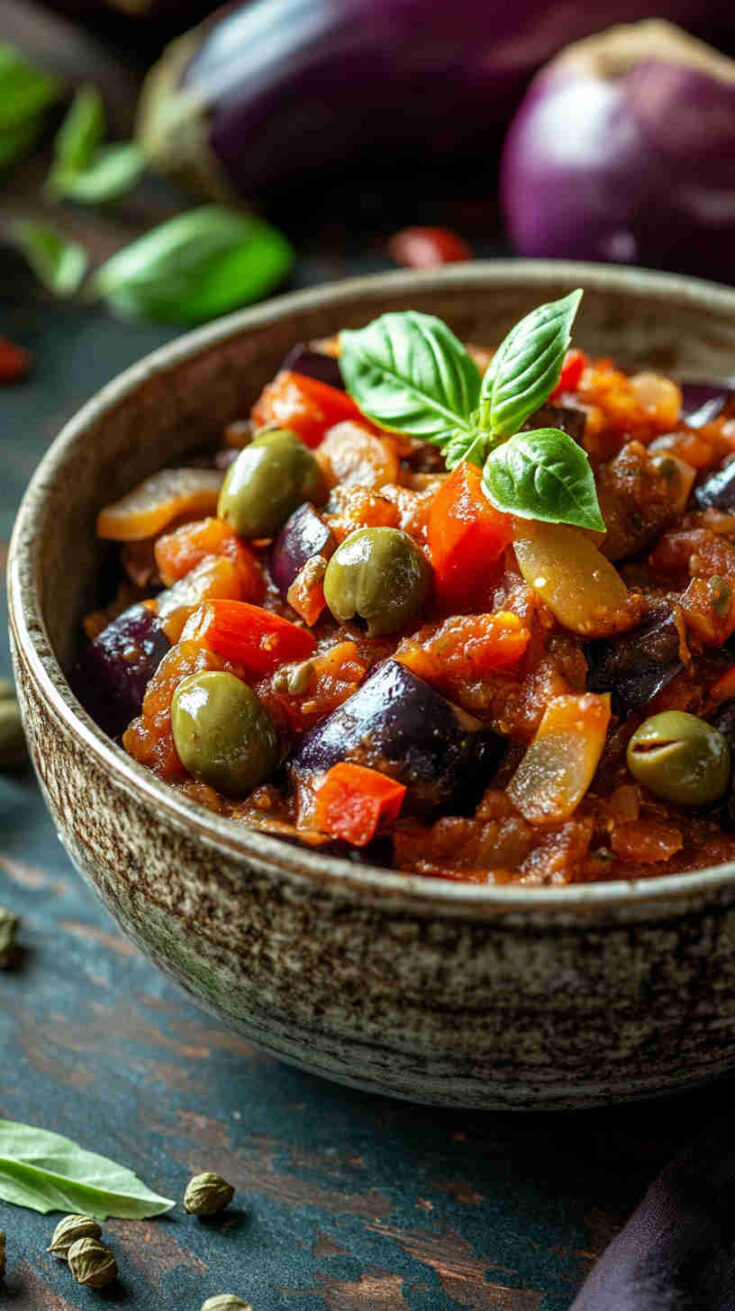
Classic Sicilian sweet-and-sour eggplant relish with olives, capers, and vibrant Mediterranean flavors.
Ingredients
- 2 medium eggplants (about 1.5–2 lbs / 700–900g), cut into 1-inch cubes
- 1 large yellow or red onion, diced
- 2–3 celery stalks, thinly sliced
- 4–5 ripe tomatoes or 1 cup crushed tomatoes/tomato sauce
- ¾ cup pitted green olives, roughly chopped
- ¼ cup capers, rinsed and drained
- ⅓ cup extra-virgin olive oil (plus more for frying/roasting)
- ⅓ cup white wine vinegar (or red wine vinegar)
- 2–3 tablespoons sugar (adjust to taste)
- 2–3 garlic cloves, minced
- Optional: ¼ cup pine nuts or raisins, handful of fresh basil or mint, salt and black pepper to taste
Instructions
- Welcome to your Sicilian kitchen adventure! Start by preparing the star ingredient: cut the eggplants into generous 1-inch cubes. Place them in a colander, sprinkle generously with salt, and let them sit for about 20–30 minutes. This gentle salting draws out any bitterness and excess water, ensuring your caponata has the perfect tender-yet-firm texture.
- While the eggplant rests, gather your colorful vegetables. Dice the onion, slice the celery into thin pieces, and chop the tomatoes if using fresh ones. Roughly chop the green olives and rinse the capers under cold water to mellow their intensity—this prep work sets the stage for harmonious flavors.
- Pat the eggplant cubes dry thoroughly with paper towels or a clean kitchen cloth. Heat a generous amount of olive oil (about ¼ cup) in a large skillet or frying pan over medium-high heat. Working in batches if needed, fry or roast the eggplant until beautifully golden and soft on the outside while still holding its shape. Remove and set aside on a plate—this separate cooking keeps the pieces from turning mushy later.
- In the same pan (add a splash more olive oil if it looks dry), lower the heat to medium and sauté the diced onion and sliced celery. Stir occasionally for 8–10 minutes until they soften and turn sweetly fragrant. Add the minced garlic and cook for another minute, filling your kitchen with irresistible aroma.
- Now bring in the tomatoes! Stir in the chopped fresh tomatoes or crushed tomato sauce along with a tablespoon or two of tomato paste if you like a richer body. Cook for 5 minutes, letting everything bubble gently and meld into a savory base.
- Time for the briny stars: add the chopped green olives and rinsed capers to the pan. Give everything a good stir so the flavors start dancing together. If using raisins or pine nuts, toss them in now for subtle sweetness and crunch.
- Create the magical agrodolce sauce by combining the vinegar and sugar in a small bowl until the sugar mostly dissolves. Pour this sweet-tangy mixture into the vegetables and simmer for 3–4 minutes, allowing the sauce to reduce slightly and coat everything in glossy goodness.
- Gently fold the golden eggplant cubes back into the skillet. Reduce the heat to low and let the entire mixture simmer together for another 10–15 minutes. Stir occasionally with love—the vegetables will absorb the sweet-sour sauce while staying delightfully chunky.
- Taste and adjust seasoning: add salt and freshly ground black pepper if needed, and perhaps a touch more sugar or vinegar to perfect that signature Sicilian balance. If desired, tear in fresh basil or mint leaves for a burst of herbal freshness right at the end.
- Turn off the heat and allow your caponata to cool slightly. Serve it warm or at room temperature for the most enchanting experience—spoon it onto crusty bread, pair with grilled proteins, or enjoy straight from the bowl. The longer it sits, the more the flavors sing!
Notes
Always use the best extra-virgin olive oil you can for authentic taste. Caponata improves dramatically after resting for a few hours or overnight, so it’s perfect for make-ahead meals. If frying, use neutral oil for the eggplant and finish with olive oil for flavor.
Nutrition Information
Yield
8Serving Size
1Amount Per Serving Calories 184Total Fat 15gSaturated Fat 2gUnsaturated Fat 13gSodium 545mgCarbohydrates 15gFiber 5gSugar 5gProtein 2g
The recipes and nutritional information on Yum Tonight are for informational purposes only. Always consult a healthcare provider for personalized dietary advice.
Recipe Tips and Tricks
Salt the eggplant cubes and let them drain for 20-30 minutes to draw out bitterness and excess moisture—this ensures they fry or roast beautifully without turning soggy. Fry or roast the eggplant separately until golden before combining with other vegetables; this prevents it from absorbing too much oil and keeps the texture distinct.
Use a large, heavy skillet or Dutch oven for even cooking and to allow flavors to meld slowly. For the agrodolce balance, taste and adjust the sugar-vinegar ratio gradually—Sicilian versions lean slightly sweeter, but personalize it to your preference.
Toast pine nuts or almonds separately for extra crunch and nuttiness. Stir gently toward the end to avoid breaking down the vegetables too much; you want chunky, rustic texture. Make it a day ahead—the flavors deepen beautifully overnight in the fridge.
Ingredients Notes
Eggplant forms the hearty base; choose firm, glossy ones with smooth skin for the best texture. Green olives (preferably Castelvetrano or Sicilian varieties) provide a mild, buttery brininess—pit and roughly chop them for even distribution. Capers add sharp, salty bursts; rinse them well to tame excess saltiness.
Celery brings subtle crunch and freshness, while onions (yellow or red) create a sweet foundation when sautéed. Tomatoes or crushed tomato sauce contribute juicy acidity and body to the sauce.
The agrodolce element comes from good-quality white wine vinegar or red wine vinegar paired with sugar, creating that signature sweet-tangy glaze. Olive oil is essential for authentic Mediterranean flavor—use extra-virgin for finishing if desired.
Optional but traditional additions like pine nuts, raisins, or a touch of fresh basil or mint elevate the dish with herbal and nutty notes. Fresh garlic enhances aroma without overpowering.
Variations and Substitutions
For a lighter version, roast the eggplant cubes tossed in olive oil at 400°F (200°C) for 25-30 minutes instead of frying, reducing oil absorption while achieving golden edges. Add diced red or yellow bell peppers along with the celery and onions for extra sweetness and color.
Incorporate golden raisins or currants for natural sweetness that complements the agrodolce sauce beautifully. Swap pine nuts with toasted almonds or walnuts if preferred. For a non-traditional twist, include a handful of chopped fresh herbs like basil, parsley, or mint at the end for brightness.
If you enjoy seafood notes, a few chopped anchovies can be stirred in (though this makes it non-vegetarian). Use honey instead of sugar for a more nuanced sweetness. In tomato-scarce seasons, increase crushed tomatoes or tomato paste slightly.
For spice lovers, add a pinch of red pepper flakes during sautéing. Black olives can substitute green ones for a deeper, earthier flavor, though traditional recipes favor green.
Storage Options
Caponata stores exceptionally well, making it ideal for meal prep. Cool it completely, then transfer to an airtight container and refrigerate for up to 5 days—the flavors continue to meld and improve.
For longer storage, freeze in portioned containers for up to 3 months; thaw overnight in the fridge and bring to room temperature or gently reheat before serving.
It can also be canned using proper pressure canning methods for pantry stability, though refrigeration is simplest for home cooks. Always serve at room temperature or slightly warmed for the best taste and texture.
Dish Gallery
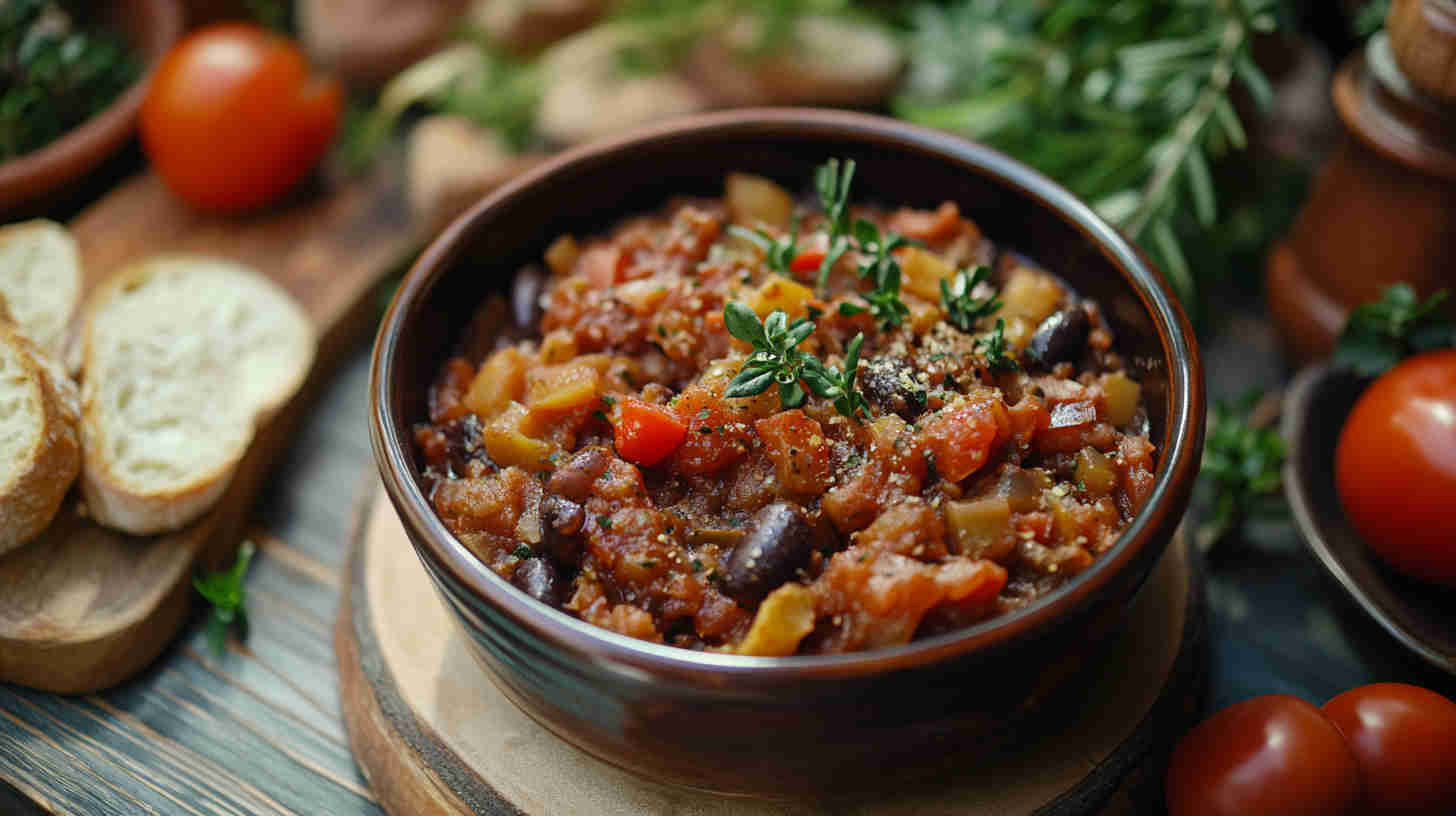
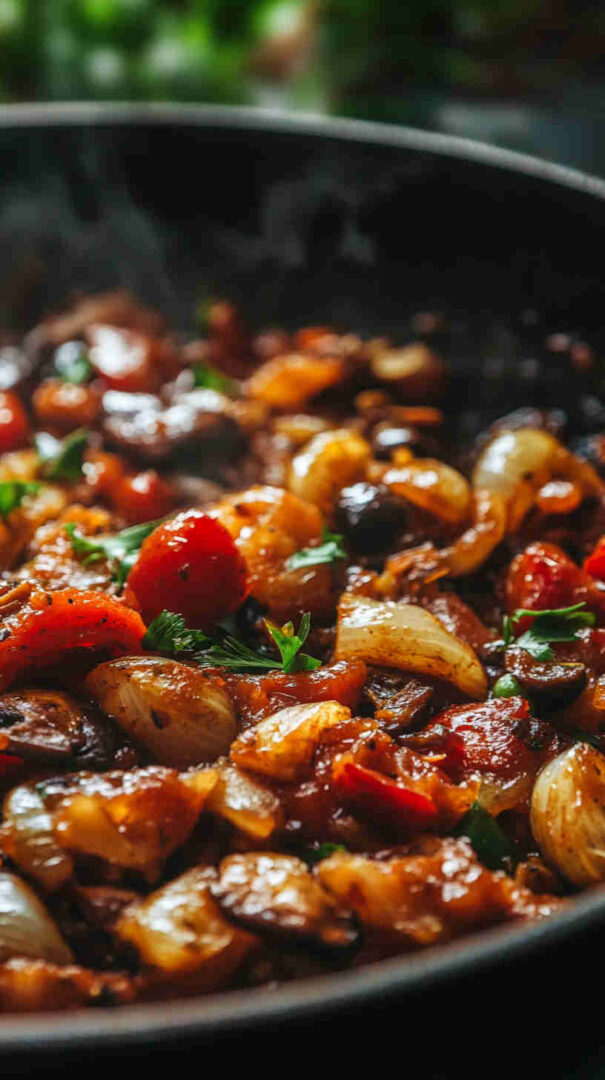
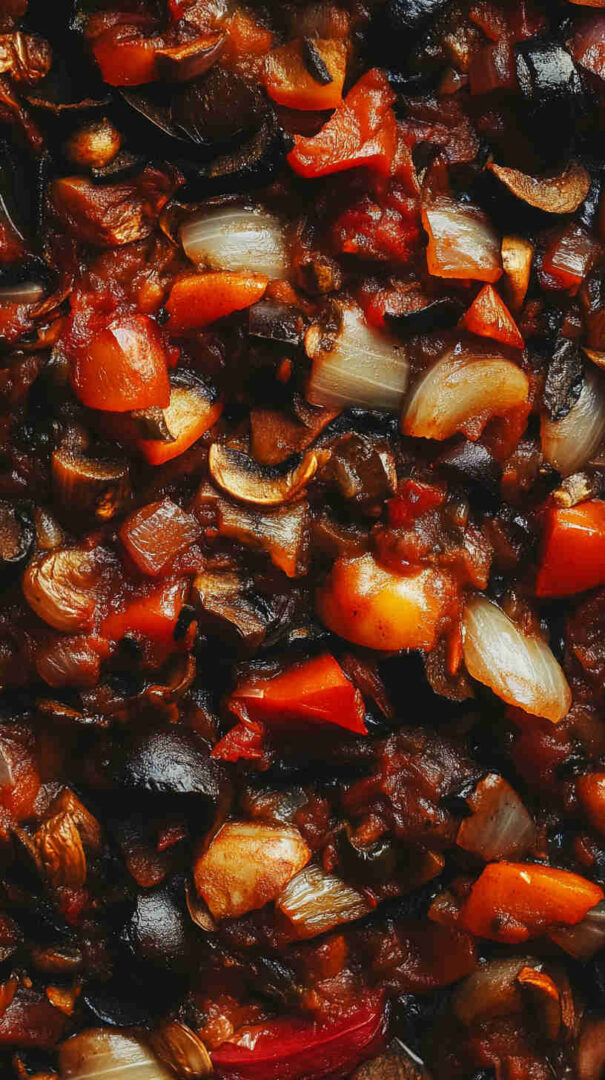
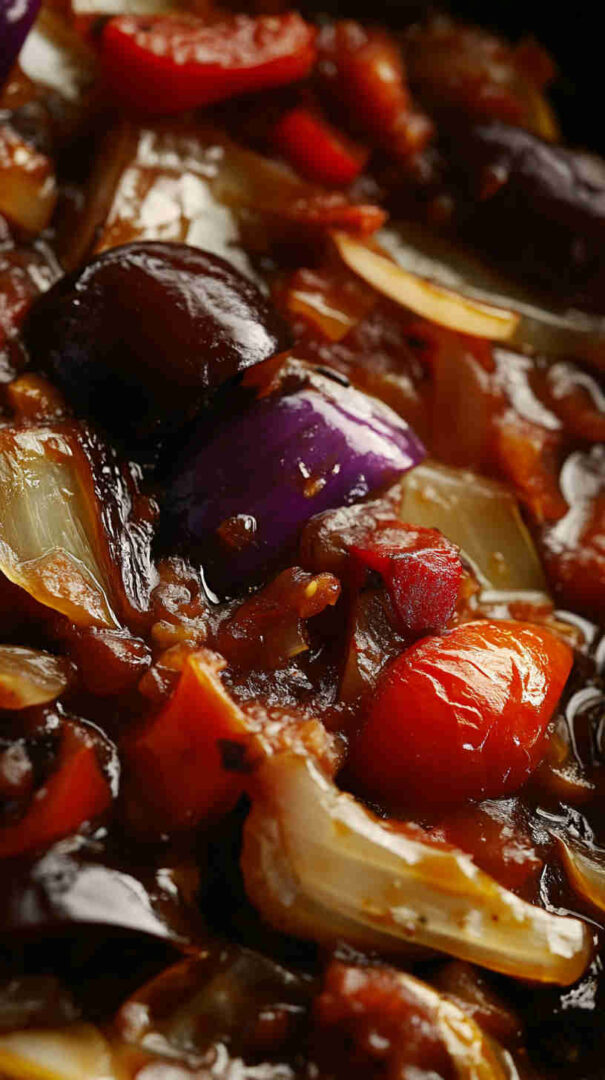


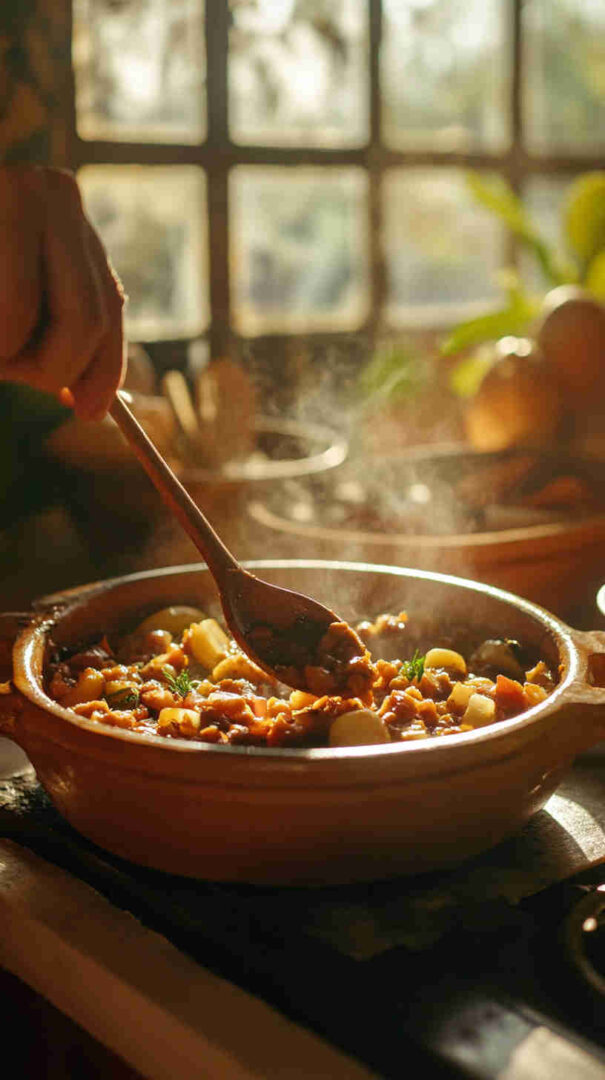

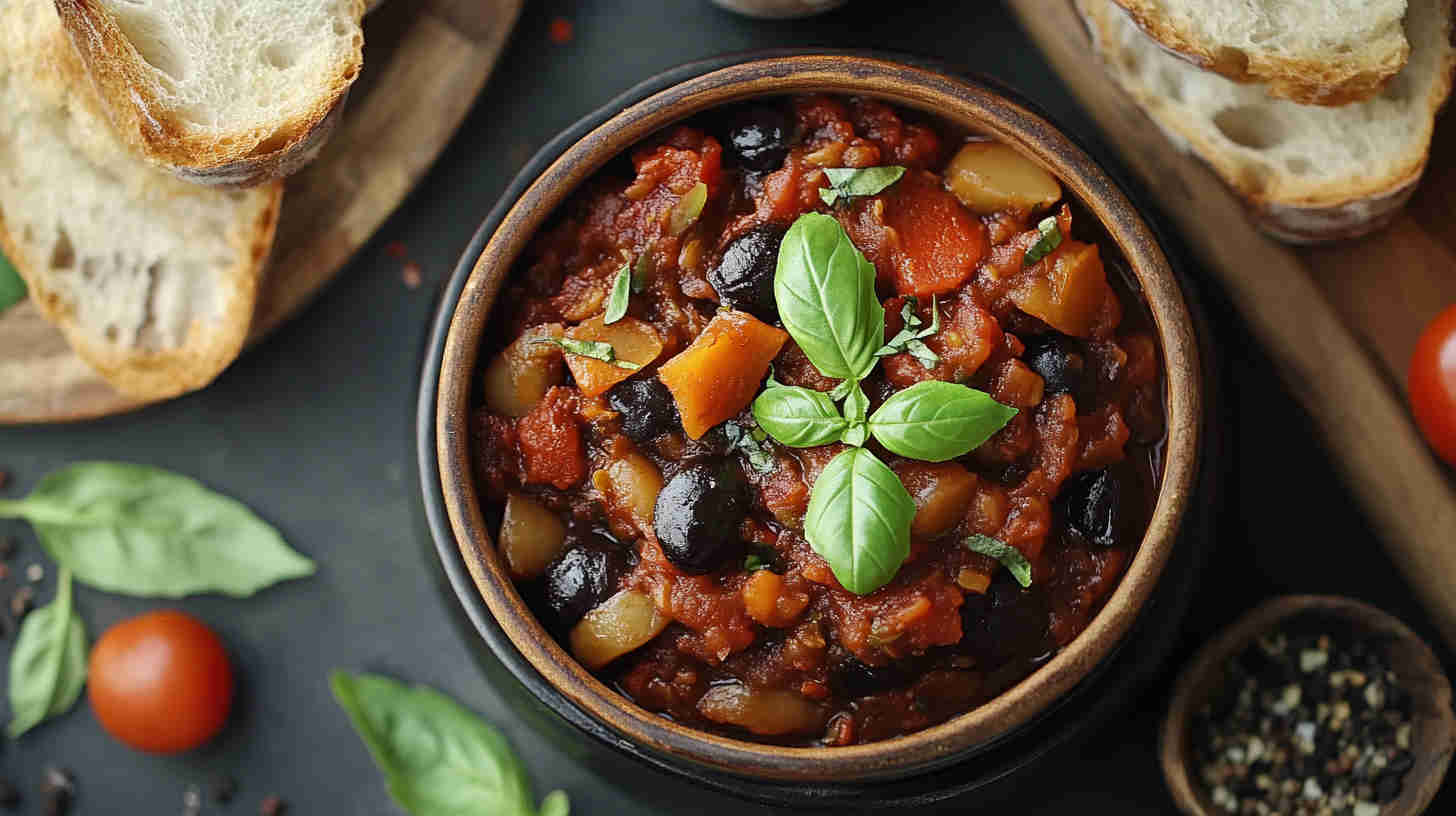
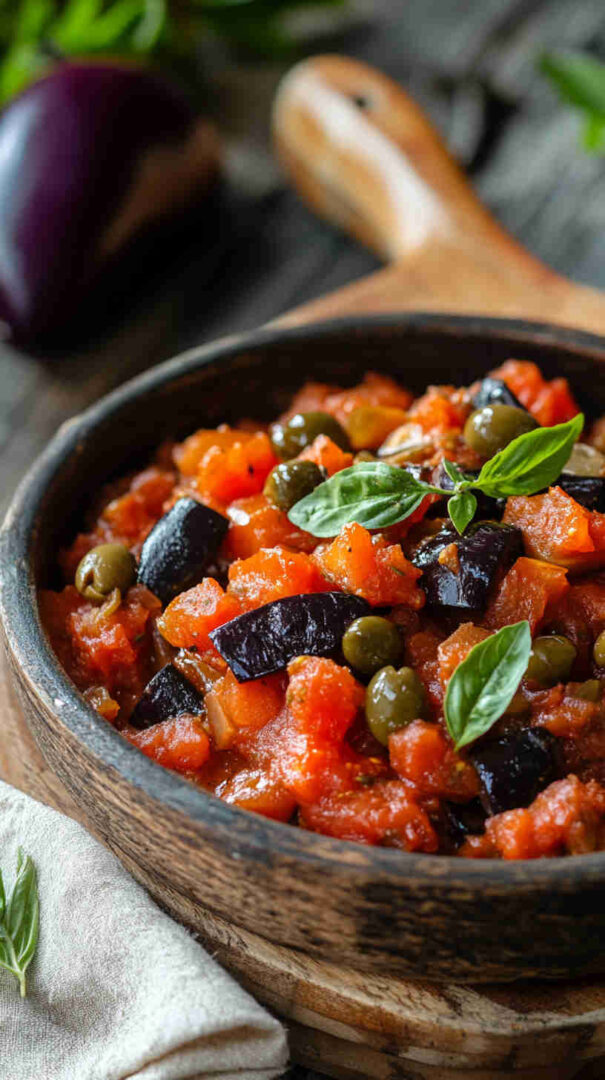
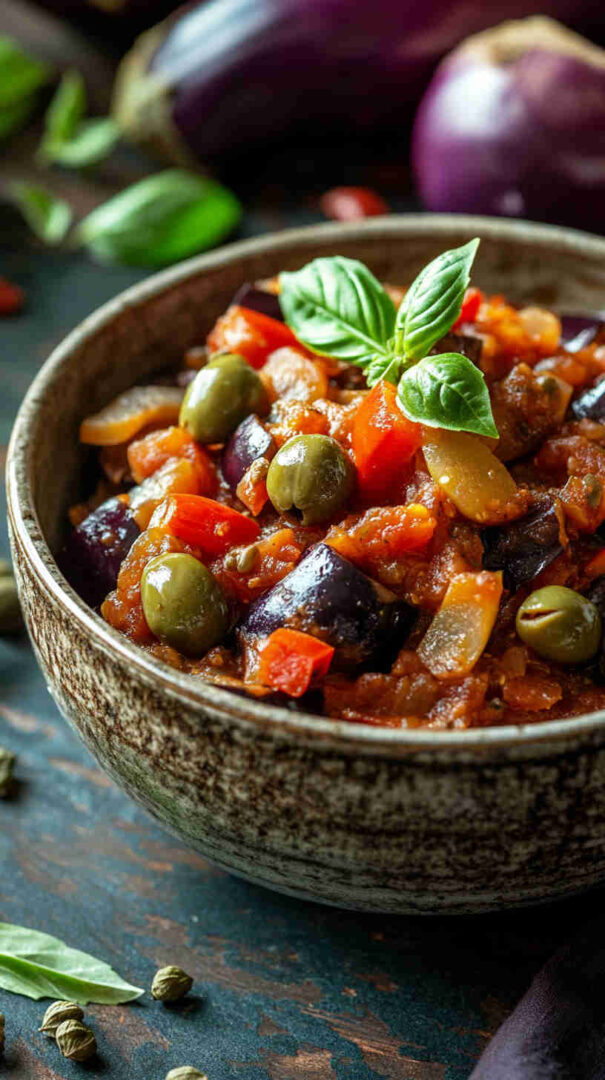
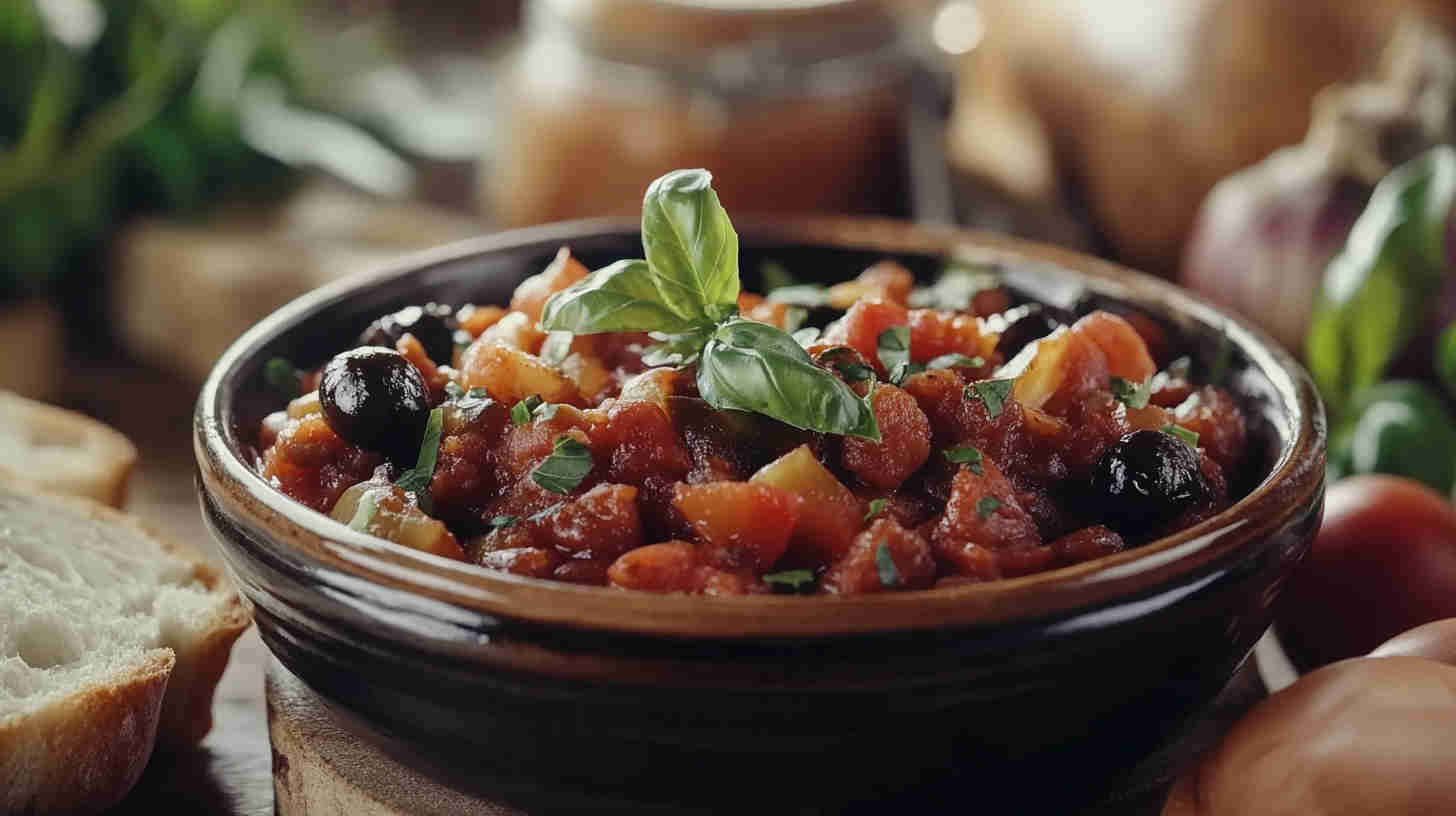
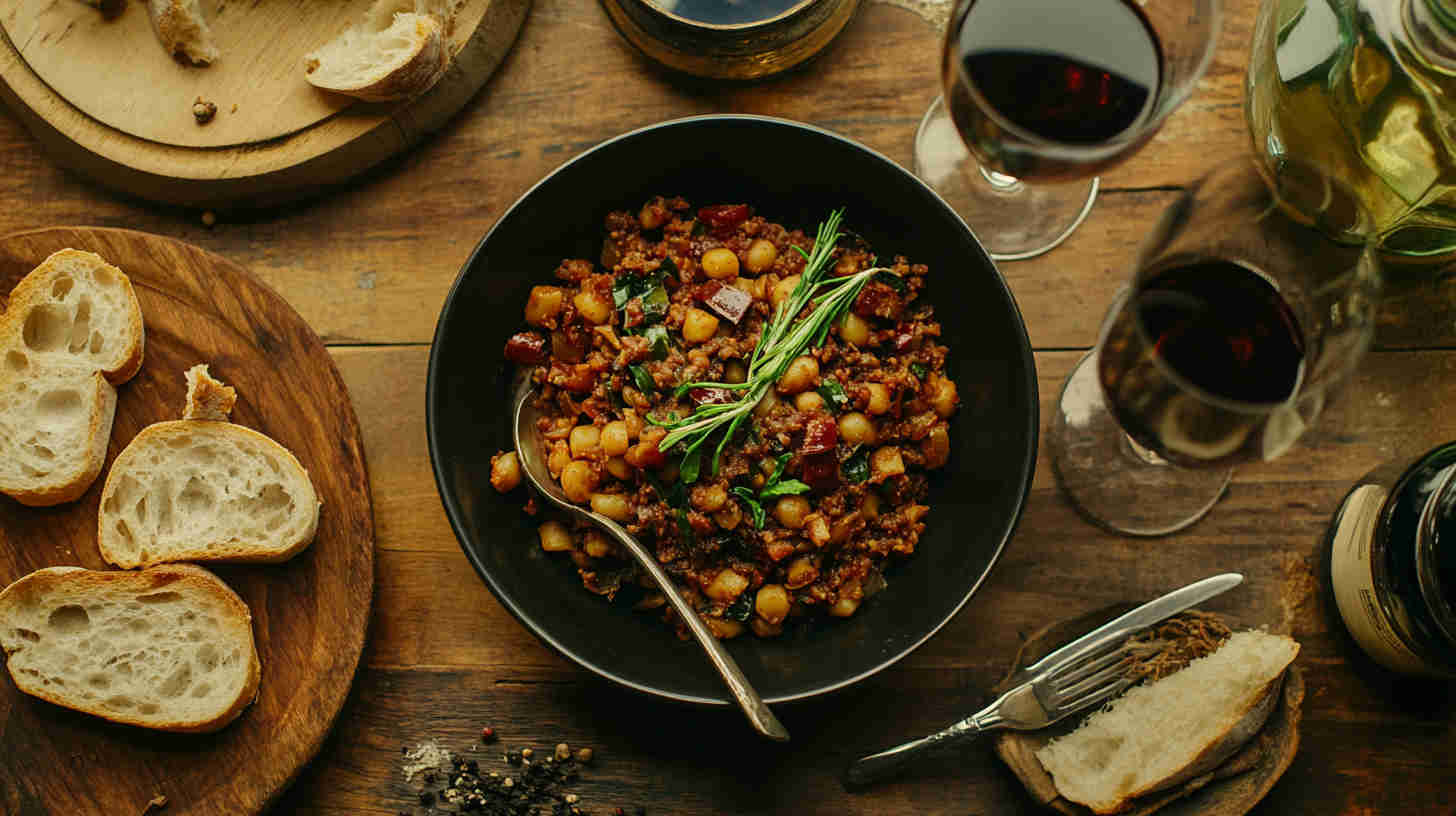
Please share this Sicilian Caponata Recipe with your friends and do a comment below about your feedback.
We will meet you on next article.
Until you can read, Sicilian Arancini Rice Balls Recipe