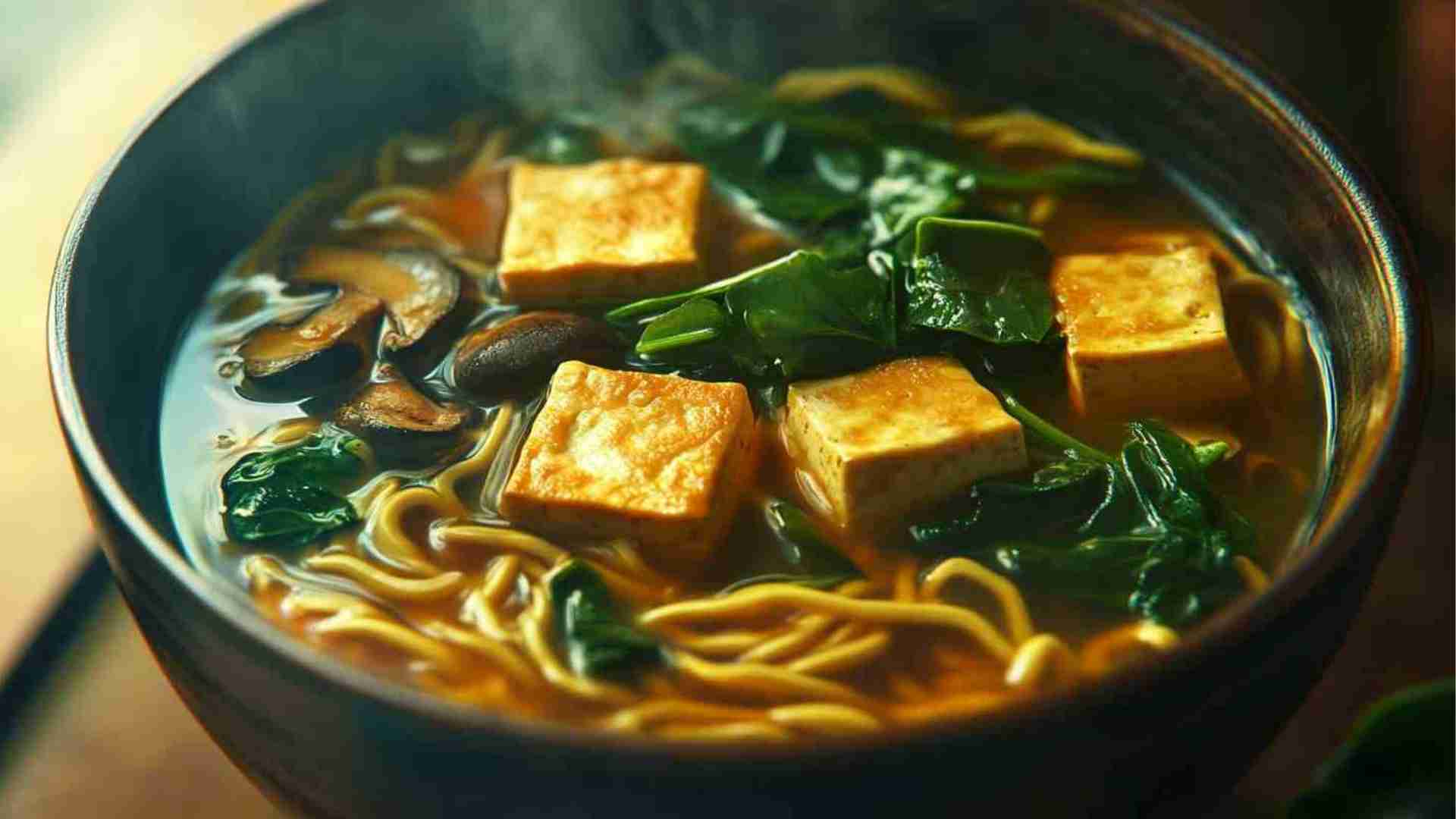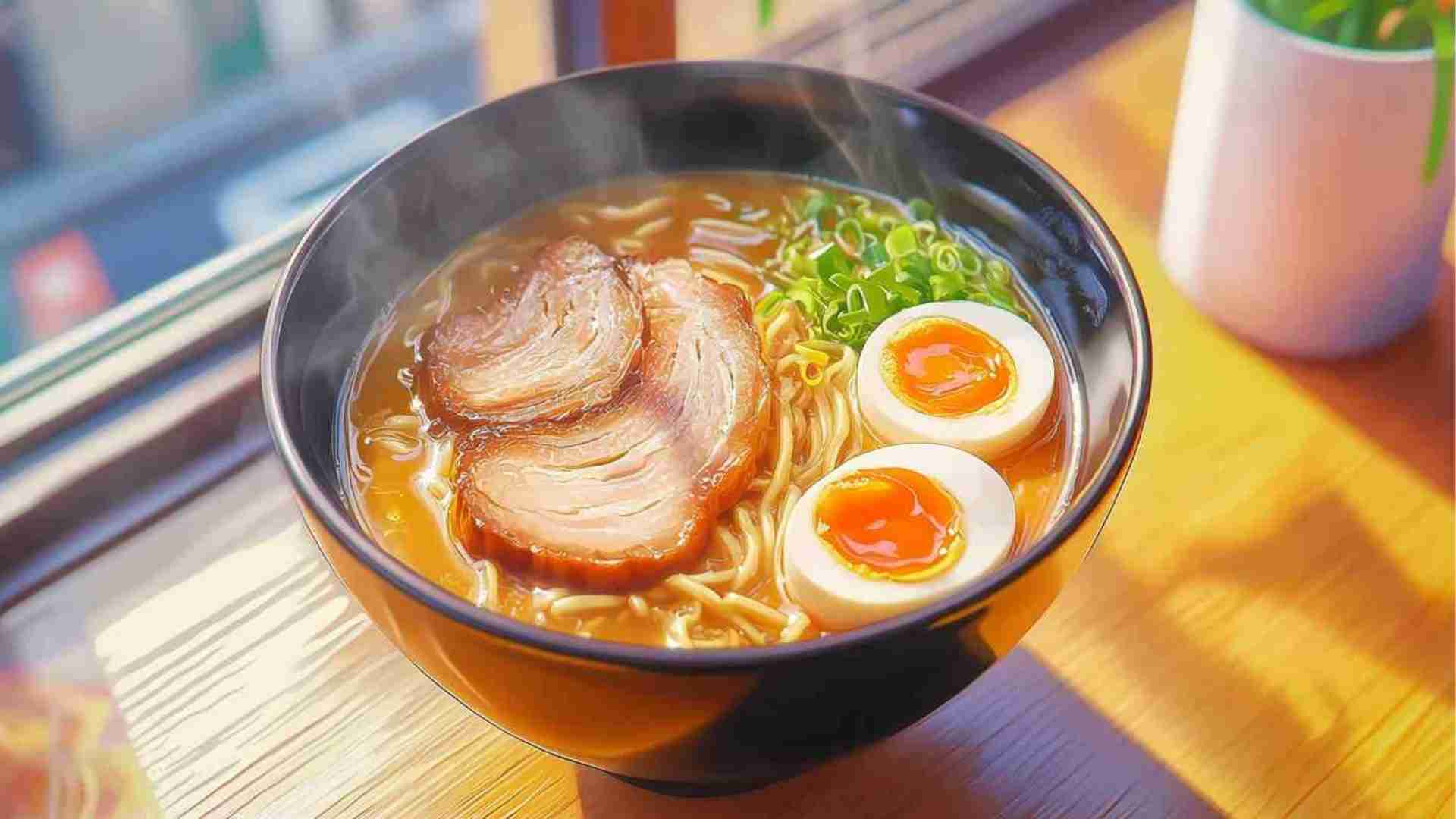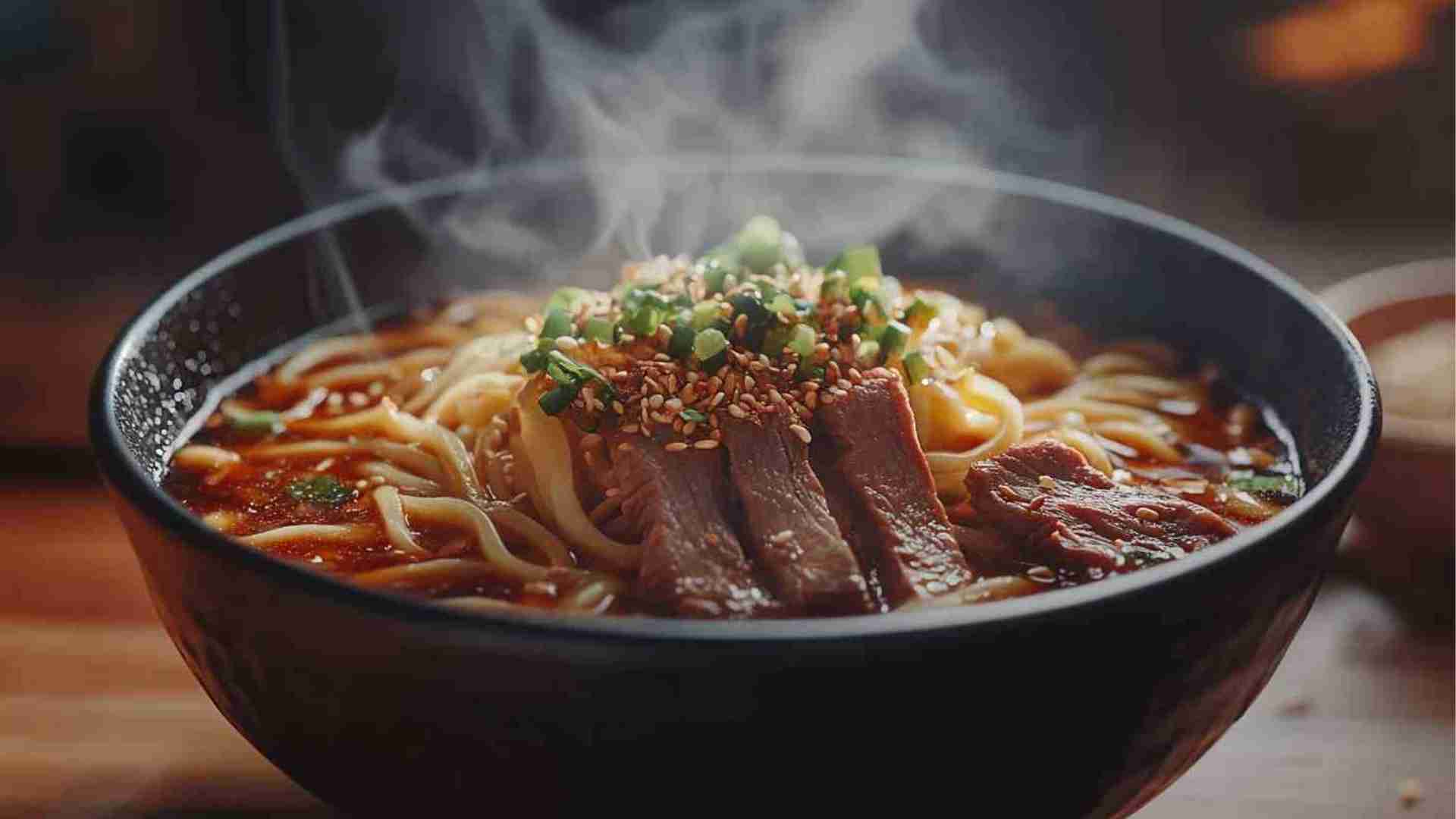
This Udon-Ramen Noodles Fusion with Beef and Miso blends the chewy texture of udon with the rich, umami-packed broth of ramen. Tender beef, earthy miso, and vibrant vegetables create a comforting, flavorful dinner that’s perfect for cozy nights or impressing guests with a unique Asian-inspired dish.
Why You’ll Love This Recipe
This fusion dish is a love letter to noodle enthusiasts, combining the best of Japanese udon and ramen in one bowl. The hearty udon noodles soak up a deeply savory miso-based broth, while succulent beef adds protein and richness. Fresh vegetables like bok choy and shiitake mushrooms bring crunch and earthiness, making every bite a delightful balance of textures and flavors. It’s versatile—customize with your favorite veggies or spice level—and comes together in under an hour, perfect for a weeknight dinner or a weekend treat. Whether you’re a seasoned cook or a beginner, this recipe is approachable yet feels gourmet, offering a restaurant-quality meal at home.
Recipe Tips and Tricks
- Toast the miso: Lightly toasting the miso paste in the pot before adding liquids enhances its umami depth.
- Sear the beef well: A good sear locks in juices and adds a caramelized flavor to the broth.
- Don’t overcook noodles: Cook udon and ramen separately and rinse under cold water to prevent mushiness.
- Taste as you go: Adjust miso and soy sauce gradually to balance saltiness.
- Use a wide pot: This allows even cooking and better broth infusion.
- Prep veggies in advance: Chop all vegetables before starting to streamline the cooking process.
- Add spice strategically: Introduce chili oil or paste early for deeper flavor, or drizzle at the end for brightness.
Udon-Ramen Noodles Fusion with Beef and Miso
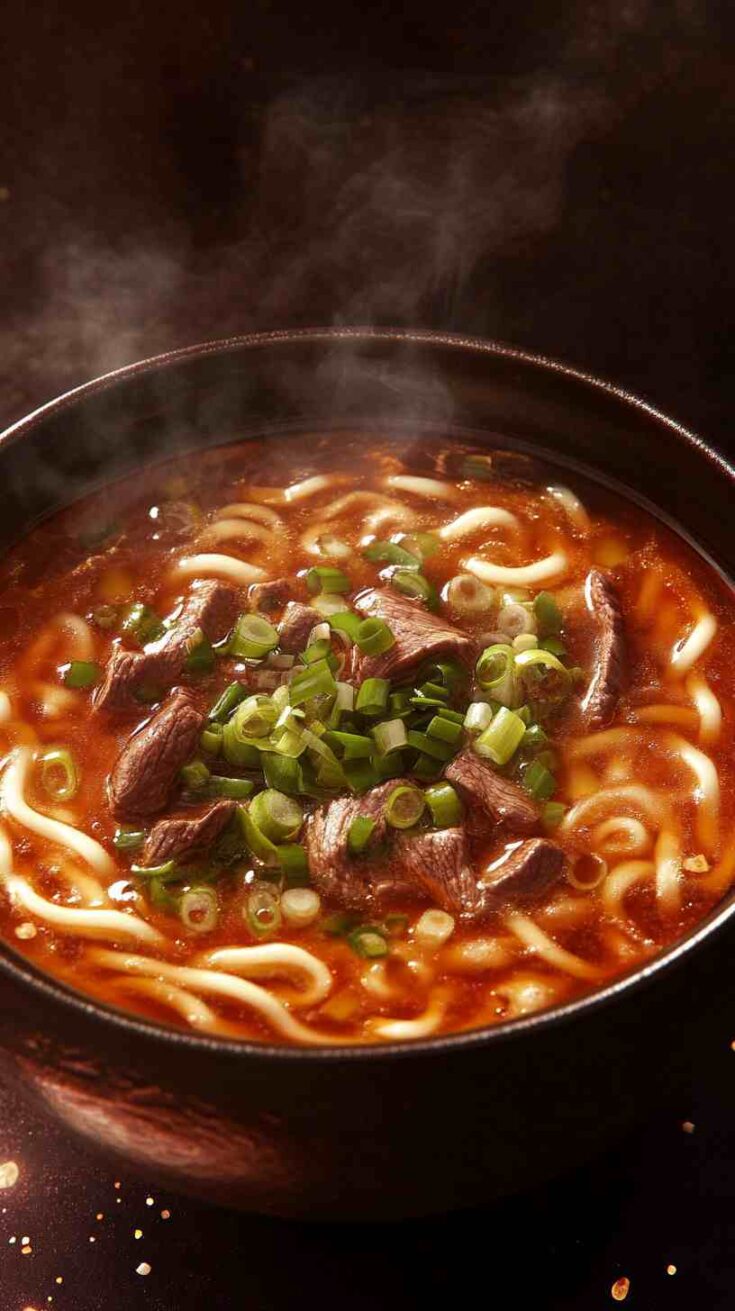
Udon and ramen unite in a savory miso broth with tender beef, shiitakes, and bok choy for a cozy dinner.
Ingredients
- 8 oz udon noodles (fresh or frozen)
- 4 oz ramen noodles (fresh or dried)
- 12 oz beef sirloin, thinly sliced
- 3 tbsp white miso paste
- 1 tbsp red miso paste
- 4 cups beef or chicken broth
- 1 cup water
- 2 tbsp soy sauce (low-sodium)
- 1 tbsp sesame oil
- 1 tbsp vegetable oil
- 4 shiitake mushrooms, sliced
- 2 baby bok choy, halved
- 2 cloves garlic, minced
- 1-inch piece ginger, grated
- 2 green onions, sliced (white and green parts separated)
- 1 tbsp sesame seeds (for garnish)
- Optional: chili oil or paste for heat
Instructions
- Prep the noodles: Cook udon and ramen noodles separately according to package instructions. Drain, rinse with cold water to stop cooking, and set aside. This keeps them chewy and perfect for the broth.
- Sear the beef: Heat vegetable oil in a large pot over medium-high heat. Add thinly sliced beef sirloin, searing for 1–2 minutes per side until browned. Remove and set aside to keep it tender.
- Sauté aromatics: In the same pot, add sesame oil, garlic, ginger, and white parts of green onions. Sauté for 1–2 minutes until fragrant, stirring to avoid burning.
- Toast miso: Add white and red miso pastes to the pot. Stir for 30 seconds to toast, unlocking their rich, umami flavors.
- Build the broth: Pour in broth, water, and soy sauce. Stir to dissolve miso, then bring to a gentle simmer. Let it cook for 10 minutes to meld flavors.
- Add mushrooms: Toss in sliced shiitake mushrooms and simmer for 5 minutes until tender, infusing the broth with earthy depth.
- Cook bok choy: Add halved baby bok choy, cut-side down, and simmer for 2–3 minutes until vibrant and slightly softened.
- Reintroduce beef: Return seared beef to the pot, stirring gently for 1 minute to warm through without overcooking.
- Assemble bowls: Divide cooked udon and ramen noodles among four bowls. Ladle hot broth, beef, mushrooms, and bok choy over the noodles.
- Garnish and serve: Sprinkle with green onion tops, sesame seeds, and a drizzle of chili oil if desired. Serve immediately for a steaming, soul-warming meal.
Notes
- Slice beef against the grain for maximum tenderness.
- Adjust miso quantity to taste, as brands vary in saltiness.
- For extra richness, add a pat of butter to the broth before serving.
- Keep noodles separate until serving to avoid sogginess.
Nutrition Information
Yield
4Serving Size
1Amount Per Serving Calories 1018Total Fat 63gSaturated Fat 22gTrans Fat 1gUnsaturated Fat 34gCholesterol 277mgSodium 1573mgCarbohydrates 21gFiber 3gSugar 3gProtein 89g
The recipes and nutritional information on Yum Tonight are for informational purposes only. Always consult a healthcare provider for personalized dietary advice.
Ingredients Notes
- Udon noodles: Thick, chewy wheat noodles provide a hearty base; fresh or frozen yield the best texture.
- Ramen noodles: Opt for fresh or high-quality dried noodles for authentic flavor; avoid instant packets.
- Beef sirloin: Thinly sliced sirloin offers tenderness and rich flavor; freeze briefly for easier slicing.
- Miso paste: White miso is milder and sweeter, while red miso adds boldness—use a mix for complexity.
- Shiitake mushrooms: Their meaty texture and umami enhance the broth; dried shiitakes work if rehydrated.
- Bok choy: Adds crunch and subtle bitterness; baby bok choy is tender and cooks quickly.
- Soy sauce: Low-sodium soy sauce allows better control over the dish’s saltiness.
- Ginger and garlic: Freshly grated or minced versions elevate the broth’s warmth and aroma.
- Sesame oil: A small drizzle adds nutty richness; toasted sesame oil amplifies flavor.
- Green onions: Used for garnish and broth, they bring a fresh, sharp contrast.
Variations and Substitutions
For a vegetarian version, swap beef for tofu or seitan, and use vegetable broth instead of beef or chicken stock. If miso paste is unavailable, try soybean paste or tahini with extra soy sauce for umami. Swap shiitake for cremini or oyster mushrooms for a different earthy note. For gluten-free, use rice noodles or gluten-free udon and tamari instead of soy sauce. Add spice with sriracha, gochujang, or fresh chilies. For a lighter dish, reduce noodles and increase veggies like spinach or zucchini. Experiment with proteins like chicken, shrimp, or pork for variety, or add a soft-boiled egg for classic ramen flair.
Storage Options
Store leftover broth and noodles separately in airtight containers in the refrigerator for up to 3 days to maintain noodle texture. Reheat broth gently on the stovetop, adding fresh noodles or reheating them briefly in boiling water. Freeze broth (without noodles) for up to 2 months; thaw overnight in the fridge before reheating. Avoid freezing cooked noodles, as they become mushy. Garnish with fresh green onions and sesame seeds after reheating for a vibrant finish.
Dish Gallery
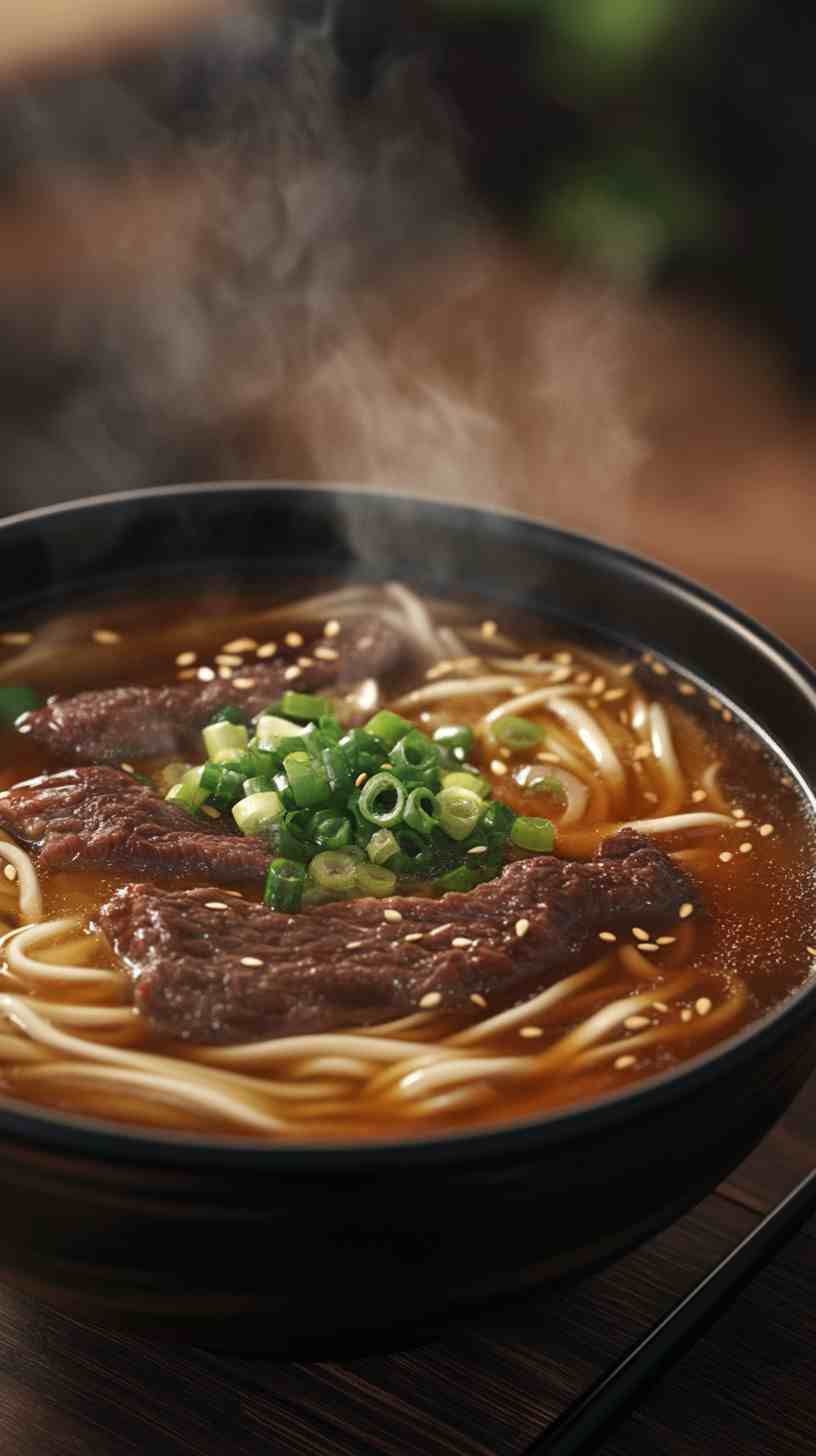
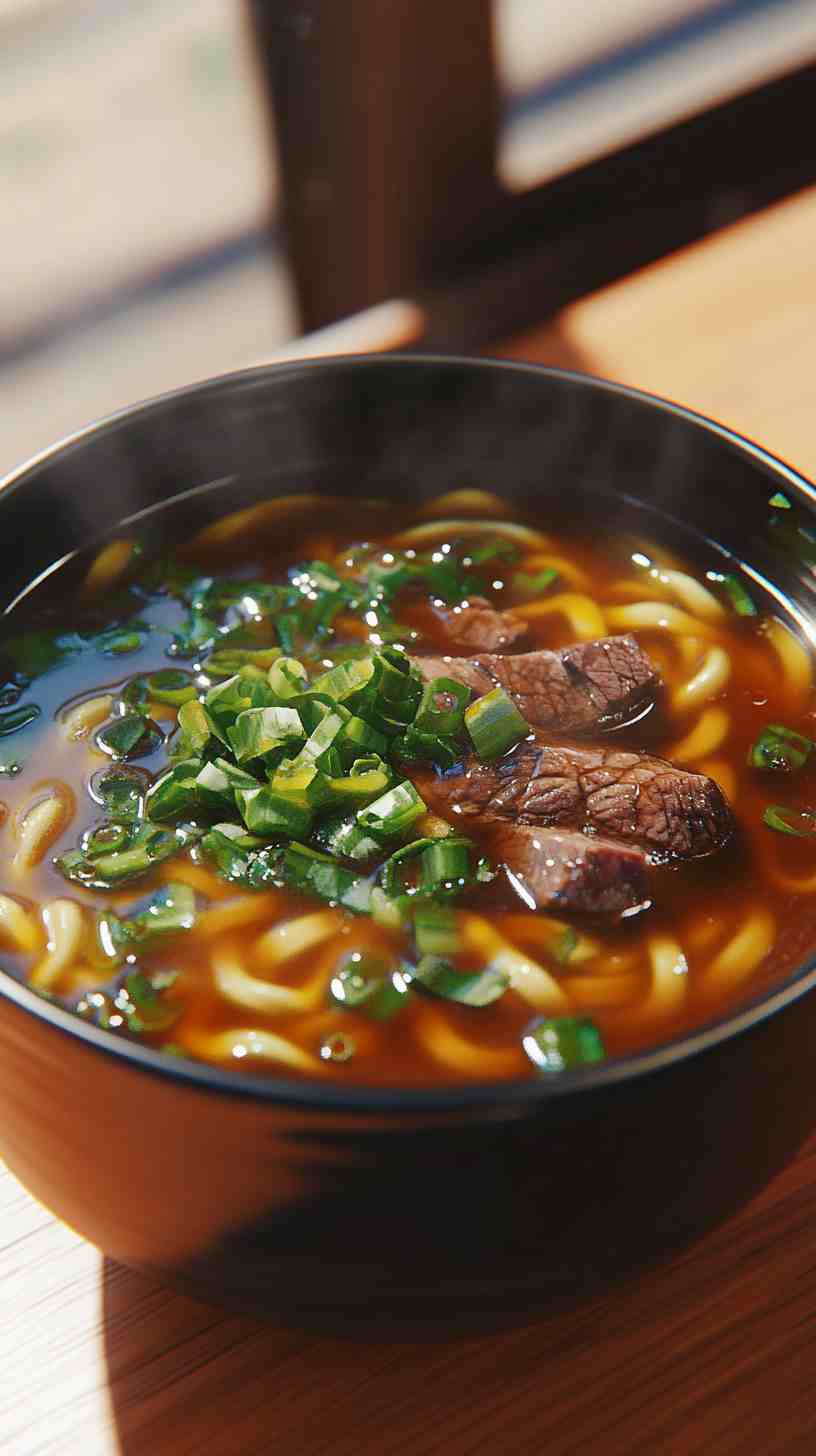
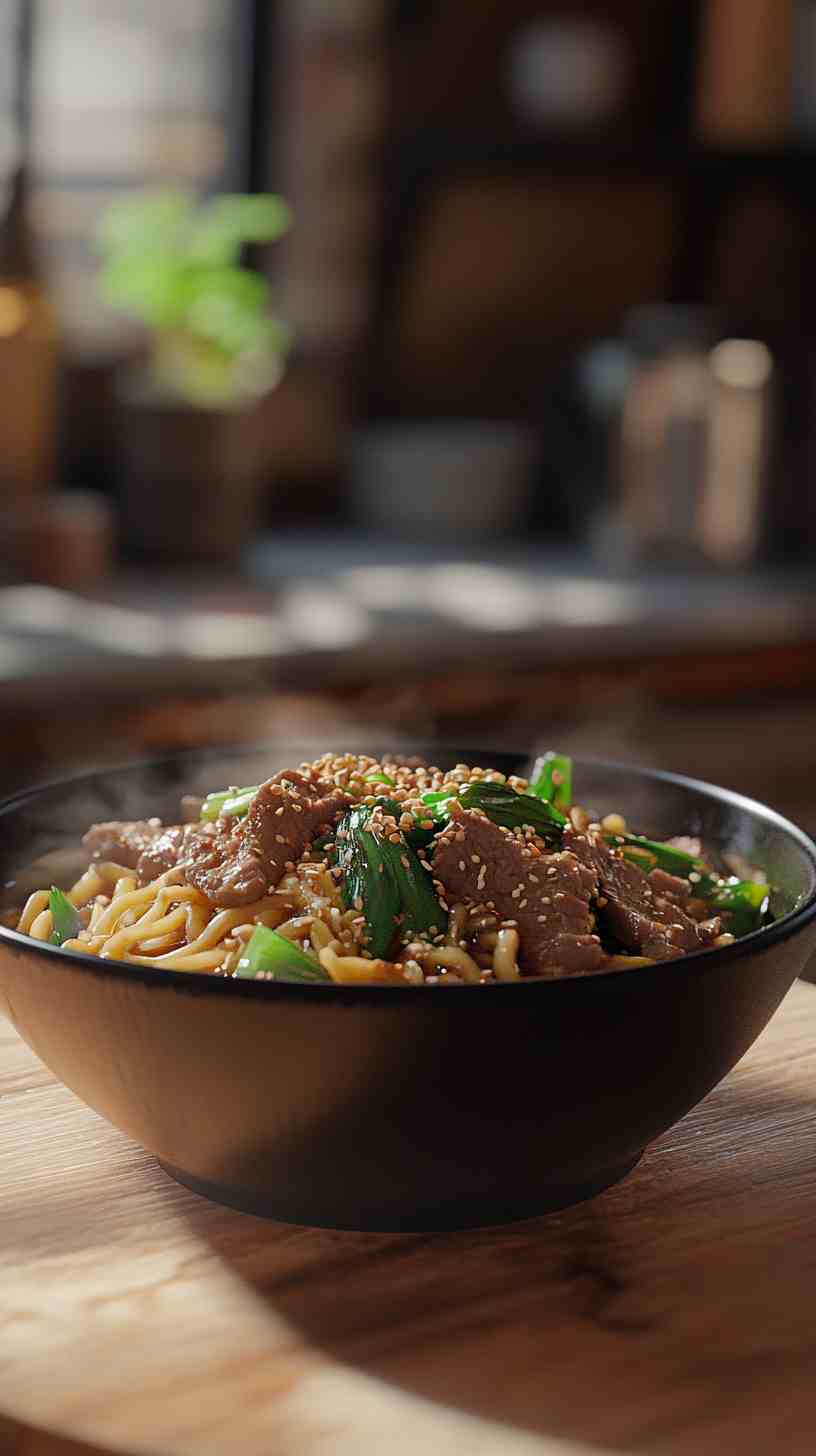
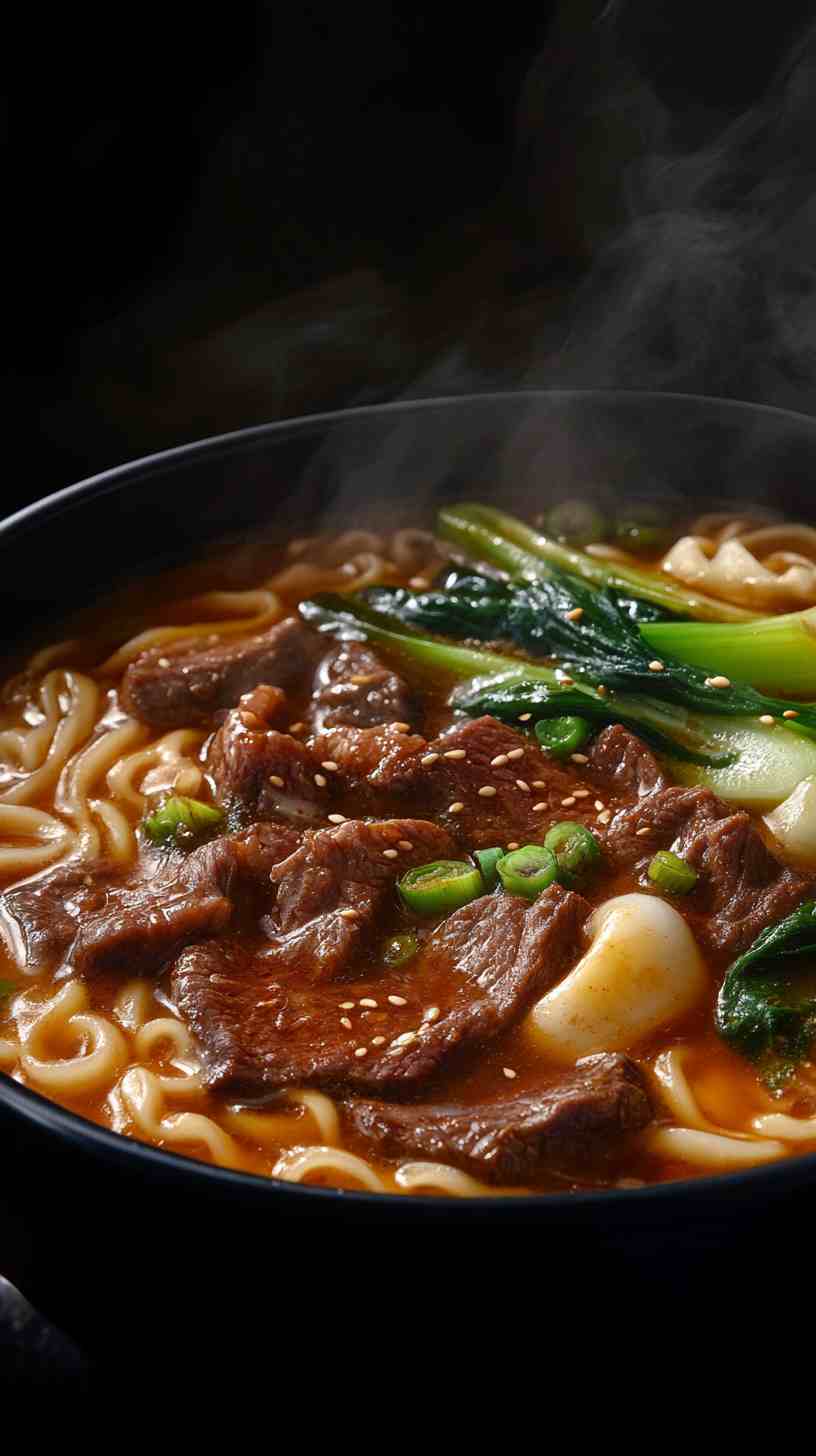
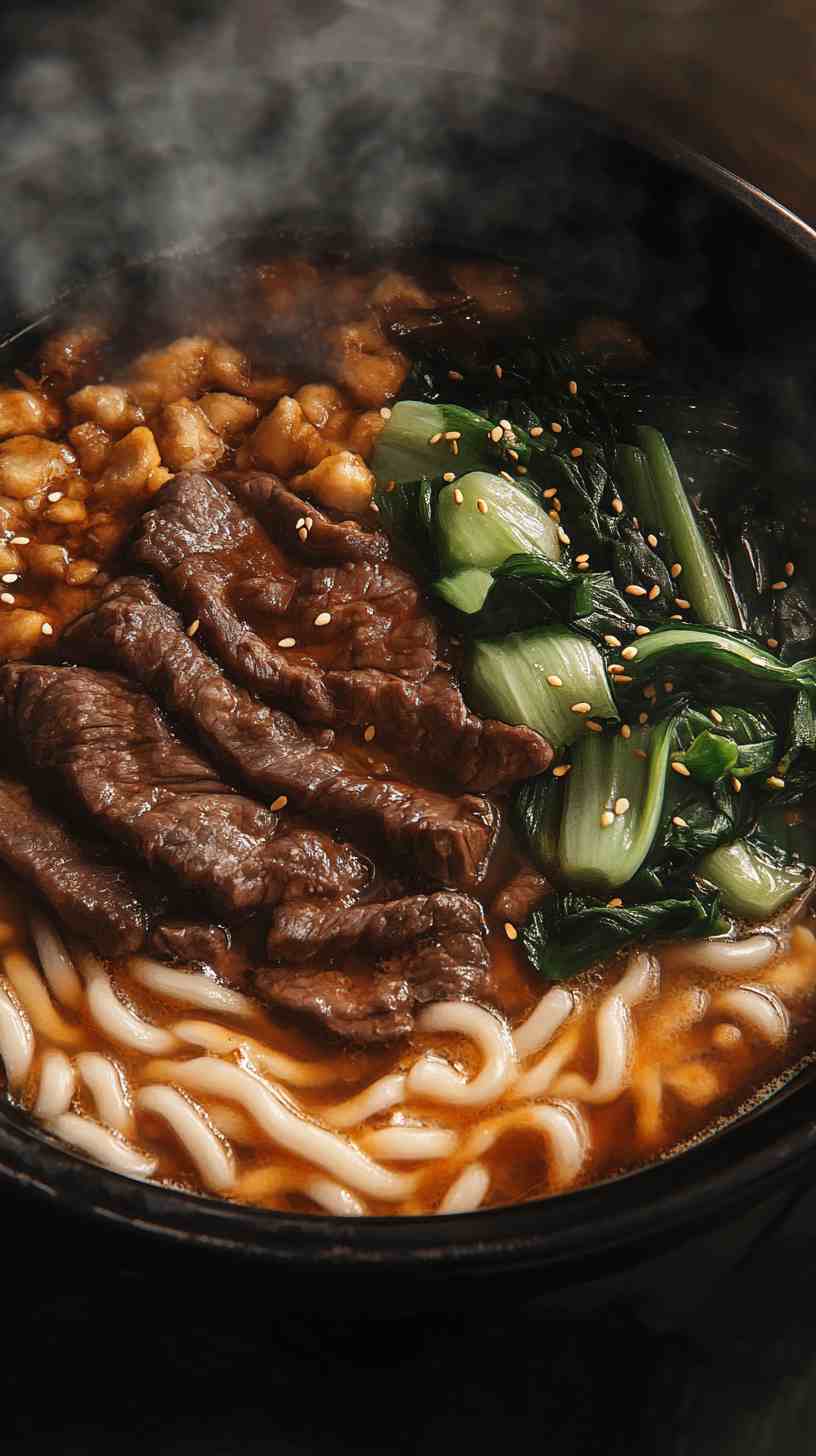
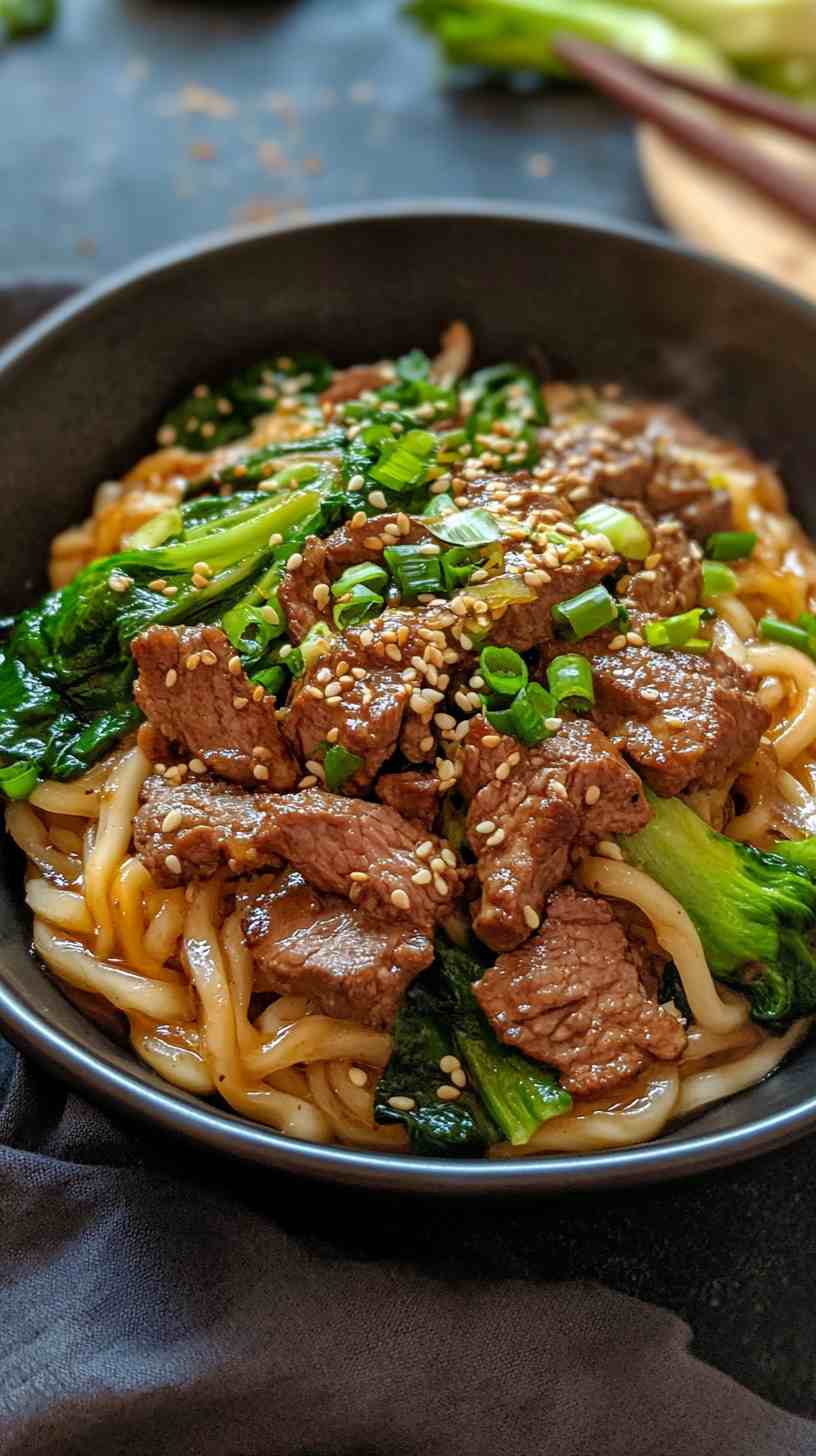
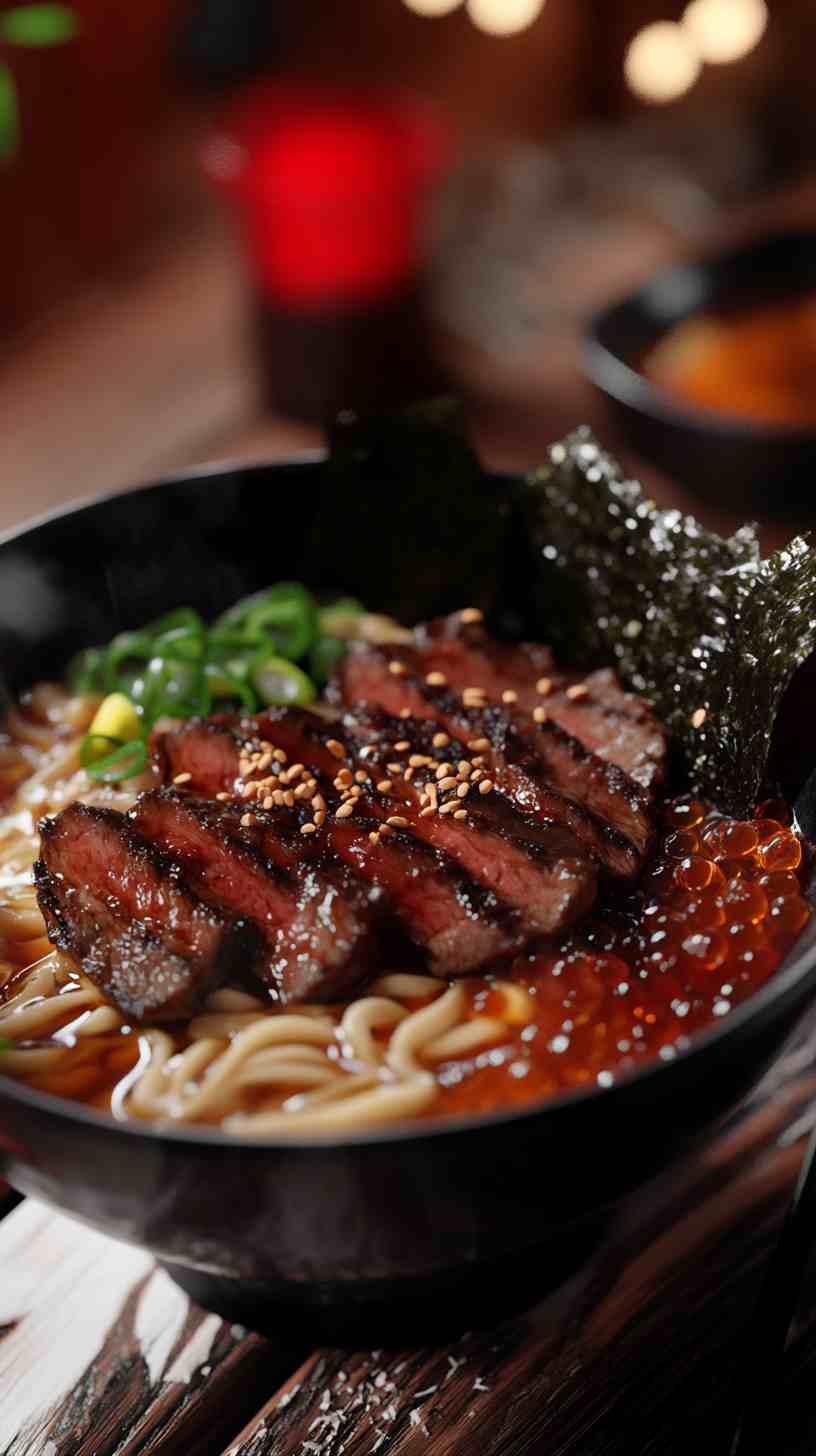
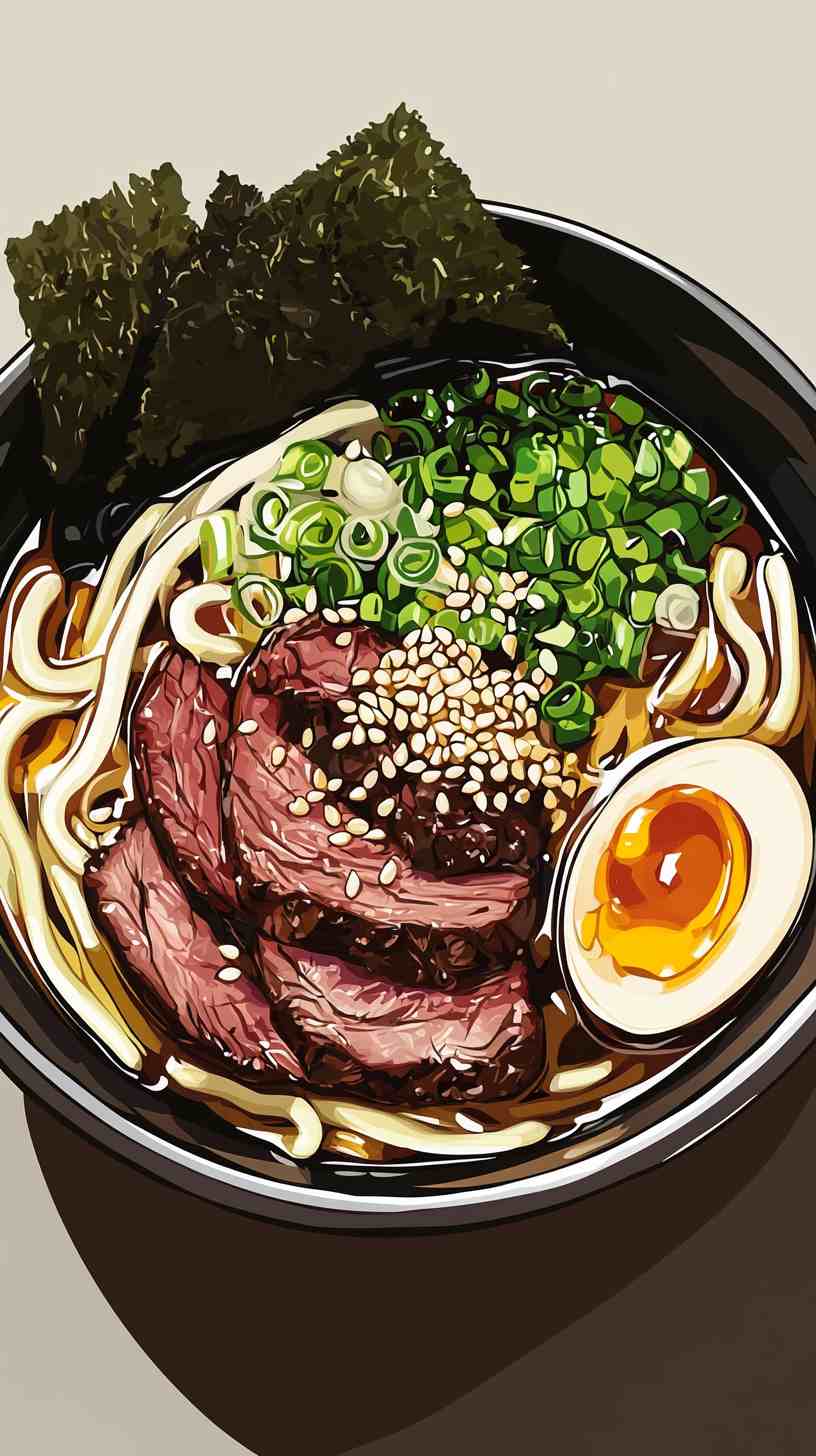
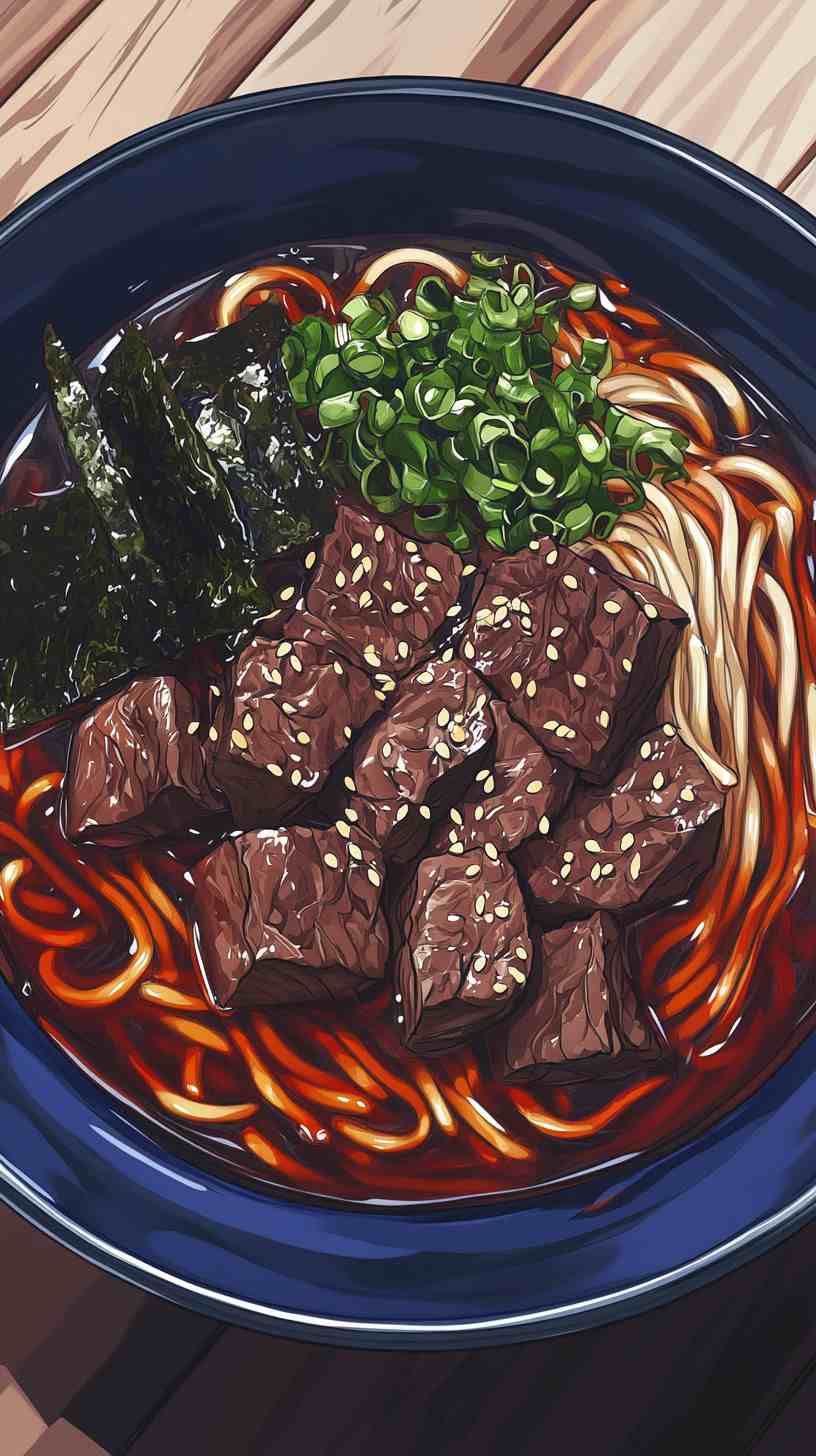
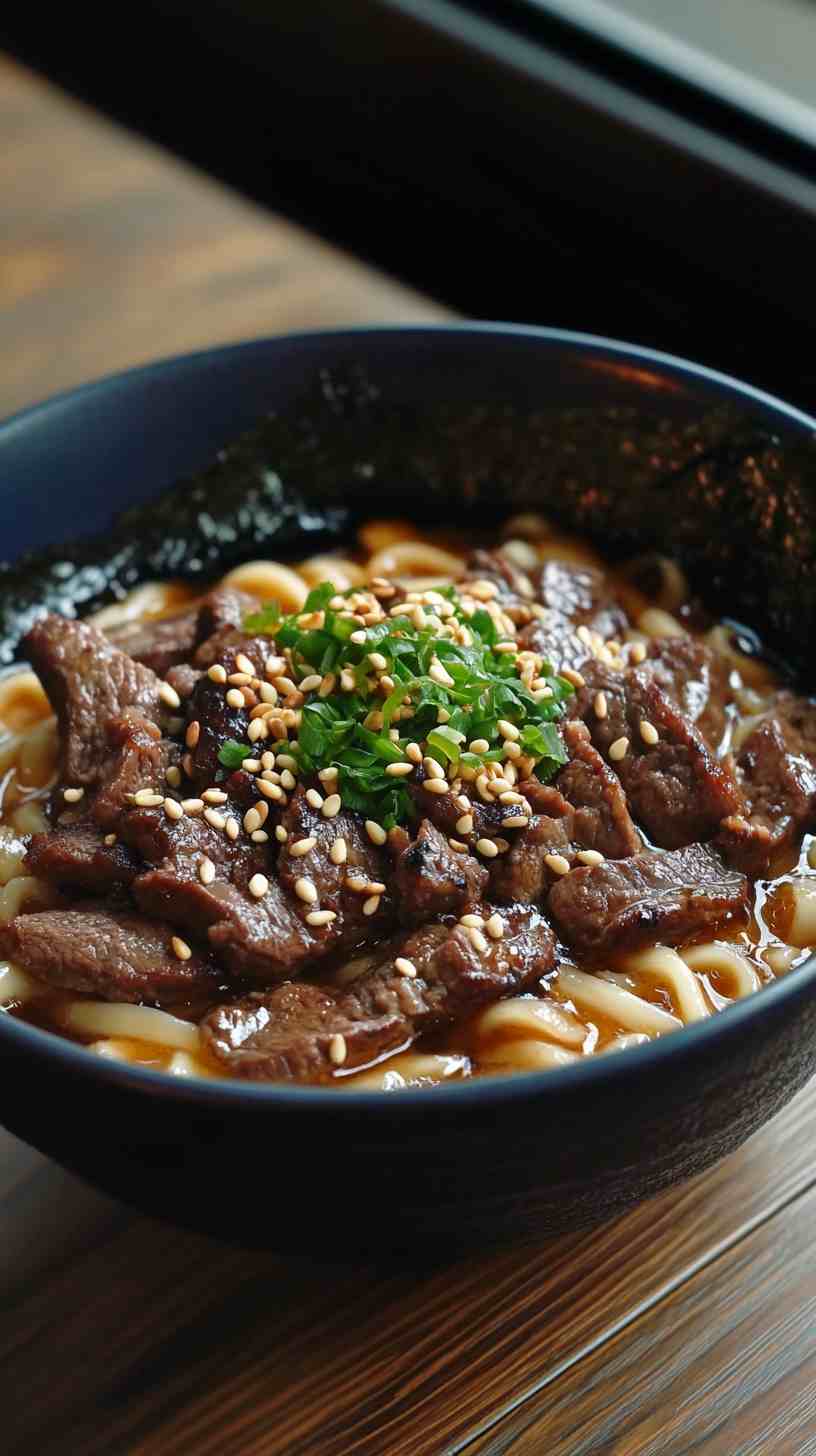
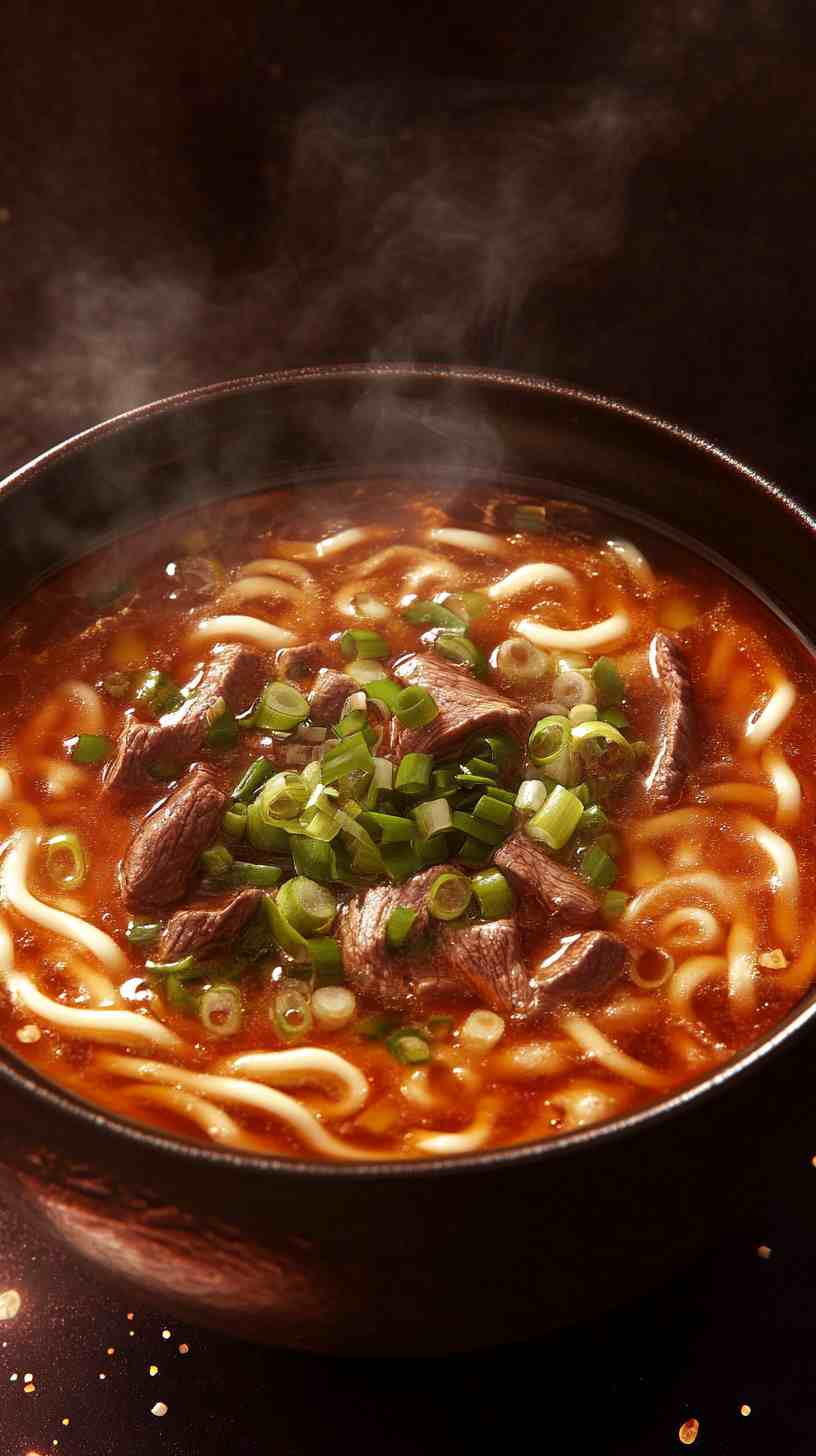
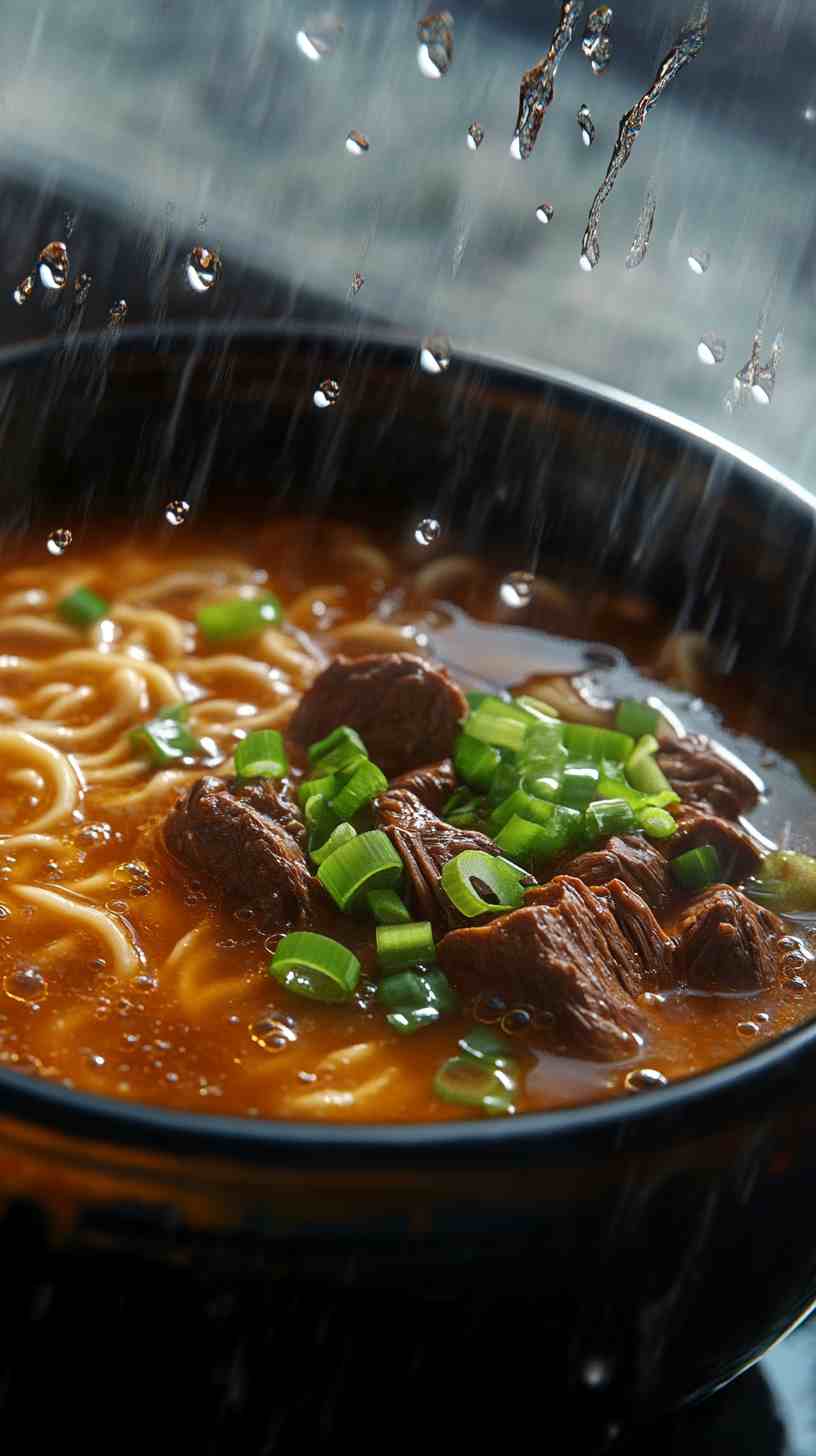
Please share these Udon-Ramen Noodles Fusion with Beef and Miso with your friends and do a comment below about your feedback.
We will meet you on next article.
Until you can read, Tonkotsu Ramen Noodles with Chashu and Bamboo Shoots