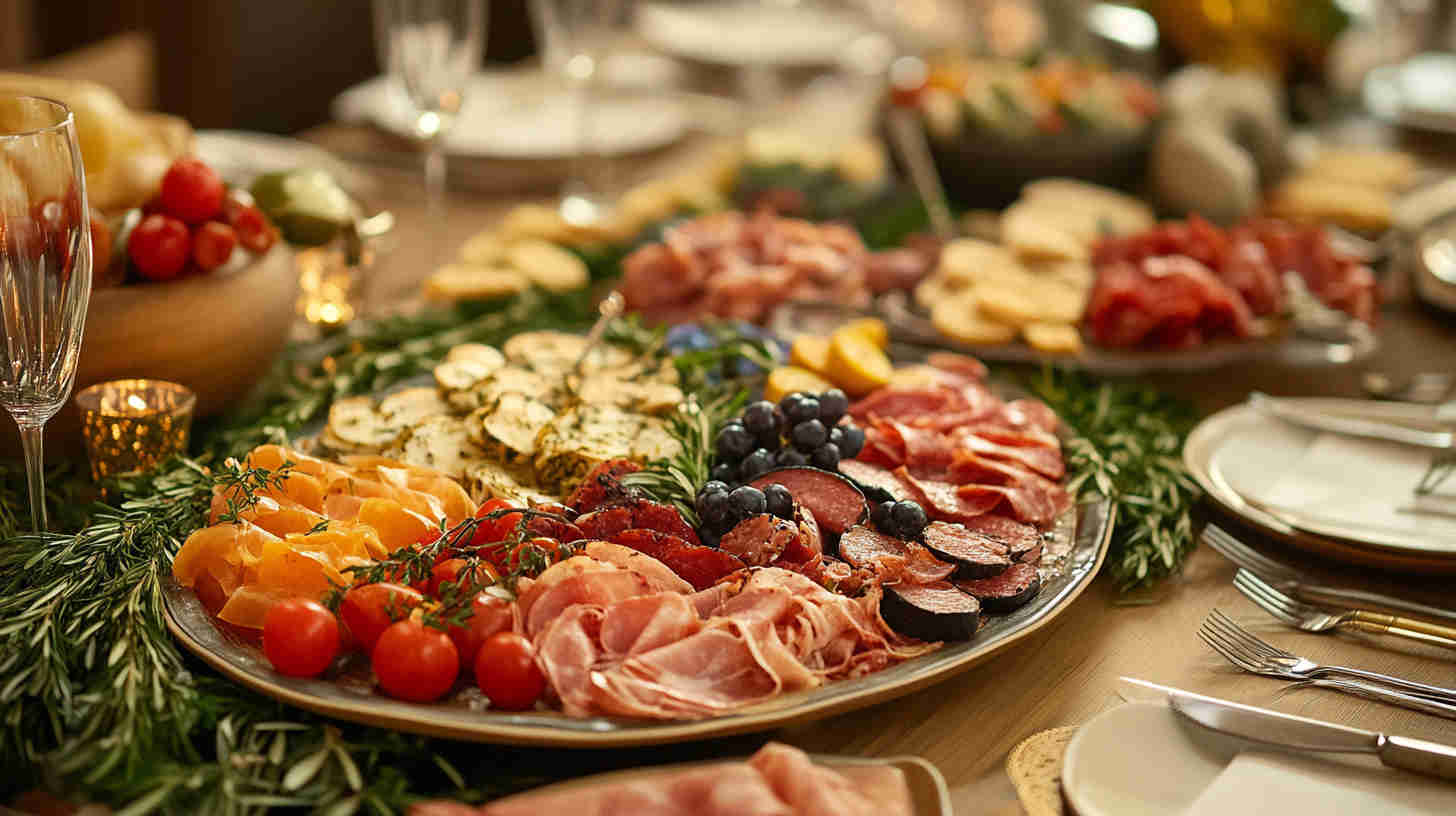
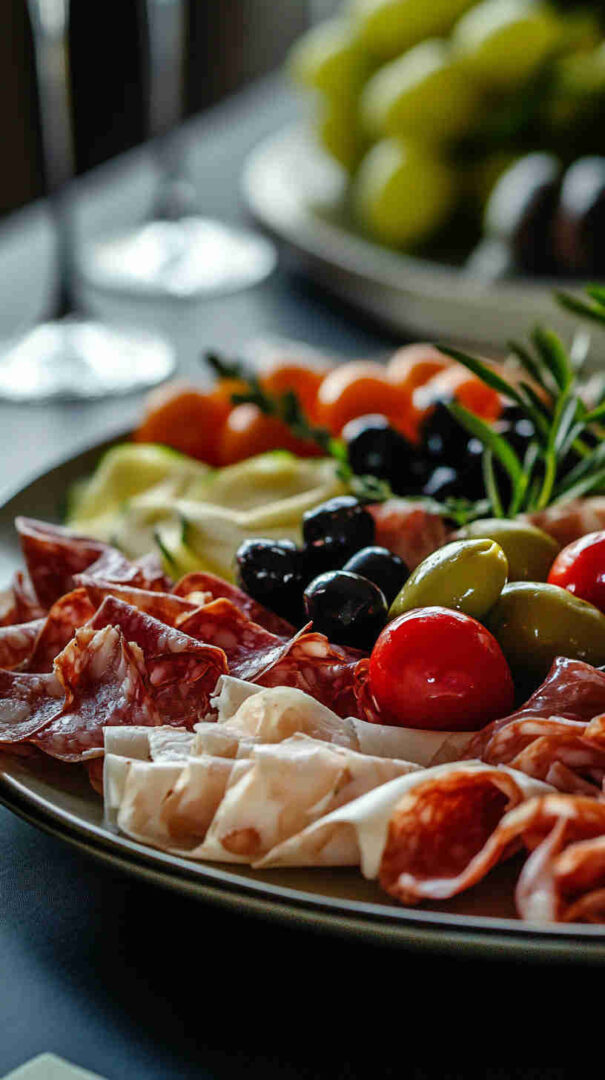
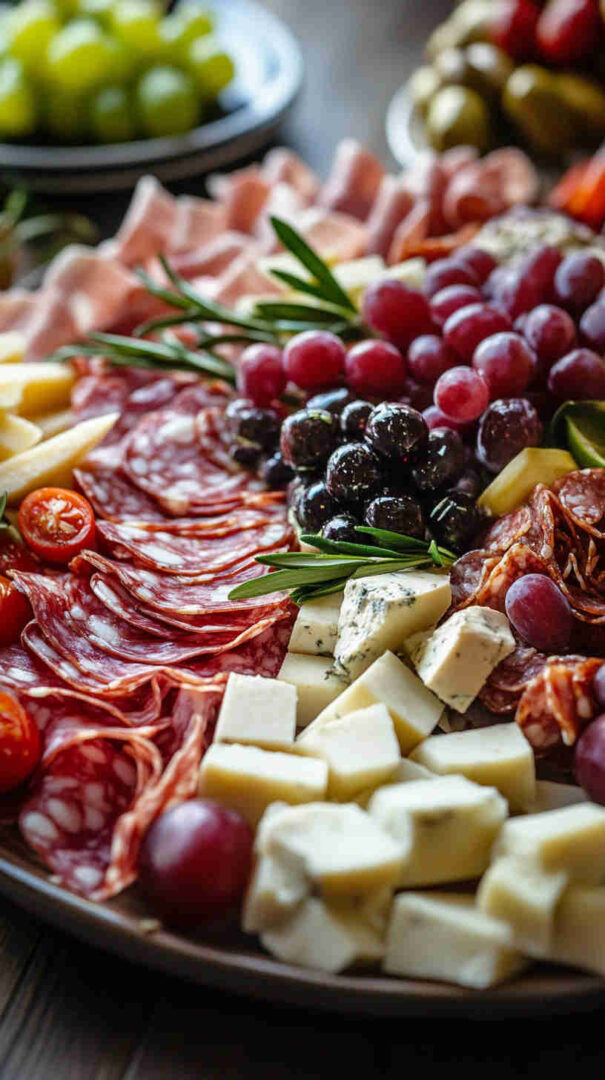
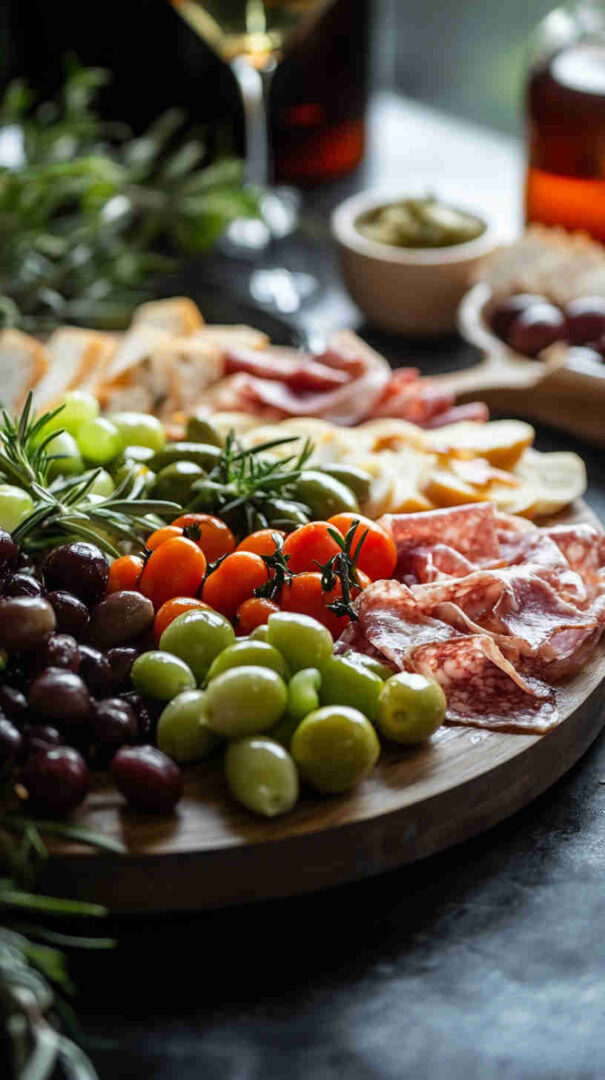
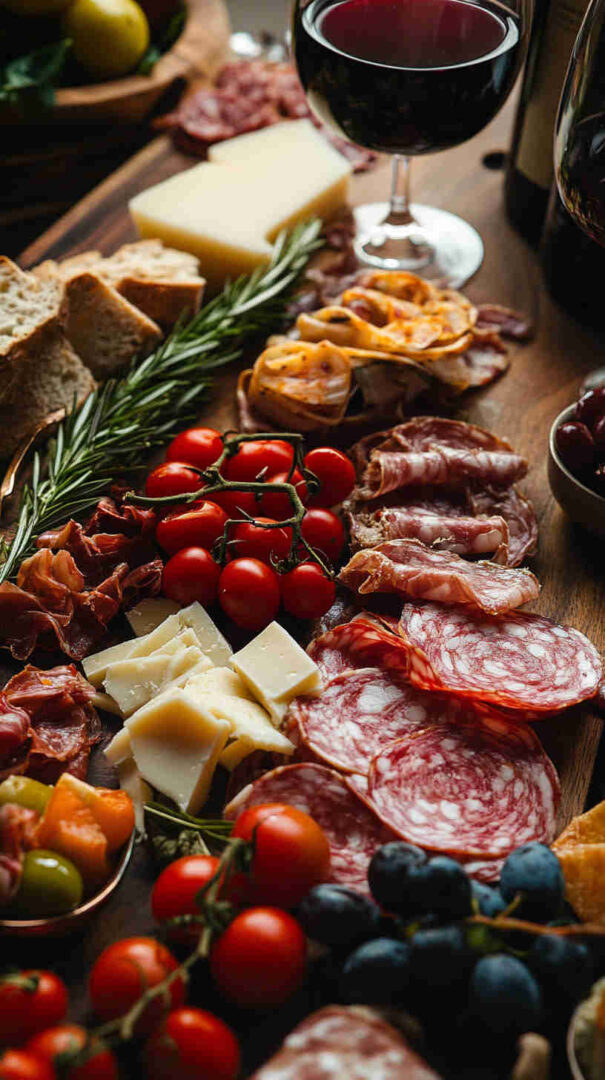
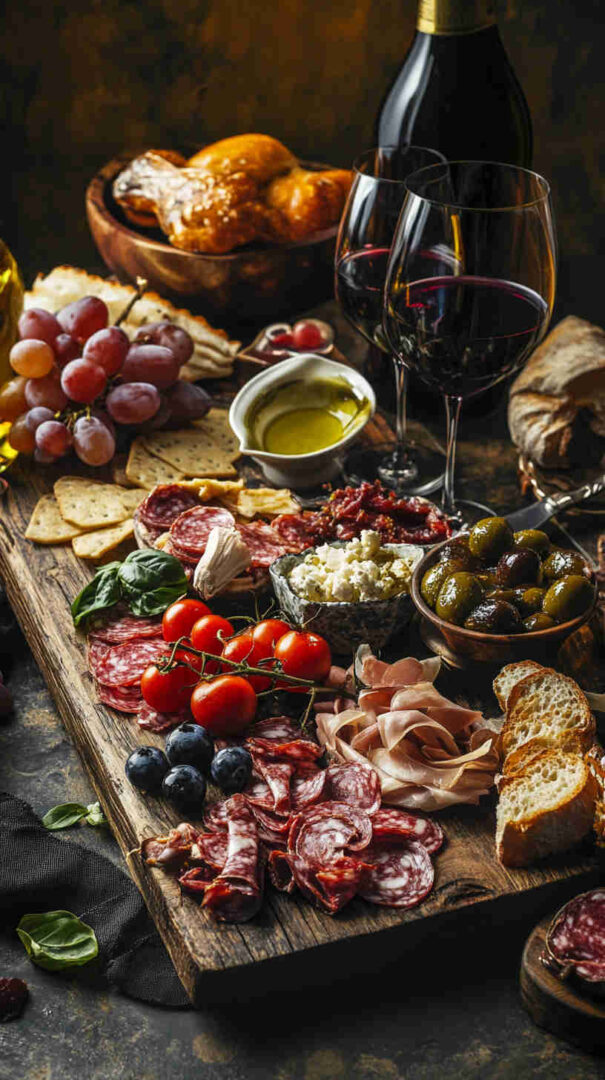
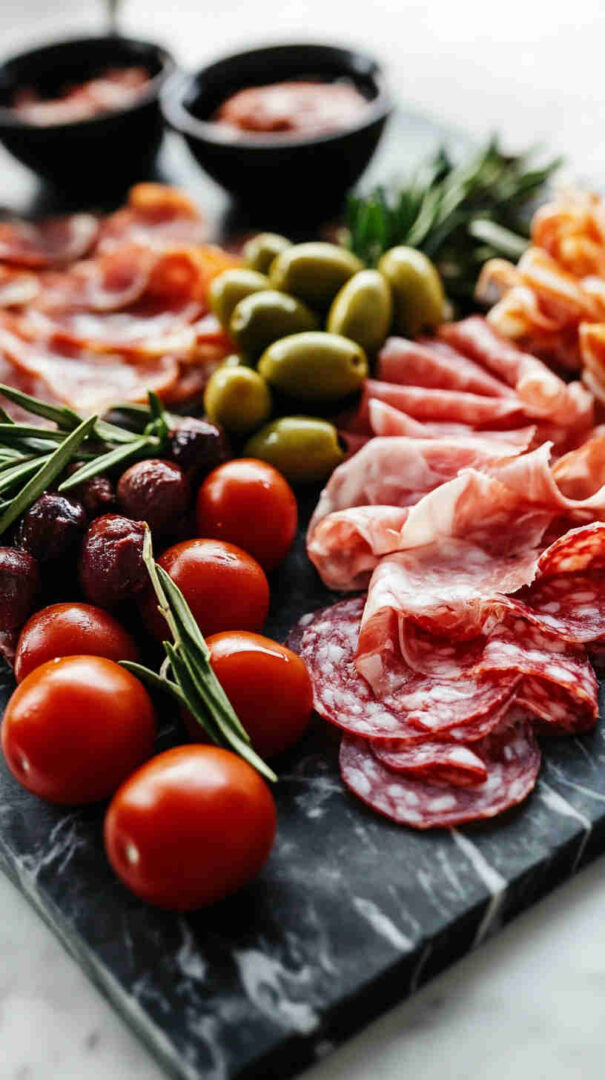
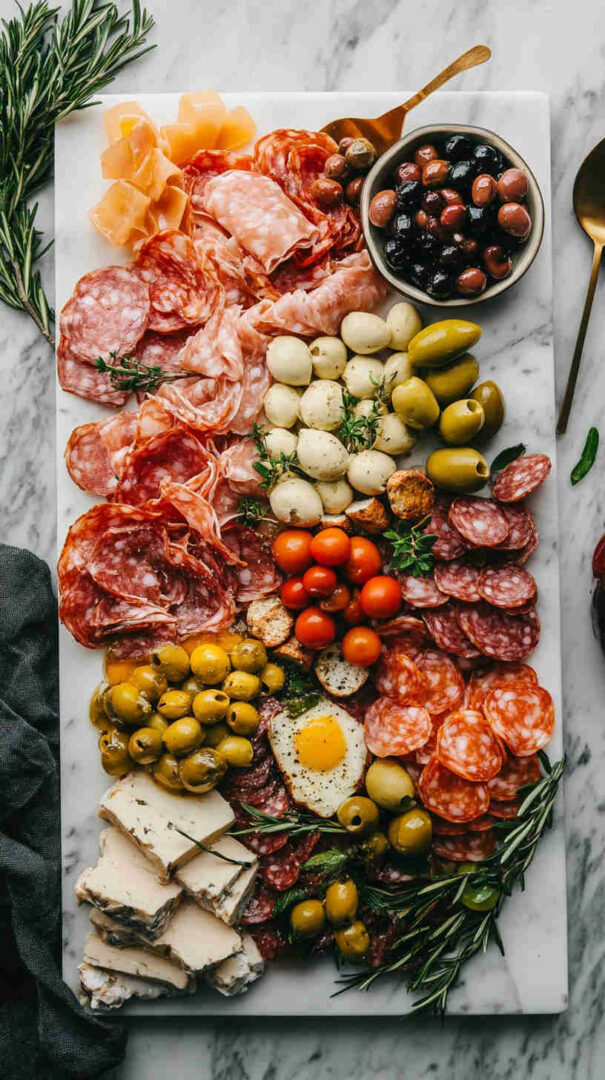
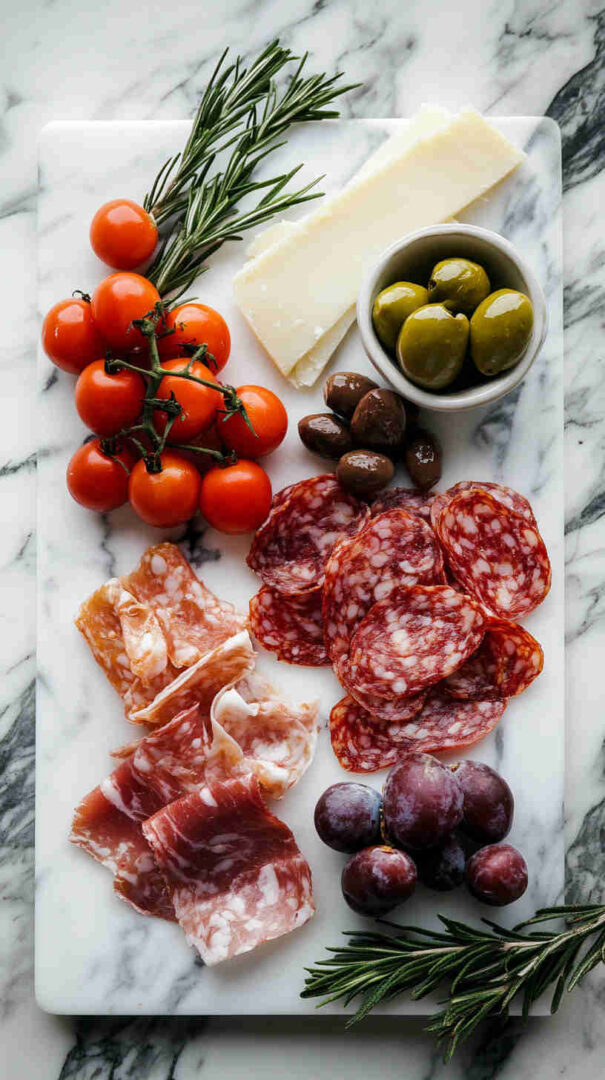
This stunning Italian antipasto platter brings together cured meats, artisan cheeses, marinated vegetables, olives, and fresh fruit for effortless entertaining. Balanced, colorful, and crowd-pleasing, it’s a no-cook showstopper that pairs beautifully with wine and conversation, turning any gathering into an occasion.
Why You’ll Love This recipe
You’ll love this antipasto platter because it delivers maximum impact with minimal effort. There’s no stove time, no strict rules, and no stress about timing since everything can be prepped ahead. The variety means every guest finds something they adore, from salty prosciutto and creamy mozzarella to briny olives and sweet grapes.
It’s naturally gluten-free friendly and easy to scale up or down for 4 to 20 people. The mix of textures and flavors keeps every bite interesting, and the presentation looks like you spent hours, even though you can assemble it in 20 minutes. Plus, it doubles as dinner with good bread, or as the perfect opener to a full Italian meal.
Recipe Tips and Tricks
Buy from the deli counter so you can get thin, freshly sliced meats and just the amount you need. Serve everything at room temperature for the best flavor, so pull cheeses and meats from the fridge 30 minutes before guests arrive.
Use 3 to 5 different boards or plates if you don’t have one giant board, it’s easier to refill and looks abundant. Group items in odd numbers and create height with small bowls for olives and dips.
Add fresh herbs like basil or rosemary at the end for color and aroma. Keep a separate small knife with each soft cheese to avoid flavor mixing. Balance your board: something salty, something creamy, something crunchy, something pickled, and something sweet.
Ingredients Notes
Quality matters more than quantity here. For meats, choose at least two: prosciutto di Parma for its melt-in-your-mouth texture, and a firmer salami like Milano or spicy soppressata for bite. For cheese, aim for contrast: a soft burrata or fresh mozzarella, a semi-hard aged provolone or asiago, and a bold wedge of Parmigiano-Reggiano.
Marinated vegetables add acidity to cut through the richness, so look for artichoke hearts, roasted red peppers, and pepperoncini. Good olives are key, try a mix of Castelvetrano for buttery flavor and Kalamata for brininess.
Don’t skip fresh elements: grapes, figs, or sliced pear add sweetness and color. Finish with extras like grissini, taralli, crostini, a drizzle of aged balsamic, and marcona almonds for crunch.
Variations and Substitutions
Make it vegetarian by skipping meats and doubling up on cheeses, plus add marinated mushrooms, sun-dried tomatoes, and white bean dip. For a seafood twist, include smoked salmon, marinated anchovies, and tuna-stuffed peppers.
If you’re dairy-free, use marinated tofu, olive tapenade, and plenty of nuts, grilled veggies, and hummus. Regionalize it: go Northern Italian with speck, fontina, and cornichons, or Southern with capicola, pecorino, and eggplant caponata. For budget-friendly swaps, use deli ham instead of prosciutto, cheddar instead of Parmigiano, and standard black olives.
Kid-friendly version: add cubes of mild cheese, sliced pepperoni, breadsticks, and cherry tomatoes. In summer, lean on fresh tomatoes, basil, and peaches. In winter, add roasted squash, walnuts, and truffle honey.
Storage Options
Store each component separately in airtight containers in the fridge for up to 3 days. Keep meats and cheeses wrapped in parchment then sealed to prevent drying out. Marinated vegetables and olives can stay in their liquid for up to 1 week.
Do not store the fully assembled platter, as bread will go soggy and flavors will muddle. To serve leftovers, let items come to room temperature and rebuild a small board, or chop everything and toss with pasta or greens for an antipasto salad.
Dish Gallery
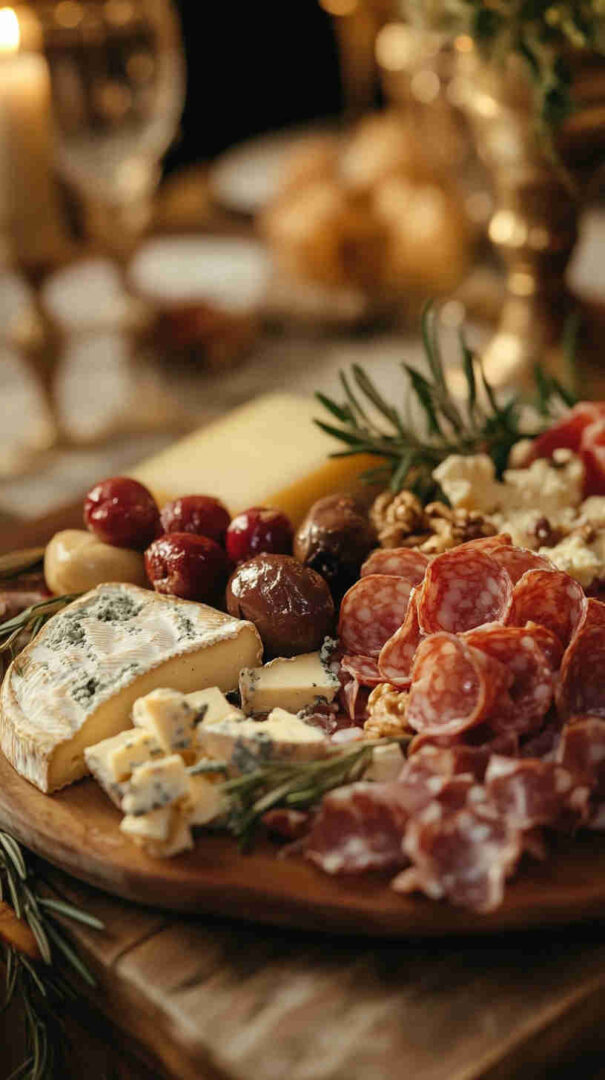
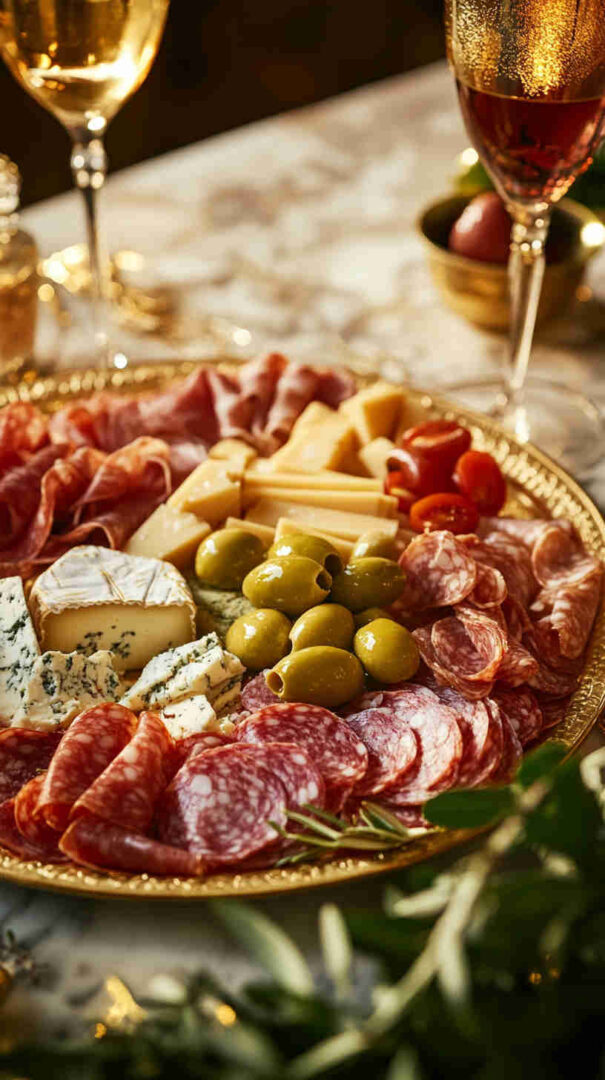
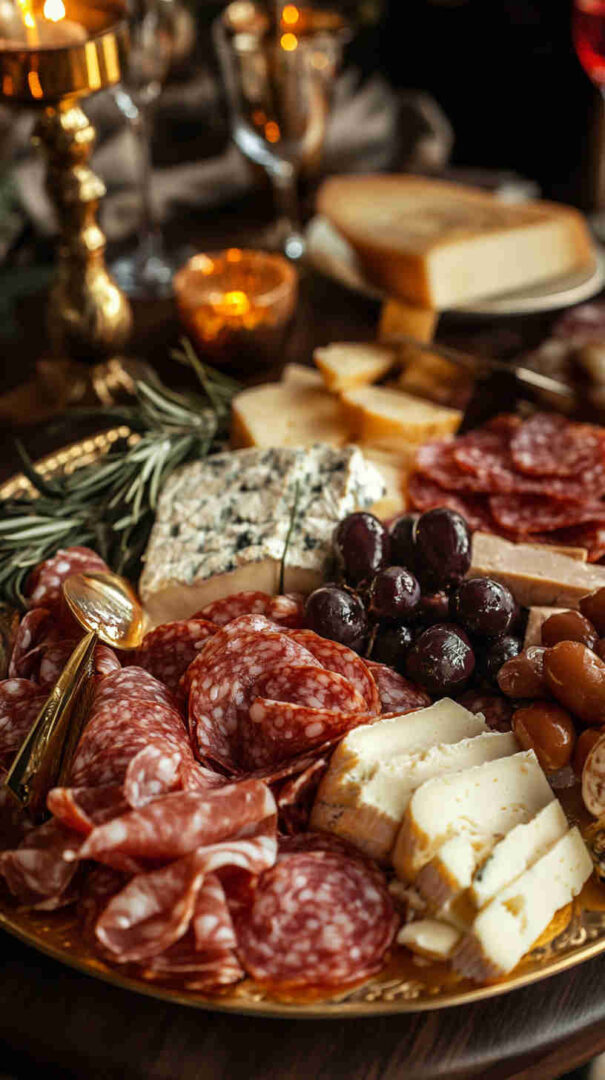




Please share this Elegant Italian Antipasto Platter for Entertaining Recipe with your friends and do a comment below about your feedback.
We will meet you on next article.
Until you can read, Classic Italian Antipasto Platter Recipe