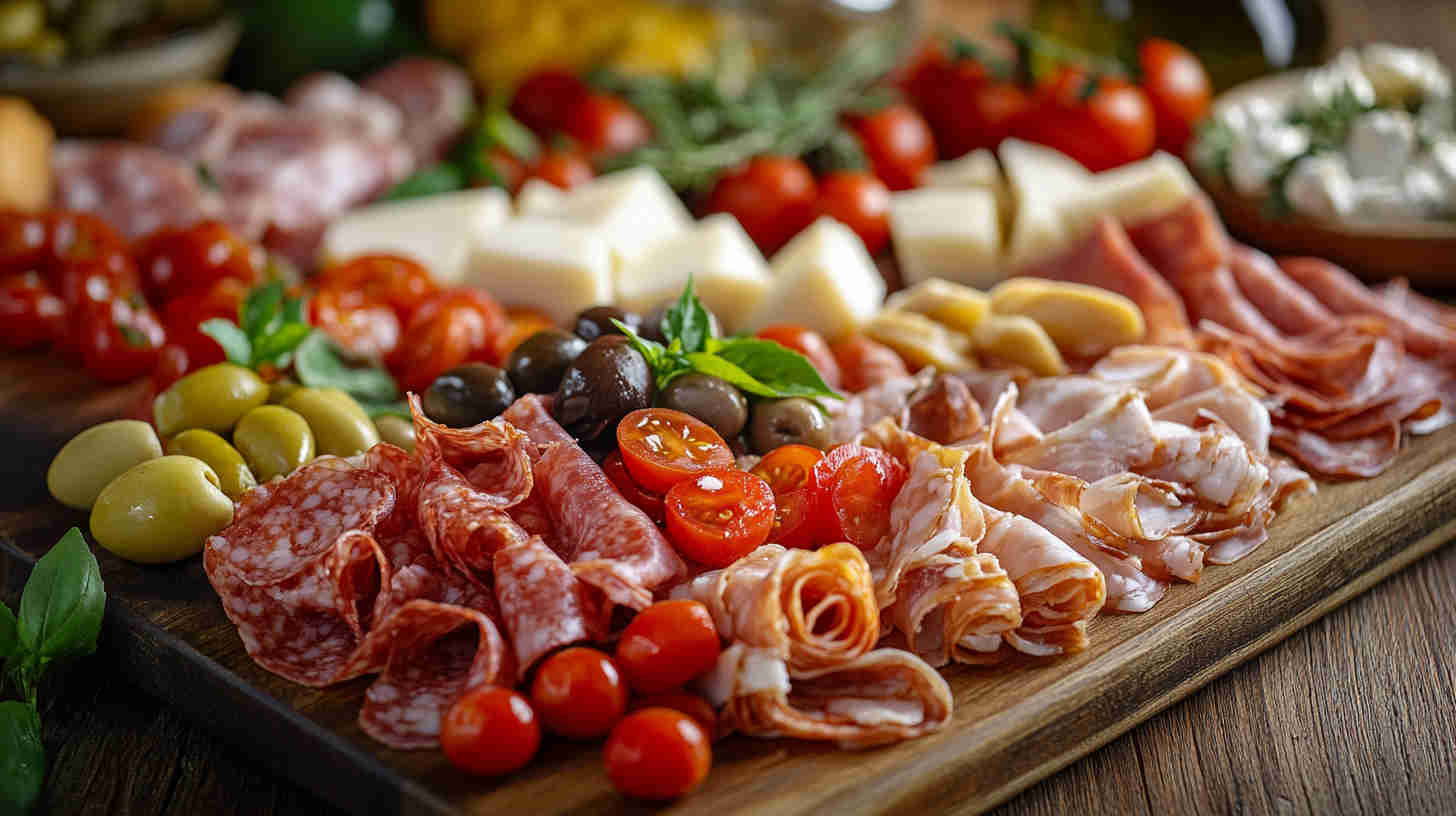
A vibrant, no-cook Classic Italian Antipasto Platter layers cured meats, aged cheeses, marinated vegetables, olives, and rustic bread for an effortless appetizer. Perfect for gatherings, it balances salty, tangy, creamy, and briny flavors with beautiful colors and textures that invite sharing and conversation.
Why You’ll Love This recipe
You’ll love this Classic Italian Antipasto Platter because it’s the ultimate stress-free way to feed a crowd while looking like you spent hours in the kitchen. There’s no stove time, no complicated techniques, and absolutely no way to mess it up.
Every bite offers something different: the salt-kiss of prosciutto, the sharp creaminess of aged provolone, the bright pop of marinated artichokes, and the rich depth of sun-dried tomatoes. It’s completely customizable to your budget, dietary needs, and what’s in season, so it works for holidays, date nights, or a casual Sunday lunch.
Plus, assembling it becomes part of the fun. You get to play with colors, heights, and textures, and your guests can graze at their own pace. It pairs beautifully with wine, turns any table into an Italian piazza, and leaves you free to actually enjoy your company instead of being stuck cooking.
Recipe Tips and Tricks
Let cheeses sit at room temperature for 20 minutes before serving so their flavors fully bloom and they slice easier. Buy deli meats thinly sliced and fold or roll them loosely to add height and make them easy to grab. Use small bowls or ramekins for wet items like olives and marinated vegetables to keep the board tidy and prevent flavors from mixing.
Think in odd numbers: 3 cheeses, 5 meats, 3 types of veggies looks more natural and abundant. Build from big to small. Place cheeses and bowls first, then tuck meats around them, then fill gaps with fruit, nuts, and bread.
Drain marinated items well so your platter doesn’t get soggy. Add a few fresh elements like basil leaves or halved figs right before serving for color and freshness. If serving outdoors, keep soft cheeses shaded so they don’t sweat too much.
Ingredients Notes
Quality matters more than quantity here because nothing is cooked to hide flaws. For meats, seek prosciutto di Parma, soppressata, and mild salami from your deli counter instead of pre-packaged for better texture and flavor. With cheese, choose a mix of textures: a firm aged provolone or Pecorino Romano, a semi-soft Taleggio or Fontina, and a fresh mozzarella or burrata for creaminess.
Marinated vegetables are key for acidity. Jarred artichoke hearts, roasted red peppers, and pepperoncini work beautifully, but pat them dry so they don’t water down other ingredients. Buy good olives with pits removed for convenience, like Castelvetrano for buttery flavor and Kalamata for brininess.
For crunch, include grissini breadsticks, sliced ciabatta, or taralli. A drizzle of excellent extra virgin olive oil and a small dish of aged balsamic take everything up a notch. Don’t forget something sweet: fresh grapes, dried figs, or a drizzle of honey balances all the salt.
Variations and Substitutions
For a vegetarian platter, skip the meats and double up on cheeses, roasted vegetables, and marinated beans like cannellini with olive oil and rosemary. If pork is an issue, use bresaola, beef salami, or turkey prosciutto alternatives. For a budget-friendly version, swap imported cheeses for domestic provolone and mozzarella, and use fewer meats but more roasted seasonal vegetables and bread.
Seafood lovers can add marinated anchovies, smoked salmon, or octopus salad for a coastal Italian twist. Go regional by making it Tuscan with finocchiona salami, Pecorino Toscano, and white beans, or Sicilian with caponata, pistachios, and oranges.
For low-carb guests, replace bread with sliced cucumber, endive leaves, and parmesan crisps. Kids usually prefer mild cheeses, mini mozzarella balls, and less spicy meats like mortadella. You can even theme it by color for holidays, using red tomatoes, white mozzarella, and green basil for Christmas.
Storage Options
Store leftover components separately in airtight containers in the refrigerator for up to 4 days. Wrap cheeses in wax paper then plastic to let them breathe without drying out. Keep cured meats wrapped tightly to prevent them from hardening.
Marinated vegetables and olives can stay in their brine or oil in sealed containers. Bread and breadsticks should be stored at room temperature in a paper bag to keep them crisp. Do not store the fully assembled platter, as textures and flavors will muddy. To serve leftovers, let cold items sit out 15 minutes and refresh with a drizzle of olive oil or fresh herbs.
Dish Gallery






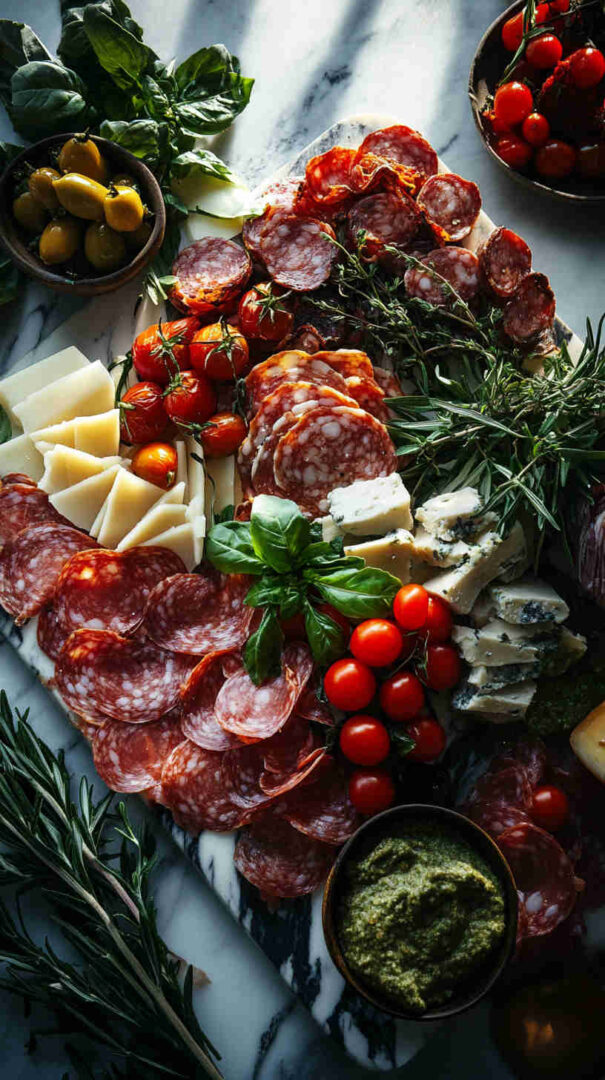









Please share this Classic Italian Antipasto Platter Recipe with your friends and do a comment below about your feedback.
We will meet you on next article.
Until you can read, Italian Gluten-Free Seafood Pasta Recipe