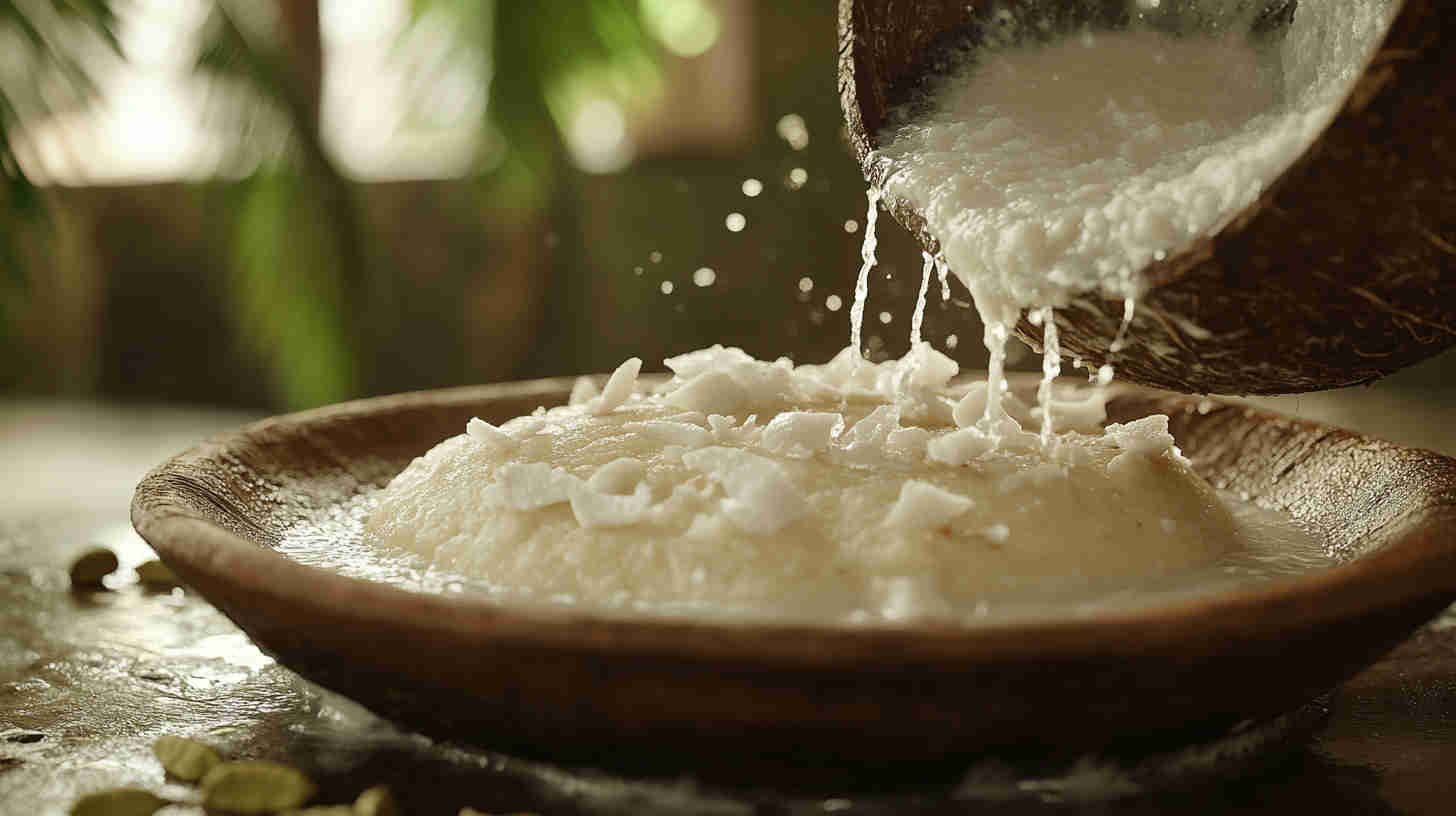
Soft, lacy-edged coconut appams infused with fragrant cardamom bring the perfect balance of mild sweetness and tropical aroma to your breakfast table. These fermented rice pancakes, made with fresh coconut milk, offer a delicate texture that melts in the mouth. A subtle hint of cardamom elevates this classic South Indian favorite into an irresistible, aromatic delight.
My Experience Cooking This Recipe
I first tried making Coconut Appam with Cardamom during a cozy weekend brunch experiment. The kitchen filled with warm, nutty coconut and sweet cardamom scents that instantly transported me to Kerala mornings.
After a couple of attempts to perfect the fermentation and lacy edges, the result was pure joy—crispy golden borders with fluffy centers. It has now become a weekend staple in my home, loved by family for its unique fragrant twist.
Common Mistakes of Making This Recipe
- Skipping proper fermentation time, leading to dense, flat appams instead of light and airy ones.
- Using cold ingredients that hinder yeast activation and fermentation.
- Overheating the appam pan, which prevents the signature lacy edges from forming.
- Adding too much sugar early, which can cause burning or uneven browning.
- Not greasing the pan correctly, resulting in stuck appams that tear easily.
Ingredient Science of This Recipe
Rice flour provides the base starch for structure and crispiness. Coconut milk adds natural fats and subtle sweetness while keeping the batter tender. Yeast or toddy (traditional fermenting agent) creates carbon dioxide for the airy texture and lacy holes.
Cardamom seeds release essential oils during grinding, infusing aromatic compounds that enhance flavor perception. A pinch of sugar feeds the yeast for better fermentation, while salt balances sweetness and strengthens gluten-like networks in the rice batter.
Serving Ideas of This Recipe
Serve hot appams with classic coconut milk stew, spicy vegetable kurma, or fragrant chicken curry. Pair with tangy tomato chutney, mint-coriander chutney, or sweet coconut jaggery syrup for a delightful contrast. For a modern twist, top with a fried egg or serve alongside fresh mango slices and a cup of masala chai. Perfect for breakfast, brunch, or festive dinners.
FAQ (5 questions)
Yes, use traditional palm toddy or let it ferment naturally overnight with a pinch of fenugreek.
Refrigerate in an airtight container for up to 2 days; bring to room temperature before cooking.
A traditional appam chatti (cast iron or non-stick curved pan) gives the best results.
Yes, it’s naturally gluten-free as it uses rice flour.
Absolutely—the recipe is already vegan when using plant-based ingredients.
Please share this Coconut Appam with a Pinch of Cardamom with your friends and do a comment below about your feedback.
We will meet you on next article.
Until you can read, Appam with Sweetened Coconut Milk