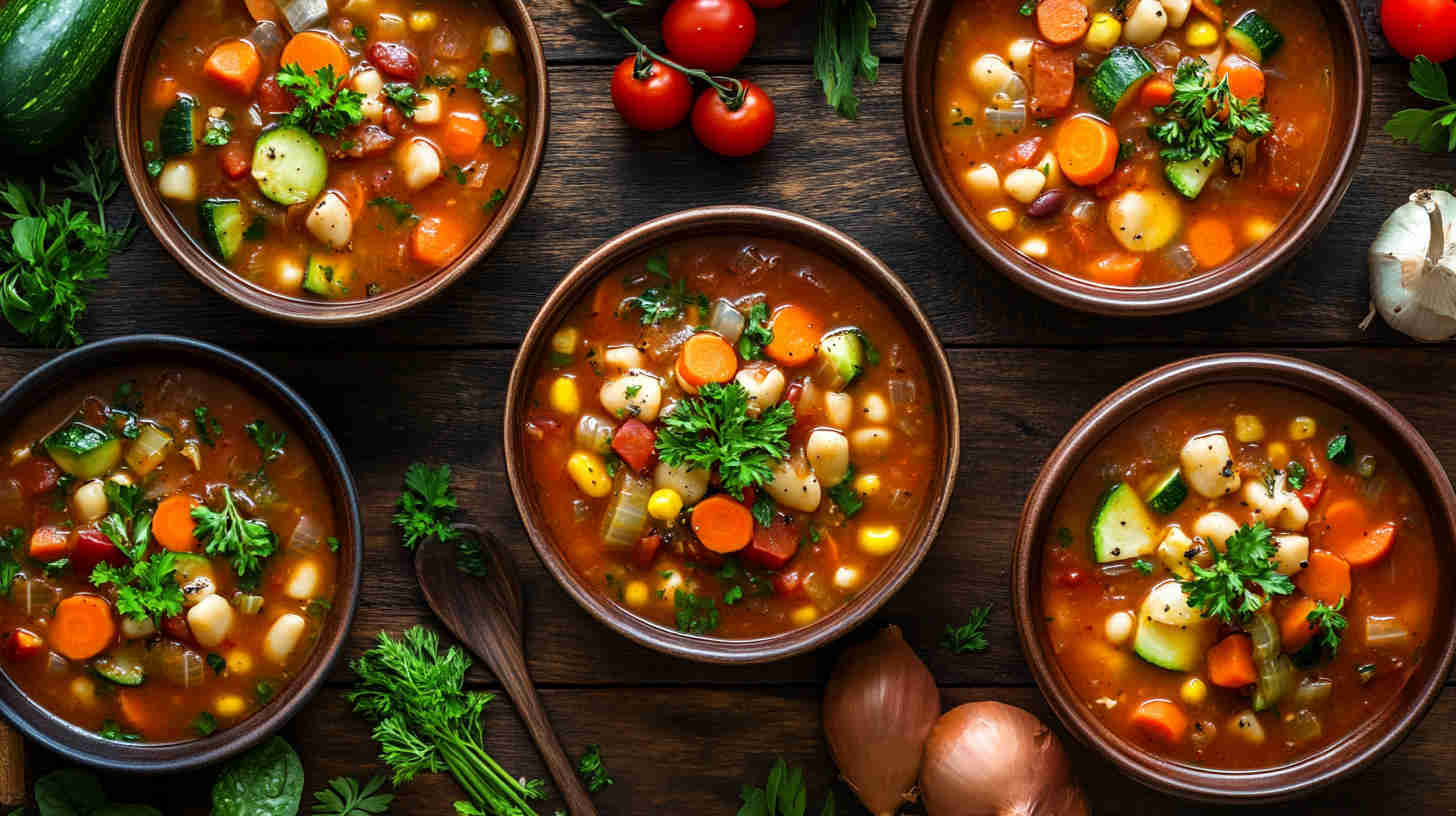
This Italian Minestrone Soup with Fresh Vegetables is a rustic, comforting classic loaded with seasonal produce, tender beans, and small pasta simmered in a savory tomato-herb broth. Naturally hearty and nourishing, it’s endlessly adaptable, freezer-friendly, and perfect for weeknight dinners, meal prep, or feeding a hungry crowd.
My Experience Cooking This Recipe
The first time I made this minestrone, I was skeptical that a “vegetable soup” could feel this satisfying. But after that first spoonful—tender beans, al dente pasta, and a broth that tasted like it had simmered all day—I was hooked.
What I love most is how forgiving it is; I’ve swapped in whatever vegetables were wilting in my crisper drawer and it always turns out delicious. It’s become my go-to for chilly evenings and lazy Sunday meal prep.
Common Mistakes of Making This Recipe
- Overcooking the pasta: Adding pasta too early or letting the soup sit too long afterward causes it to turn mushy and absorb too much broth.
- Skipping the sauté step: Rushing past softening the onions, carrots, and celery leads to a flatter, less flavorful base.
- Under-seasoning: Vegetables and broth need generous salt to bring out their full flavor—taste and adjust at the end.
- Adding greens too early: Spinach or kale added too soon turns limp and loses its vibrant color and texture.
- Using low-quality broth: Since broth is the primary liquid, a bland or overly salty one can throw off the whole pot.
Ingredient Science of This Recipe
The magic of minestrone lies in layering flavors. Sautéing the onion, carrot, and celery (the classic Italian soffritto) releases their natural sugars, creating a deep, sweet backbone for the soup.
Crushed tomatoes add acidity that balances the richness of the beans, while the starch released from the pasta as it cooks naturally thickens the broth.
Beans contribute plant-based protein and fiber, making the soup filling without meat, and adding leafy greens at the very end preserves their nutrients and bright color, since prolonged heat breaks down chlorophyll and vitamins.
Serving Ideas of This Recipe
Serve minestrone with crusty garlic bread or a warm baguette for dipping. A drizzle of good olive oil and freshly grated Parmesan just before serving adds richness. Pair it with a simple arugula salad dressed in lemon vinaigrette for a light, balanced meal, or serve smaller portions as a starter before an Italian-style main course like grilled chicken or a caprese platter.
FAQ
Yes! Simply omit the Parmesan or use a plant-based alternative—the rest of the recipe is naturally vegan.
Yes, but it’s best to freeze it without the pasta, since pasta can become mushy when reheated. Add freshly cooked pasta when serving.
Feel free to use potatoes, bell peppers, cabbage, or peas in place of what’s listed—minestrone is very flexible.
Stored in an airtight container, it stays fresh for 4–5 days in the refrigerator.
Yes, cook the vegetable and broth mixture on low for 6–7 hours, then stir in the beans and pasta during the last 20–30 minutes.
Please share this Italian Minestrone Soup with Fresh Vegetables Recipe with your friends and do a comment below about your feedback.
We will meet you on next article.
Until you can read, Italian Mediterranean Grain Bowl Recipe