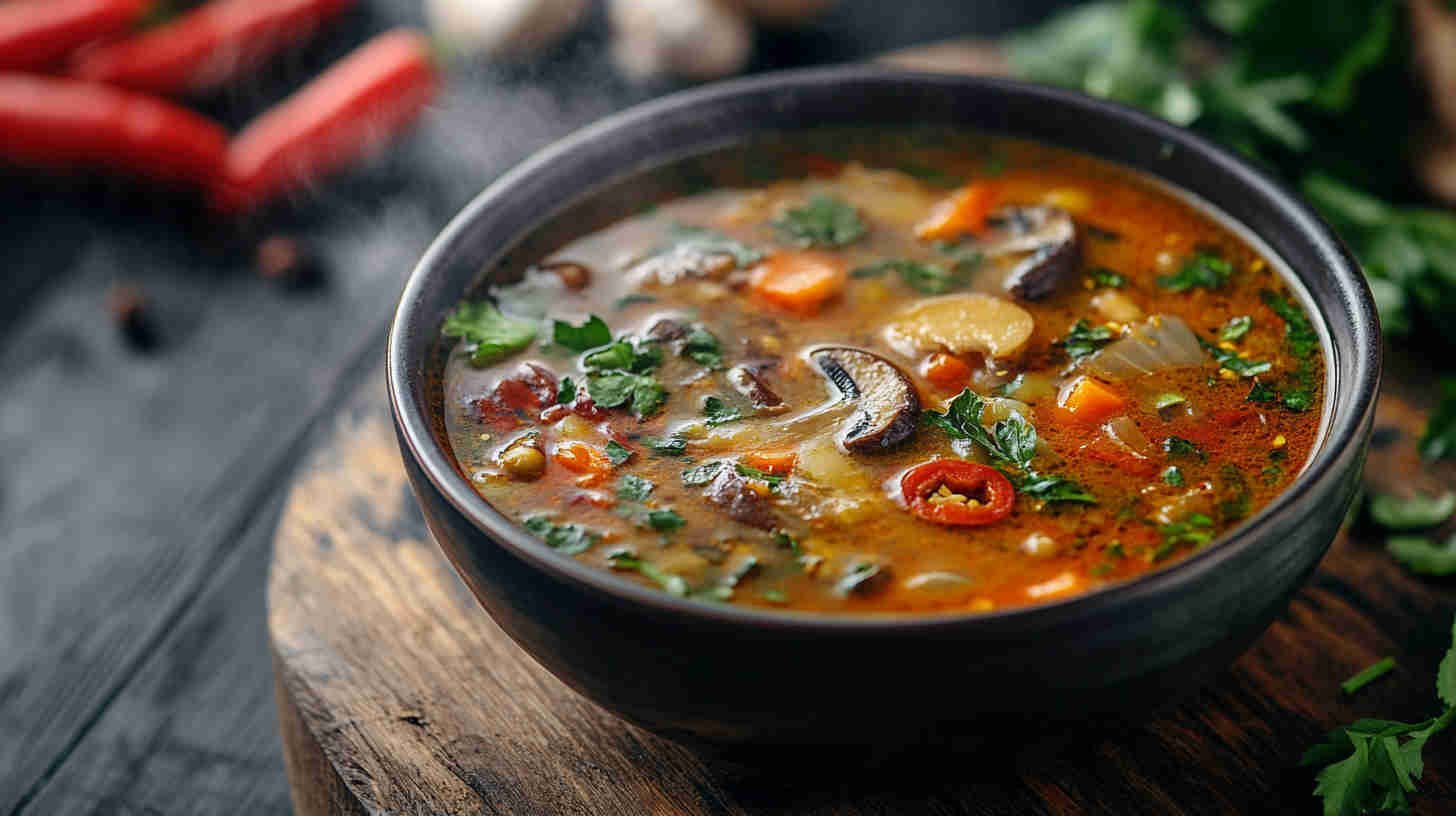
This Nigerian Mushroom and Vegetable Pepper Soup is a vibrant, plant-based twist on the classic Nigerian pepper soup. It features hearty mushrooms and colorful vegetables simmered in a bold, aromatic broth infused with traditional West African spices, delivering comforting heat and deep flavors perfect for any season.
Why You’ll Love This Recipe
You’ll fall head over heels for this recipe because it captures the soul-warming essence of authentic Nigerian pepper soup without any meat, making it ideal for vegans, vegetarians, or anyone craving lighter yet satisfying meals. The earthy mushrooms mimic the chewy texture of traditional proteins like goat or fish, while a medley of fresh vegetables adds color, nutrition, and subtle sweetness to balance the fiery kick from scotch bonnet peppers.
The signature blend of indigenous spices—think calabash nutmeg, grains of Selim, uziza, and more—creates an intoxicating aroma that fills your kitchen and evokes memories of West African home cooking. It’s quick to prepare, naturally gluten-free and low-calorie, incredibly customizable for heat levels, and feels both nourishing and indulgent.
Whether you’re under the weather, hosting a cozy gathering, or simply wanting a spicy hug in a bowl, this dish delivers bold, authentic flavors with everyday ingredients—proving that plant-based can be just as exciting and traditional as the original!
Recipe Tips and Tricks
- Toast your whole spices (like calabash nutmeg or grains of Selim) lightly before grinding for maximum aroma and depth—don’t skip this step for that true Nigerian flair.
- Adjust heat gradually: Start with less scotch bonnet and taste as you simmer; the peppers intensify over time.
- Use a mix of mushroom types (oyster for chewiness, cremini or shiitake for earthiness) to replicate meaty textures.
- For clearer broth, avoid boiling vigorously—gentle simmer prevents cloudiness.
- Blend part of the aromatics (onion, garlic, ginger, peppers) for a smoother base, or leave chunky for rustic appeal.
- Add vegetables in stages: Firmer ones like carrots first, delicate greens last to preserve color and crunch.
- If using pre-made pepper soup spice, start with 1-2 tbsp and adjust—homemade blends let you control freshness.
- Taste and season at the end; bouillon or stock cubes can be salty, so go light initially.
Ingredients Notes
Mushrooms are the star here, providing umami and meat-like satisfaction—oyster or king trumpet varieties work best for their chewy bite, while button or cremini add depth; always clean them gently with a damp cloth rather than soaking to avoid sogginess.
Vegetables like bell peppers, carrots, and leafy greens bring color, vitamins, and mild sweetness to counter the spice. Scotch bonnet (or habanero) peppers deliver the signature fiery heat—fresh is best for vibrant flavor, but adjust for tolerance. Traditional spices (calabash nutmeg/ehu, grains of Selim/uda, uziza seeds, alligator pepper) are essential for authentic aroma—source from African markets or online; pre-mixed pepper soup spice simplifies things if unavailable.
Aromatics like onion, garlic, and ginger form the flavorful base, while vegetable bouillon adds savory depth without meat. Fresh herbs (scent leaves, utazi, or substitutes like basil/mint) lend a bright, medicinal note typical in Nigerian versions—add late to preserve their potency.
Variations and Substitutions
- Protein boost: Add firm tofu cubes, tempeh, or seitan for extra heartiness while keeping it vegan.
- Veggie swaps: Include yam chunks, unripe plantain, or potatoes for a heartier, traditional ukodo-style thickness; zucchini, cauliflower, or green beans work for low-carb.
- Heat levels: Use jalapeños or Thai chilis for milder spice, or add cayenne/dry pepper at the end for adjustable kick.
- Spice blend: If indigenous spices are hard to find, use a store-bought Nigerian pepper soup mix or approximate with black pepper, fennel, cumin, allspice, and lemongrass.
- Greens: Swap scent leaves for basil, parsley, or spinach; bitter leaves add authentic bitterness if available.
- Broth base: Use chicken stock for non-vegan or mushroom stock for deeper earthiness.
- Creamy twist: Stir in a splash of coconut milk at the end for richness without overpowering spices.
- Regional flair: Cameroonian-style with njangsa seeds or country onion for nutty/oniony notes.
Storage Options
Store leftovers in an airtight container in the refrigerator for up to 3-4 days—the flavors deepen beautifully over time. Reheat gently on the stovetop, adding a splash of water if thickened. For longer storage, freeze in portioned containers for up to 2 months; thaw overnight in the fridge and reheat to boiling for best texture. Avoid repeated reheating to maintain vibrancy.
Dish Gallery
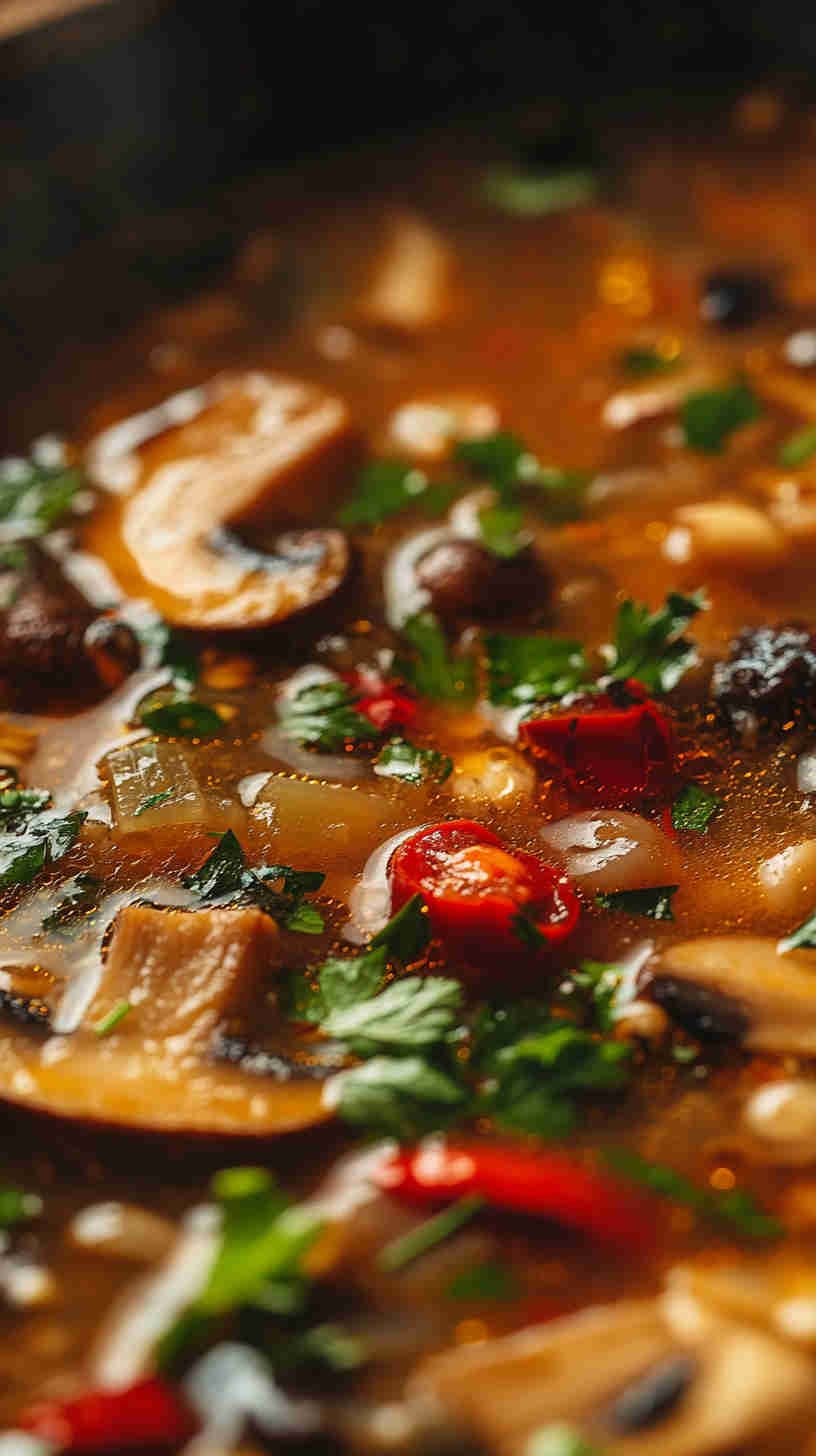
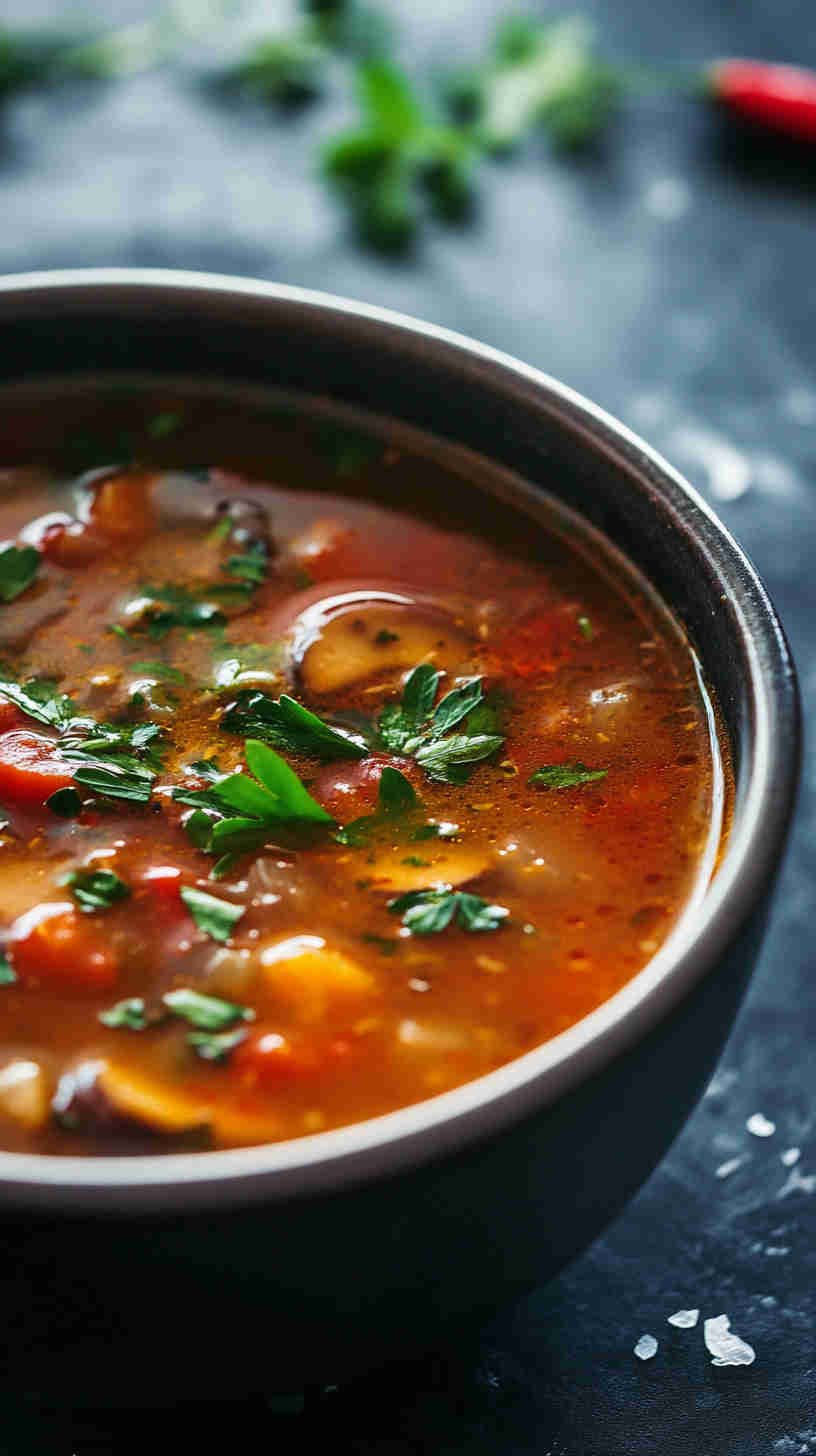
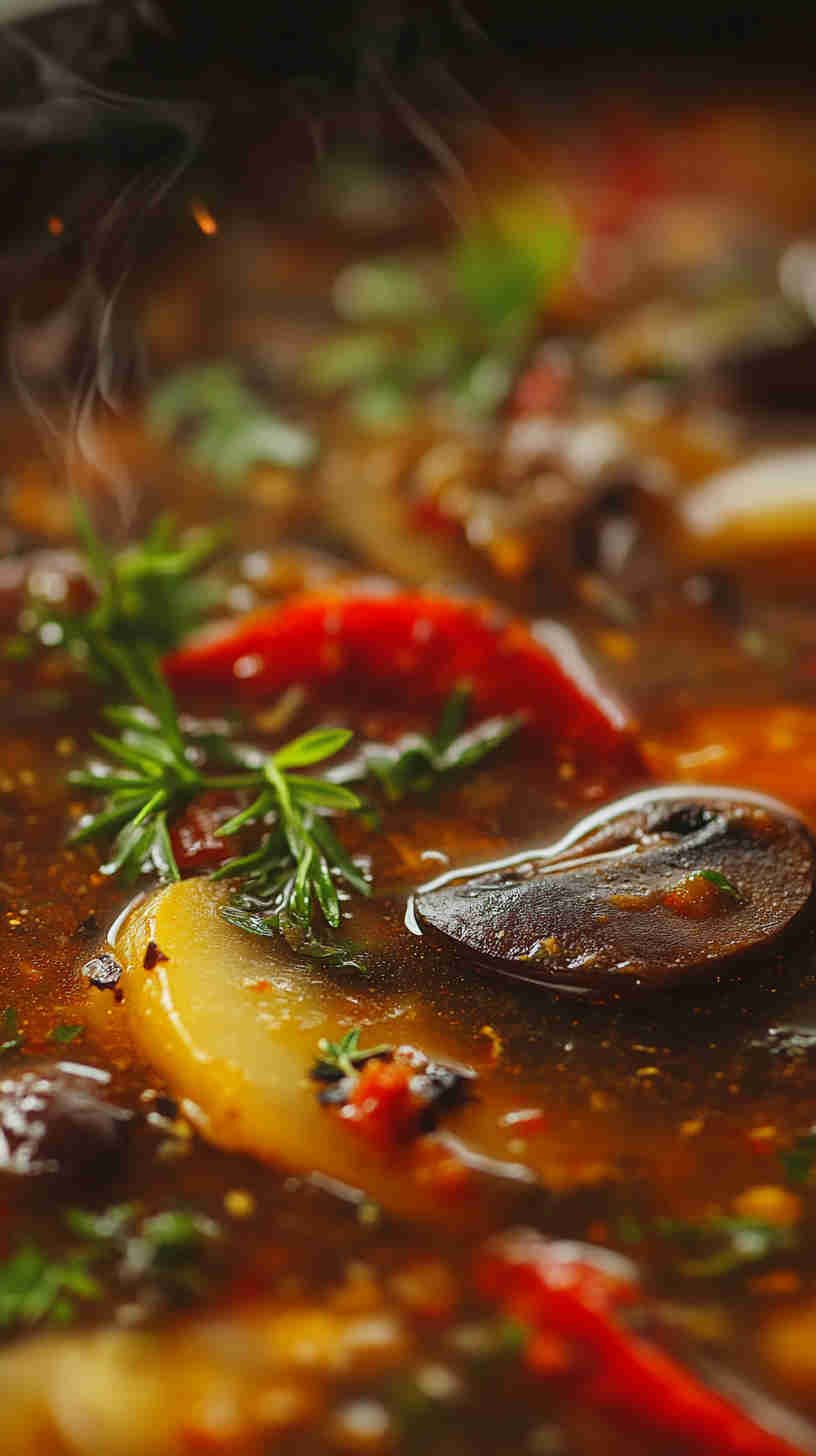
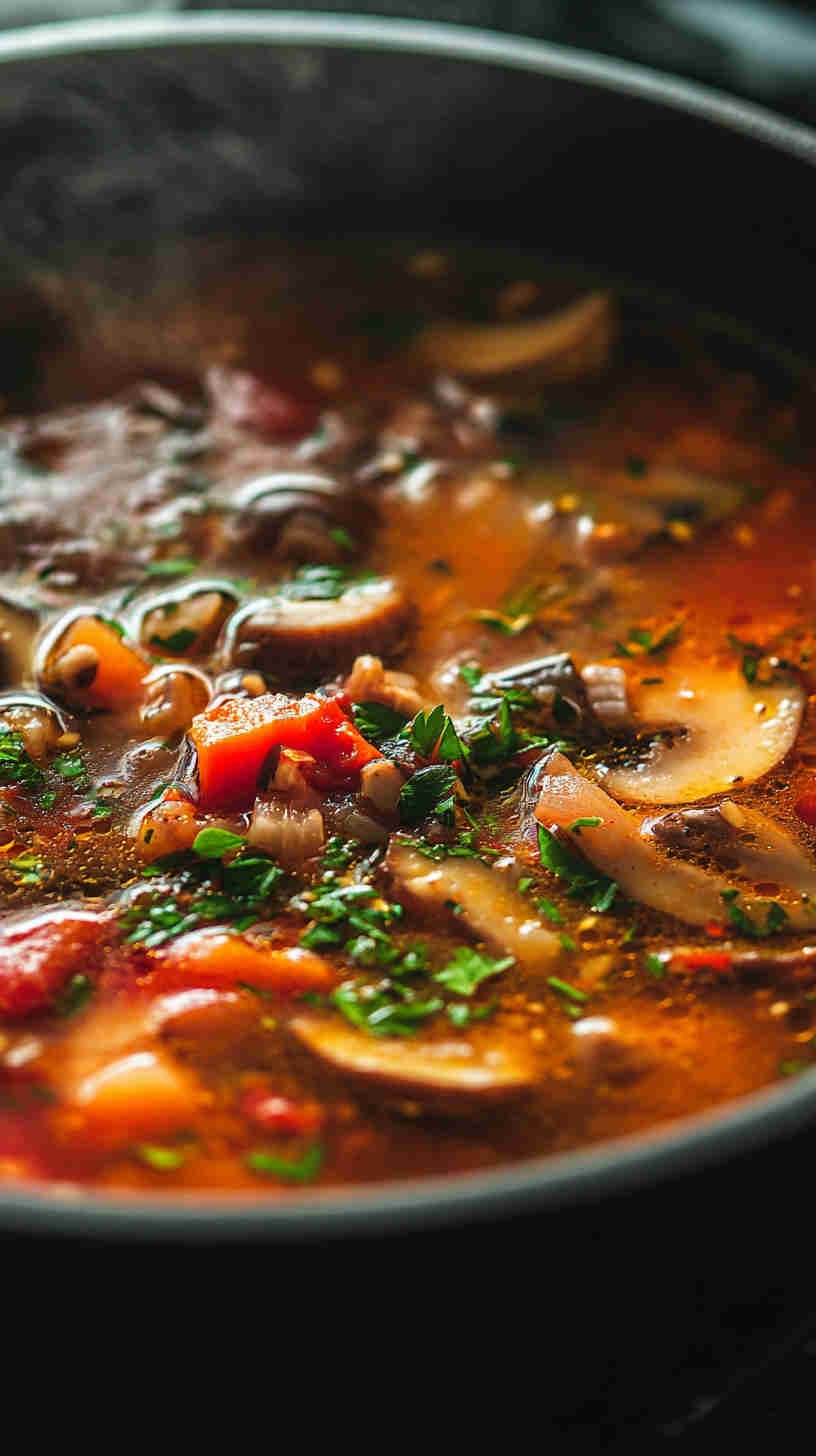
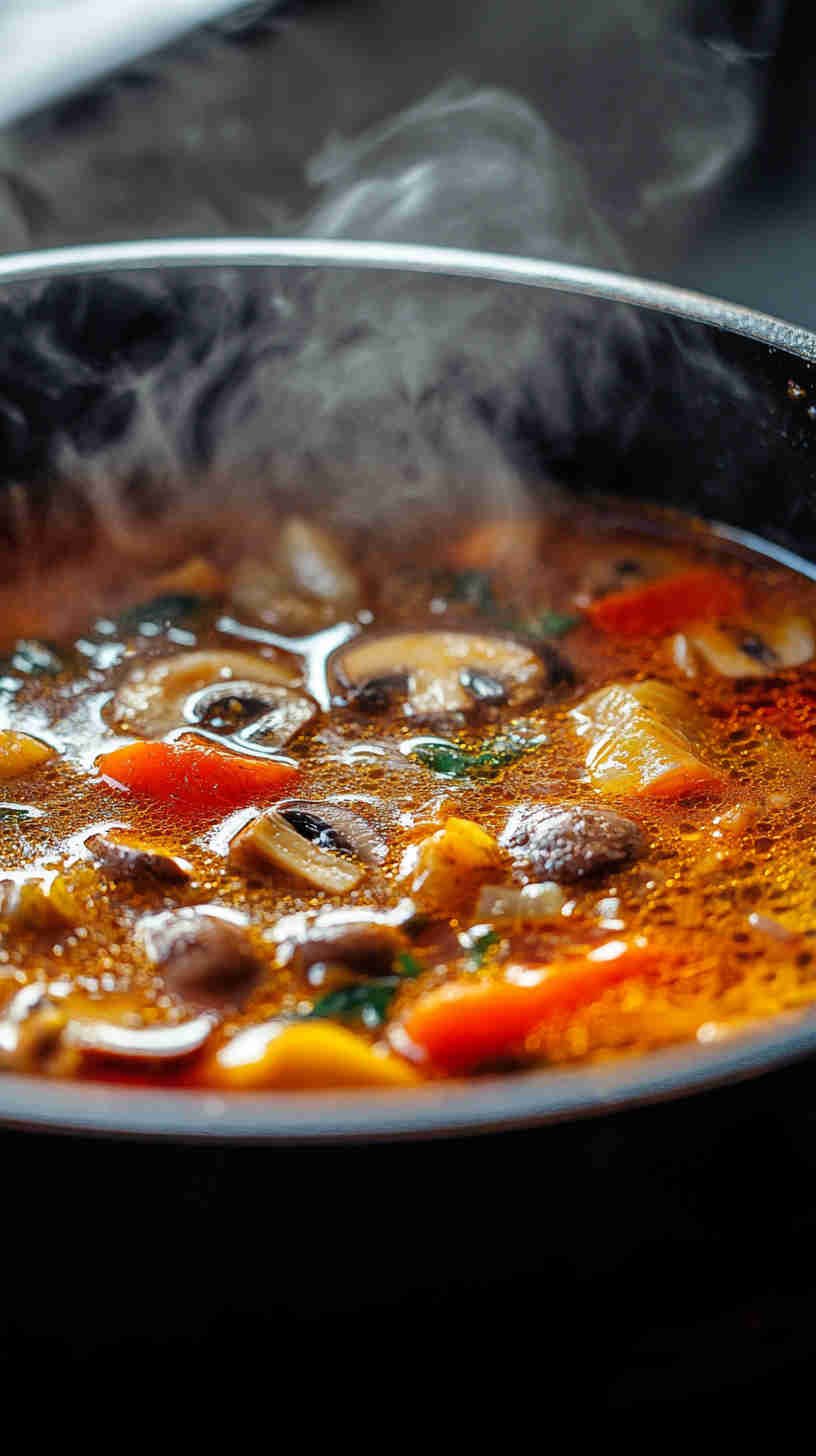
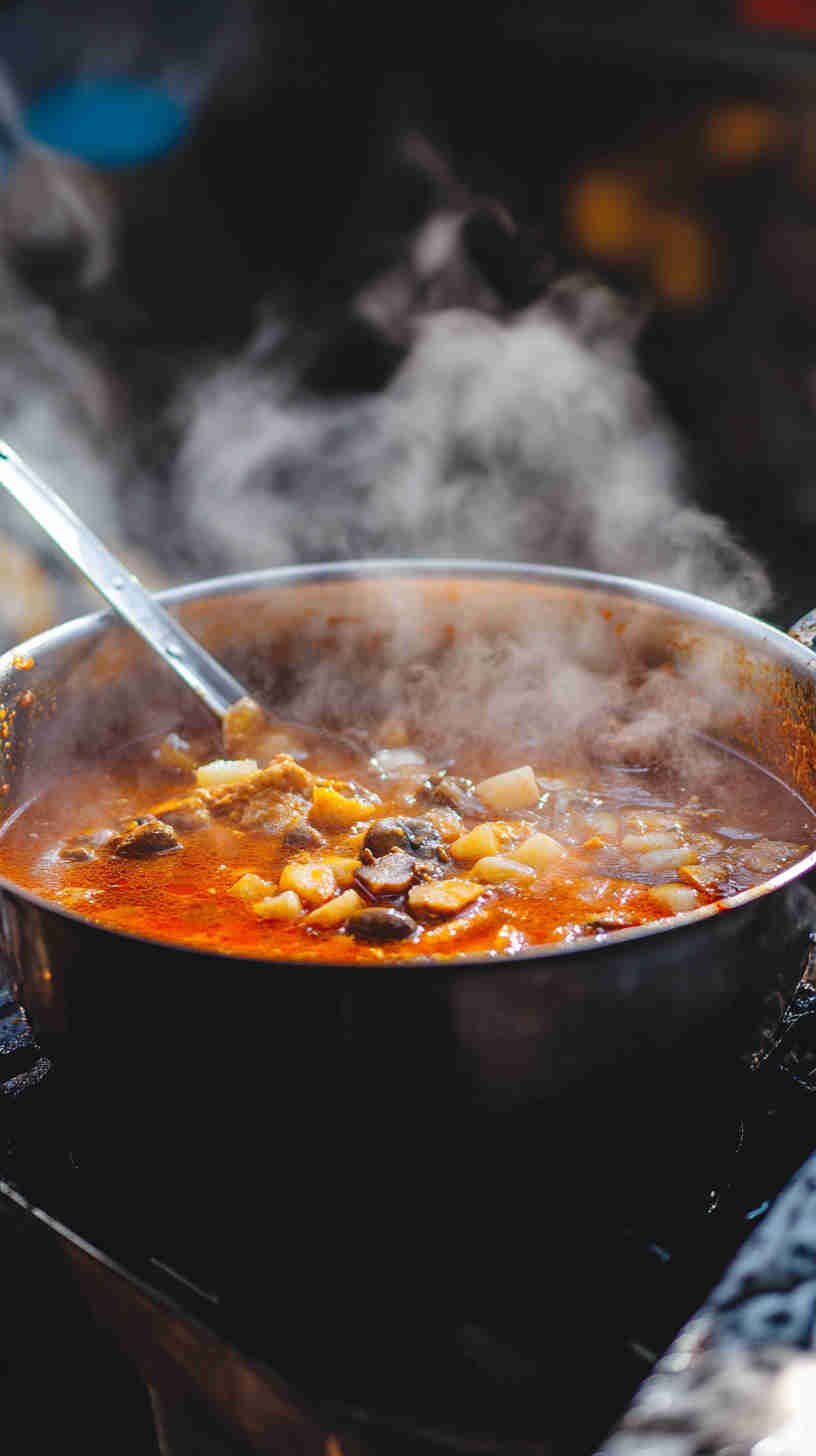
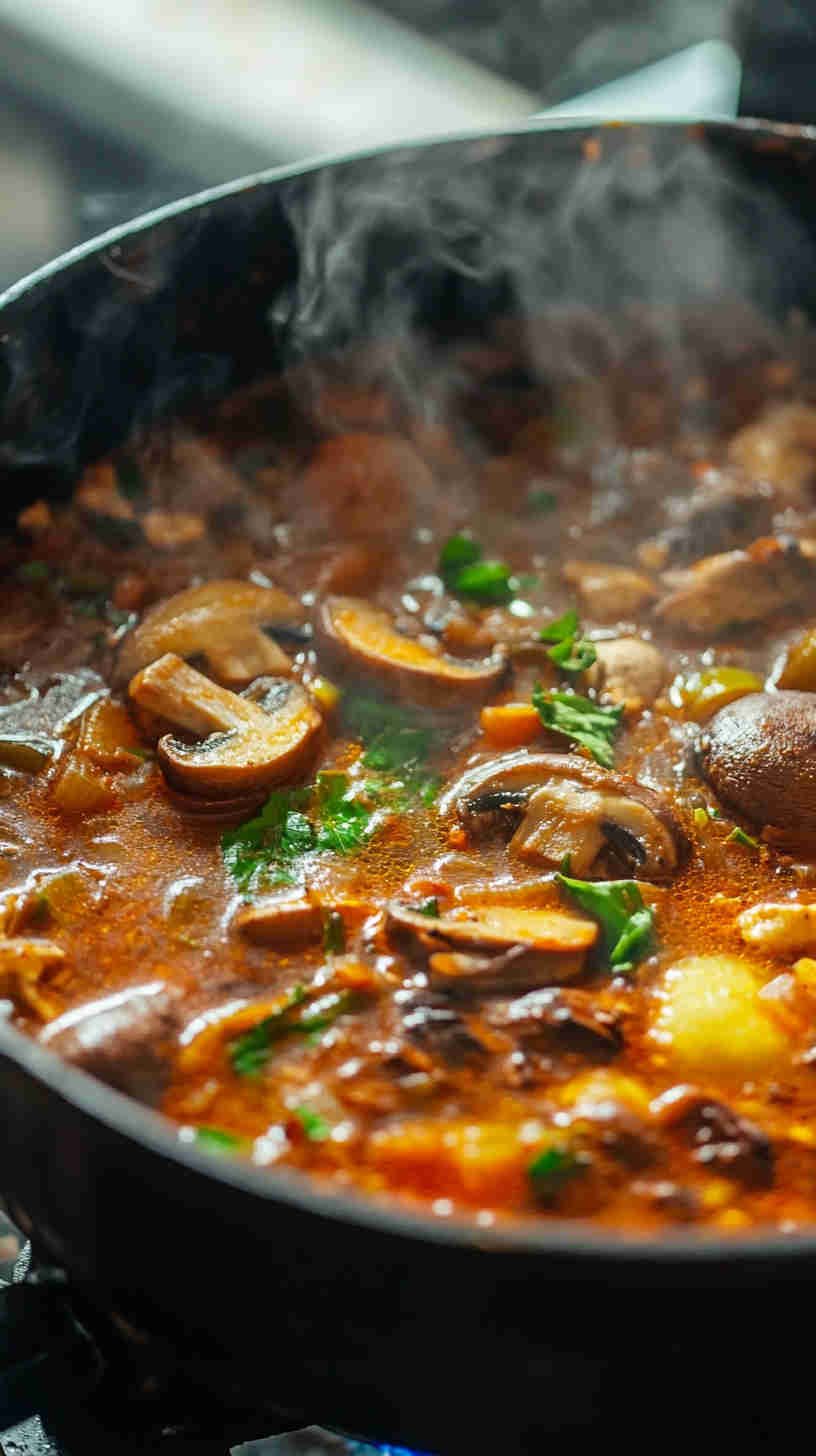
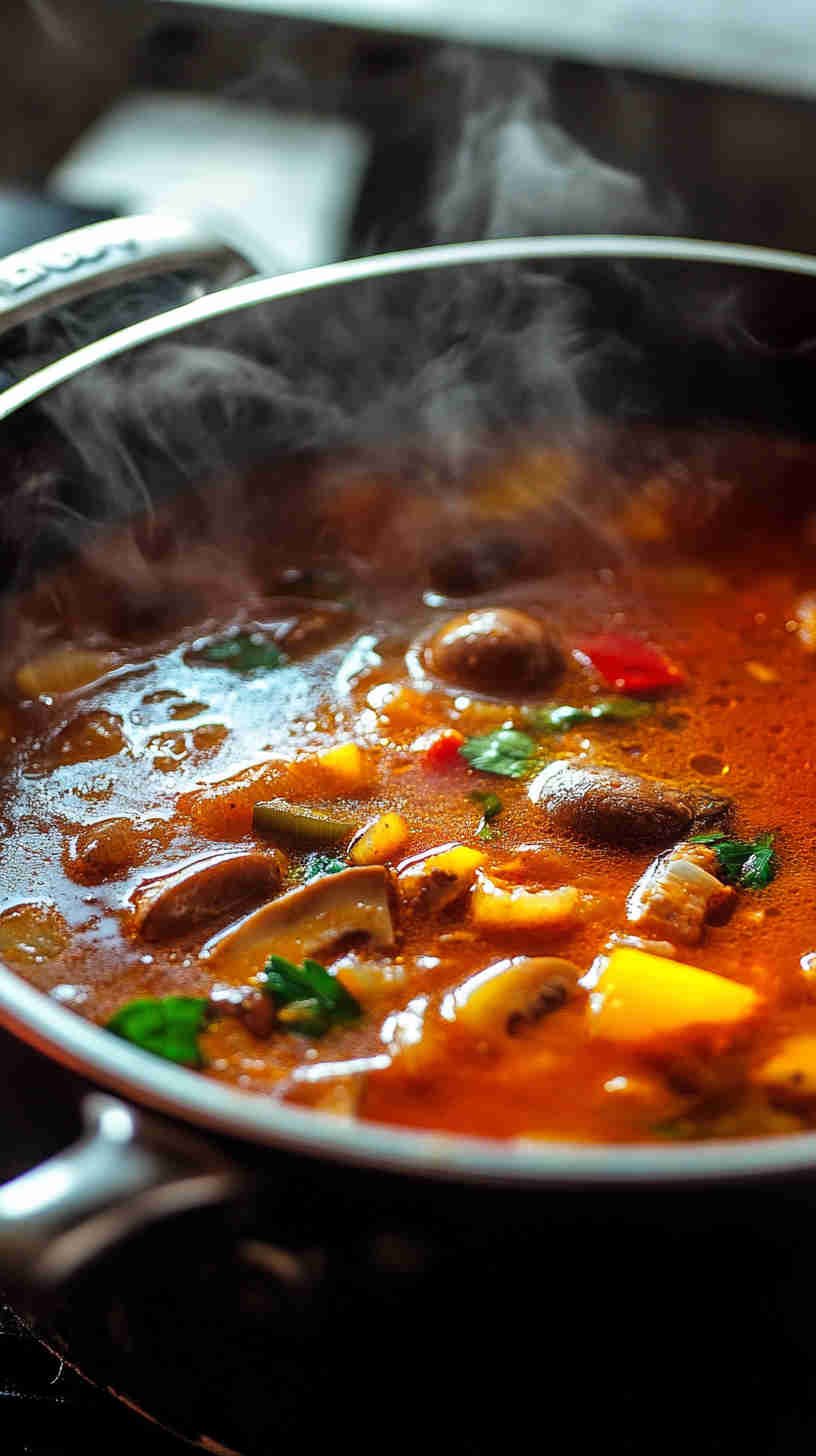
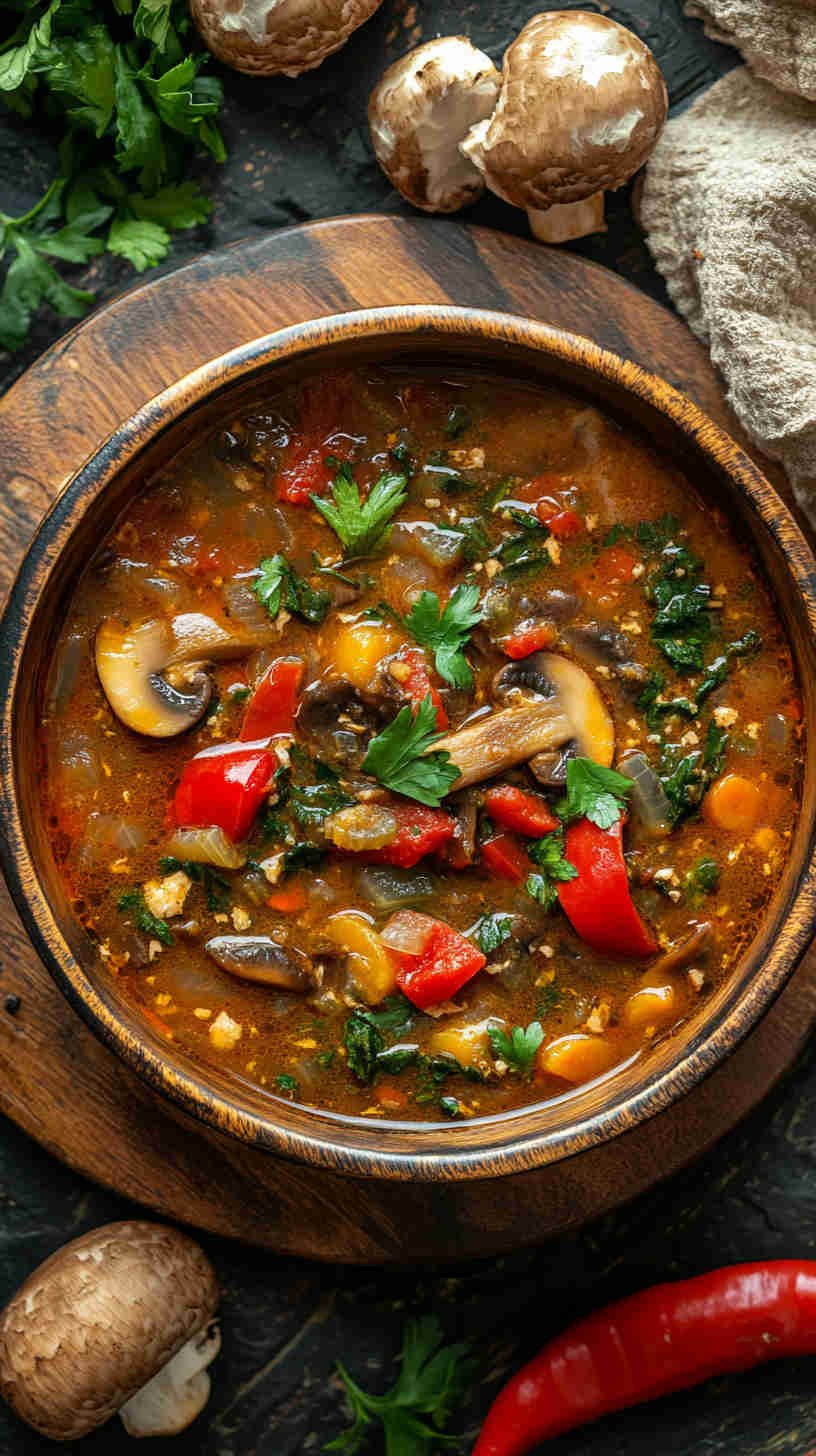
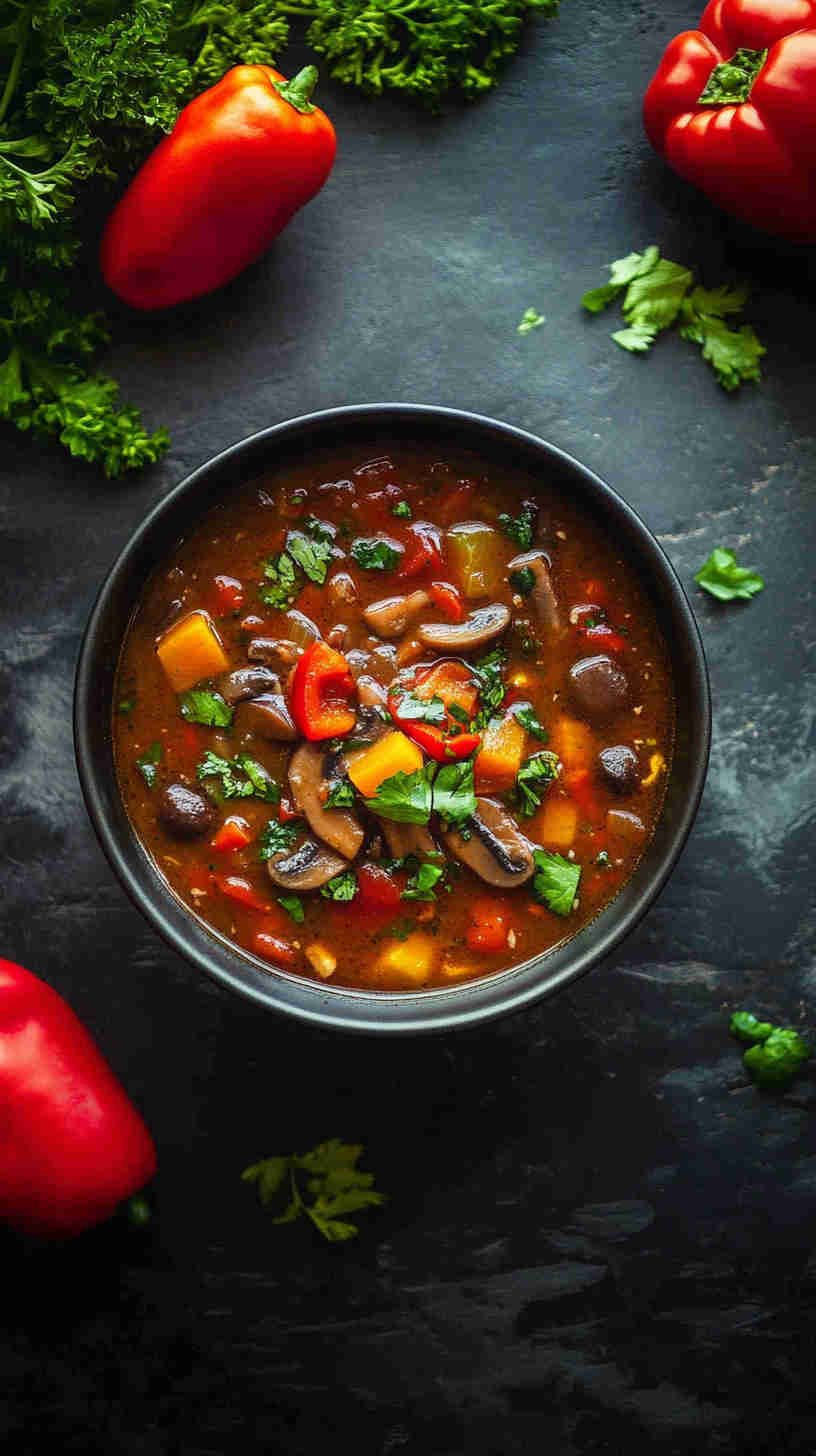
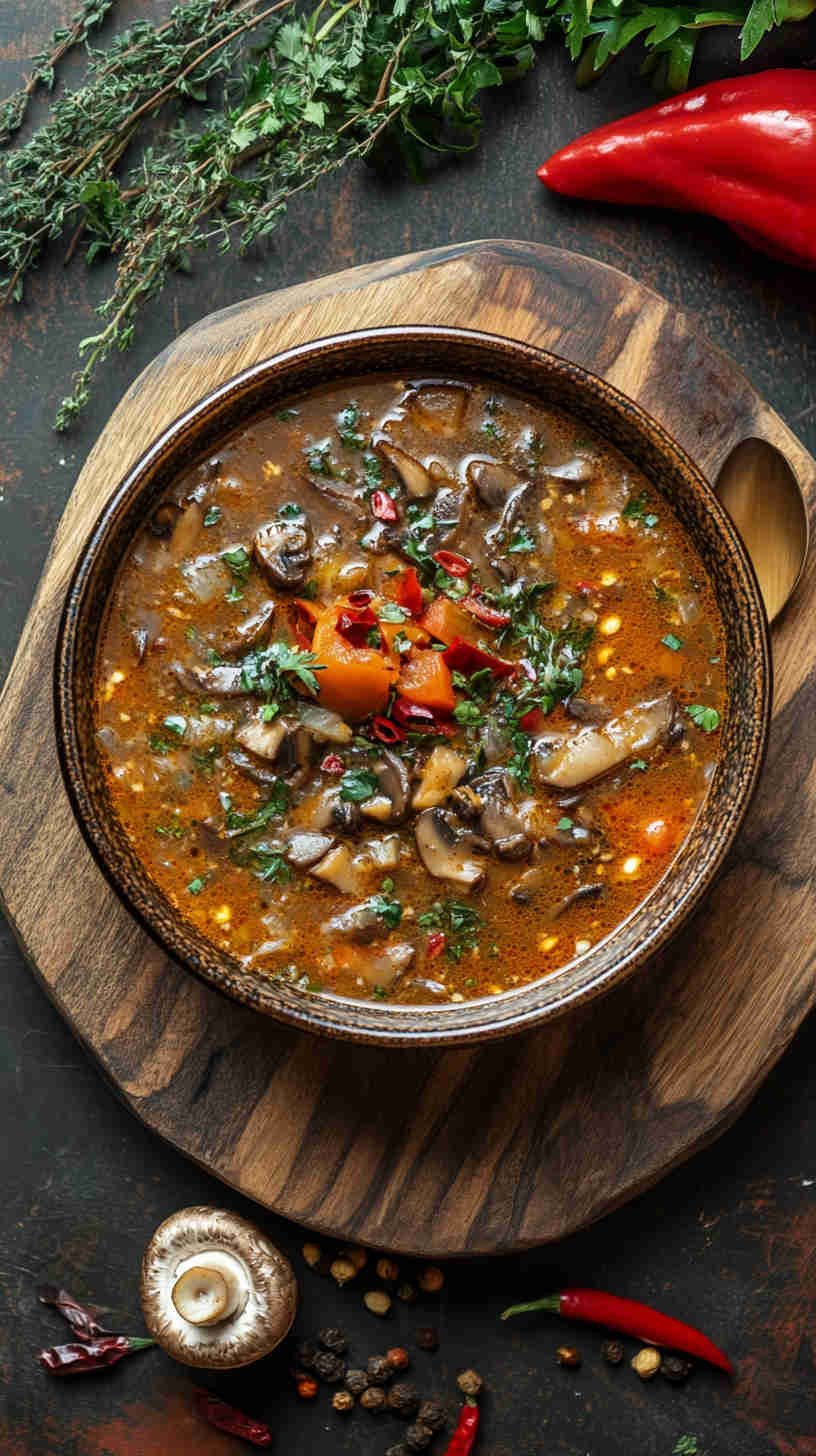
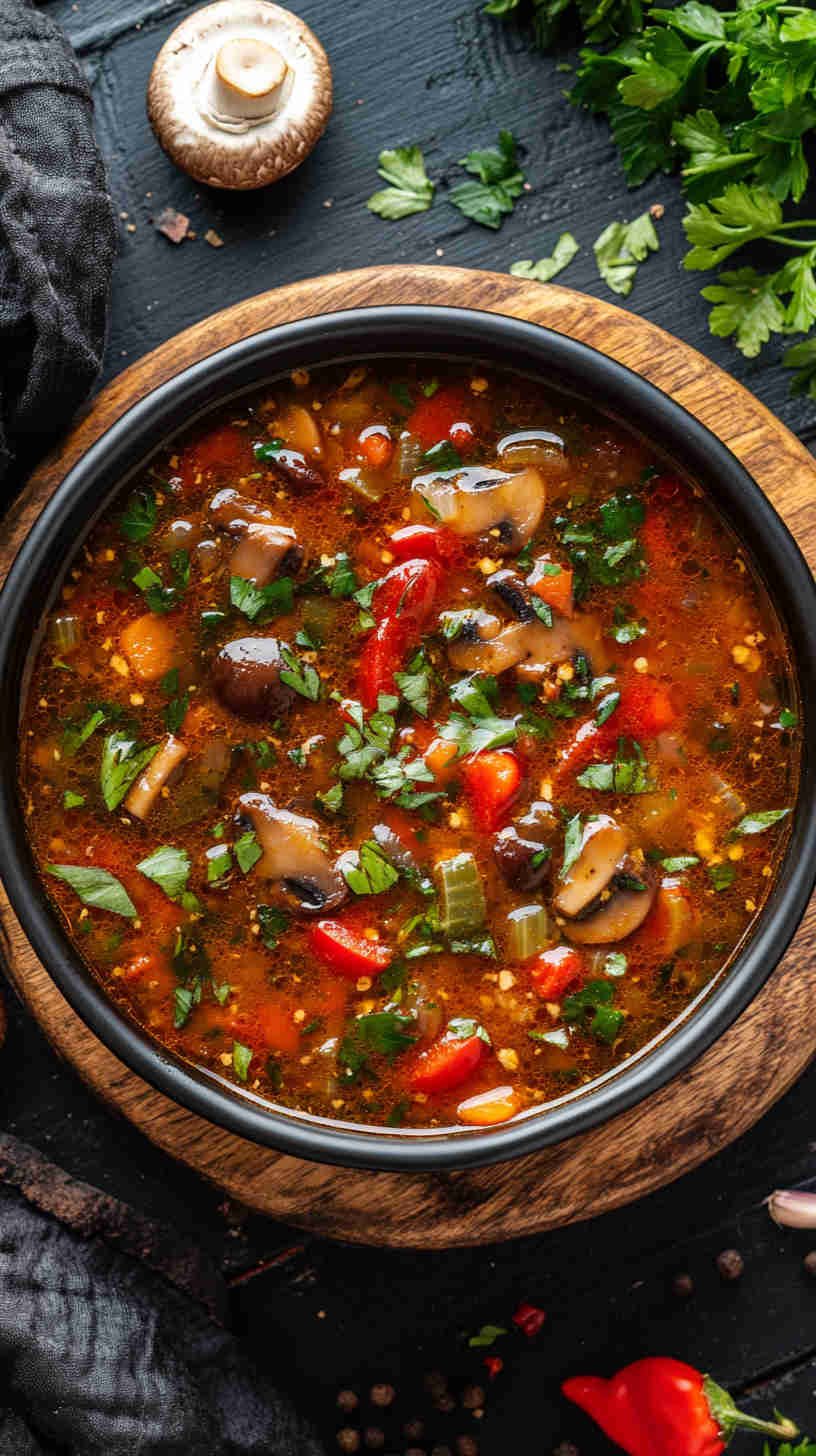
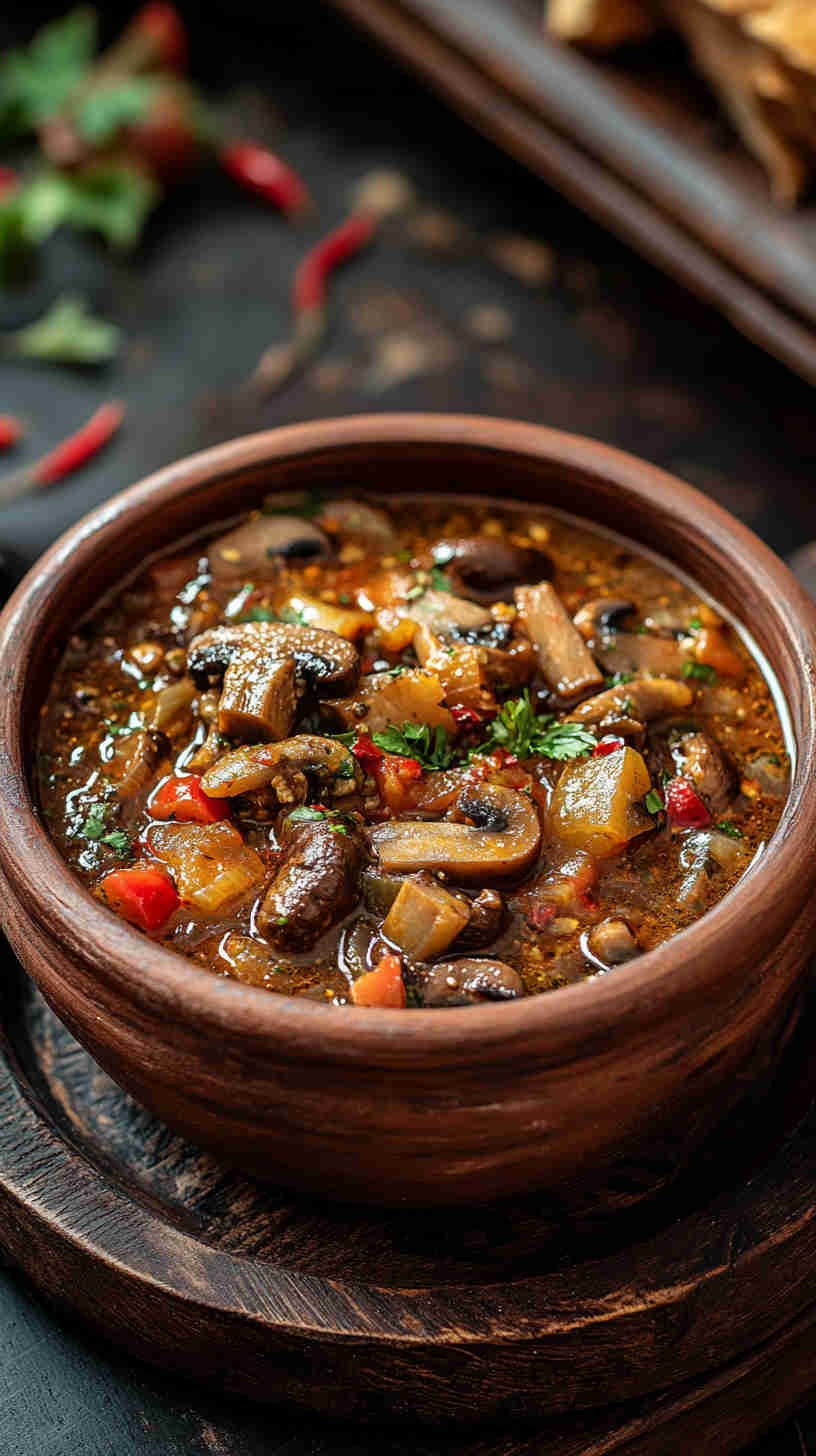
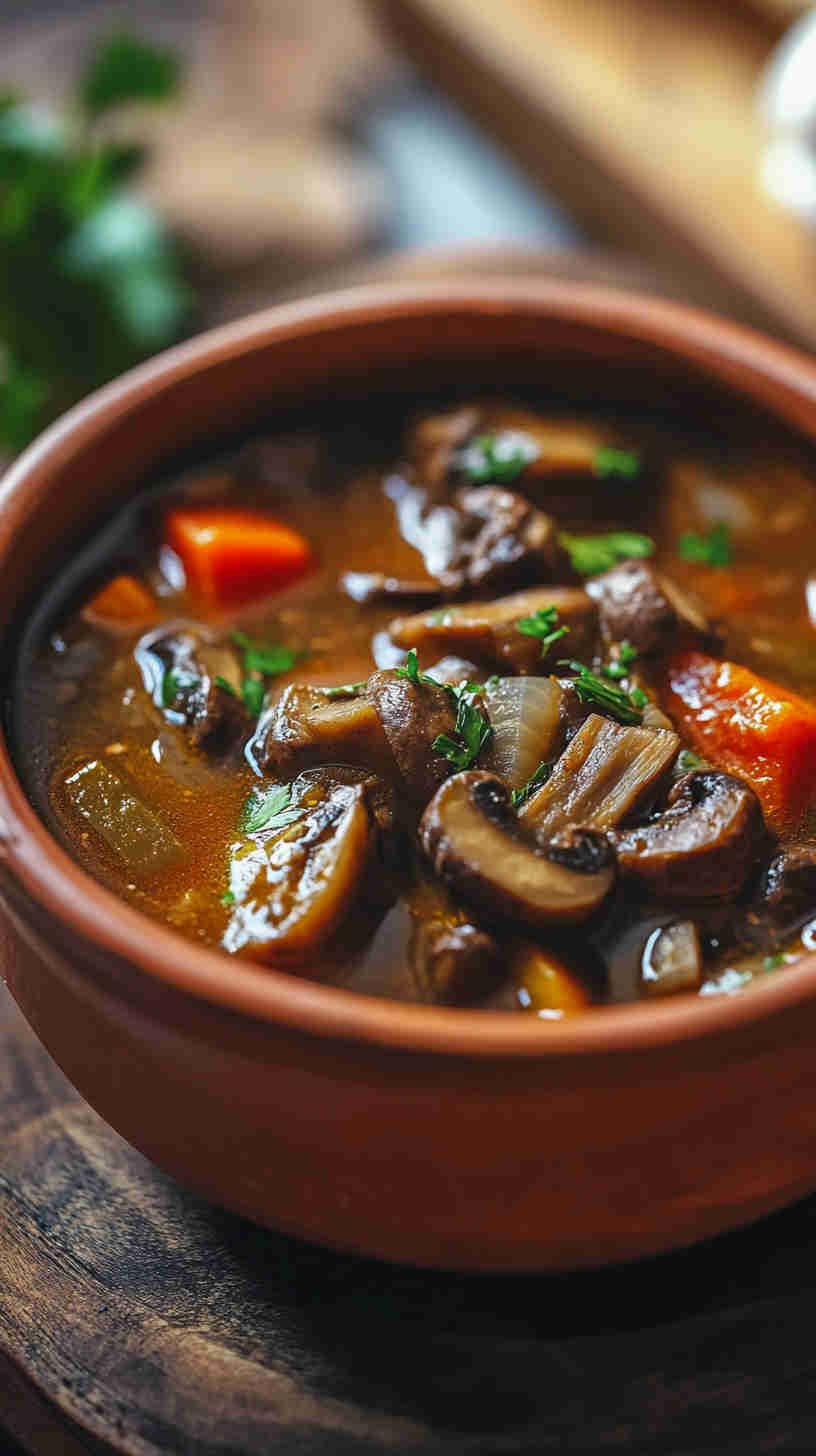
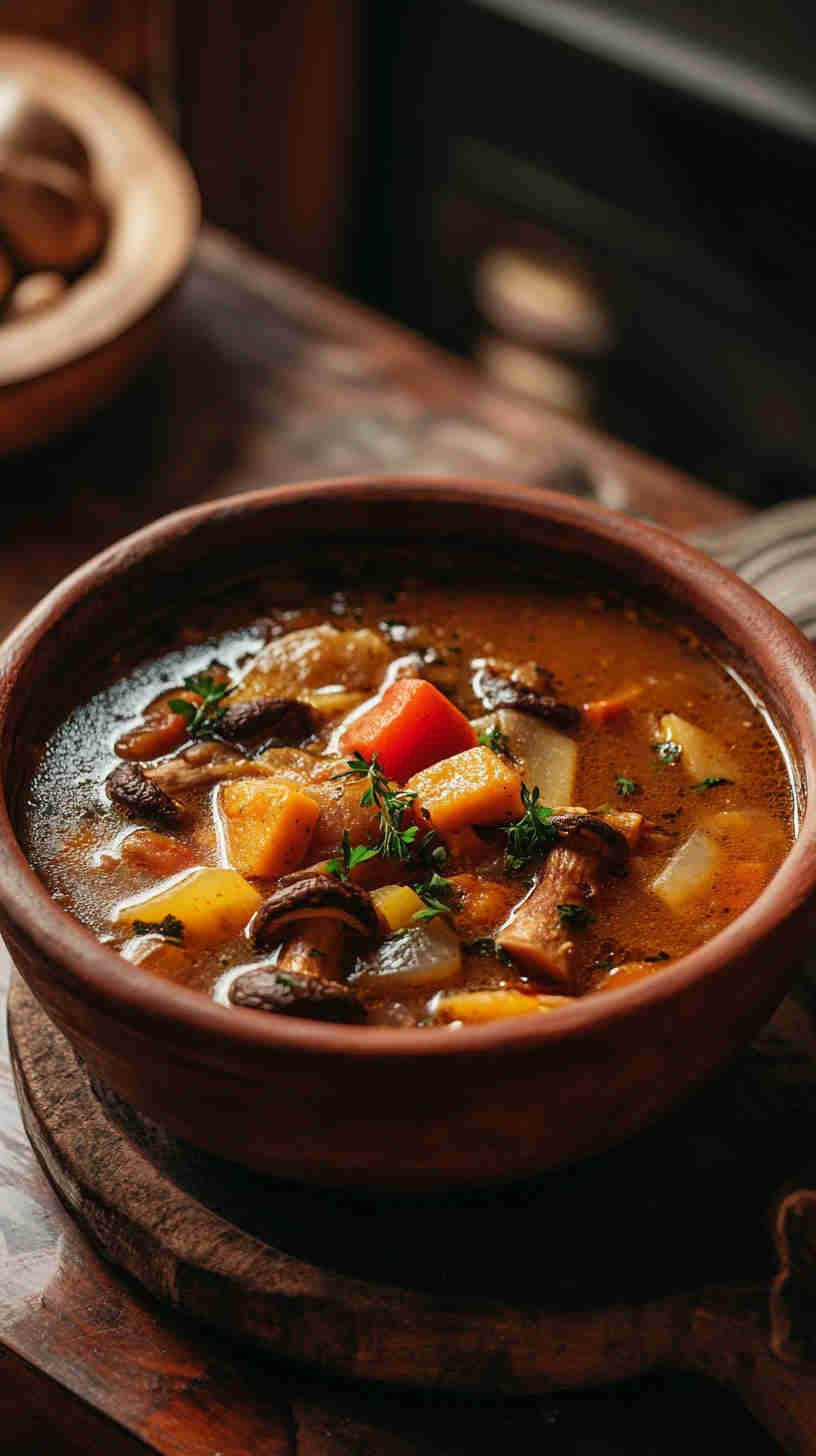
Please share this Nigerian Mushroom and Vegetable Pepper Soup Recipe with your friends and do a comment below about your feedback.
We will meet you on next article.
Until you can read, Moroccan Spiced Mushroom Tagine Recipe