
A Traditional Italian Antipasto Platter with Salami is a beautiful, no-cook spread of thinly sliced cured meats (highlighting salami varieties), creamy cheeses, briny olives, marinated vegetables like artichokes and roasted peppers, fresh fruits, nuts, and crusty bread or grissini. It’s a vibrant, shareable starter bursting with salty, tangy, and savory Italian flavors.
Why You’ll Love This Recipe
This antipasto platter is pure Italian joy—effortless yet stunning, letting premium ingredients shine without any cooking required. The star salami brings bold, garlicky, peppery depth alongside silky prosciutto and other salumi for varied textures and tastes.
Paired with creamy mozzarella or provolone, tangy marinated veggies, briny olives, and crunchy nuts or fresh fruit, every bite offers balance: salty meets creamy, tangy meets sweet. It’s perfect for entertaining—impress guests at parties, holidays, or casual dinners with minimal prep.
The platter looks restaurant-worthy on a wooden board, encourages sharing and mingling, and pairs beautifully with wine or aperitifs. It’s customizable, make-ahead friendly, and feels authentically Italian, transporting you to a sun-drenched trattoria terrace with friends and family.
Recipe Tips and Tricks
Choose high-quality, thinly sliced meats from a good deli—paper-thin prosciutto and ¼-inch salami rounds for easy eating. Arrange in sections or fan shapes for visual appeal; place salty items away from delicate ones to avoid overpowering.
Use small bowls for olives, marinated items, and dips to contain liquids. Add fresh elements like basil sprigs, grapes, or figs for color and contrast. Serve at room temperature—let cheeses and meats sit out 20-30 minutes for best flavor.
Include small knives, toothpicks, or forks for easy serving. Balance flavors: salty meats with sweet fruit, creamy cheese with tangy veggies. For crowds, double meats and add more variety. Keep it simple—quality over quantity wins every time!
Ingredients Notes
Authentic Italian antipasto relies on premium, minimally processed ingredients that highlight regional traditions. Cured meats like Genoa salami (garlicky, mildly spiced pork salami), spicy soppressata, or hard salami provide savory backbone—choose artisanal for better texture and flavor.
Prosciutto crudo (Parma or San Daniele) adds delicate saltiness and melt-in-mouth silkiness. Cheeses such as fresh mozzarella balls (bocconcini), sharp provolone, or Parmigiano-Reggiano chunks offer creamy to nutty contrasts.
Marinated vegetables (artichoke hearts, roasted red peppers, pepperoncini) bring tangy, briny acidity. Olives (green Castelvetrano and black oil-cured) add brininess. Fresh elements like cherry tomatoes, grapes, or figs provide sweetness and crunch.
Nuts (almonds or pistachios) and breadsticks/grissini or crusty bread complete the platter. Extra virgin olive oil for drizzling and fresh herbs enhance everything. Source from Italian markets or quality delis for authenticity!
Variations and Substitutions
Personalize freely! Add more meats like capicola, mortadella, bresaola (beef), or ‘nduja for spicy spreadable heat. For vegetarian, skip meats and double cheeses/veggies with marinated mushrooms or grilled zucchini.
Cheese swaps: Pecorino Romano for sharper bite, burrata for ultra-creamy, or fontina for mild melt. Include seafood like anchovies, tuna, or shrimp for coastal flair. Add sun-dried tomatoes, roasted garlic, or giardiniera for extra tang.
For sweetness, incorporate figs, honey drizzle, or melon wrapped in prosciutto. Nut-free? Use seeds or skip.
Gluten-free? Swap bread for GF crackers. Regional twists: Southern Italian with spicy salami and eggplant caponata; Northern with bresaola and milder cheeses. Scale up for parties or down for intimate dinners—endless combinations keep it exciting!
Storage Options
Assemble just before serving for freshest taste and texture. Store components separately in airtight containers: meats and cheeses in fridge up to 5-7 days (wrap tightly to prevent drying); marinated veggies and olives up to 2 weeks refrigerated. Pre-slice breadsticks store airtight at room temp 3-4 days.
Once assembled, leftovers keep refrigerated 1-2 days (cover loosely); refresh meats/cheeses at room temp before eating. Not ideal for freezing—texture suffers. Best enjoyed fresh, but components make quick snacks later!
Dish Gallery
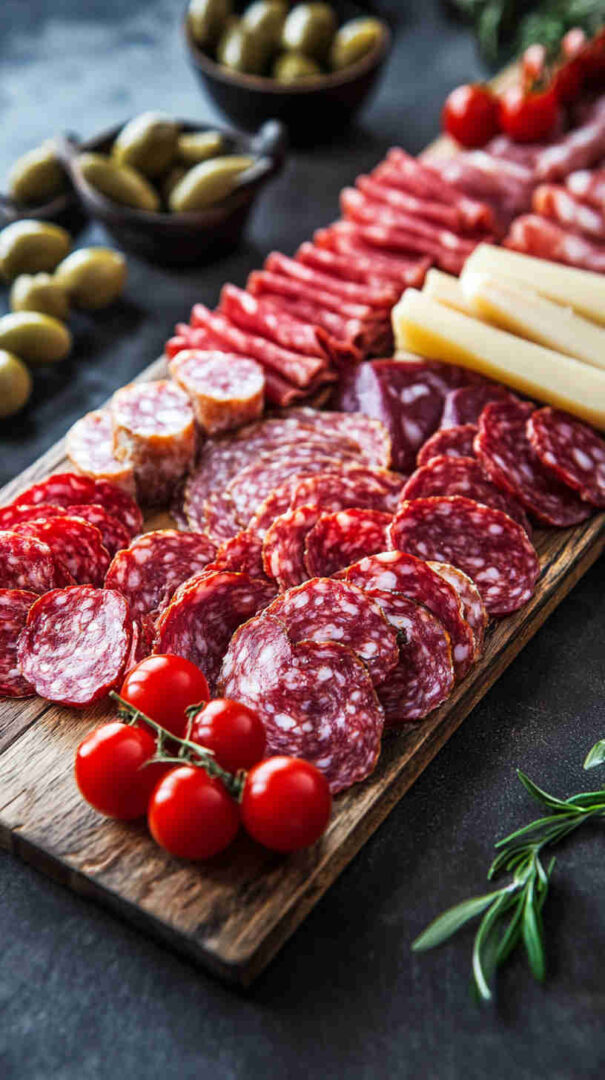
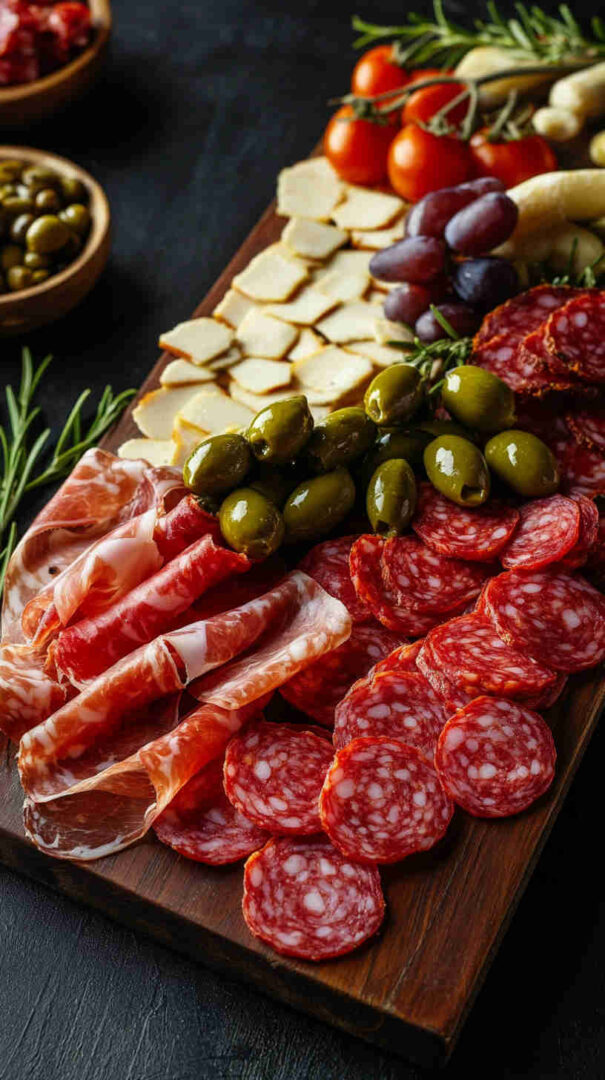
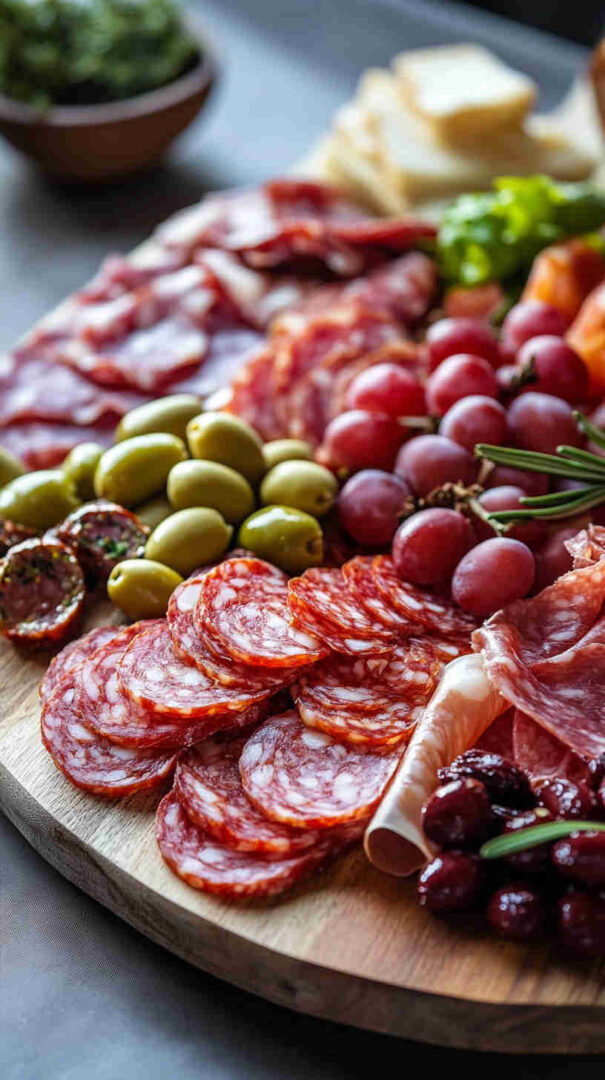

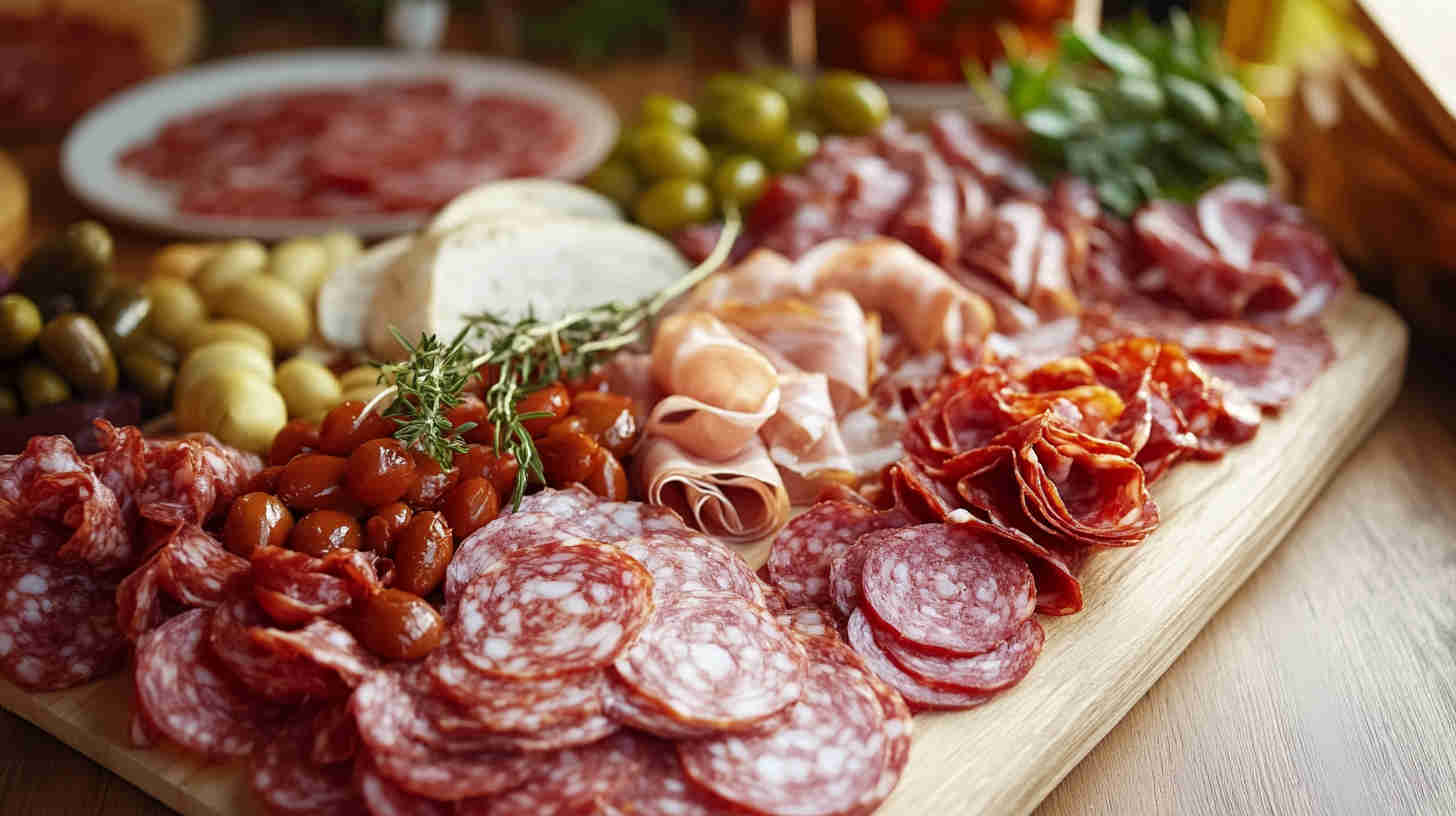



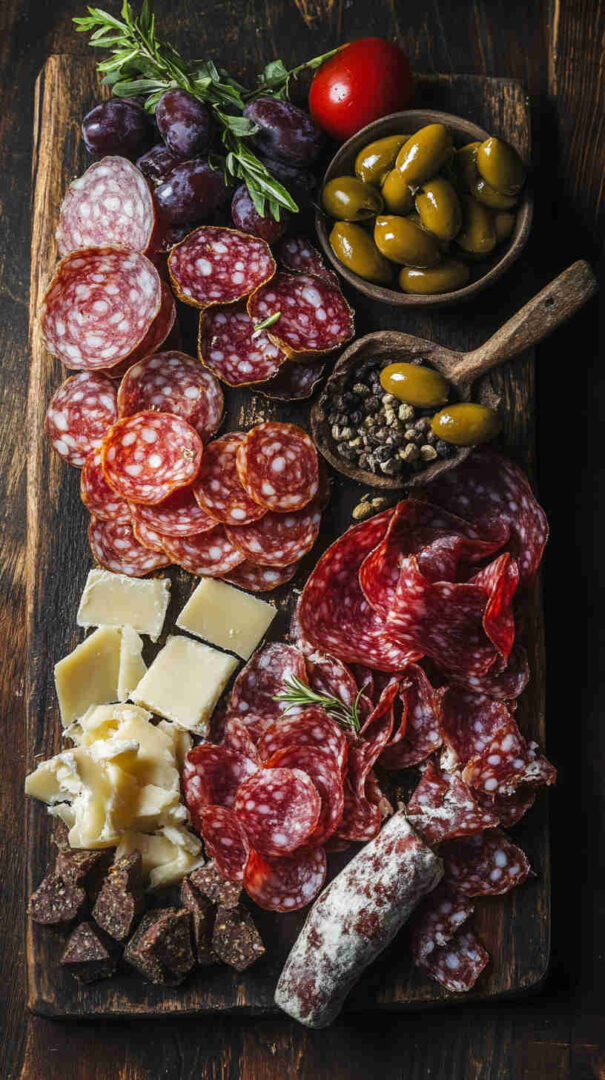
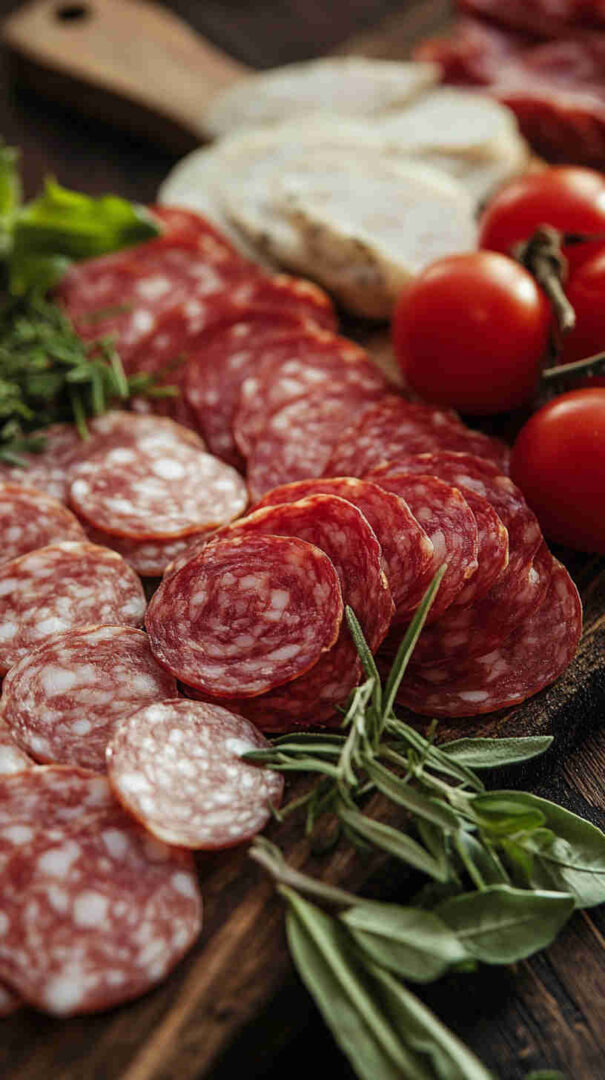





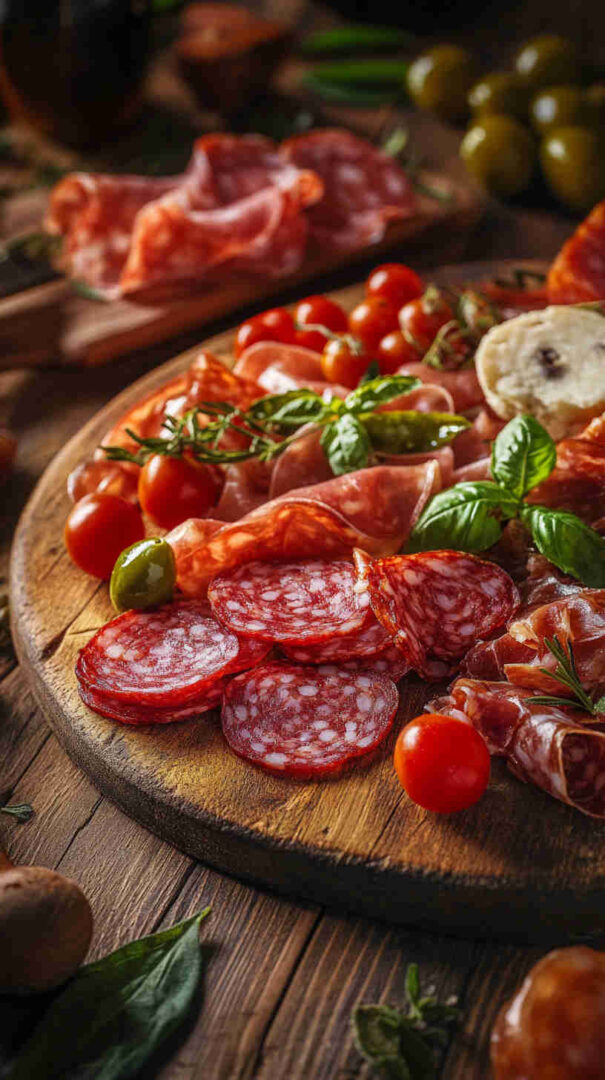
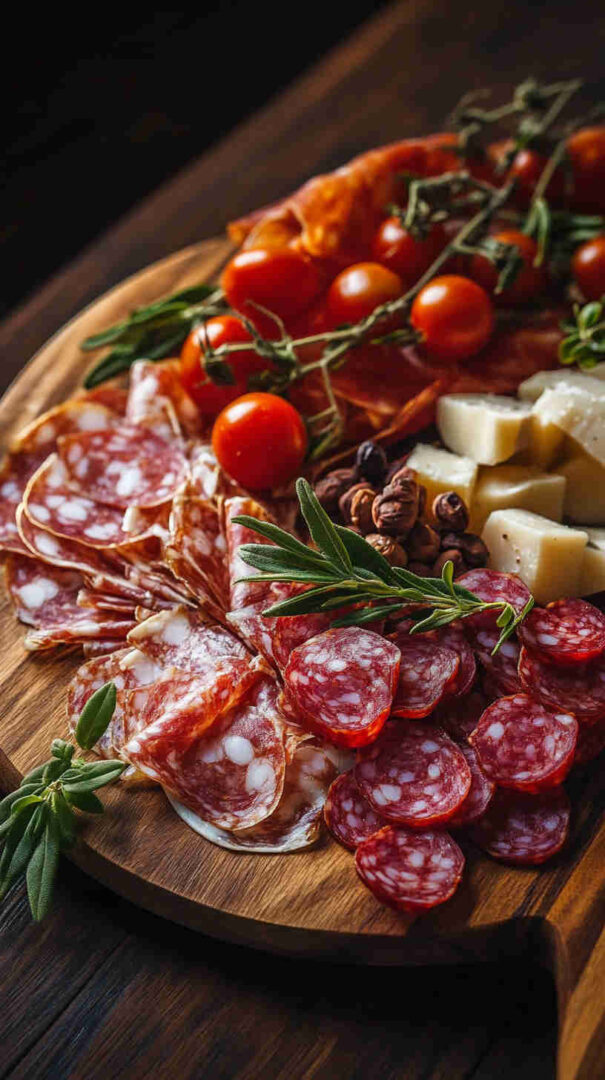

Please share this Traditional Italian Antipasto Platter with Salami Recipe with your friends and do a comment below about your feedback.
We will meet you on next article.
Until you can read, Tomato and Mozzarella Bruschetta