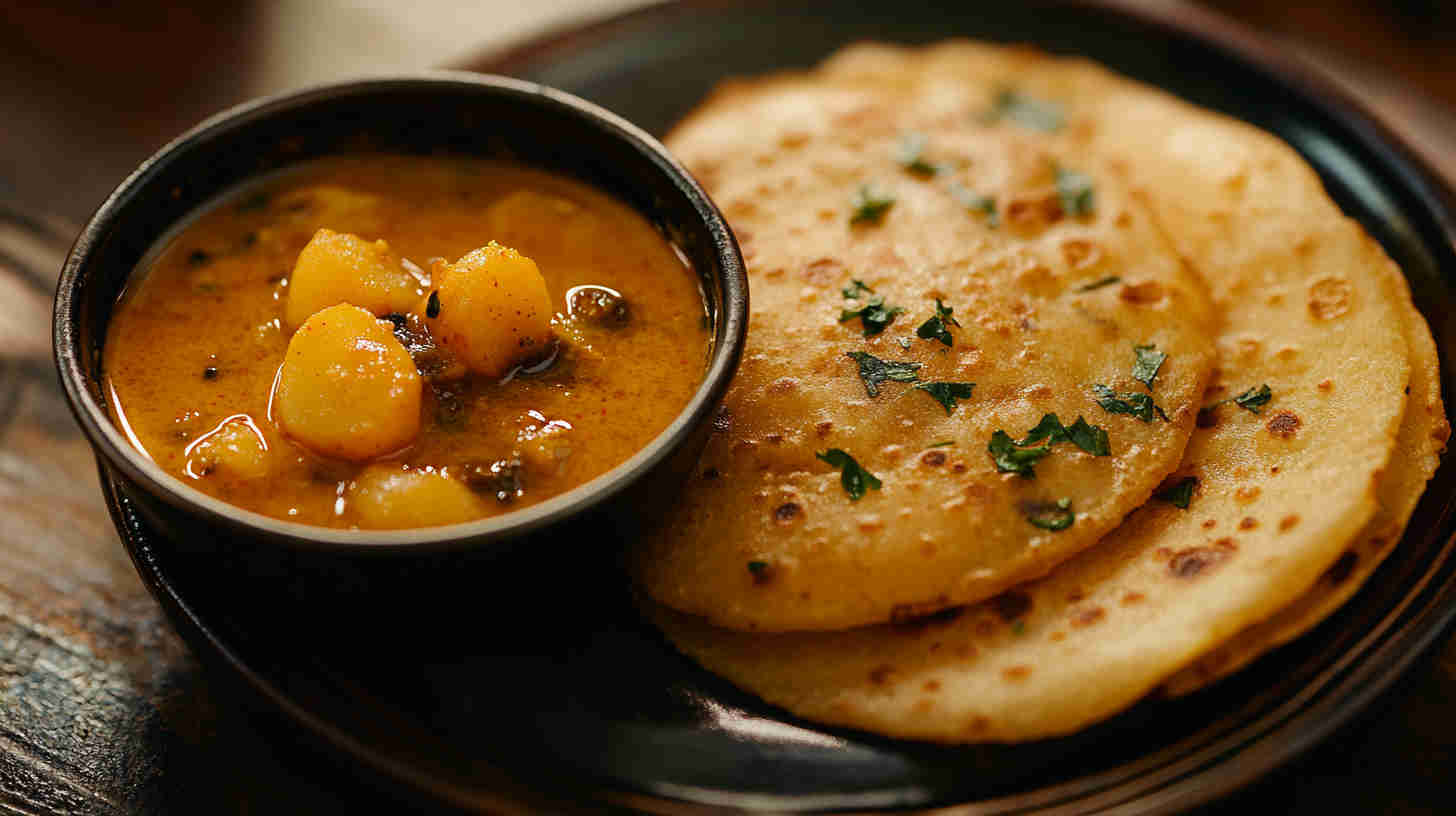
Appam with Potato Stew
Appam with Potato Stew is a classic Kerala breakfast delight. Soft, lacy fermented rice crepes pair perfectly with a creamy, mildly spiced coconut milk potato stew. This gluten-free vegan-friendly dish offers comforting flavors with subtle coconut aroma, warm spices, and tender potatoes—ideal for a hearty South Indian morning meal that feels both traditional and light.
My Experience Cooking This Recipe:
I first tried making Appam with Potato Stew during a family weekend brunch. The batter fermentation took patience, but the joy of watching those delicate appams crisp at the edges in the pan was rewarding.
The stew came together quickly and tasted restaurant-quality. It’s now a weekend favorite—slightly time-consuming but deeply satisfying and impressive for guests.
Appam with Potato Stew
Lacy fermented rice appams served with creamy Kerala-style potato coconut stew—a comforting South Indian classic.
Ingredients
For Appam Batter (makes 8-10):
- 2 cups raw rice (preferably idli rice or parboiled)
- 1 cup grated coconut (fresh)
- ½ cup cooked rice
- 1 tsp active dry yeast (optional for faster fermentation)
- 1 tsp sugar
- ½ tsp salt
- Coconut water or lukewarm water as needed
For Potato Stew:
- 3-4 medium potatoes, boiled and cubed
- 1 large onion, thinly sliced
- 2-3 green chilies, slit
- 1-inch ginger, julienned
- 10-12 curry leaves
- 2 cups thin coconut milk
- 1 cup thick coconut milk
- ½ tsp turmeric powder
- ½ tsp black pepper powder
- 2 tbsp coconut oil
- Salt to taste
Instructions
- Start with the batter base: Soak 2 cups raw rice in water for 4-5 hours. This softens the grains beautifully, setting the stage for that perfect fermentation magic!
- Grind to smoothness: Drain the rice and blend it with grated coconut, cooked rice, and enough water into a smooth, slightly coarse batter. It should feel velvety—your future lacy appams will thank you!
- Activate the fermentation: Mix in sugar, salt, and dissolved yeast (if using). Stir gently and let it rest in a warm spot overnight. Wake up to a bubbly, risen batter that smells slightly tangy—pure joy!
- Prepare the perfect consistency: The next morning, check the batter. It should be runny like thick buttermilk. Adjust with coconut water if needed—never skip this for those delicate edges.
- Heat up the appam pan: Place your appam chatti (or small non-stick pan) on medium heat. Drizzle a few drops of coconut oil and swirl for that gorgeous non-stick sheen.
- Pour and swirl with love: Add a ladle of batter, quickly swirl the pan to create thin lacy edges while keeping the center thicker. Cover and cook until the edges crisp and center steams through—about 2-3 minutes of anticipation!
- Sauté the stew aromatics: In a pan, heat coconut oil. Add sliced onions, ginger, green chilies, and curry leaves. Let them dance and release their fragrant oils—your kitchen will smell heavenly.
- Build the stew base: Stir in turmeric, pepper, and salt. Add cubed boiled potatoes and thin coconut milk. Simmer gently so flavors meld without breaking the milk’s creamy emulsion.
- Finish with richness: Pour in thick coconut milk, warm through (do not boil vigorously), and garnish with more curry leaves and a touch of coconut oil. Taste and adjust—pure comfort in a bowl!
- Serve fresh and hot: Gently loosen each golden appam from the pan and stack them. Ladle warm potato stew generously and watch smiles light up around the table. Enjoy every fluffy, creamy bite!
Notes
- Fermentation is key—keep batter in a warm place (use oven with light on if needed). Do not stir after fermentation.
- Use fresh coconut milk for best flavor; avoid high heat after adding thick milk.
- Traditional appam pans give the best shape, but a small skillet works too.
- Recipe is naturally vegan and gluten-free. Adjust spice levels to preference.
Nutrition Information
Yield
4Serving Size
1Amount Per Serving Calories 1242Total Fat 65gSaturated Fat 58gUnsaturated Fat 8gSodium 479mgCarbohydrates 149gFiber 7gSugar 26gProtein 16g
The recipes and nutritional information on Yum Tonight are for informational purposes only. Always consult a healthcare provider for personalized dietary advice.
Common Mistakes of Making This Recipe:
- Not fermenting the batter long enough or in a warm enough spot, resulting in dense, flat appams.
- Using thick batter instead of a runny consistency.
- Over-stirring fermented batter, which deflates the air pockets.
- Boiling the coconut milk vigorously in the stew, causing it to split.
- Using starchy potatoes that turn mushy instead of holding shape.
Ingredient Science of This Recipe:
Rice and coconut in the appam batter provide starches that ferment with natural yeasts or added yeast, producing CO2 for the signature lacy texture and slight tang. Coconut milk in the stew adds richness via fats that emulsify with spices.
Potatoes contribute starch for thickening, while ginger, green chilies, and curry leaves release aromatic compounds during sautéing for layered flavor without overpowering heat.
Serving Ideas of This Recipe:
Serve hot appams with generous ladles of potato stew. Pair with coconut chutney or vegetable korma for variety. For a complete Kerala breakfast spread, add boiled egg roast or fried fish. Great for brunch, light dinner, or festive occasions. Garnish stew with curry leaves and a drizzle of coconut oil for extra aroma.
FAQ (5 questions) of This Recipe:
Refrigerate up to 2 days; bring to room temperature before use.
Yes, traditional recipes rely on natural fermentation overnight in a warm place.
Simmer gently or mash a few potato pieces to thicken naturally.
Yes, both appam and stew are naturally gluten-free.
Absolutely—dilute it slightly with water for the perfect creamy consistency.
Please share this Appam with Potato Stew with your friends and do a comment below about your feedback.
We will meet you on next article.
Until you can read, Appam with Mutton Stew